Danijel Žeželj’s Like a Dog Reworks Kafka as a Graphic Novel
- Project
- Graphic Design
- Drawn by
- Marika Lind
- Issued
- Sheet
- A-95
Danijel Žeželj draws on four Kafka works and more for Like a Dog, a 104-page graphic novel published across Croatia, Germany and Slovenia.
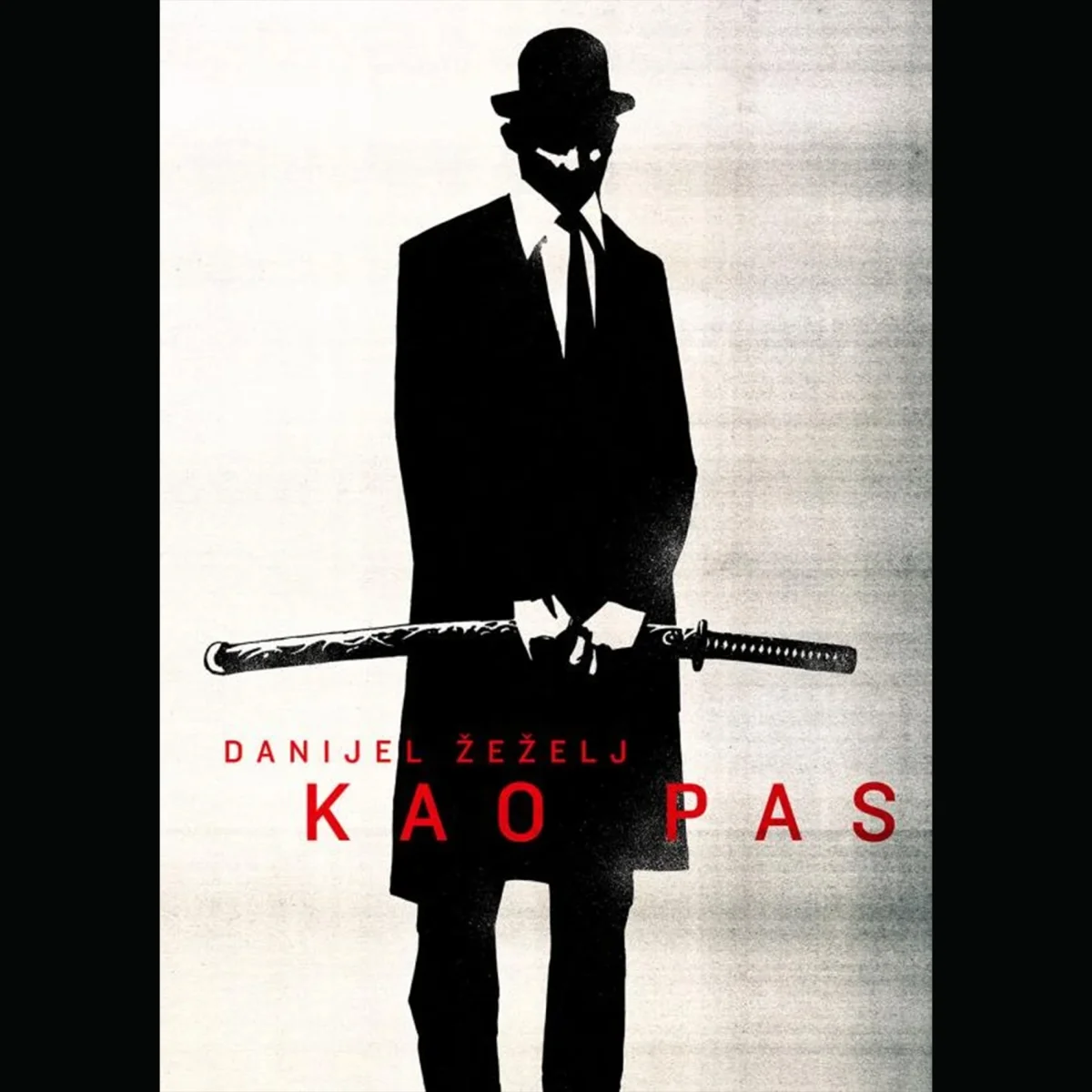
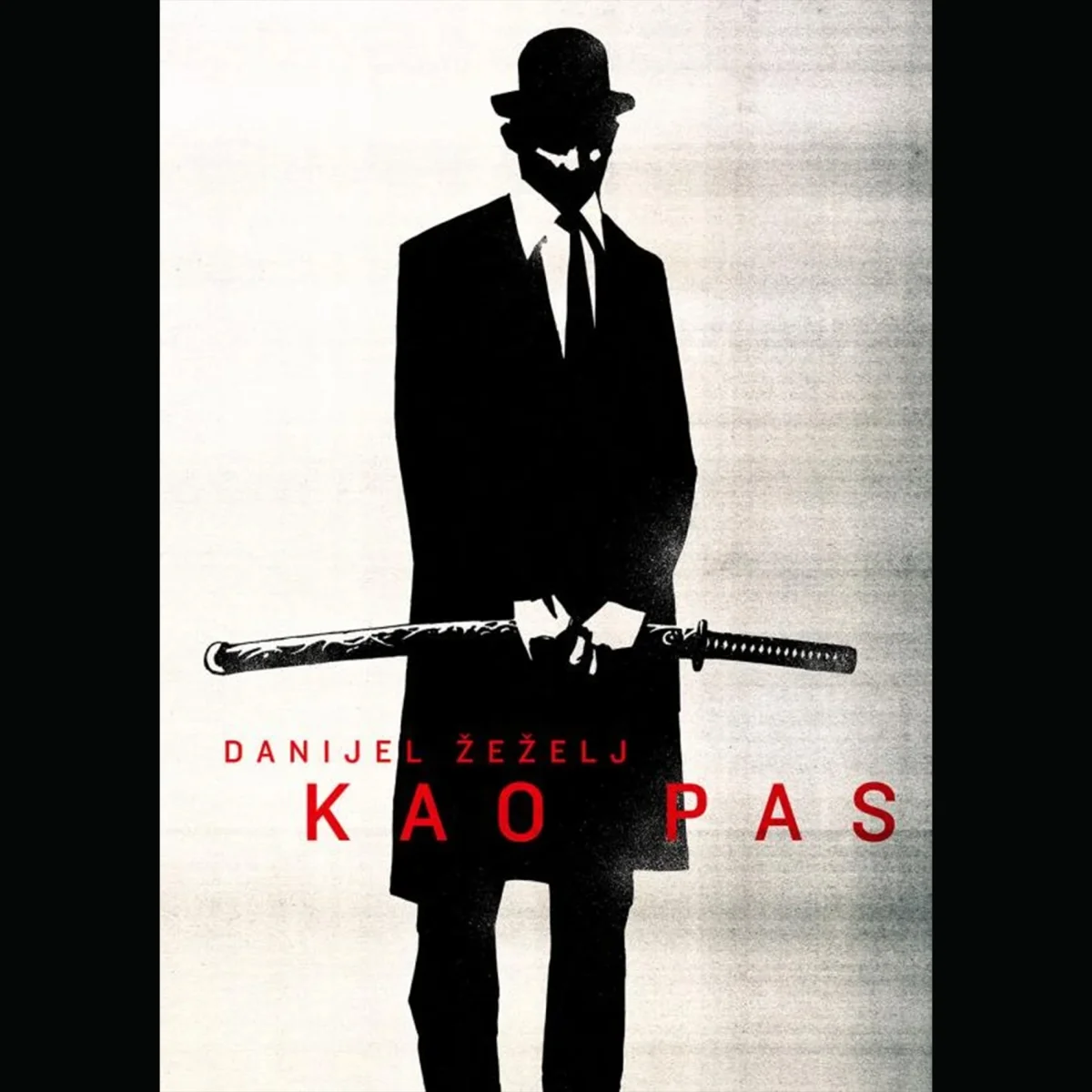
Danijel Žeželj’s Like a Dog brings several works by Franz Kafka into one graphic novel, creating a project whose central design question is how to make a collection of literary sources read as a unified visual work. The 104-page book draws on A Hunger Artist, The Trial, Blue Notebooks and A Message from the Emperor, among other selected pieces. Žeželj is represented by IllustrationZone.

One book, several source texts
Adapting multiple literary works poses a different challenge from illustrating a single story. The book has to retain distinctions between its sources while giving readers a reason to experience them together. Its title, Like a Dog, offers a shared point of entry; the range of named Kafka works signals that the project moves across more than one text or episode.
The available description doesn’t specify how Žeželj handles those shifts on the page. It doesn’t identify a typeface, a colour palette, a panel system or particular sequences, so those choices shouldn’t be guessed from the book’s premise. What can be said is that the 104-page format gives the work a defined container for bringing several pieces into a single reading experience. For a designer, that makes pacing and transitions useful questions to consider when looking at the pages: where does one source end, how does the next begin, and what visual elements carry through?
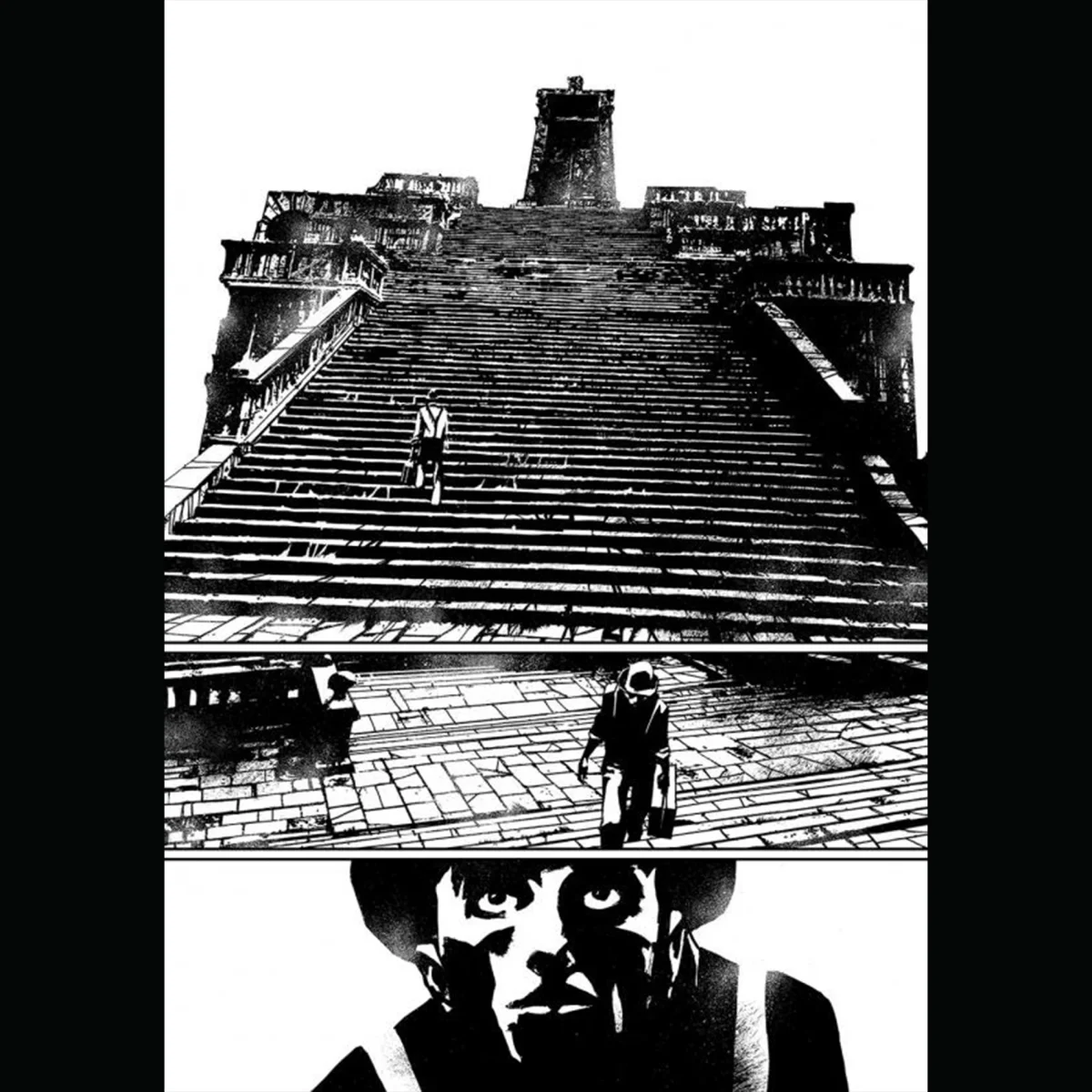
That structure matters because an adaptation can operate at several scales at once. A page may serve a passage or moment, while the full book needs to establish a rhythm across its different sources. Repeated visual cues can help readers recognize continuity; changes in composition or pacing can mark a turn. These are practical considerations for any illustrated collection, but the source information does not confirm which methods appear in Žeželj’s book. The pages themselves are the place to assess how he resolves that balance.
Published in three countries
Like a Dog was published by Fraktura in Croatia, Avant-Verlag in Germany and VigeVage in Slovenia. That publishing information gives the project a cross-border footprint, with the same 104-page work appearing through three named publishers. The source does not state publication dates for each edition, formats, prices or whether their production details differ, so those particulars remain open.
For readers comparing editions, the publisher credits are a useful starting point. They identify where the book was published without implying that every edition has identical packaging or specifications. For designers preparing a multi-market book, the broader task is to preserve a coherent reading experience across editions while accounting for each publisher’s production needs. No edition-specific adaptations are described here, so the exact production approach can’t be established from the available details.
A useful case for adaptation design
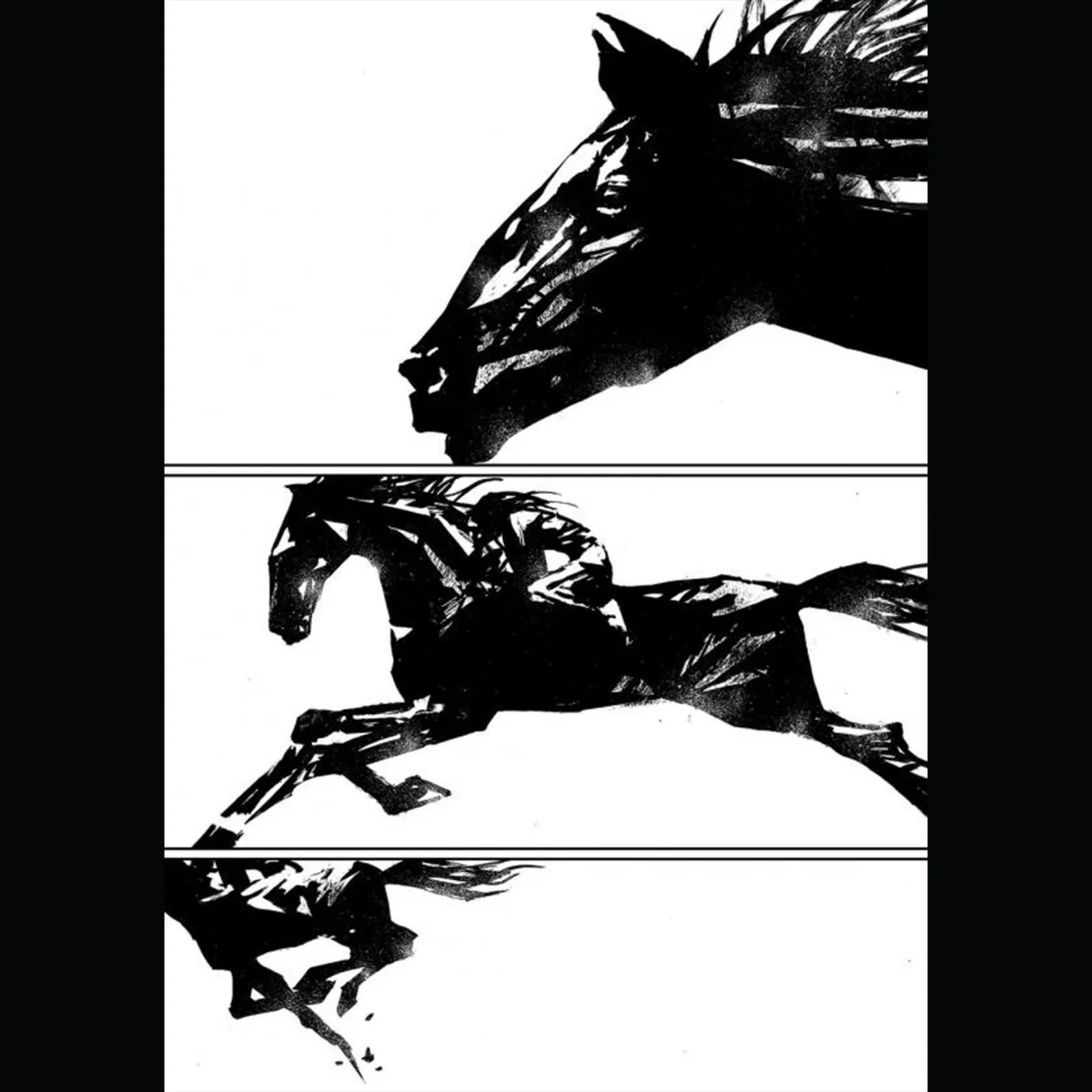
The project’s clearest lesson lies in its premise: a graphic novel can connect several source texts through one authored visual format. That connection asks the reader to move between distinct works while staying within the same book. When reviewing the pages, look for how the sequence manages that movement: whether transitions are signposted, whether the page rhythm gives each source room, and whether recurring choices make the volume feel cohesive.
Those questions are more useful than assuming a particular style from the literary material alone. Kafka’s name and the selected titles establish the source, but they don’t tell us how Žeželj interpreted it. The design decisions belong to the pages. The available images offer a starting point for examining the work, while the publication details establish its scale and publishing context.
The Directory of Illustration featured the work on May 16, 2024, crediting the post to Marika Lind. Readers can explore Žeželj’s portfolio and his agency website. For designers interested in literary adaptation, Like a Dog is an invitation to study how a single book can hold a range of source material—and to look closely at the sequence, page by page, for the visual decisions that make that possible.
| Rev | Description | Date |
|---|---|---|
| A | Issued for reading | |
| B | Viewed 302 times | Current |


