Honda Motocompacto Folds Scooter Design Into a Portable Case
- Project
- Graphic Design
- Drawn by
- TheFuture
- Issued
- Sheet
- A-8
Honda’s Motocompacto pairs a fold-flat form with practical rider features, a 15 mph top speed and a 12-mile range.
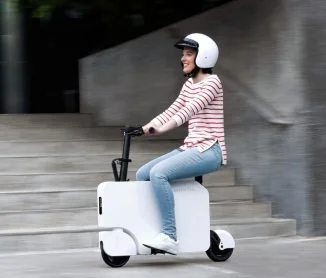
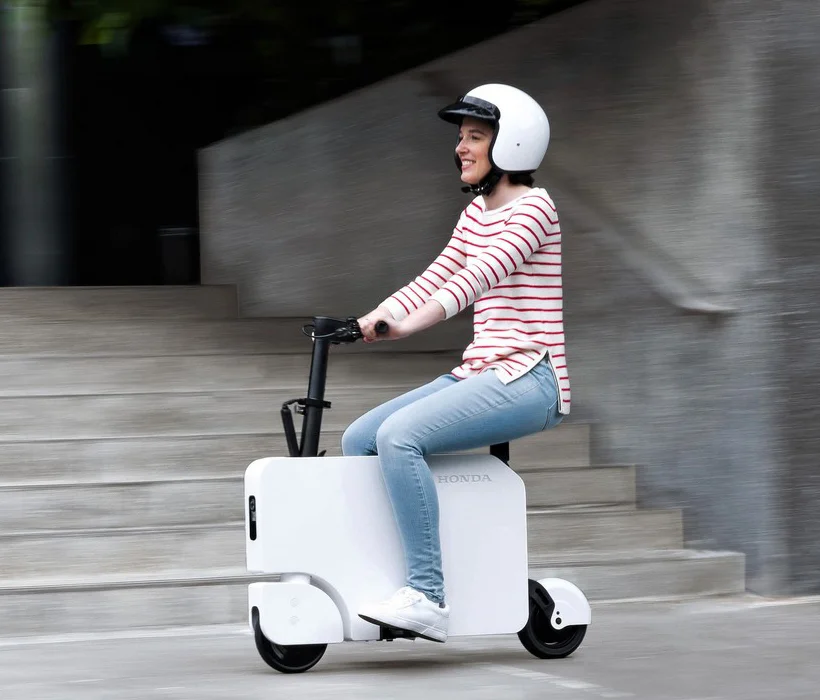
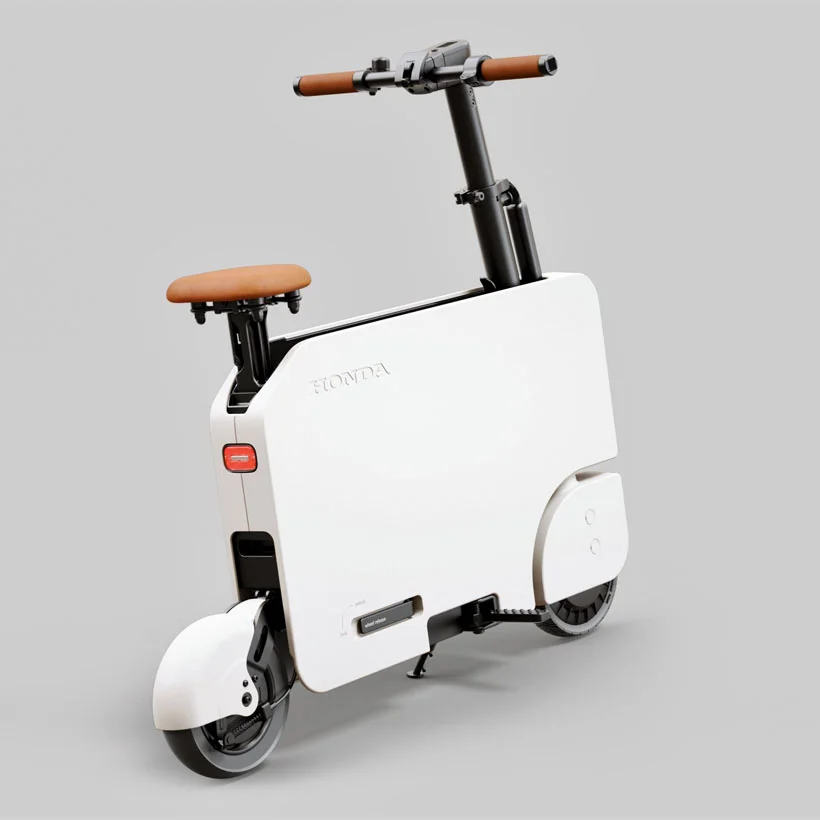
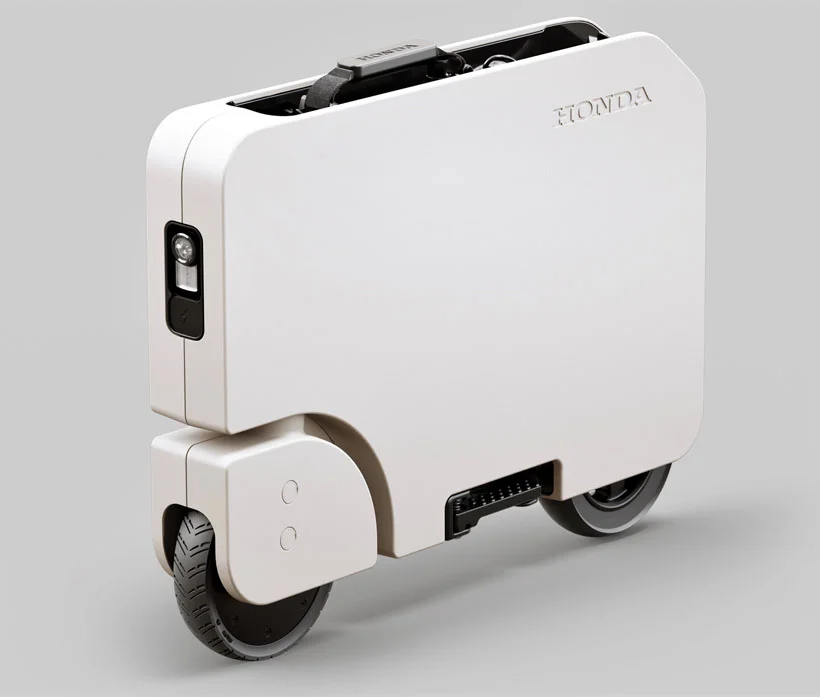
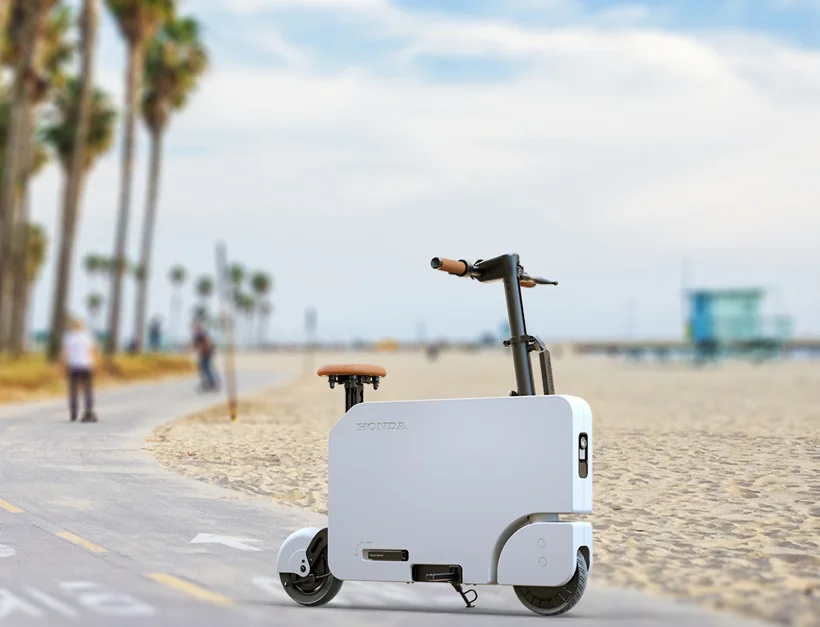
Honda’s Motocompacto turns a small electric scooter into a carryable object. Its defining design choice is the folding body: the scooter becomes its own compact case, making portability part of the product’s visual identity and everyday use. The name nods to Honda’s Motocompo, a scooter from the early 1980s, while the Motocompacto is presented as an all-new electric model.
That foldable form shapes the practical proposition. Honda says the scooter reaches a maximum speed of 15 mph and a range of up to 12 miles. It takes 3.5 hours to charge from a standard 110-volt outlet, whether folded or ready to ride. Those figures position the Motocompacto for shorter trips: the compact form may help it fit into a car or accompany a rider on public transportation, while the stated range sets a clear limit on how far it can travel between charges.
A carryable object with riding controls
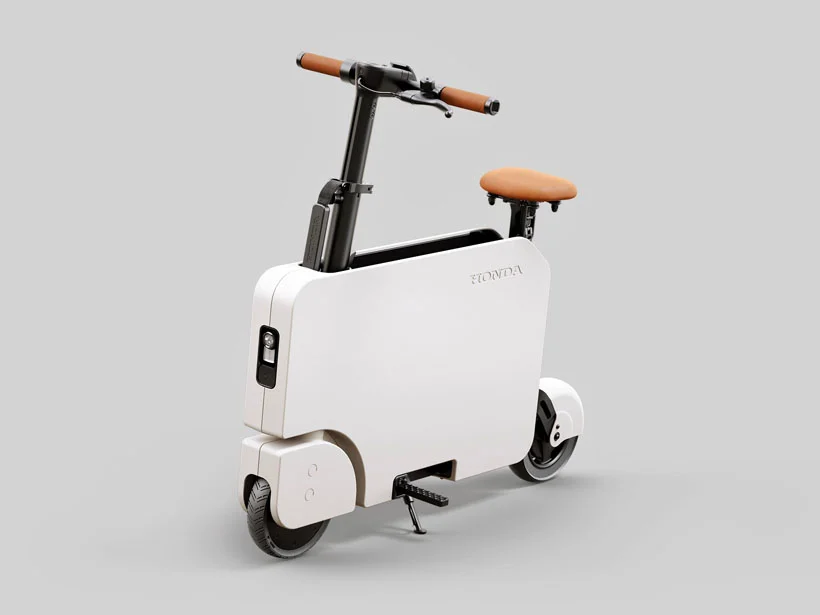
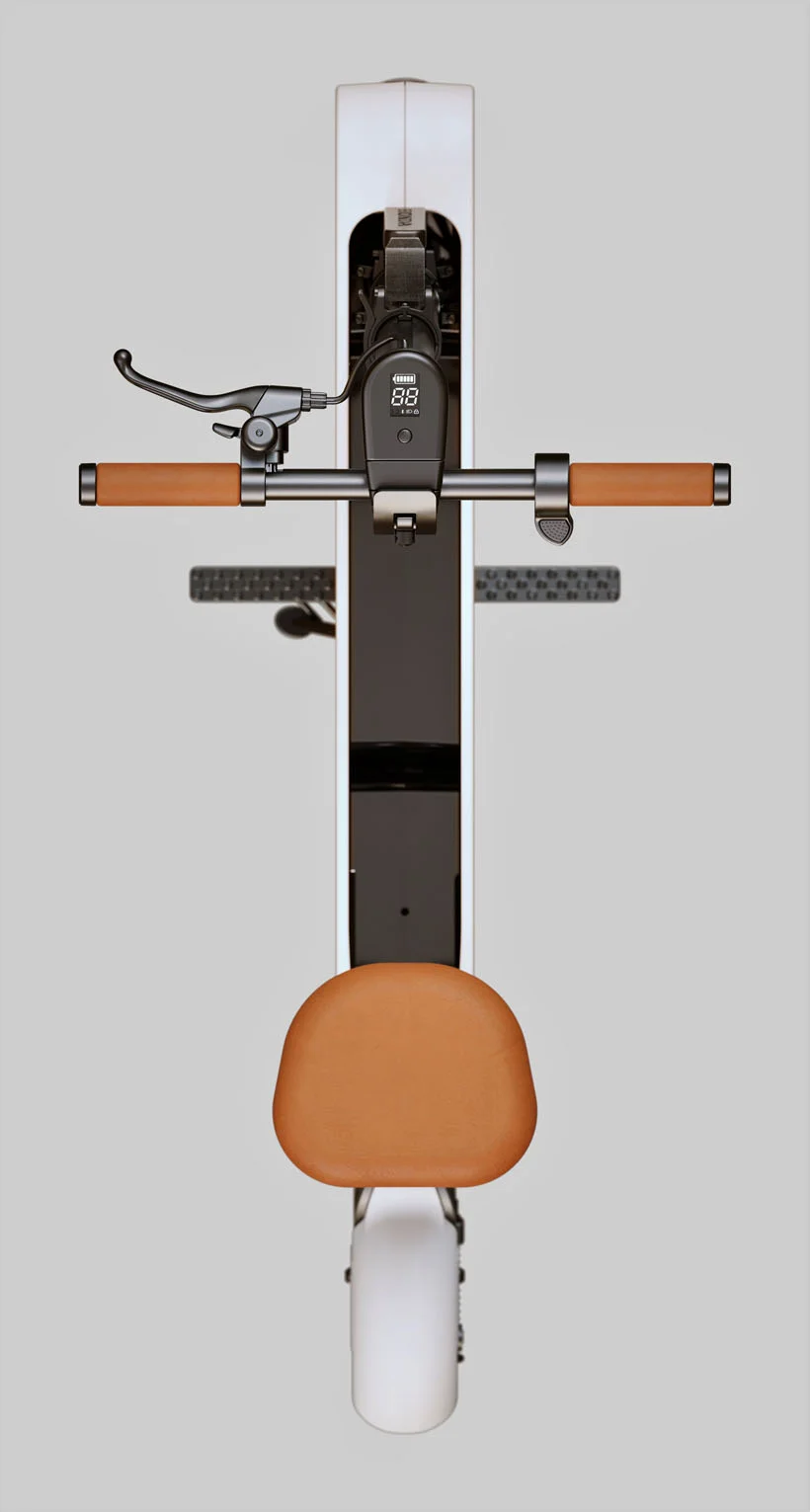
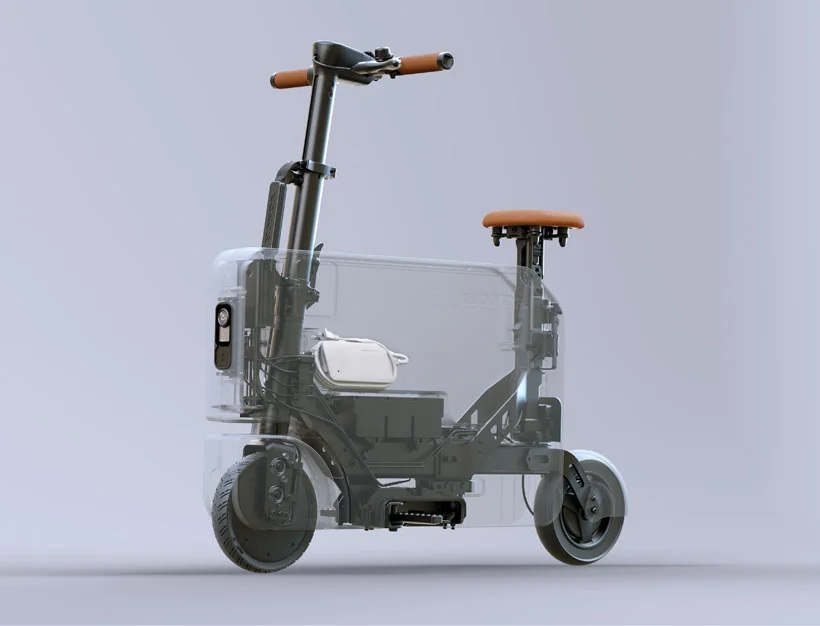
The Motocompacto’s design has to serve two modes. In motion, the rider needs a stable place to sit, space for their feet, and controls they can read. When folded, the scooter needs to be manageable as an object to carry and store. Honda describes a cushioned seat, secure-grip foot pegs and a comfortable carry handle, alongside an onboard storage area. The combination makes the transition between riding and carrying central to the experience.
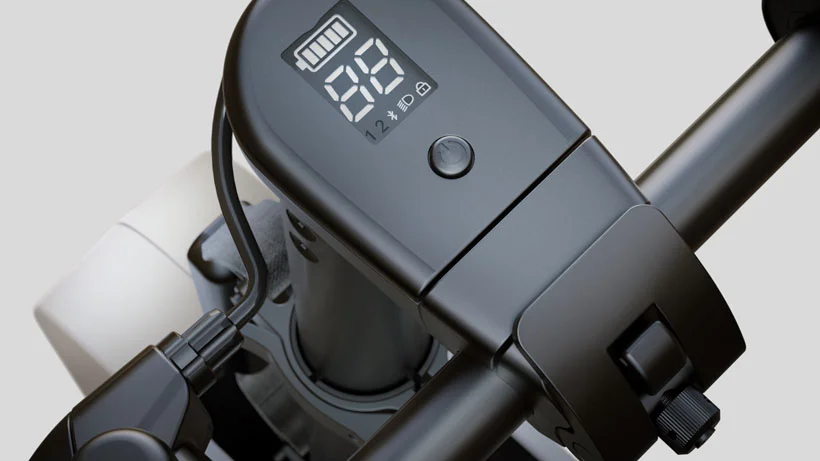
A digital speedometer and charge gauge put two key pieces of trip information on the vehicle itself: current speed and remaining battery charge. These details suit a scooter intended for short urban journeys, where a rider may need to judge whether the remaining charge will cover the next leg. Honda also says a smartphone app lets riders adjust personal settings, including ride modes and lighting. The app extends customization beyond the physical controls, though the source doesn’t specify which settings or lighting options are available.
This balance between physical controls and app settings is a useful design distinction. The speed and charge displays address immediate awareness while riding; the app handles preferences. For designers working on compact devices, that division can help keep essential information close at hand while placing less frequent adjustments in a connected interface.
Materials and visibility details
Honda says the frame and wheels use heat-treated aluminum, and lists side reflectors, a bright LED headlight and taillight among the scooter’s features. A welded steel lock loop is integrated into the kickstand. These details give the product’s small silhouette functional jobs to do: visibility components support being seen, while the lock loop provides a place to secure the scooter.
The materials and hardware also complicate the idea of “portable.” A folding shape can make an object easier to stow, but carrying comfort depends on more than its outline. Honda’s inclusion of a dedicated handle acknowledges that the scooter will be handled off the road as well as ridden. The source doesn’t give the scooter’s weight or folded dimensions, so those details would be needed to judge how comfortably it fits into a specific commute or storage setup.
Engineering the fold
Honda says engineers in Ohio and California designed and developed the Motocompacto, and that the work earned 32 patents. The source doesn’t identify the individual designers or provide a launch date. Its description instead foregrounds the engineering behind the folding format and the scooter’s role within Honda’s electric vehicle lineup. The company connects the model to its goal of carbon neutrality and describes it as part of an end-to-end zero-emissions transport approach.
For designers, the most telling decision is how the Motocompacto treats storage and travel as parts of one product experience. The fold isn’t just a space-saving feature: it changes the object’s proportions, adds a carrying mode and gives the scooter a recognizable profile. The seat, foot pegs, display, lights and handle then have to work within that compact package. Honda’s stated specifications make the intended use legible: shorter journeys where a scooter can fit into a wider commute, with charging possible from an ordinary household outlet.
The Honda Motocompacto is aimed at city and college-campus travel. Its appeal will depend on how well that folded form works in real spaces, and how the ride and range match the rider’s route. The source’s key design idea is already clear: make the scooter portable enough to be carried between parts of a trip, while keeping the equipment for riding integrated into the same compact object.
The post Honda Brings Back Motocompo Through Motocompacto e-Scooter appeared first on Tuvie Design.
| Rev | Description | Date |
|---|---|---|
| A | Issued for reading | |
| B | Viewed 881 times | Current |


