Anna Godeassi Illustrates Everyday Joy in Jumping into Puddles
- Project
- UX & UI Design
- Drawn by
- Marika Lind
- Issued
- Sheet
- A-78
Anna Godeassi turns culturally specific words for happiness into warm, vivid illustrations for Jumping into Puddles, a book for readers of all ages.
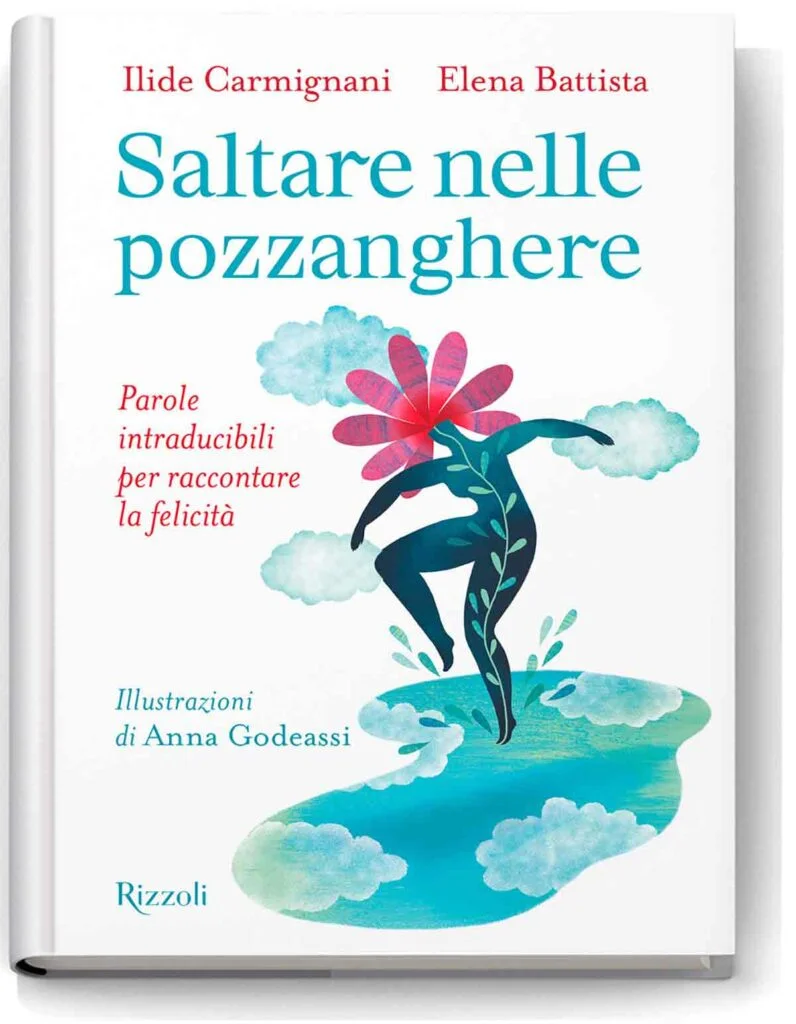
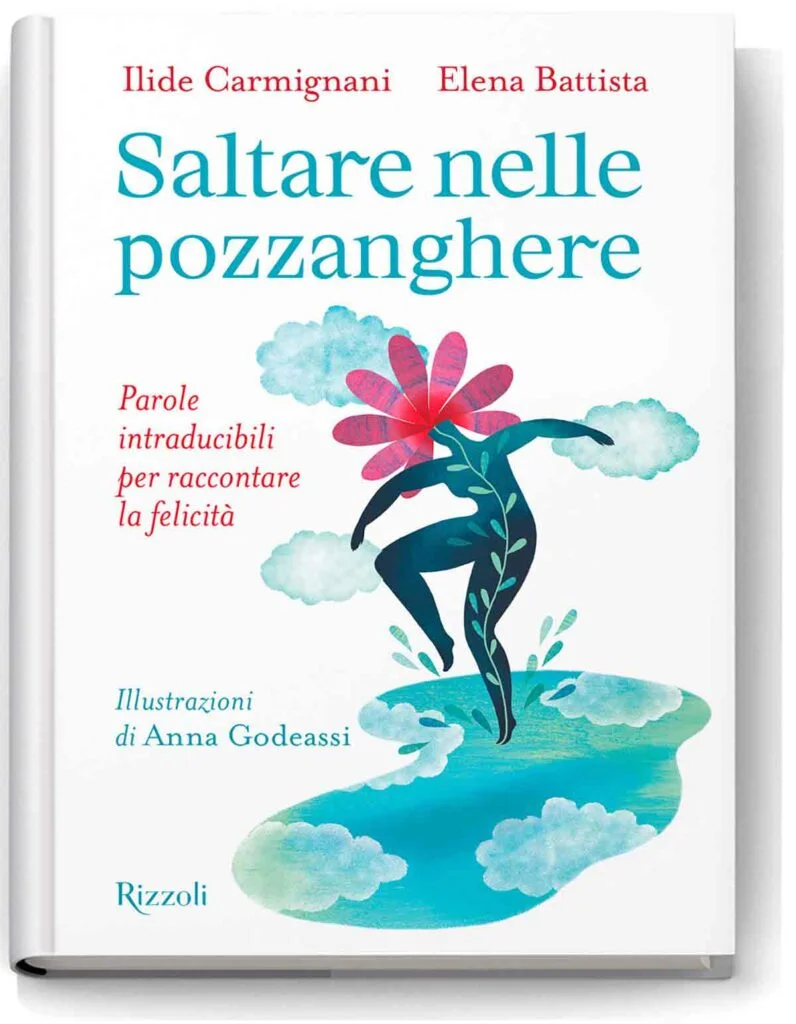
Small pleasures can be hard to pin down in a sentence. Jumping into Puddles takes that gap between feeling and language as its subject, pairing words for everyday happiness with illustrations by Anna Godeassi. Written by Ilide Carmignani and Elena Battista, the book moves across languages to show how a single word can hold an emotion that takes a whole explanation in English.
The project’s design challenge is visual as much as linguistic: how do you make a reader feel the texture of an unfamiliar term without reducing it to a dictionary entry? Godeassi’s images give these ideas a physical presence. Her warm, mixed-media style and playful textures offer a way into feelings that are ordinary, fleeting and often overlooked. The result is presented for children and adults alike, with illustration doing more than decorating the words: it helps make their emotional meanings legible.
Giving small pleasures a name
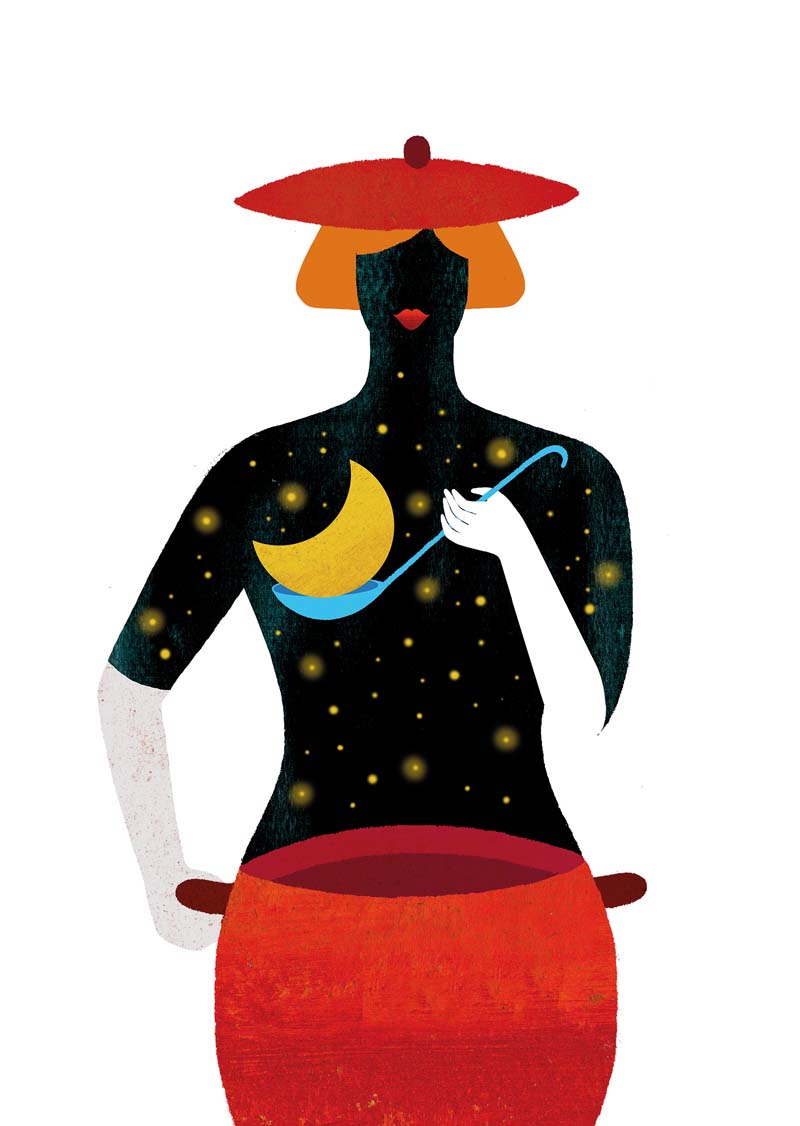
The book turns its attention away from grand milestones and toward modest moments: taking time without hurry, feeling a flutter of excitement around someone you like, or savoring a taste straight from the pot. These experiences are familiar, but the words gathered here give them sharper edges. That shift matters for the page: each term can become a small prompt for a scene, a gesture or a setting rather than an abstract definition.
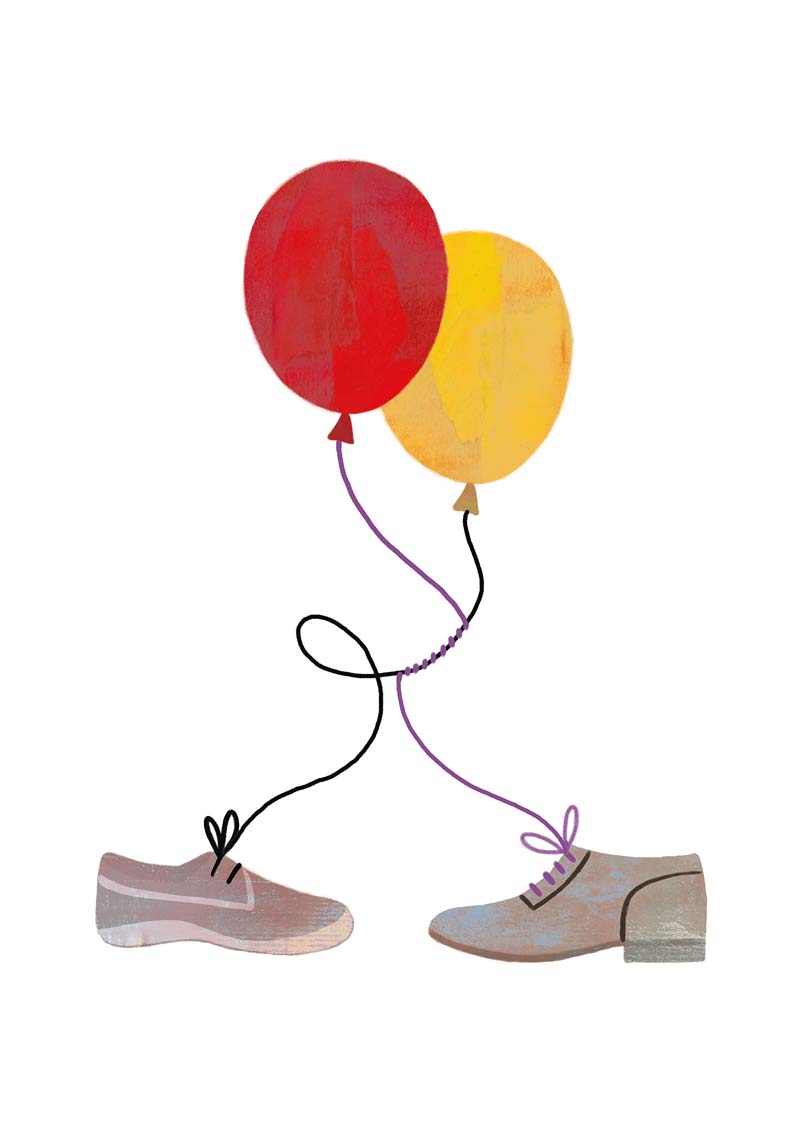
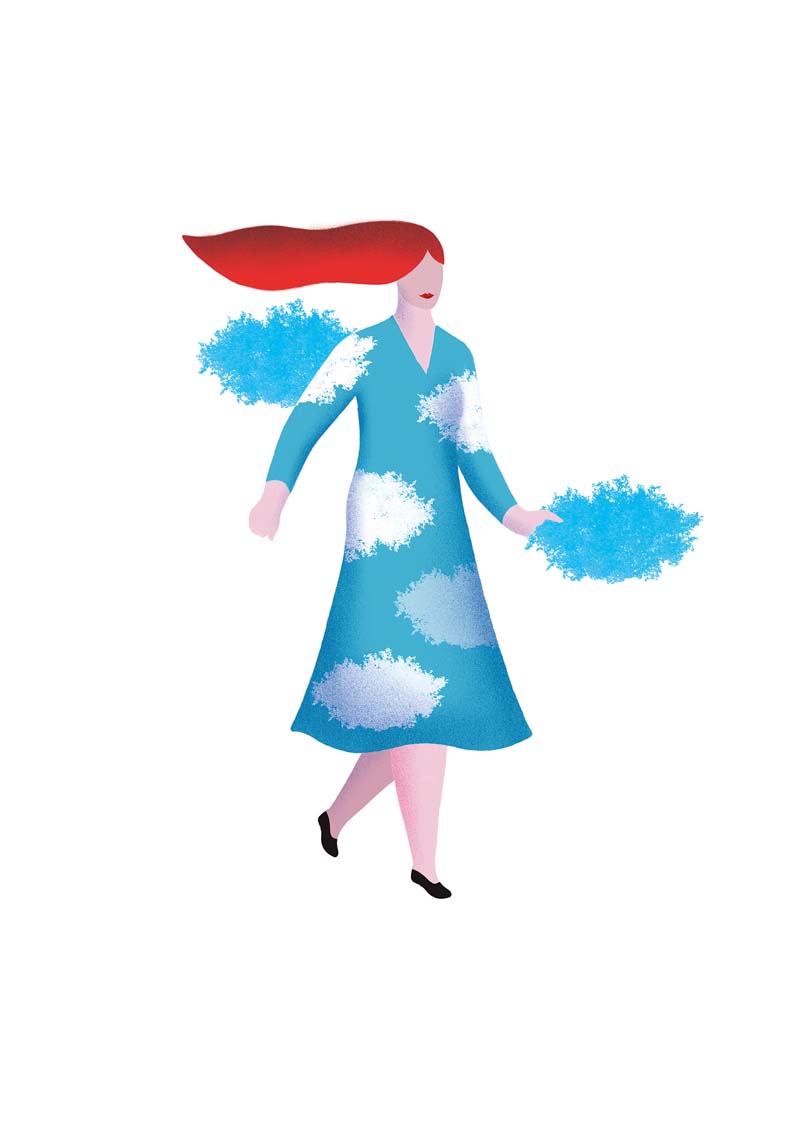
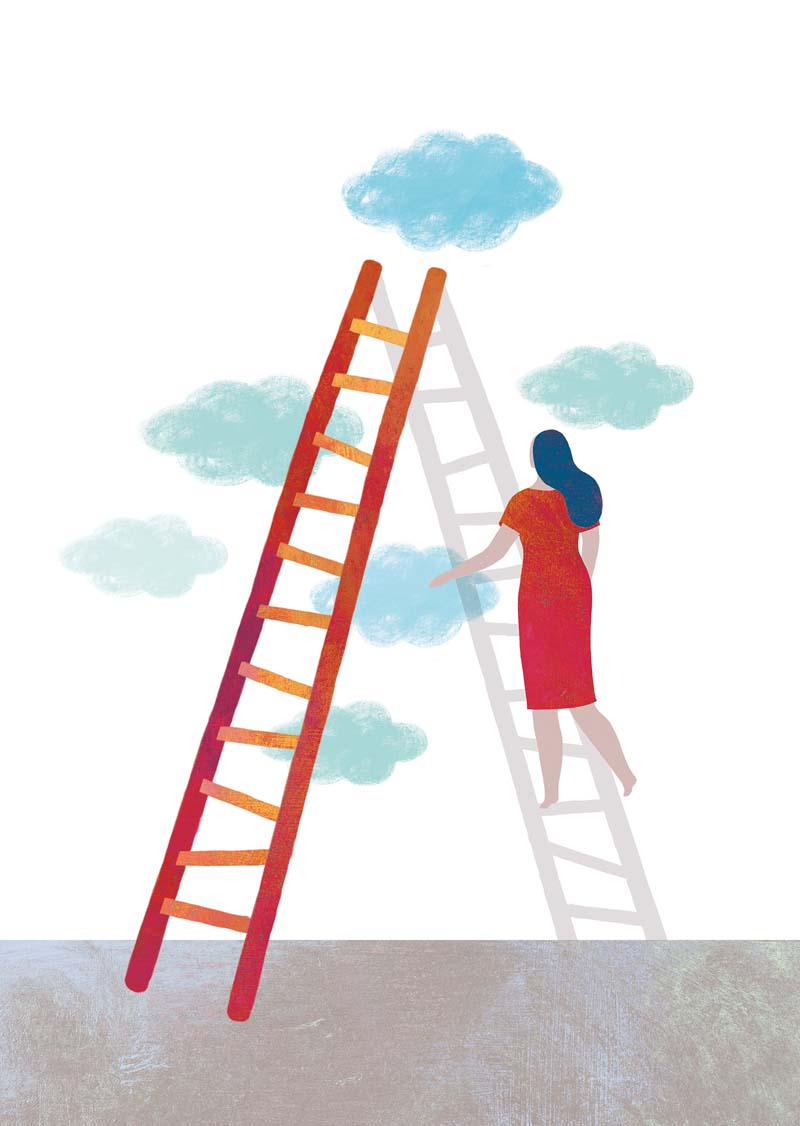
Among the examples are merak, described as intense pleasure in simple, everyday joys, and ailyak, the practice of moving calmly and taking in the present. Tagalog’s kilig names the butterflies that come with an interaction with someone you like. Together, these words suggest a book structured around distinct shades of happiness rather than one broad, universal feeling.
That approach gives the illustrations room to work through contrast. Calm and unhurried pleasure calls for a different visual rhythm from a sudden rush of excitement; a quiet moment can be made vivid through posture, color and a telling detail. The source describes Godeassi’s work as warm, conceptual and whimsical, qualities that suit a collection where the subject is often a sensation that passes quickly. The images can make such moments linger long enough for a reader to notice them.
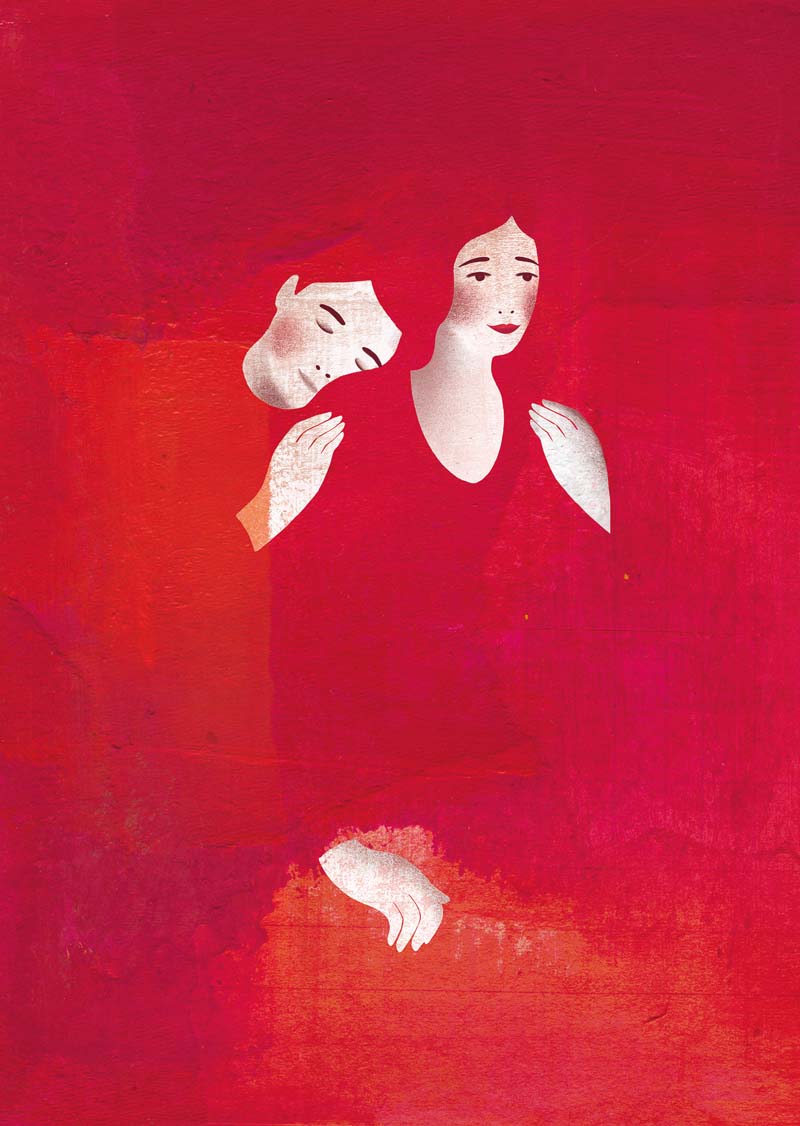
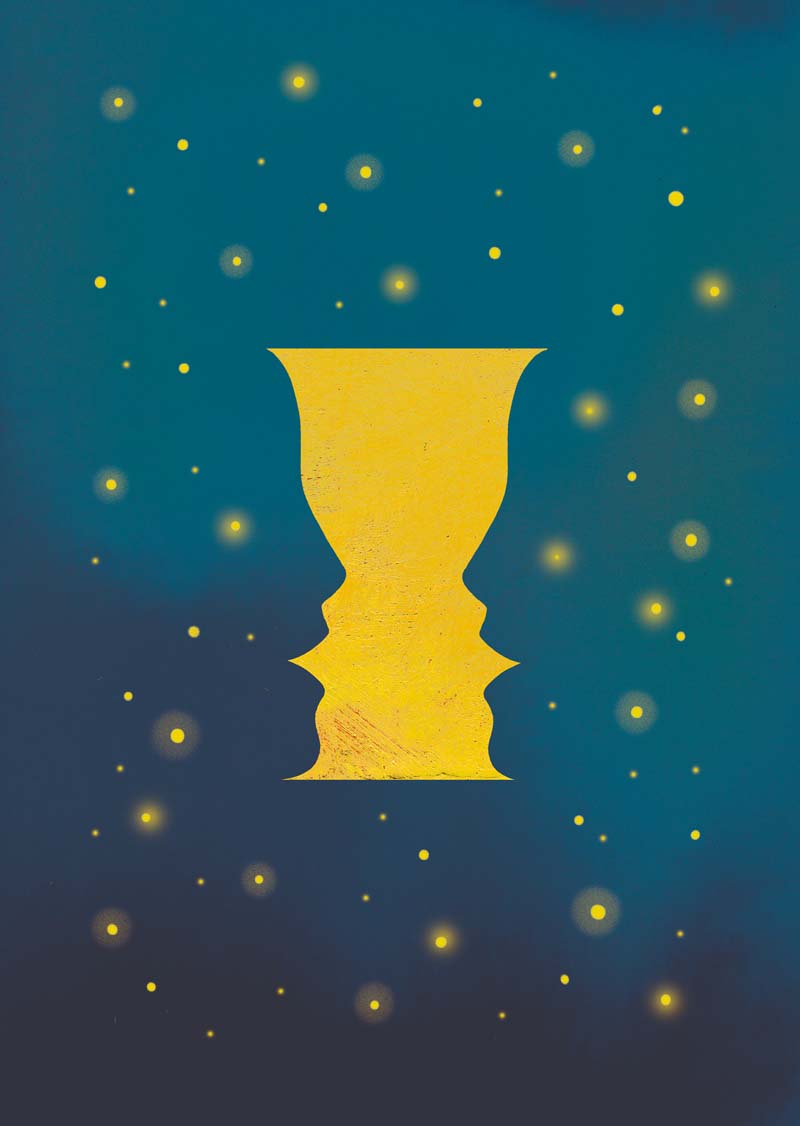
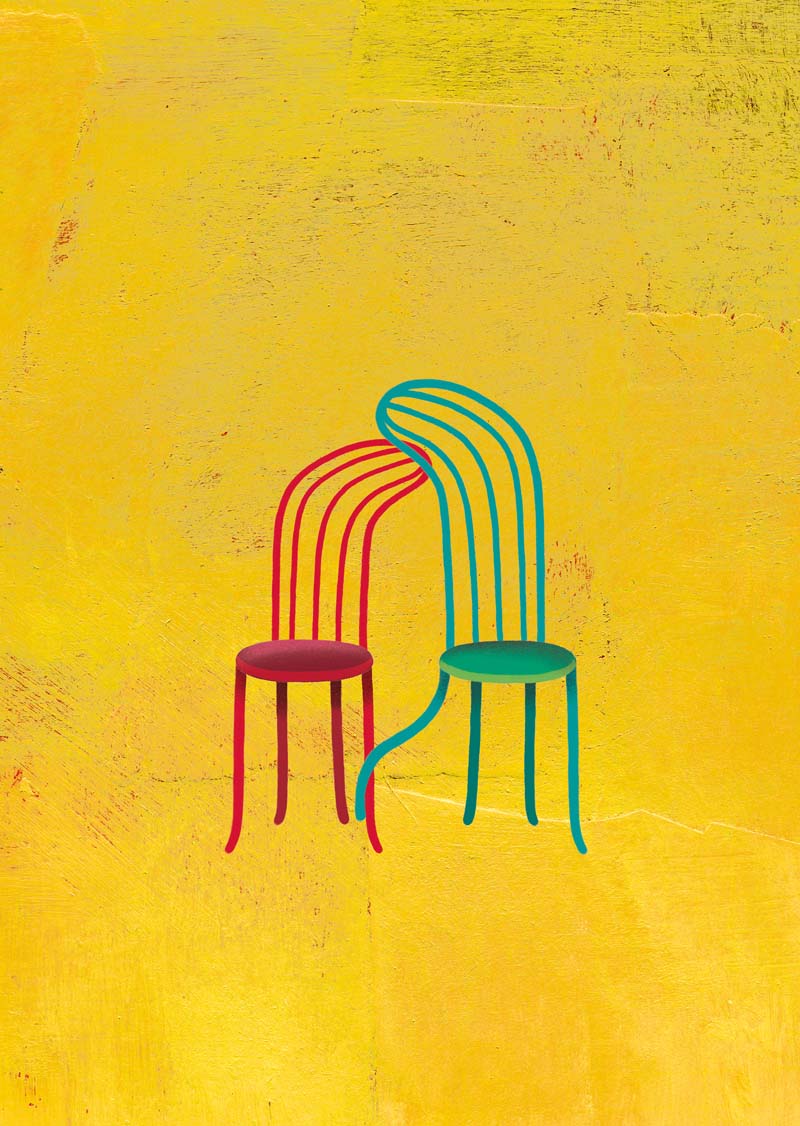

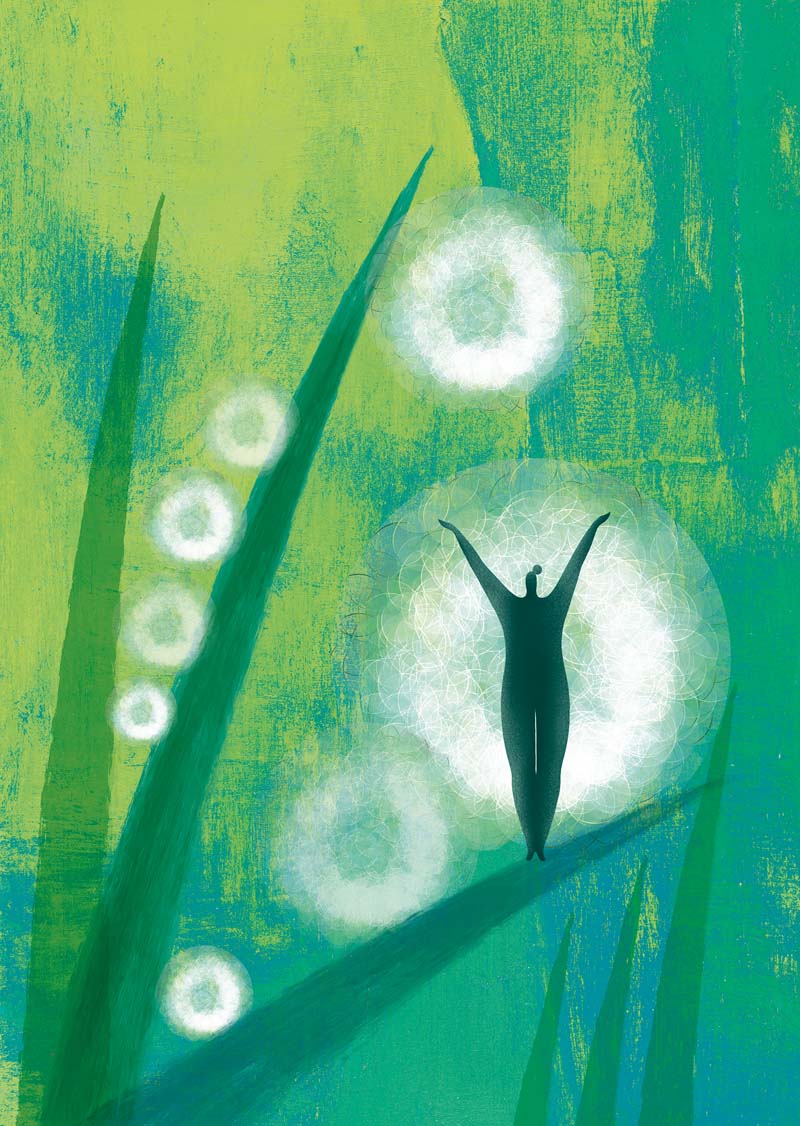
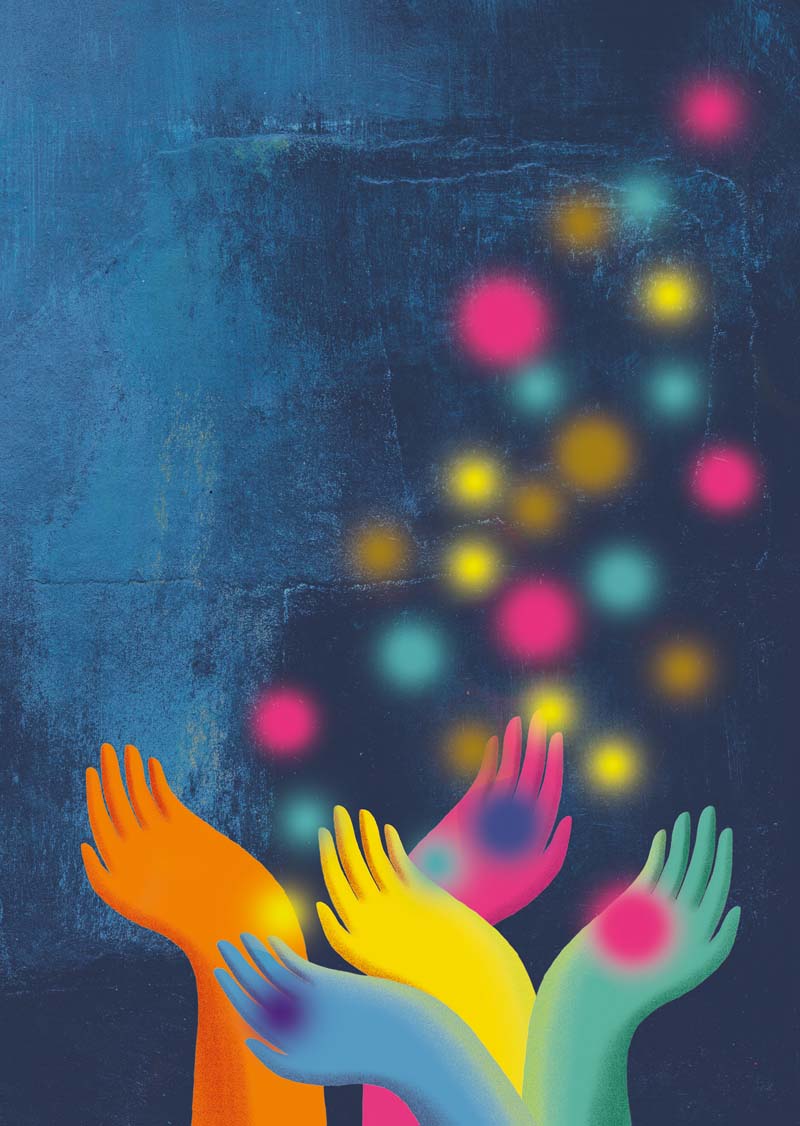
Illustration as a bridge
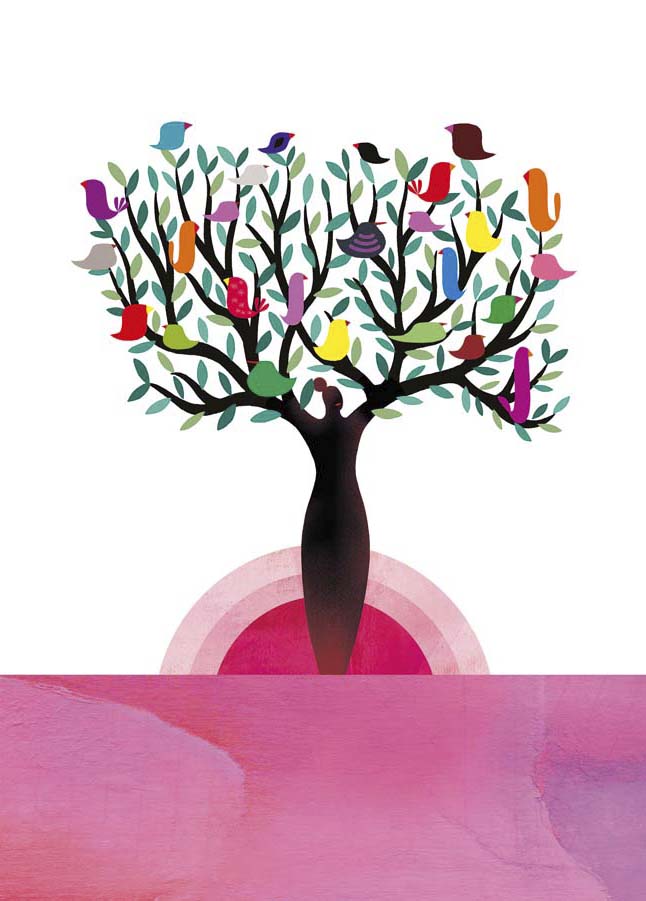
Godeassi’s role is to translate without flattening. A picture can’t supply every nuance carried by a word in its original language, and the article gives no single visual formula for doing so. Instead, it points to color, texture and metaphor as tools for suggesting the feeling. That leaves space for readers to connect the scene with their own experience while learning how another language frames the emotion.
This is a useful way to think about illustration in a book built around words: the image doesn’t need to function as a literal caption. It can establish mood, show a relationship or give an abstract idea a setting. When the subject is a fleeting sensation, those choices help readers approach the feeling before they have fully parsed its definition. Godeassi’s mixed-media practice, described as rich in warmth and conceptual depth, is well suited to that kind of visual interpretation.

A book for shared reading
The source frames Jumping into Puddles as a crossover book for children, young adults and grown-up readers, as well as a volume to keep on a coffee table. That range makes sense for a subject that invites both discovery and recognition. Younger readers can encounter new words through scenes, while adults may find a name for an experience they already know. A shared reading experience can also turn each entry into a conversation: what does the word bring to mind, and is there an equivalent in another language?
The book’s central idea also offers a practical lesson for visual storytellers. When a brief centers on an emotion that resists direct description, start with the concrete traces around it: a pause, a taste, a change in posture or the atmosphere of a place. Those details can carry meaning without pretending that one image explains everything. Here, the pairing of language and illustration asks readers to slow down and attend to small gestures—the very kind of everyday pleasure the book sets out to recognize.
Godeassi studied at IED in Milan before beginning her freelance illustration career. Her work spans editorial, advertising, web and video projects for clients in Italy, France, Germany, the UK, South Korea and Japan. The source names publications including La Repubblica, The New York Times, The Boston Globe, The Wall Street Journal and Vanity Fair, alongside publishers such as Mondadori, Rizzoli and Giunti. She also illustrates children’s books. Godeassi is represented by Rapp Art.
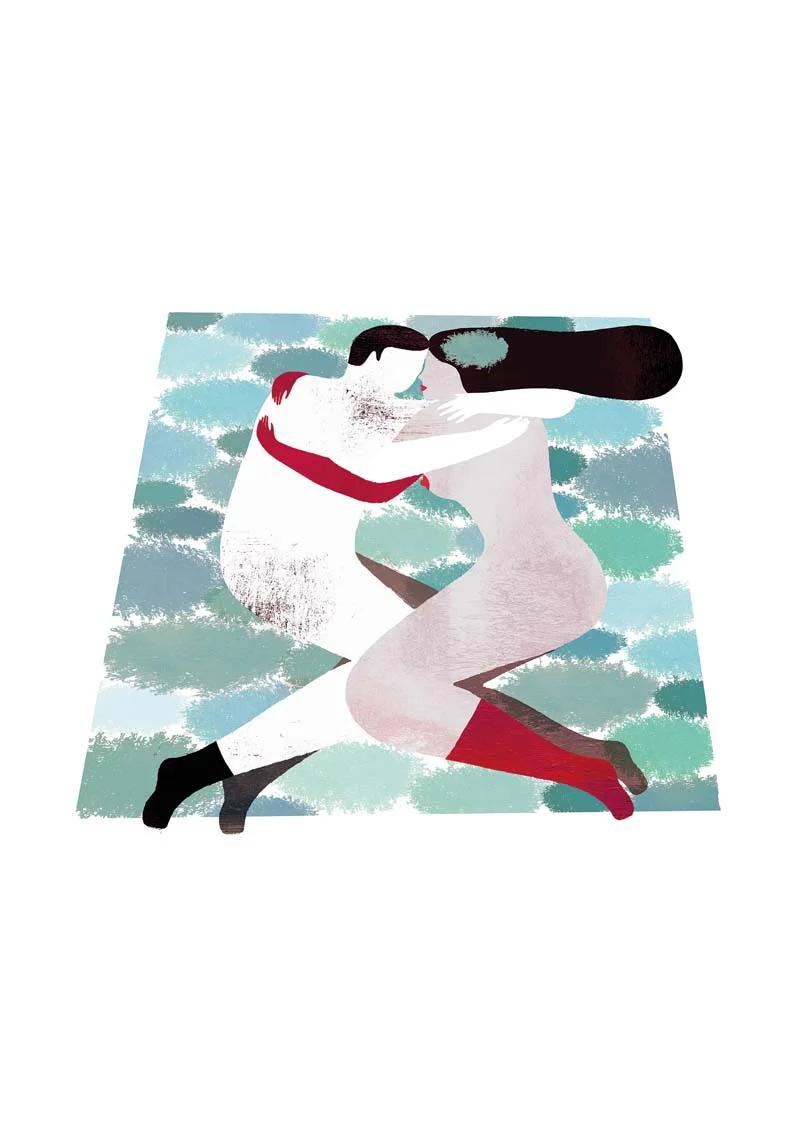
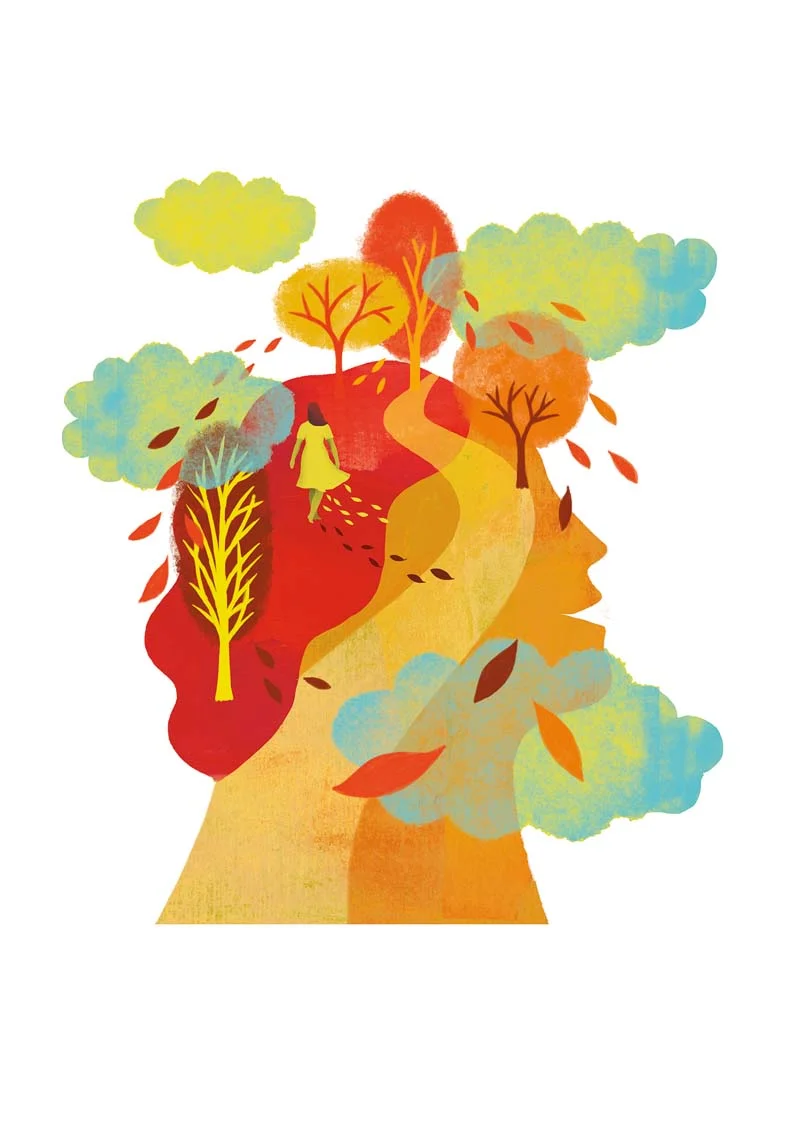
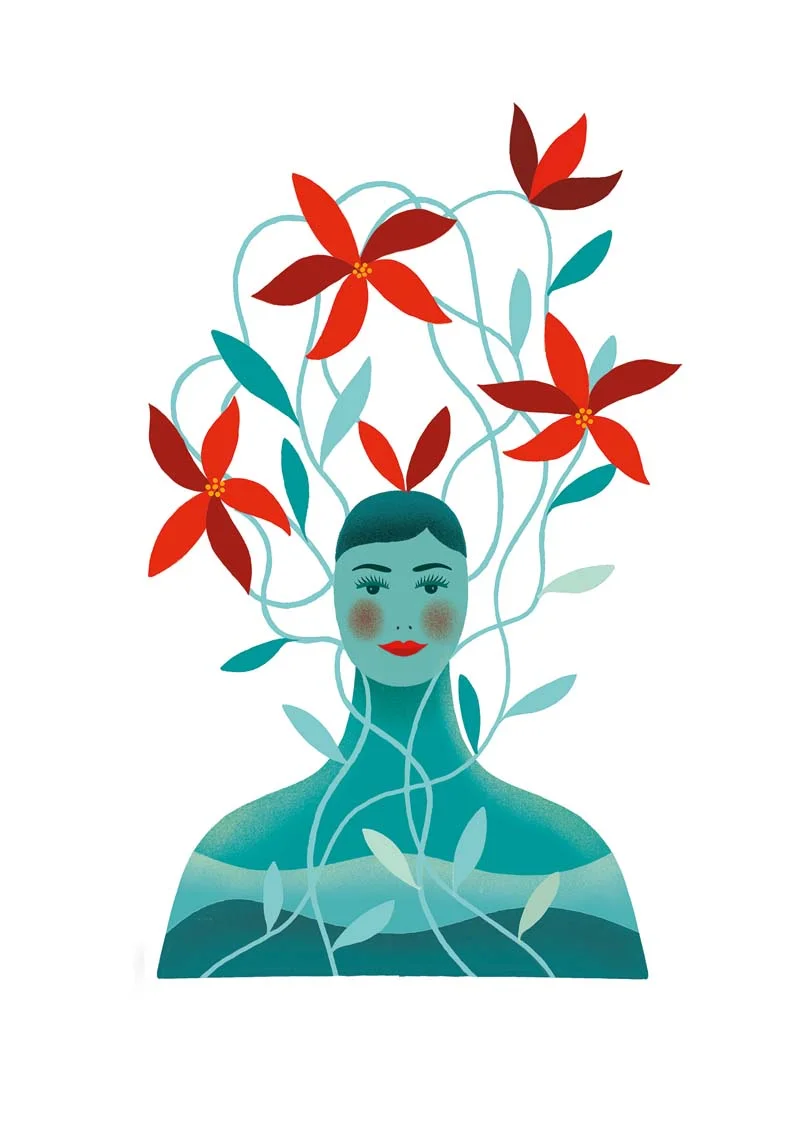
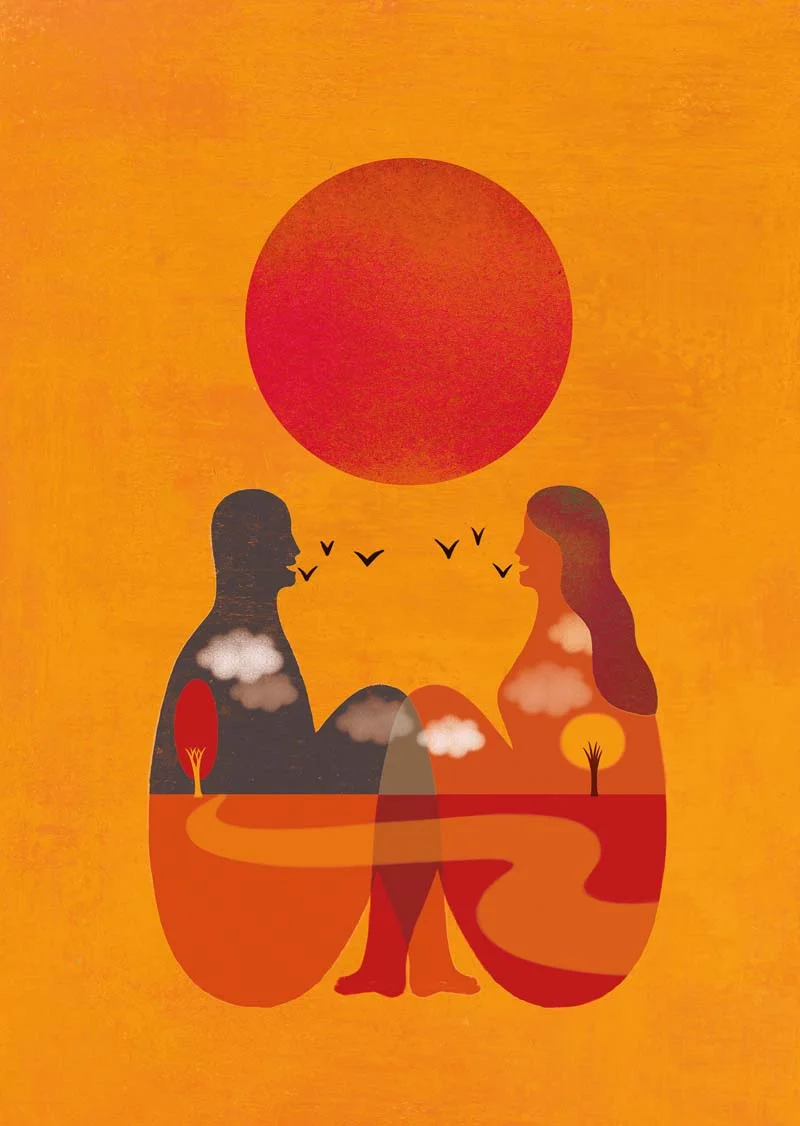
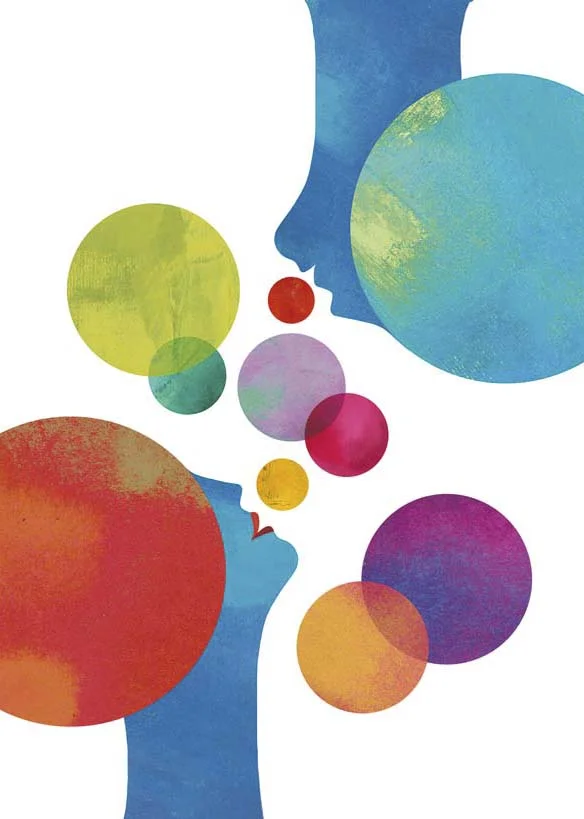
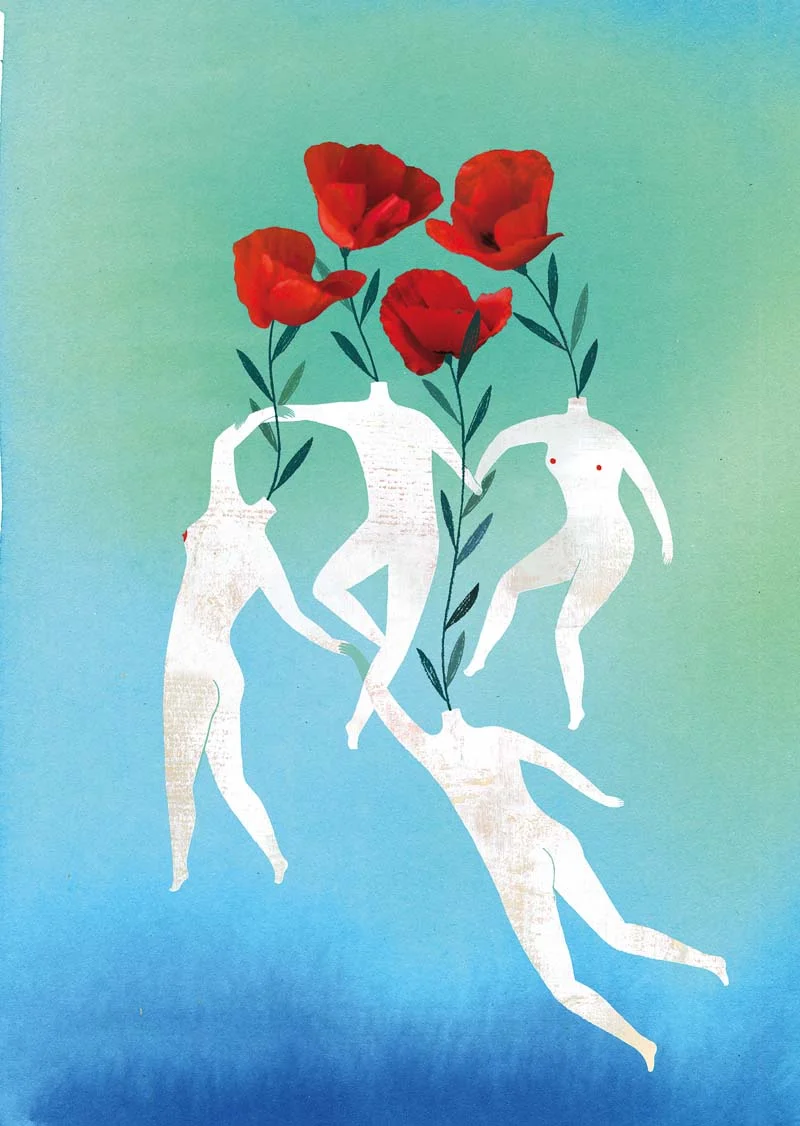
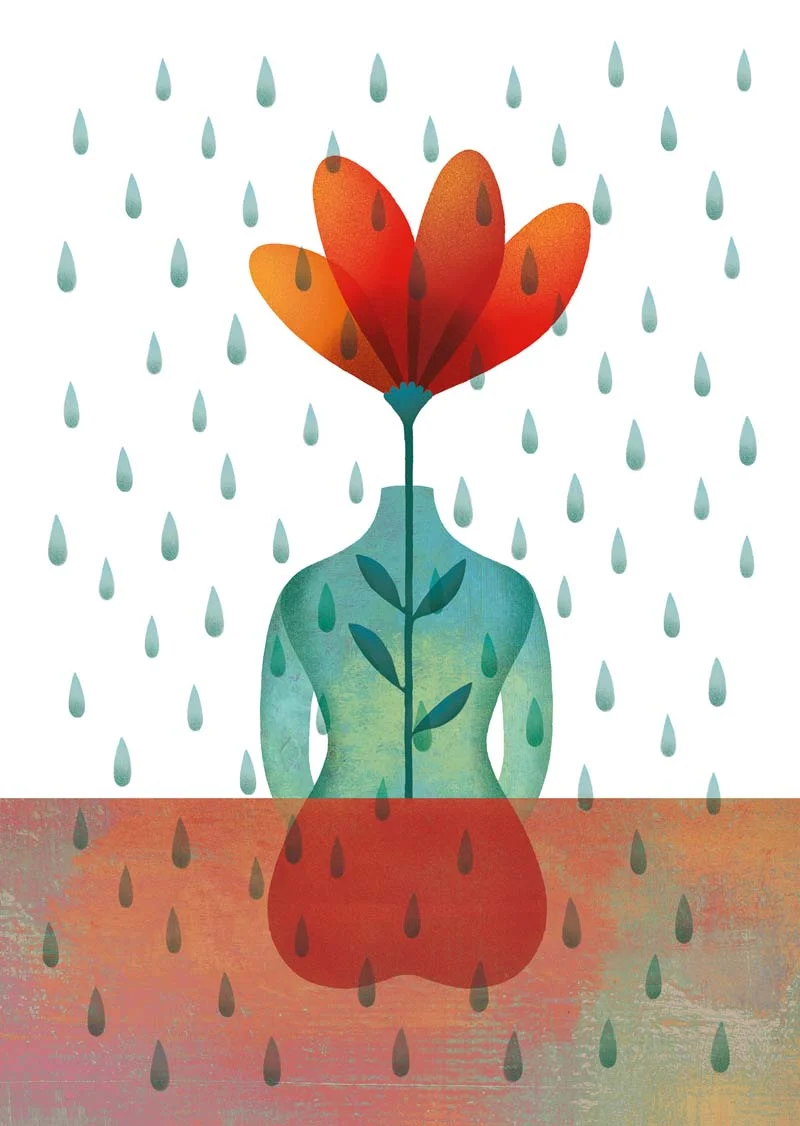
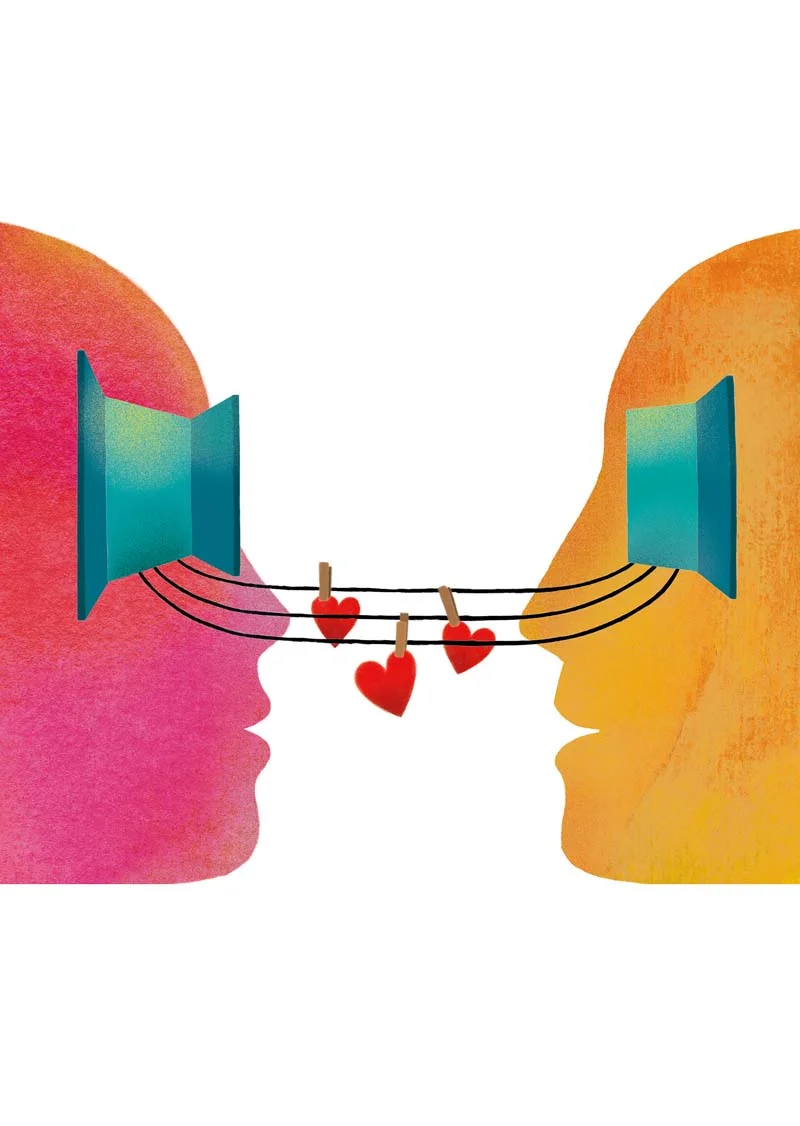
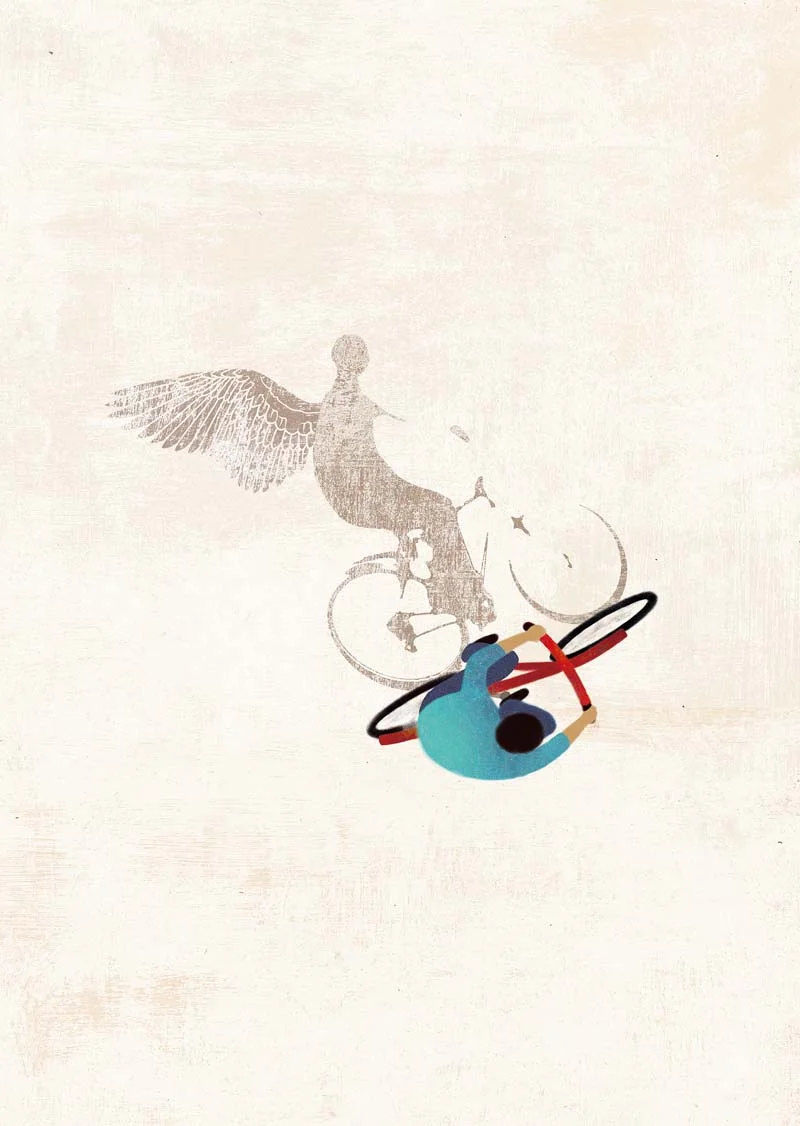
There’s no launch date, edition information or production detail given in the source, so the strongest account of the project is its pairing of language with image. The many feelings that can seem too small or too specific to name become material for a visual exchange. For designers and illustrators, that’s the lasting invitation: pay close attention to ordinary moments, then choose forms and details that let other people recognize them.
| Rev | Description | Date |
|---|---|---|
| A | Issued for reading | |
| B | Viewed 458 times | Current |