Sangria Creative Studio Builds the Lullabay Brand Through Illustration
- Project
- Graphic Design
- Drawn by
- Charlotte Beach
- Issued
- Sheet
- A-65
For Lullabay’s 2025 season, Sangria Creative Studio made illustration the basis of a beach club’s characters, events, posters and merchandise.
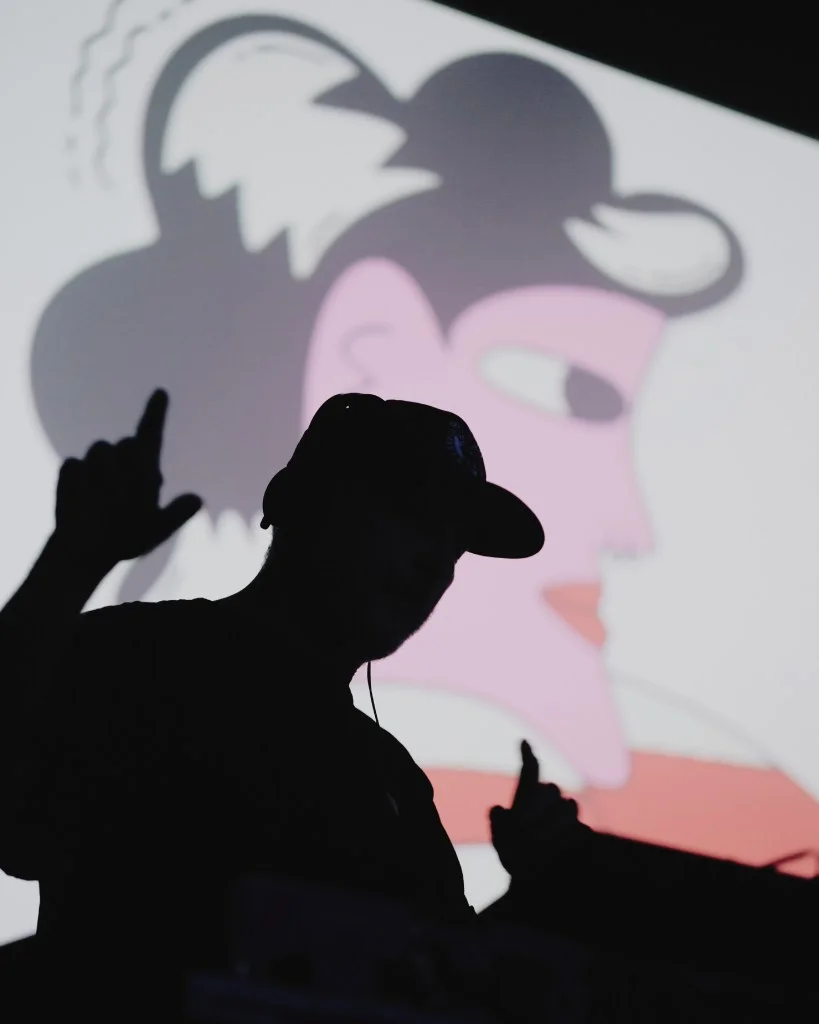
Illustration can give a brand more than a recognizable look: it can give people a world to step into. For the 2025 season at Lullabay, a beach club in Ostuni, southern Puglia, Sangria Creative Studio used that idea to build an illustrated universe that shaped the venue’s identity, events and objects. The project makes a practical case for the studio’s view of illustration: its value lies in the human choices and conversations behind the images.
Italian studio Sangria Creative Studio creates bespoke illustration and design for brands around the world. Co-founder and art director Luigia Tucci describes illustration as a record of the work that happens between a client and a designer: shared references, instincts and details that emerge in conversation. Those influences, she argues, give a drawing meaning beyond its visible form.
“Illustration remains powerful because it captures all the invisible parts of a project: the conversations, the instincts, the shared references. It is visual authorship shaped through human dialogue, not algorithmic pattern.”
Luigia Tucci, co-founder and art director at Sangria Creative Studio
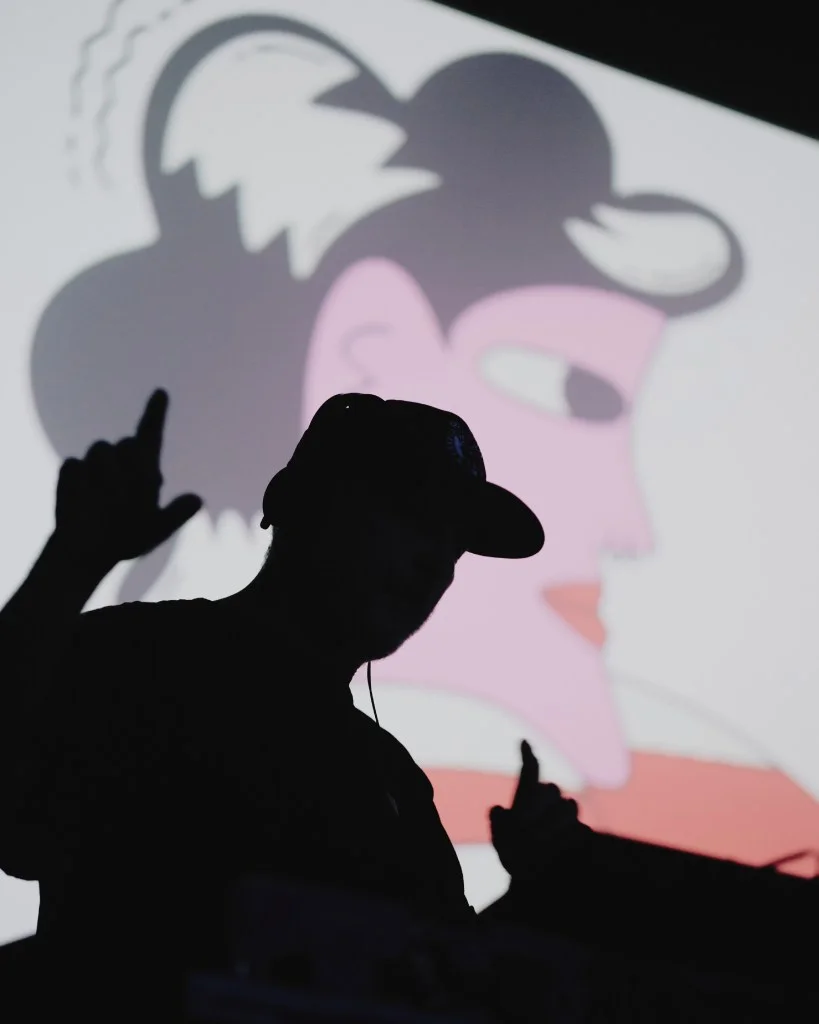
Warmth comes from the decisions
For Tucci, the difference between a human-made image and an AI-generated one begins with its source. An illustrator can work from a client’s memories, cultural references, emotions or sense of place. These inputs influence choices that may be hard to specify in a brief: a line left a little irregular because it feels honest, or a palette selected to reflect a particular story instead of following a trend.
The process depends on attention as much as technique. A client’s response can change the direction of an image: a detail might call to mind home, or the whole composition might feel too remote from the brand. Tucci sees those exchanges as part of the work itself. AI can help explore visual possibilities, she says, but it can’t experience a conversation or understand why a small response matters to the people in the room.
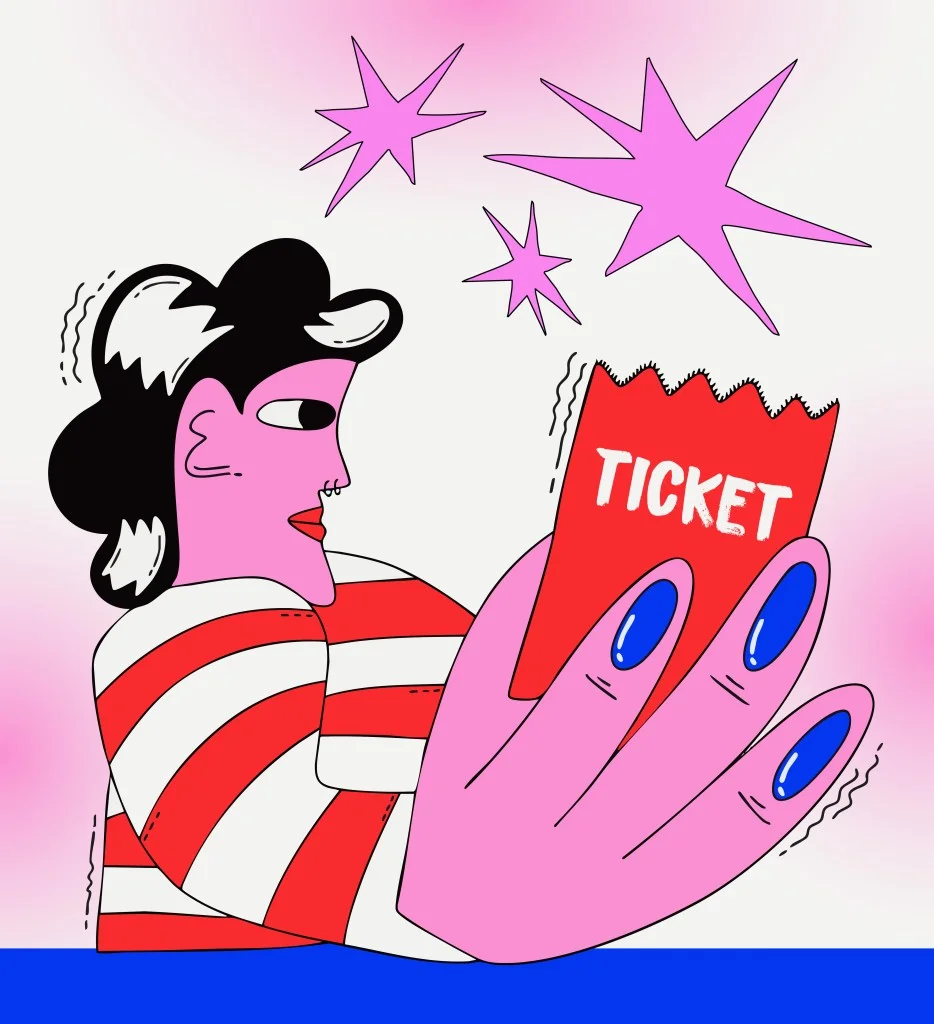
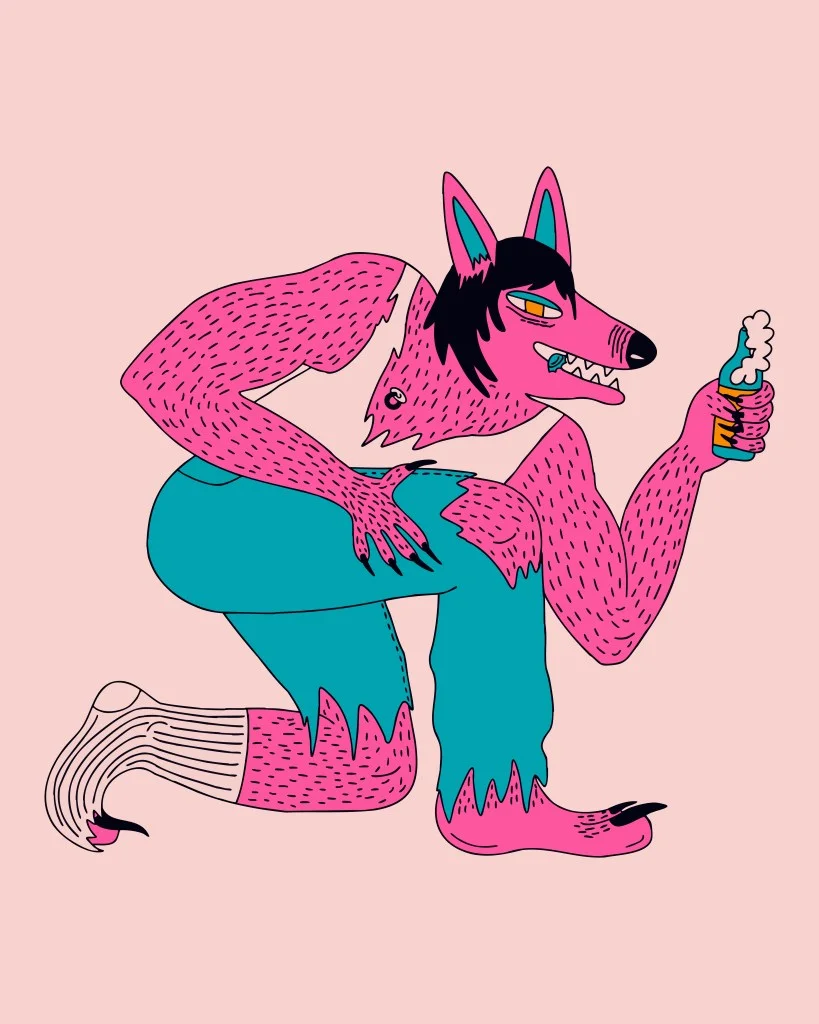
Sangria’s position is that original illustration helps a brand establish a distinct visual identity. The studio argues that AI can imitate styles by drawing on existing illustrators’ work, while handmade images bring imagination and spontaneous marks into the design. These are the studio’s reasons for keeping human authorship central, rather than a claim that AI has no useful role.
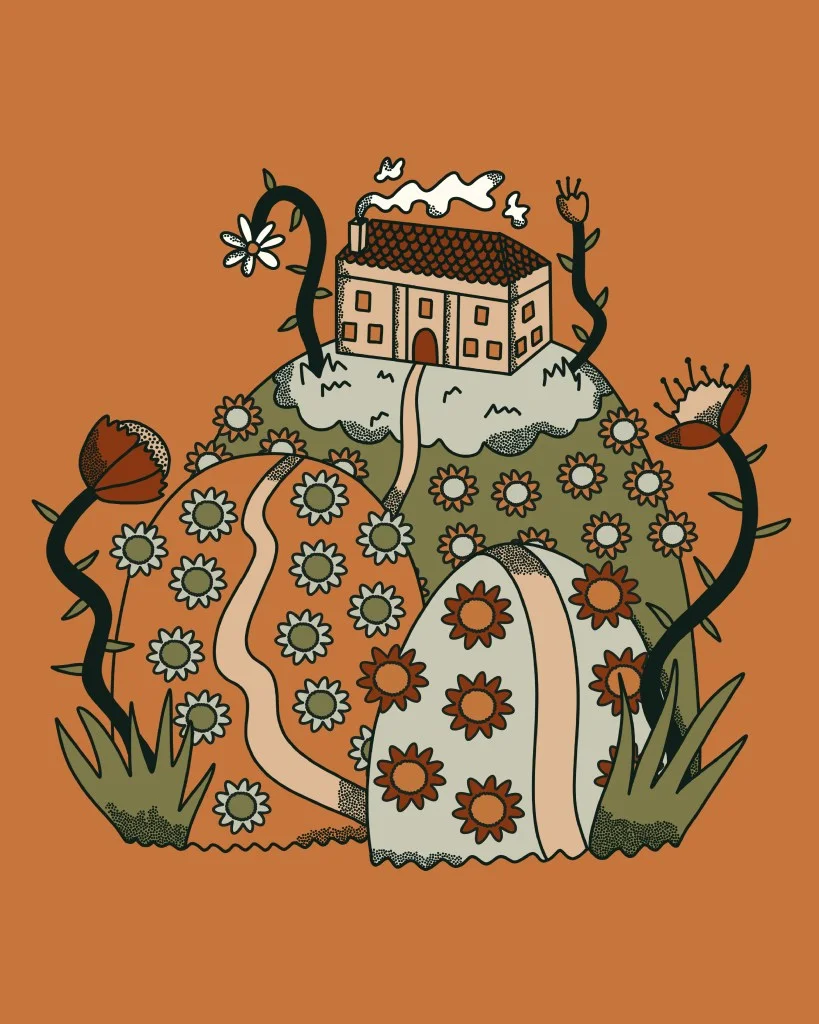
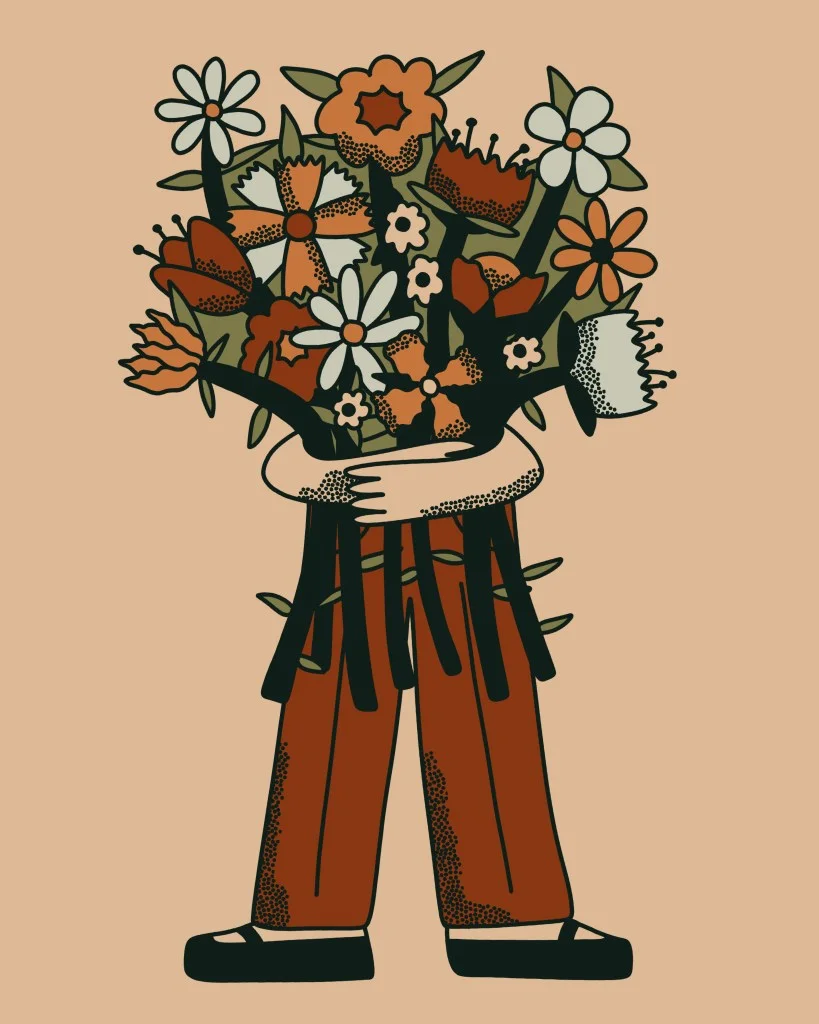
Lullabay becomes an illustrated universe
Lullabay gave Sangria a setting in which to put that approach to work. The beach club combines a Romany traveler spirit with a subtle psychedelic edge, drawing on vinyl culture, alternative music and the easy mood of summer in southern Puglia. For the 2025 season, the studio developed illustration as the foundation for a broader visual world, rather than as a decorative layer added to an existing identity.
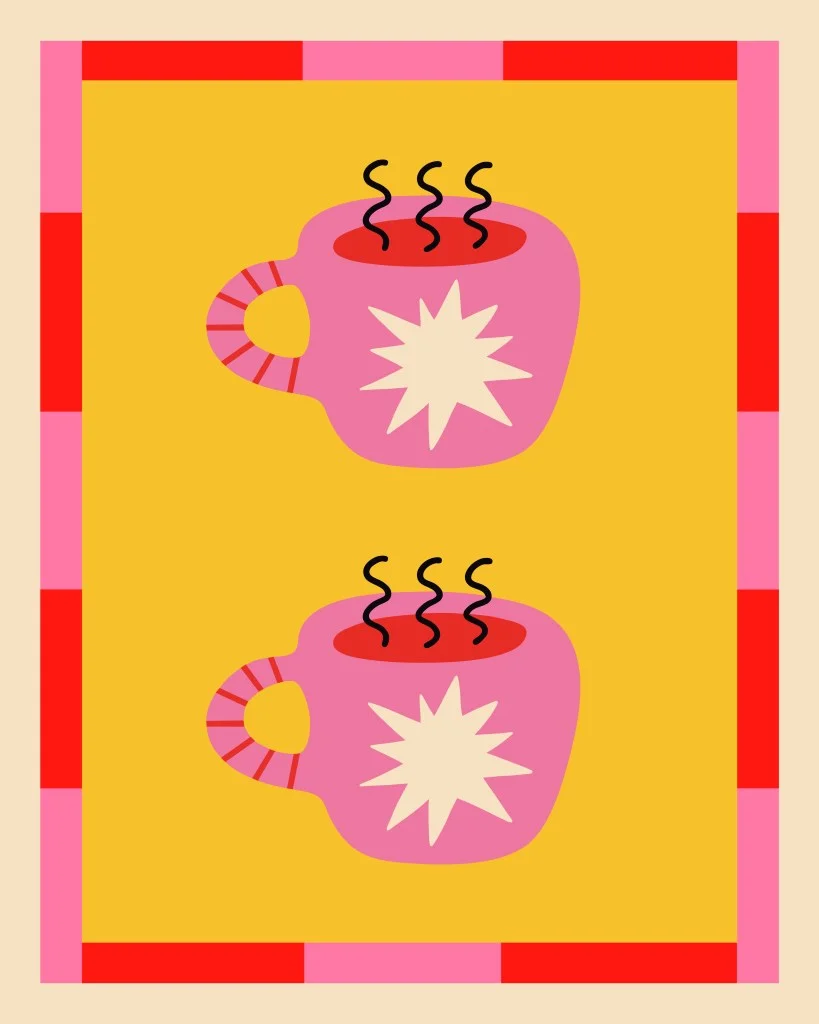
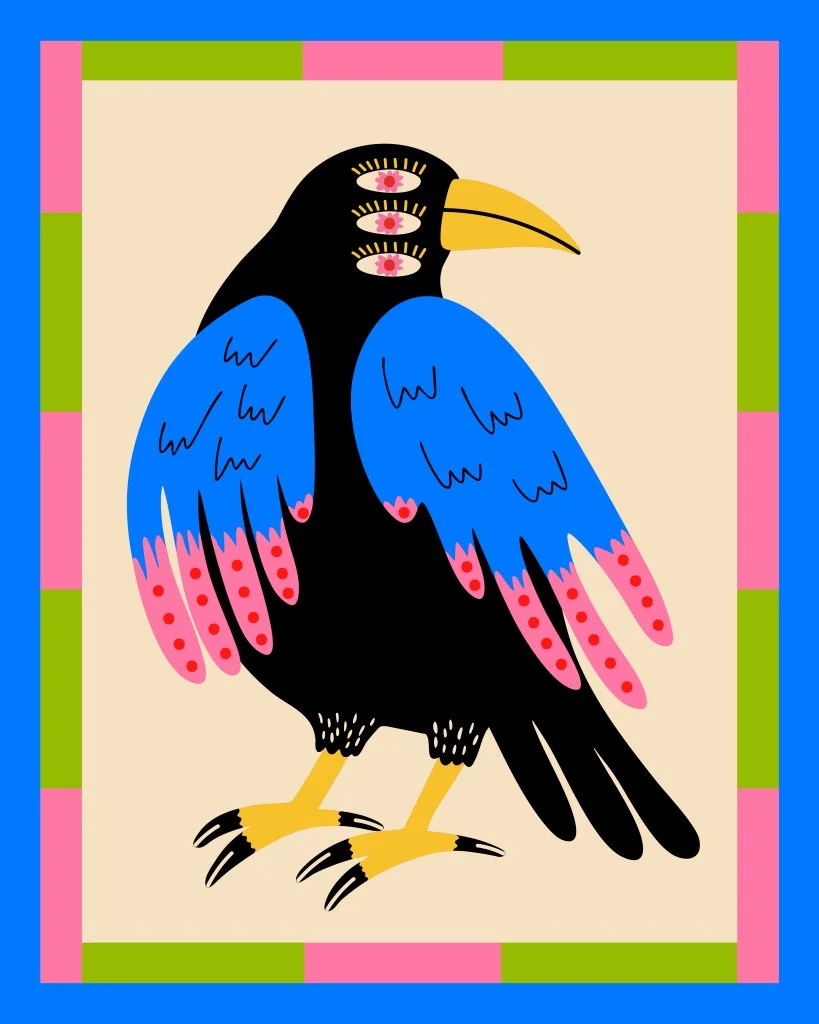
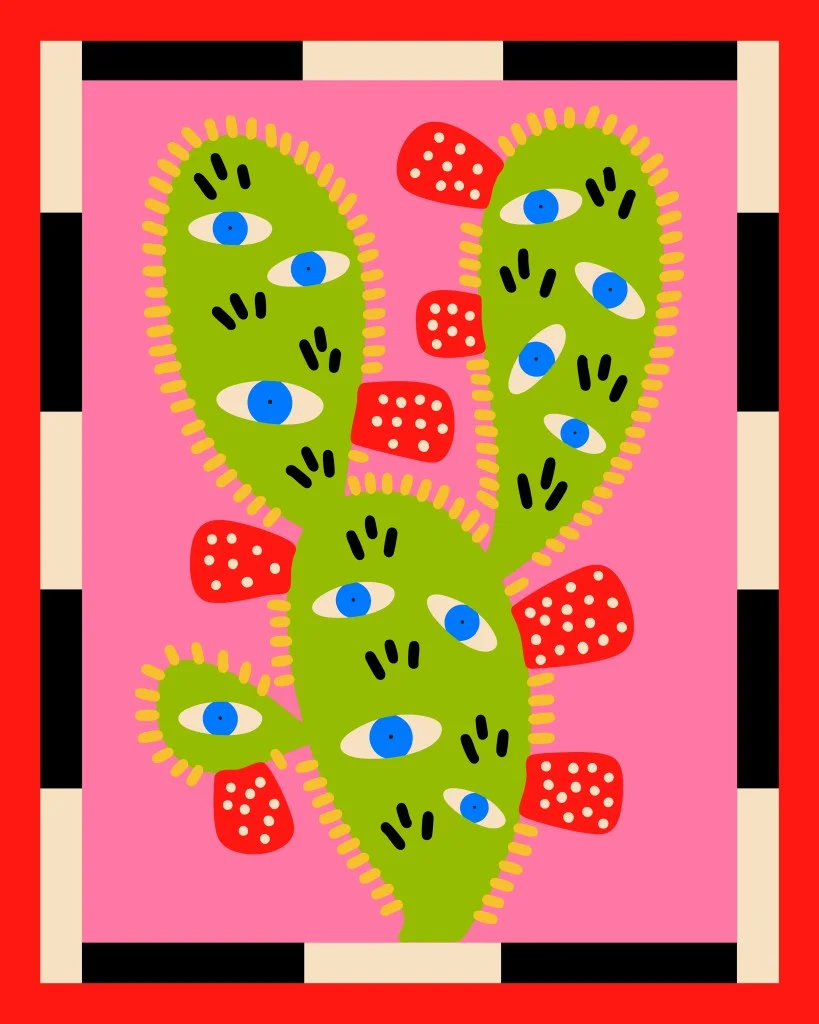
“We realized that illustration could become much more than a visual layer. It could become the foundation of an entire world.”
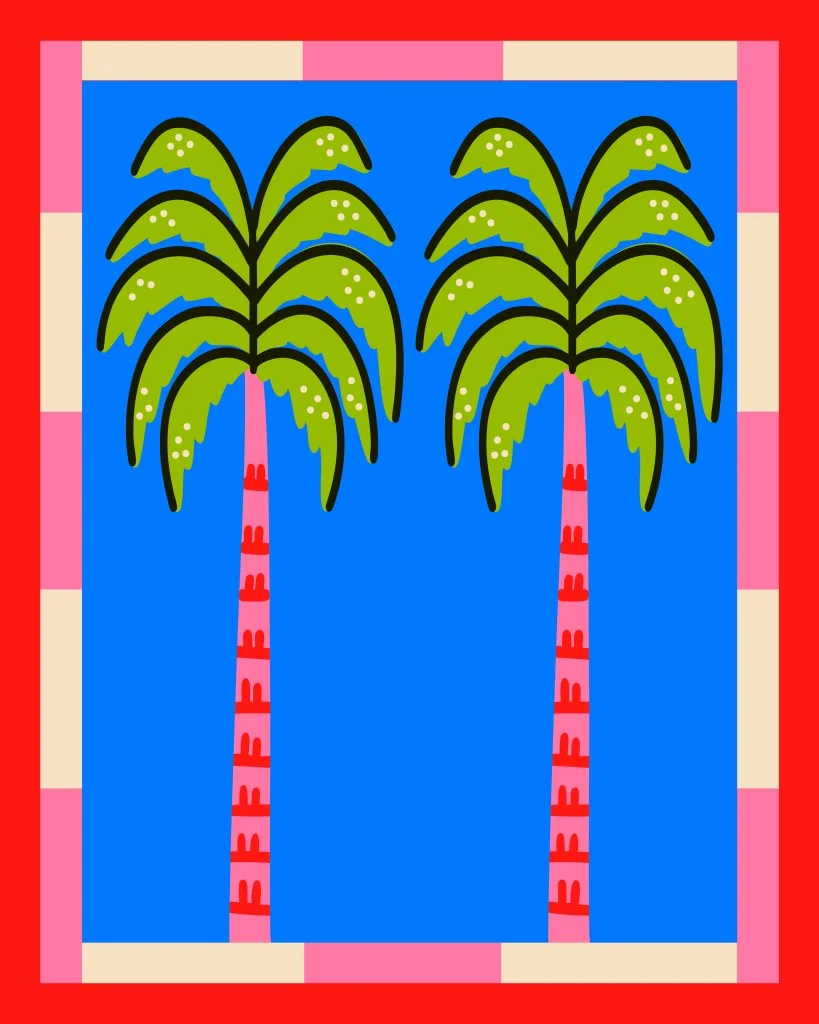
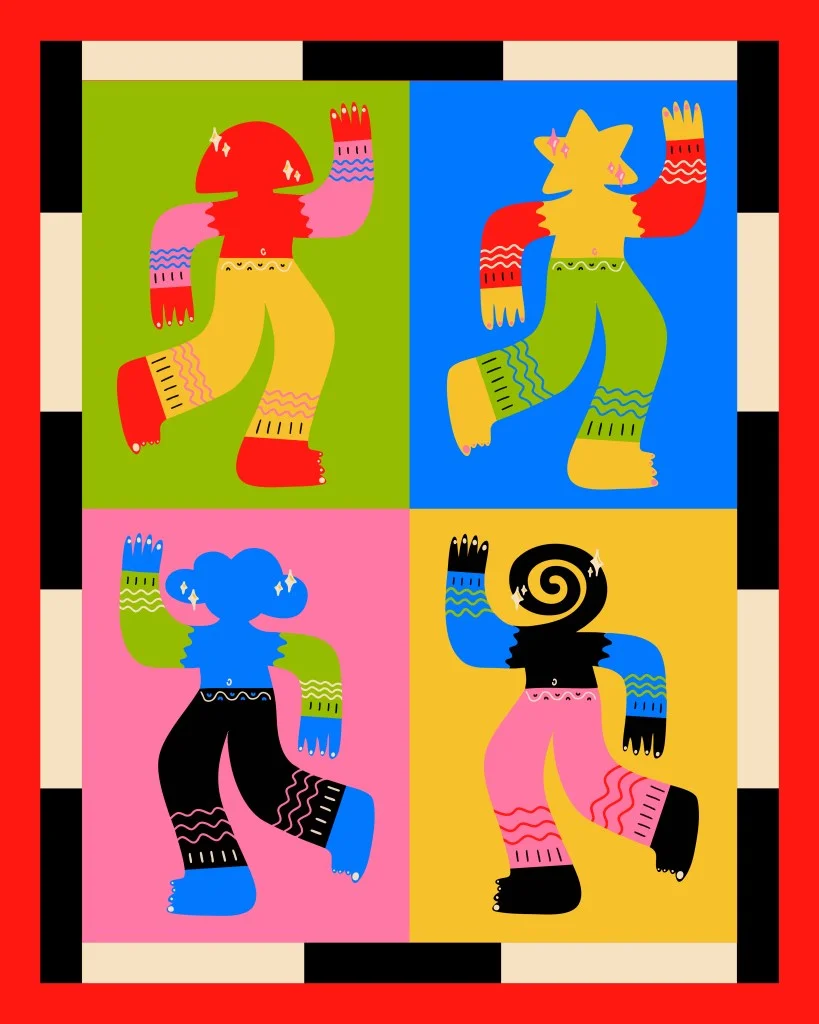
Sangria called the resulting setting the Oniric Beach. It has its own geography, symbols and cast of characters, including the Three Eyed Raven, the Serpent of the Dunes and the Oniric Dancers. The studio describes them as messengers, guides and metaphors for the Lullabay experience. Each character has a role in the narrative, giving the illustrations a job beyond filling space or adding visual texture.
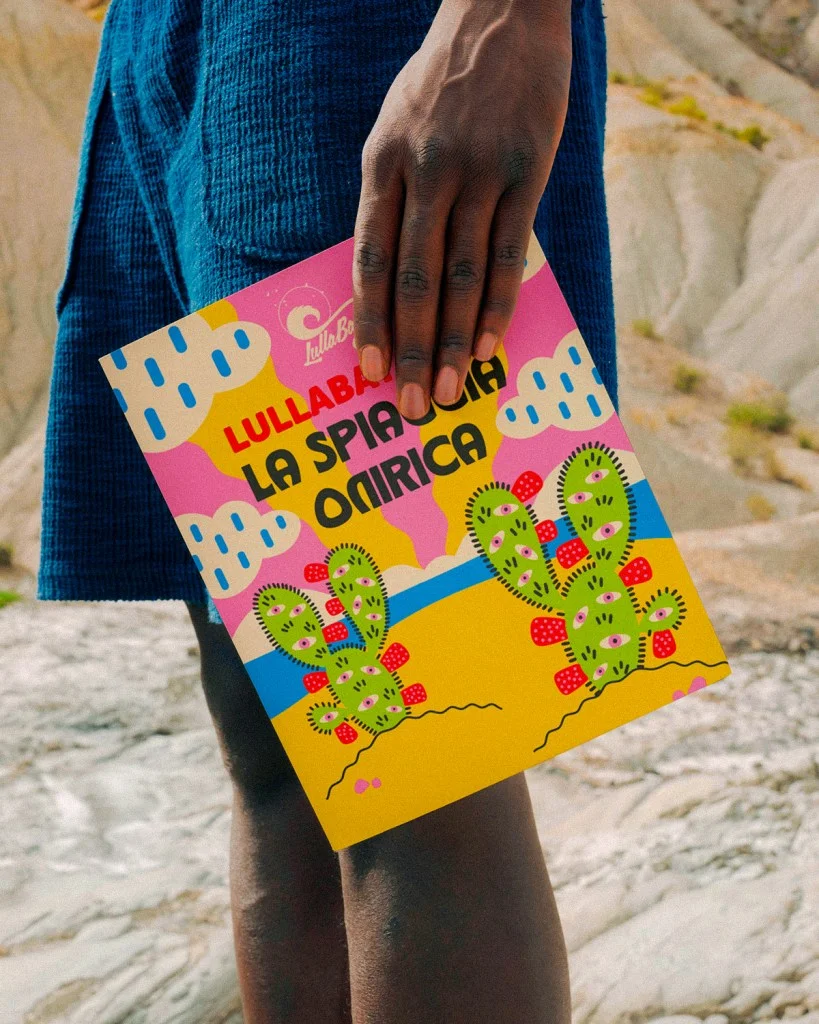
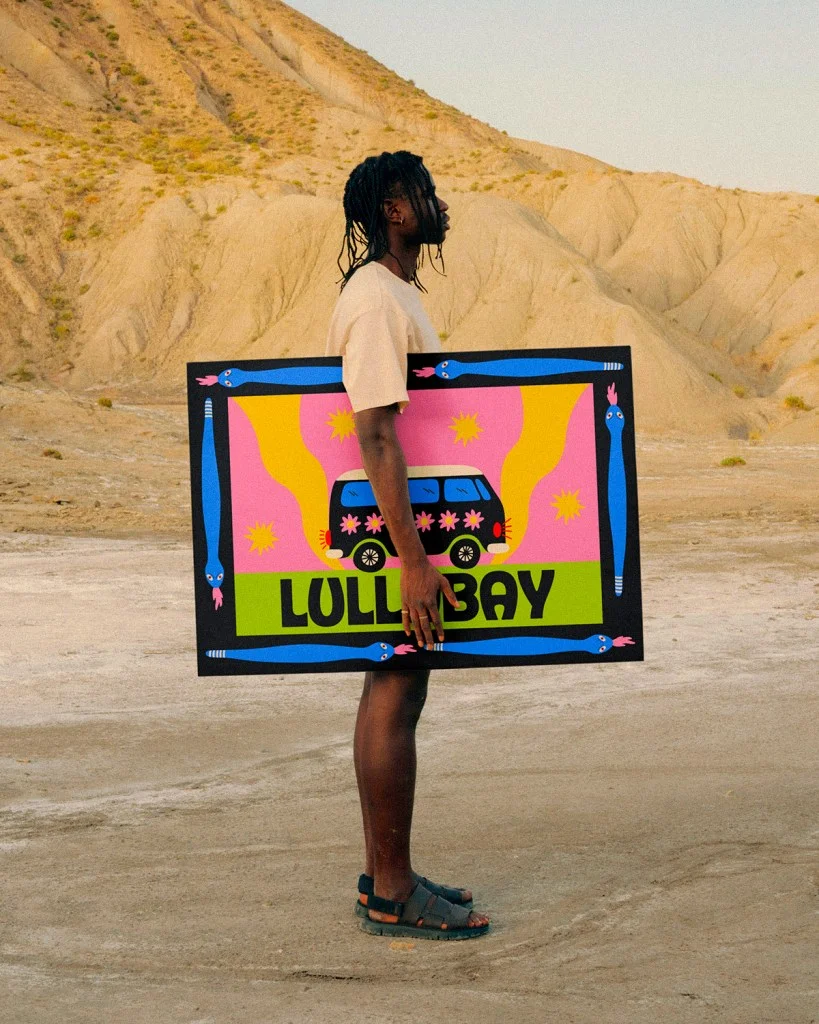
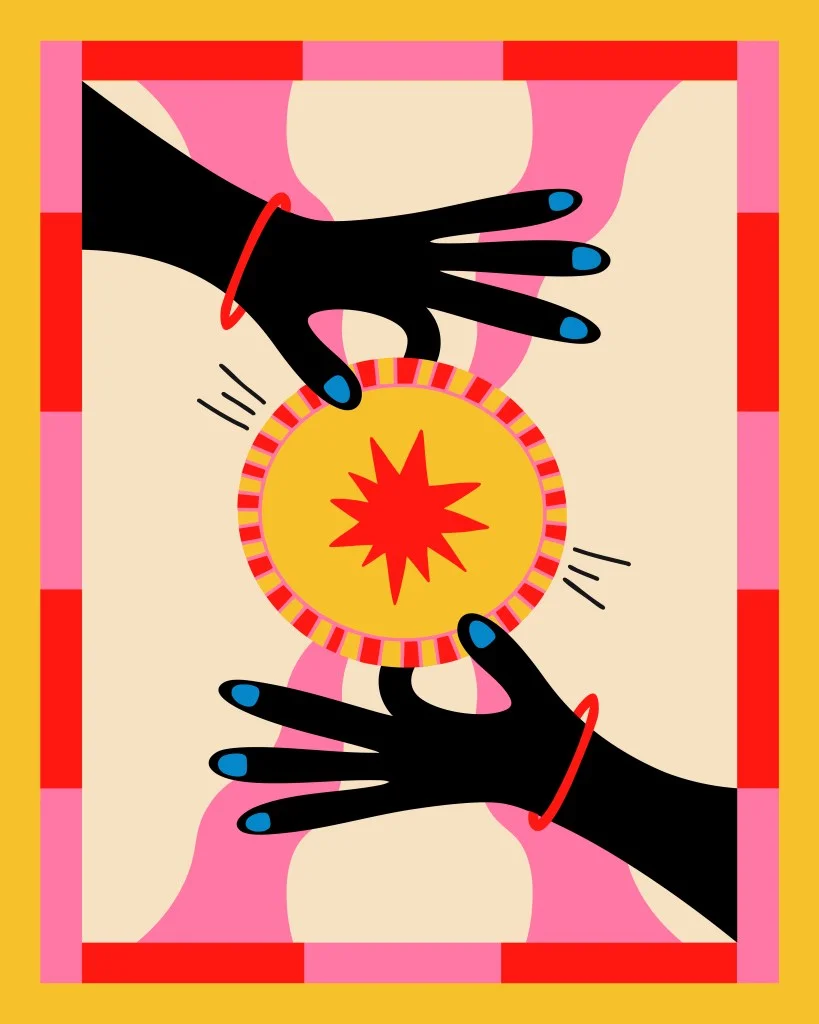
The world carried through to the mood of events, poster design, performance staging and the tone of Lullabay’s communications. Sangria also extended it into physical merchandise and a custom deck of playing cards, with each card connected to the Oniric Beach mythology. That range is what makes illustration central to the identity: the visual system gives the brand material people can encounter in different settings and take away with them.
AI as support for a human-led process
Tucci sees AI and illustration as compatible when the roles are clear. AI can speed up research, widen the set of visual options and help test an early atmosphere before a team commits to a direction. These uses can reduce technical friction and leave designers more time for concept development, tone and the details that connect a brand to its audience.
“The creative direction, the interpretation of the client’s identity, and the ability to craft something custom-made must remain in human hands.”
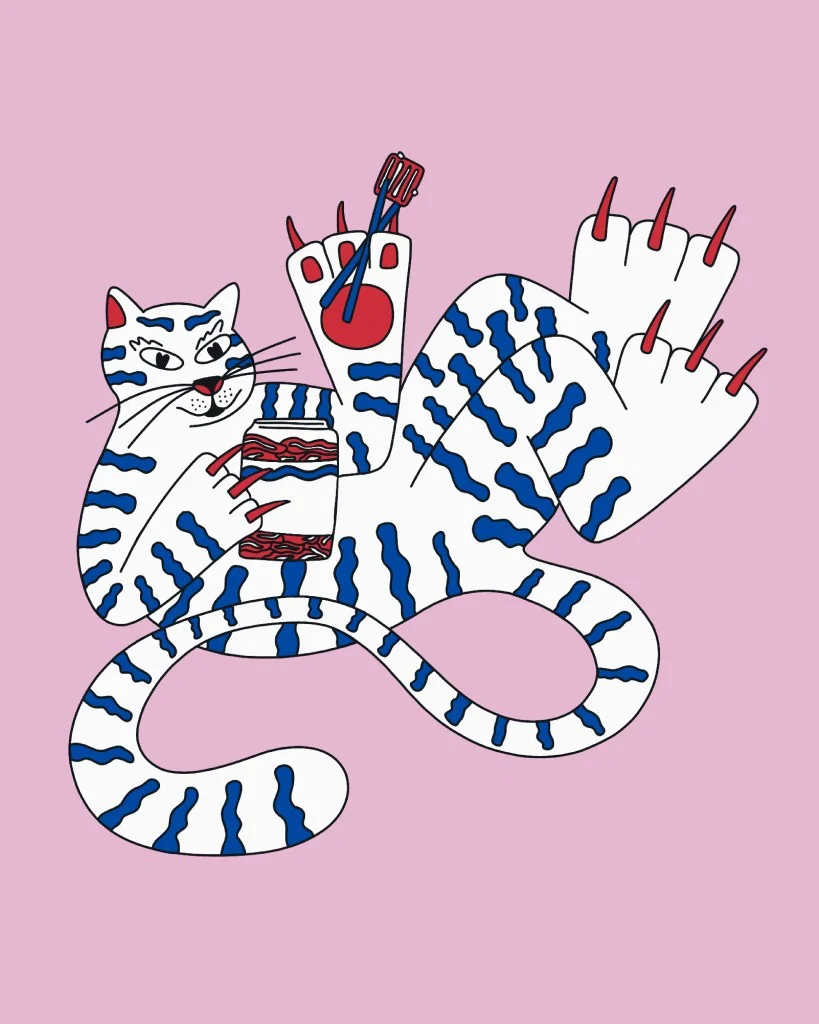
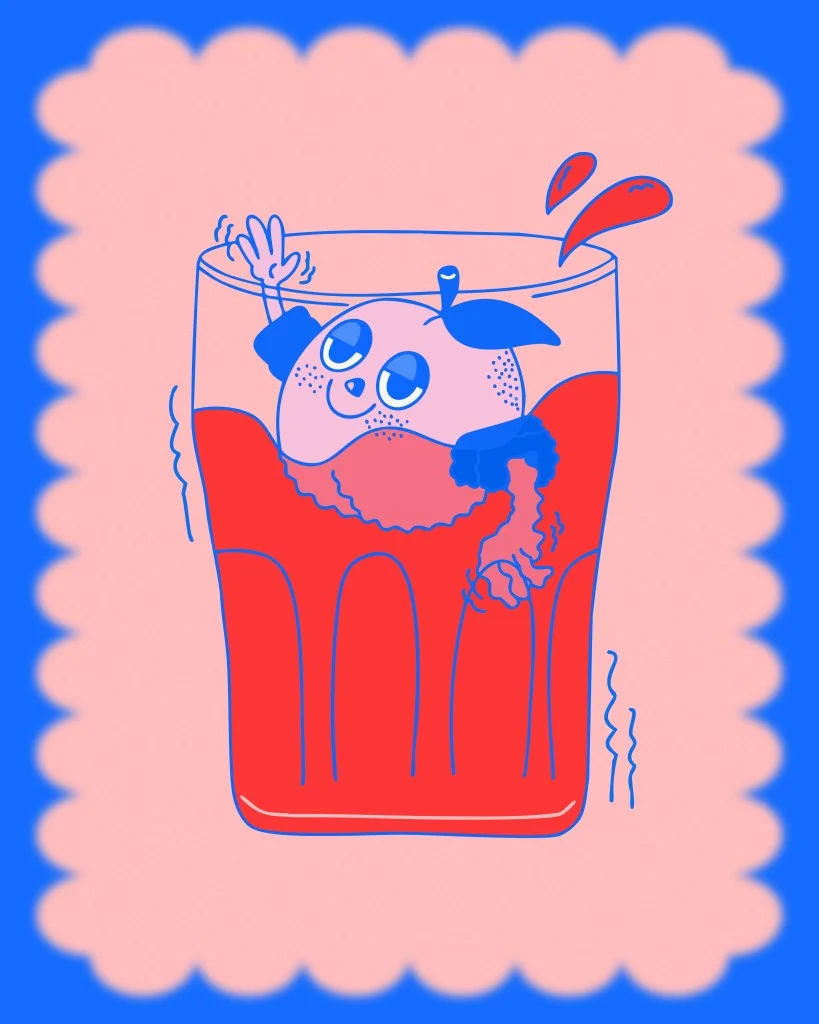
The dividing line, in her account, is authorship and intention. People interpret the client’s identity, guide the creative direction and decide what the work should communicate. AI can assist with exploration and iteration, but it doesn’t replace the judgment that turns a set of visual options into something specific to a particular brand.
“Humans lead with intention, empathy, and narrative clarity. AI helps explore, iterate, and open up possibilities.”
For designers weighing these tools, Sangria’s Lullabay project offers a concrete measure: look at whether an image system can carry a brand’s story across spaces, events and objects. The more specific that story becomes, the more valuable the human interpretation behind it looks.
Originally published by PRINT Magazine, which can be found at printmag.com.
| Rev | Description | Date |
|---|---|---|
| A | Issued for reading | |
| B | Viewed 549 times | Current |


