Christmas Cards Sent to Paul Rand Preserve a Designers’ Correspondence
- Project
- Graphic Design
- Drawn by
- Steven Heller
- Issued
- Sheet
- A-62
A 2018 Daily Heller post gathers cards Paul Rand saved, credited to designers including Saul Bass, Adrian Frutiger and the Zapfs.
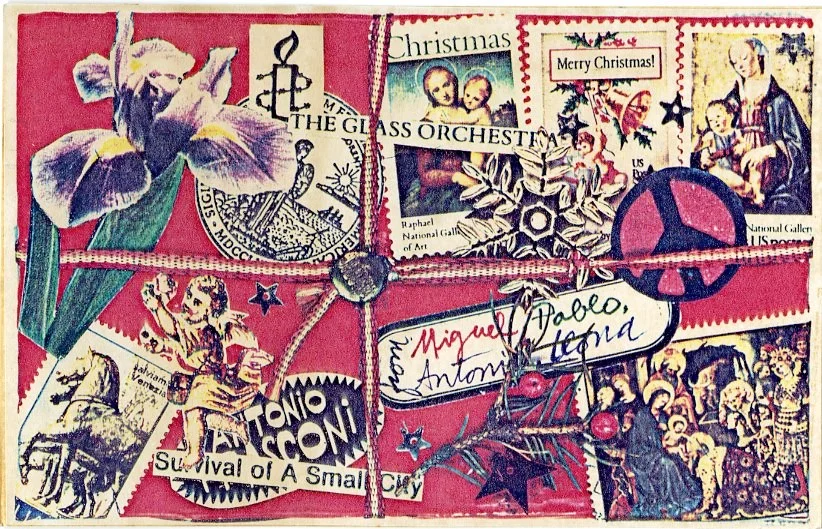
A saved greeting card can show how designers worked when no client brief was in view. In a post first published on Dec. 24, 2018, The Daily Heller shared Christmas cards that Paul Rand enjoyed receiving and kept. The surviving group, credited to familiar artists and designers, turns a seasonal exchange into a small record of professional correspondence.
The post does not describe the cards’ materials, dimensions or production methods, and its captions offer names rather than individual stories. That restraint gives the images room to speak for themselves. Taken together, the collection makes the card format itself the subject: a bounded surface sent from one person to another, where illustration, lettering and a personal greeting could meet without the demands of a larger assignment.
A collection organized by its senders
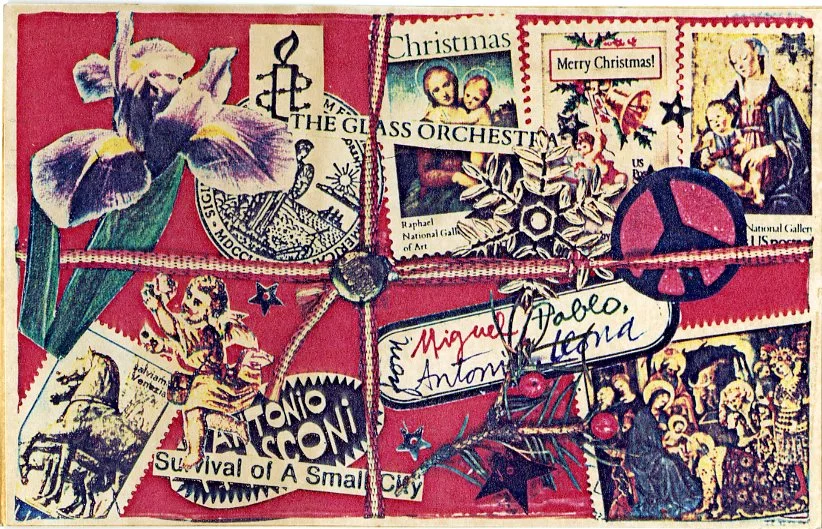
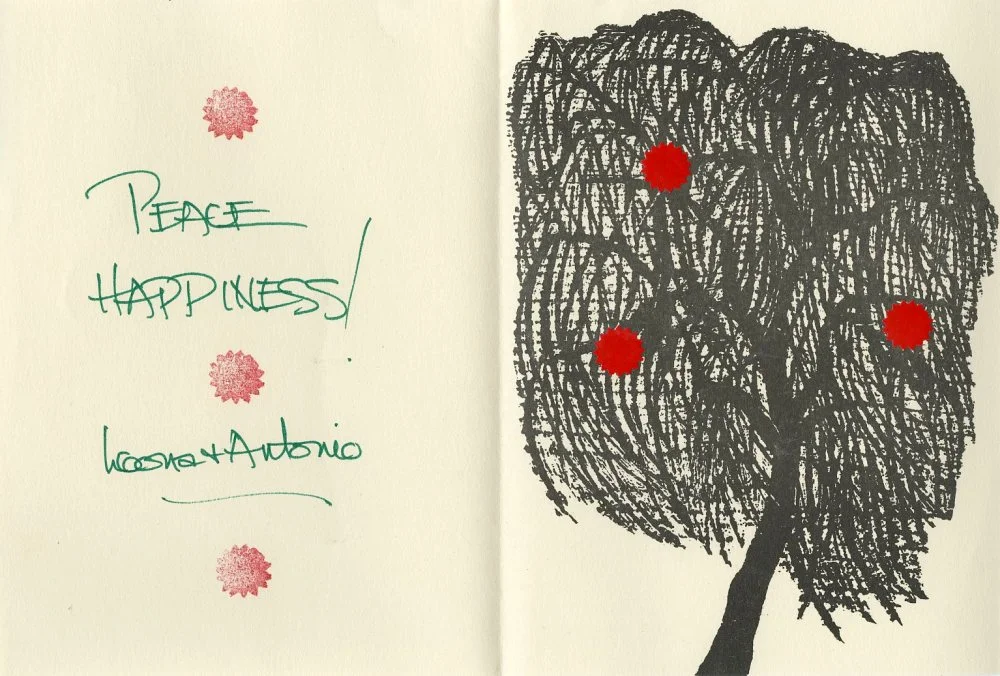
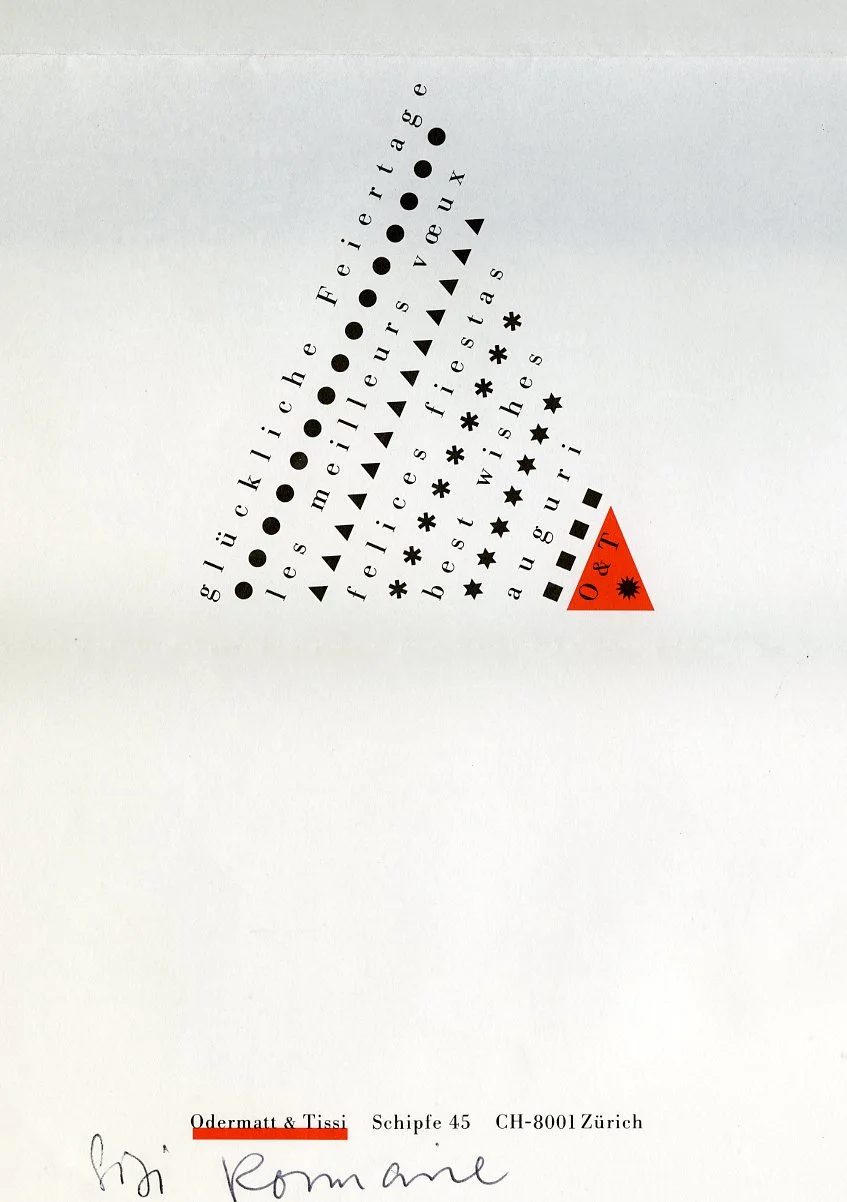
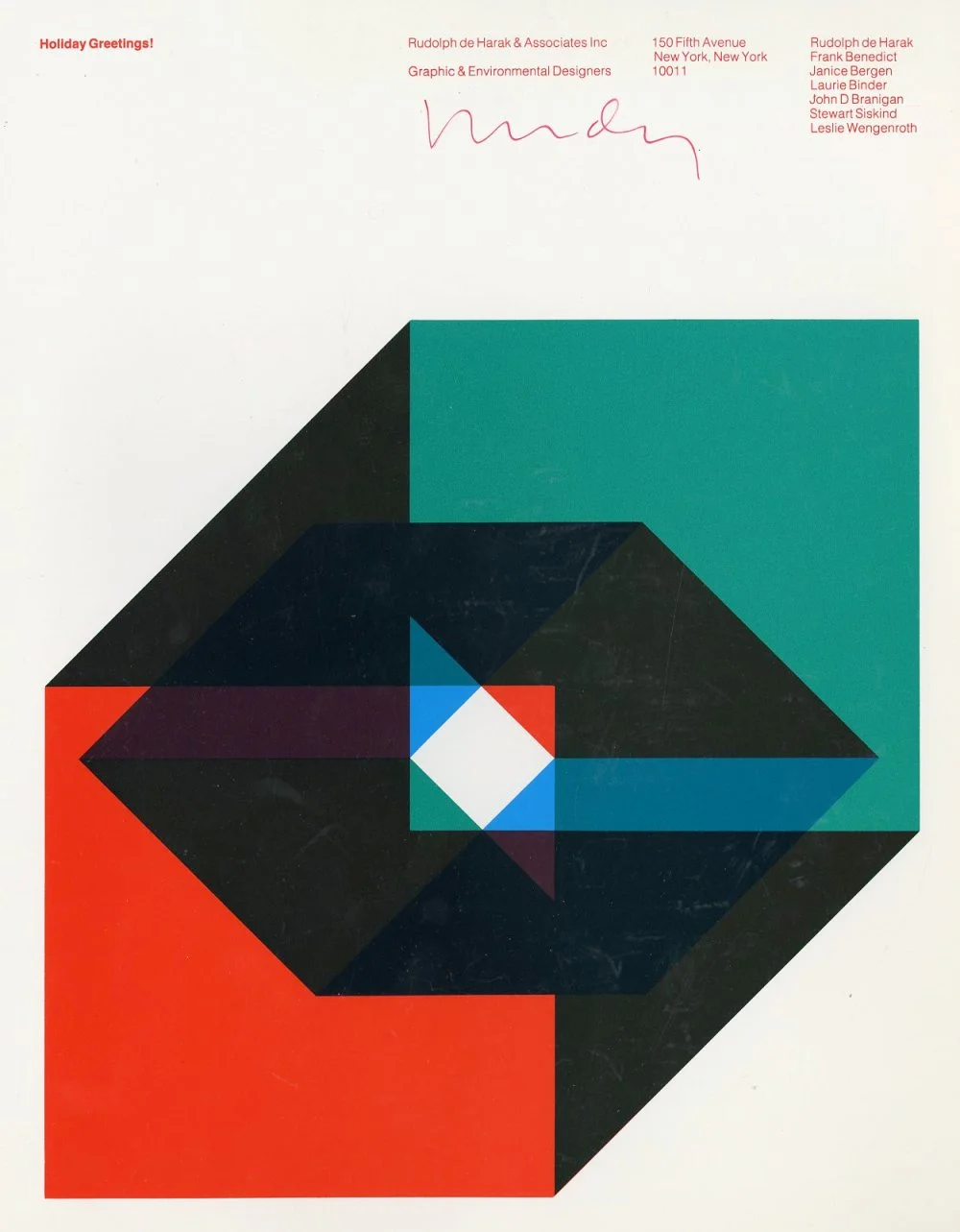
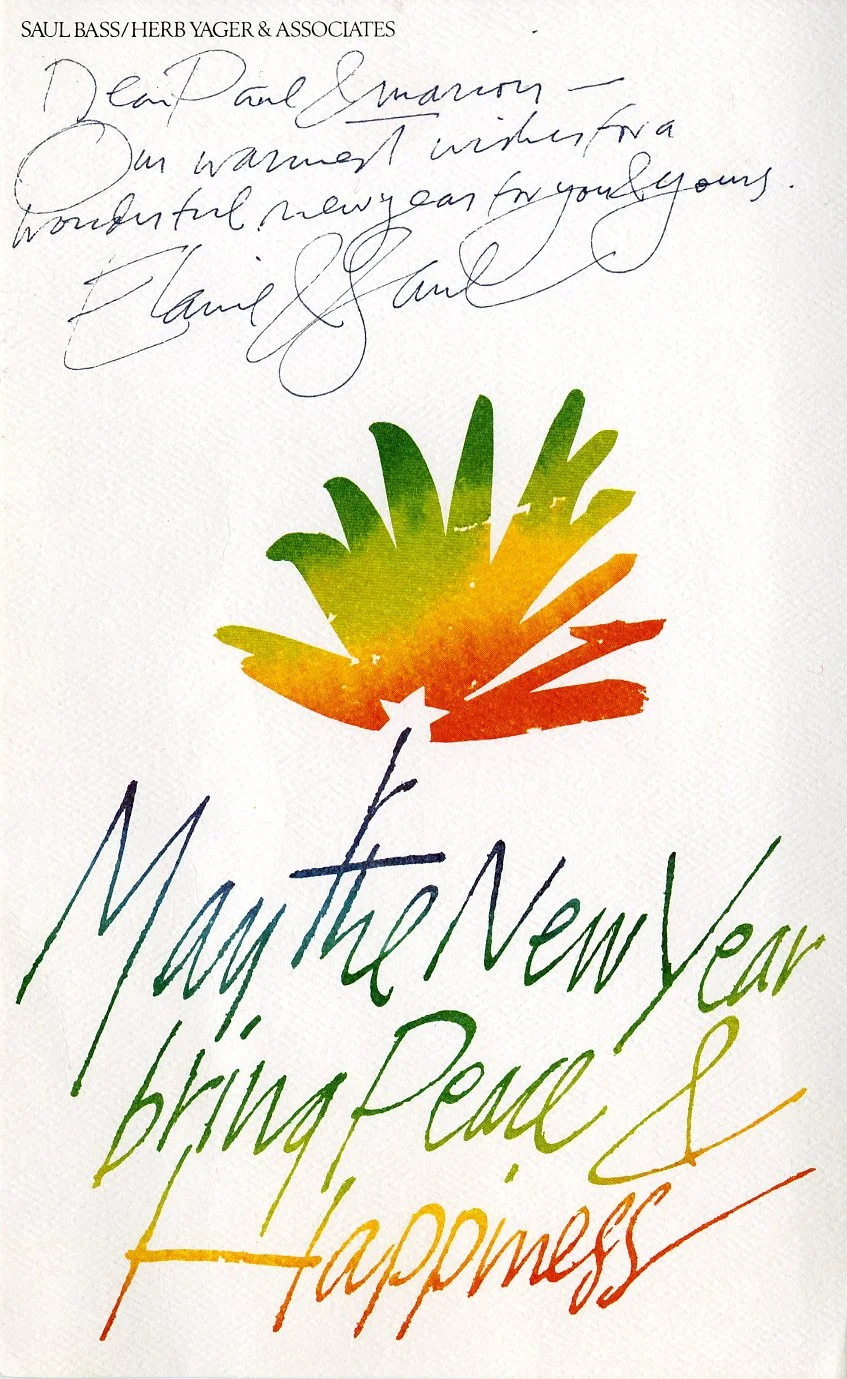
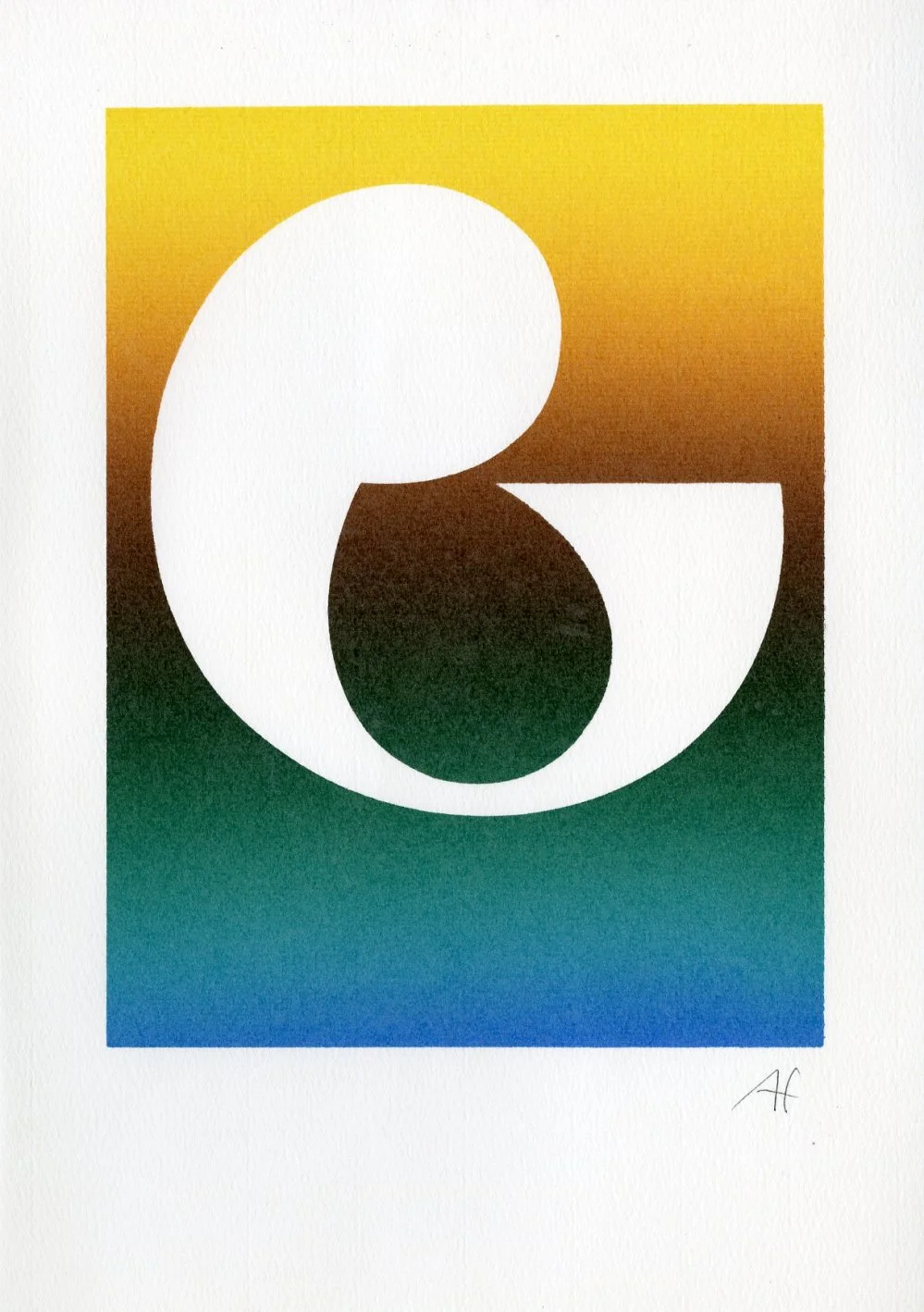
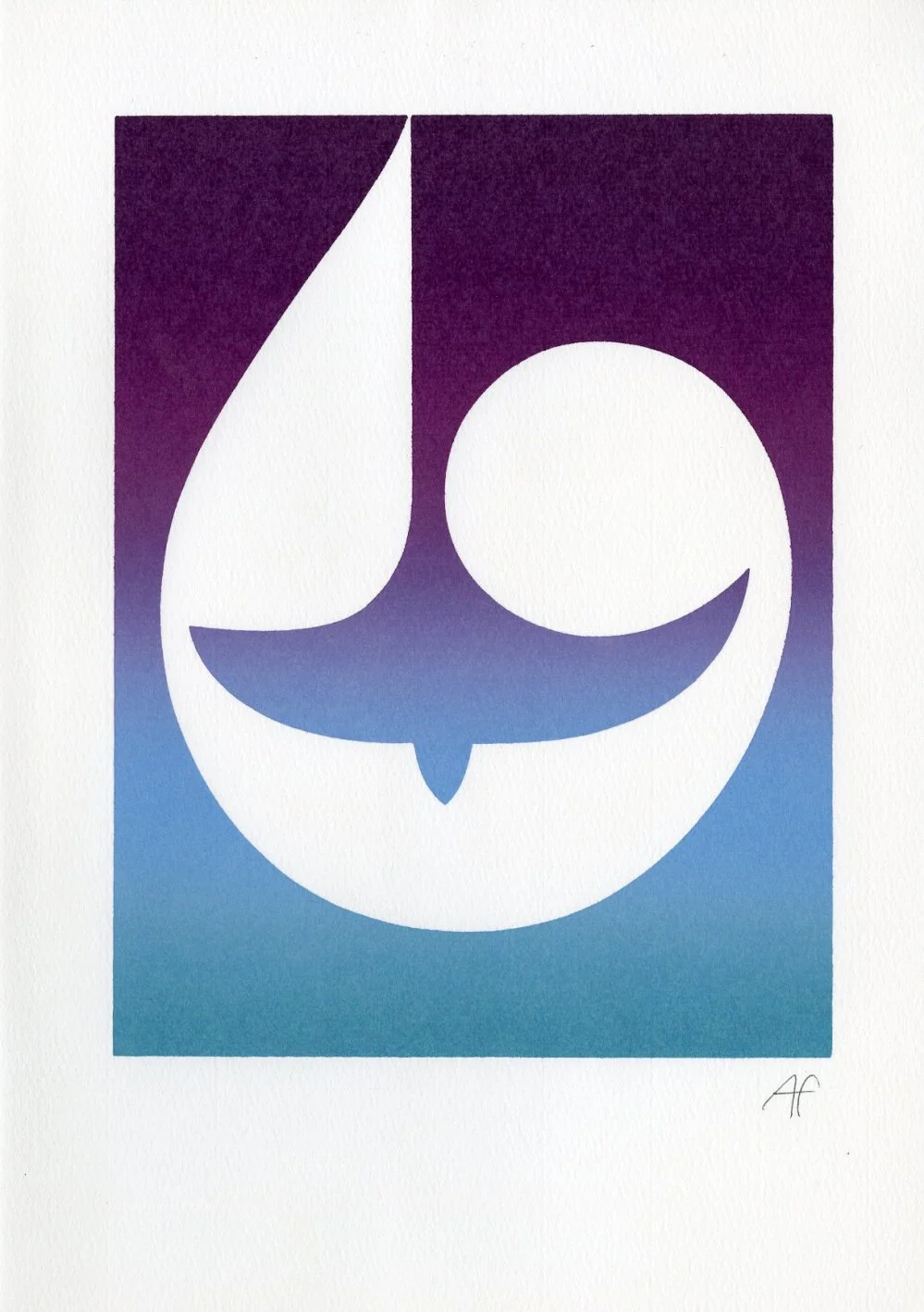
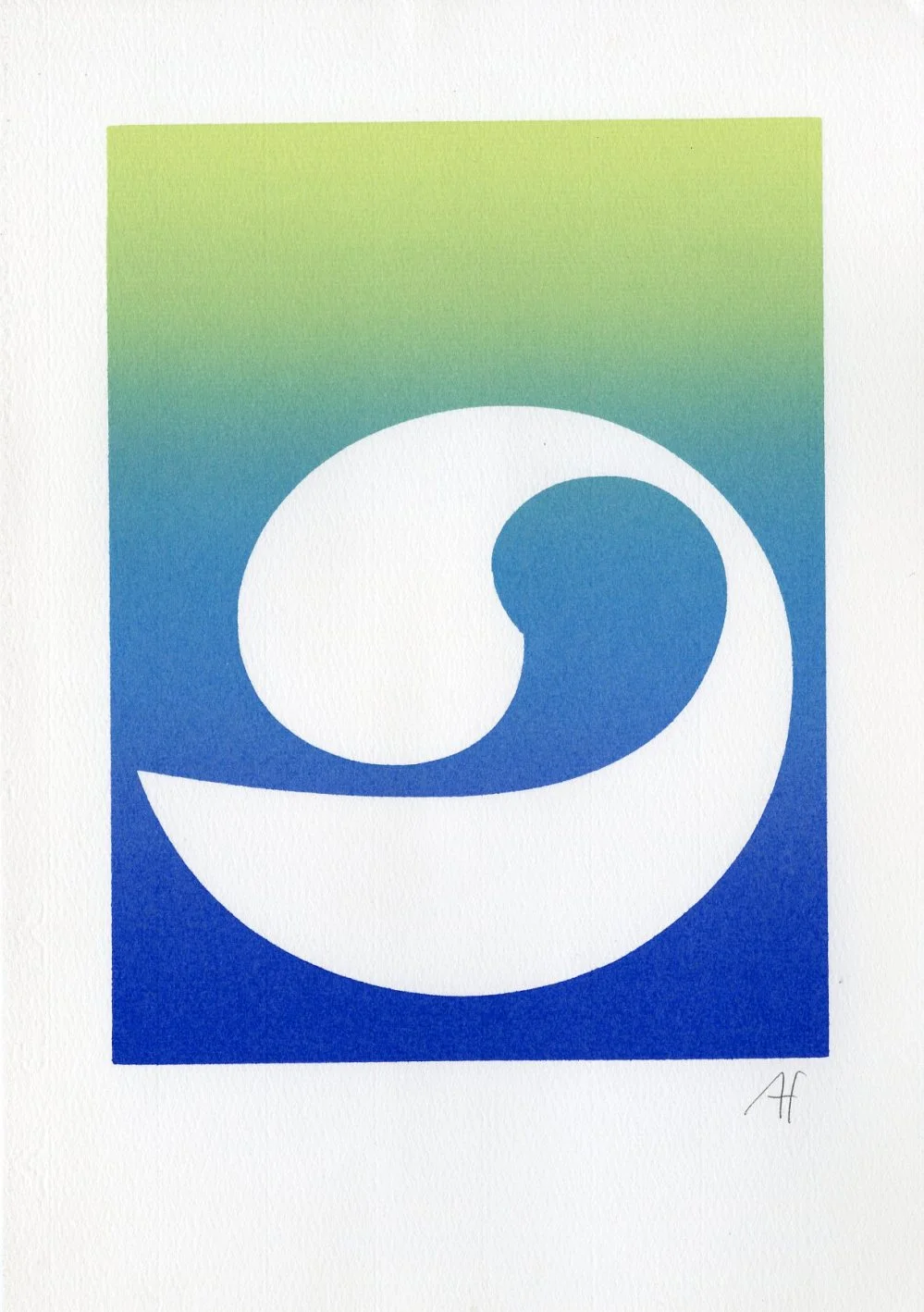
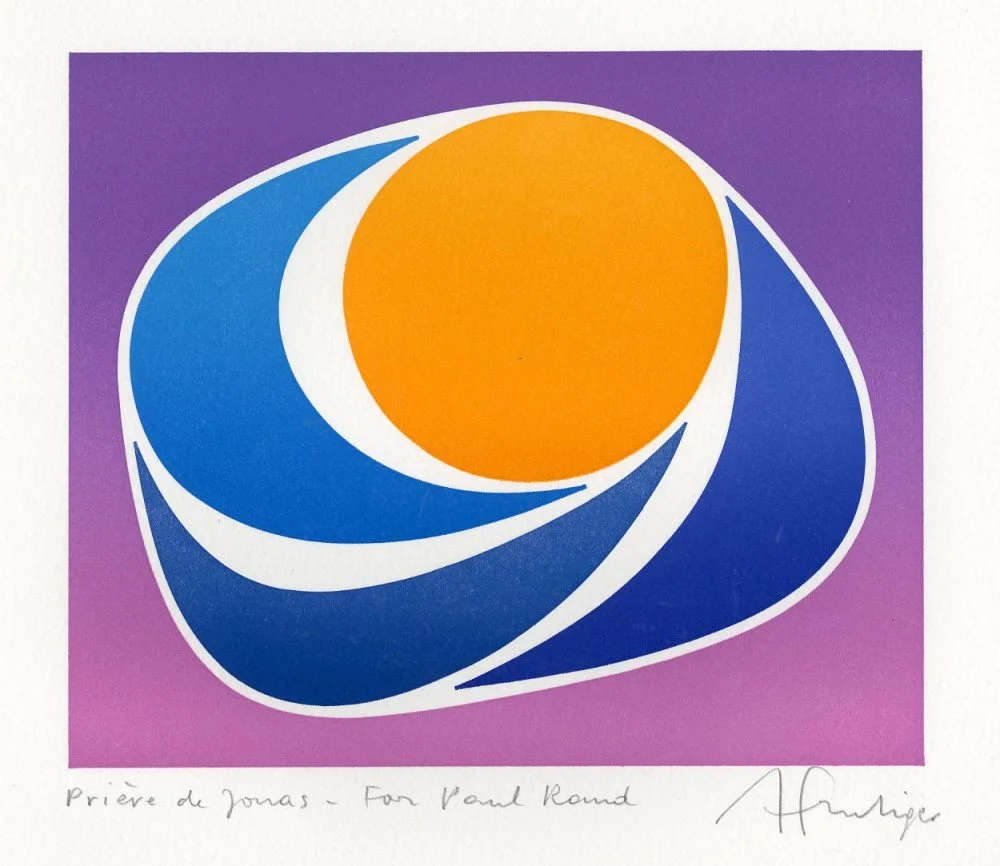
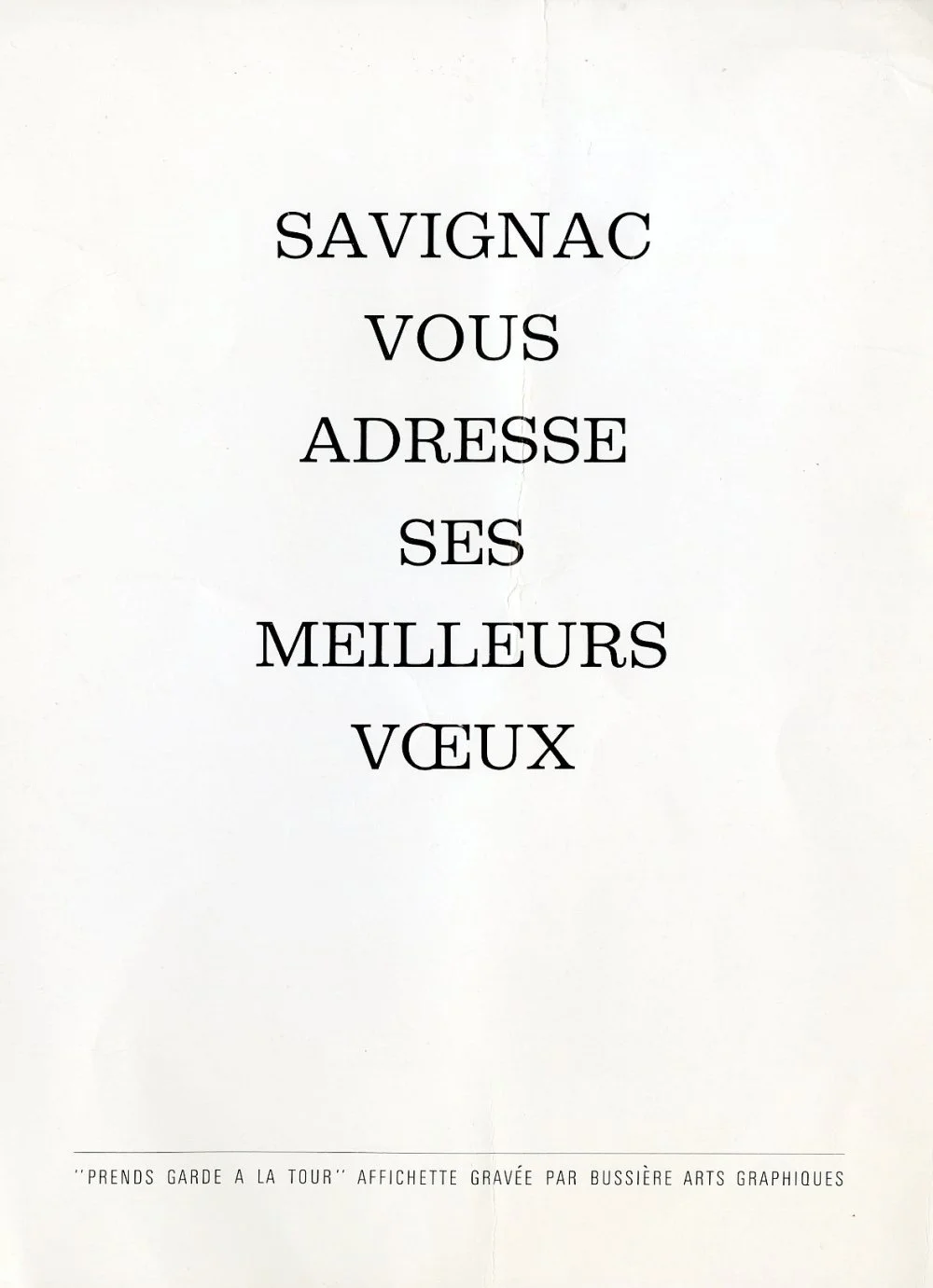
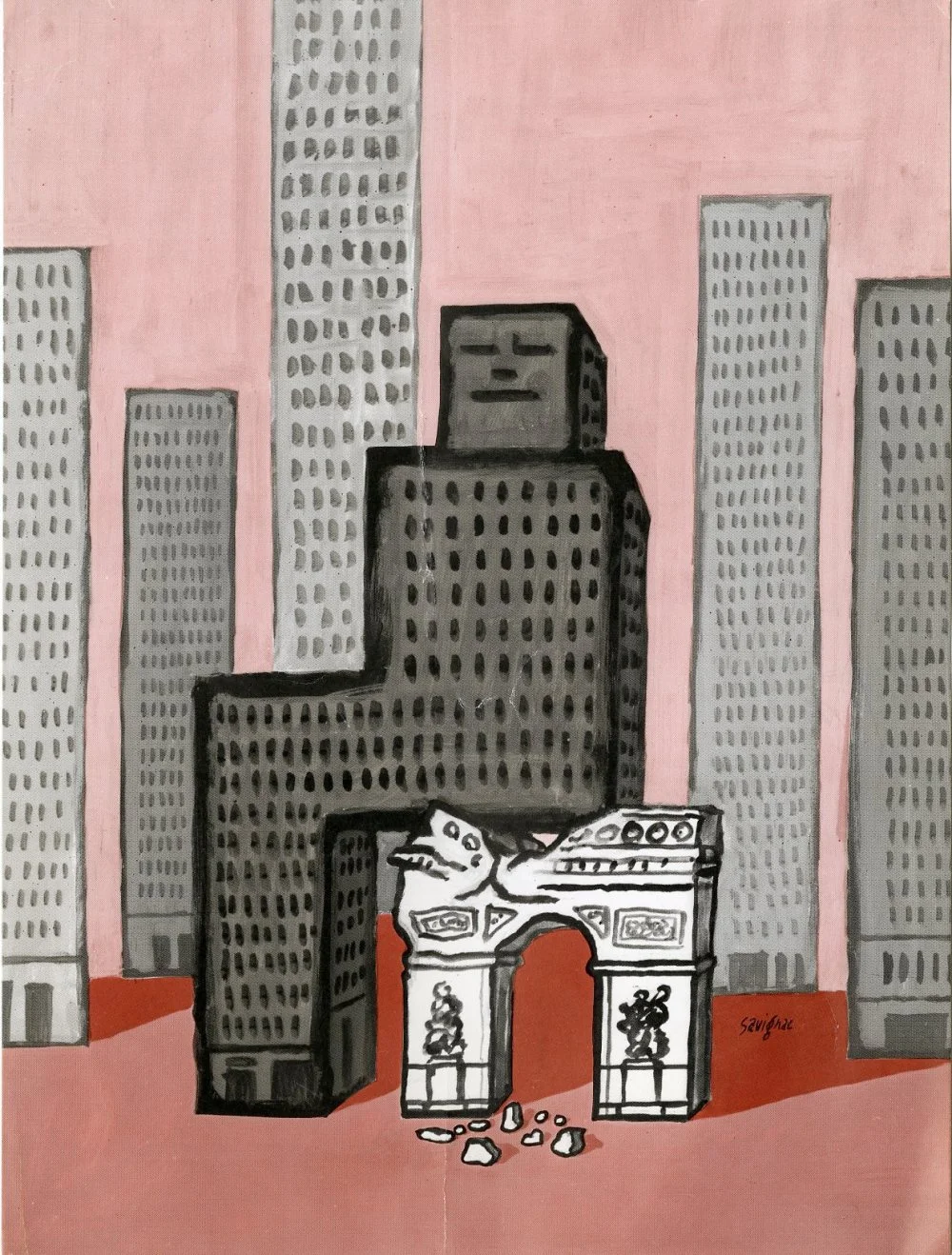
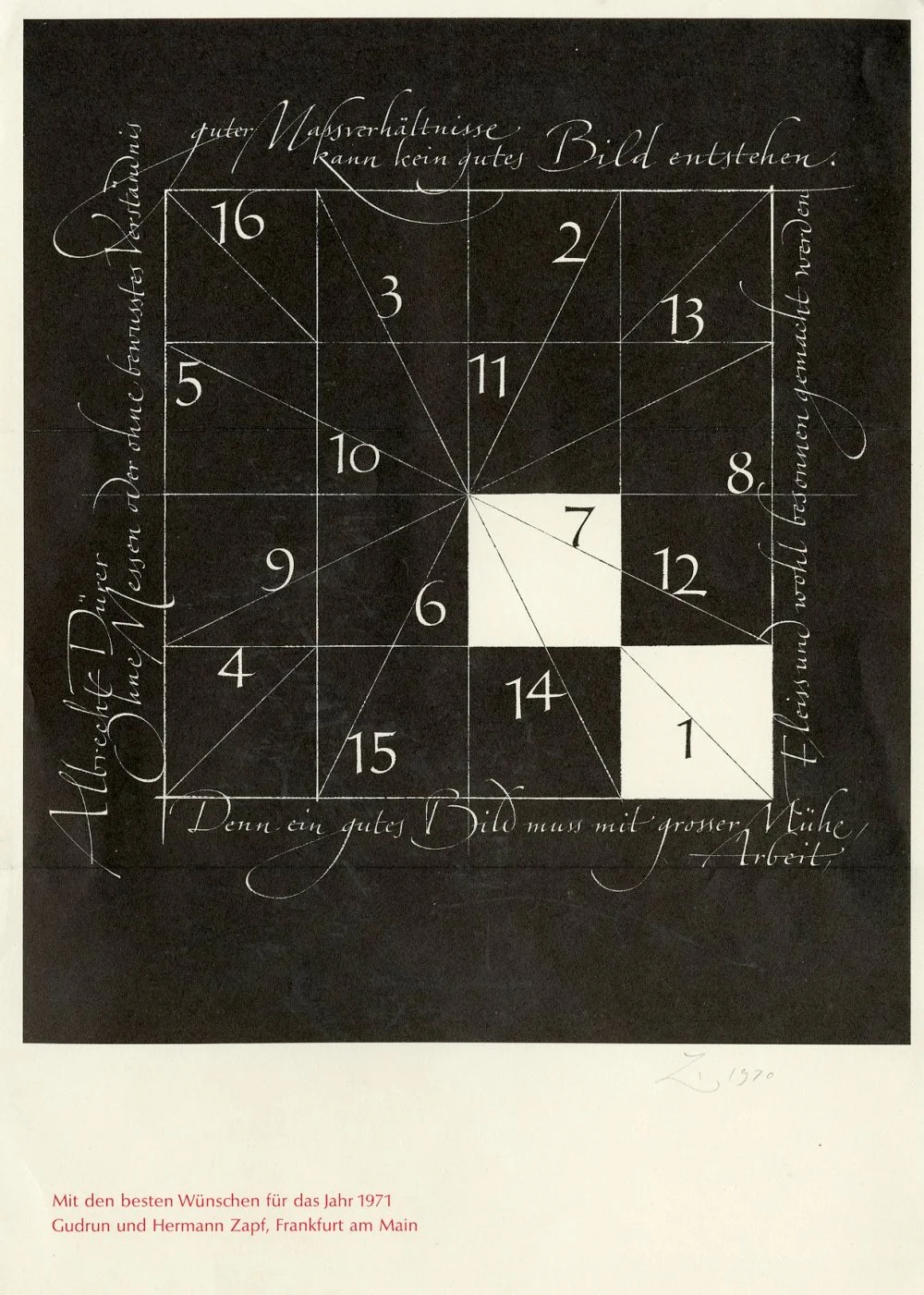
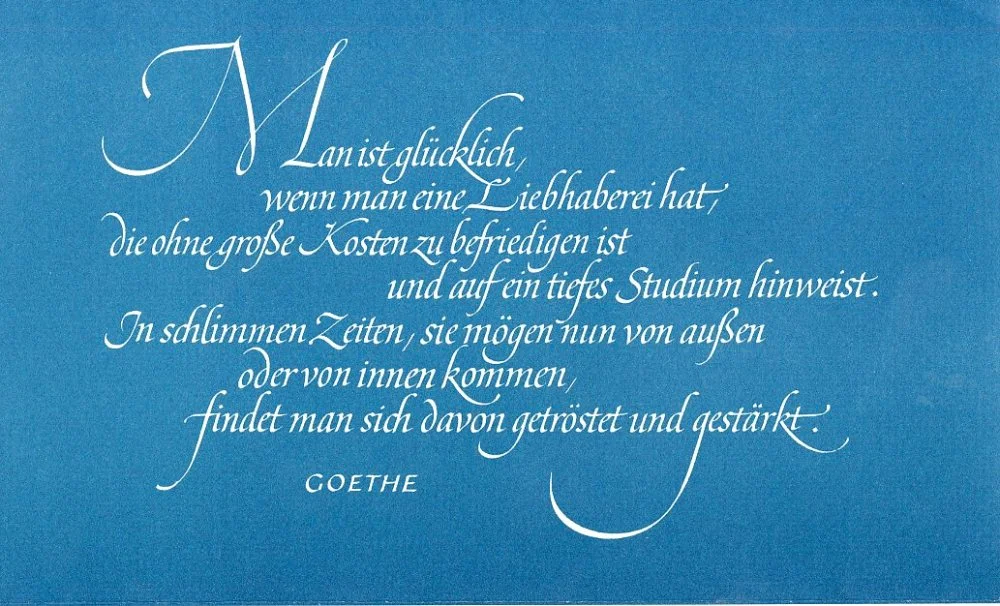
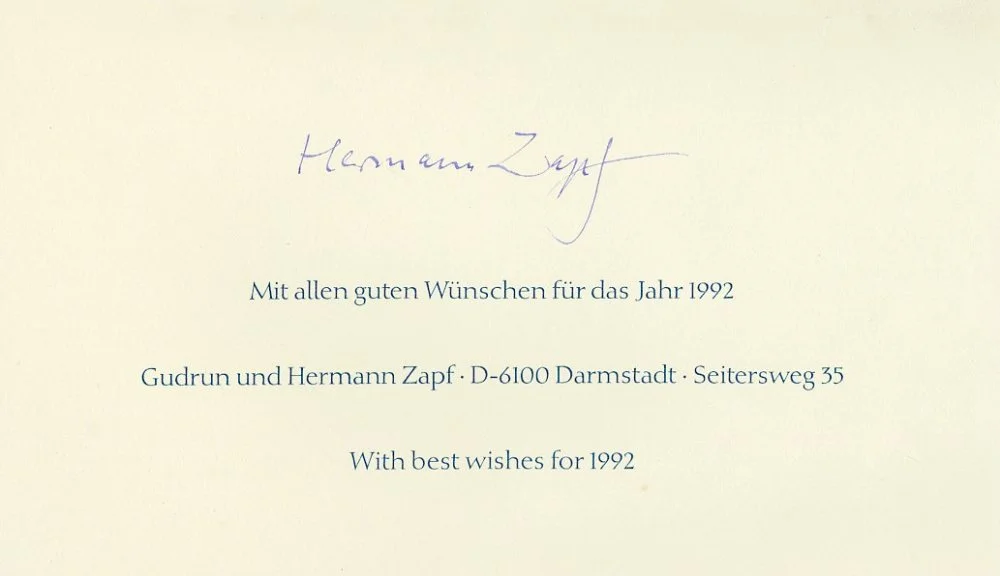
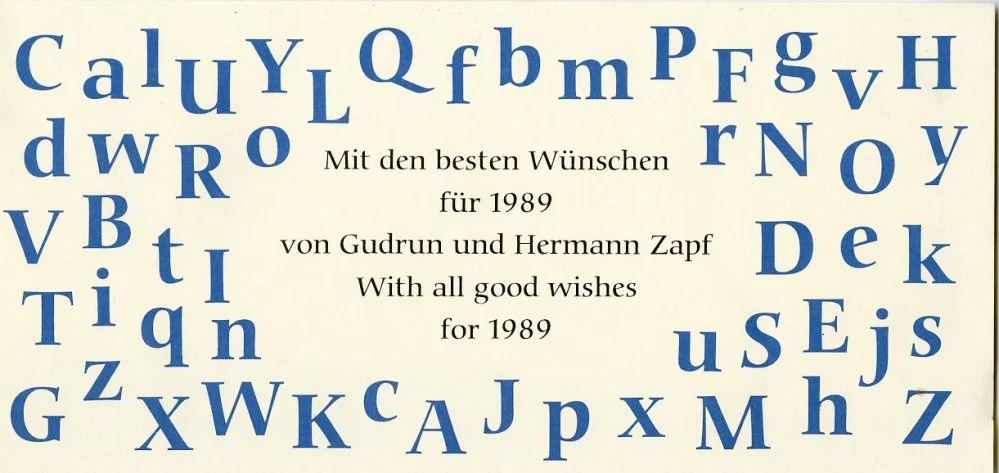
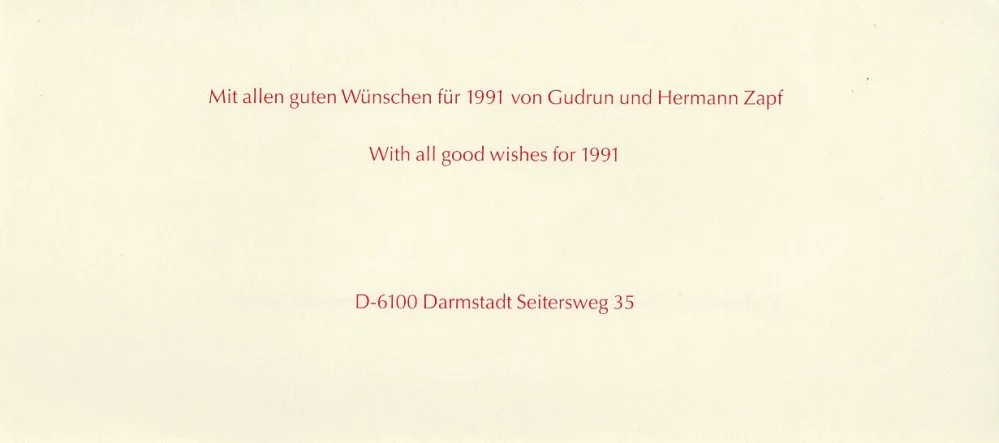
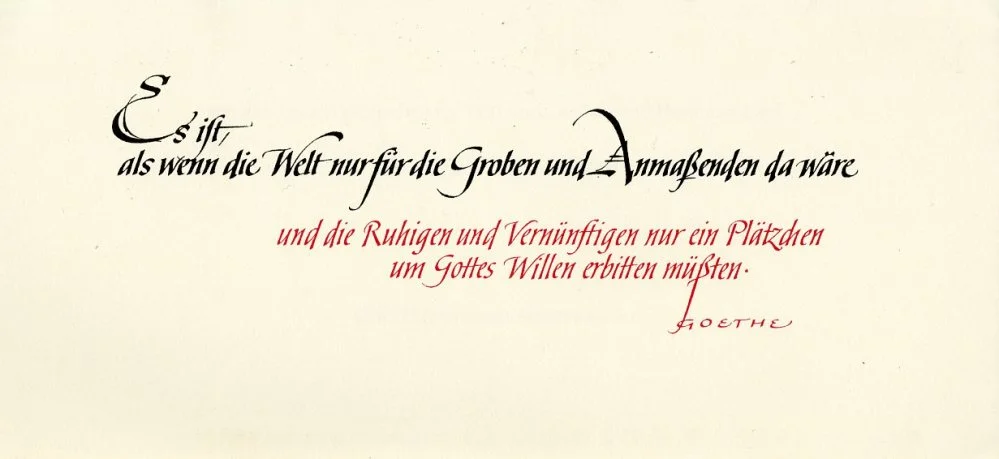
The credits move from Antonio Frasconi’s two cards to one attributed to Odermatt & Tissi, then a card from Rudolph de Harak and one credited to Elaine and Saul Bass. Four cards carry Adrian Frutiger’s name. Three are credited to Savignac. The largest sequence belongs to Gudrun and Hermann Zapf, with seven cards identified as their work.
Those repeated appearances matter. Rather than presenting a single representative example from each designer, the post preserves runs of work by Frutiger, Savignac, and the Zapfs. A sequence invites closer looking: recurring habits may become easier to spot across several pieces, while differences from one card to the next can suggest how much freedom the format allowed. The source supplies no account of the designers’ intentions, so those readings belong to the viewer, not to a claim about what any sender meant.
It also matters that the captions identify people rather than describe visual features. Readers can connect each image to its named maker, but the post does not assign typefaces, colours, printing processes or dates to individual cards. That leaves a useful distinction for anyone studying the collection: the credits are documented; formal interpretation has to begin with the images themselves.


What a greeting card can hold
For designers, this kind of personal work offers a different lens on familiar names. A commercial identity or publication has a defined audience and purpose; a seasonal card begins with a direct human exchange. Its scale can make each decision feel immediate. A message has to share space with imagery and composition, and the sender’s identity is present even when the card carries no formal signature beyond its design.
The format can also reward economy. With little room, a maker has to decide what deserves attention first and what can be left unsaid. That’s a practical design problem, whether the result is made for a seasonal greeting or adapted to a compact digital message. The lesson isn’t that every small format should look like a card. It’s that constraints can focus a composition, and a personal audience can change the tone of the work.
Rand’s role in the story is quiet but central: he received these pieces and saved them. That act preserved the exchange beyond its original moment and made the cards available for later viewing. The collection therefore connects design practice with attention and memory. A designer’s archive may hold finished work, but it can also preserve the informal objects that show how colleagues addressed one another.
The 2018 post gives no date for the individual cards and makes no claims about their printing or authorship beyond the captions. What it does offer is a carefully credited group of images and a reason to look at the everyday formats designers make for one another. For a studio, the useful prompt is simple: when a project is small and personal, which choices become more visible?
The post The Daily Heller: Christmas Cards to Paul Rand appeared first on PRINT Magazine.
| Rev | Description | Date |
|---|---|---|
| A | Issued for reading | |
| B | Viewed 408 times | Current |


