Srushti Pokerna’s Myth & Mind Turns Indian Epics into Mental Health Reflections
- Project
- Graphic Design
- Drawn by
- PRINT Editorial Team
- Issued
- Sheet
- A-60
Srushti Pokerna’s 100-day card series connects stories passed down by her grandmother with emotions including grief, self-doubt, hope and resilience.
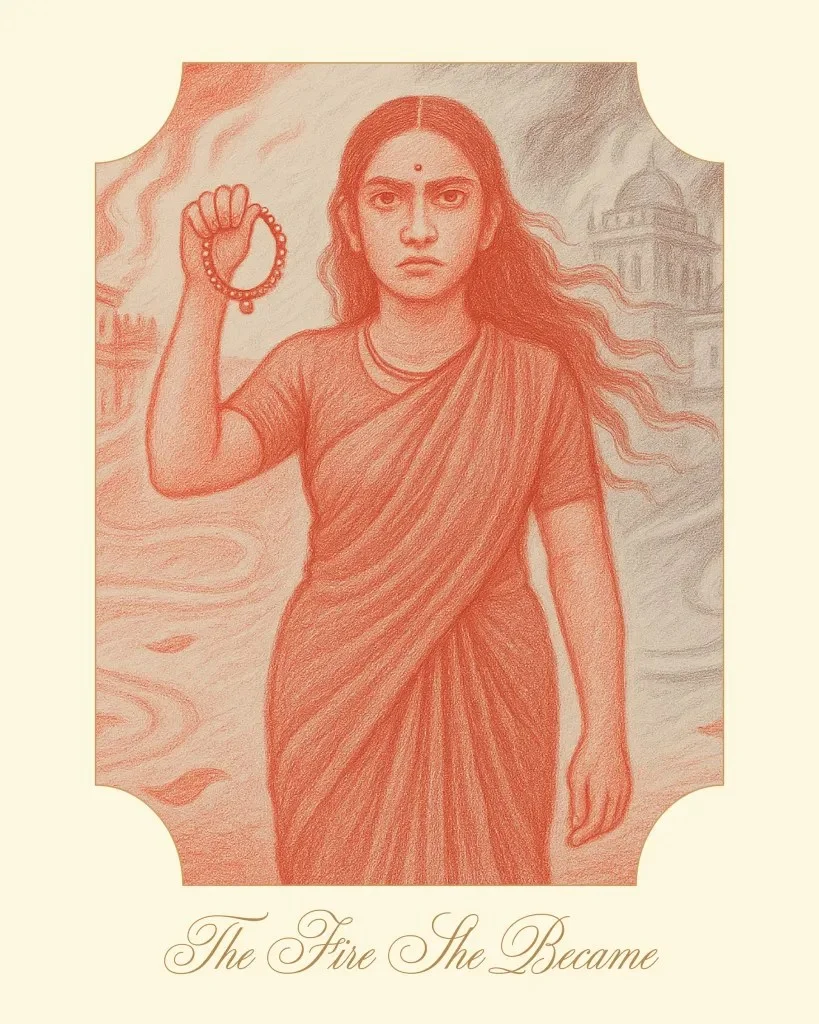
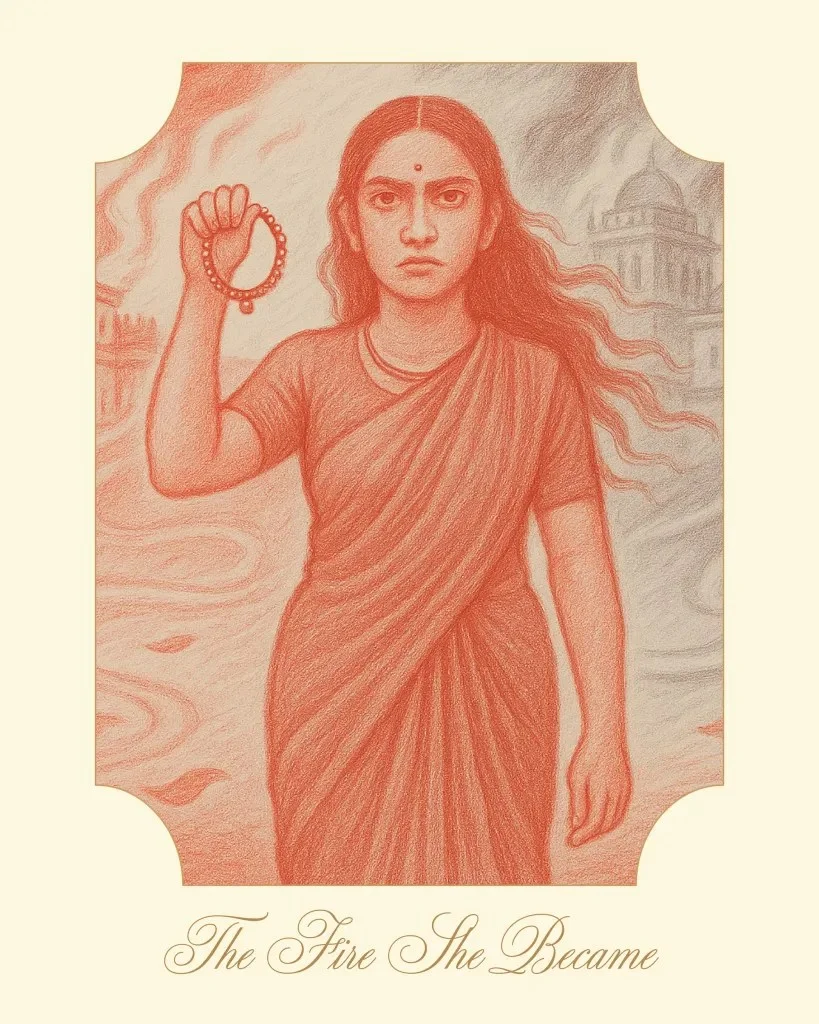
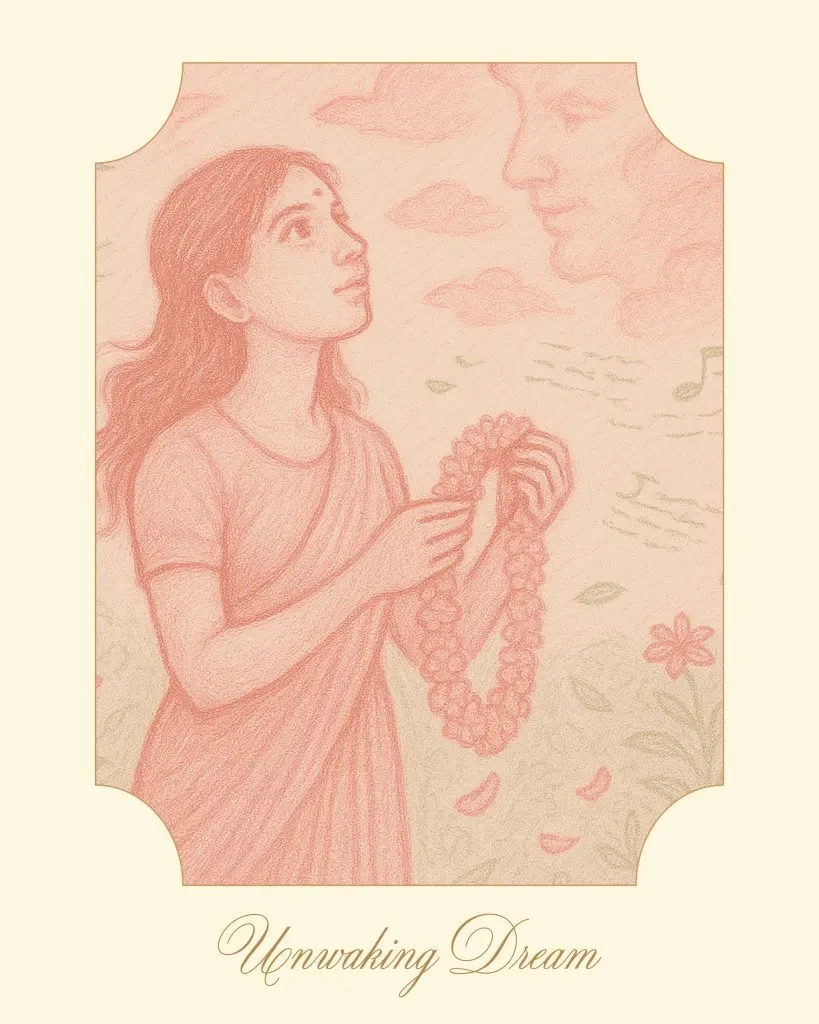
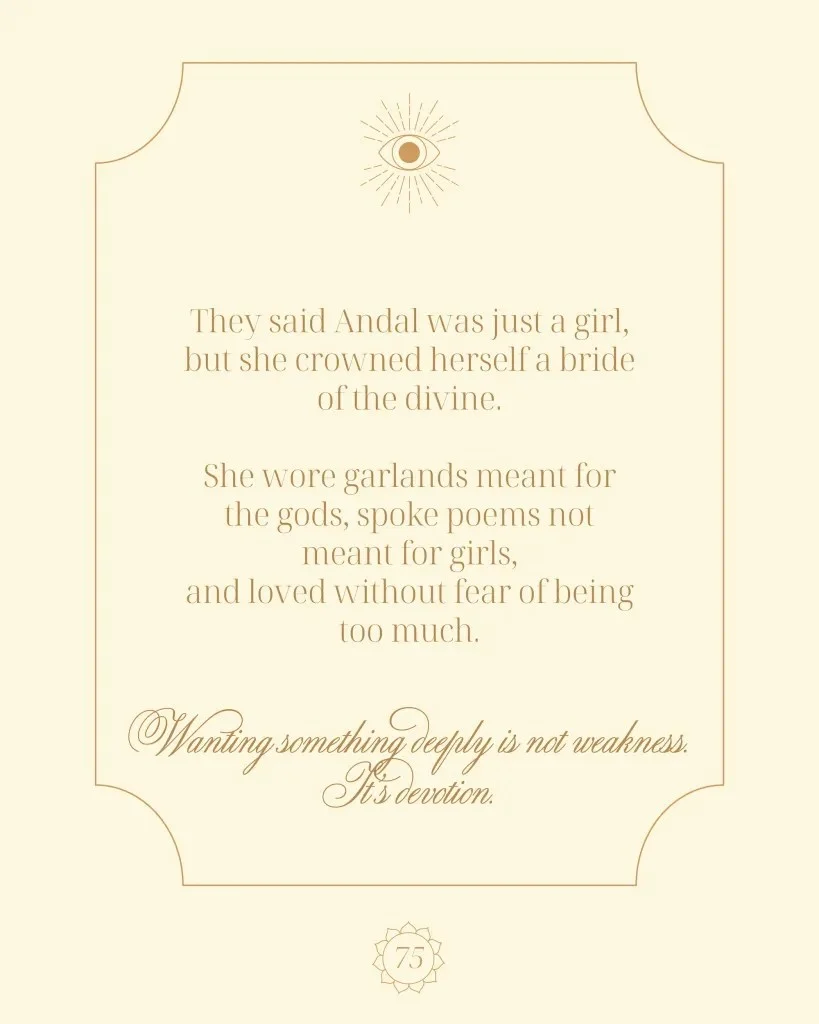
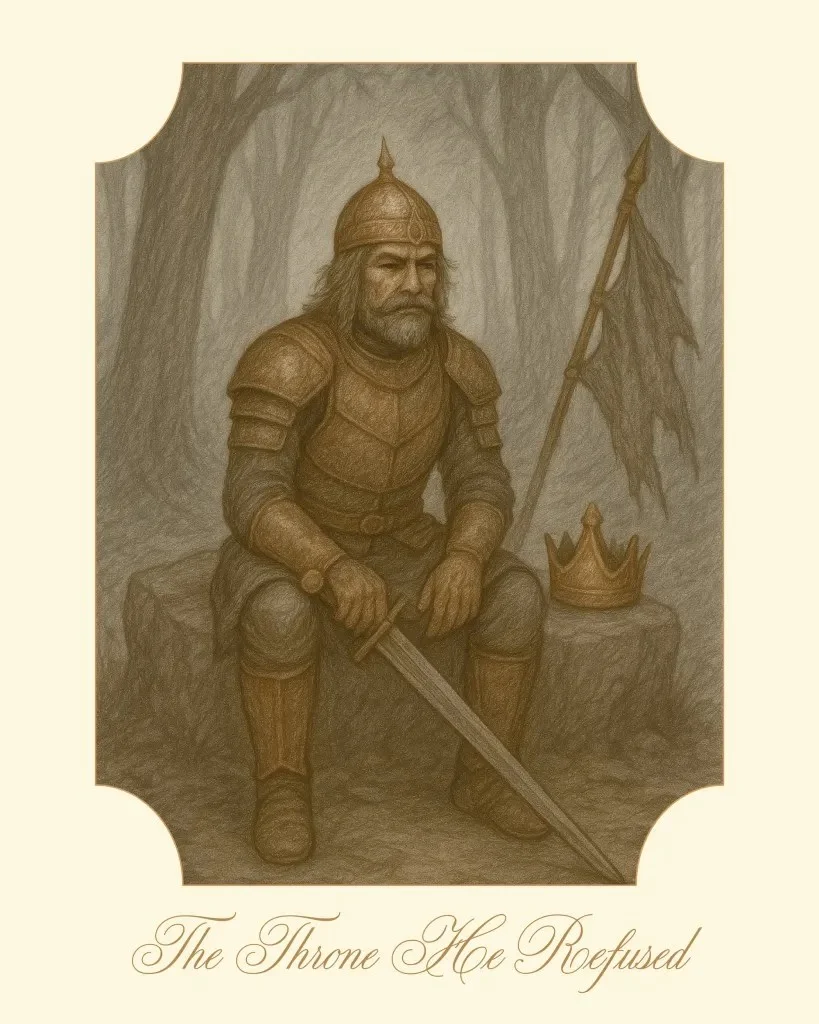
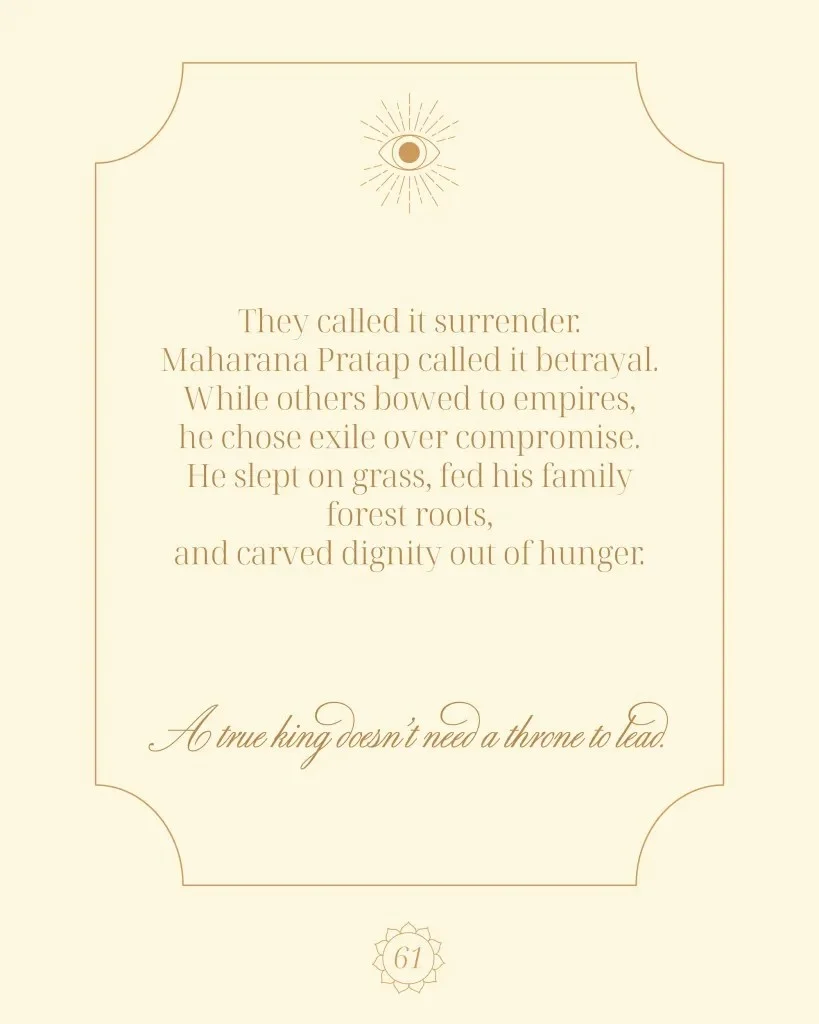
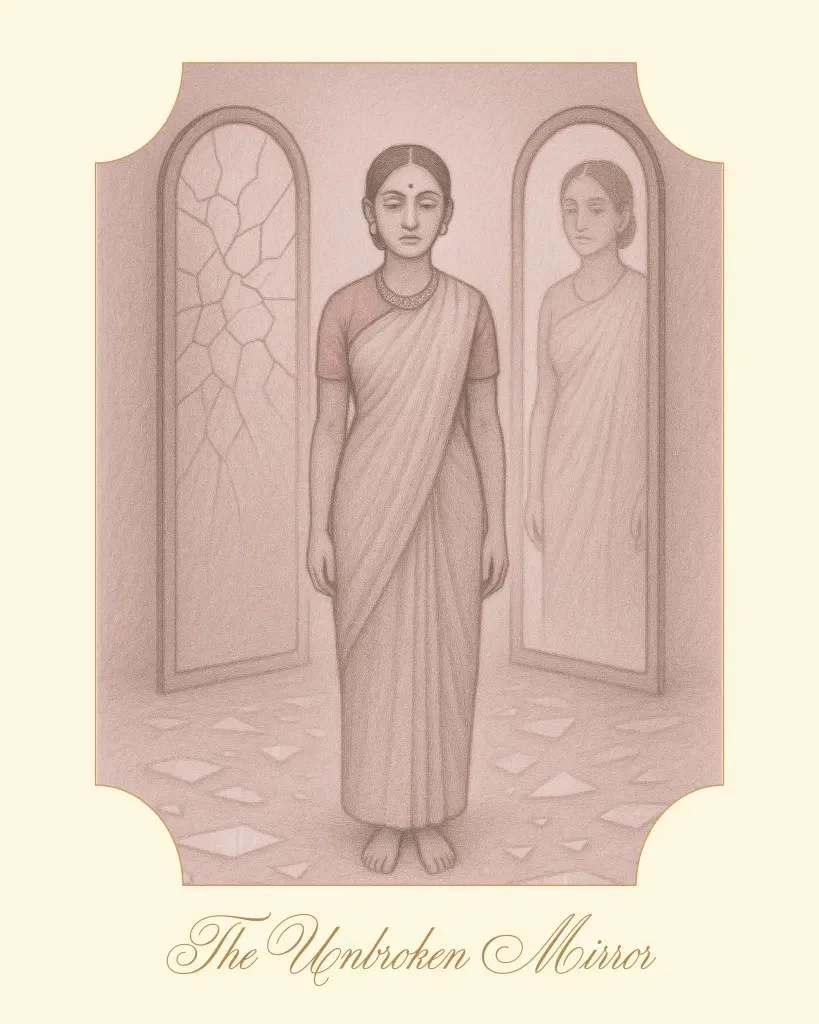
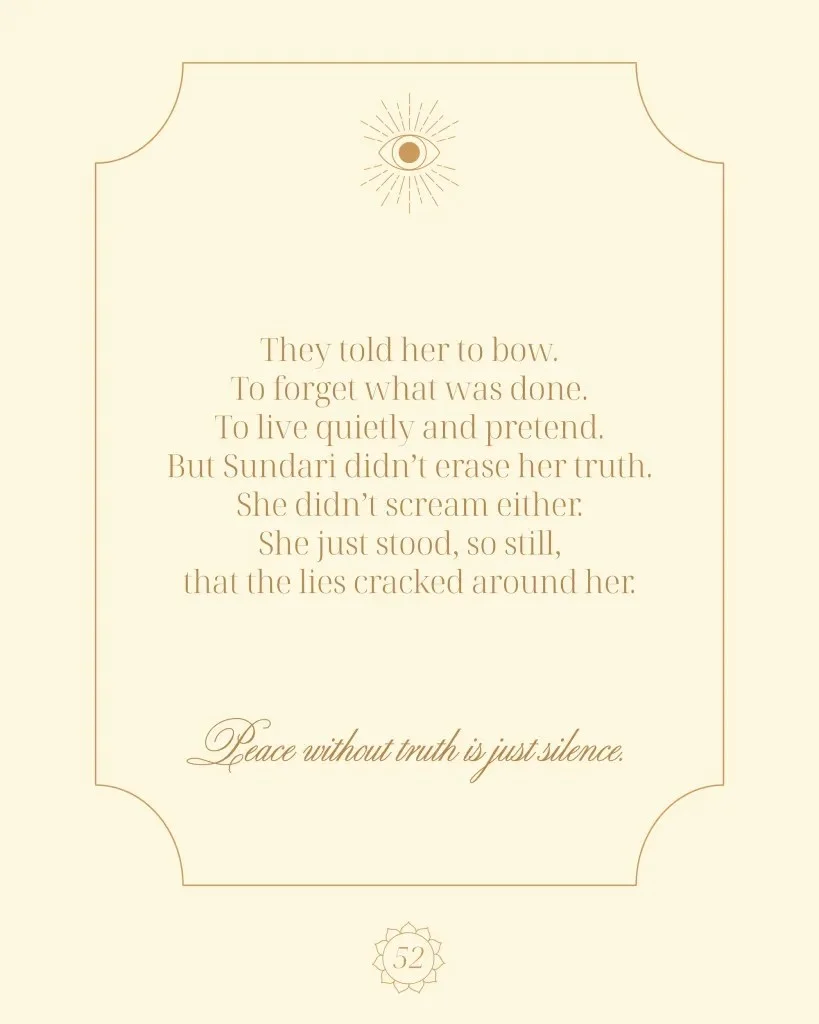
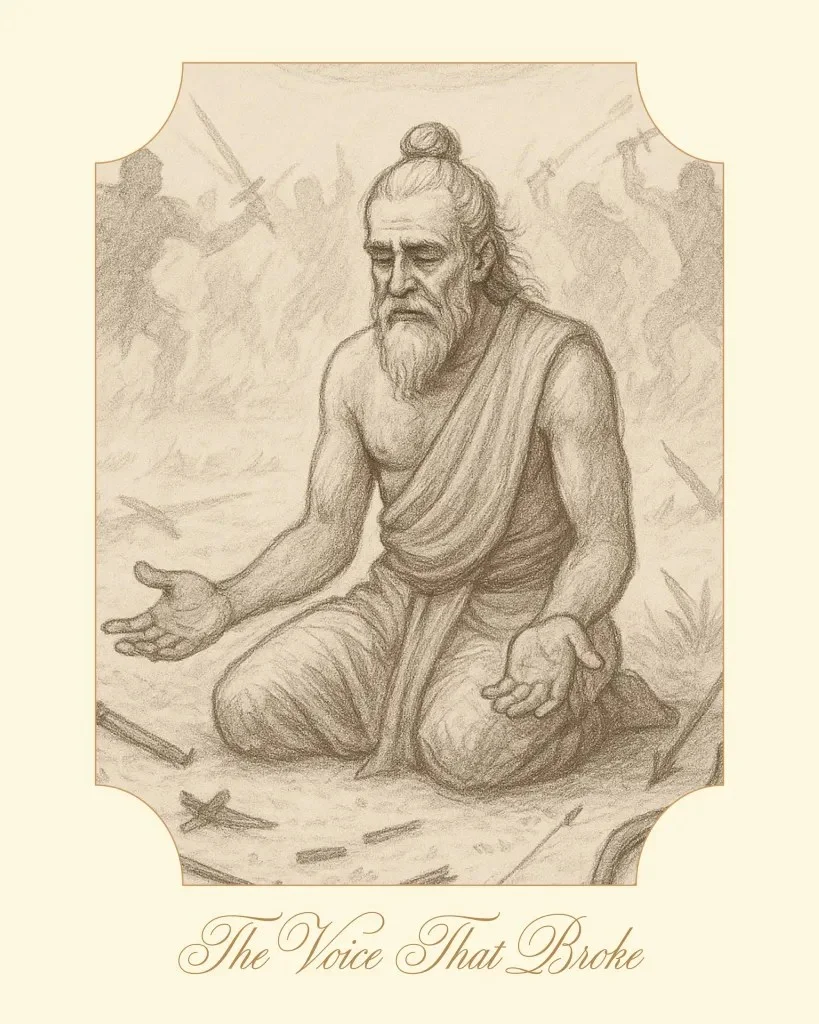
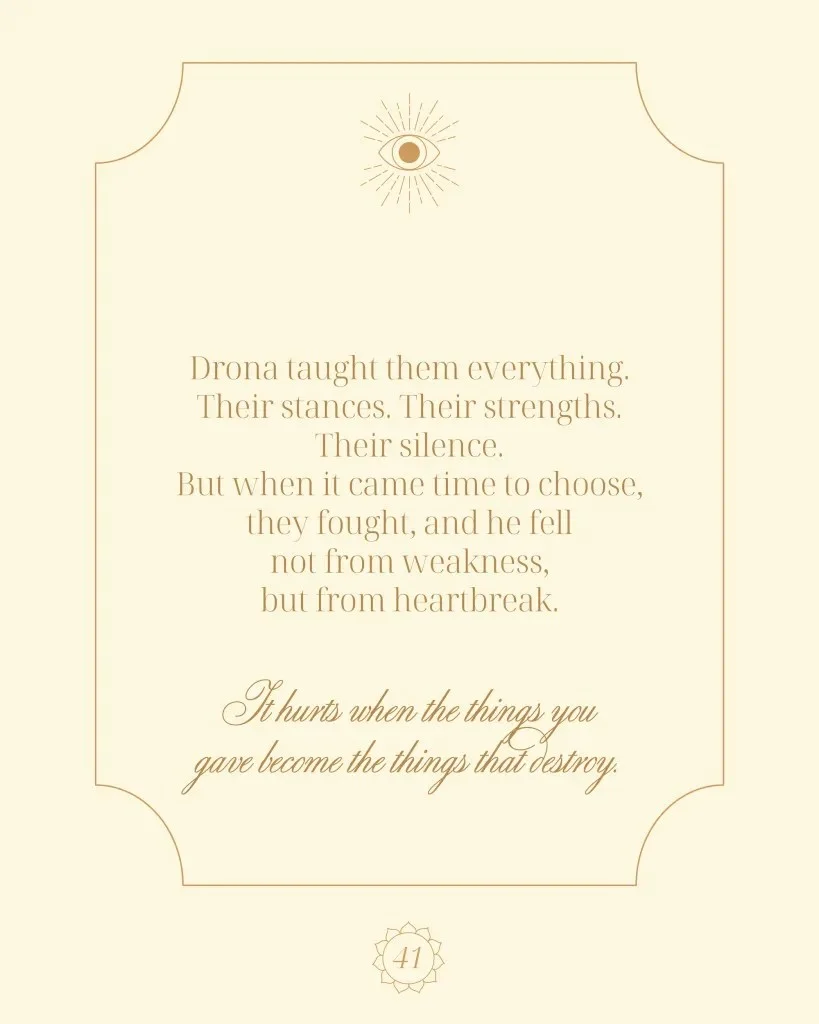
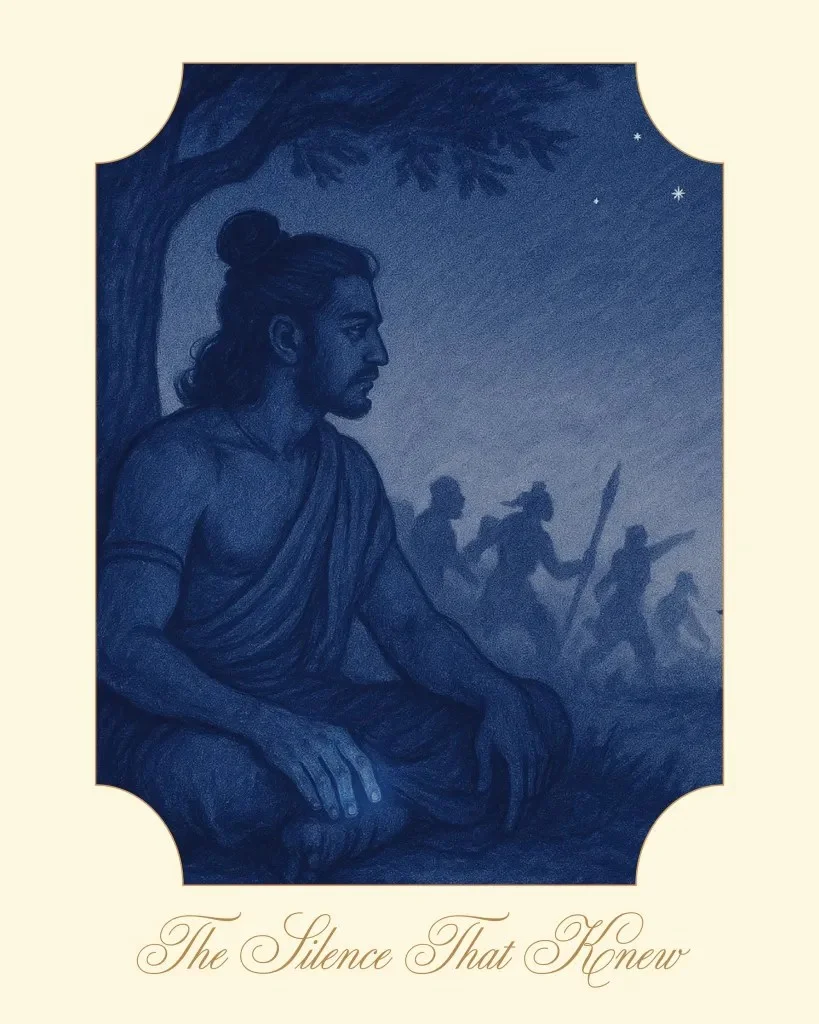
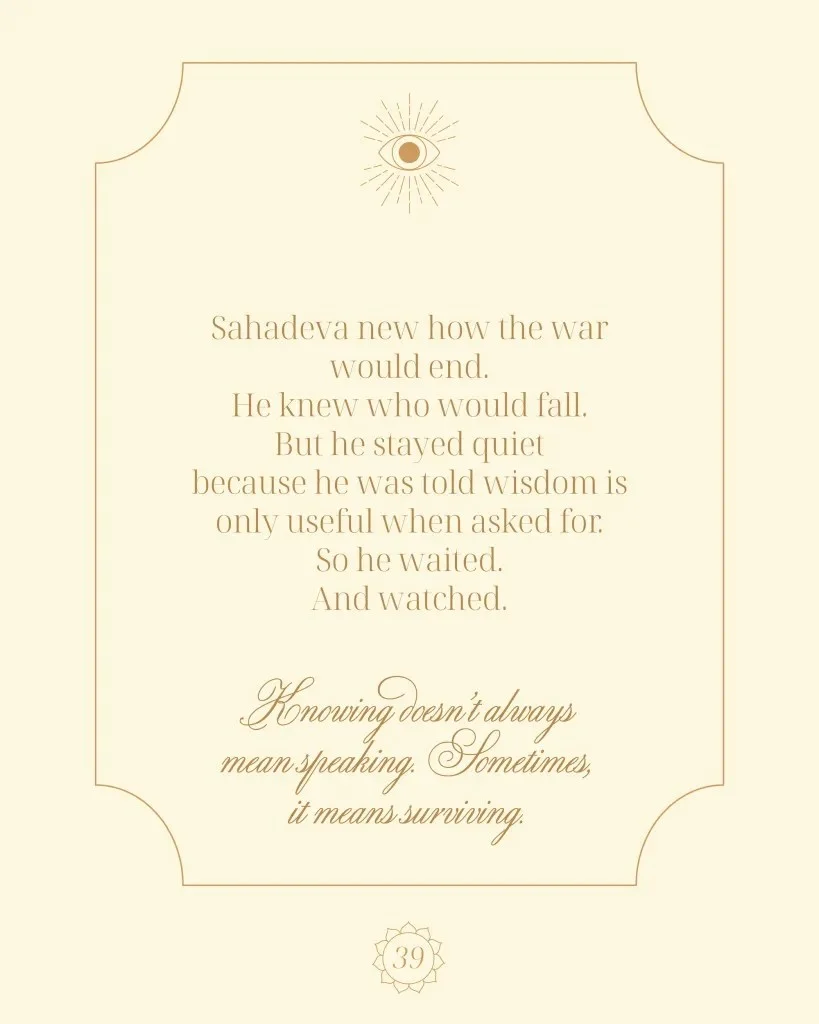
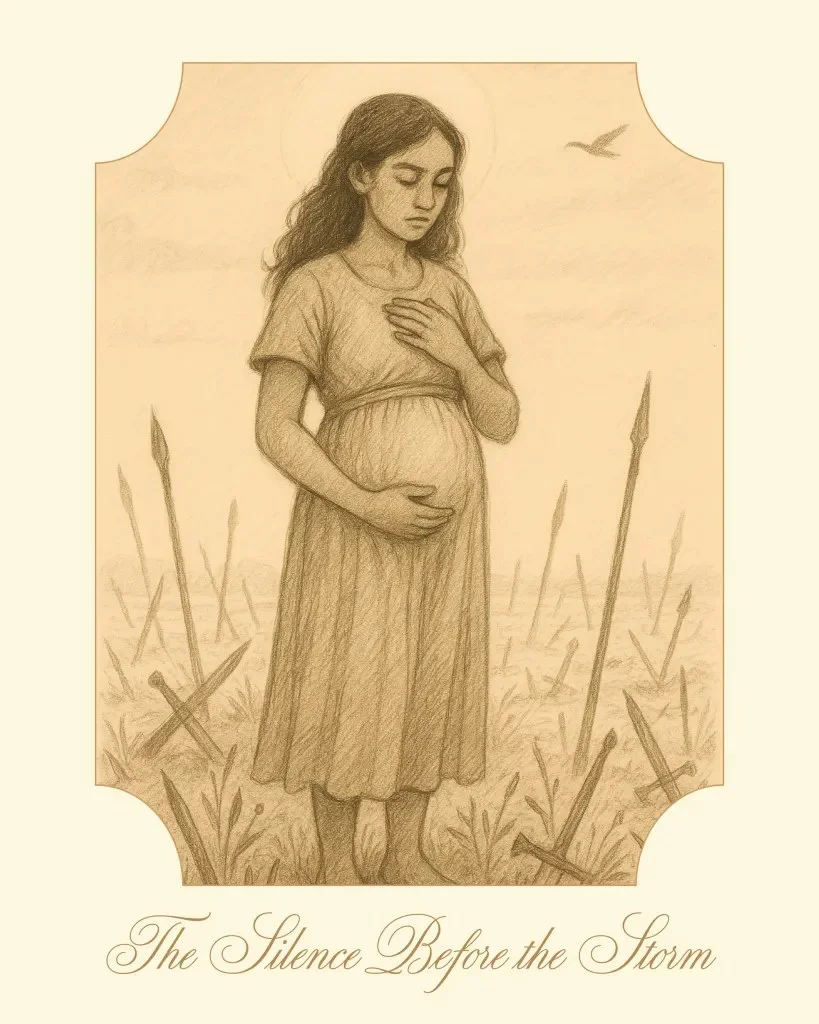
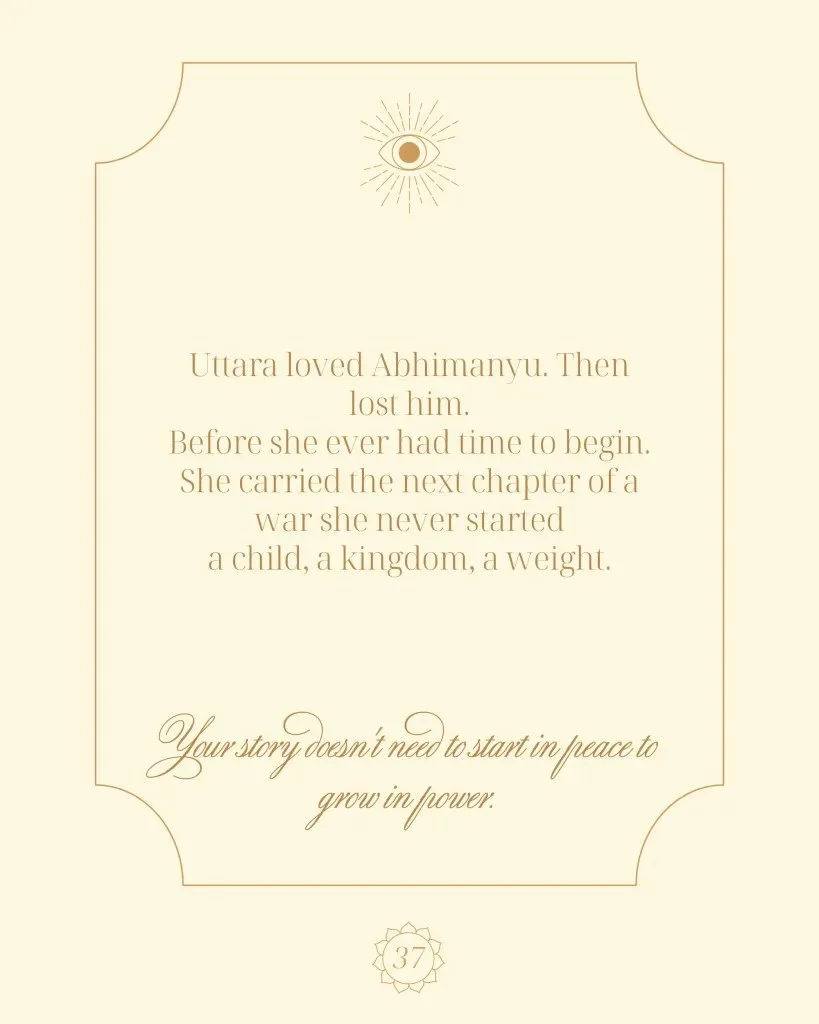
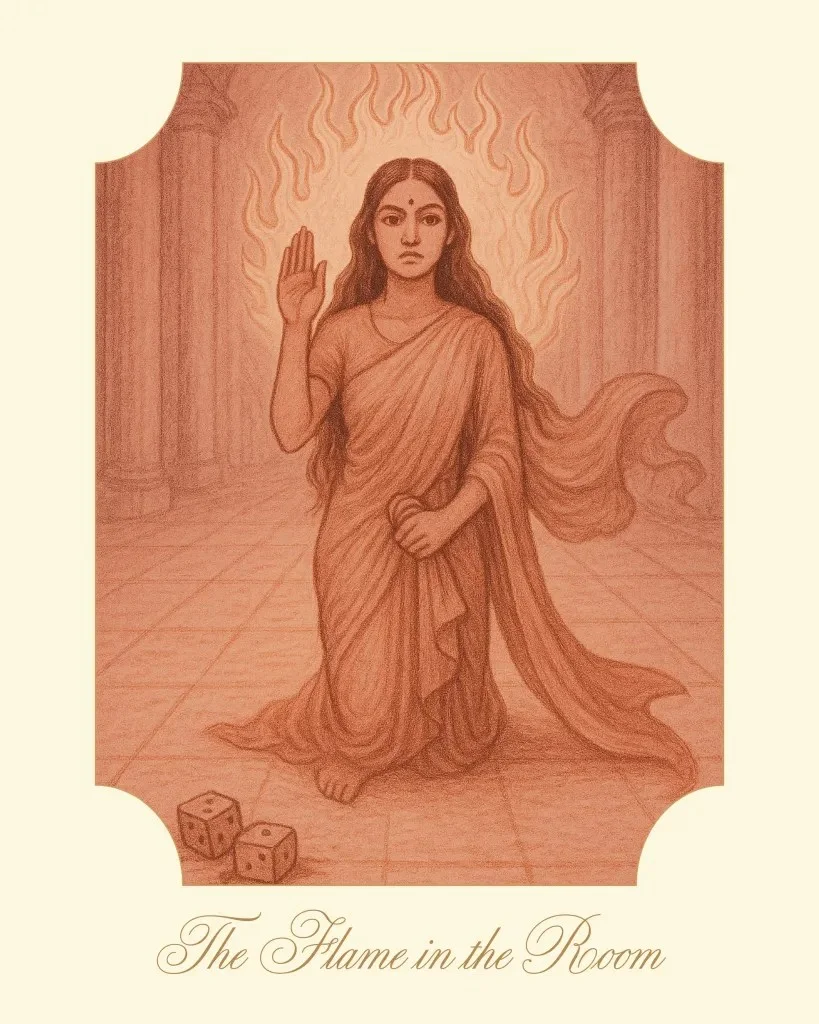
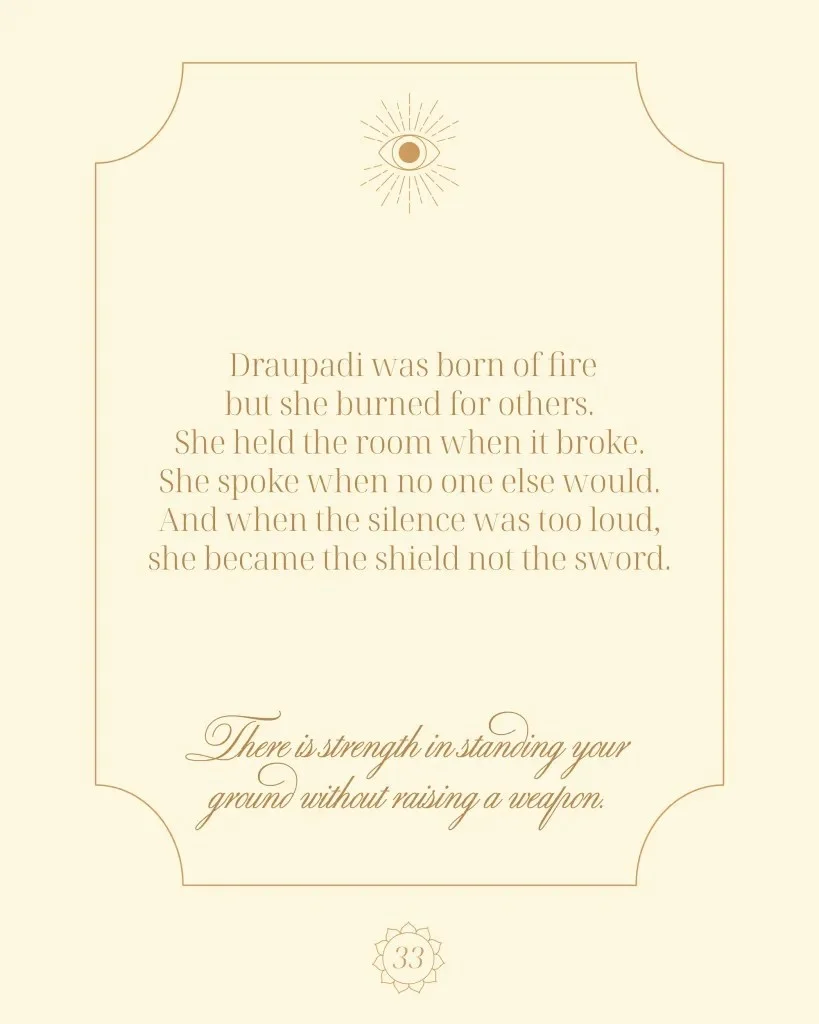
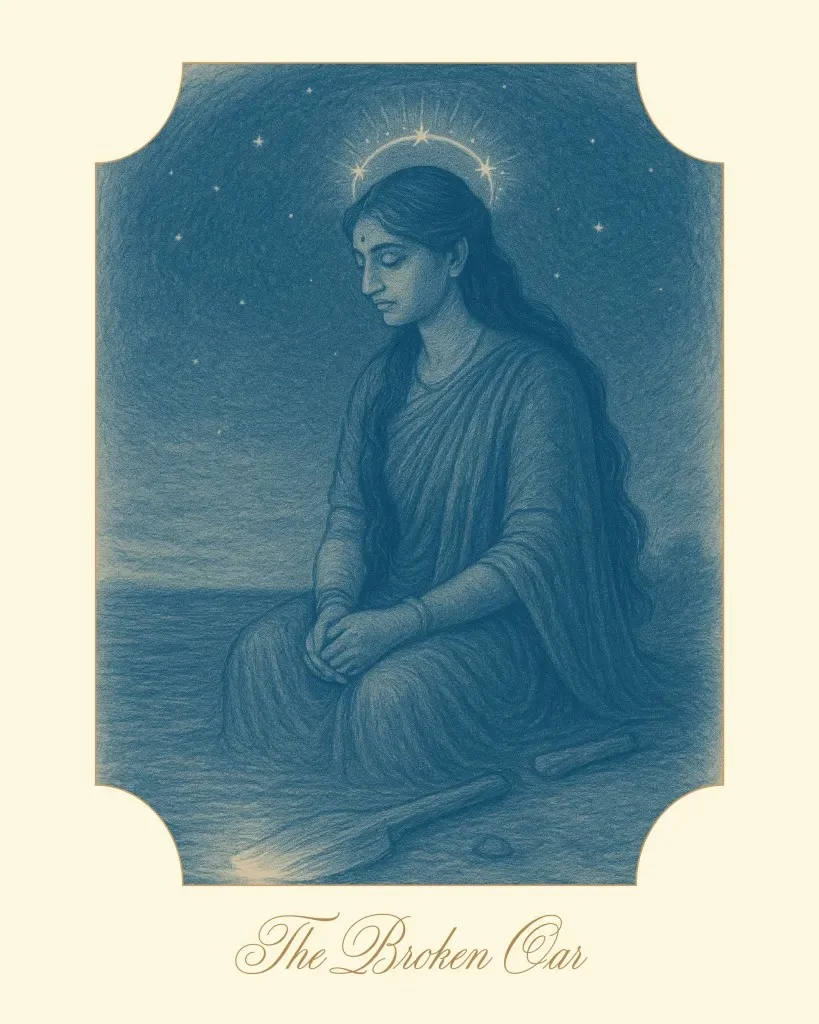
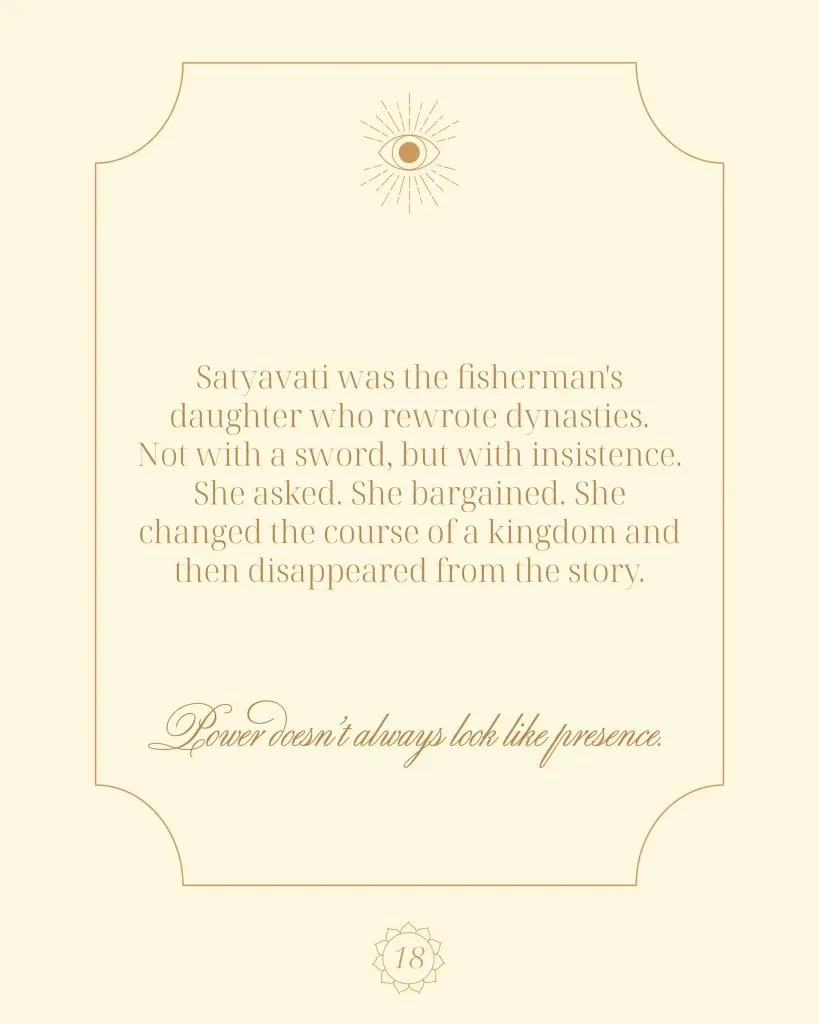
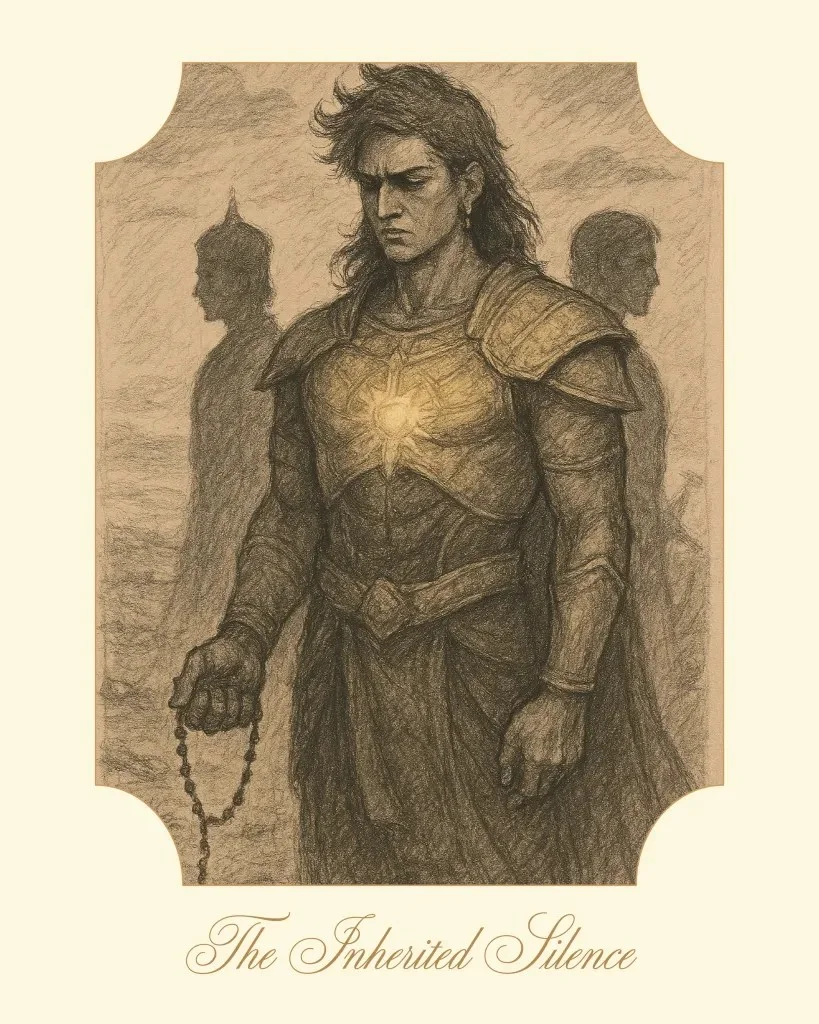
Srushti Pokerna’s “Myth & Mind” brings Indian mythology into conversation with present-day emotional life. Made as a 100-day series, the project pairs moments from epic tales with reflections on feelings such as grief, self-doubt, hope and resilience. Its central design choice is a two-sided card: an image interprets a story, while a short piece of writing links that story to an emotion readers may recognize in their own lives.
Pokerna is a multidisciplinary designer. Her project was part of 100 Days, an annual undertaking at New York City’s School of Visual Arts. Founded by Michael Bierut, the program invites students in the school’s Masters in Branding Program to document a creative endeavor over 100 days. PRINT Magazine is showcasing each student through a look at ten days of their work. The wider set of projects is collected in the SVA 100 Days projects gallery.
A daily practice shaped by listening
The series began with nightly conversations between Pokerna and her grandmother. Her grandmother’s retellings of epic stories gave the designer a source of material, but the work also depended on a personal act of interpretation. Pokerna listened, researched and made a visual response each day, drawing on the stories as she understood them rather than presenting them as fixed lessons.
That rhythm gives the project a useful structure: a repeated process, a defined time span and a small, consistent format. Each day brings a new story into the same design framework. For a viewer, that creates a way to approach a large body of mythology in brief encounters. For the maker, the routine makes room for ongoing research and revision instead of requiring a single definitive statement about the source material.
Pokerna describes refining each generated image to evoke “the textures of memory.” That phrase points to the project’s interest in how stories change as people retell and receive them. Memory is not presented as a neutral record; it becomes part of the visual language. The image-making process and the family conversations sit alongside one another, connecting the series’ appearance to the way its source stories reached the designer.
Why the card format matters
The tarot-style card offers a compact way to hold two kinds of meaning together. One side carries a symbolic scene from mythology; the other gives it a contemporary emotional reading. This division lets the image retain some ambiguity while the writing guides the connection. A viewer can first encounter the visual, then turn to the reflection and consider how the two relate.
That sequence matters for a project built around interpretation. The written text doesn’t need to retell an entire epic. Instead, each brief reflection can focus attention on a present-day feeling. Grief, doubt, hope and resilience become points of entry into stories that might otherwise feel distant from daily experience. The card’s scale also encourages a pause: look, read, and make a connection before moving on to the next day’s work.
The format is practical for serial publishing, too. A repeated structure helps a viewer recognize each new entry as part of the same body of work, while the story and emotional focus can change from card to card. That balance between consistency and variation is a familiar design challenge in daily series. Here, the stable format supports a collection without requiring every entry to make the same visual or emotional point.
A bridge between generations
“Myth & Mind” treats family storytelling as an active exchange. Pokerna’s grandmother supplies the retellings; Pokerna responds through research, images and poetry. The resulting work moves between generations, and between older narratives and current feelings. Its premise is that emotional struggles have a long human history, even when each person experiences them in a particular present.
That approach gives the series a clear audience invitation without turning the cards into instructions. A reflection can prompt recognition, but the project’s description doesn’t claim to diagnose or resolve the emotions it names. The design instead creates a connection: a symbolic story, a short text and the viewer’s own reading of both. That restraint leaves space for personal response.
The project’s ten featured days offer a window into that repeated method, while Pokerna’s full series can be found on Instagram at @mythsandmind. For designers building a long-form visual practice, the takeaway is in the structure: begin with a source that invites return, set a format capable of holding different interpretations, and let each entry make one focused connection. In Pokerna’s hands, the daily card becomes both an archive of listening and a prompt to read familiar stories through the feelings of the present.


The post “Myth & Mind”: 100 Days by Srushti Pokerna appeared first on PRINT Magazine.
===| Rev | Description | Date |
|---|---|---|
| A | Issued for reading | |
| B | Viewed 809 times | Current |