Olimpia Zagnoli’s Illustrated Conversation With Gio Ponti Connects Milan’s Architecture and Everyday Life
- Project
- UX & UI Design
- Drawn by
- Steven Heller
- Issued
- Sheet
- A-58
In Building Bridges, 32 illustrations bring Zagnoli’s playful visual language into conversation with Gio Ponti’s architecture, materials and Milan.
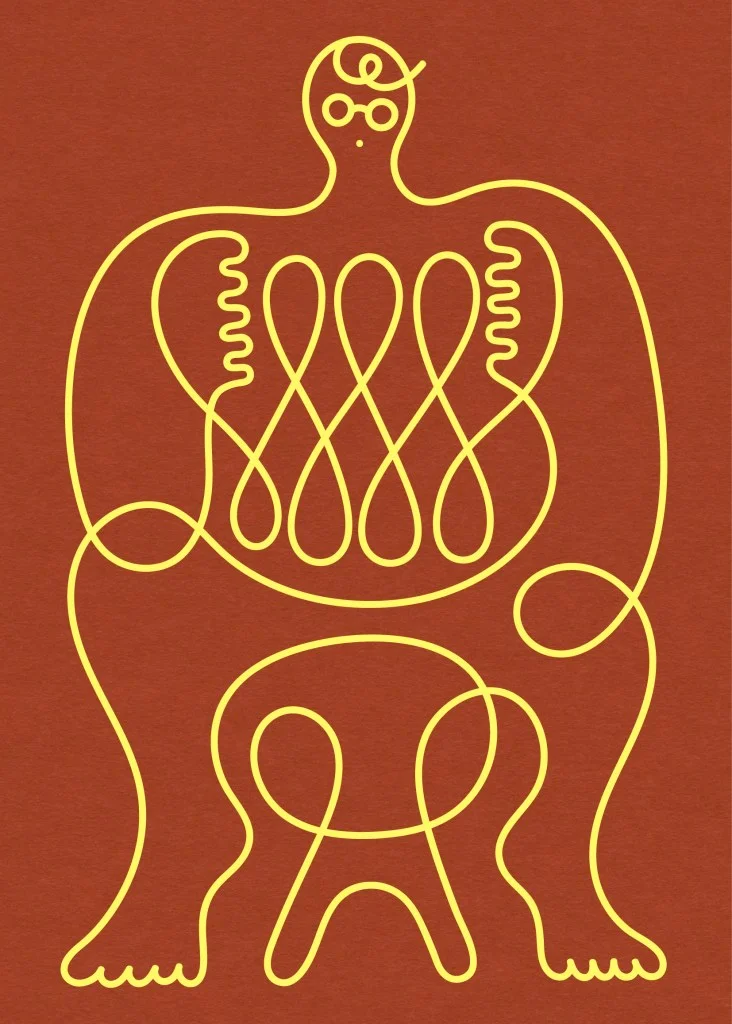
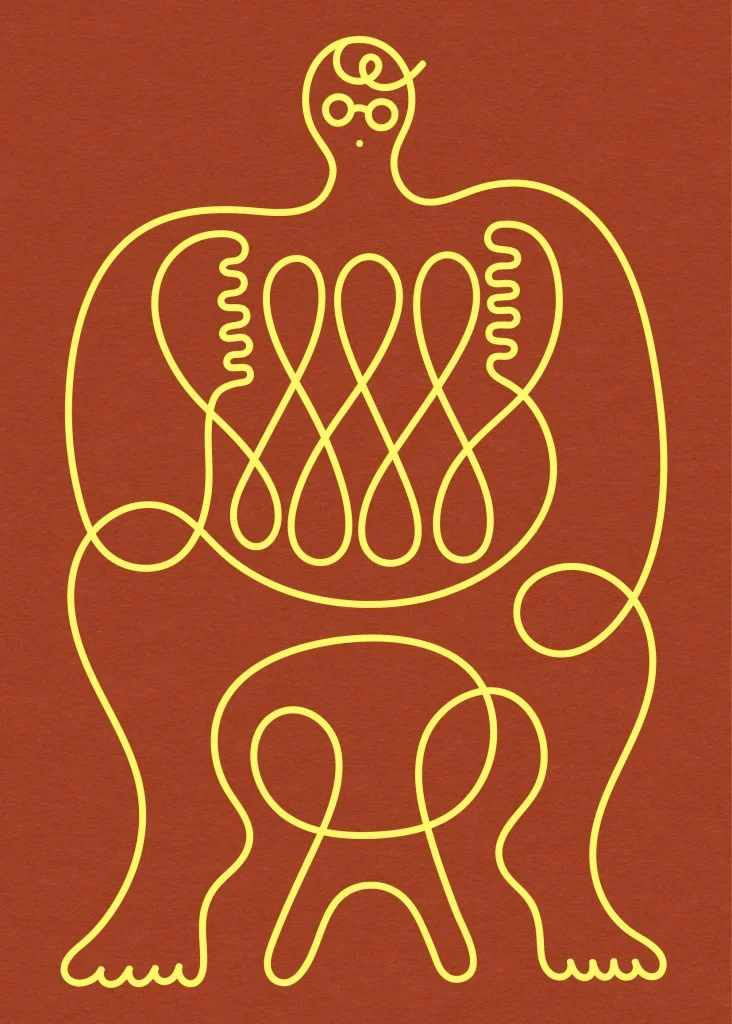
Olimpia Zagnoli’s Building Bridges: An Illustrated Conversation With Gio Ponti takes its cue from a close, lived-in relationship with architecture. The book gathers 32 illustrations in which Zagnoli responds to the work of the Italian architect, whose buildings and objects have been part of her surroundings since childhood. Made for an exhibition at the Italian Cultural Institute in Stockholm and published by Lazy Dog Press, it frames Milan’s postwar design culture through a distinctly personal lens: one attentive to structure, but ready to soften it with colour, humour and imaginative shifts in scale.
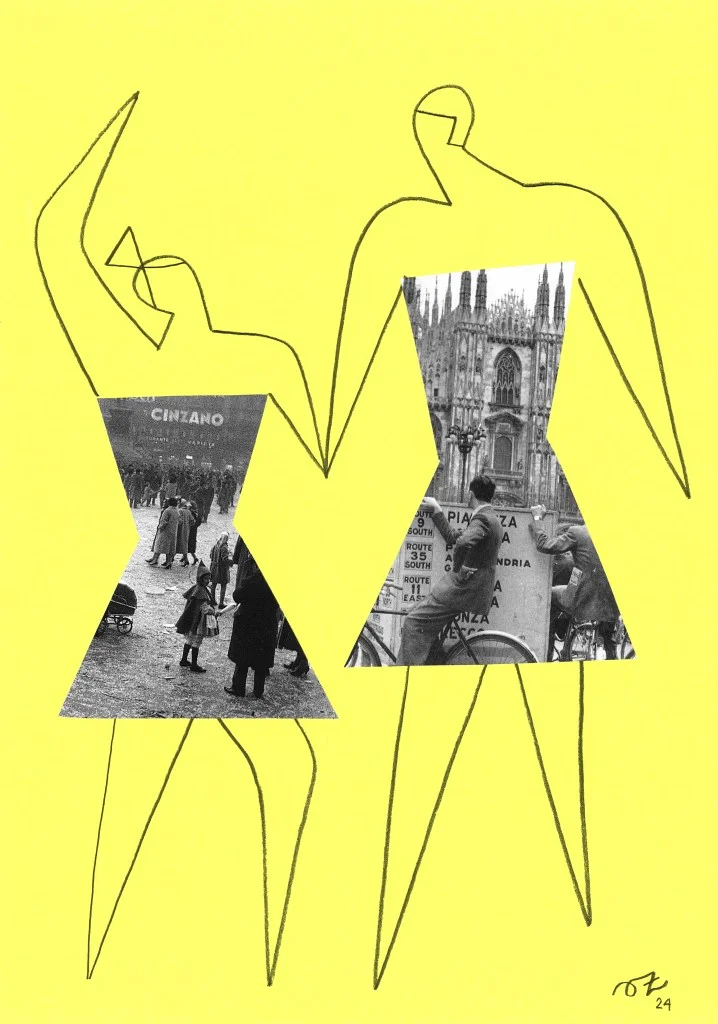
That personal connection is specific. Zagnoli remembers encountering Ponti’s work at home, in her neighbourhood and in the apartment where she now lives. A “Pirellina” lamp, inspired by Milan’s Pirellone skyscraper, was among the objects in her parents’ home. A church stood near where she grew up, and her current apartment was designed by Ponti in 1933. These encounters accumulated gradually. They offer a way into the book that doesn’t depend on treating architecture as something distant or monumental: Ponti’s designs entered Zagnoli’s life through familiar rooms, streets and daily routines.
Buildings that open onto their surroundings
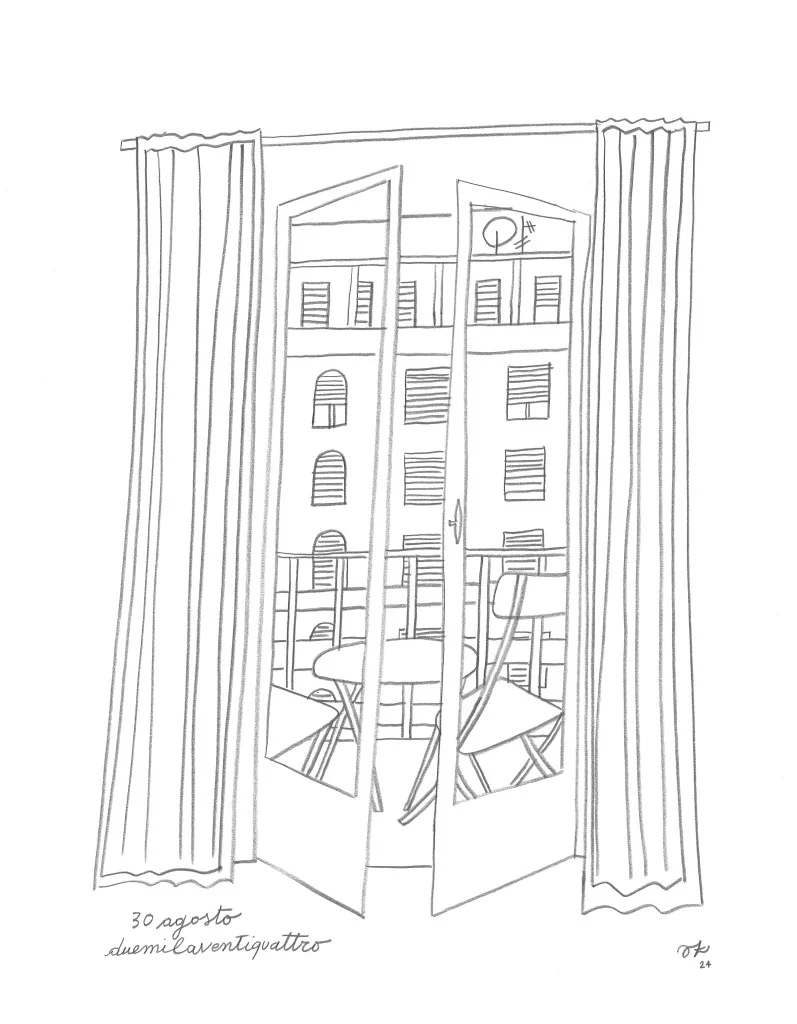
One illustration, “A Ship in the Garden,” turns a feature of Ponti’s architecture into a small piece of visual storytelling. Zagnoli points to his interest in the relationship between interior and exterior, and to “Città Giardino,” a term for an urban setting that makes room for greenery and stays connected to nature. On her street, several Ponti buildings sit among small gardens. Their measured architectural forms are punctuated by arched windows and portholes that seem to open outward.
Zagnoli extends that observation with a nautical image: the buildings become ships moored among gardens, and their balconies suggest lifeboats. The result is not a literal description of the structures but a change in how they can be read. A window becomes a porthole; a balcony becomes part of a vessel; the block takes on the feeling of a place in motion. Her comment that living there can feel like being on a cruise brings the metaphor back to everyday experience.
That movement between close observation and playful reinterpretation gives the drawings their conversational quality. They treat architecture as a set of shapes and relationships that can be transformed on the page, while keeping the buildings’ surroundings in view. The garden matters as much as the façade. So does the way a resident experiences the street from windows and balconies.
A practice that crosses materials and formats
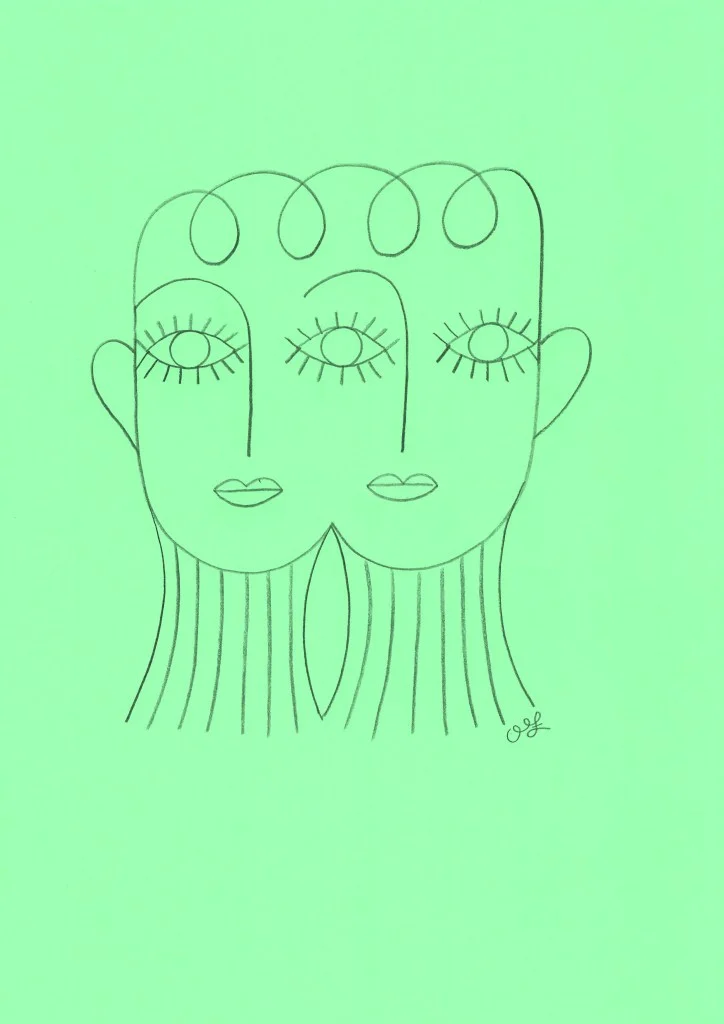
Ponti’s wide-ranging practice provides another point of connection. He worked across ceramics, concrete, glass, textiles and paper, as well as drawing and writing. He also founded Domus, an architecture magazine that became an important part of design culture. For Zagnoli, the link is less about borrowing a particular style than about sharing an appetite for different disciplines, a curiosity about materials and close attention to detail.
She describes that care as relevant at every scale, from a four-metre-high installation to a simple greeting card. That range is visible in the way she talks about her own work: a project’s cultural setting doesn’t determine whether it deserves attention. The artist’s responsibility to a form, material or idea can travel between contexts. In the book, illustration becomes a means of engaging with architectural thought without trying to reproduce the buildings as technical drawings.
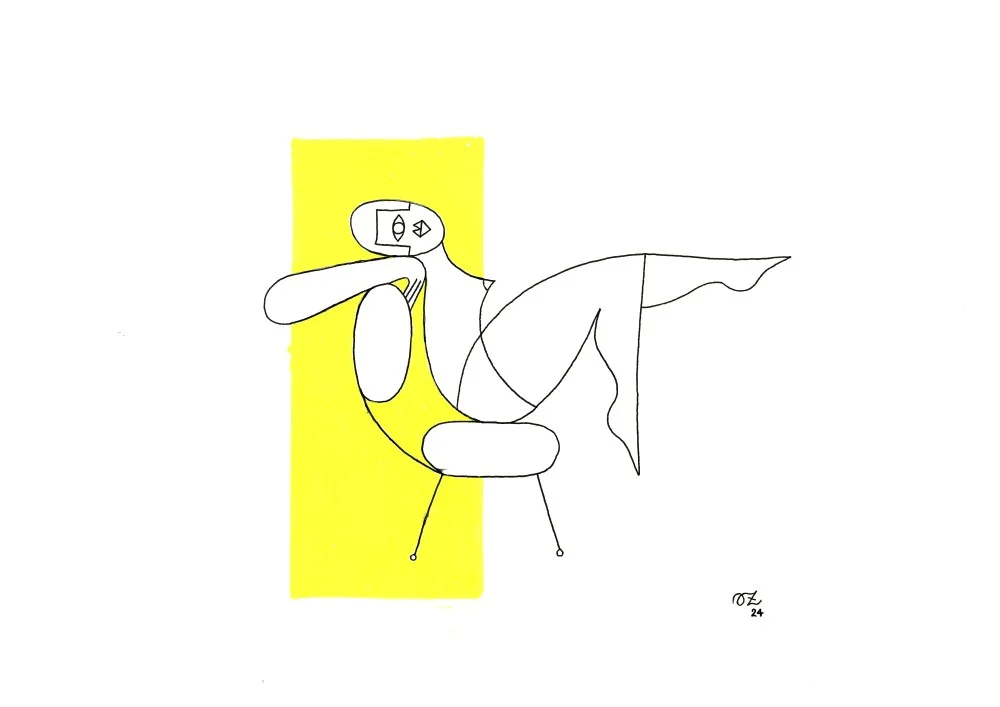
Zagnoli’s influences also resist a single category. She links her work to 20th-century avant-gardes, applied arts, Art Deco and advertising illustration, but also to vivid details from her childhood in the late 1980s: colour-changing toy cars, glow-in-the-dark slime and crackling sweets. Bruno Munari, Keith Haring and Pablo Picasso stand out to her as artists who could move conceptually from one field to another. The references suggest a visual language shaped by both formal history and popular culture, with no need to rank one source above the other.
Art at different scales of access
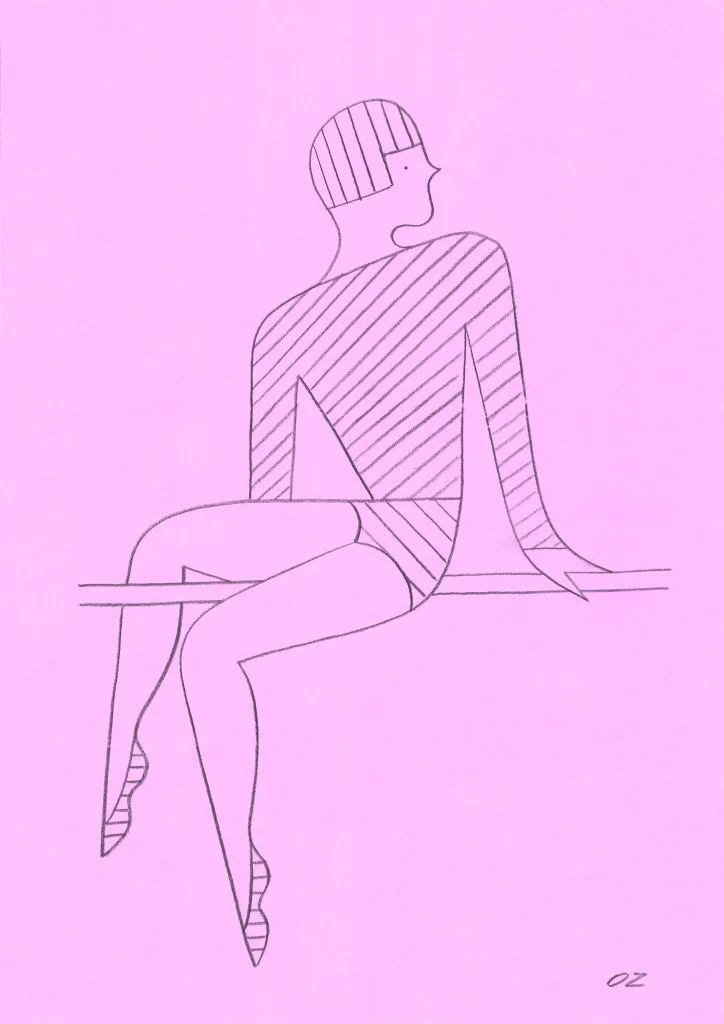
Giovanni Bellucci’s description of Zagnoli’s graphic signs connects a few lines to Ponti’s mid-1930s work, placing elite Art Deco references alongside a more widely accessible sensibility. Asked about that reading, Zagnoli describes her practice as elastic: she moves between a one-off work shown in a museum and illustrations for everyday products, including a line of tissues priced at 90 cents.
That range matters because it challenges the idea that art has to appear in a gallery to count as art. Zagnoli recalls being surprised when passersby at a gallery asked whether they were allowed to enter. Her response is simple: the door is open. It’s a small exchange, but it clarifies the value she places on making and showing work in different settings. A museum piece and a low-cost printed object offer different kinds of encounters, and both can bring illustration into someone’s daily life.
The book as a pause before the next project
For Zagnoli, putting the illustrations into a book also creates a moment of order. She describes gathering sheets of paper, dusting them off and placing them together. The book’s neatness contrasts with her desk, she says, but that contrast is part of the point: the publication becomes a small, deliberately made space in which to honour Ponti and the traces left by earlier makers.
She compares the feeling to tidying a room or striking a gong, a gesture that clears a little room for whatever comes next. That idea fits the project’s treatment of influence. The past appears here as something encountered through objects, buildings and ideas, then carried forward through a new body of work. Zagnoli’s illustrations don’t close the conversation with Ponti; they give it a fresh shape and let it continue in the places where design is lived.
The post The Daily Heller: A Visual Dialogue With Gio Ponti appeared first on PRINT Magazine.
| Rev | Description | Date |
|---|---|---|
| A | Issued for reading | |
| B | Viewed 909 times | Current |


