Aubrey Hirsch Uses Comics, Research and Humor to Examine Womanhood
- Project
- Graphic Design
- Drawn by
- PRINT Magazine
- Issued
- Sheet
- A-53
At PRINT Book Club, Aubrey Hirsch discussed how comics combine words, images and data to make debates about women’s lives vivid and personal.

Comics can make an argument felt as well as understood. In a PRINT Book Club conversation hosted by Debbie Millman and Steven Heller, writer and illustrator Aubrey Hirsch discussed how she uses that capacity in Graphic Rage, her new graphic novel. Her approach brings research, humor and personal narrative together to examine the forces that shape women’s lives.

Making big systems visible
The subjects Hirsch addressed range from the commodification of women’s bodies and shifting beauty standards to ageism and workplace bias. She also discussed the cultural policing of women’s humor. These pressures can feel diffuse in everyday life: they appear in expectations, judgments and repeated messages rather than in one easily isolated event. Comics give a creator a way to bring those patterns into view, frame them for a reader and connect them to an individual experience.
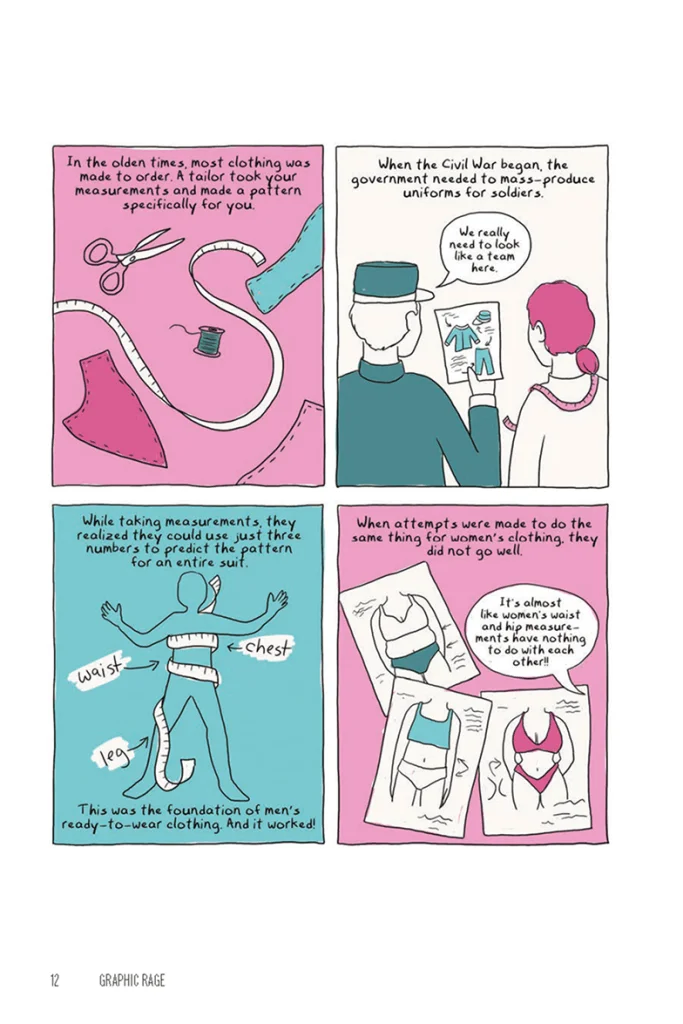
That combination of scale is central to the form’s usefulness here. A page can move between a personal moment and a broader pattern, letting the reader encounter both without requiring a long explanatory detour. Words supply context; images can establish tone or sharpen a contradiction. Hirsch’s discussion also emphasized data visualization as part of that mix. When information is arranged visually, it can become easier to compare and absorb alongside the story around it.
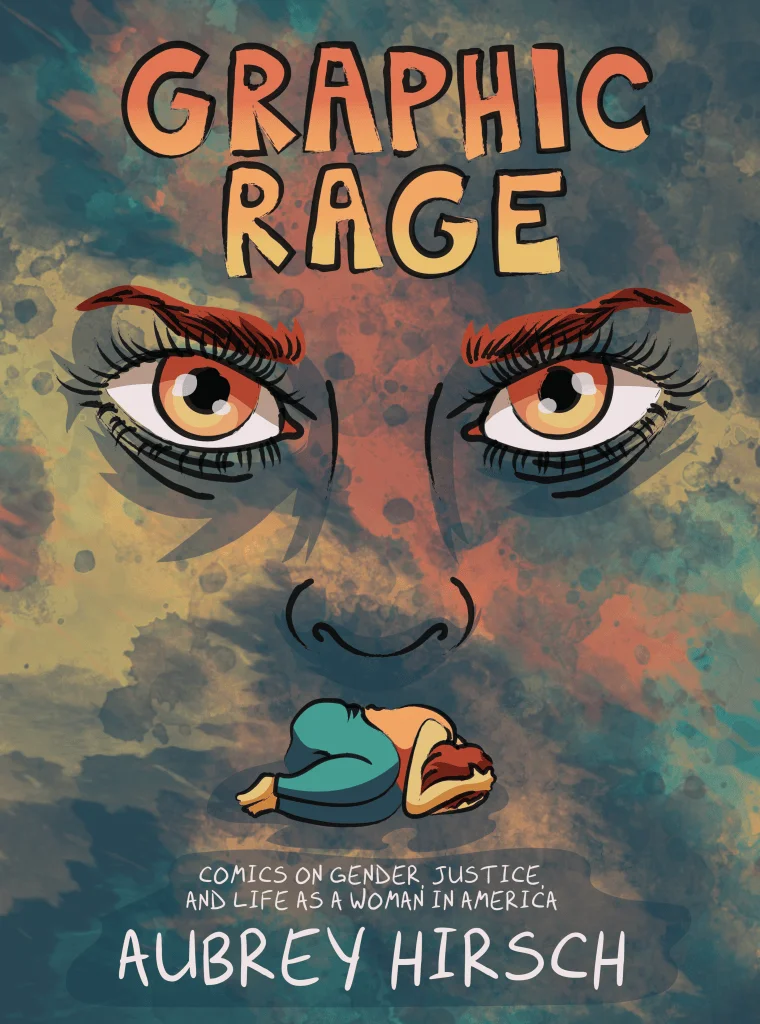
For designers, the underlying lesson is about assigning each mode a job. Text can carry nuance that a single image cannot, while an image can make an abstract idea immediate. A chart or other visual treatment can help readers see a pattern. The page becomes more persuasive when those parts work together, rather than repeating the same point in three forms. Hirsch’s account of her practice presents comics as a medium in which research and emotion can share space.
Humor as a way into difficult subjects
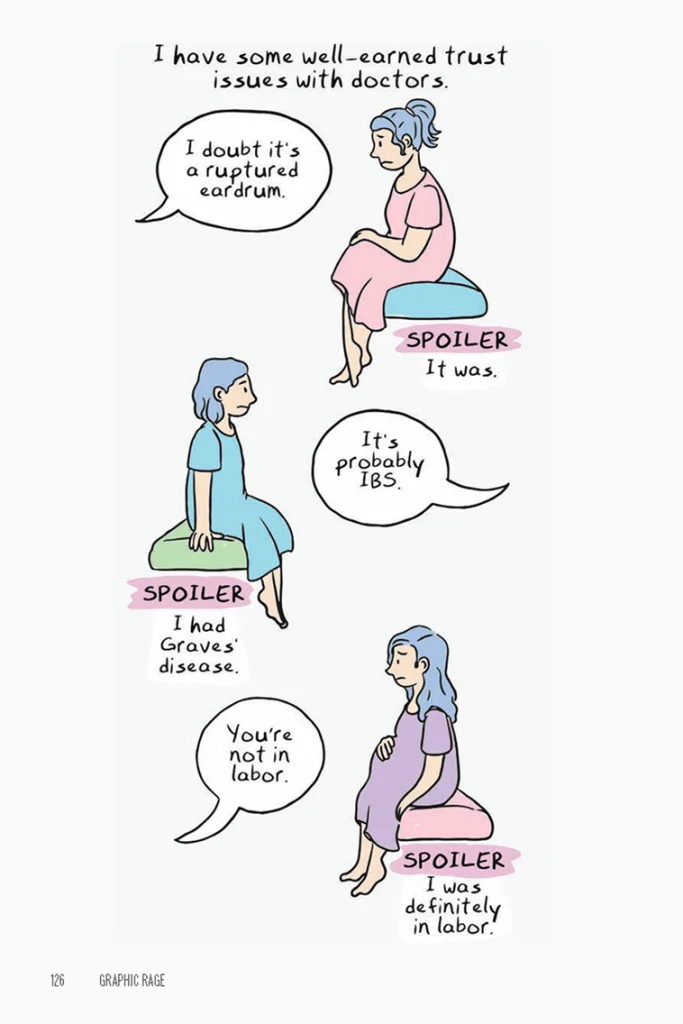
Humor has a particular role in this kind of storytelling. It can expose the absurdity of standards that keep changing, or let a reader recognize a familiar contradiction before the work explains it. But humor directed at women also sits inside the cultural scrutiny Hirsch discussed. The question is not simply whether a joke lands; it is who gets to make it, whose experience it treats as ordinary, and whose voice is dismissed.
That tension gives the tone of a comic extra weight. A quick visual gag can cut through a dense subject, while a shift into a more personal register can keep the work from turning people’s experiences into distant examples. The mix asks for judgment: research should support the argument, humor should clarify its target, and personal material should make the stakes tangible. The conversation described Hirsch’s work as joining sharp humor with rigorous research and deeply personal narrative.
Visibility, agency and the page
Hirsch’s topics also point to the value of showing how expectations accumulate. Beauty standards, ageism and workplace bias may be experienced in different settings, but each can shape how women are seen and treated. A graphic narrative can place those pressures beside the person navigating them. That choice keeps the work focused on both the surrounding system and the person living with its effects.
The approach matters for visual communication beyond comics. When a design addresses an uneven or difficult subject, abstraction alone can leave readers unsure what the issue means in practice. A concrete scene offers a point of entry. Research can add context, and a clear visual structure can help readers follow the relationship between an individual story and a wider pattern. That does not make every complex subject simple; it gives the audience more than one way to understand it.
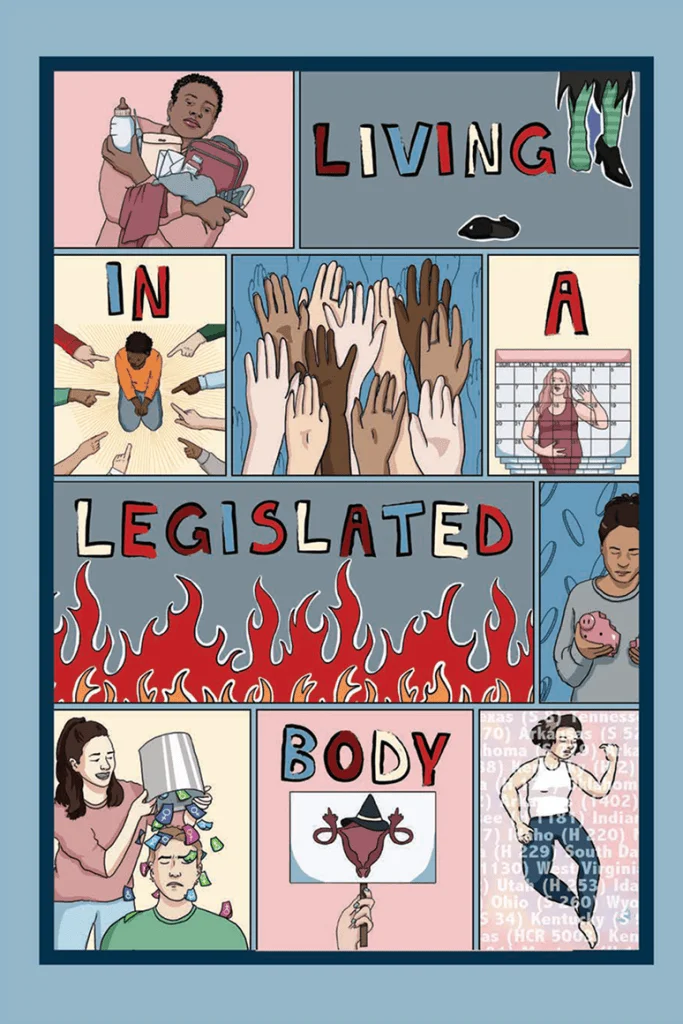
The conversation’s central idea is that comics can carry critique without giving up visual pleasure, humor or emotional closeness. Hirsch treats the form as more than a container for illustration: words, images and data can work in concert to make an argument legible and resonant. Her emphasis on visibility, agency and rage frames those elements as creative resources. For designers and illustrators, the practical takeaway is to consider what each part of a page can reveal—and how the sequence can make a reader notice what might otherwise remain easy to overlook.
Did you miss the PRINT Book Club conversation with Aubrey Hirsch? Register here to watch the recording.
The post PRINT Book Club Recap: Aubrey Hirsch’s Radical Reframing of Womanhood appeared first on PRINT Magazine.
| Rev | Description | Date |
|---|---|---|
| A | Issued for reading | |
| B | Viewed 845 times | Current |


