Todd Radom’s The Ballpark and Beyond Turns Baseball History Into a Visual Book
- Project
- Graphic Design
- Drawn by
- Charlotte Beach
- Issued
- Sheet
- A-51
Designer Todd Radom brings baseball’s varied ballparks, uniforms and stories together in an illustrated book shaped as nine innings.
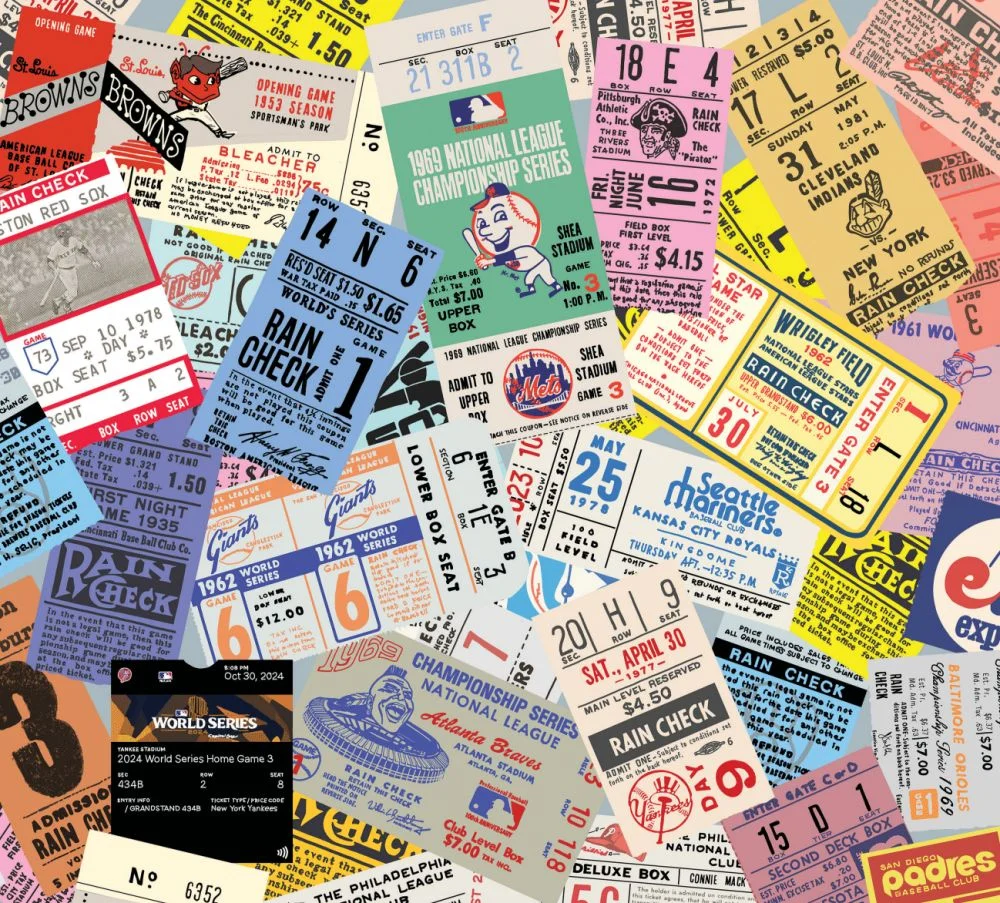
Todd Radom’s The Ballpark and Beyond treats baseball as a visual culture as much as a sport. The illustrated book gathers the history and stories that have held Radom’s attention since childhood, drawing on the work he has done across graphic design, sports branding, writing and illustration over nearly four decades.
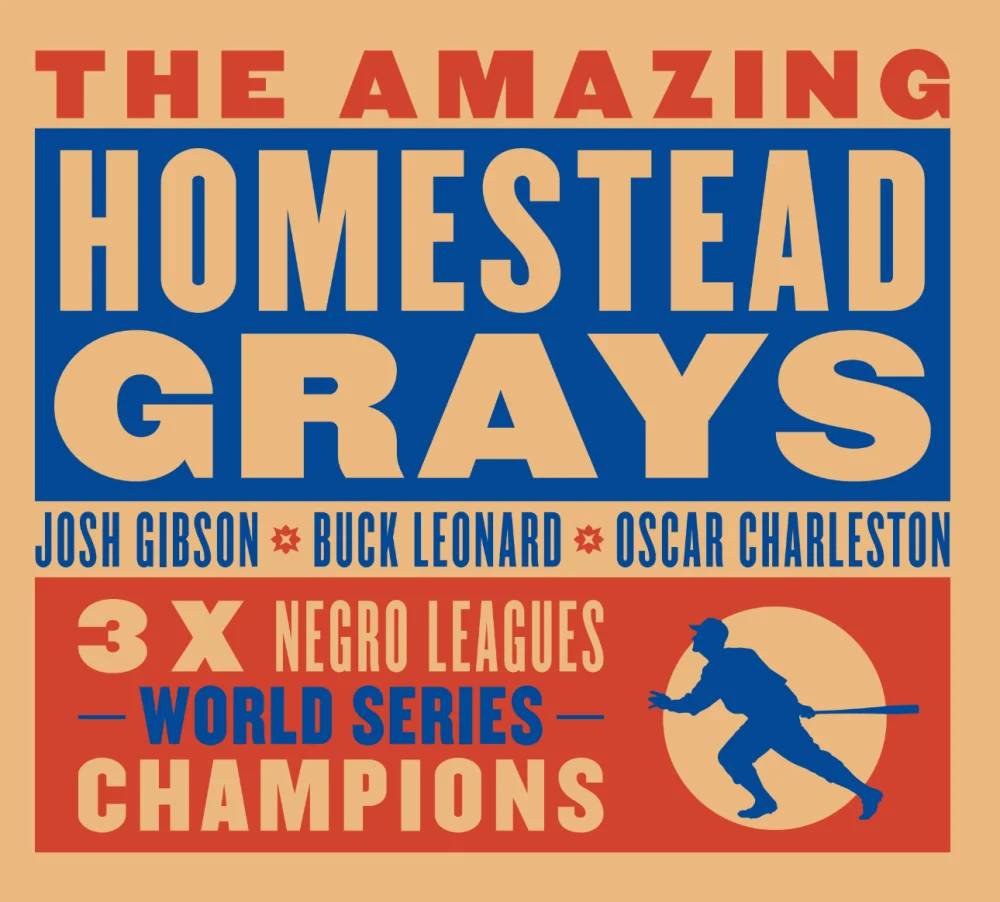
Radom researched and wrote the book, designed and packaged it, and narrated its audiobook. That combination makes the project a particularly direct expression of his practice: the subject, the images and the physical object all pass through the same designer’s hands. “This project is something that I’ve been building toward since I was ten years old,” he says, describing a fascination with baseball history and culture that grew alongside a family of creative professionals.
His long relationship with sports branding has made him a familiar source of design commentary for PRINT, including coverage of soccer kits and The Commanders identity reveal. The new book carries that interest in sports design into a broader look at baseball’s places, traditions and visual language.
A sport built from visual differences
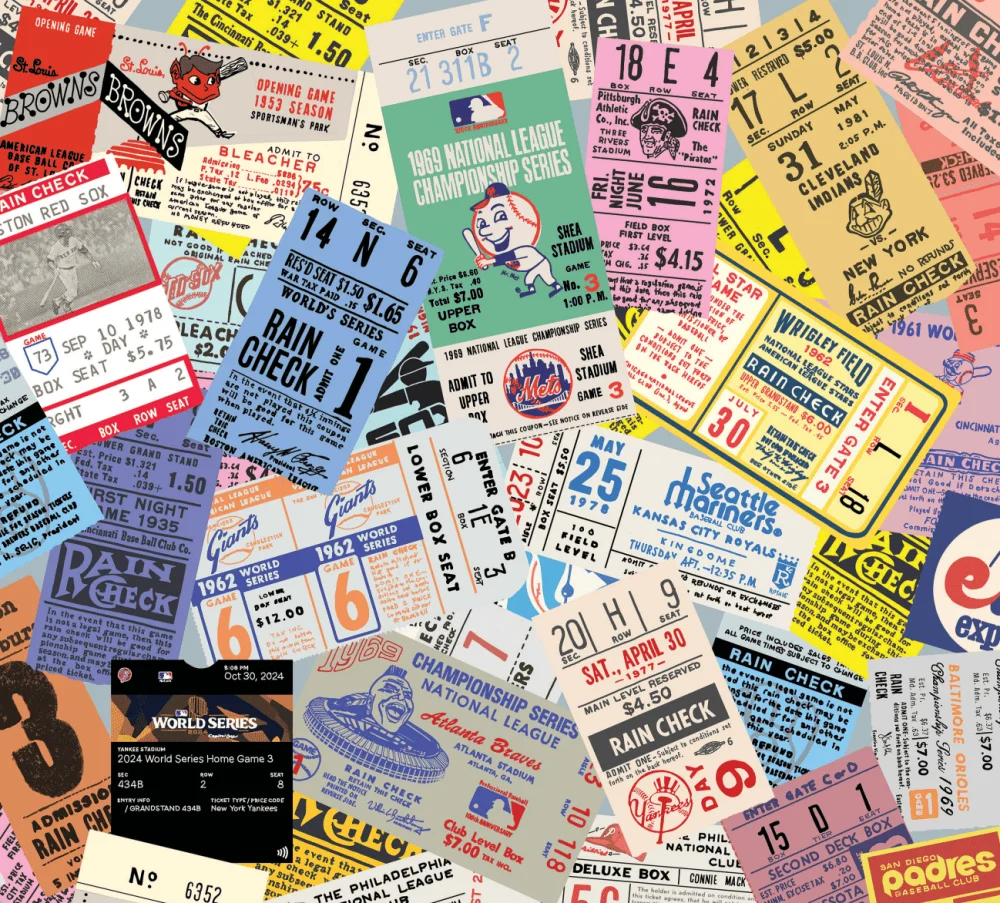
For Radom, baseball’s character comes partly from how much its settings vary. He points to stadiums with distinct shapes and playing-field dimensions, unlike the more similar venues he sees across hockey, basketball and football. Those differences give each ballpark its own visual identity and help make the built environment part of the story the book can tell.
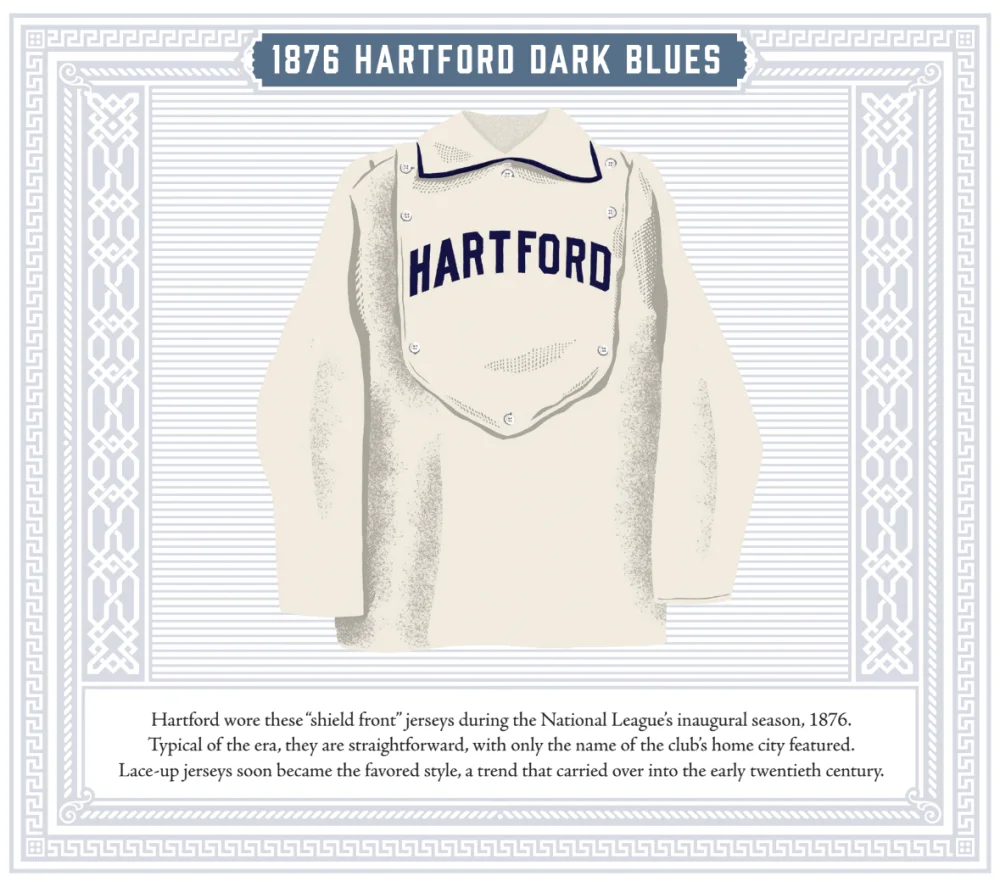
Uniforms provided Radom’s first route into that world. He remembers falling for them as a child, a fascination that became a foundation for 35 years of work in the sport. The clothes are a natural meeting point between graphic design and baseball history: marks, lettering and colour identify teams, while changes in uniform design trace the sport’s visual development.
Radom also values baseball’s pace and long history. The comparatively unhurried game leaves room for reflection, while a season that runs from February through November gives fans an extended relationship with it. A century and a half of history and folklore supplies stories that can be approached from many angles. In Radom’s hands, those qualities become material for an expansive book rather than a single account of how the game is played.
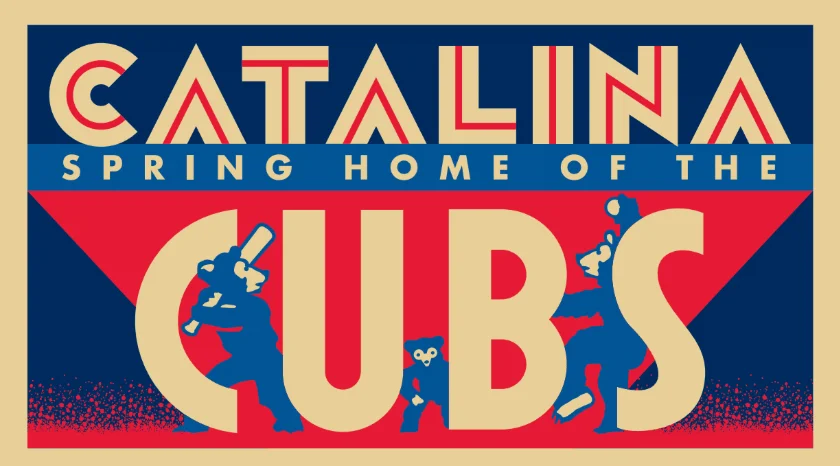
“My gateway, if you will, involved falling in love with the uniforms at a very early age, and that provided a pretty solid foundation for my 35 years working in the sport.”

Nine innings as an editorial framework
The book’s nine-inning structure has a precedent in Radom’s first book, Winning Ugly, published in 2018. For The Ballpark and Beyond, the format gives a broad collection of stories a familiar rhythm. Radom credits editor Jason Katzman with helping gather the material into sub-themes, including “The Distant Past” and “Frivolities.”
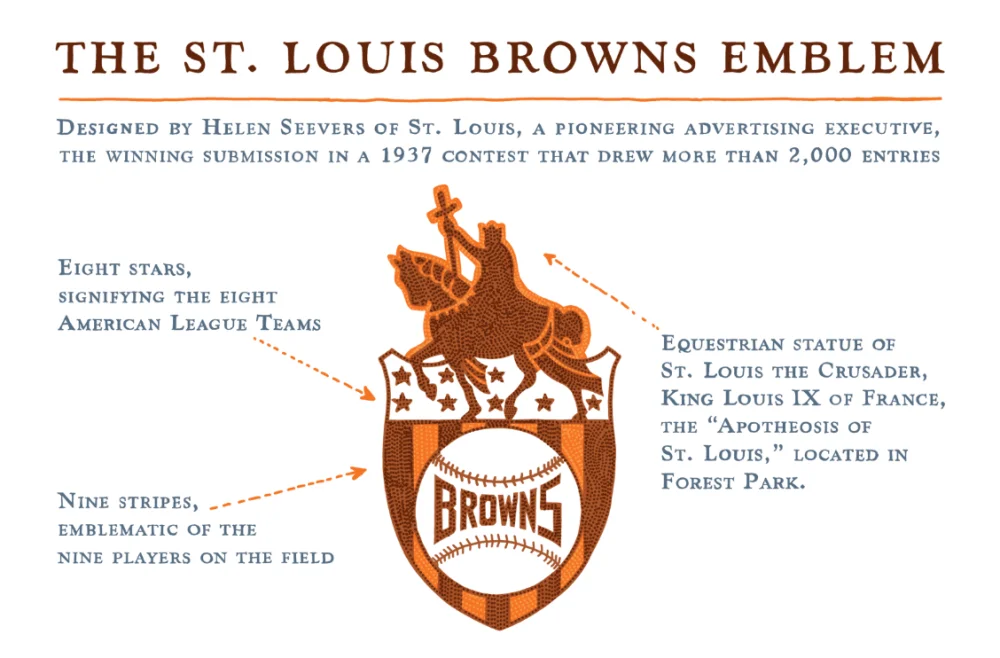
That organization matters because the subject can travel far beyond uniforms or stadium design. A recurring structure gives readers a way into varied material while allowing individual sections to hold distinct moods. “Frivolities,” for instance, signals a lighter kind of story; “The Distant Past” points toward historical material. The innings provide an overarching cadence without requiring every topic to follow the same line of argument.

Designing for the page and the hand
Radom describes the design goal as making form and function work together. His early career included publishing work in the late 1980s, so returning to book design brought his professional story back to one of its starting points. Here, his close knowledge of the material also let him give particular stories and illustrations room to stand out.
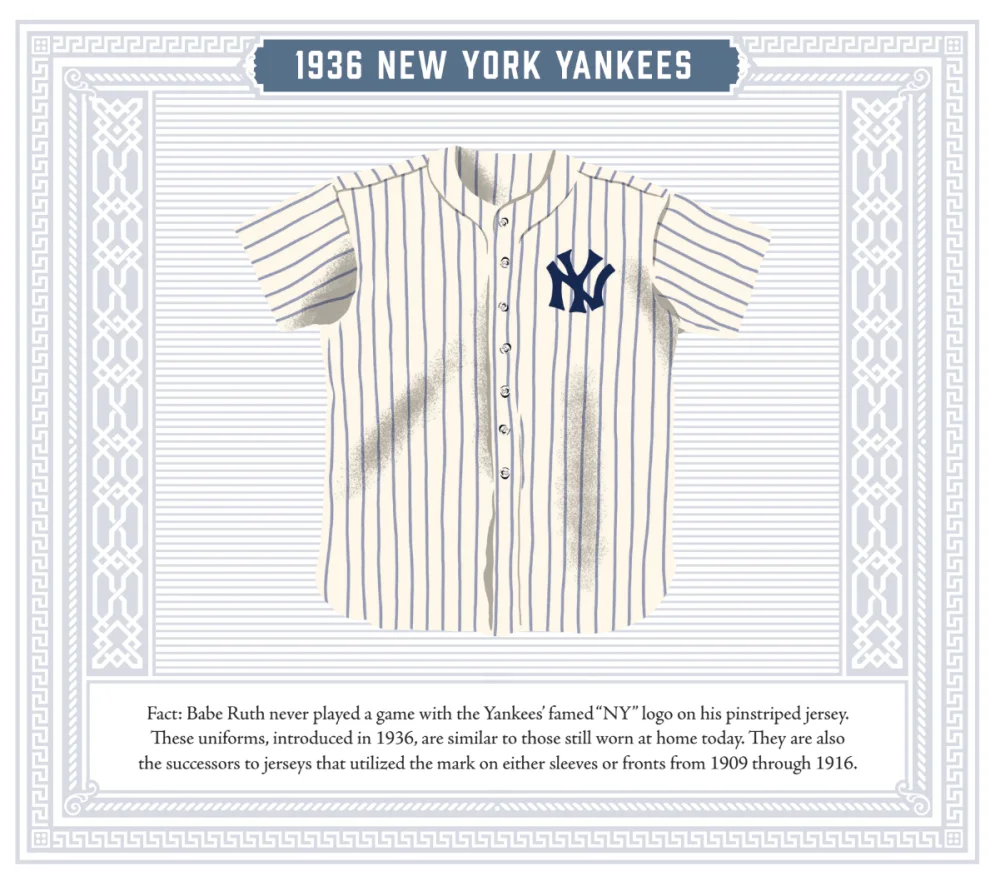
Images are a major part of that reading experience, but they aren’t applied uniformly. Some chapters have no artwork, a deliberate change of pace that lets the book breathe. That variation creates space between illustrated passages and keeps the visual material from becoming a constant layer. The book’s structure, text and images can each set the pace at different points.



Radom sees a printed book as a distinct format in a time when reading often means scrolling. He singles out the endpapers, the sequence of pages, and the interplay between words and pictures as parts of the experience. Holding the finished book was a turning point after years of developing a project that had felt suspended between idea and object. Its material form, in his view, offers a kind of permanence and satisfaction that an online-only work could not provide in the same way.
Curiosity as the lasting impression
Radom hopes readers come away asking questions about baseball. His introduction puts it plainly: “How can you not be intellectually curious about baseball?” That curiosity runs through the book’s range, from the history and folklore to the details that make one playing field different from another. The illustrations make that range visible, while the varied sections give readers several paths through the subject.
“It’s a love letter to the sport, plain and simple; expansive, inquisitive, and lushly illustrated.”
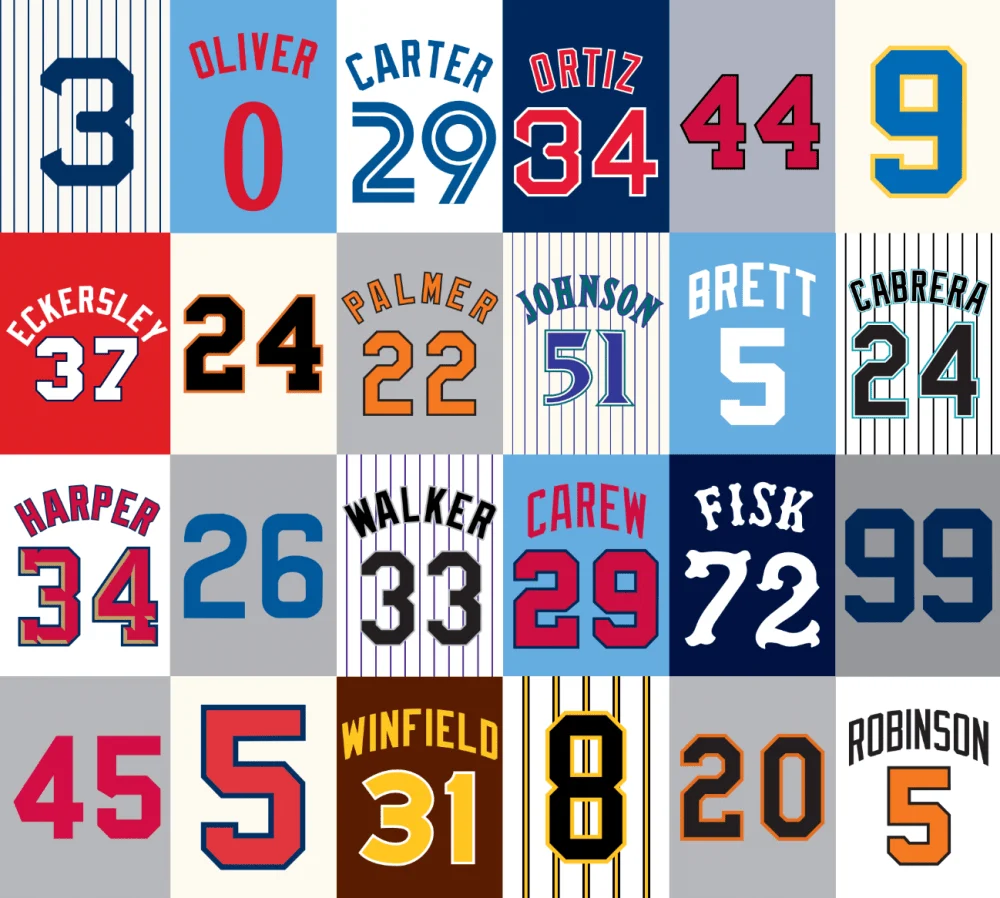
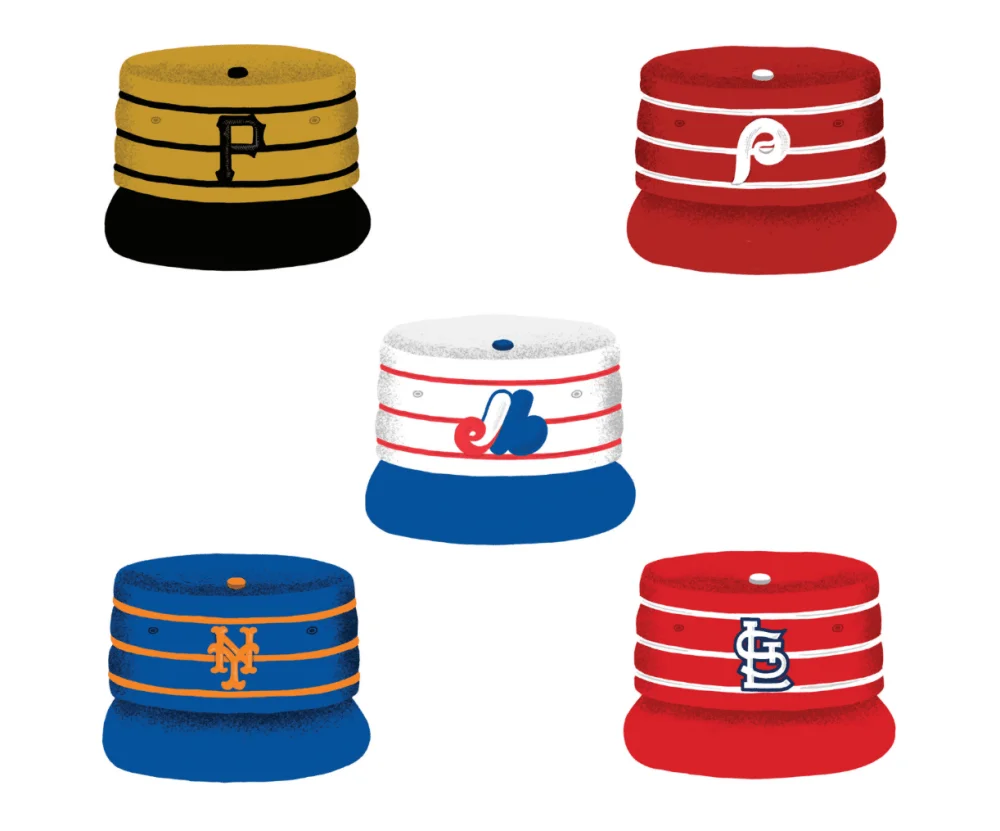
The project also makes a case for creative range. Radom moves among design, writing, illustration, letterforms and audiobook narration rather than defining himself by one medium. In The Ballpark and Beyond, those skills meet around a subject he has followed since he was ten. The result suggests a useful model for designers working with personal interests: let subject knowledge shape the editorial choices, then use the format itself to make that knowledge tangible.
Images courtesy of the author @toddradom
| Rev | Description | Date |
|---|---|---|
| A | Issued for reading | |
| B | Viewed 907 times | Current |