D.B. Dowd Traces Illustration Through Five Centuries of Reading and Visual Culture
- Project
- Graphic Design
- Drawn by
- Steven Heller
- Issued
- Sheet
- A-50
In *Reading Pictures*, D.B. Dowd connects illustration to literacy, publishing and cultural history, from printed books to modern graphic design.
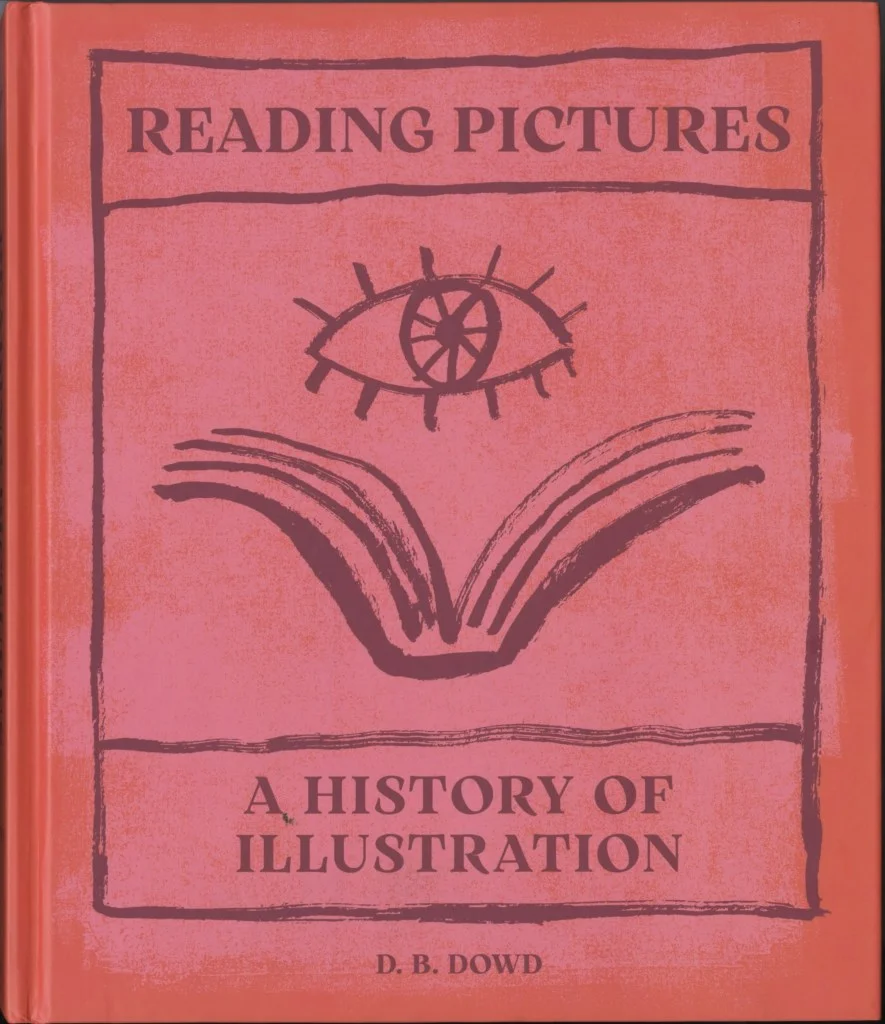
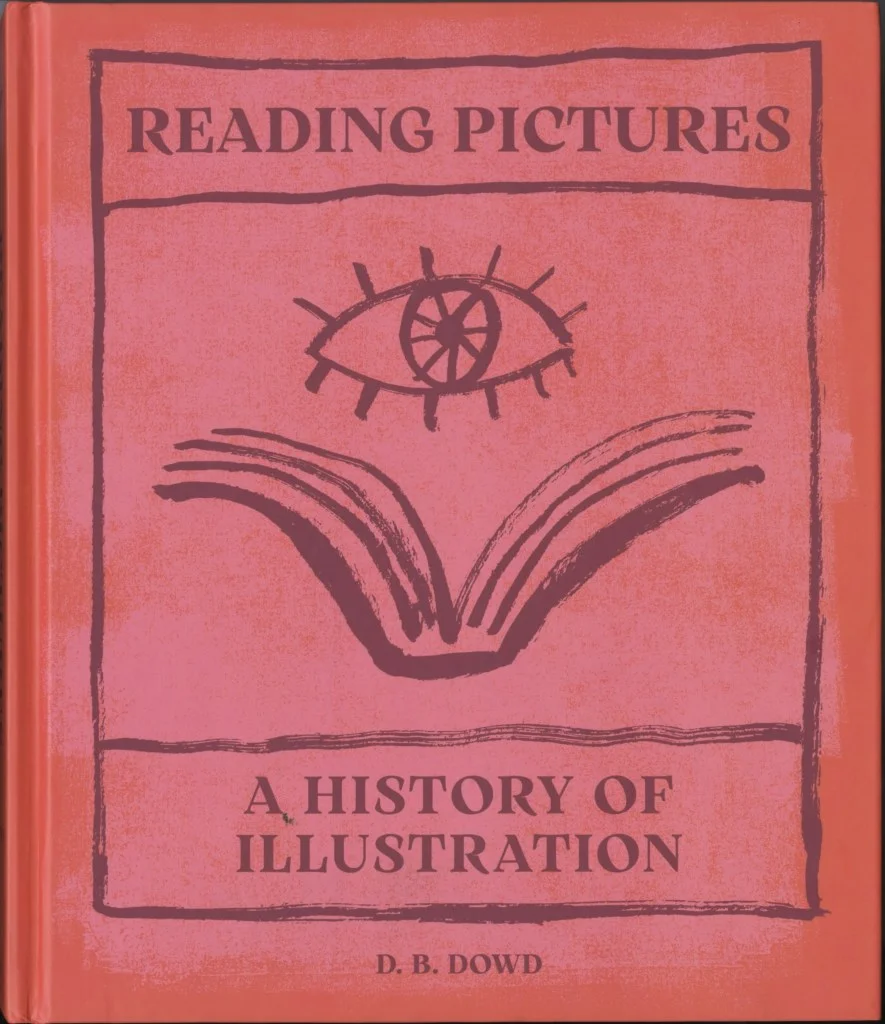
Illustration makes more sense when we read it alongside the words it sits with. That’s the central argument of D.B. Dowd’s Reading Pictures: A Cultural History of Illustration, a study spanning more than five centuries of visual culture in North America, Europe and East Asia. Dowd shifts attention from a roll call of celebrated illustrators to the changing ways pictures and printed language have shaped reading.
Dowd is a professor of design and American culture studies at Washington University’s Sam Fox School of Design & Visual Arts. He founded and directs the Dowd Illustration Research Archive (DIRA), which collects 19th- and 20th-century illustration and comics materials. The archive includes collections from significant illustrators. For Dowd, scholarship, teaching and collecting all feed the same question: what can pictures tell us about the reading experiences and cultural conditions that produced them?
His answer resists treating illustration as decoration added to a finished text. Instead, he considers pictures, words and page design as parts of a shared system. That approach makes the book a history of media as much as an account of drawing. We spoke with Dowd about the choices behind its structure, the histories its images reveal and the questions he wants to pursue next.
From sacred books to modern reading
Dowd’s starting point was a different kind of illustration history. Rather than organizing the story around gifted people making pictures for clients, he wanted to understand illustration as a practice tied to literacy. In his view, printed words and pictures in books and magazines helped shape modern life. The book therefore follows shifts in reading and publishing, not a parade of individual careers.
That history begins before the modern printed book. Gutenberg’s 42-line Bible appeared in the 1450s; Der Edelstein, or The Jewel, followed in 1461 as Europe’s first printed illustrated book. The dated Tang Dynasty volume The Diamond Sutra, published in 868, stands as an earlier landmark in printing. Dowd’s first chapters trace premodern publishing and the rise of the novel, before the narrative moves chiefly into the 19th and 20th centuries.
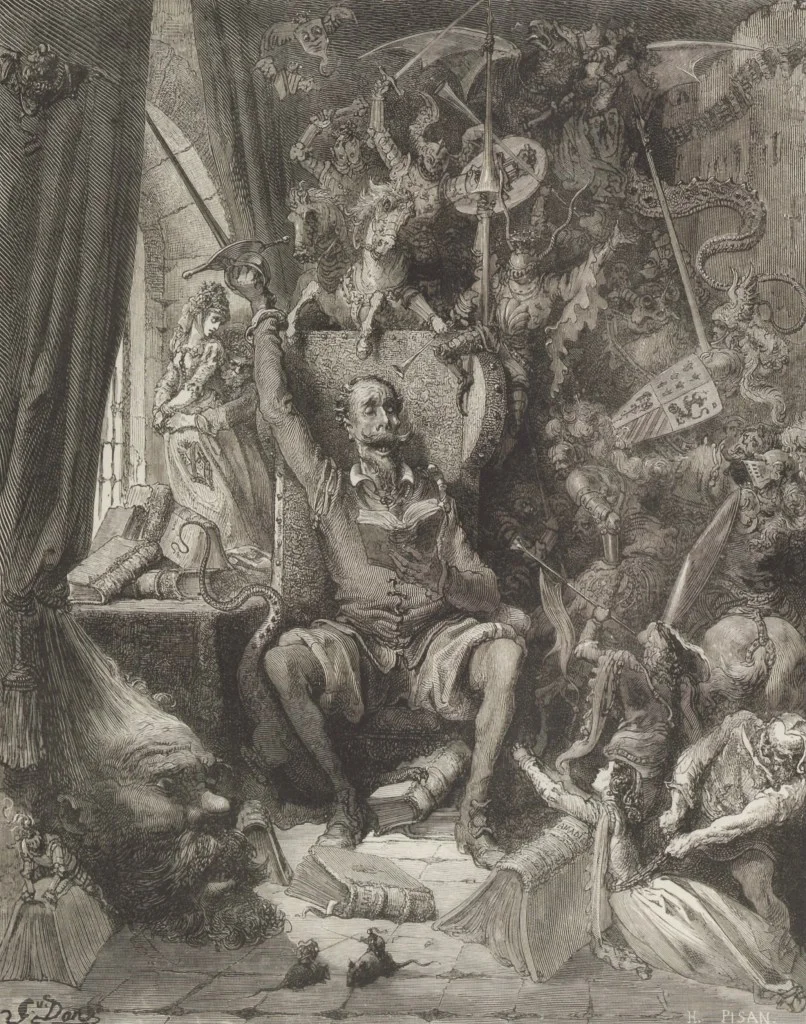
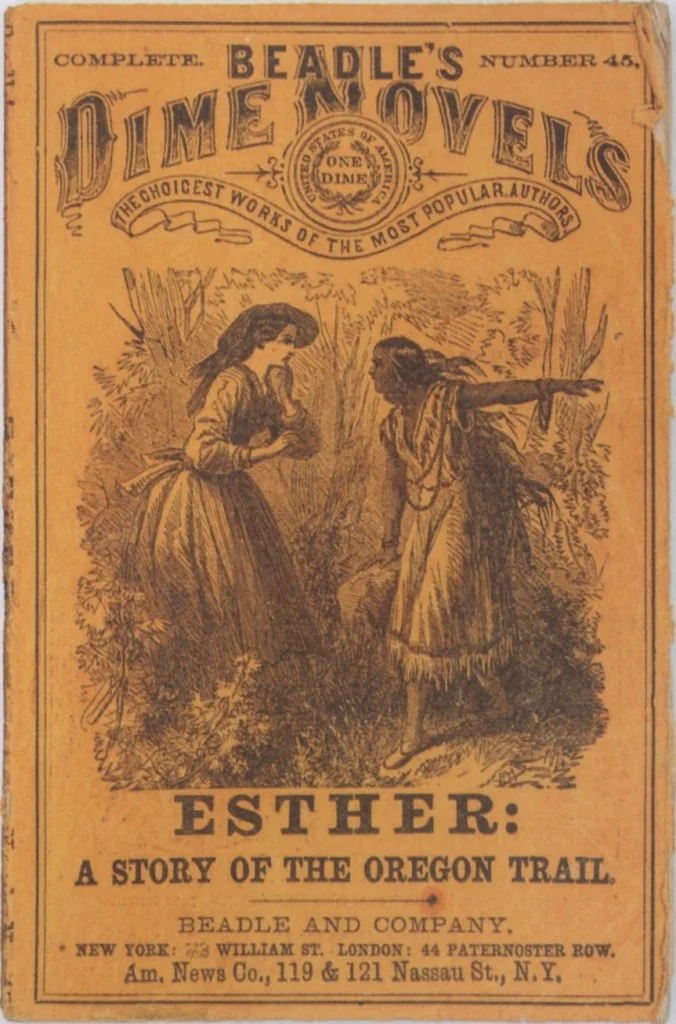
The key change, as Dowd describes it, is a move from sacred reading toward a more comparative form of reading centered on the reader. Medieval religious books tended to reinforce the text’s authority. Humanist reading in the 16th century helped establish a different relationship: readers could compare and interpret. The singular illuminated manuscript gradually gave way to multiple copies of illustrated printed books, changing how images circulated and how people encountered texts.
Dowd defines illustration historically rather than by a fixed visual style. He describes it as pictorial, symbolic and decorative material that contributes to modern reading experiences, particularly in vernacular languages. It’s a broad definition, but it lets him follow illustration as formats, audiences and publishing practices change.
Pictures that tell stories—and persuade
The book’s chapter order creates links between authorship, entertainment and persuasion. “Illustrator as Author” begins with William Hogarth’s 1730s effort to secure intellectual property rights for his engravings. From there, Dowd follows Georgian caricature, picture stories, satirical journals and newspaper amusements. The thread is the illustrator’s role in shaping and authoring visual narratives, including work that combines drawing and writing.
“Ideological Battlefields” looks at pictures as visual rhetoric. Its starting point is a series of anti-papal woodcut pamphlets produced by Martin Luther and Lucas Cranach in the 1520s. The Protestant Reformation brought print into the service of persuasion; later, mass communication professionals who had developed skills in advertising and editorial work applied them to efforts to encourage enlistment and the purchase of war bonds during World War I. Dowd distinguishes that conflict from the more explicitly ideological struggles of World War II and the Cold War.
Illustrated journalism and persuasion overlap, but Dowd gives the illustrated press its own history. Rather than centering the familiar story of sensational newspaper competition in the 1890s, he focuses on the press’s emergence between 1840 and 1870 and on wood engraving. The rivalry between William Randolph Hearst and Joseph Pulitzer appears later, in his account of newspaper entertainment. This structure lets him show how the illustrated press developed before consumer culture took shape, then return to the ways those systems converged.
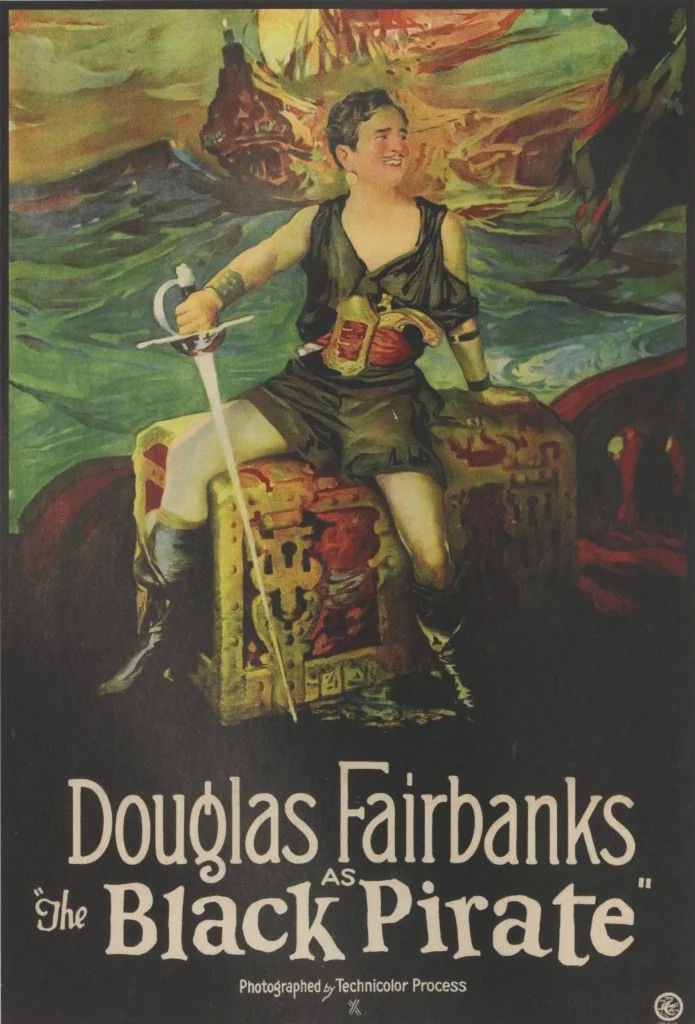
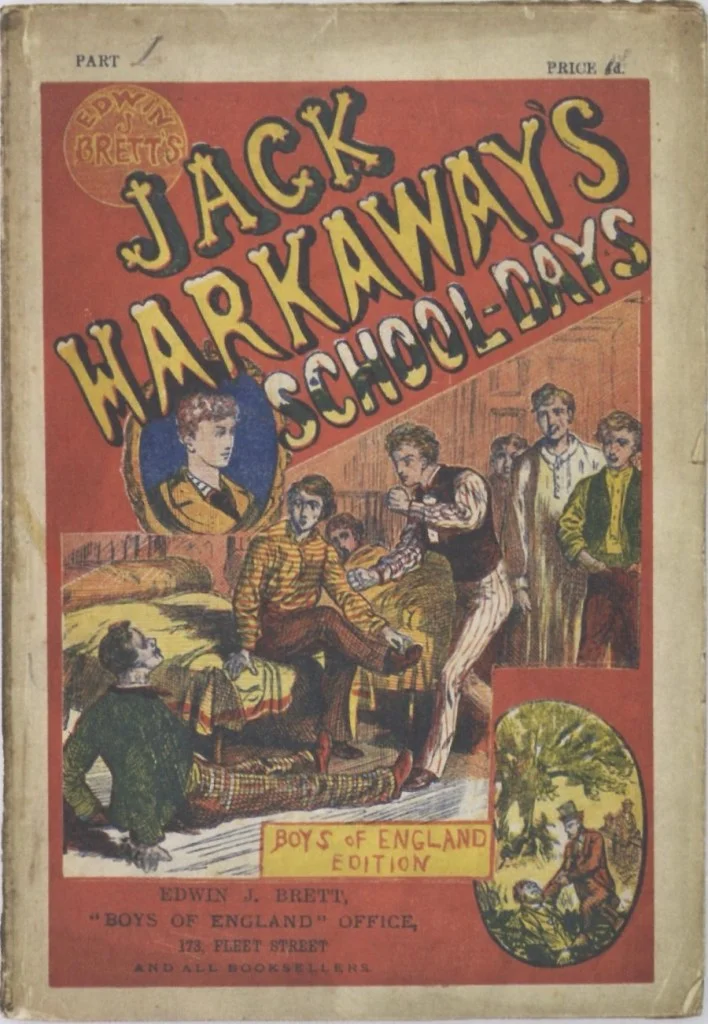
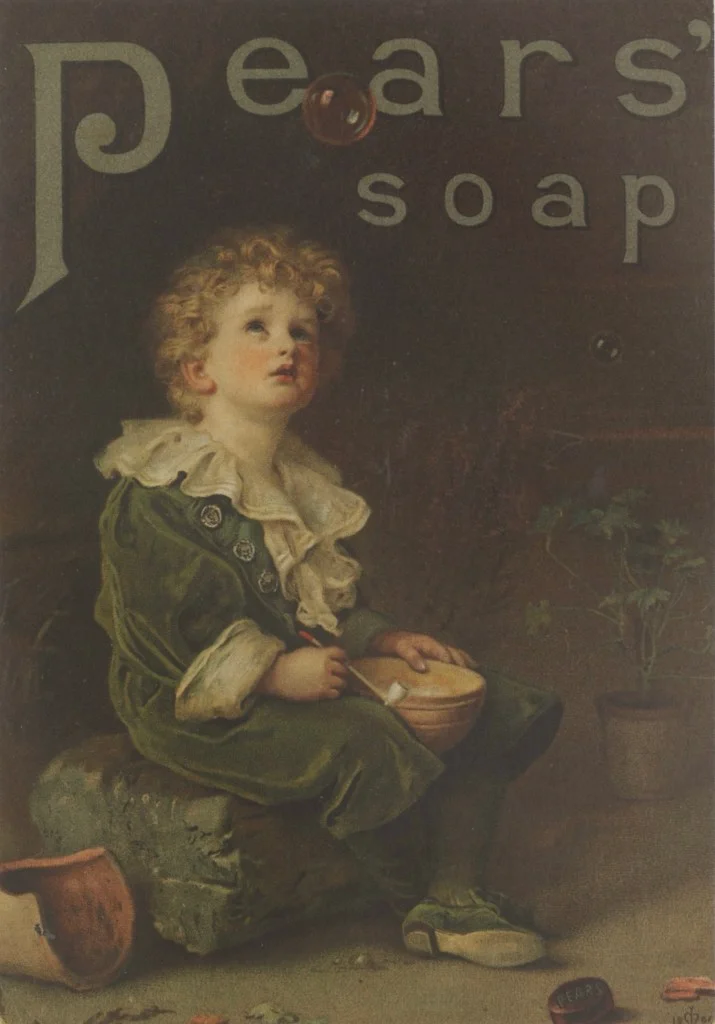
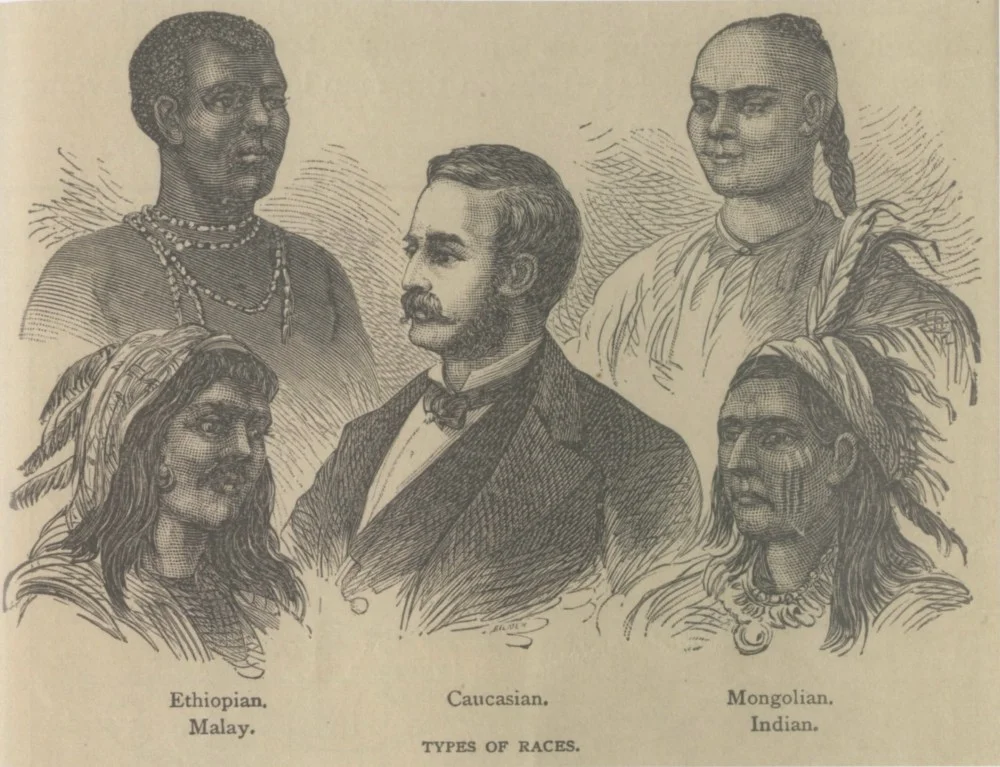
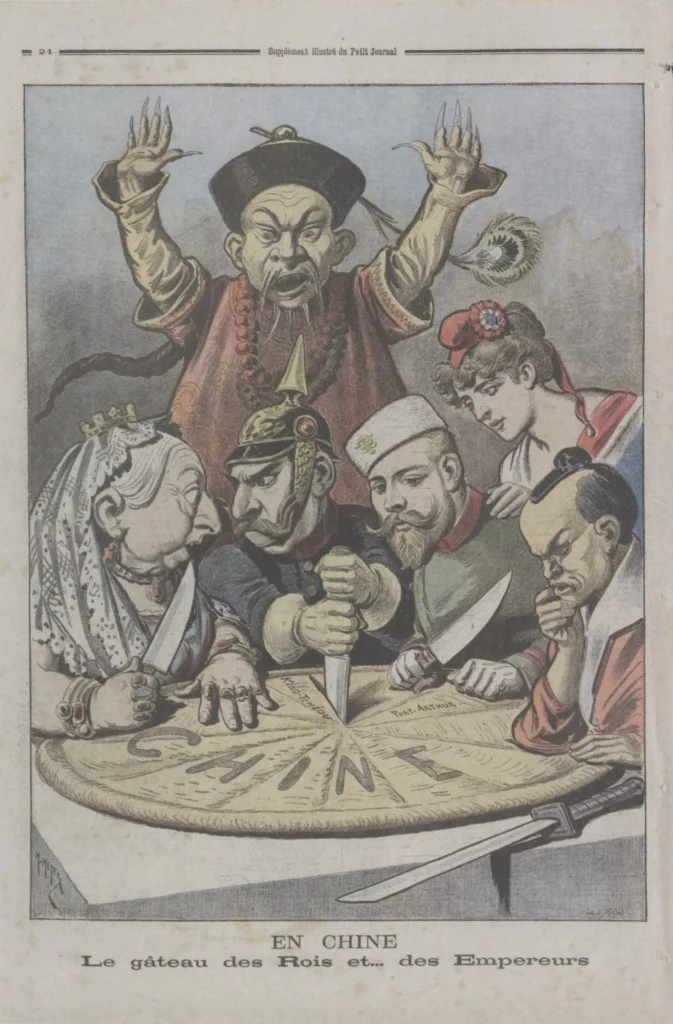
That transition also connects advertising with desire. Dowd pairs “Desire Illustrated” with “Picturing Peoples” because both chapters examine the stereotypes pictures can carry. He sets images in the political and cultural histories that shaped their production, giving readers ways to assess what editors, publishers and illustrators intended. His discussion of race-thinking follows a history that includes Carl Linnaeus, the Swedish naturalist who developed Latin biological nomenclature. Linnaeus grouped people into four varieties associated with continents and assigned them temperaments in later editions of Systema Naturae. Others turned classification into human hierarchies, including the false claim that “Caucasians” originated in the Caucasus Mountains.
Dowd treats published pictures as motivated objects: their appearance and purpose reflect the circumstances of their making. An image might demean or celebrate, arouse or frighten, reinforce an idea or undermine it. Context doesn’t settle the meaning of every picture, but it helps readers see how visual choices work and whose expectations they serve.
Children’s books and changing audiences
Children’s illustration sits within the larger history because adults write, publish and illustrate children’s books. Dowd’s starting question is whose children are being addressed, and what their books are meant to teach. The answers differ across China, Japan and Great Britain before 1750, which makes a single timeline of children’s illustration hard to sustain.
He also considers books that weren’t written for young readers but place children at the center of their moral world. In Harriet Beecher Stowe’s Uncle Tom’s Cabin (1852), for example, Little Eva and the enslaved Topsy shape the story’s moral stakes. Dowd follows the “bookwomen”—authors, illustrators, publishers and librarians—who helped establish the field. The result avoids organizing the history around a simple “golden age” and instead asks how adult ideas about childhood influence pictures and publishing.
Counterculture, magazines and image selection
For “Illustration as Counter Culture,” Dowd built a narrative around changes in magazine publishing between 1955 and 1970. He connects the decline of the Westport School with the rise of Push Pin and with visual approaches to the New Journalism at New York magazine and Esquire. The wider frame includes decolonization after World War II, the civil rights movement, feminism, the Vietnam War and the Nixon era. Dowd was also drawn to postwar Japan under occupation and the rejection of militarism.
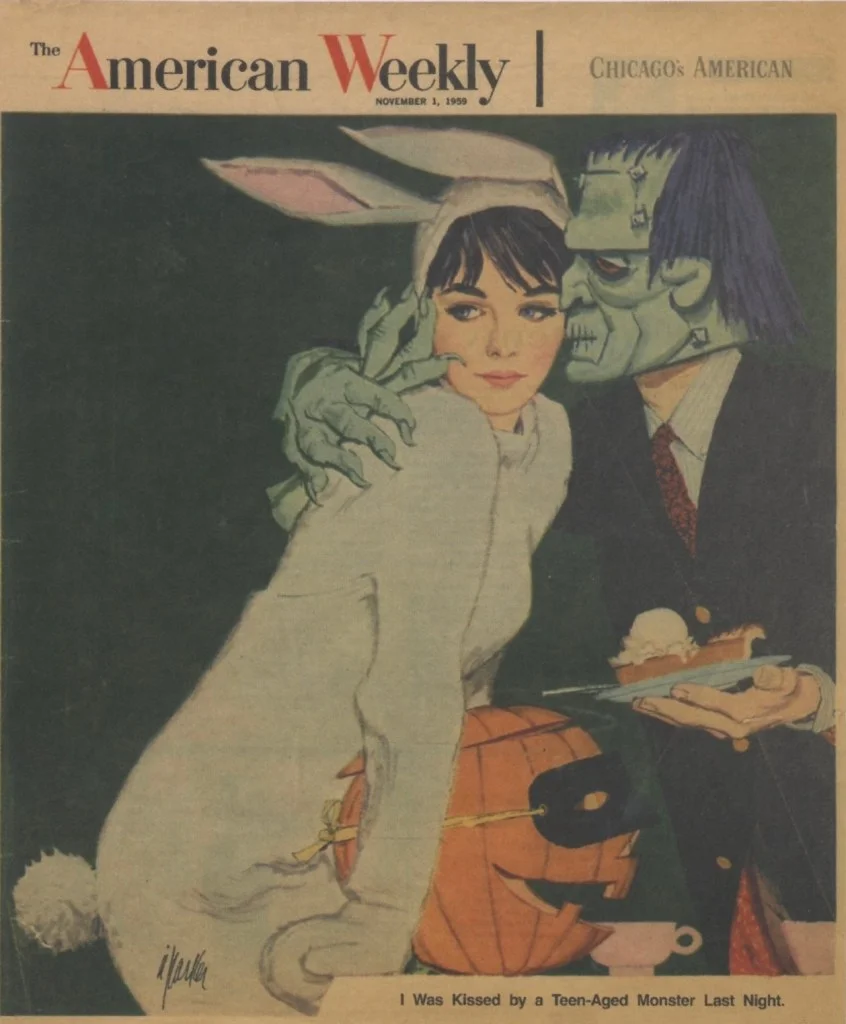
He didn’t begin by making a list of names to include. He first found the stories, then selected images that helped tell them. One spread links the decline of fiction illustration and the Saturday Evening Post’s fading dominance to the rise of the celebrity graphic designer. It places an Al Parker TV Guide cover featuring Groucho Marx beside a 1961 Saturday Evening Post cover by Norman Rockwell, showing Herb Lubalin redesigning the magazine’s nameplate. The comparison also recalls Lubalin’s own self-portraits from 1938 and 1960. The images do the historical work by making shifts in publishing and design visible on the page.
Dowd isn’t trying to supply a definitive list of illustrators. He expects that many artists and designers readers might consider essential will be absent. The book’s aim, as he puts it, is to use history to understand illustration and illustration to understand history. That focus makes room for an argument about the subject rather than a canon built to satisfy an industry consensus.
He can name areas he would expand. After reviewing a book edited by Theresa Leininger-Miller and Kenneth Hartvigsen on illustrated sheet music, he wished he had included an example in the chapter on advertising. He also regrets that he couldn’t reproduce material from the Cartoon Propaganda Corps, published in Shanghai and Wuhan in 1937. With more space, he would add images to Chapter 12, which reflects on the recent past and present. The book’s geographic scope is North America, Europe and East Asia; Dowd would welcome the chance to include South Asian illustration, a subject only beginning to emerge by name in India amid the educational prominence of graphic design.
Reading across words, lettering and pictures
Dowd’s wider ambition is to loosen the familiar split between text and image. He points to the Chinese idea of “the three perfections”—poetry, calligraphy and painting—as a way to think about words, their visual form and what a picture contributes. He adapts that triad for contemporary design: copywriting, graphic design and illustration. In practice, the question becomes what the words say, how they look and what the picture does.
The boundaries between those roles have never been fixed. Dowd describes how Japanese xylography and French lithography helped bring lettering into the composition of the image in the 19th century. Paris poster design carried that integration into modernism through advertising. His inclusion of graphic design examples, including the Chermayeff & Geismar Mobil Oil wordmark and redrawn Pegasus, follows the same logic: identity design can shape a reading experience, even when the work isn’t usually filed under illustration.
That expansive view also informs the work of DIRA at Washington University. Dowd plans to keep teaching, curating, writing and illustrating, while pursuing a more sustained account of drawing and writing from prehistory to the present. He hopes Reading Pictures gives readers a firmer historical definition of illustration and more room to consider how reading and looking interact. His next questions turn toward human agency as technology makes passive consumption easier—a reminder that the history of pictures can help designers think about the choices readers still have.
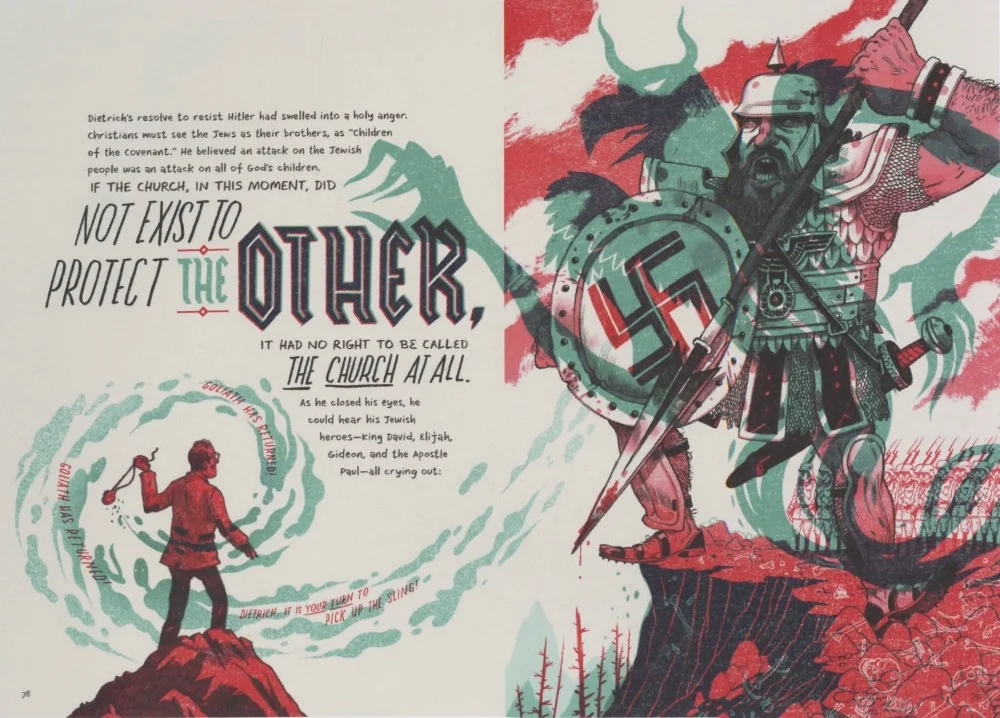
The book’s practical lesson for designers is in that overlap. A picture doesn’t operate alone: language, lettering, format and cultural context shape what it can do. Looking closely at those relationships turns illustration history into a way to read the present—and to make more deliberate choices about how images meet words.
The post The Daily Heller: How Illustration is Essential to World Cultures appeared first on PRINT Magazine.
| Rev | Description | Date |
|---|---|---|
| A | Issued for reading | |
| B | Viewed 342 times | Current |


