Sofiane Pamart’s “Movie” Turns Piano Scores Into a Cinematic Art Book
- Project
- Graphic Design
- Drawn by
- Charlotte Beach
- Issued
- Sheet
- A-46
Sofiane Pamart, Adrien Beaujeant and Guillaume Héritier build “Movie” into a tactile visual world, pairing piano scores with pink graphics and childhood photographs.
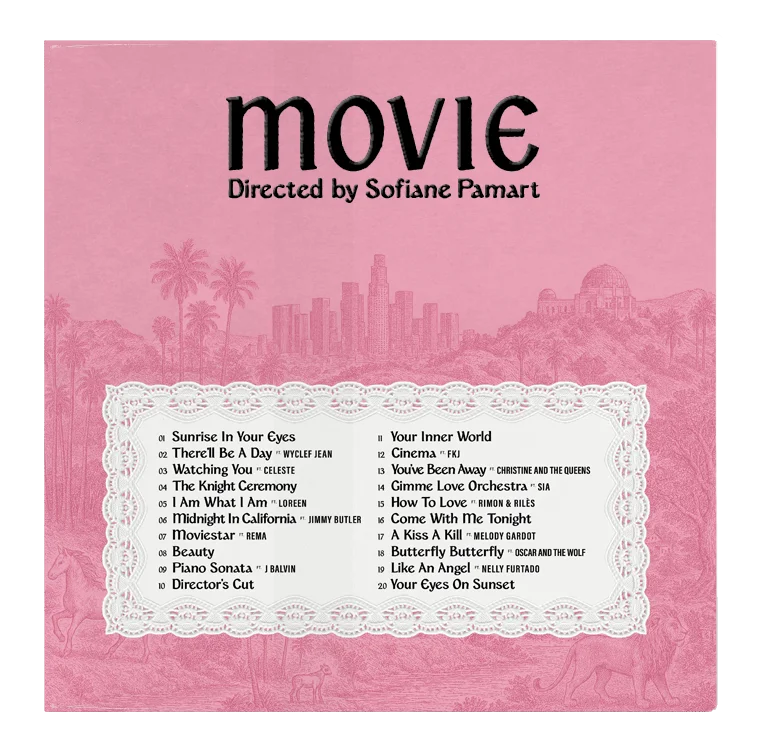
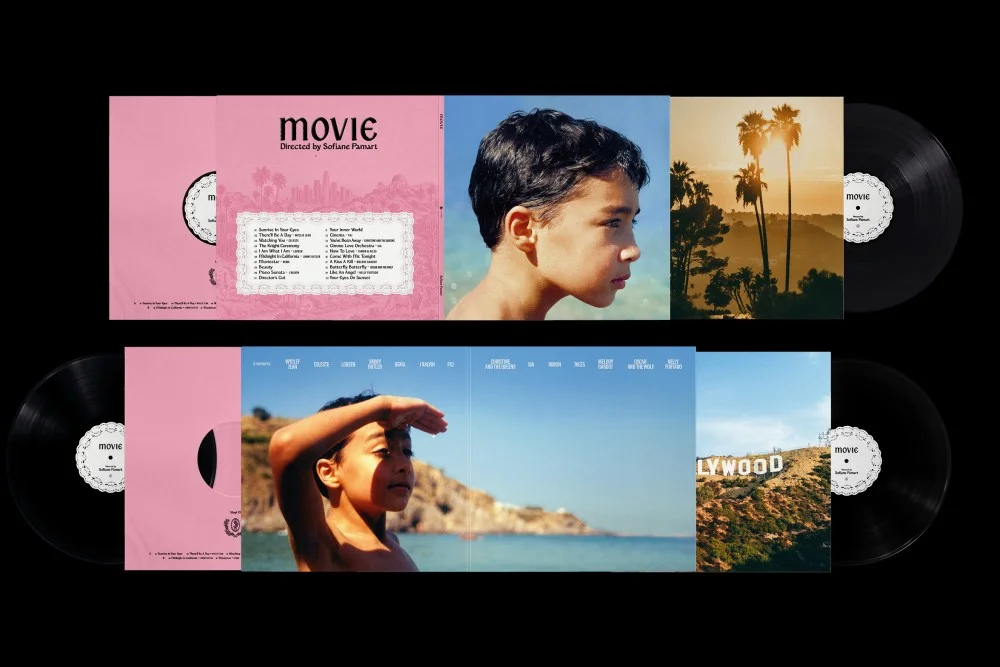
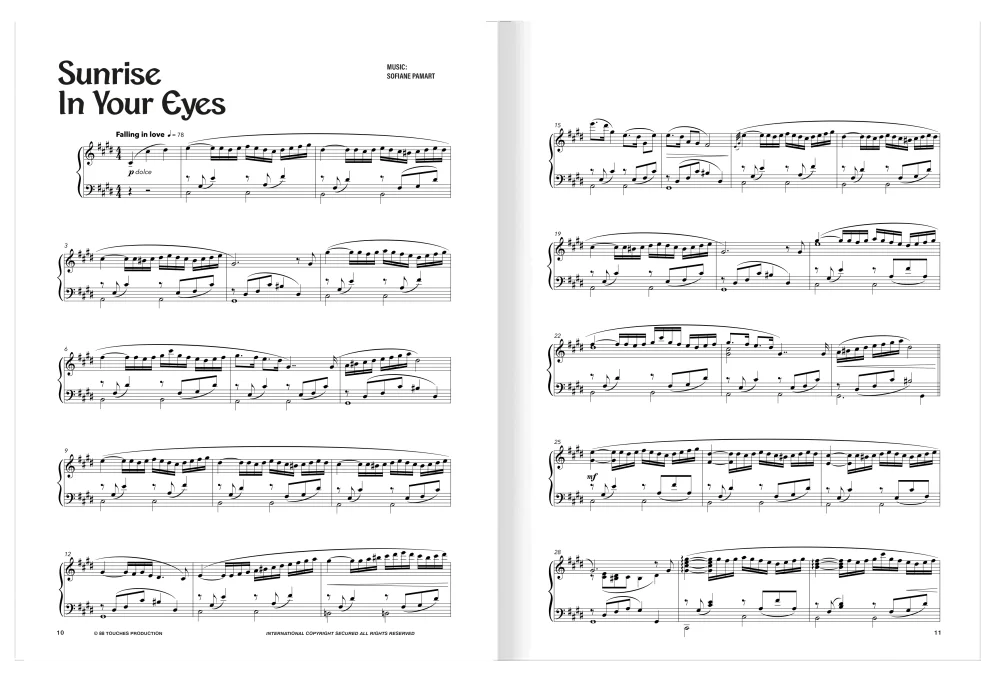
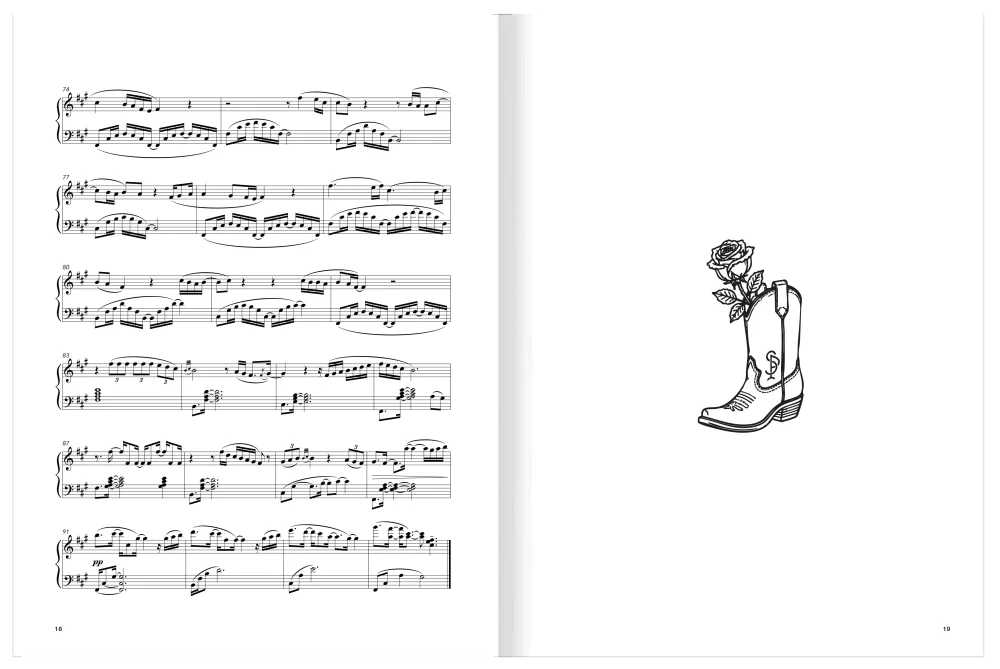
The “Movie” piano score book asks to be read as well as played. French composer and pianist Sofiane Pamart developed the project with designer and illustrator Adrien Beaujeant and creative director Guillaume Héritier, extending the album’s visual world into a printed object. The result brings together music notation, illustration and personal photographs, giving the score book a role beyond presenting the pieces for piano.
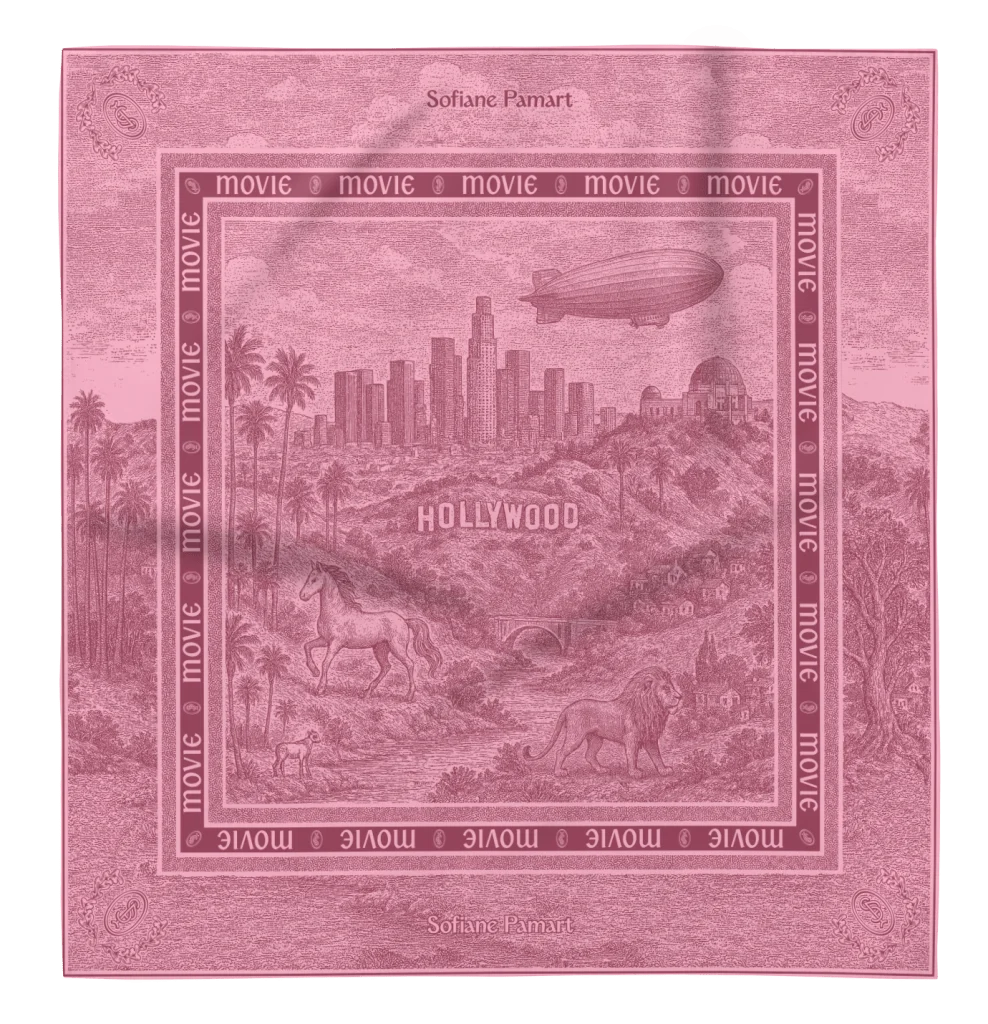
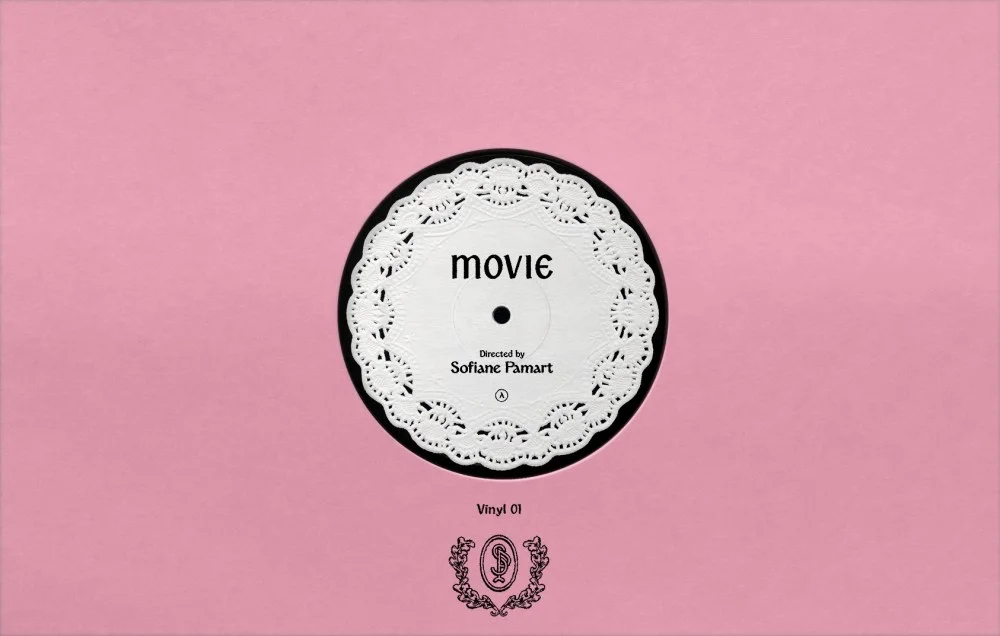
A series with room for each release
Beaujeant and Héritier have worked with Pamart across a series of releases, building a shared visual language while giving each album its own look. Beaujeant describes the aim as making a collection rather than a run of isolated covers: each release has distinct colors, typography, graphic language and materials, yet the objects read together like books on a shelf or films in a collection.
That approach gives “Movie” two scales of identity. Its pink palette, imagery and lettering mark it out as a specific project; the wider series offers a thread for returning listeners and collectors to follow. For designers, the useful question is how a visual system can hold together without making every installment look interchangeable. Here, the answer lies in preserving the larger sense of belonging while letting the materials and references shift with the music.
Cinema suggested through color and image
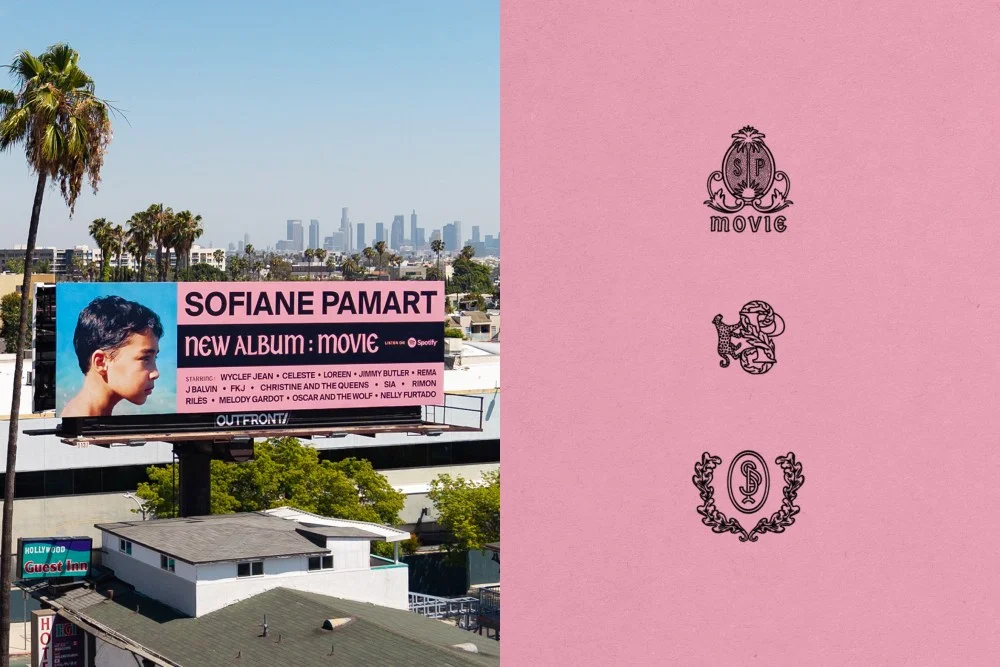
The “Movie” vinyl and art book draw on familiar visual traces of cinema: vintage screenplay covers, classic title sequences and Hollywood imagery. Beaujeant says the team avoided pointing to a particular film. Instead, the references aim to stir a shared memory of movie-going and leave viewers room to make their own connections. That restraint keeps the identity open ended; the visuals evoke a genre of experience without turning the album into a tribute to one title.
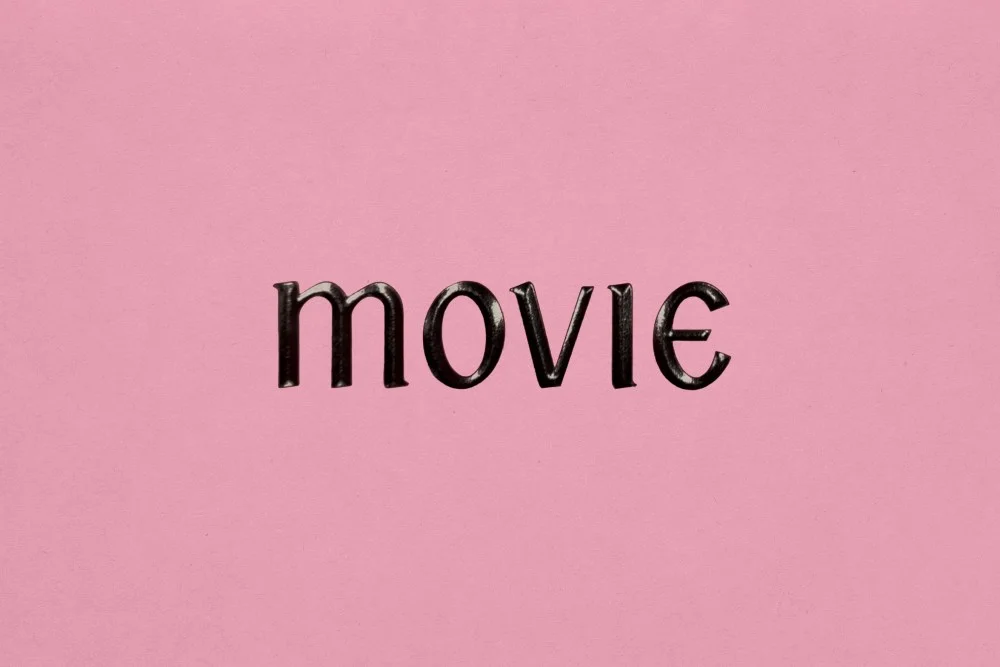
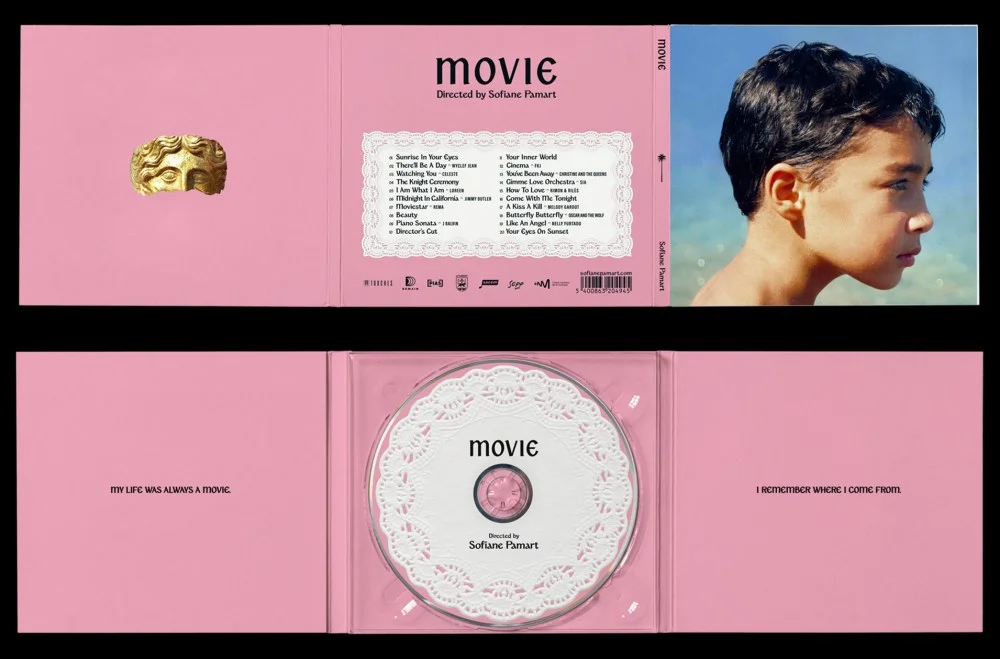
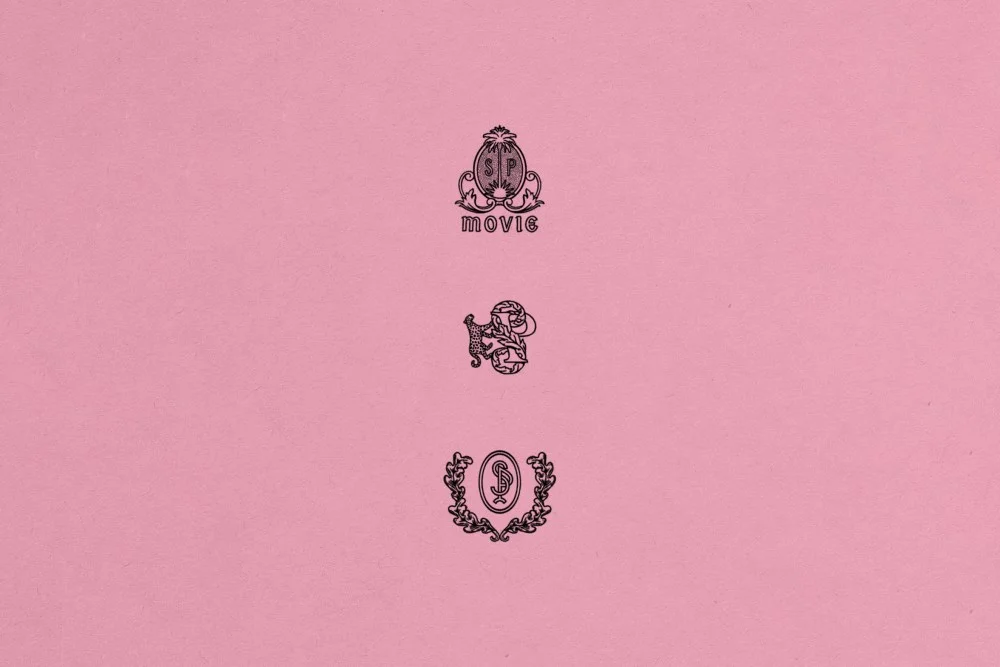
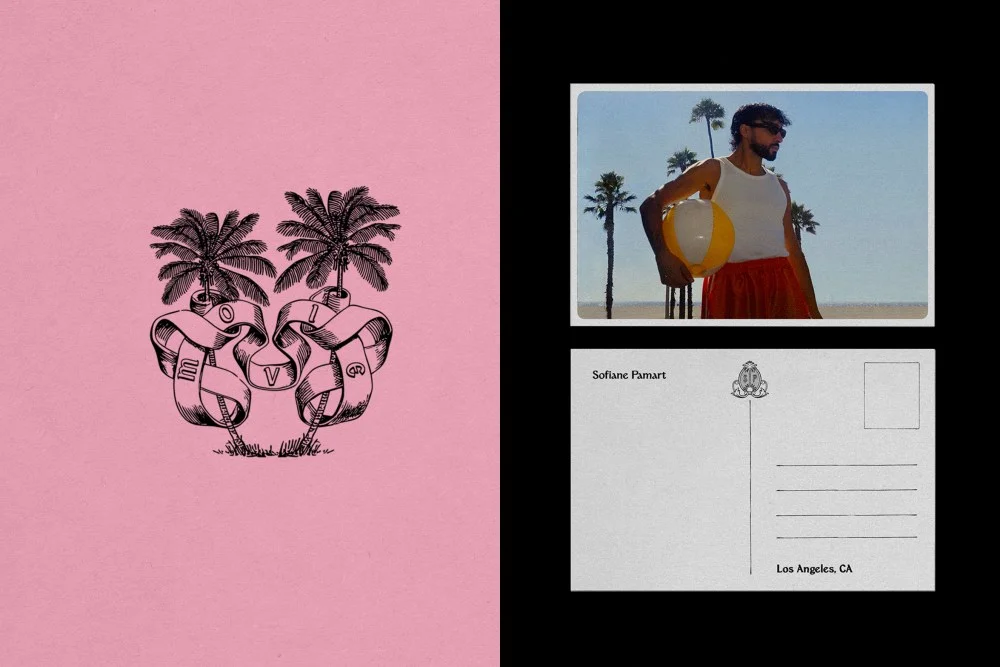
Pink anchors the design, inspired by the color of an old movie script cover. The typeface recalls classic film titles and signage associated with Hollywood institutions such as the Château Marmont. These cues work through recognition and mood: the color establishes a strong visual field, while the lettering steers it toward cinema. Together, they make the album identifiable without spelling out a single story.
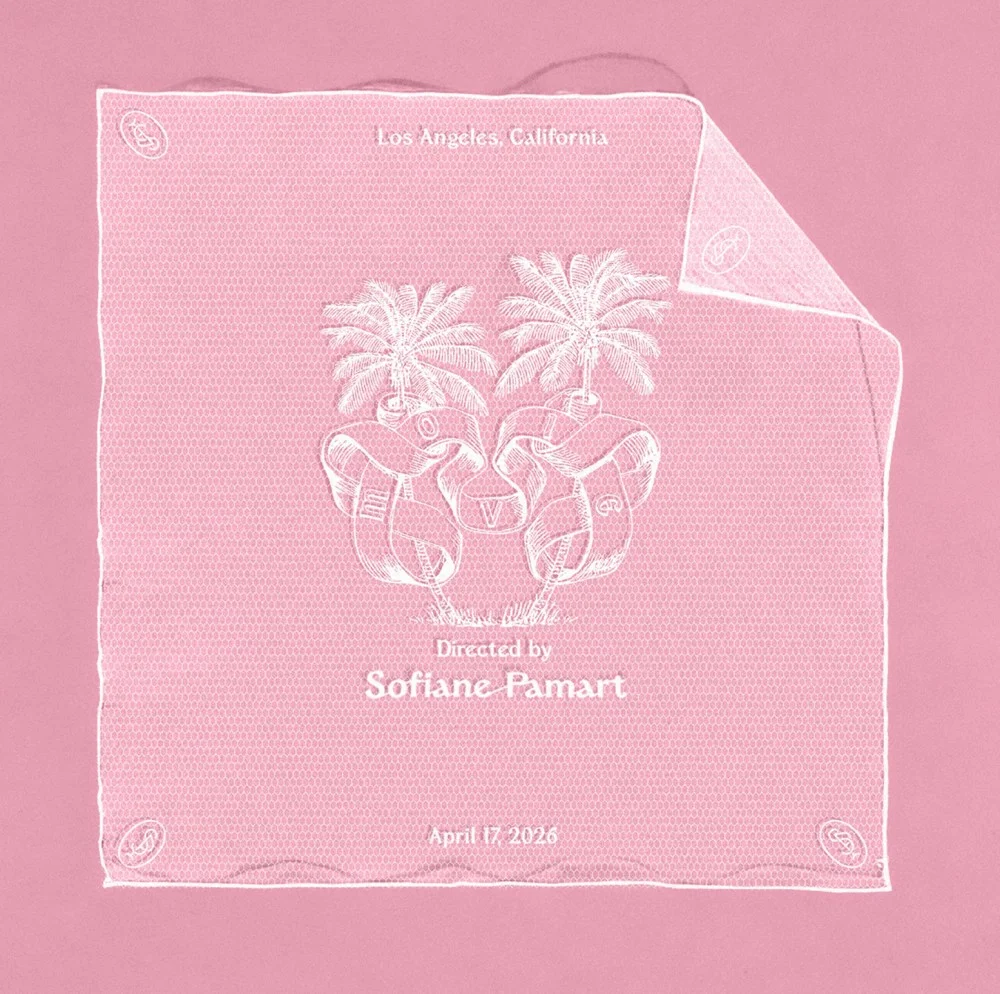
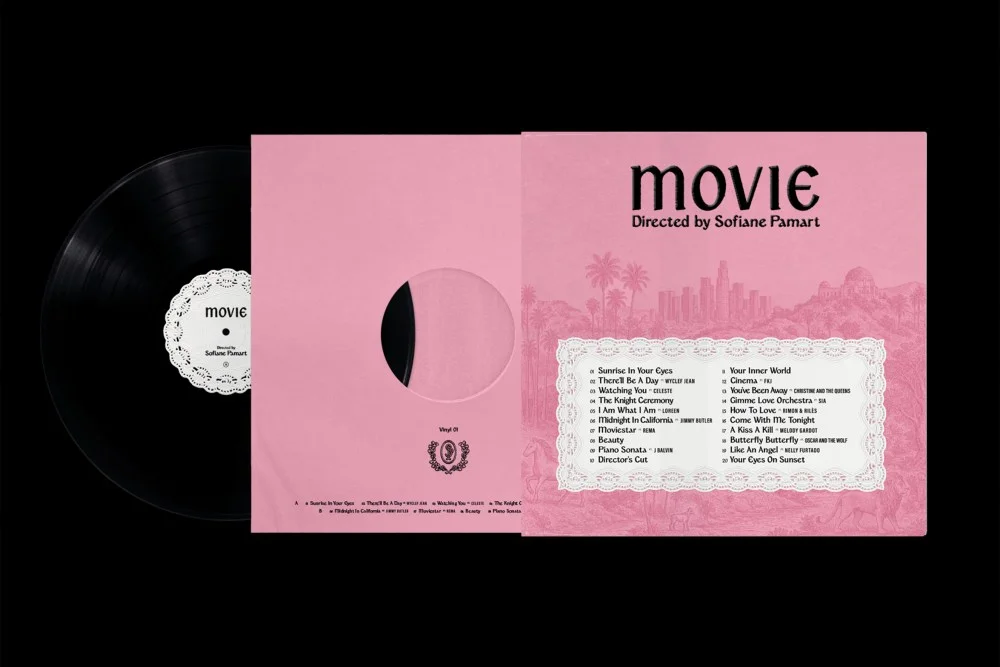
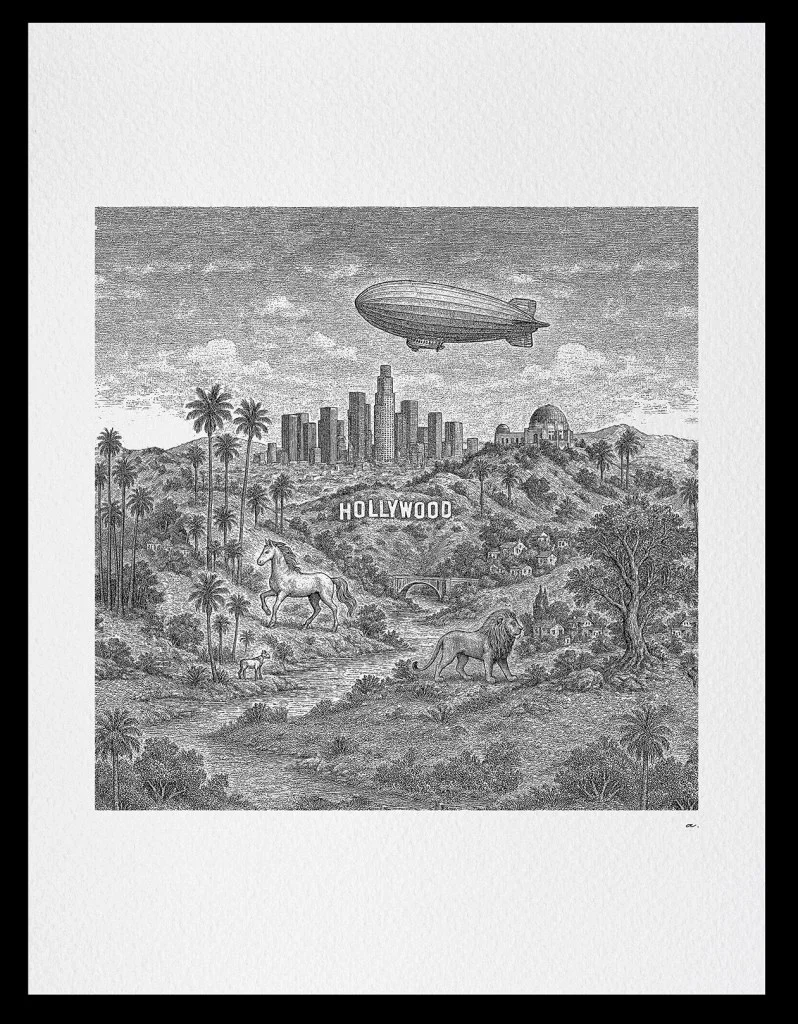
A fantastical illustration of Los Angeles adds a more personal geography. It imagines the city as seen from Pamart’s childhood home, holding reality, memory and fiction in the same view. Beaujeant’s other illustrations bring in theatre curtains, sheet music, film props, masks, textures and cinematic symbols. Rather than serving as a single explanatory scene, these details recur through the book and reward attention as the pages turn.

Photographs give the visual world its point of view
Childhood photographs make the album’s references to memory concrete. A photograph of Pamart taken by his father appears on the cover. In Beaujeant’s description, the young Pamart looks ahead as if watching the film of his own life; that image became the starting point for the project’s narrative. Other photographs, including images of Pamart in Hollywood, appear across the album and printed materials in fragments.
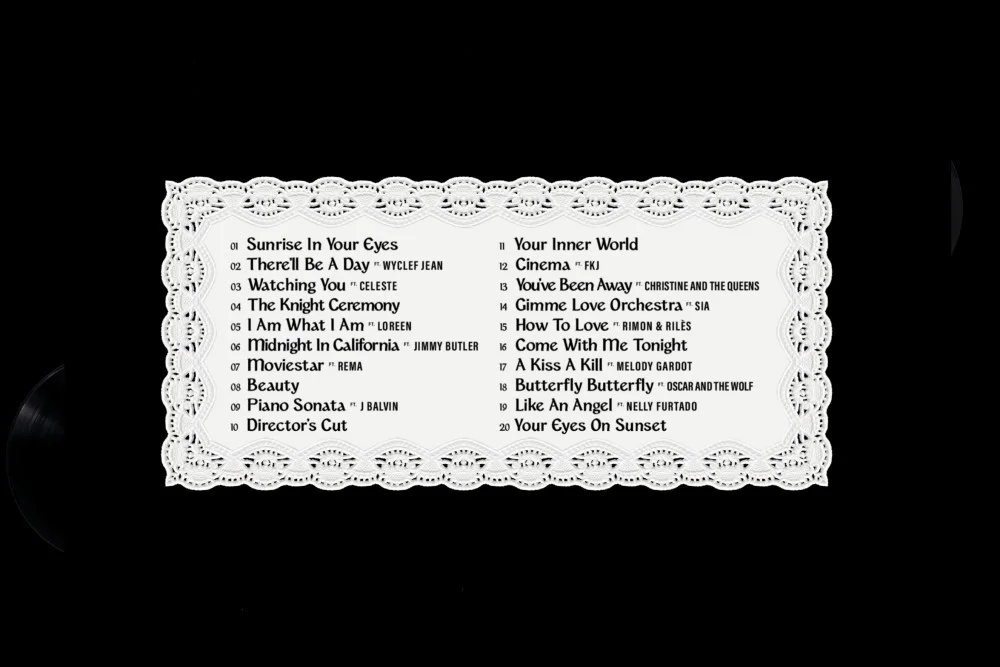
The personal photographs sit alongside tactile details such as doily motifs. That combination gives the design a soft, nostalgic quality without relying on cinema references alone. The images connect the imagined city and its props to Pamart’s own past, while their distribution across the pages makes the story feel assembled from recollections rather than presented in a straight line. The viewer can follow those fragments without needing a fixed interpretation.
A score book designed to be used
The piano score book sits between a music edition, an artist’s book and a design object. Beaujeant says the team considered the purpose of every element, treating detail as part of the book’s function rather than decoration added after the fact. The printed format carries the project’s imagery beyond the record, but it also presents the music for pianists with different levels of experience and musical backgrounds.
That dual role shapes what a score book can offer. Notation gives players a practical way into the compositions; photographs and illustrations create a context that listening alone doesn’t supply. The visual material can deepen the encounter without interrupting the book’s use as a music edition. For designers working across print and performance, “Movie” offers a clear example of a visual identity extending into a functional object while keeping its particulars—color, type, image and paper experience—in service of the wider concept.
All images courtesy of Adrien Beaujeant.
Explore the work of Sofiane Pamart and Adrien Beaujeant.
The original feature, “Pianist Sofiane Pamart Creates Immersive Visual Worlds for His Albums and Score Books”, appeared in PRINT Magazine.
| Rev | Description | Date |
|---|---|---|
| A | Issued for reading | |
| B | Viewed 851 times | Current |


