When Mascot Design Becomes a Brand Liability
- Project
- Graphic Design
- Drawn by
- Peter Makeshoff
- Issued
- Sheet
- A-37
A mascot can build recognition or divide an audience. These cases show how cultural meaning, legal defense and stunt marketing shape its value.
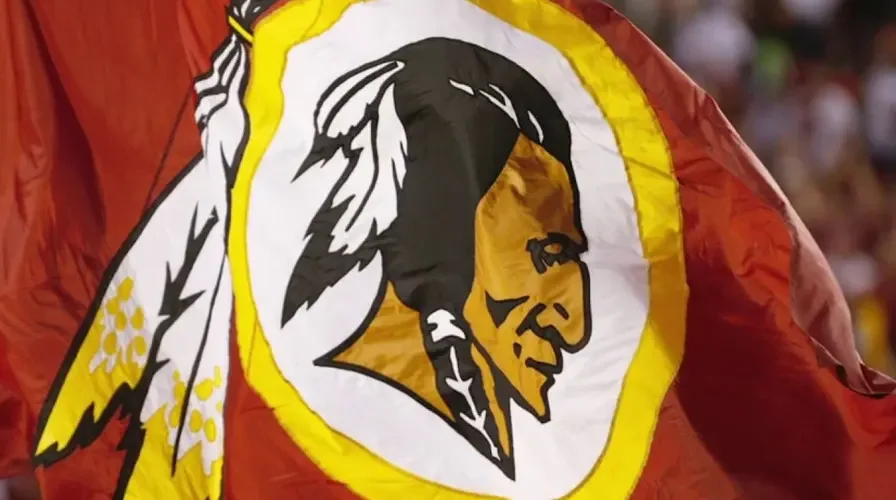
A mascot’s value depends on what people think it represents. A familiar character can make a brand easier to recognize and give customers something to care about. But the same image can become a source of conflict when its meaning differs sharply across audiences—or when a brand’s response to that conflict changes how the character is seen.
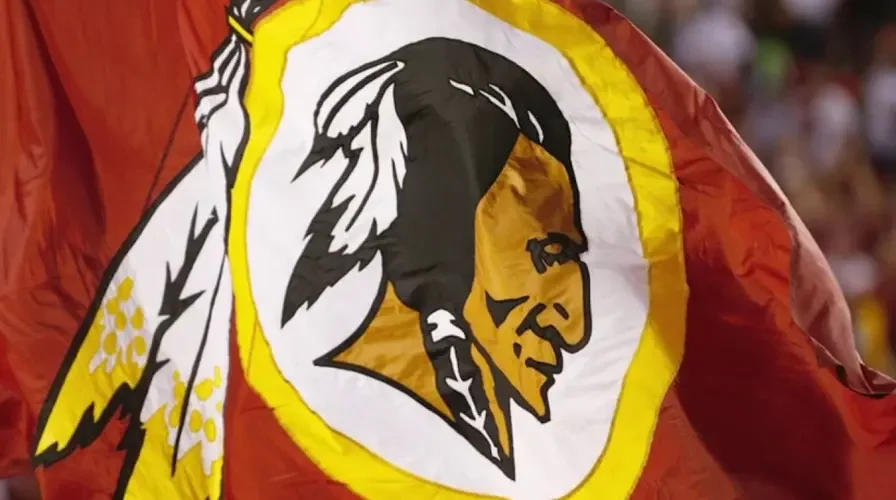
For designers, that makes mascot work a long-term identity decision. The drawing, name and expression matter, but so does the context in which people encounter them. A character may start as a friendly shorthand for a business and later stand for something its creators never intended. The examples below show three ways that shift can happen.
When one image carries opposing meanings
In American sports, mascots derived from Native American people and cultures have been disputed for decades. Supporters may describe a mascot as a point of pride and a symbol that brings fans together. Many Native Americans and their allies see some of the same imagery as degrading racial stereotypes. Opponents have described the name “Redskins” as a racial slur.
This is a conflict over identity and respect, not simply a disagreement about whether an illustration looks good. Once a symbol has sharply different meanings for different groups, its power to unite becomes difficult to sustain. The disagreement can also damage goodwill and alienate customers. In this situation, updating the visual design alone may not address the problem: the name and the history attached to it are part of the identity, too.
That distinction matters to any team weighing a mascot refresh. A character’s appeal within one audience doesn’t establish that everyone reads it the same way. Listening to the people represented by a design can reveal where its intended meaning breaks down. When the conflict runs deeper than style, a polished redraw may only make the contested symbol look newer.
Brand defense can change what a mascot means
Buc-ee’s, the Texas convenience store chain, is known for a smiling beaver with buck teeth and a red cap. The brand has challenged other businesses over cartoon animal logos, including designs featuring a moose, an alligator and a bear. The stated concern is that similar marks could cause confusion around a valuable mascot.
In 2026, the chain filed a federal trademark lawsuit against Beaver’s Mini Mart in Beavercreek, Ohio, arguing that the shop’s beaver logo was too similar to its own. The designs have visible differences: Buc-ee’s character wears a red cap and has prominent buck teeth, while the mini mart uses a full-body beaver without clothes.
Whatever the merits of that argument, the public response gave the dispute a second meaning. Reports described an immediate backlash. A fundraiser for the mini mart’s legal fees raised tens of thousands of dollars, a local bakery sold cookies bearing the shop’s logo, and the city council passed a resolution recognizing the beaver as part of the city’s history.
The contrast in scale shaped how many people interpreted the story. One of Buc-ee’s new Ohio locations was reported to span 74,000 square feet and include 100 gas pumps; Beaver’s Mini Mart is a family-run local business. Against that backdrop, a brand protection effort looked to critics like a large chain picking on a small shop. A line from a previous dispute with another business—“A moose is not a beaver”—captured the frustration.
For identity teams, the design lesson is that enforcement becomes part of the brand experience. Customers don’t see a mascot in isolation: they see how its owner treats other people who use similar imagery. A character meant to signal warmth can acquire a different association when its defense seems out of proportion to the perceived overlap. That shift can happen even while the formal dispute remains unresolved.
Death as a marketing device has a narrow audience
Some brands have turned a mascot’s apparent death into a publicity stunt. Planters killed off Mr. Peanut in 2020, and Duolingo did the same with Duo the Owl in 2025. Both moves drew substantial engagement, but that outcome depends on having an audience prepared to treat the stunt as an event.
The audience’s attachment is the key design constraint. If people already recognize the character and follow its story, a dramatic change can give them something to discuss. If the connection is shallow, the same move may feel like an attempt to manufacture attention. Instead of adding meaning to the character, it can make the brand seem less consistent.
That makes a mascot’s existing role a useful test before a team writes a dramatic storyline around it. Is the character familiar enough to carry a story? Does its established personality give the audience a reason to care? The source notes that Duo’s “legend” works because the owl already belongs to a larger pop-culture conversation. Without that accumulated recognition, a stunt has less to build on.
Test the meaning before defending the mark
Across these cases, the central question is what the mascot means to the people encountering it. Buc-ee’s may view its action as protecting a valuable logo, while people in Beavercreek may connect their local beaver with the community and its history. The gap between those readings is what turns a familiar character into a point of conflict.
Before introducing a mascot or deciding how to respond to similar imagery, design teams can make the work more concrete:
- Identify the groups likely to encounter the character, including people represented by its subject or visual references.
- Ask how those groups describe its meaning, rather than relying only on the team’s intended message.
- Compare the character’s distinctive features, such as its silhouette, clothing, expression and name, with nearby designs.
- Review how an enforcement decision might look from the perspective of a small business or local community.
- For story-driven stunts, check whether the audience already has enough attachment to understand why the character’s fate matters.
These checks won’t make every interpretation predictable. They can, however, show where a mascot’s intended role and its public meaning diverge. A character’s design is only one part of its identity; the choices made around it keep shaping what audiences see.
| Rev | Description | Date |
|---|---|---|
| A | Issued for reading | |
| B | Viewed 707 times | Current |


