TOKYO PACK 2026: Packaging Designs That Balance Easier Use and Less Material
- Project
- Graphic Design
- Drawn by
- Tim Sykes
- Issued
- Sheet
- A-216
From lighter bottles to one-handed cream jars, TOKYO PACK 2026 paired material savings with thoughtful details for everyday use.
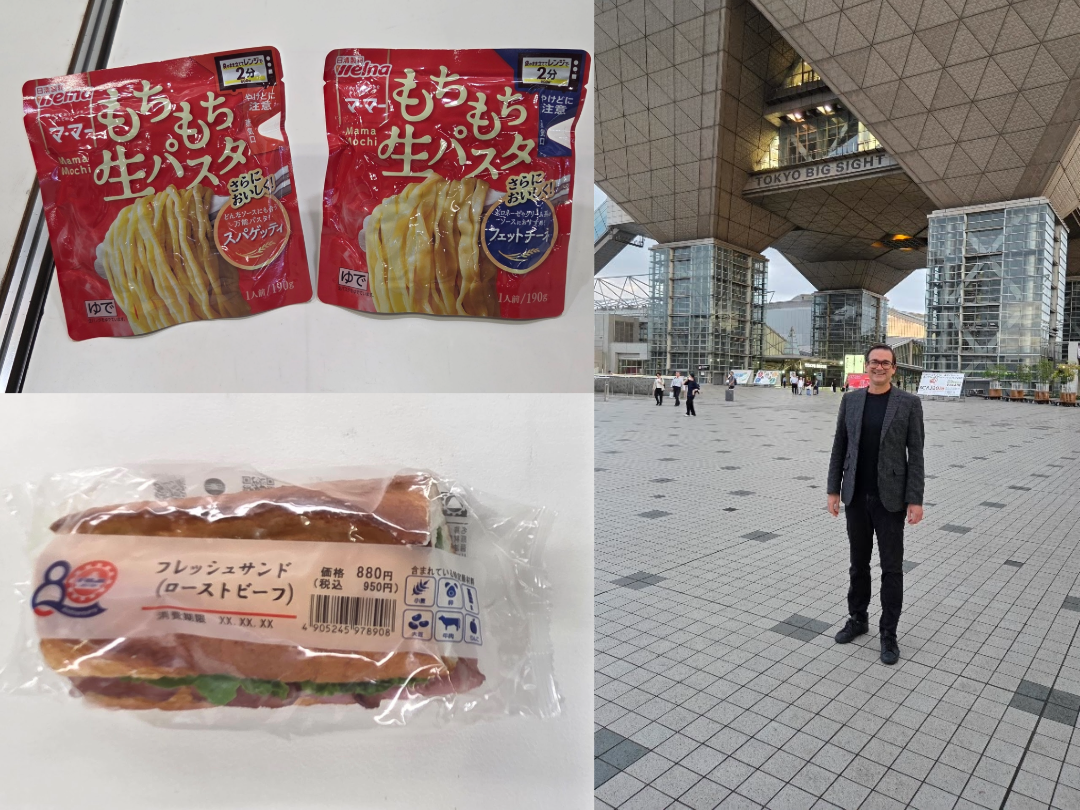
The most compelling packaging at TOKYO PACK 2026 treats environmental performance and ease of use as connected design problems. Packaging Europe director Tim Sykes visited the show floor and found Japanese companies working to reduce material and carbon impacts while keeping the grip, opening, pouring and visual qualities that customers expect.
For visitors used to European packaging, Japan’s emphasis on the experience of using a pack stands out. The country’s high expectations for quality, convenience and appearance help explain why a package may feel especially considered in the hand. A quick look through a konbini, or convenience store, or a depāto, or department store, also shows why reconciling that attention to experience with less material can be a difficult brief.
TOKYO PACK 2026 presented that tension alongside a strong focus on sustainability. Exhibitors including Toppan and Dai Nippon Printing are developing packaging for circularity, including recyclable designs and recycled content. In Japan, where most plastic waste is incinerated, or “thermally recycled,” companies are also concentrating on material and carbon reduction as they work toward a circular economy.
The examples below were recognized in this year’s Kinoshita Prize or Japan Packaging Contest, sometimes in both. The competitions are organized by the Japan Packaging Institute.
Reducing weight without losing function
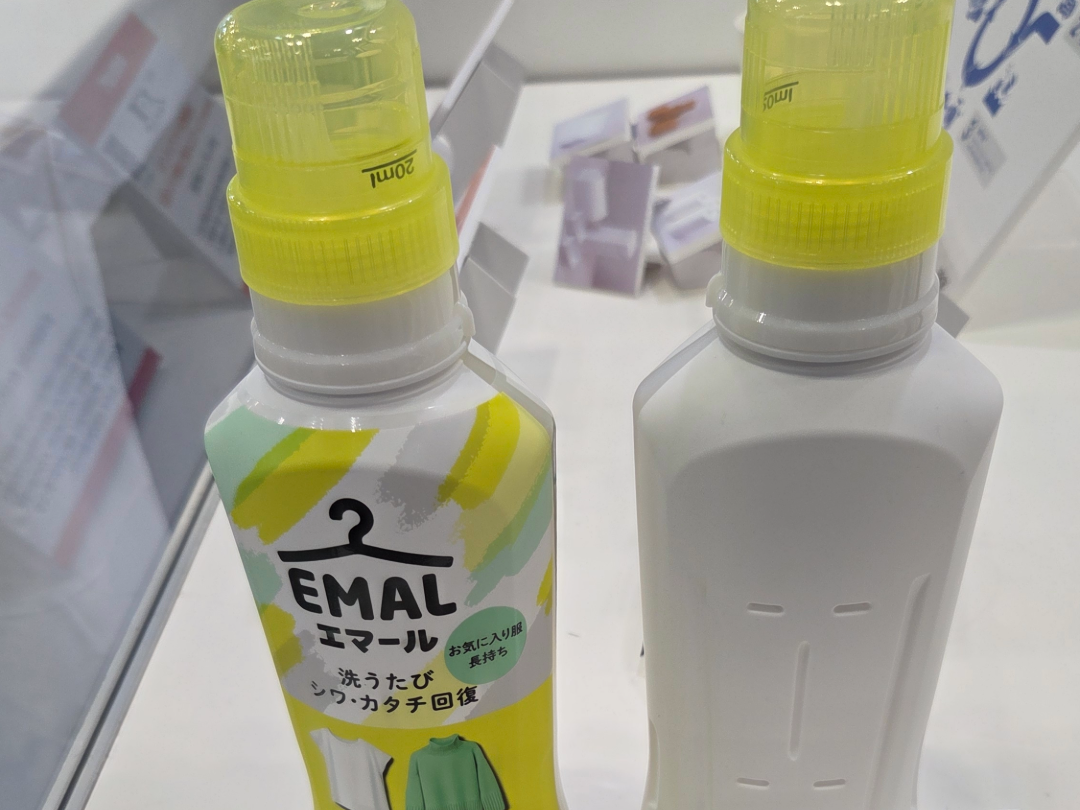
Kao Corporation’s Emal laundry detergent bottle uses a “smart rib” structure: long vertical ribs work with shorter horizontal ones to maintain compression, vacuum and grip strength. The design cuts resin use by around 23%. With recycled content added, lifecycle CO2 falls by about 19%. The rib pattern shows how structural choices can preserve a familiar handling experience while using less plastic.
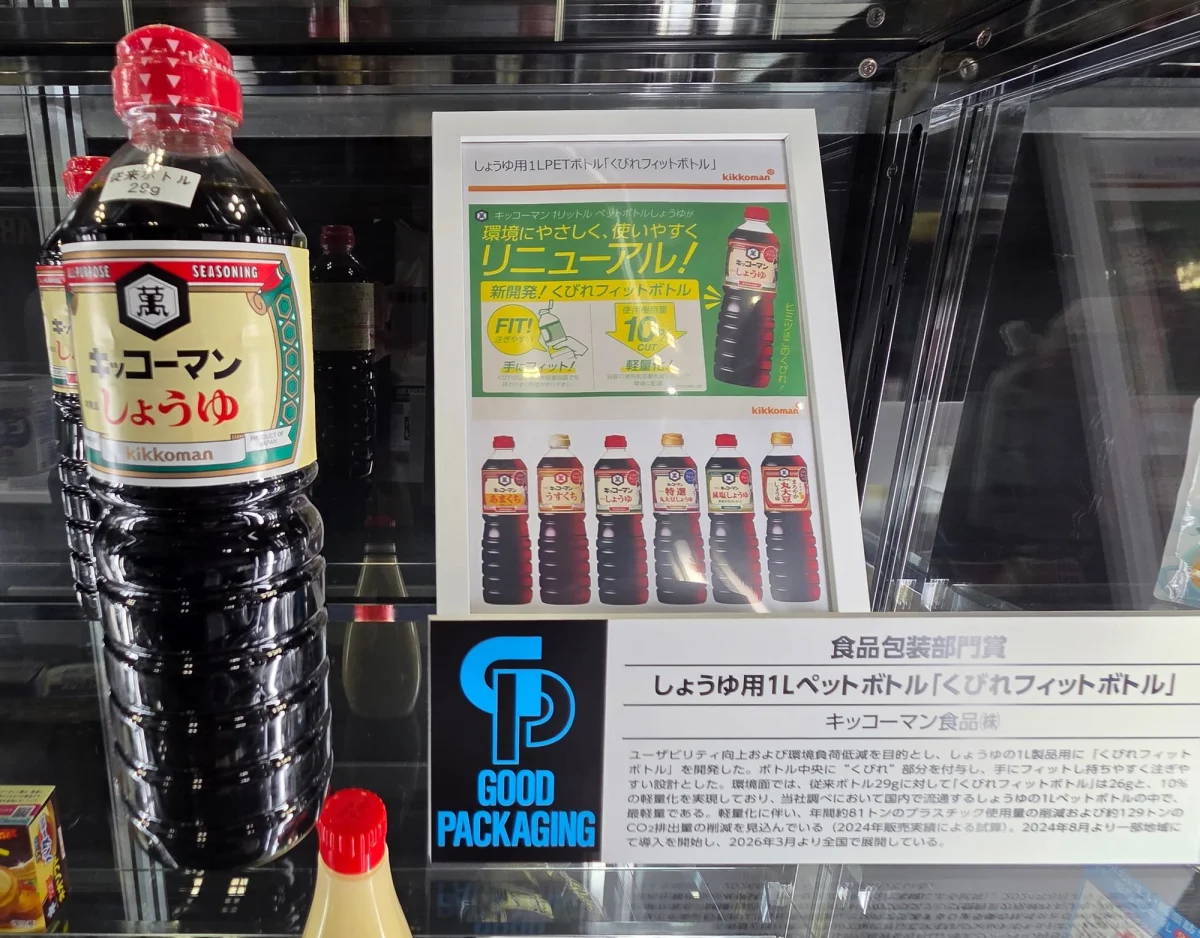
Kikkoman Food takes a related approach with its one-litre “waist-fit” soy sauce bottle. Its pinched middle helps people hold and pour the container, while the bottle’s weight drops from 29g to 26g. The company describes it as Japan’s lightest one-litre PET soy sauce bottle.
Can makers are also looking at ways to reduce impact within established production systems. Toyo Seikan developed its EcoEnd with aluminium producer UACJ. The beverage-can end raises recycled content while retaining the same gauge and performance, and can run without changes to seaming tools. The companies report a greenhouse gas reduction of around 40%.
At the show, Toyo Seikan also presented Compression Bottom Reform, or CBR. The process reshapes a can’s base after forming, allowing the metal to be made thinner while retaining pressure resistance. Together, the two examples focus on material savings while keeping the can’s production and performance requirements in view.
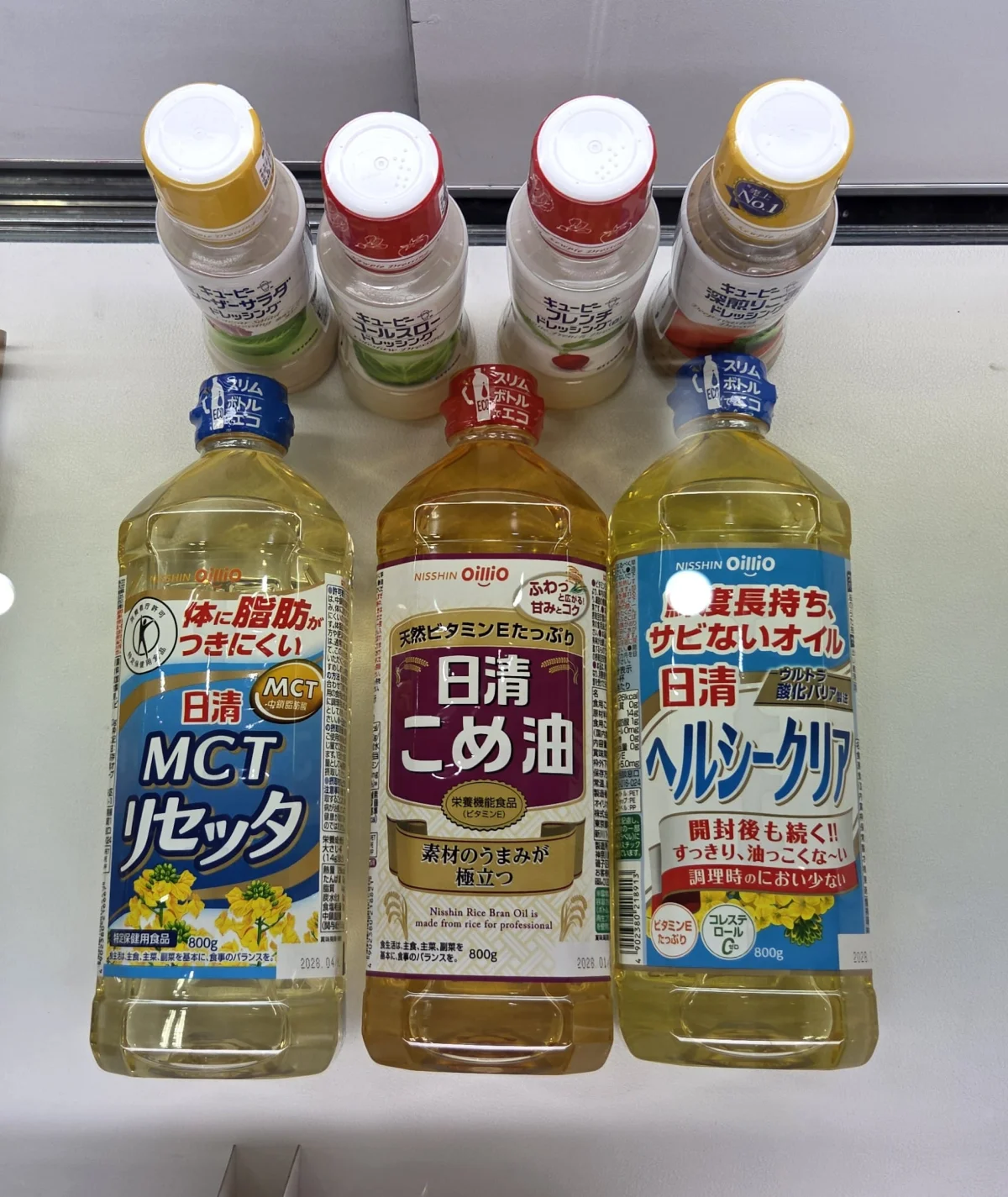
Recycling oil-contaminated plastic has presented a different technical challenge. Cooking oil and dressing bottles in Japan have typically gone to energy recovery because of concerns about residual oil. After trials using production equipment, Nisshin OilliO Group and Kewpie became the first companies in Japan to use bottle-to-bottle recycled PET made from oil-contaminated bottles.
A collaboration between Fuji Machinery, Fuji Pack System, Marking System Technology, Konica Minolta and DAC Engineering brings a water-based inkjet printer and dryer into a packaging machine. It prints directly onto unprinted film at up to 80 packs a minute. When a product changes, this setup avoids discarding pre-printed film that can no longer be used.
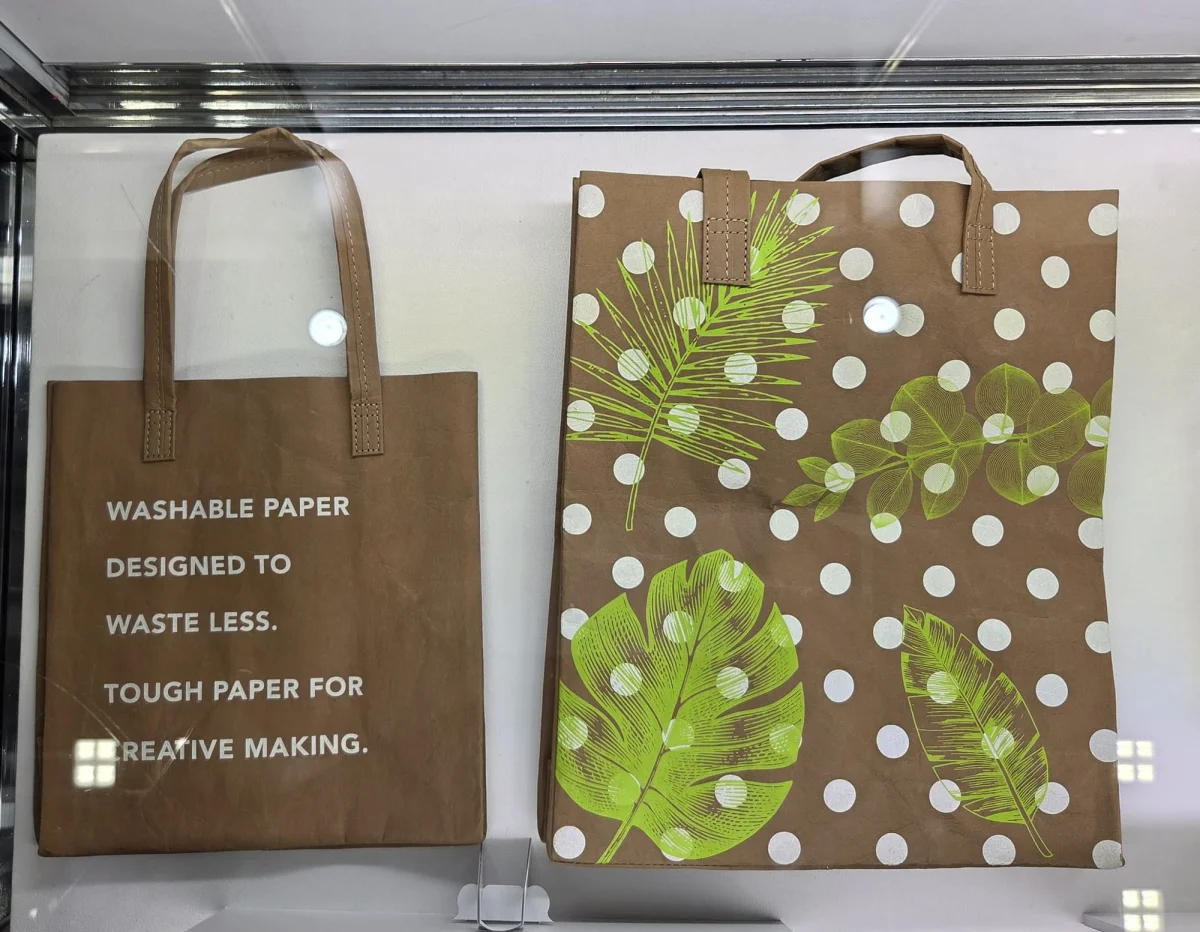
Some projects rethink the material itself. Japan Pulp and Paper’s Kami Eco Craft+α, winner of the contest’s top Japan Star award, is a durable, water-resistant paper designed to withstand washing. It can be sewn and printed, contains no synthetic fibres and is intended for repeated use.
For Nisshin Seifun Welna and Toppan, the design challenge was to make fresh pasta convenient without sacrificing its texture. Their microwaveable pouch uses transparent vapour-deposited barrier film to keep the pasta shelf-stable at ambient temperature. Heating it for two minutes in a microwave, without a pot or water, produces the chewy texture associated with fresh pasta.
Design details that shape the experience
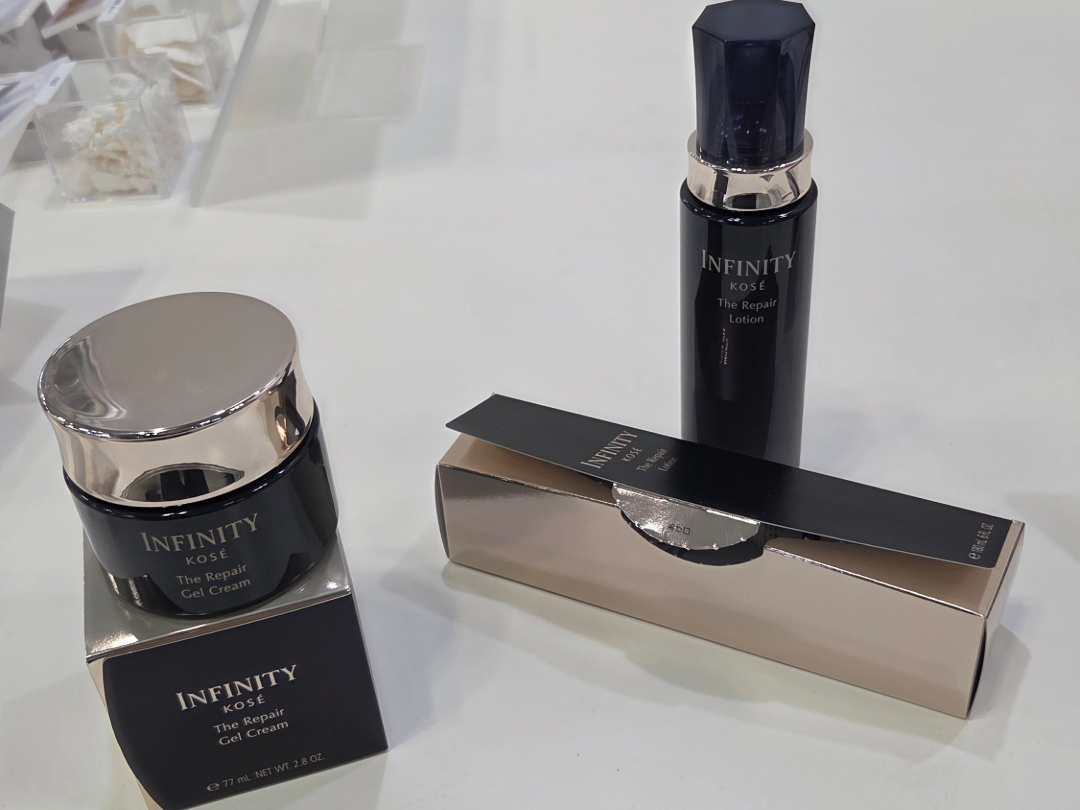
Several award-winning packages make accessibility part of their core design. For KOSÉ Corporation’s INFINITY The Repair cream, designers interviewed people living with after-effects of stroke. The resulting jar has a non-slip elastomer resin base to make one-handed opening easier. Its carton opens fully, allowing the jar to be removed from the side, and its type size and colour were chosen to improve legibility.
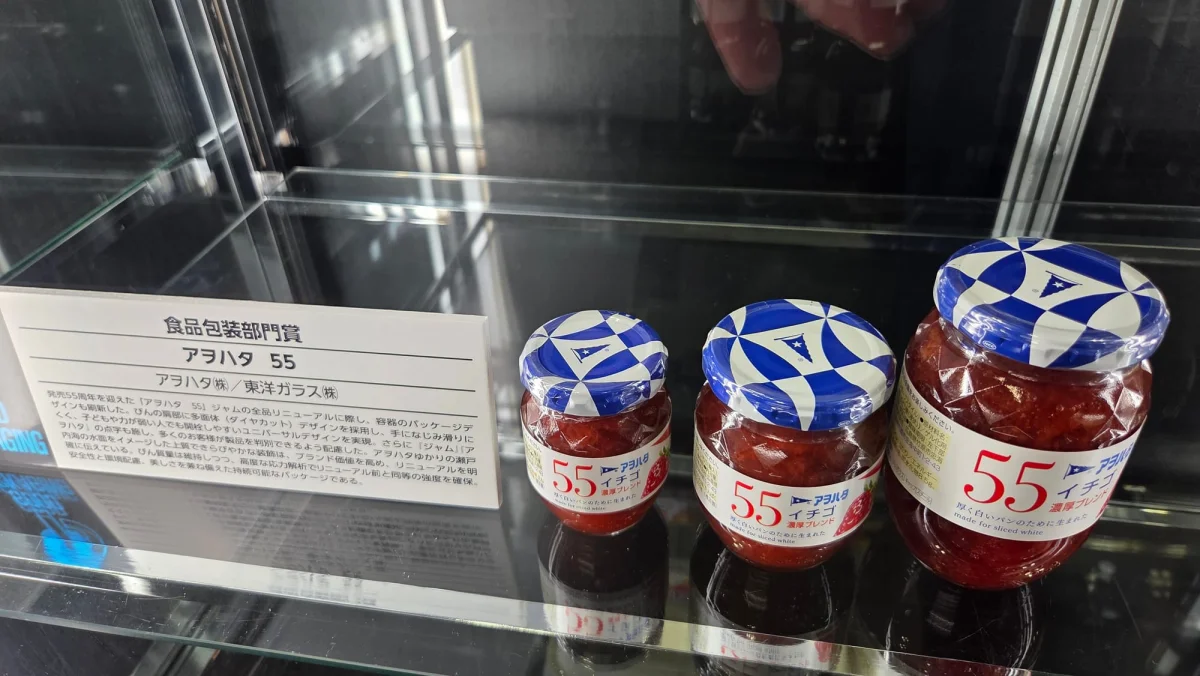
Toyo Glass designed a jar for Aohata 55 jam with a faceted, diamond-cut shoulder that gives children and people with weaker hands a more secure grip. Braille identifies the product. For children’s sunscreen, Kao’s Biore Kids Stamp UV cap dispenses sunscreen in a paw-print shape. The playful mark makes application more engaging while metering an appropriate dose.
At Expo 2025 Osaka, Shirohato Foods and The Pack Corporation created an all-paper package for a drink and food. A pentagonal tray sits on the cup, with room for a paper straw, so visitors could eat and drink using one hand.
POLA’s B.A skincare packaging makes form and light part of the product experience. Repeated drawing and sculpting produced irregular curves that change in appearance with the light and viewing angle. These examples point to a practical design lesson: smaller, more useful details can carry environmental, access and sensory goals at the same time.
Related reading:
The ultimate guide to packaging innovation in 2026
Packaging and Packaging Waste Regulation: what to know in 2026
Everything you need to know about global packaging sustainability regulation
| Rev | Description | Date |
|---|---|---|
| A | Issued for reading | |
| B | Viewed 866 times | Current |