Worlds Unfolding Traces 12 Centuries of Science Through Rare Images and Documents
- Project
- UX & UI Design
- Drawn by
- Kate Mothes
- Issued
- Sheet
- A-199
A five-volume set from The Huntington pairs scientific archives with more than 625 images, from anatomy studies to space photography.
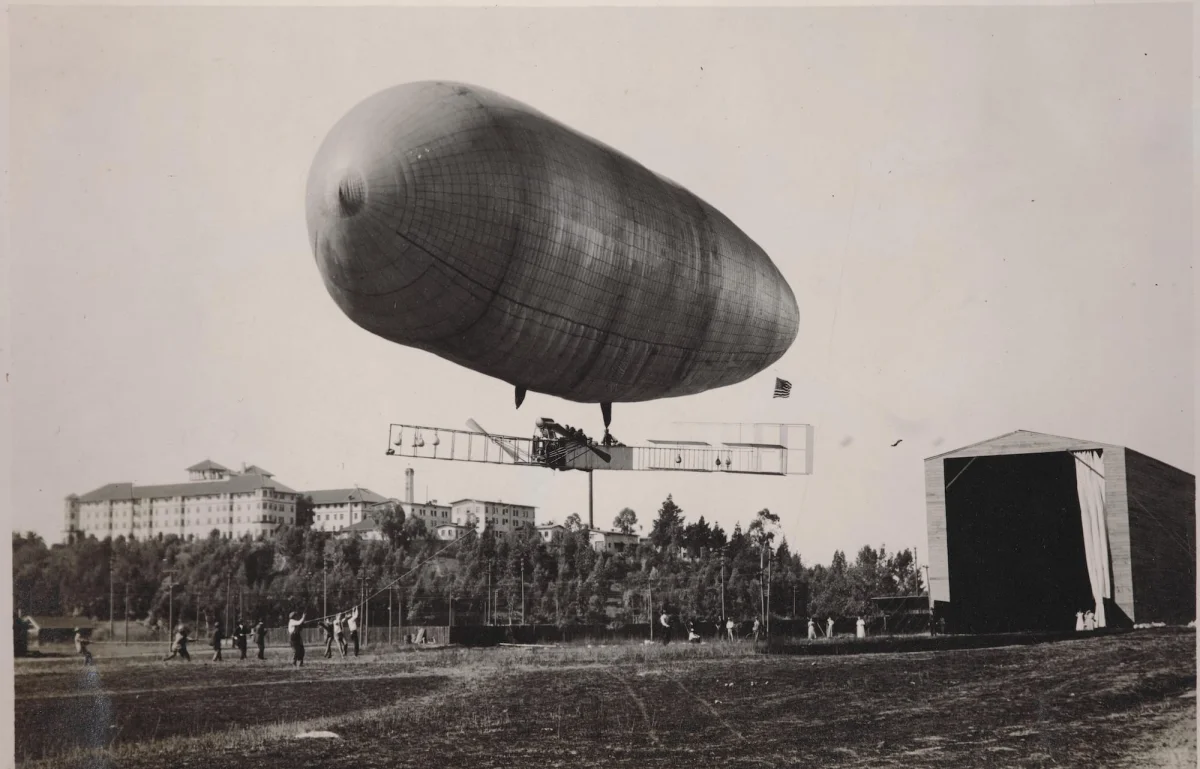
Science becomes visible in the tools and images people leave behind: a muscle rendered in color, a sequence of bodies in motion, a pilot beside her aircraft. Worlds Unfolding: Science on the Page brings those traces together in a five-volume survey of knowledge, drawing on The Huntington’s archives to follow inquiry from the 10th century to today.
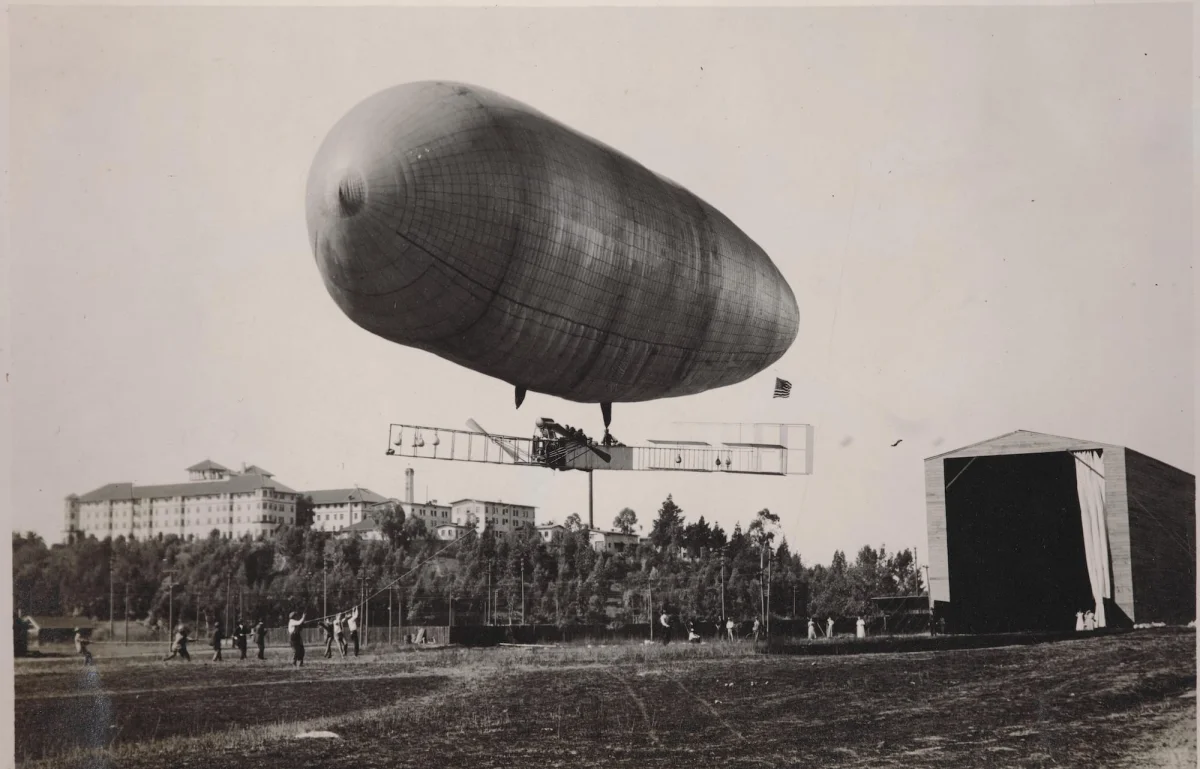
Published by Princeton University Press, the set contains more than 625 illustrations and has an introduction by engineer and PBS personality Bill Nye. Its subject is broad—natural history, medicine, electricity, geology, flight, space and technology—but the material offers a tangible way into that history. Rather than treating science as a string of abstract discoveries, the books put photographs, drawings, research papers and other archival objects in view.
Images that show how knowledge is made
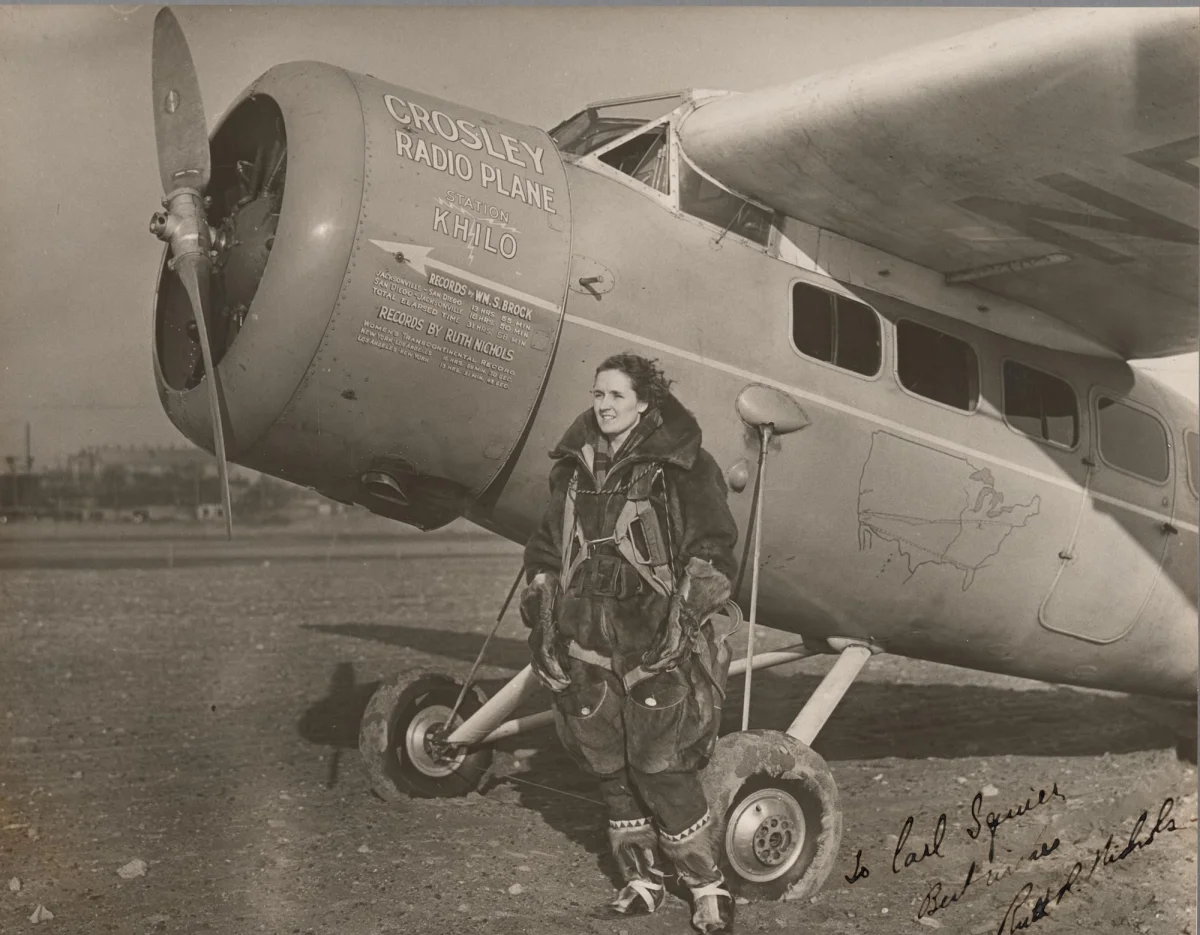
The collection’s visual range makes its central idea legible. A portrait of aviation pioneer Ruth Rowland Nichols beside her Lockheed Vega, made in 1931, carries both the presence of a person and the evidence of a technical culture. That same year, Nichols became the first woman to hold international records in altitude, speed and long distance at the same time. The image belongs to a story about flight, but it also shows how a single photograph can connect an individual achievement to a wider history of engineering.
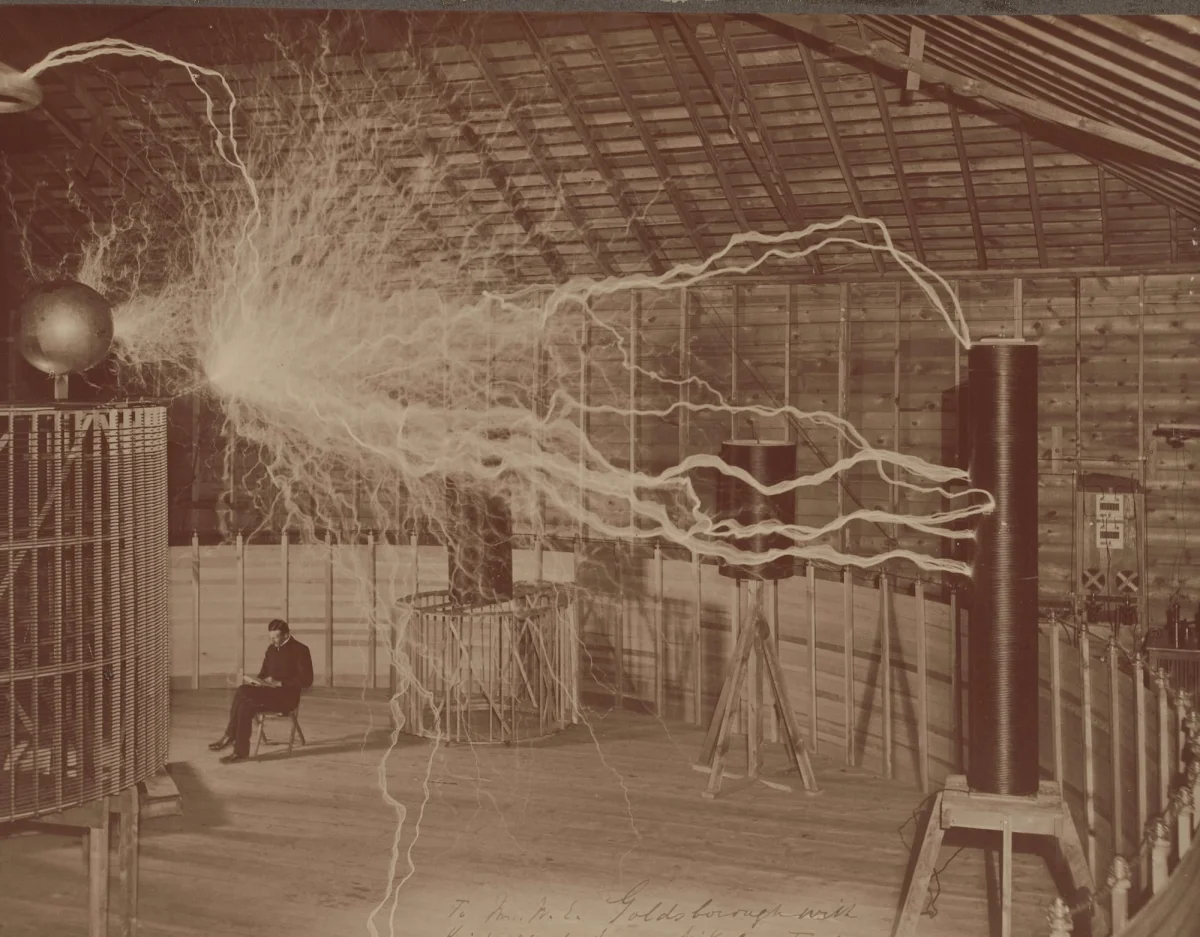
Dickenson V. Alley’s 1899 double exposure of Nikola Tesla at the Colorado Springs Experimental Station makes electricity feel almost theatrical: Tesla sits calmly as a coil sends currents through the frame. The photograph links a scientific setting to the visual imagination of its time, and it gives readers a striking record of an experiment in progress. The device at its center is Tesla’s namesake coil, a reminder that scientific instruments can become icons as well as working tools.
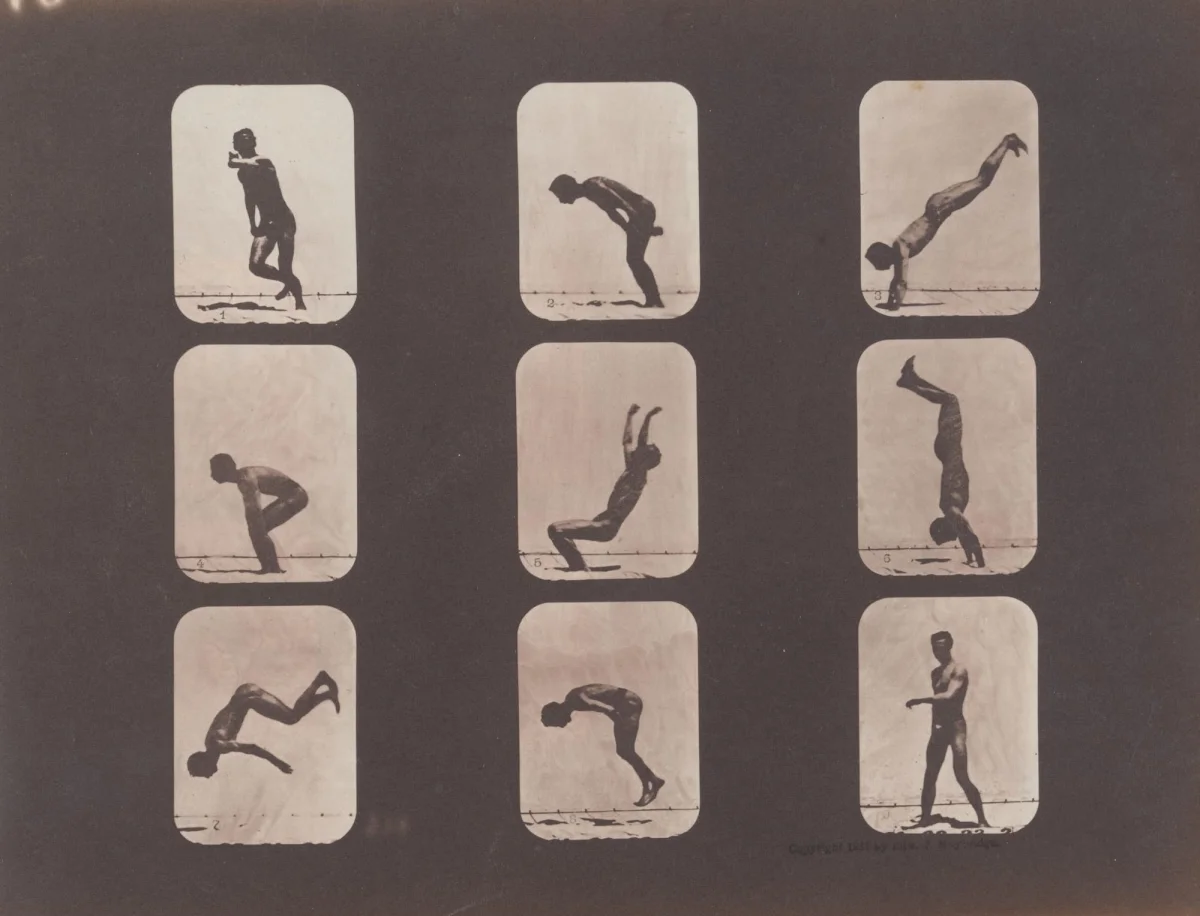
Other images show different ways of making the unseen or difficult to grasp more accessible. Eadweard Muybridge’s photographs of animals and people in motion break movement into a sequence of moments. The source describes his early work as the first use of photographic methods to record the passage of time in this way. Seen together, the frames turn motion into something that can be studied, compared and represented on a page.
From anatomy to the outer planets
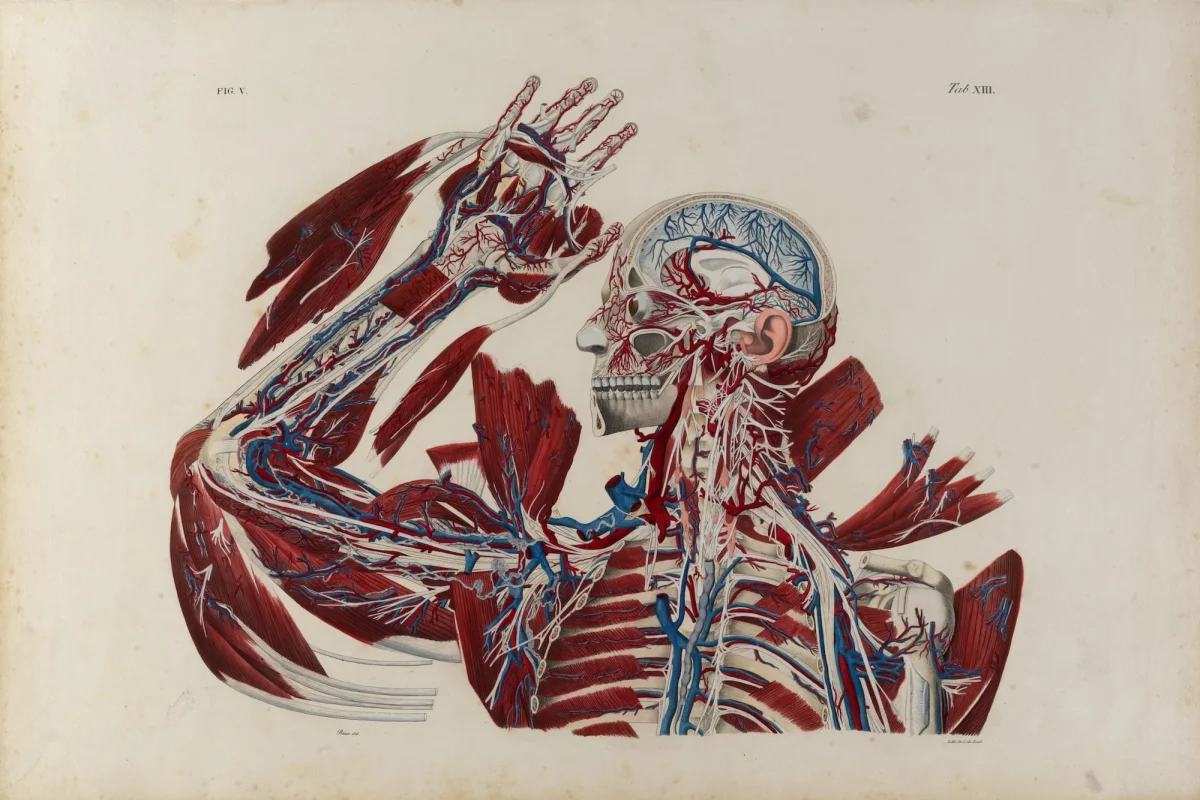
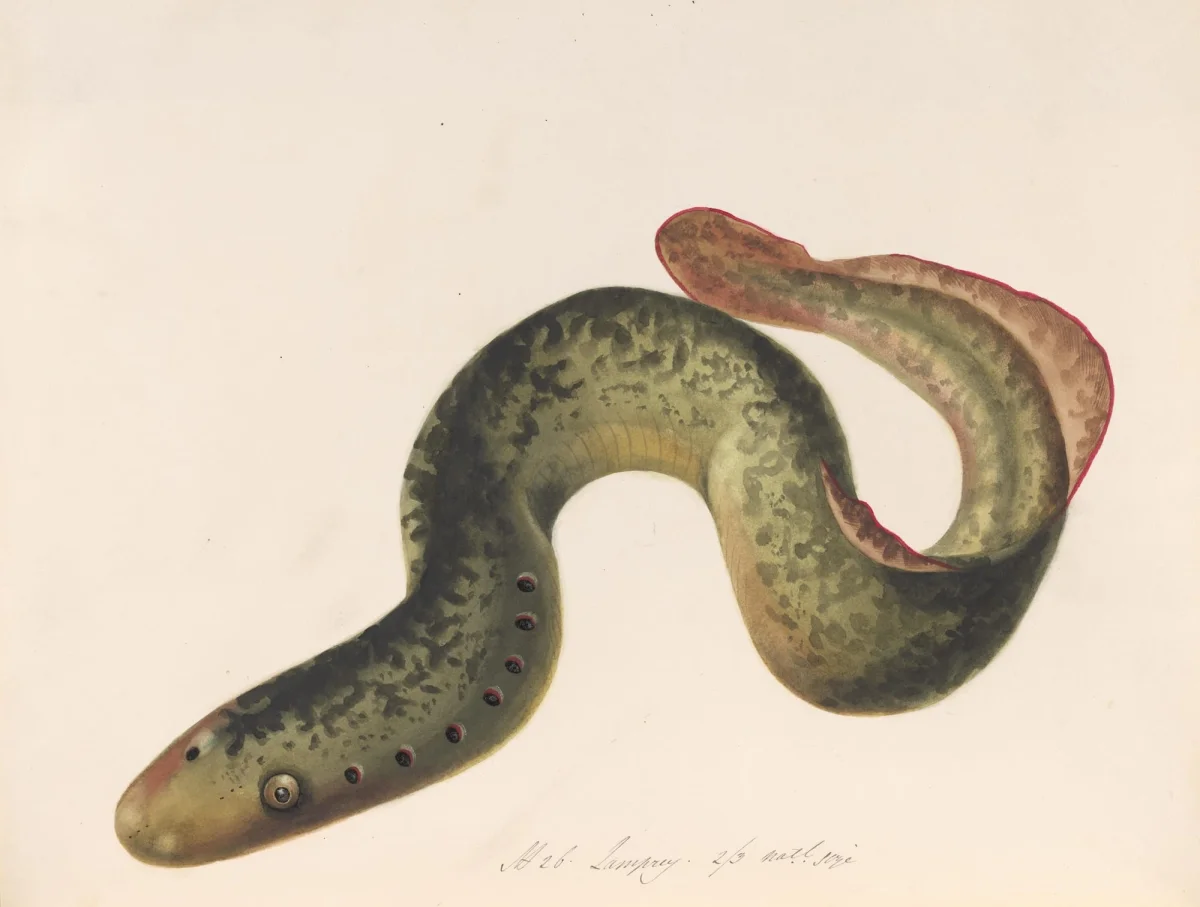
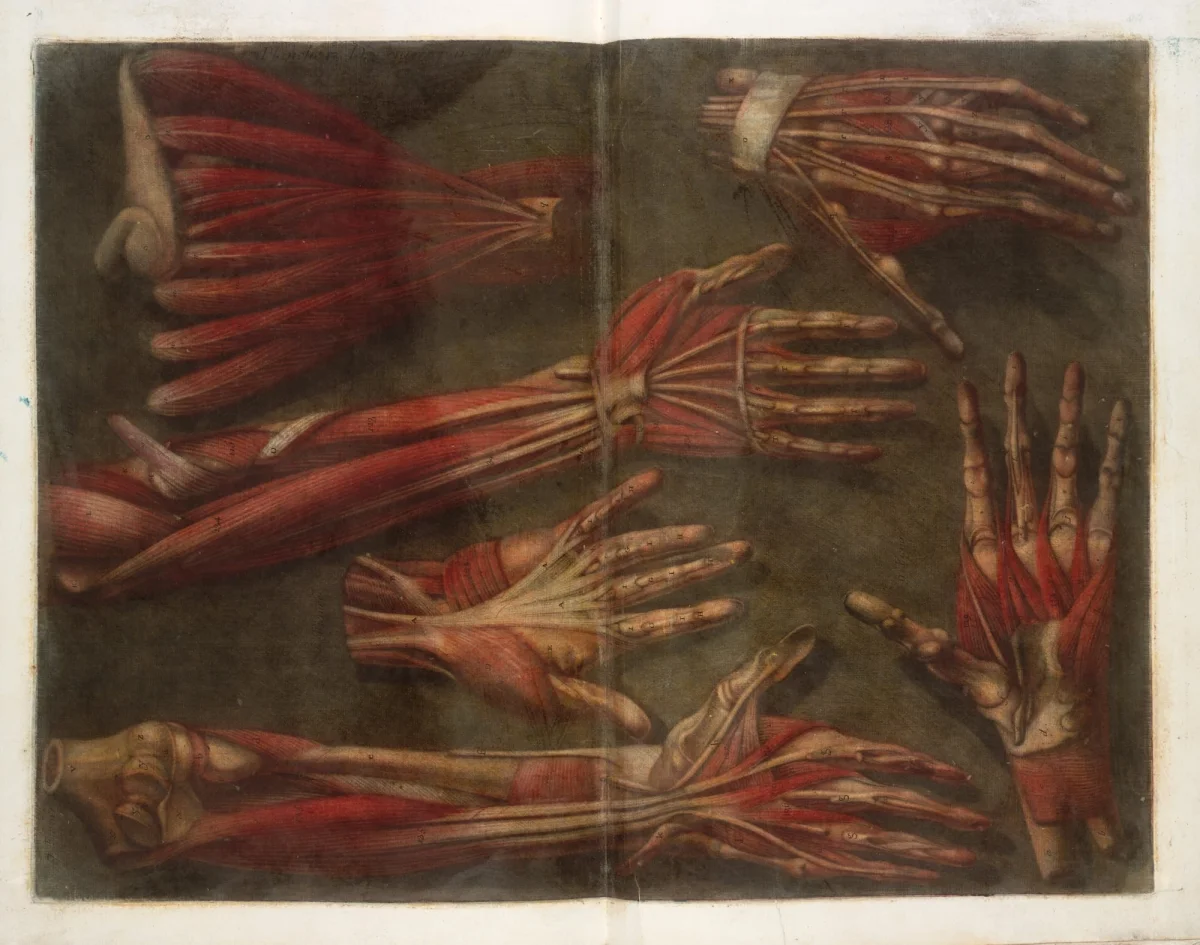
The historical span also puts different forms of observation side by side. Gautier D’Agoty’s mid-18th-century study of human musculature uses color and life-size depiction to present the body as a subject for close examination. Sarah Bowdich Lee’s illustration of an eel, from an 1828 book about Britain’s freshwater fish, belongs to a tradition of natural history that depends on careful depiction to distinguish and share what has been observed.
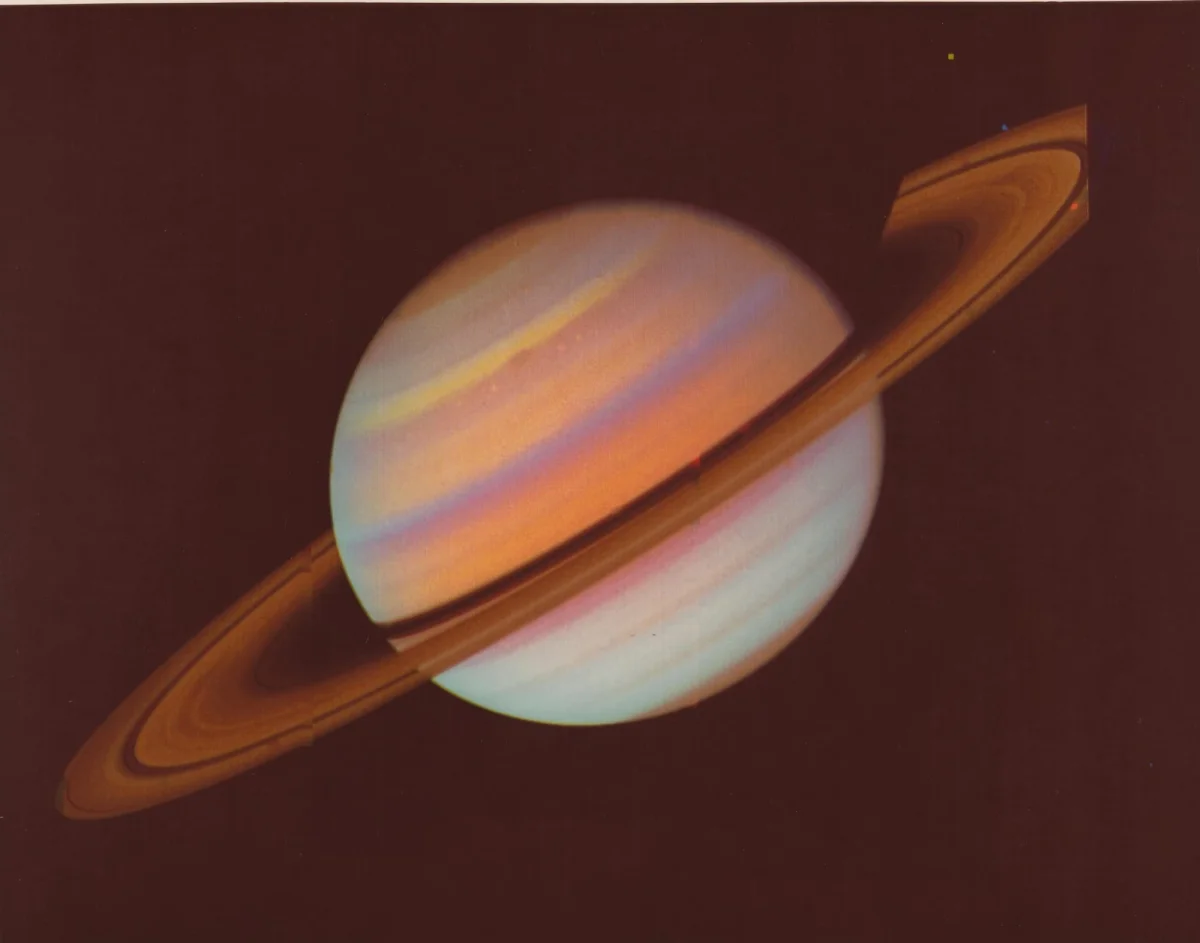
At the other end of the collection’s range, a color-enhanced image of Saturn’s Northern Temperate Belt was taken by Voyager 1 in 1980. Its presence alongside anatomical plates and fish illustrations suggests a useful throughline: each image is shaped by the means available to observe and communicate a subject. A book illustration, a photographic sequence and a spacecraft image don’t explain science in the same way, but each lets readers inspect evidence that would otherwise be difficult to encounter directly.
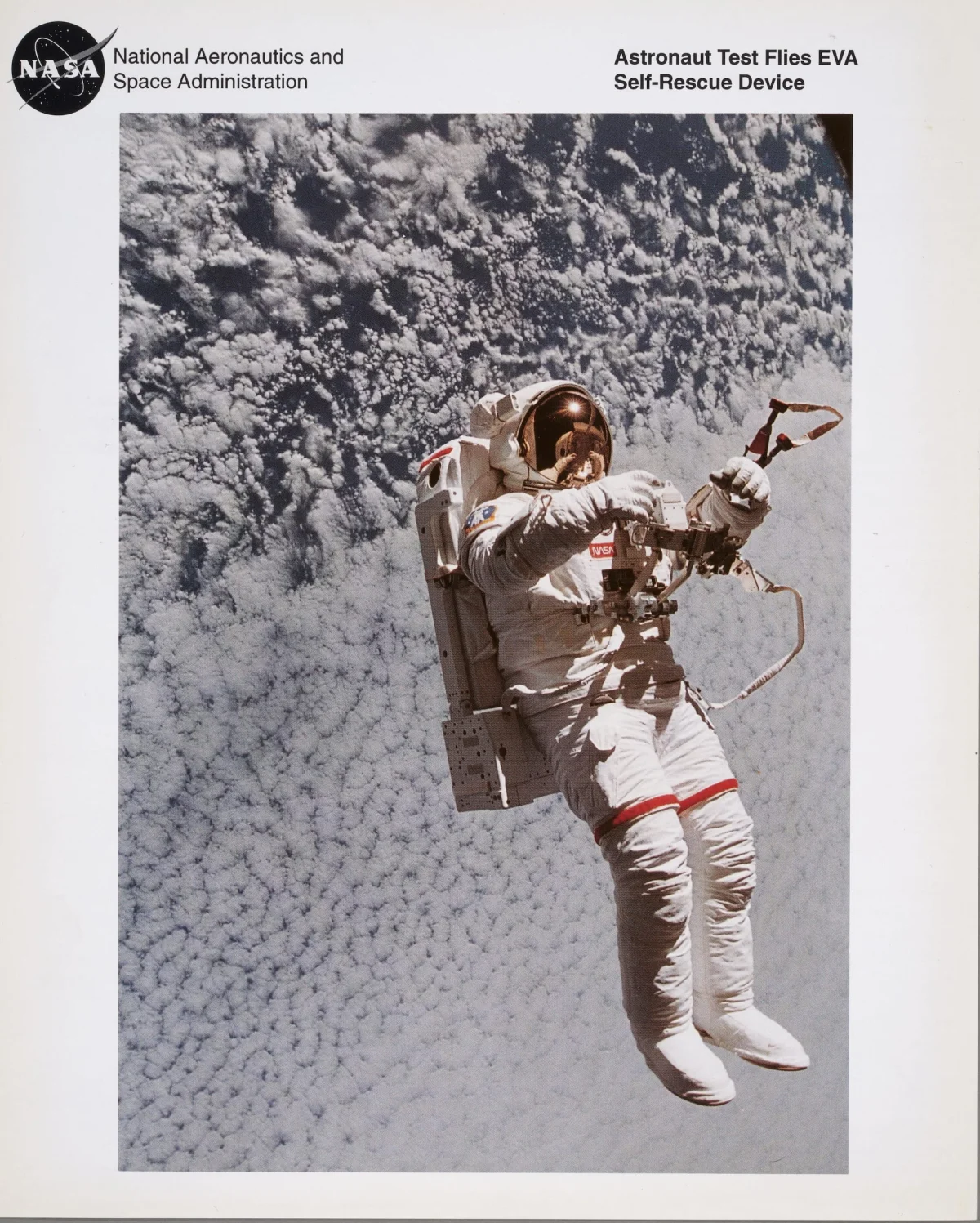
The set also reaches into spaceflight through a photograph of an astronaut testing a self-rescue device. Together, these objects show science not just as accumulated knowledge but as a record of methods: drawing, photographing, measuring and building. That makes the archive relevant to visual practitioners, too. It offers examples of how image-making can clarify a complex subject, preserve a moment of experimentation or shape a viewer’s sense of scale.
A five-volume archive in book form
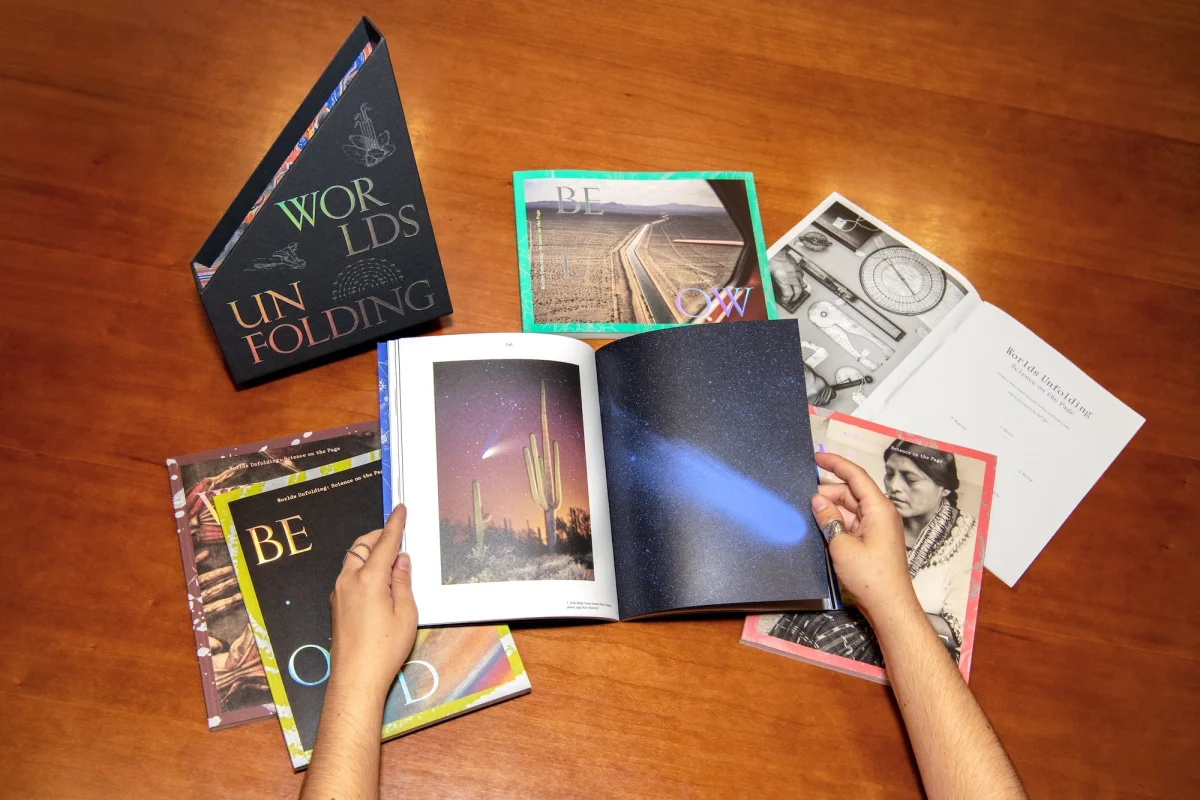
Compiled by Jennifer A. Watts, Daniel Lewis, Joel A. Klein and Natalie Lawler, Worlds Unfolding is divided into five volumes: Above, Below, Within, Beyond and Alive. The books come together in a slipcase, a format that gives the expansive collection a clear physical structure. Its organizing idea is the long, uneven process of inquiry: observation and experiment, mistaken impressions and advances, all preserved across centuries of documents.
Worlds Unfolding is scheduled for release on October 10. Readers can find the book through Bookshop. For designers, the archive’s lasting appeal may be its range of visual strategies: the precise plate, the staged portrait, the sequential photograph and the remote view from space. Each offers a different way to make knowledge visible.
| Rev | Description | Date |
|---|---|---|
| A | Issued for reading | |
| B | Viewed 793 times | Current |


