KARST Berlin Brings Precise Joinery and Warm Material Palettes to Interior Design
- Project
- UX & UI Design
- Drawn by
- Anna Dorothea Ker
- Issued
- Sheet
- A-186
Julien Budnik and Ricarda Sophie Lorenz unite bespoke carpentry with layered interiors, hand-selected timber and a clear design point of view.
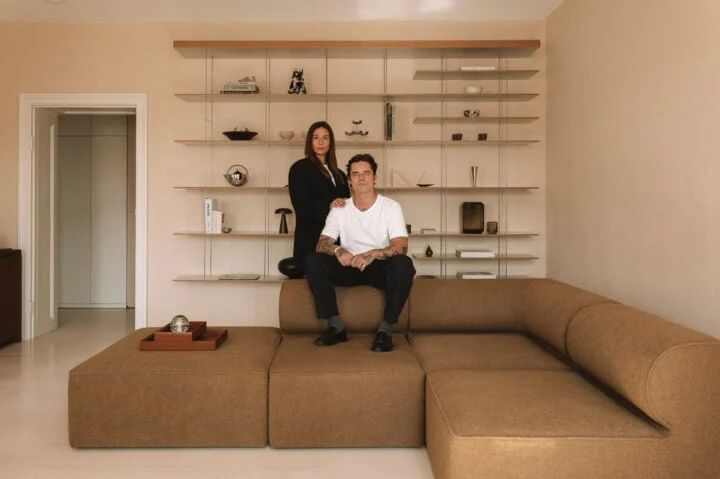
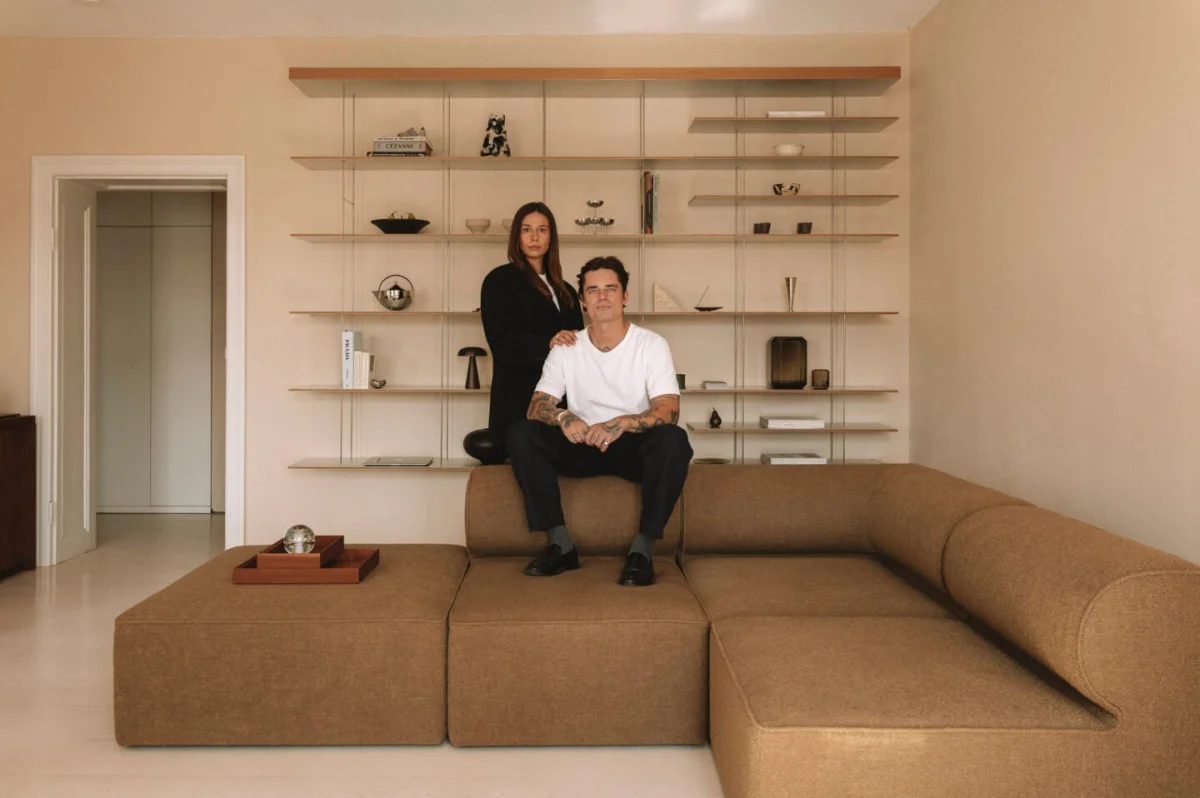
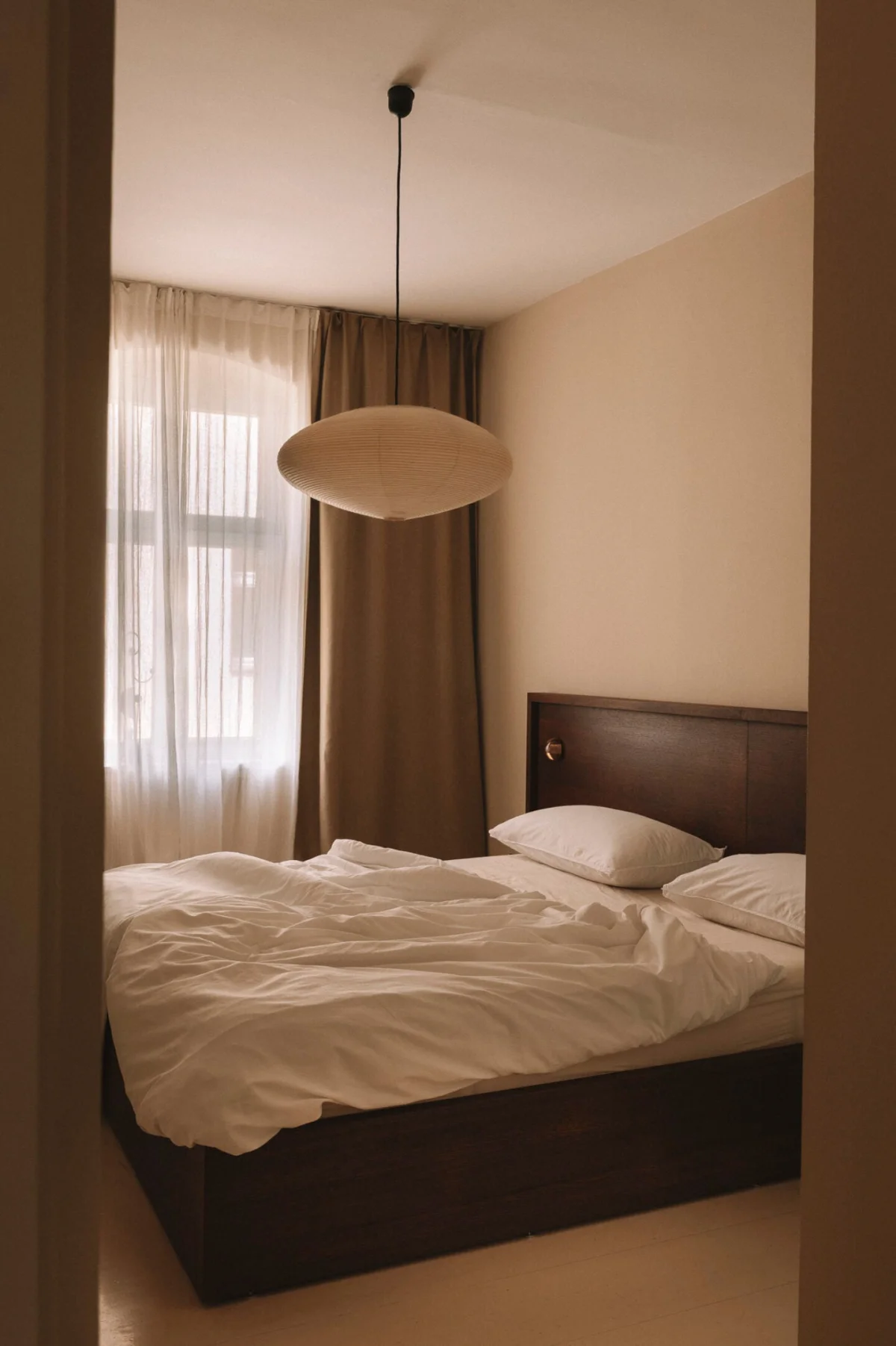
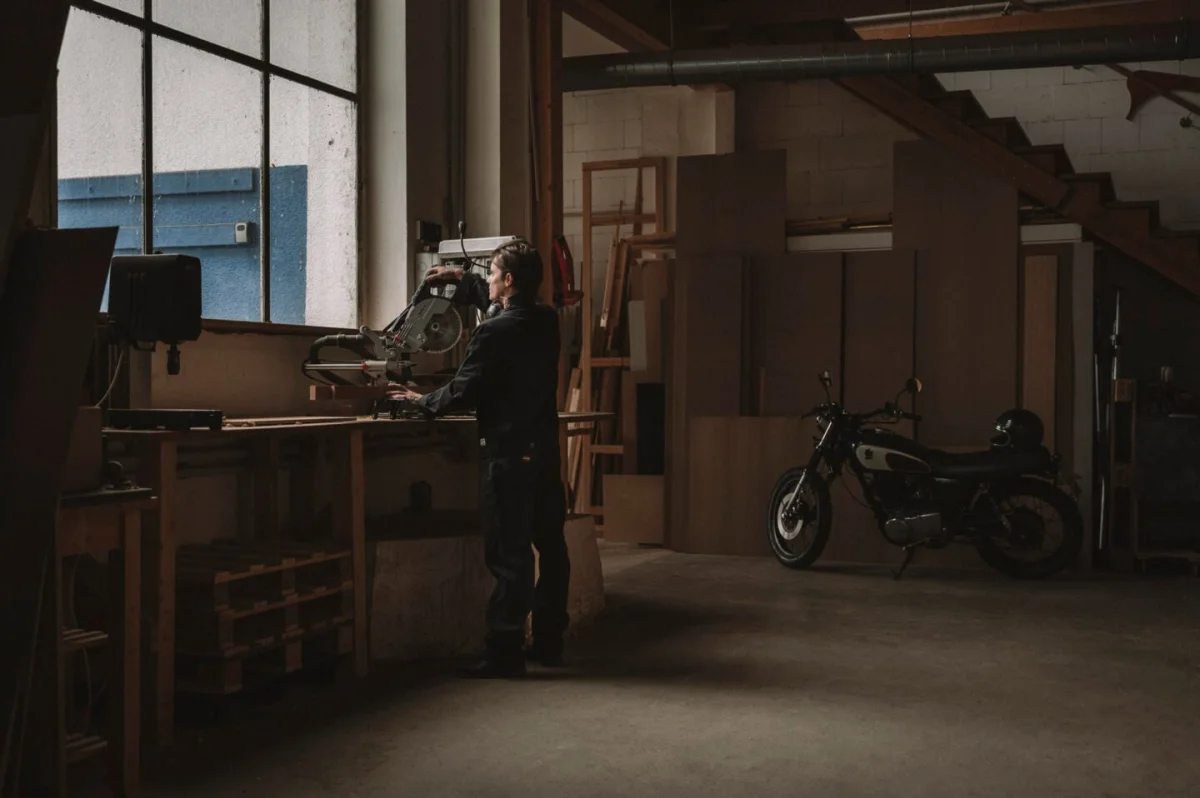
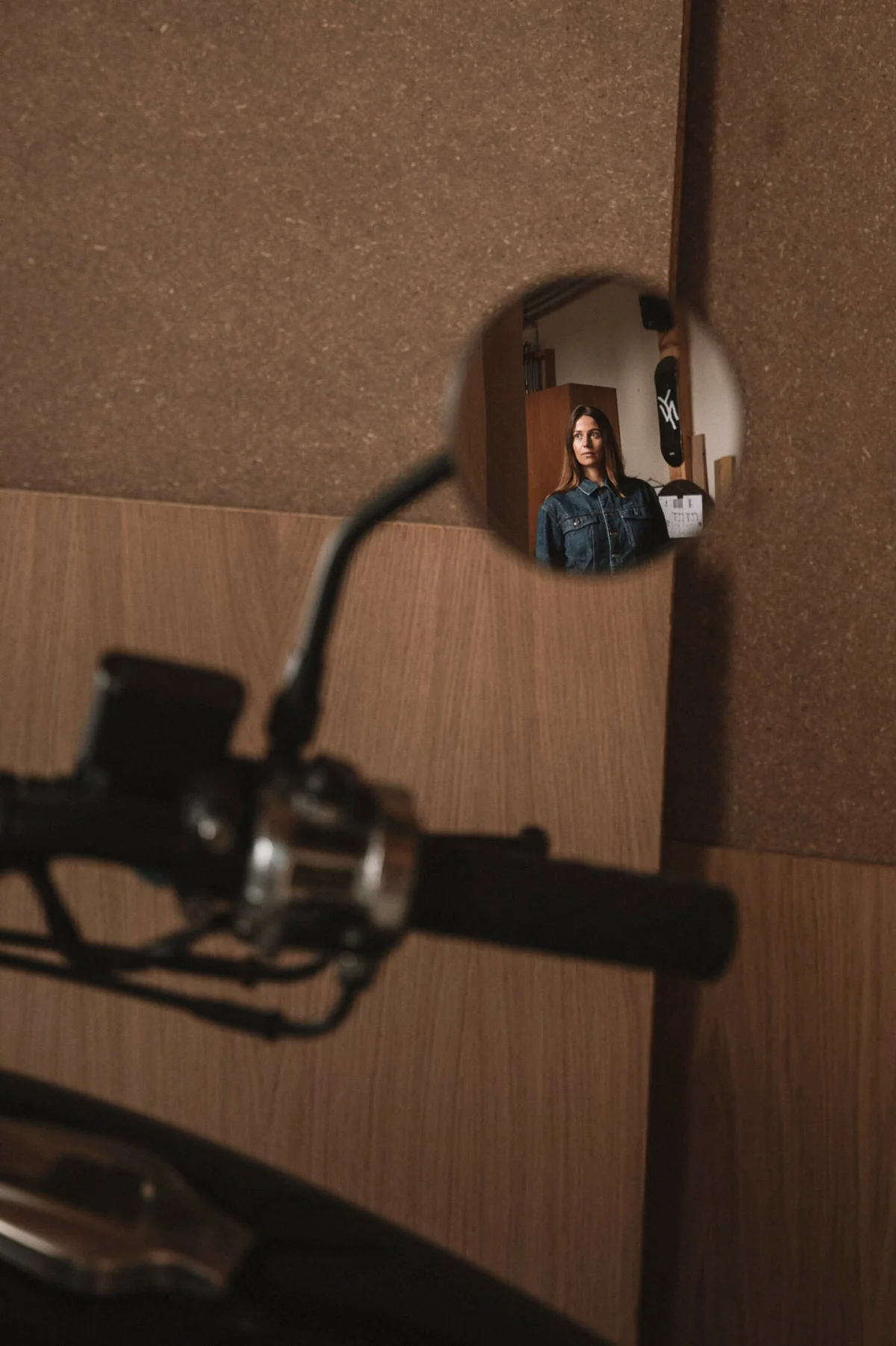
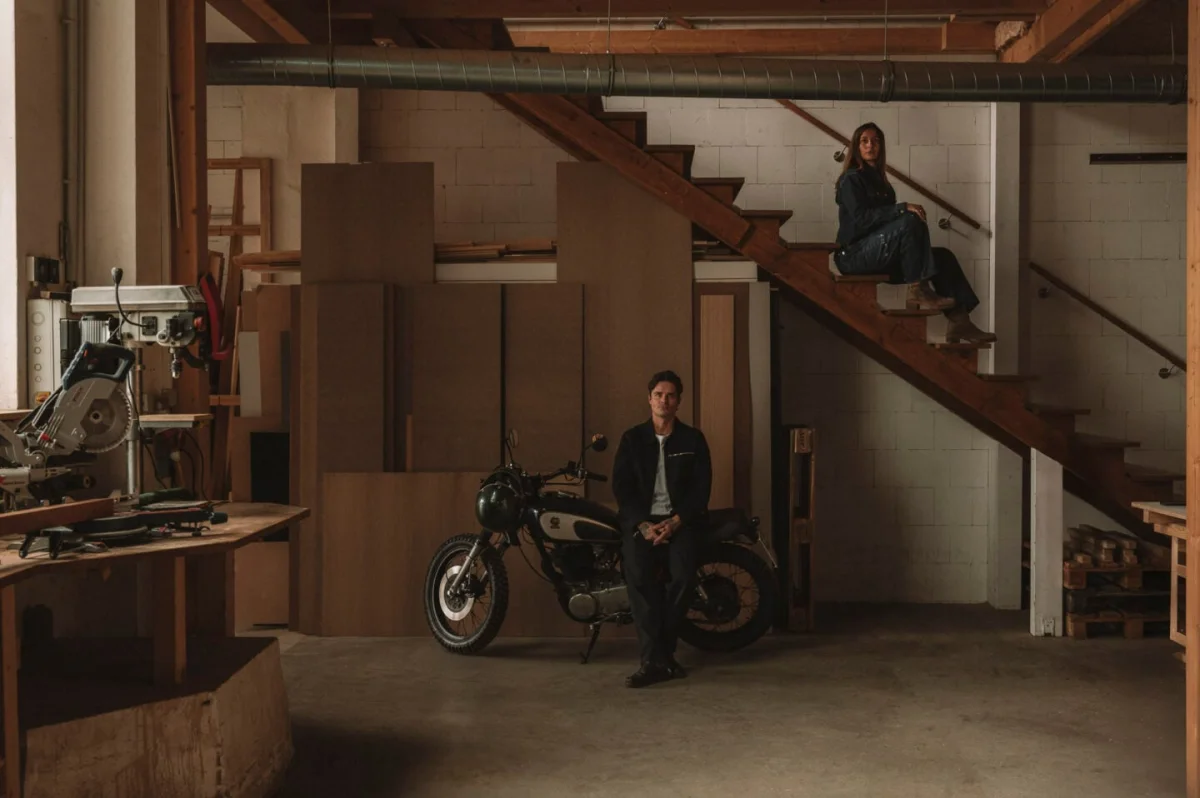
KARST’s rooms feel warm and composed because their details work together: fine-grained timber, taut lines, balanced proportions and rounded edges. In Berlin, master carpenter Julien Budnik and interior designer Ricarda Sophie Lorenz bring furniture making and interior design into one continuous process, carrying a project from early ideas through fabrication and installation. The result is a practice where the quality of execution is part of the design itself.
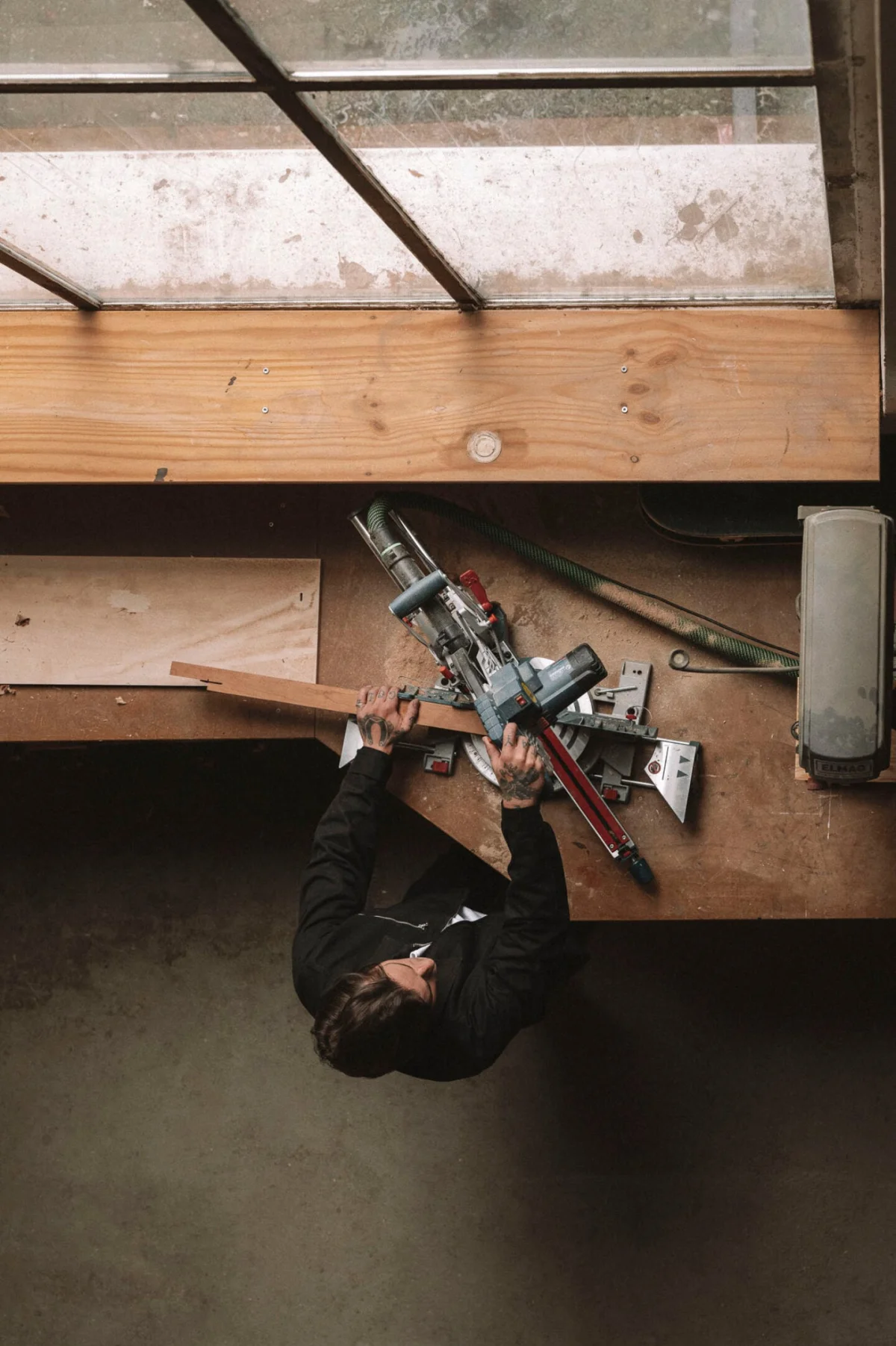
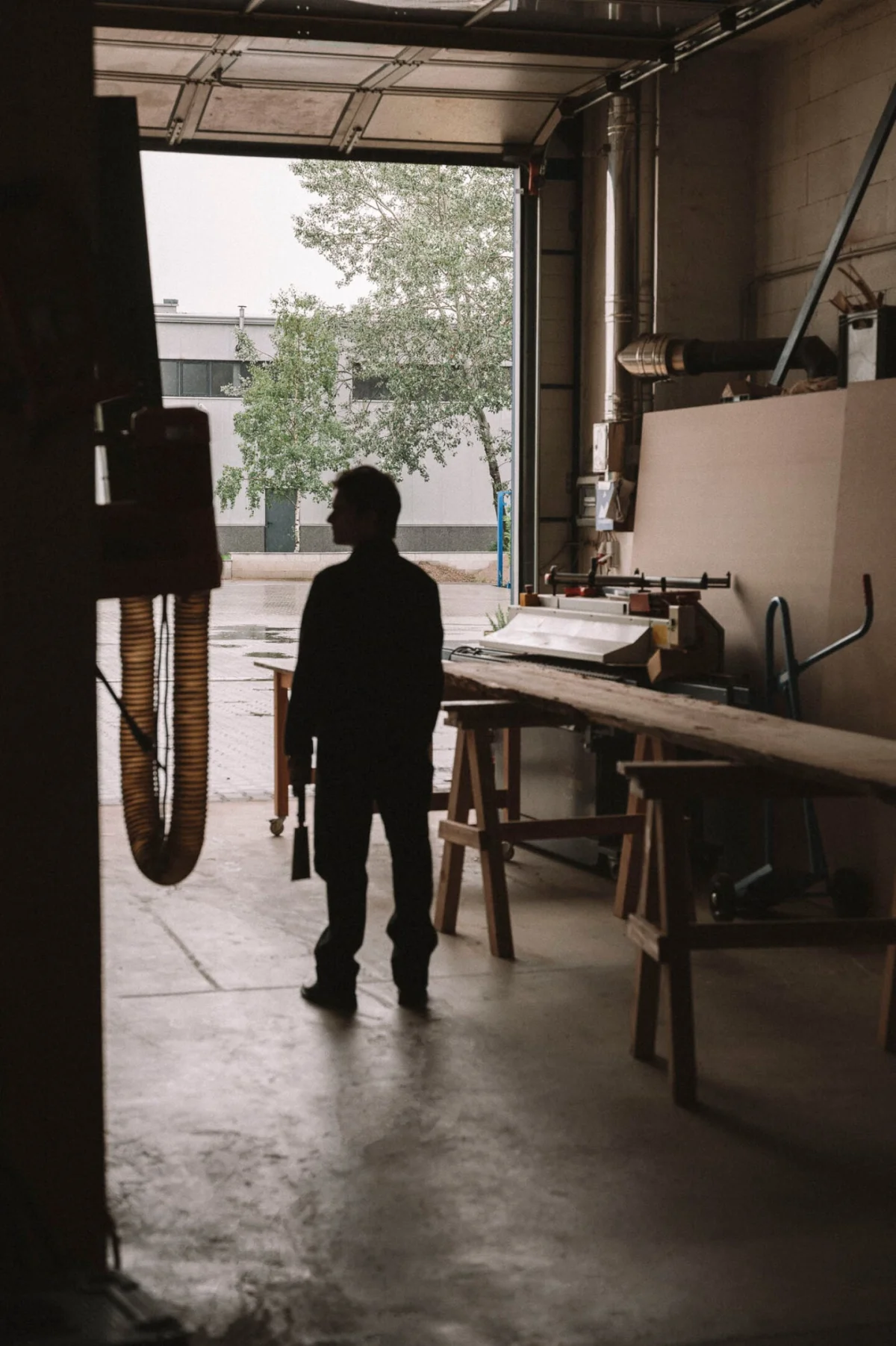
The studio takes its name from a blend of “carpentry,” with a K, and “studio.” Budnik brings more than sixteen years of experience in traditional joinery and veneering. Lorenz developed her eye for material, proportion and color while working in fashion. Weekend furniture and installation projects for their own apartment gradually became a shared practice. “Over time, it evolved into a symbiosis,” Lorenz says.
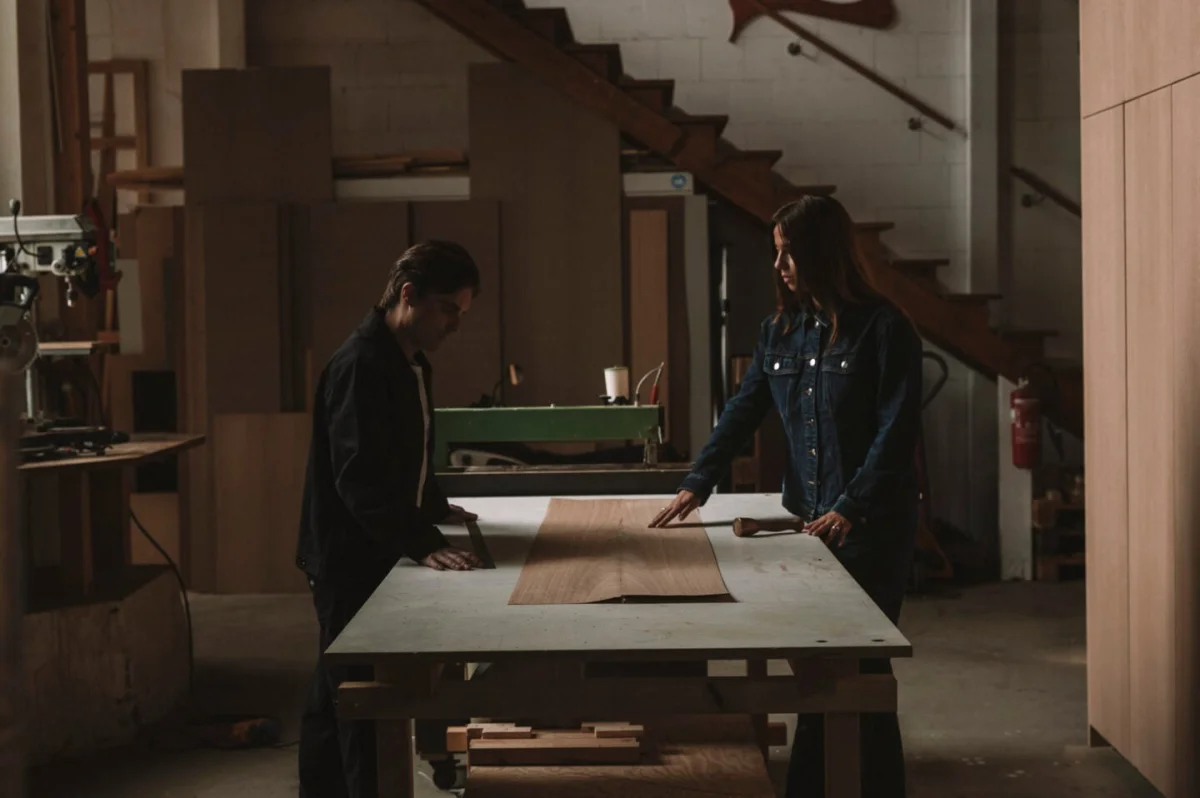
They didn’t set out to run a conventional woodshop. Budnik says they wanted to connect craft with a distinct design sensibility and contribute ideas to clients’ projects. Their in-house approach keeps concept, making and installation together, helping the finished work retain the original design intent. That continuity also gives the pair a chance to resolve details closely, from the choice of veneer to the fit of a door.

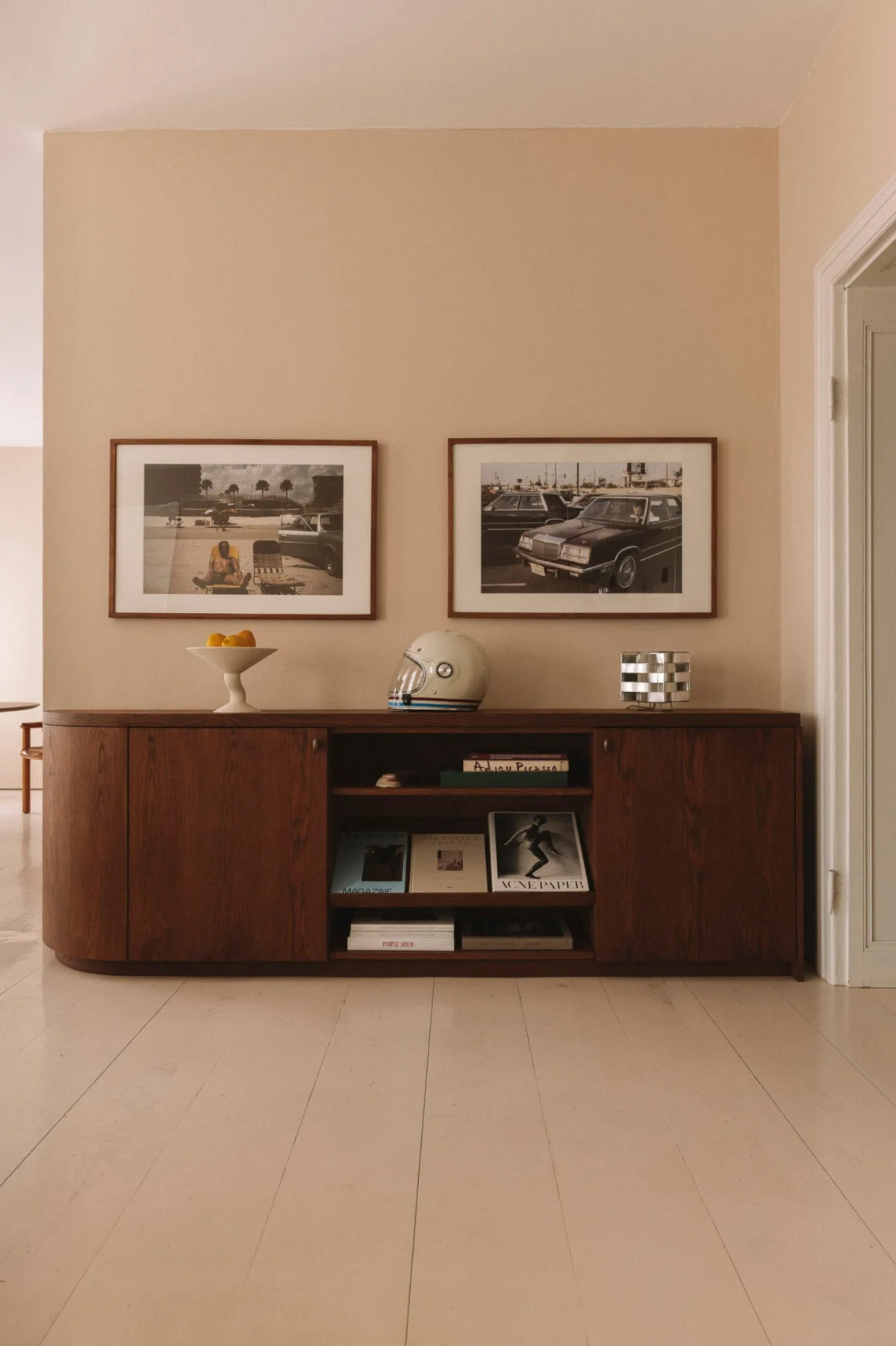
Start with the space and the timber
Each commission begins with the place: its history, orientation, proportions and atmosphere. The brief may come through an architect or directly from a client. Lorenz and Budnik learn how people use a room and what they respond to, then develop those preferences into a considered proposal. A client who can point to a favorite wood or describe a direction gives them useful material to work with. The most satisfying collaborations, Lorenz says, come from a shared interest in details such as a curve, a veneer or a door.
A kitchen for Berlin architects Studio Mara, led by Mirjam Danke and Olaf Schulz, put that method into practice. Designed for the architects’ Mitte studio and showroom, it pairs warm oak with curved recessed handles and a polished stone counter. The restrained composition echoes the clarity of the room while giving the carpentry its own presence. Lorenz singles out the veneering, doors and technical execution as places where Budnik’s skill became especially apparent.
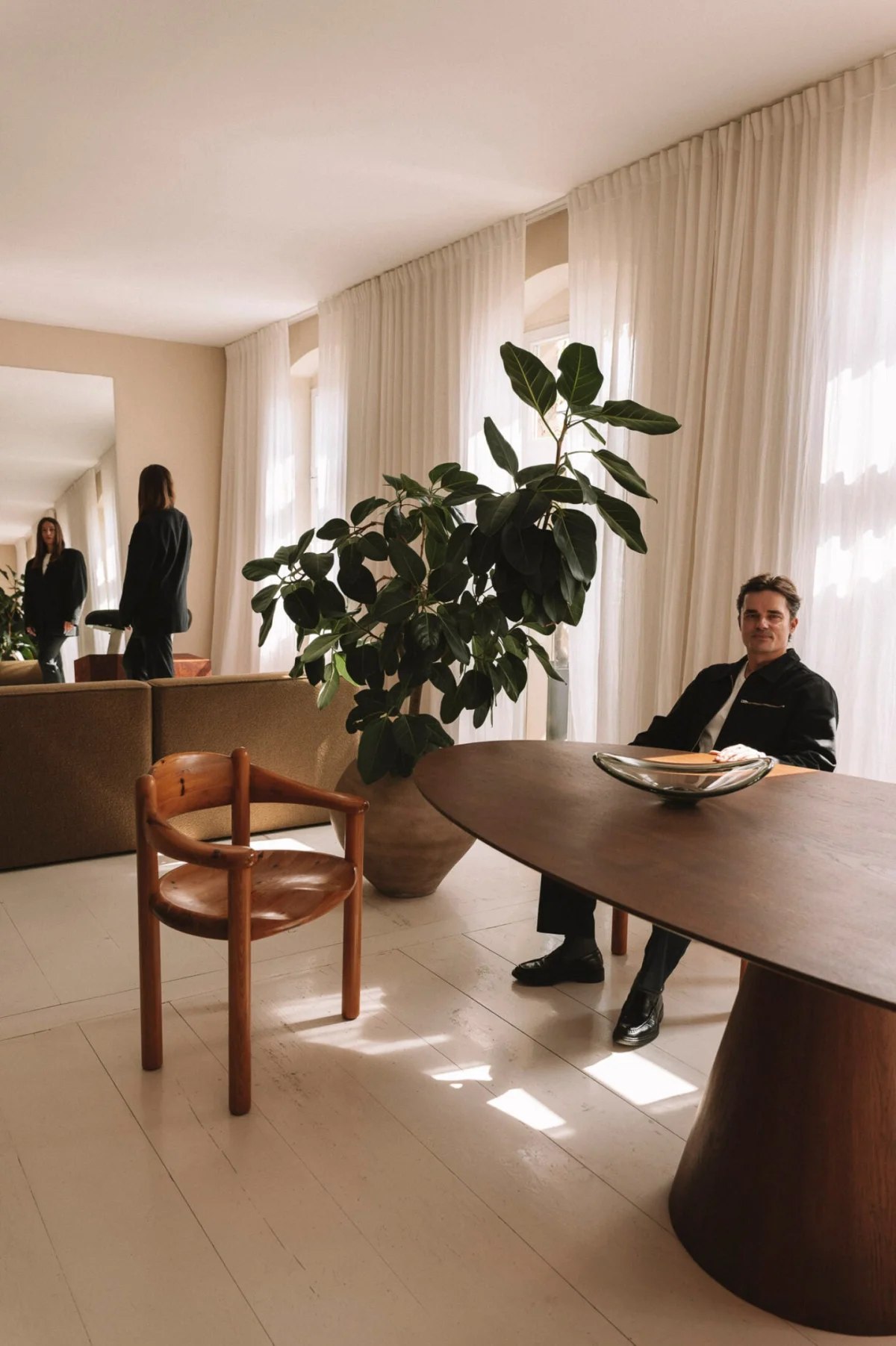
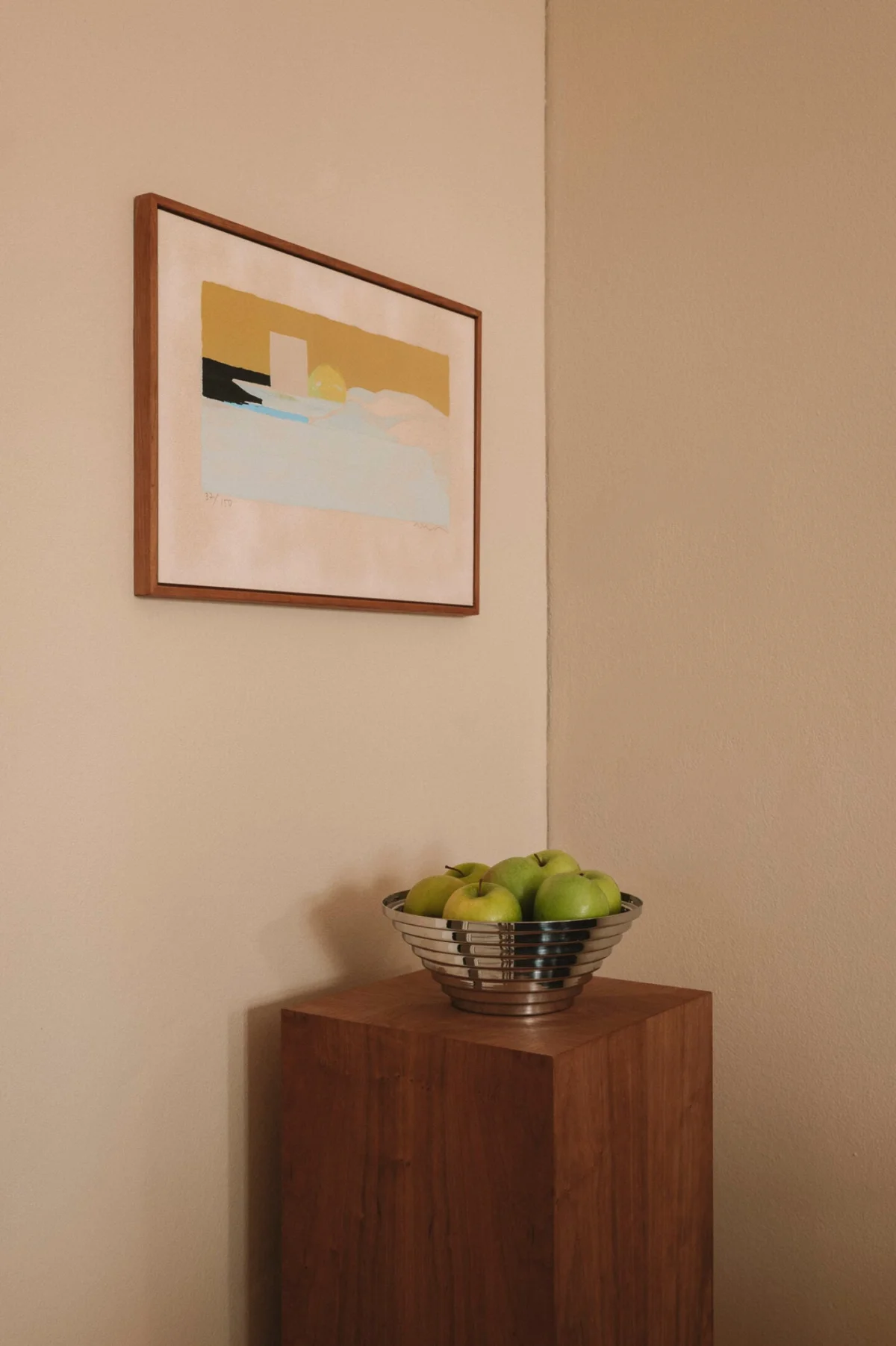
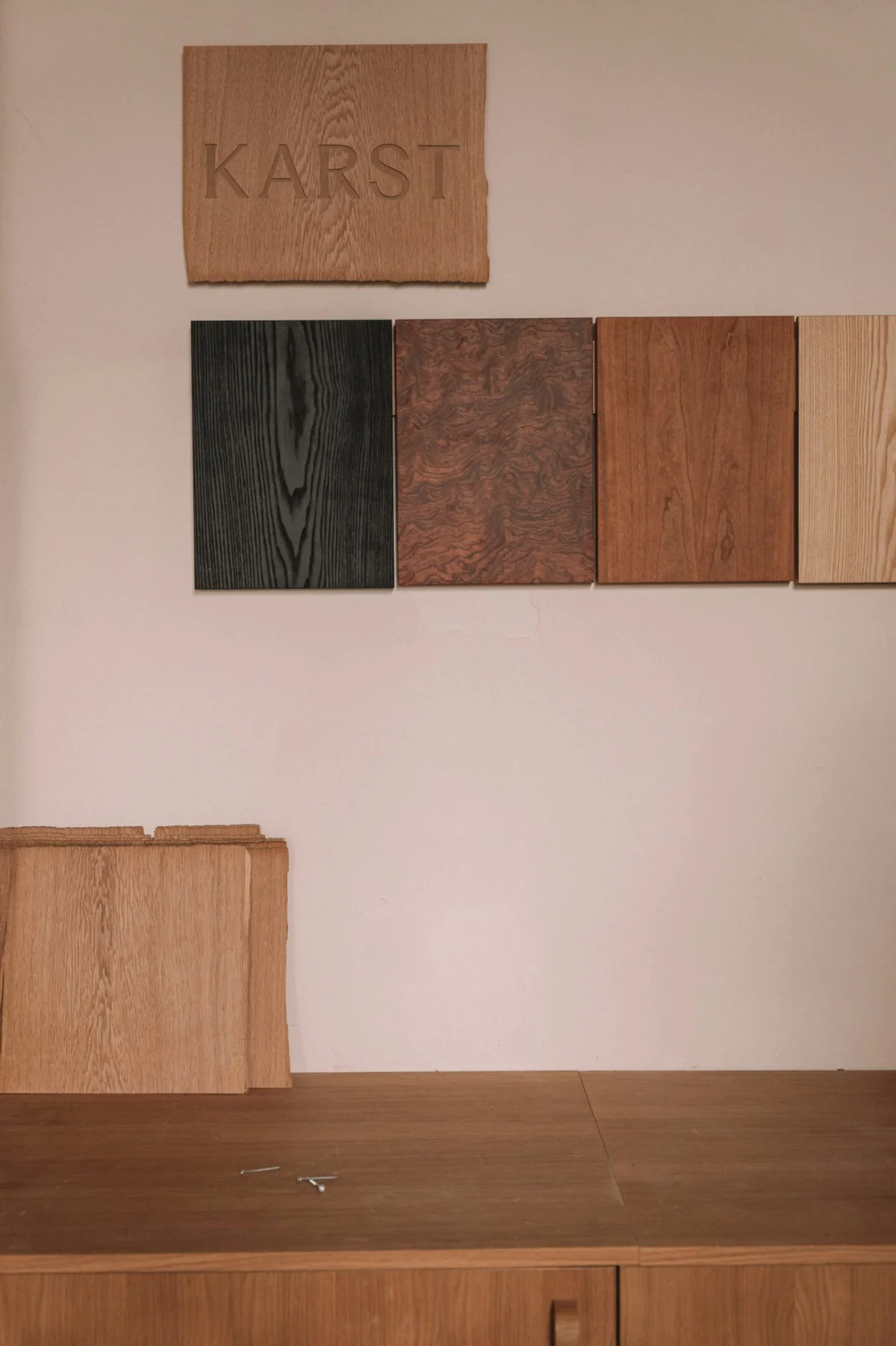
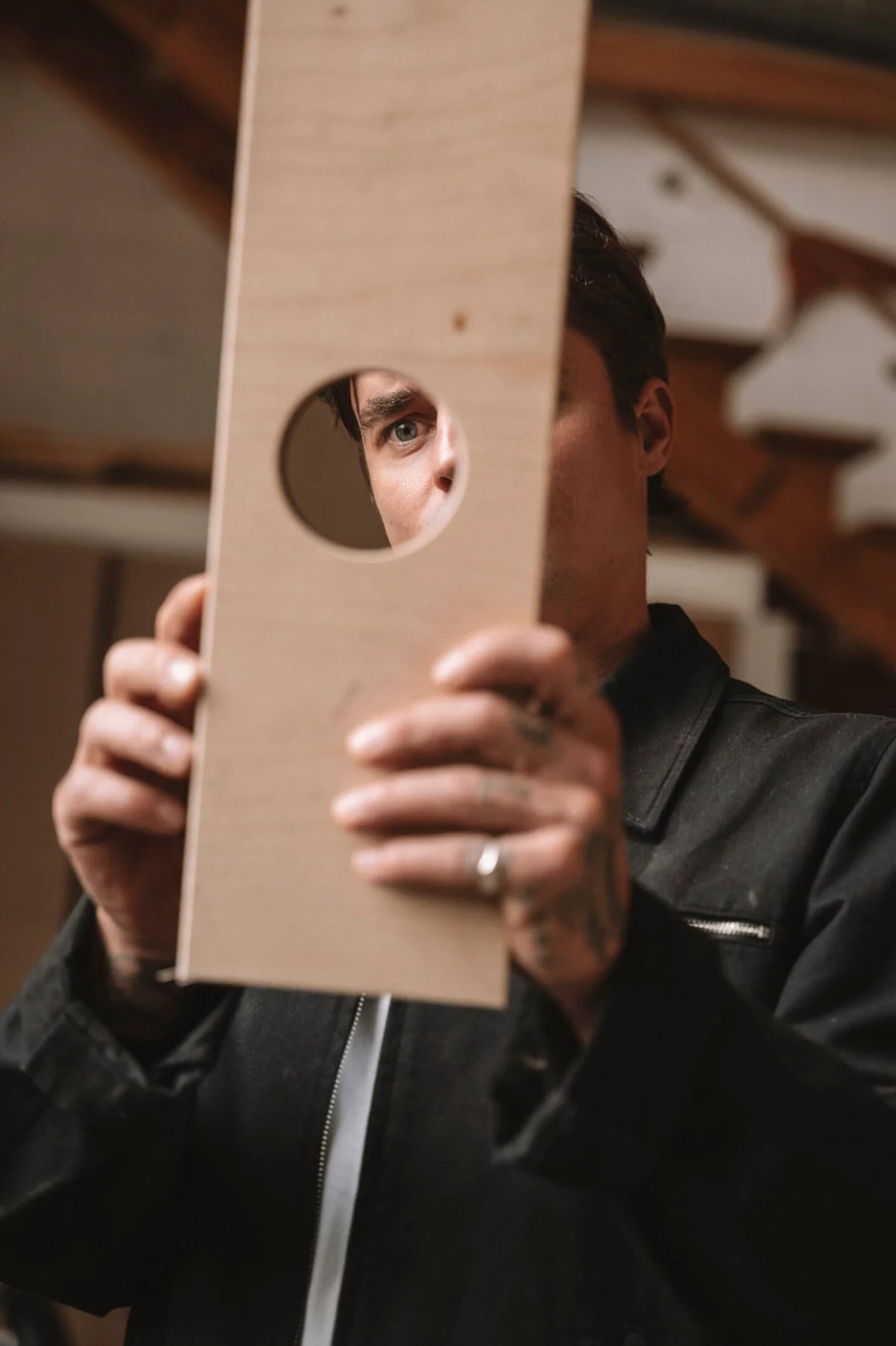
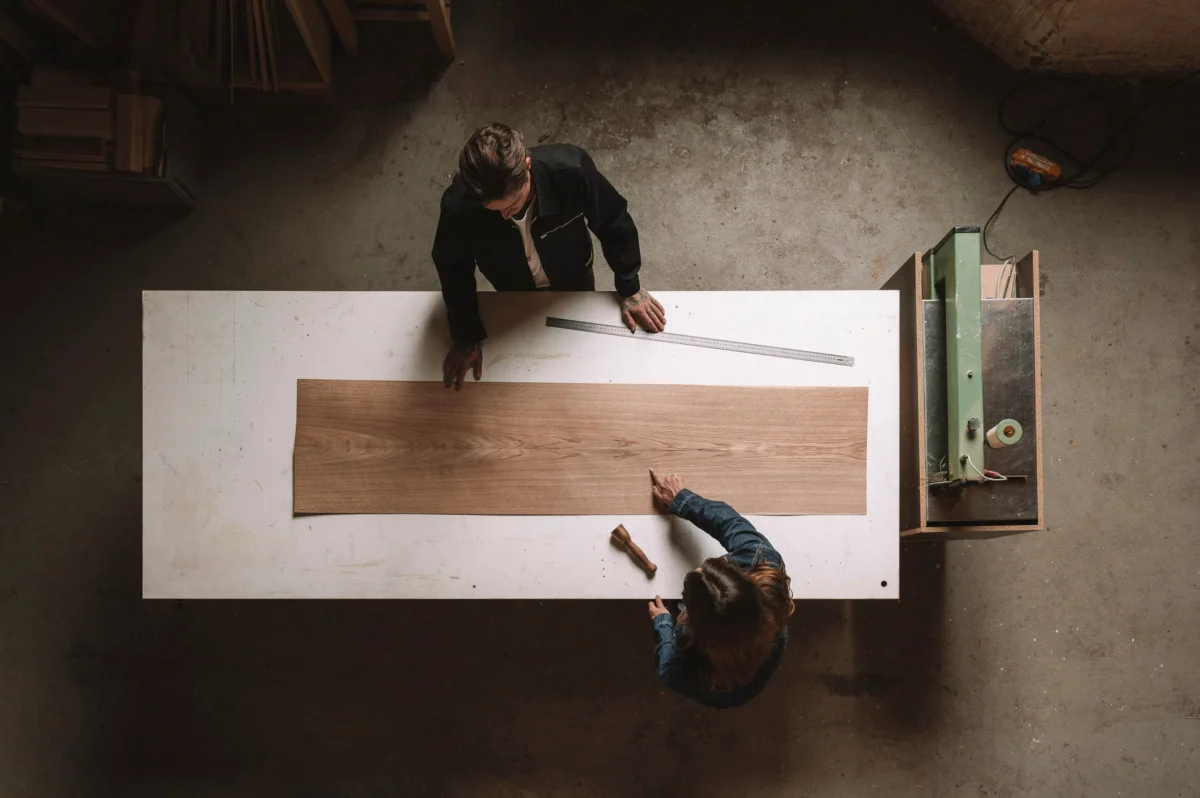
Wood anchors KARST’s material palettes. Budnik often chooses oak, cherry and ash for their grain and natural character; knots and irregularities enter when they suit the concept. The studio buys what a project calls for instead of building up bulk stock. Budnik visits lumberyards to select veneer sheets by hand, giving the team direct oversight of quality and provenance. They source from FSC-certified suppliers that they describe as deforestation-free, and value long-standing relationships with those suppliers.
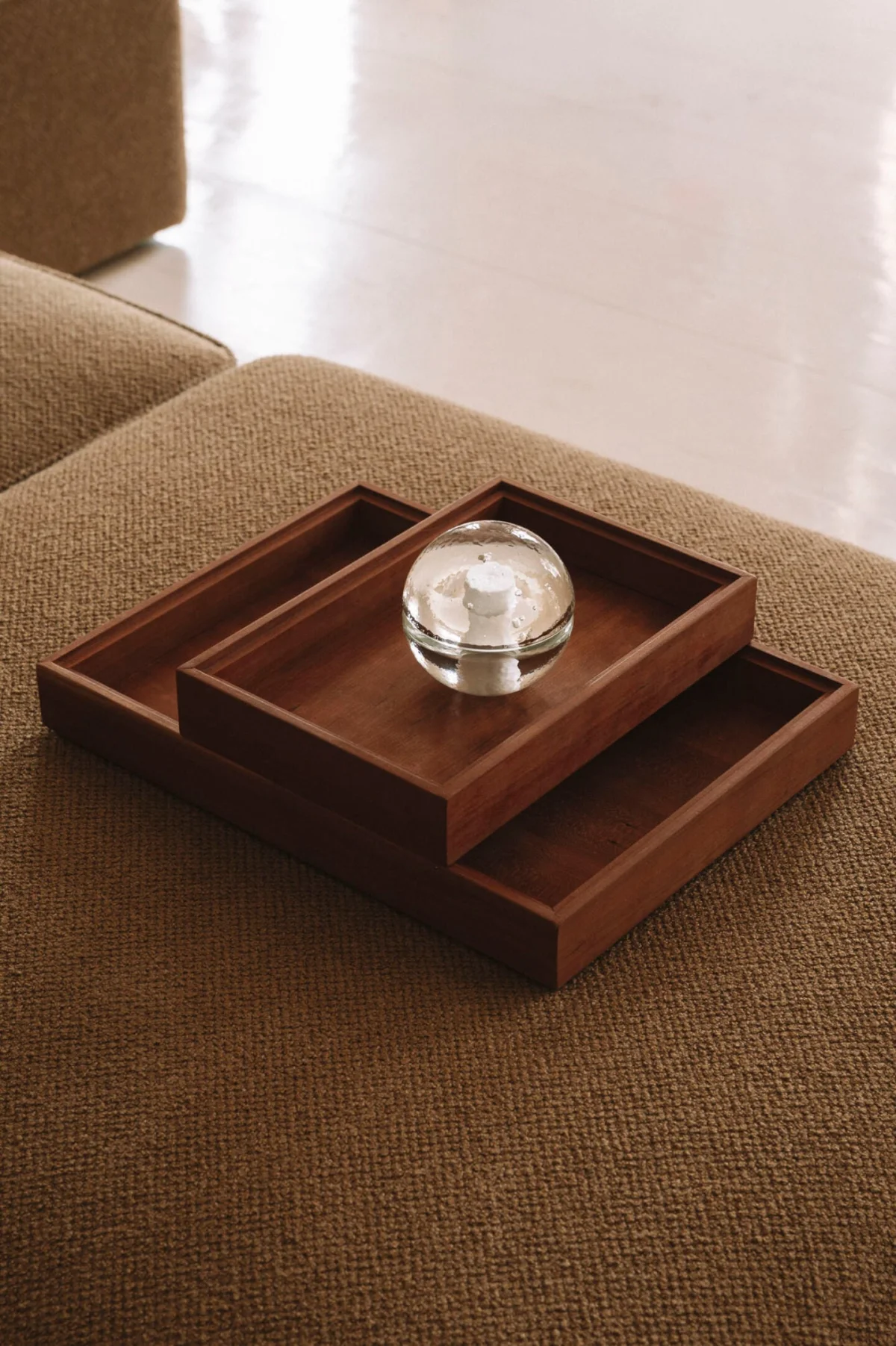
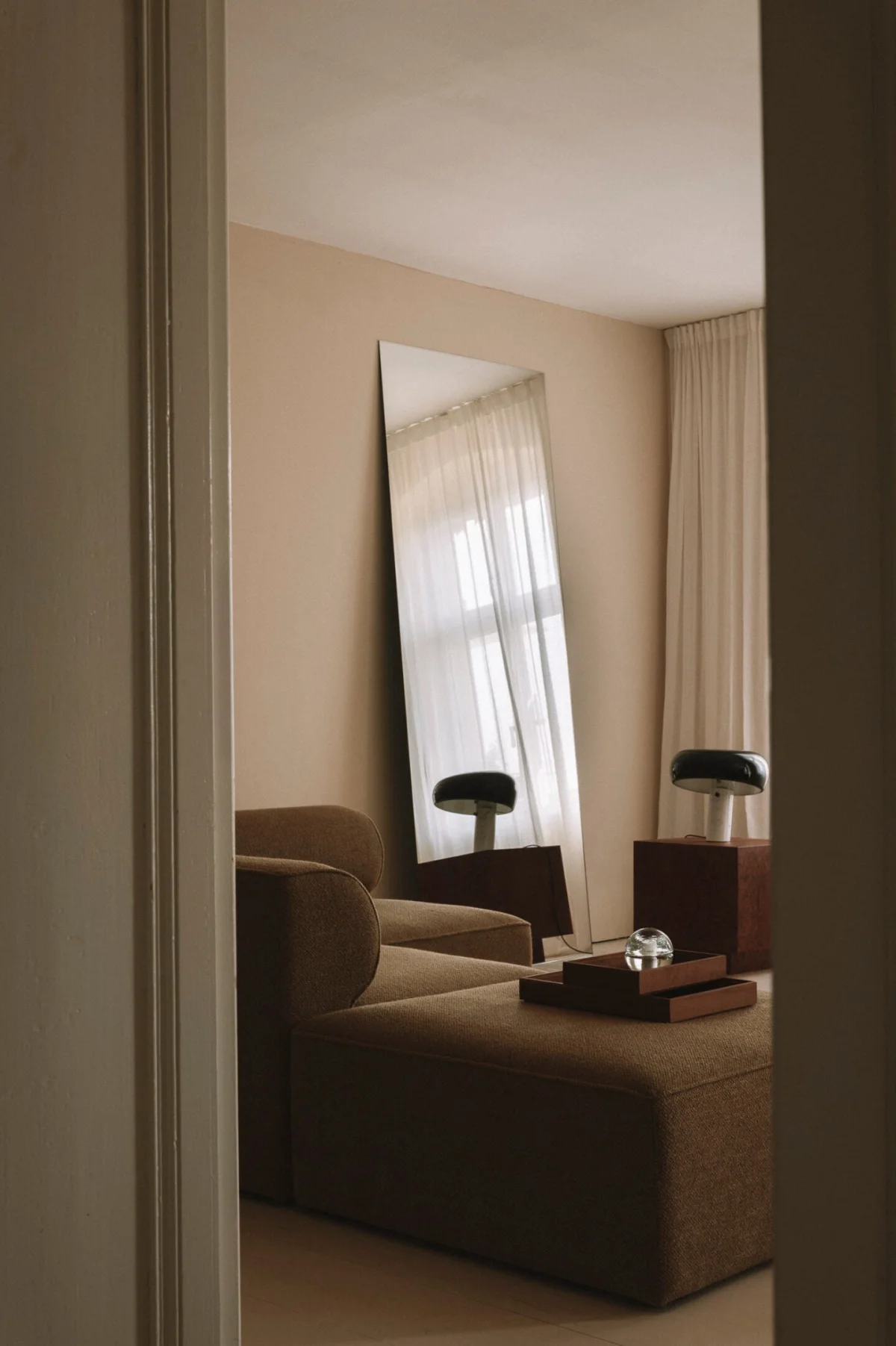
From veneered panels to layered rooms
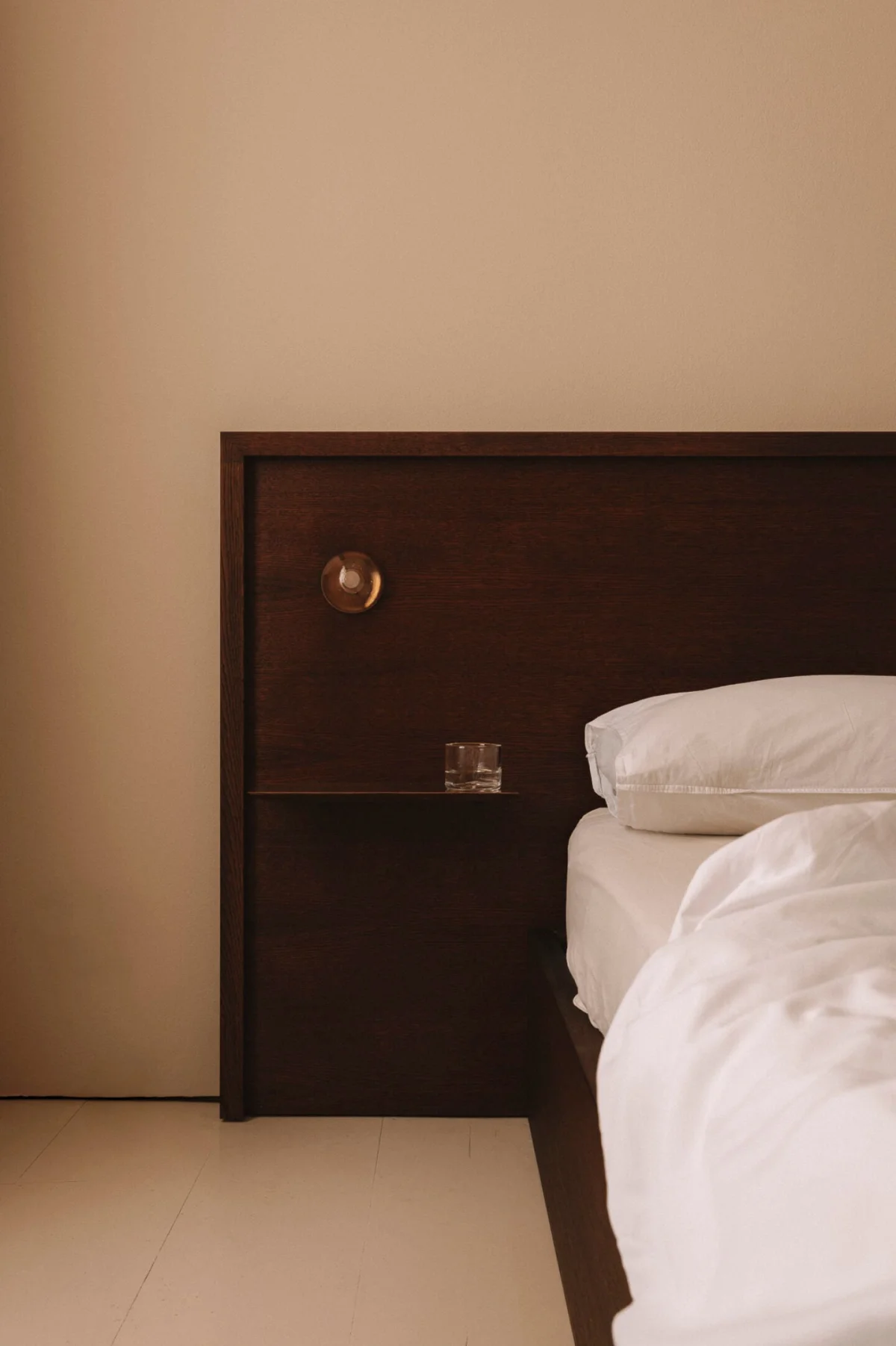
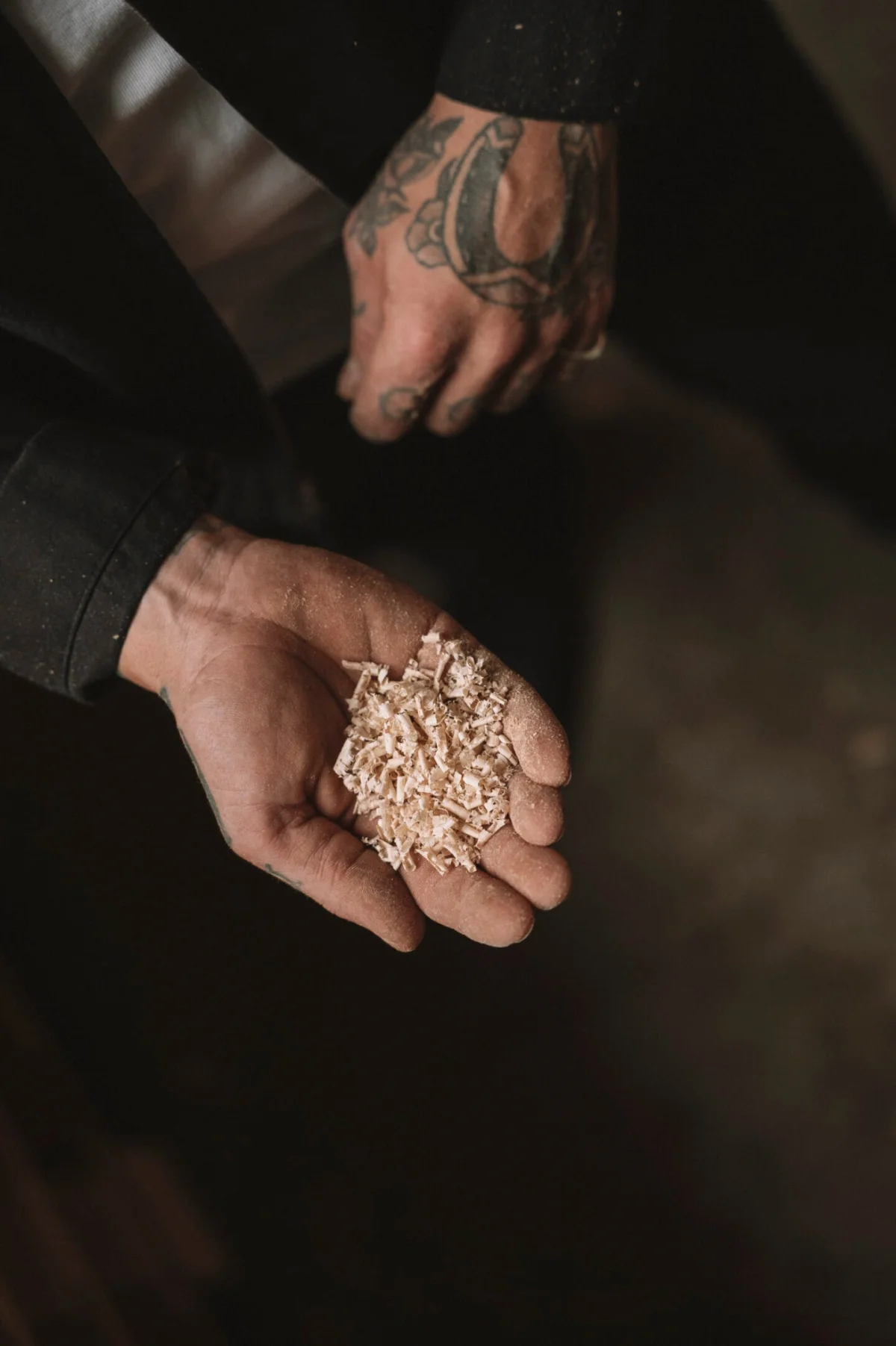
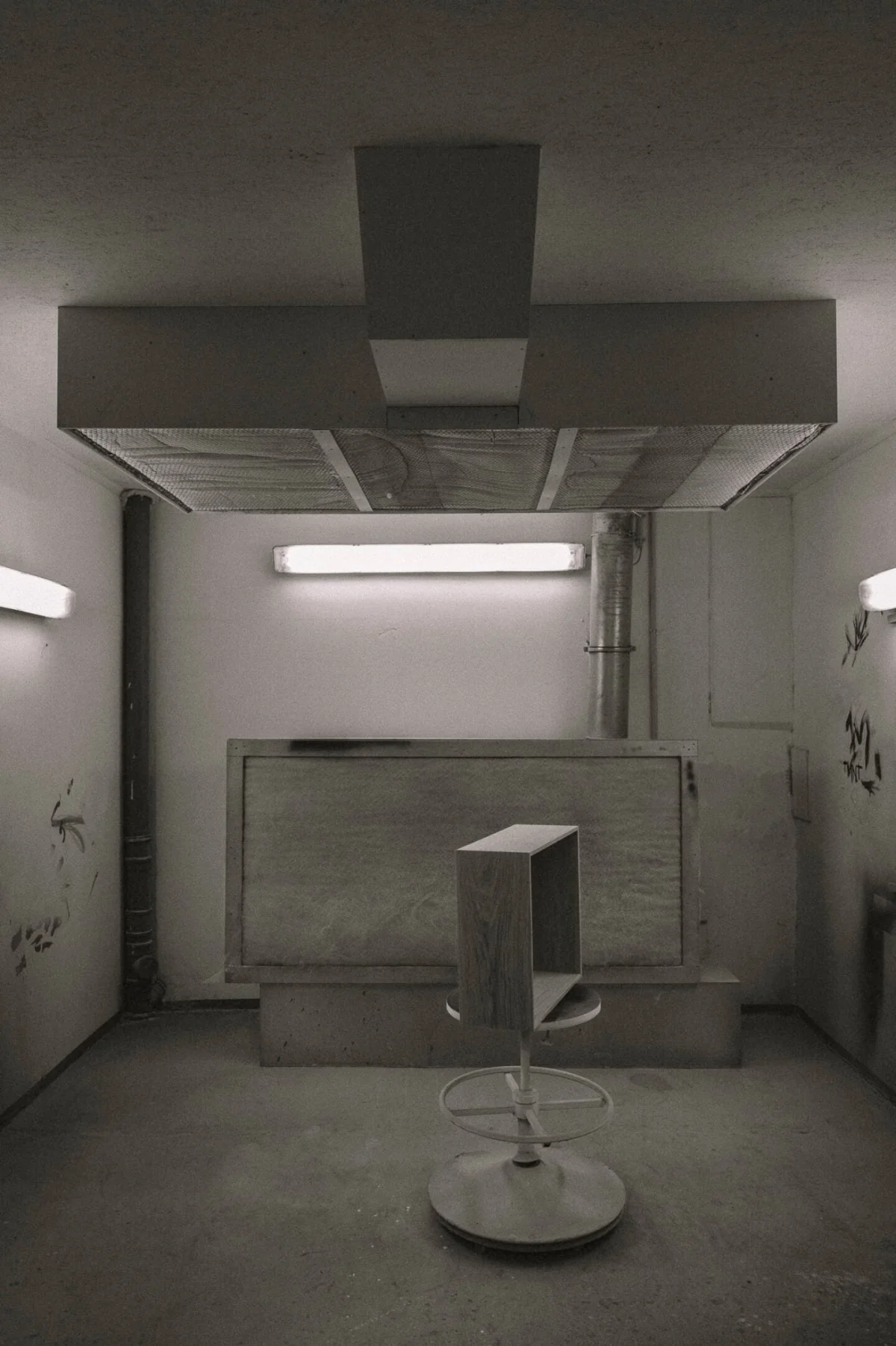
In the Lichtenberg workshop, each component is treated, joined and finished. Veneering is a particular strength, sometimes combined with stone, metal, marble or glass. A veneered door can involve selecting and cutting sheets, arranging and stitching them, bonding them to a panel, sanding, oiling, drying, assembly, disassembly and final finishing. Lorenz describes dozens of steps behind a single element. That labor is easy to miss in a finished room; KARST makes it count through precise joins, considered grips and carefully softened edges.
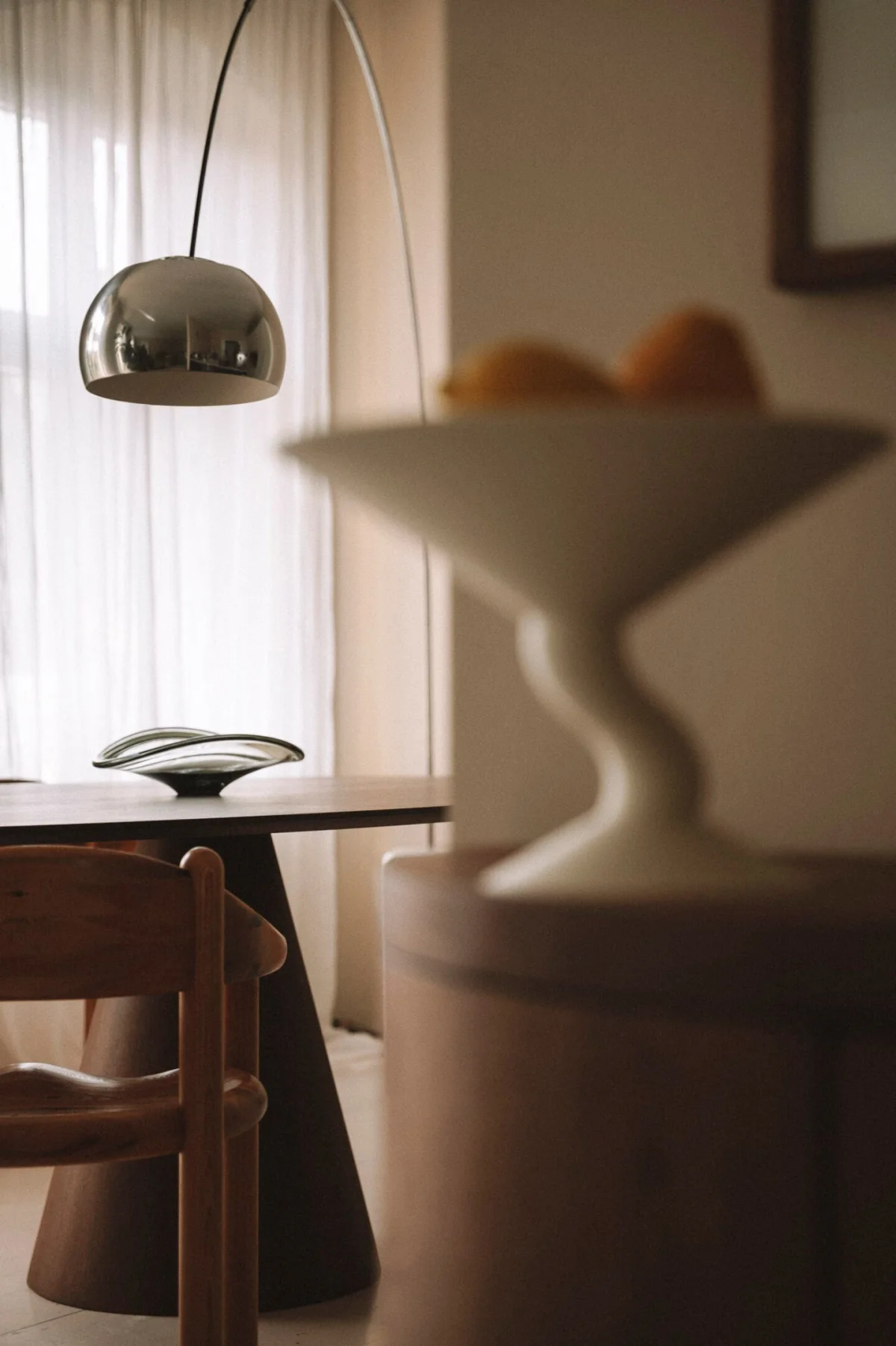
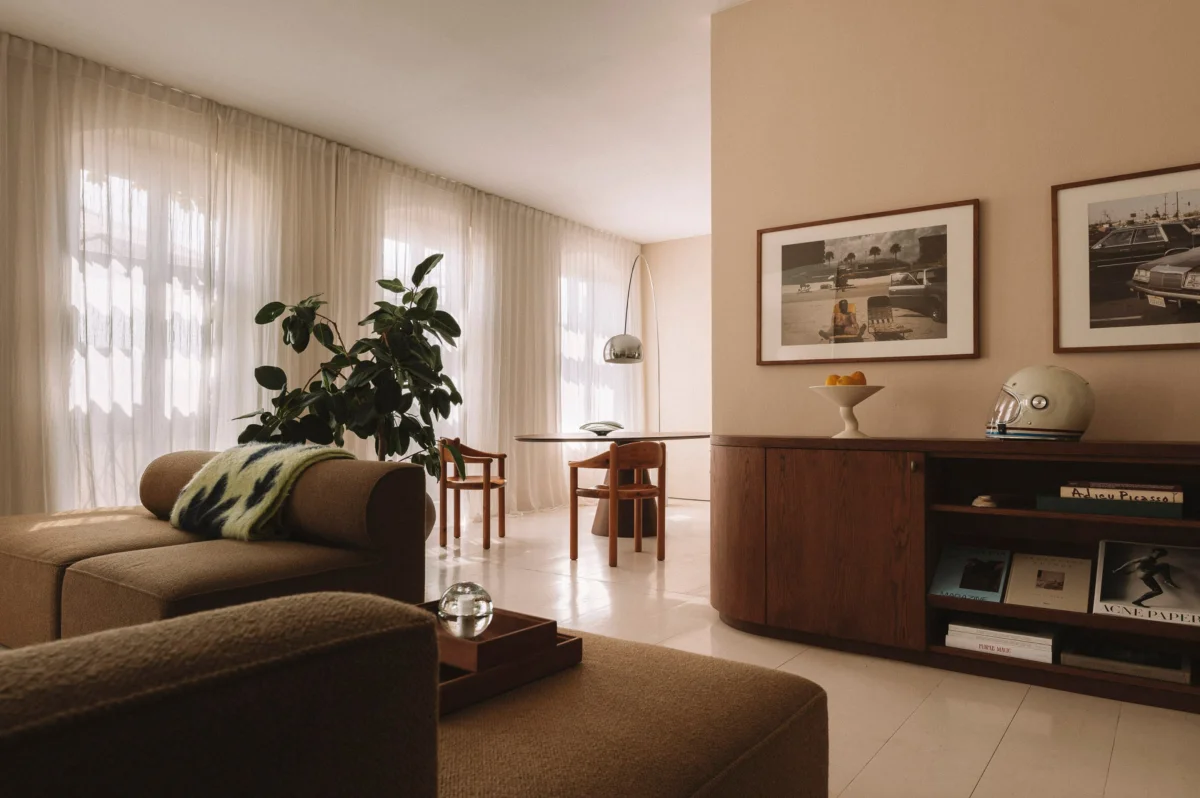
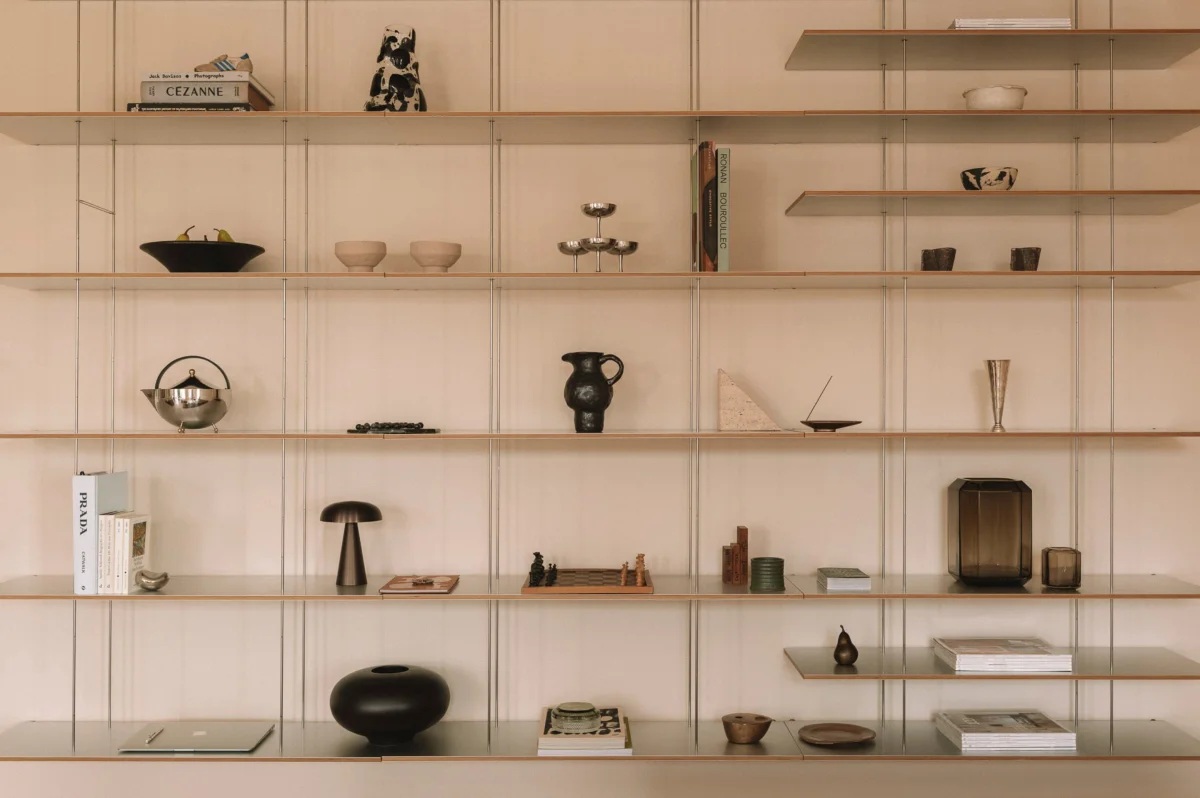
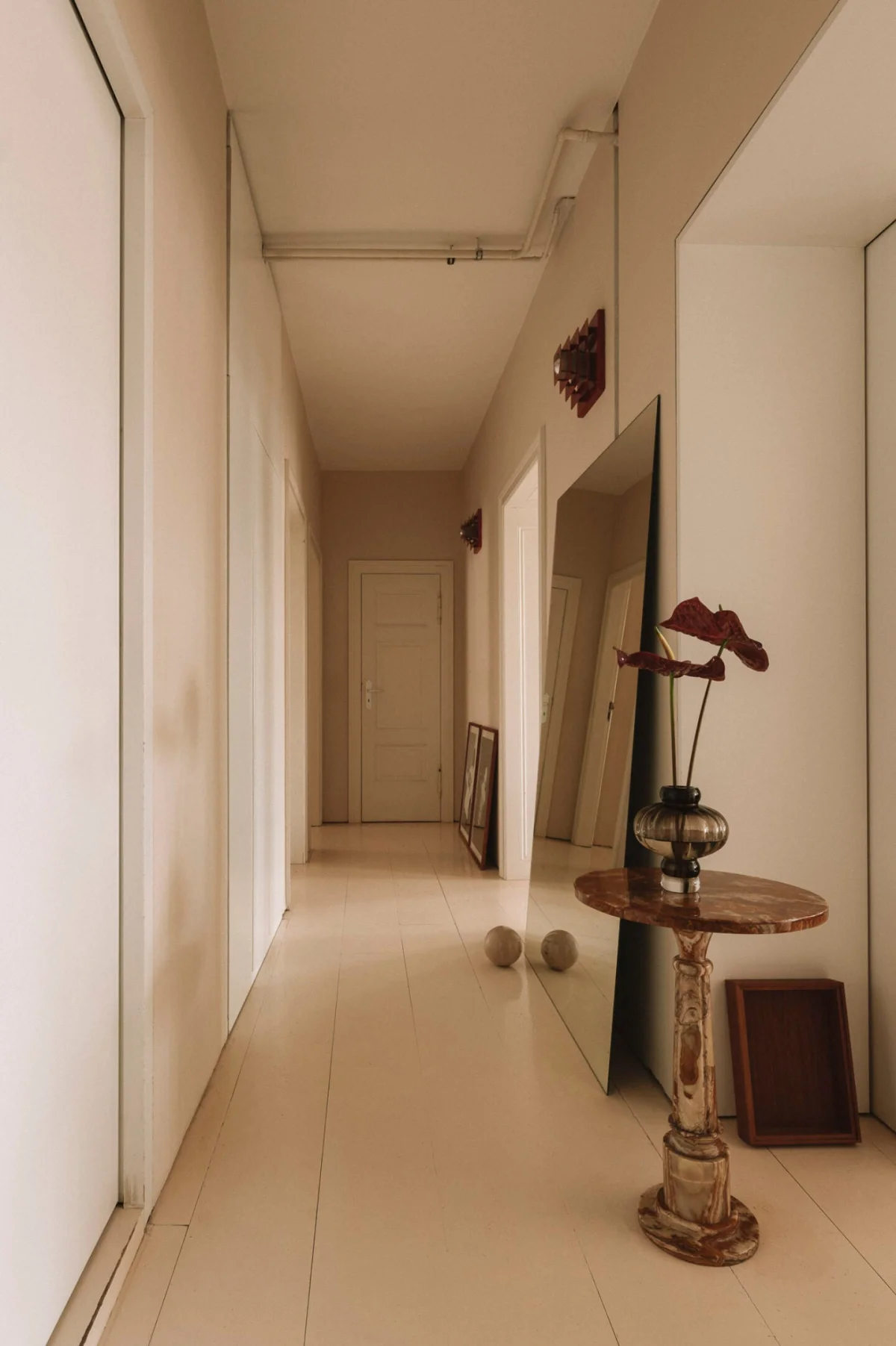
Lorenz builds interiors by bringing references together rather than following one historical style. Mid-century, Nordic and Italian influences can share a room, with texture and tone doing the work of connection. Light is another design material: lamps can shift the mood, and she’s constantly adjusting their placement and effect. Clear, purist forms gain character through curves, breaks and unexpected objects. Vintage pieces, sculptural lighting, ceramics and handmade objects introduce a lived-in quality; even one new chair or lamp can change how a room feels.
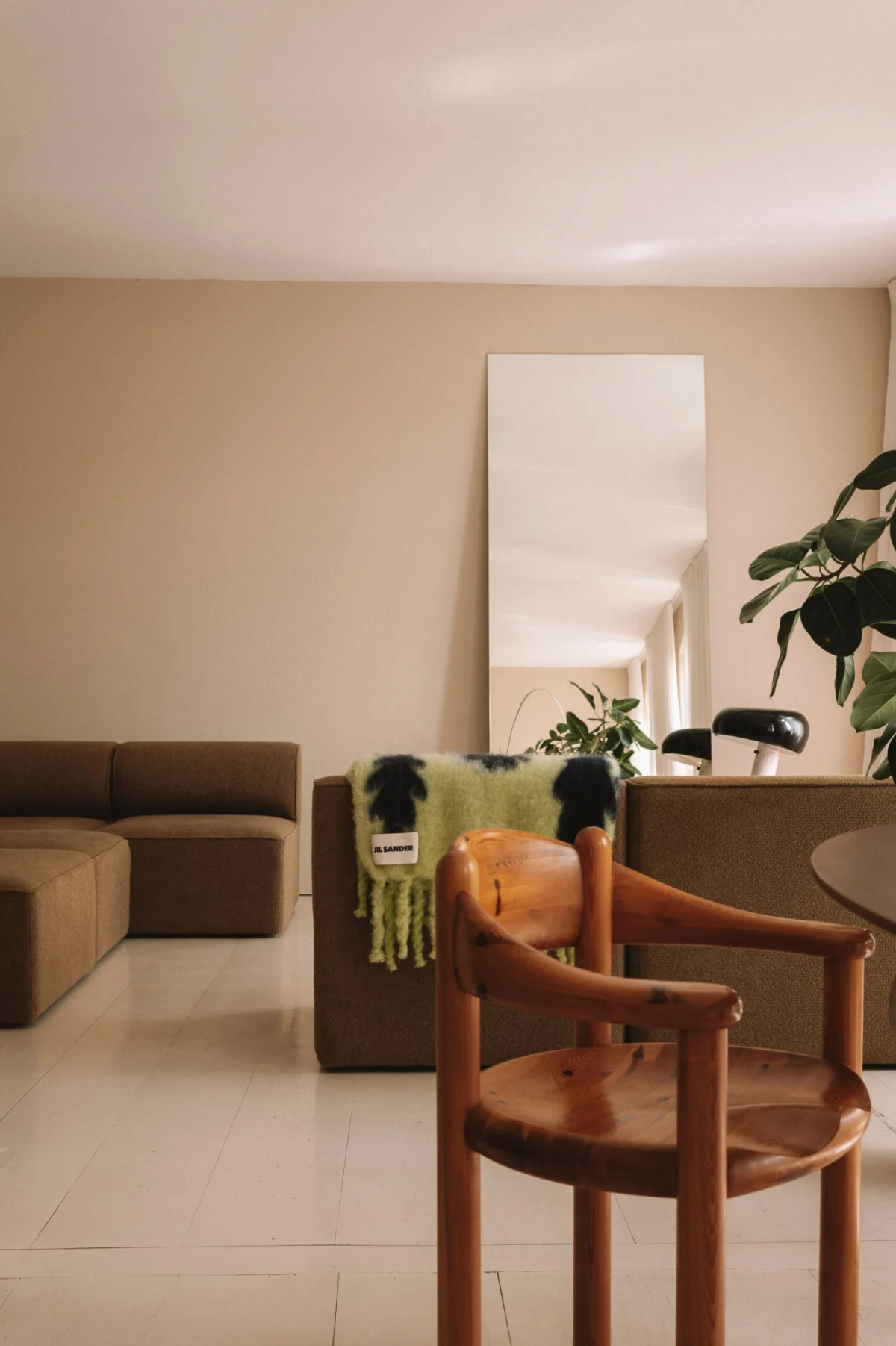
Warmth often comes from earth tones that sit close to the shades of the wood, with color used as a sharper accent. Lorenz builds contrast across a room, setting woven and velvet fabrics against raw and polished surfaces, from flooring to soft furnishings. The effect depends on balance: precise structure gives the space order, while tactile differences and unusual objects keep it from feeling overly controlled.
Furniture, and what comes next
Interiors make up most of KARST’s work, but furniture is an expanding part of the practice. Tables and bed frames often take shape within larger projects, while the studio also accepts commissions for individual pieces. Details of Berlin’s buildings inform new ideas about form and proportion. Lorenz points to Mies van der Rohe’s Farnsworth House as a lasting reference for its clarity, light and apparent weightlessness.
Their collaboration joins different strengths at every stage. Budnik’s knowledge helps test what can be built and how long it will take; Lorenz’s instincts shape the design and balance the demands of the making process. They describe this as a shared way of working, grounded in patience and a common understanding of the finished space. Their interest in interiors also extends into daily life, from galleries in Berlin to places they encounter while travelling.
KARST is growing carefully through word of mouth in Berlin. The pair plan to develop their furniture collection and take on cafés and restaurants, where they see room for more theatrical settings, as well as projects beyond Germany. Their guiding idea remains simple: cabinetry and furniture made with ambition, and rooms people enjoy inhabiting. For designers, the practice offers a clear lesson in joining concept to construction: choose materials for a specific space, let craft shape the details, then use light, texture and objects to give the result its own spirit.
Images © Clemens Poloczek | Text: Anna Dorothea Ker. More from KARST and Instagram.
| Rev | Description | Date |
|---|---|---|
| A | Issued for reading | |
| B | Viewed 514 times | Current |


