Walter Wittek’s Tension Ring Shows How Minimal Jewelry Holds Light
- Project
- UX & UI Design
- Drawn by
- Anna Dorothea Ker
- Issued
- Sheet
- A-184
ORFÈVRE brings Walter Wittek’s sculptural jewelry into focus, including a ring whose diamond appears to float through the tension of its band.
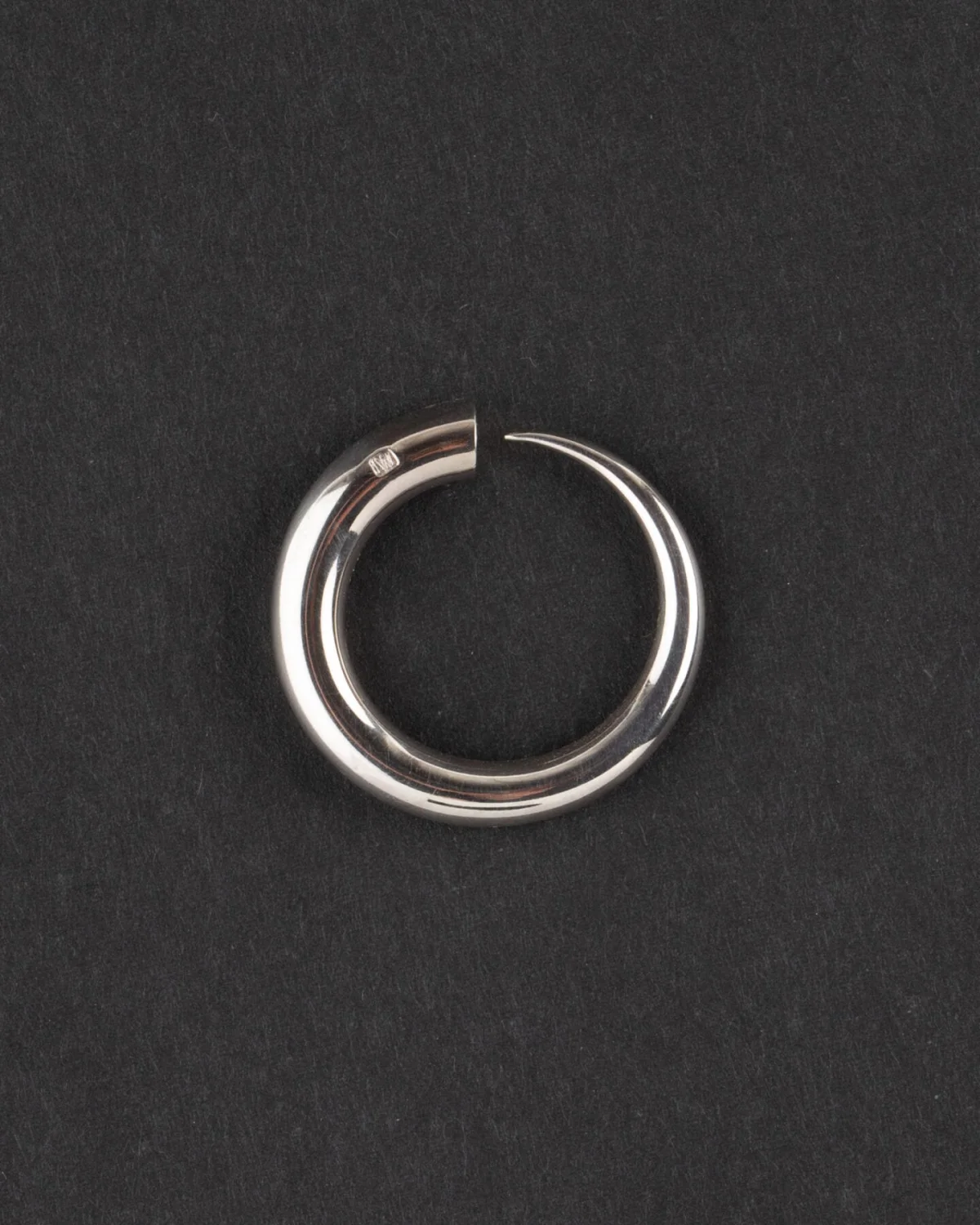
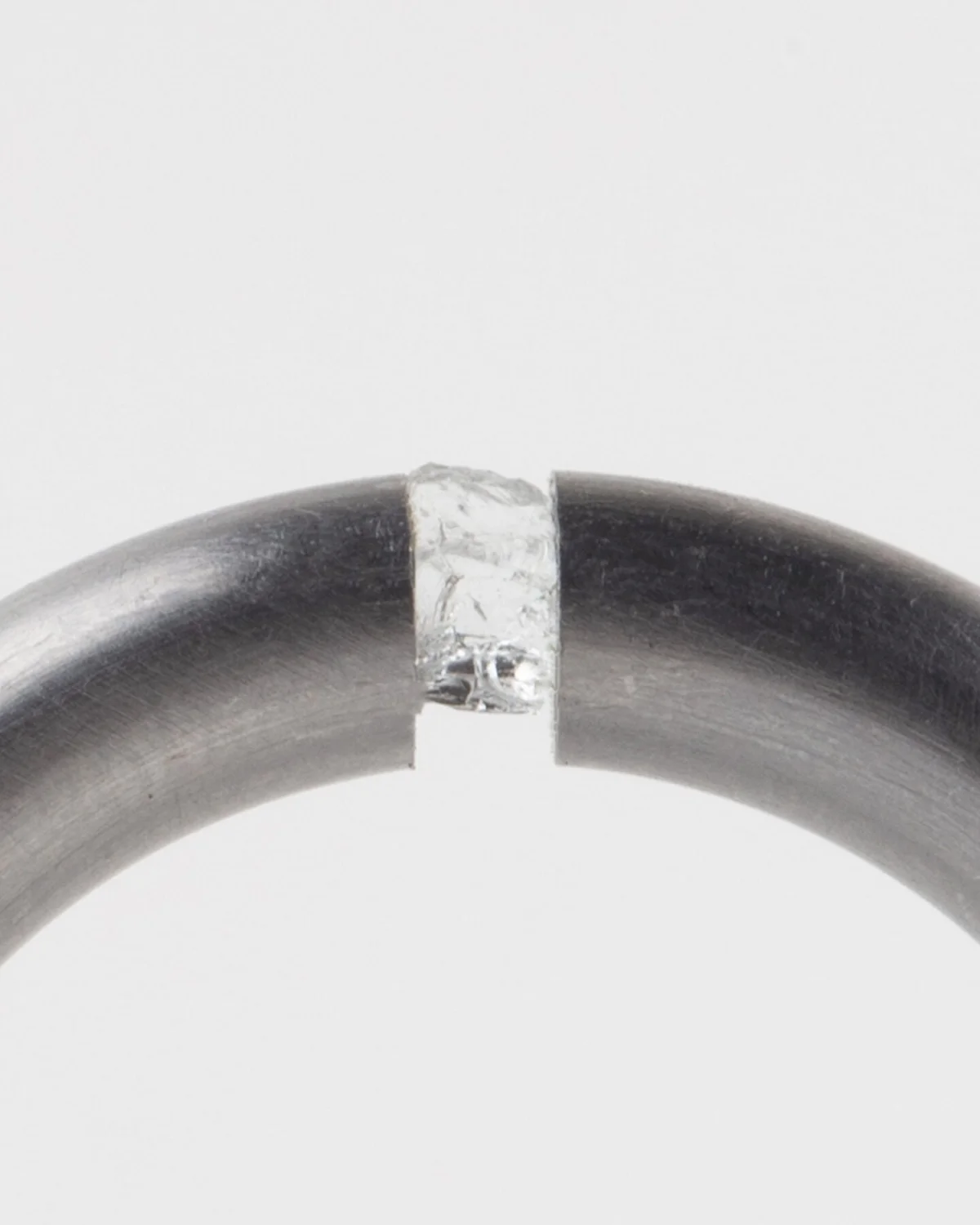
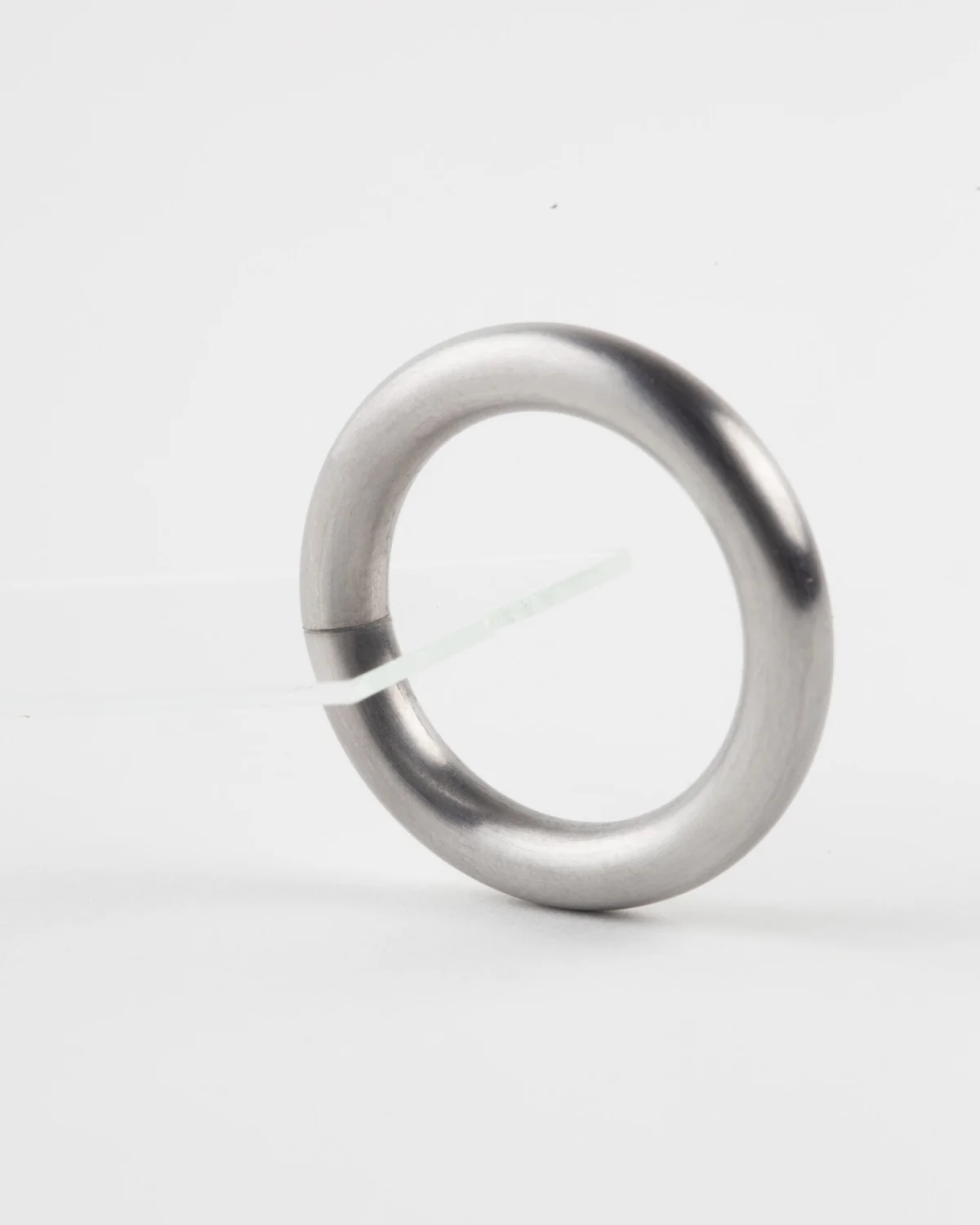
Walter Wittek’s Tension Ring makes its central idea visible: a stone can appear to float when the band itself does the work of holding it. The design began with experiments in glass and steel in the late 1970s; today, each ring takes six to ten weeks to craft. Its return to view through Düsseldorf gallery ORFÈVRE puts the piece in context alongside other works by Wittek, whose spare forms connect jewelry, sculpture and drawing.
For designers, the ring is a compact study in how a construction method can become the visual language. The band’s slit and tension aren’t concealed behind ornament. They define the object, support the stone and shape the way light passes through it. That clarity runs through the artist’s wider practice, and through ORFÈVRE’s longstanding interest in jewelry as an expressive medium.
A gallery built around ideas and craft
Founded in Düsseldorf in 1969, ORFÈVRE set out to present jewelry and objects as artist-led work. Ten German artists and goldsmiths formed the founding group: Peter and Marie Hassenpflug, Wilhelm Buchert, Dietrich Bring, Herbert Fischer, Bernd Munsteiner, Klaus Neubauer, Dieter Pieper, Hadfried Rinke, Gisela Seibert-Philippen and Heinrich Wildt. Their shared approach brought material experiments and technical skill into the same frame, including the use of alternatives to precious metals and gemstones.
The gallery’s interest in wearable work with conceptual weight helps explain the fit with Wittek. A ring has practical limits: it must sit on the hand, withstand use and hold its materials securely. Wittek treats those conditions as part of the design problem. The result can be read both as an object to wear and as a small sculptural structure.
In April 2020, goldsmith and designer Lisa Scherebnenko became director, succeeding Peter Hassenpflug. ORFÈVRE continues to present work by established and emerging artists, with a collection spanning rings, bangles and objects. That continuity gives Wittek’s earlier designs a present-day setting without asking them to shed their original character.
Wittek’s search for the fullest form
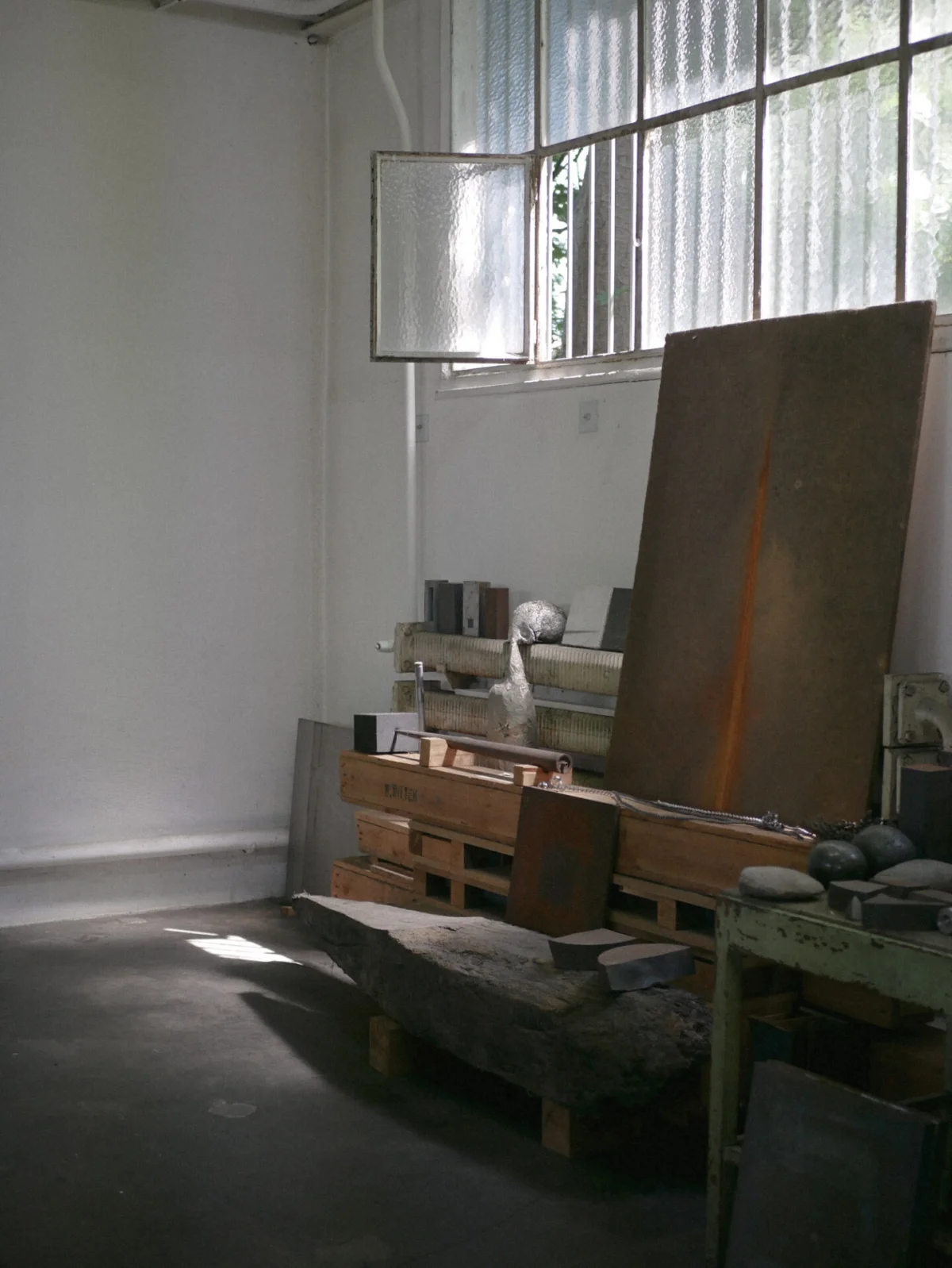
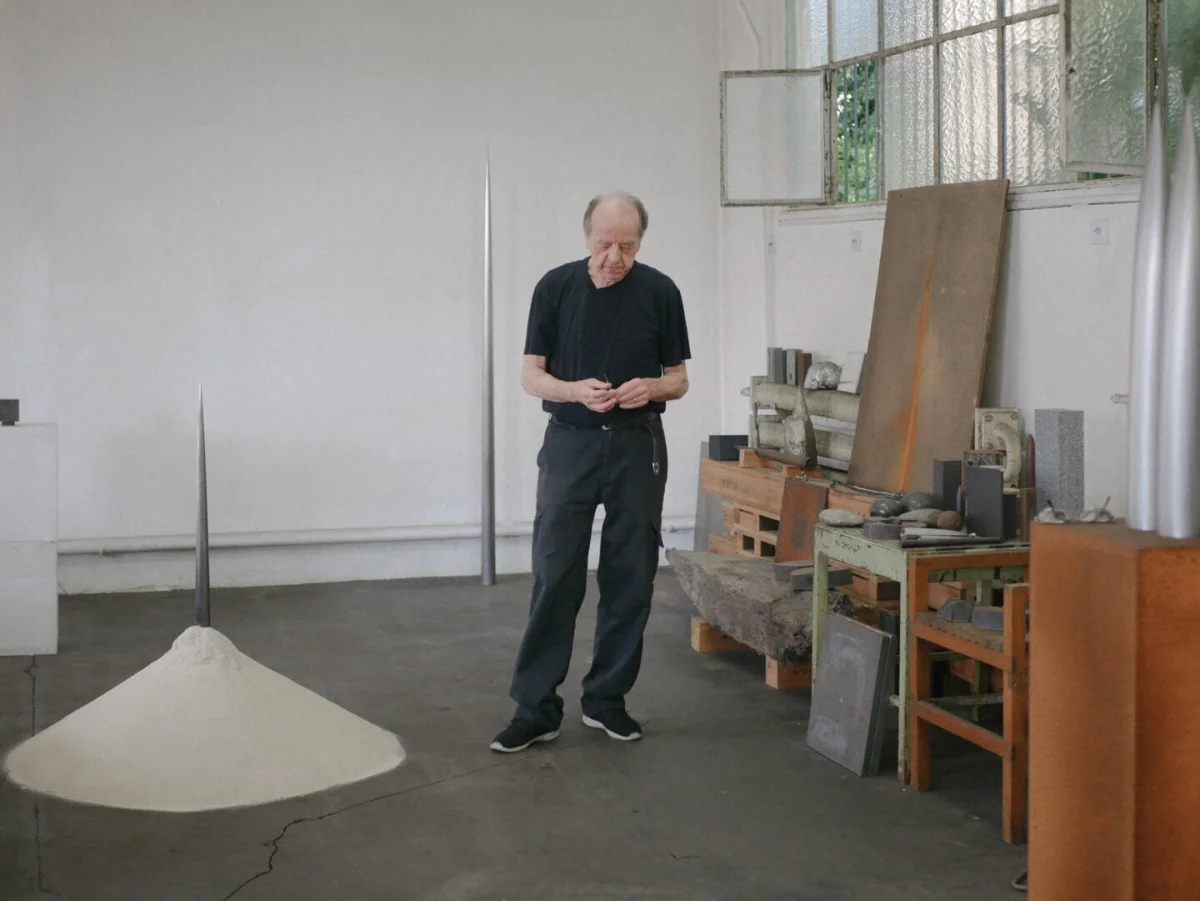
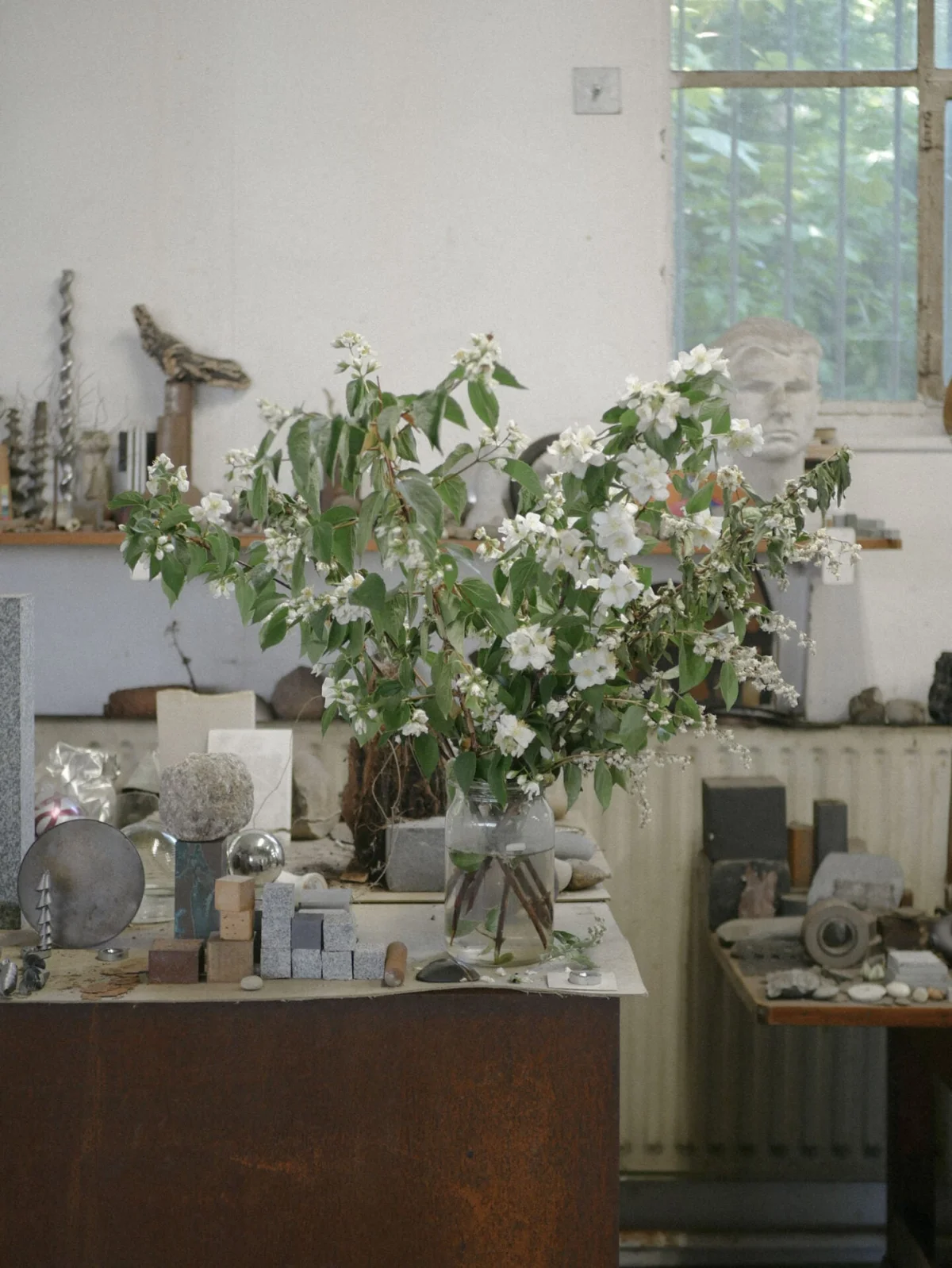
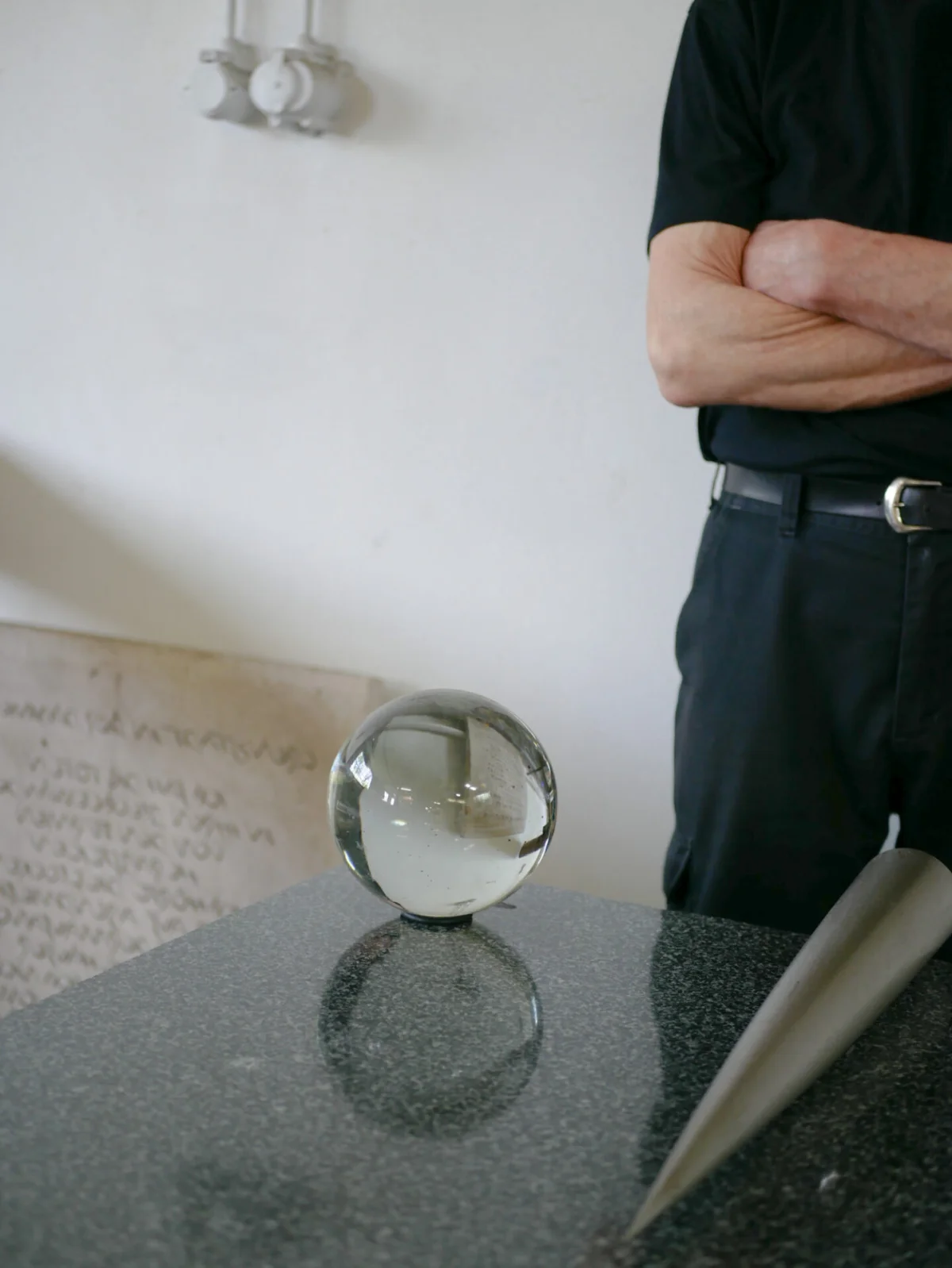
Born in 1943, Wittek has worked for more than forty years from his studio in Vreden, Westphalia. He moves between jewelry, sculpture and drawing, looking closely at how material, shape and light affect one another. He describes his approach this way: “I am often called a minimalist, though I like to think of myself as an optimalist: seeking the fullest expression from the simplest means.”
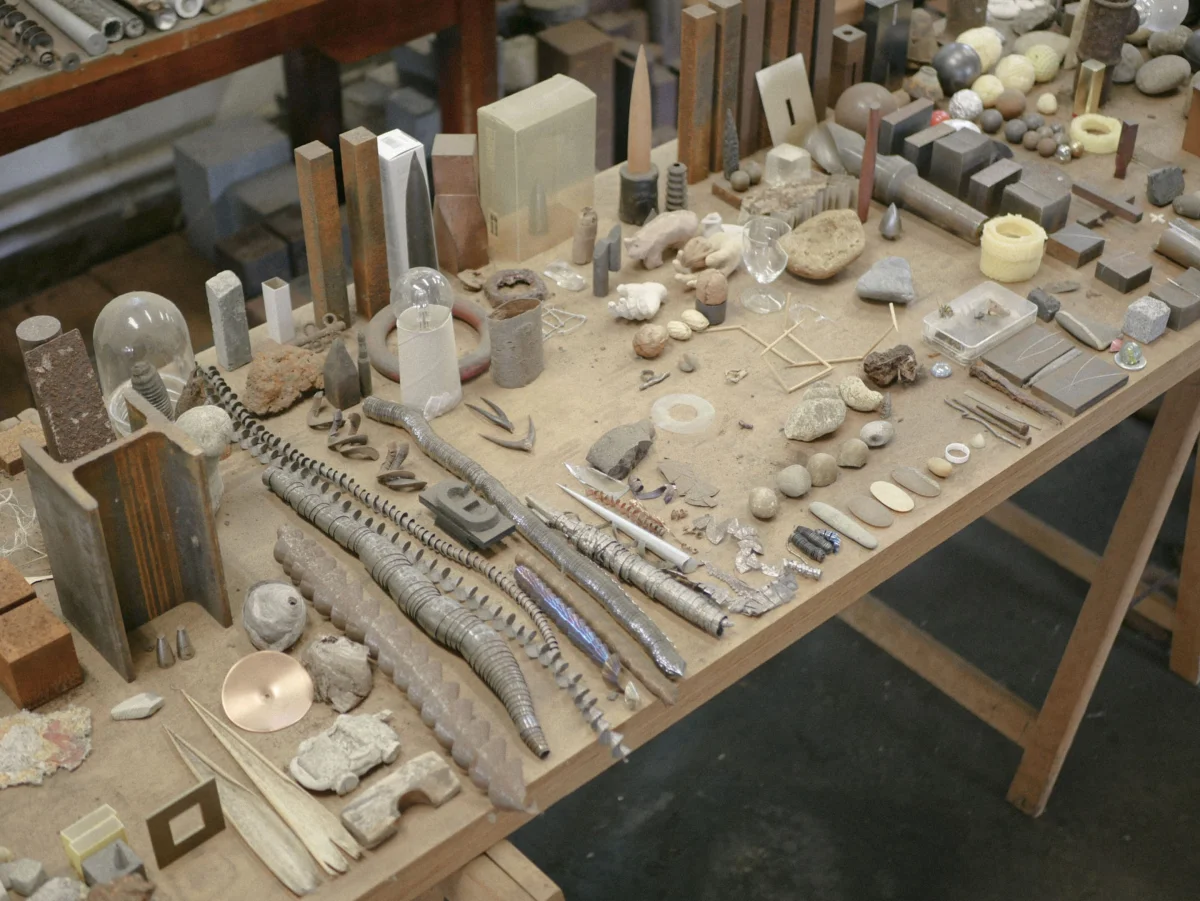
That distinction is useful. Reduction, in Wittek’s work, doesn’t mean removing detail for its own sake. It means making each element carry a clear purpose. A cut in a ring, the curve of a bangle or the way a stone catches light can do several jobs at once: structural, visual and expressive. As Wittek puts it, “tools serve as an extension of the hand.” The making process is part of the thinking, rather than a step that follows it.
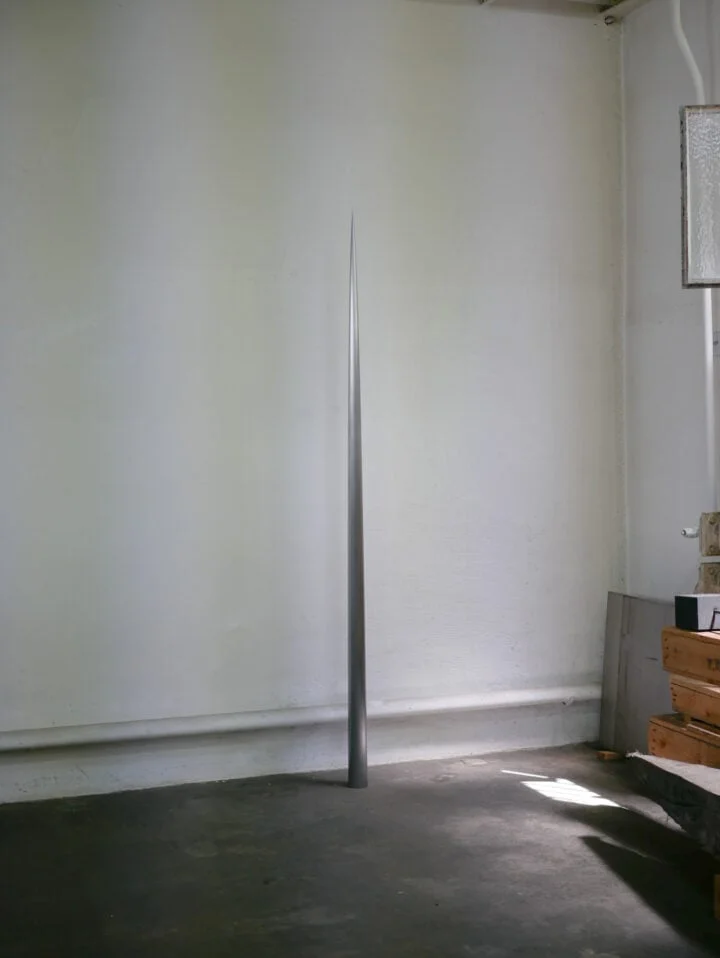
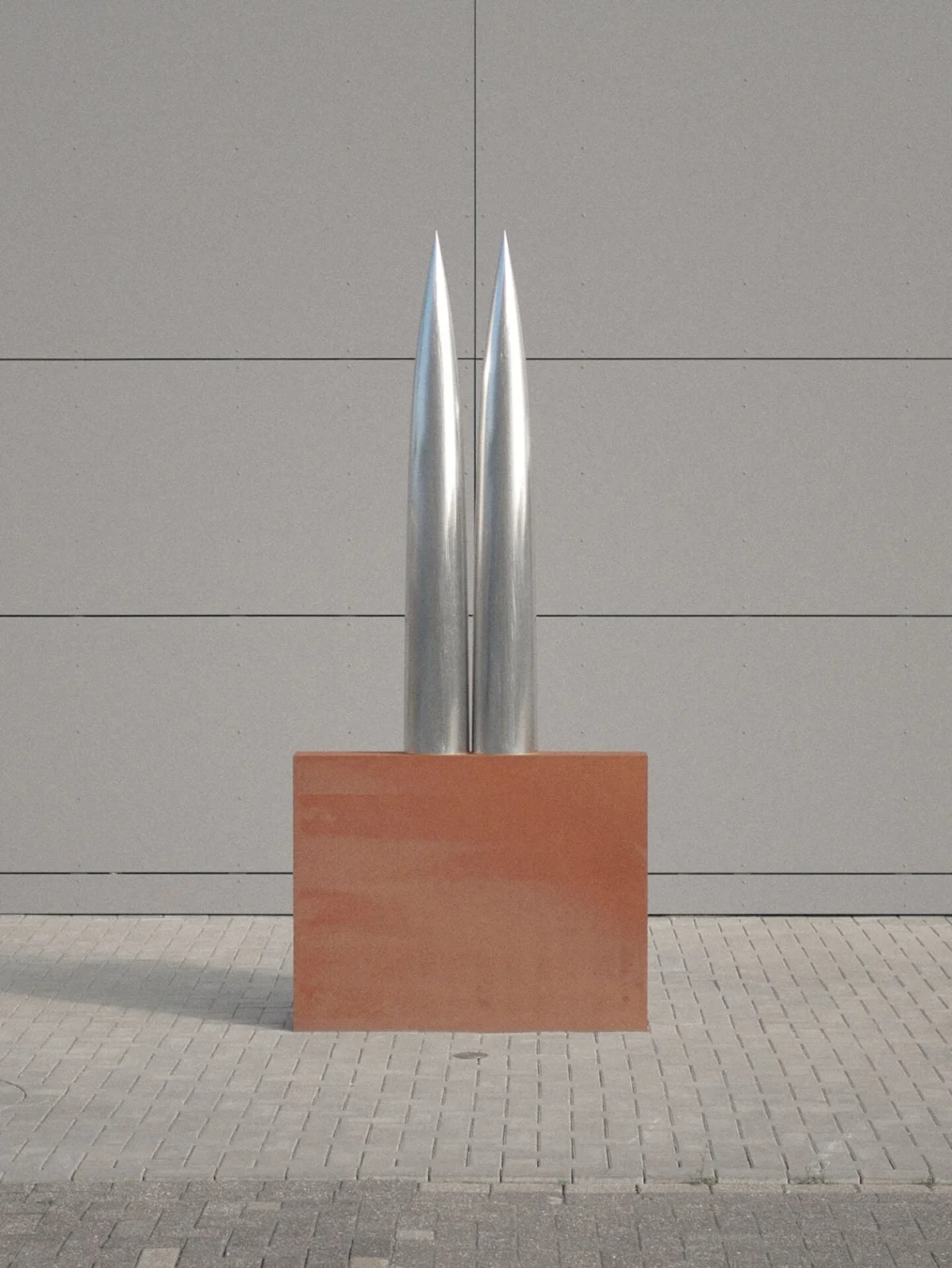
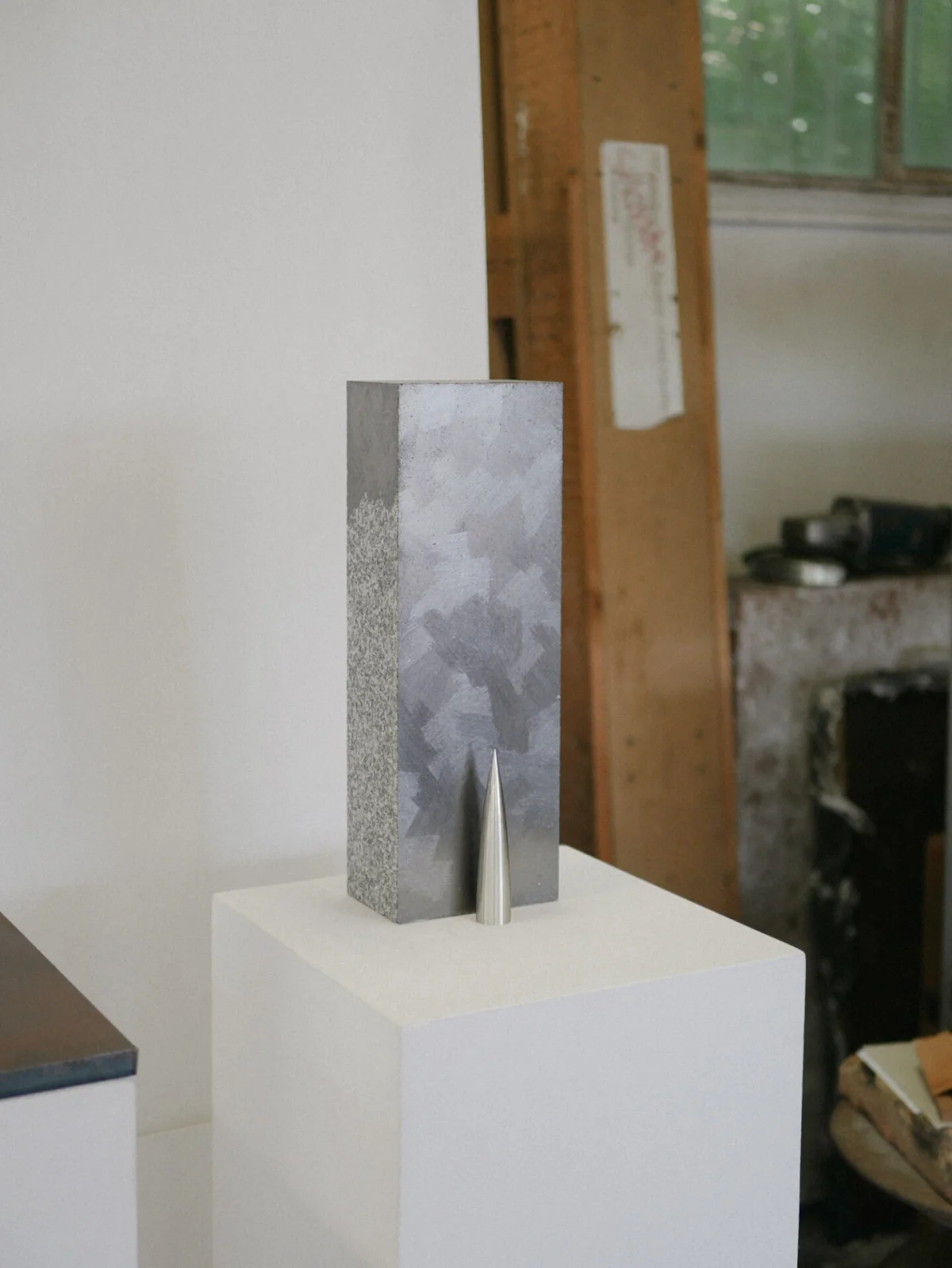
His work ranges from simple rings to large-scale sculpture and installations made for particular sites. Across those formats, a precise relationship between form and function gives the pieces their coherence. The same attention to construction that shapes a ring can also guide work at a larger scale.
From a glass fragment to a suspended diamond
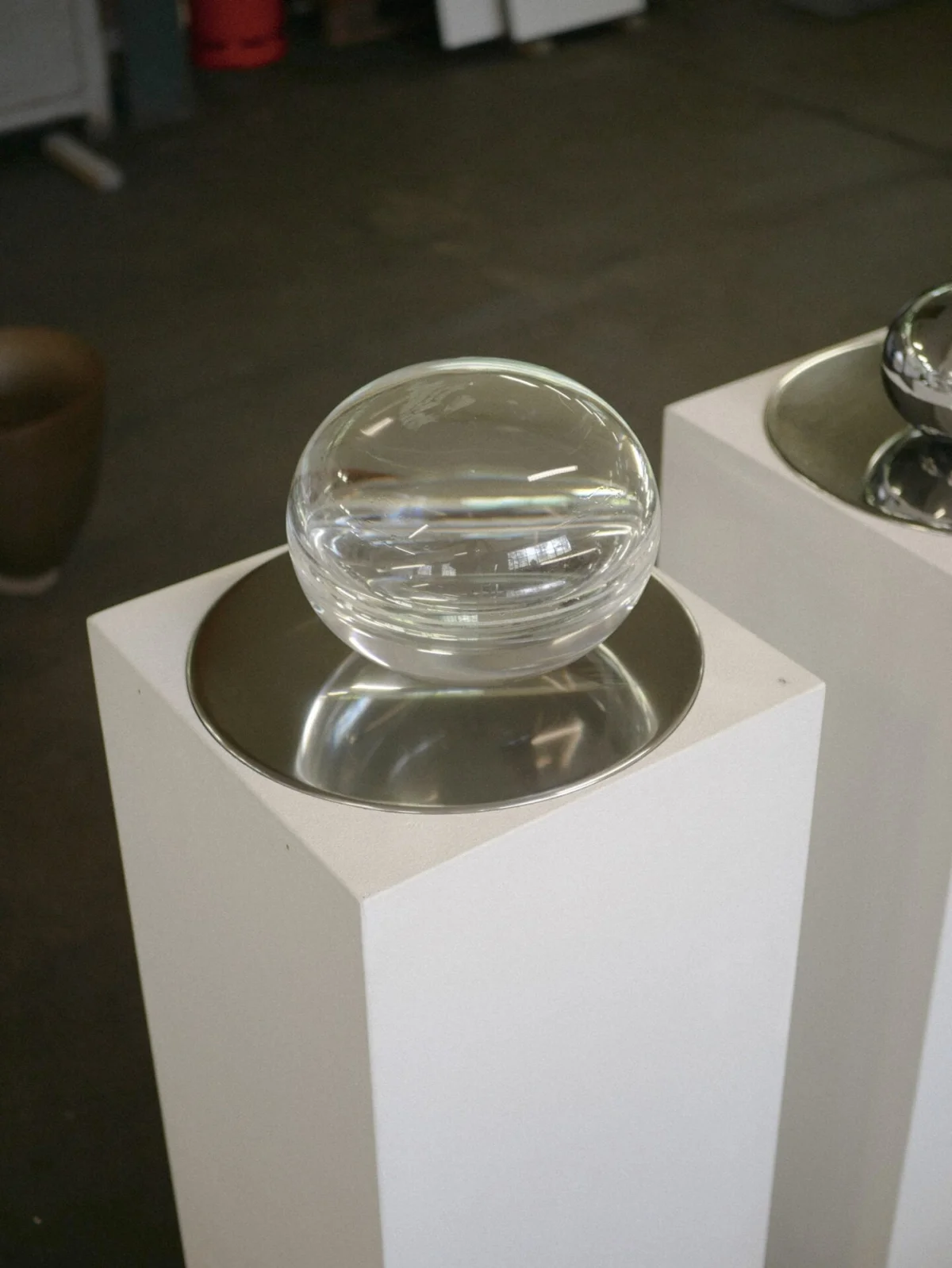
Wittek conceived the Tension Ring in the late 1970s as a sculpture for the hand. He began with a slotted band of steel, forged under tension, and tested whether glass discs could sit between its open ends without glue or prongs. When a piece of glass held in the slit caught and refracted light, the experiment suggested a new possibility: a luminous form that seemed to hang in place.
Turning that effect into a precious ring took months of trials. Wittek worked through steel, copper, silver, synthetic materials and topaz before developing a version with a diamond held by the pressure of the band. The stone appears to float, but the effect depends on careful engineering. The band must keep its shape and apply enough force to secure the setting; the open construction must remain visually light.
The contemporary Tension Ring still demands substantial handwork. Each one takes six to ten weeks, with special alloys developed to produce the required structure. Diamonds are chosen and set individually according to their characteristics. Those details matter to the design: the material and stone aren’t interchangeable components, because their interaction determines how the finished ring holds and reflects light.
A family of related forms
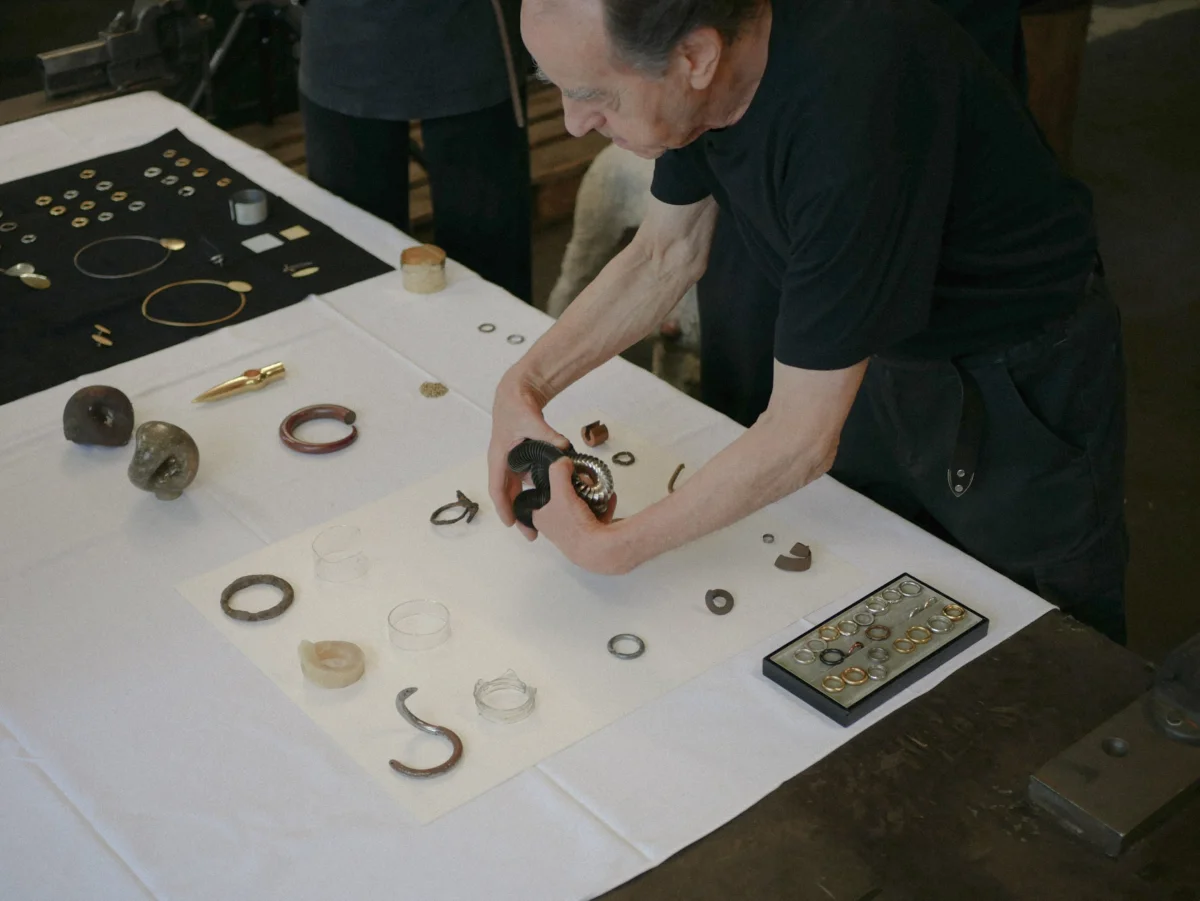
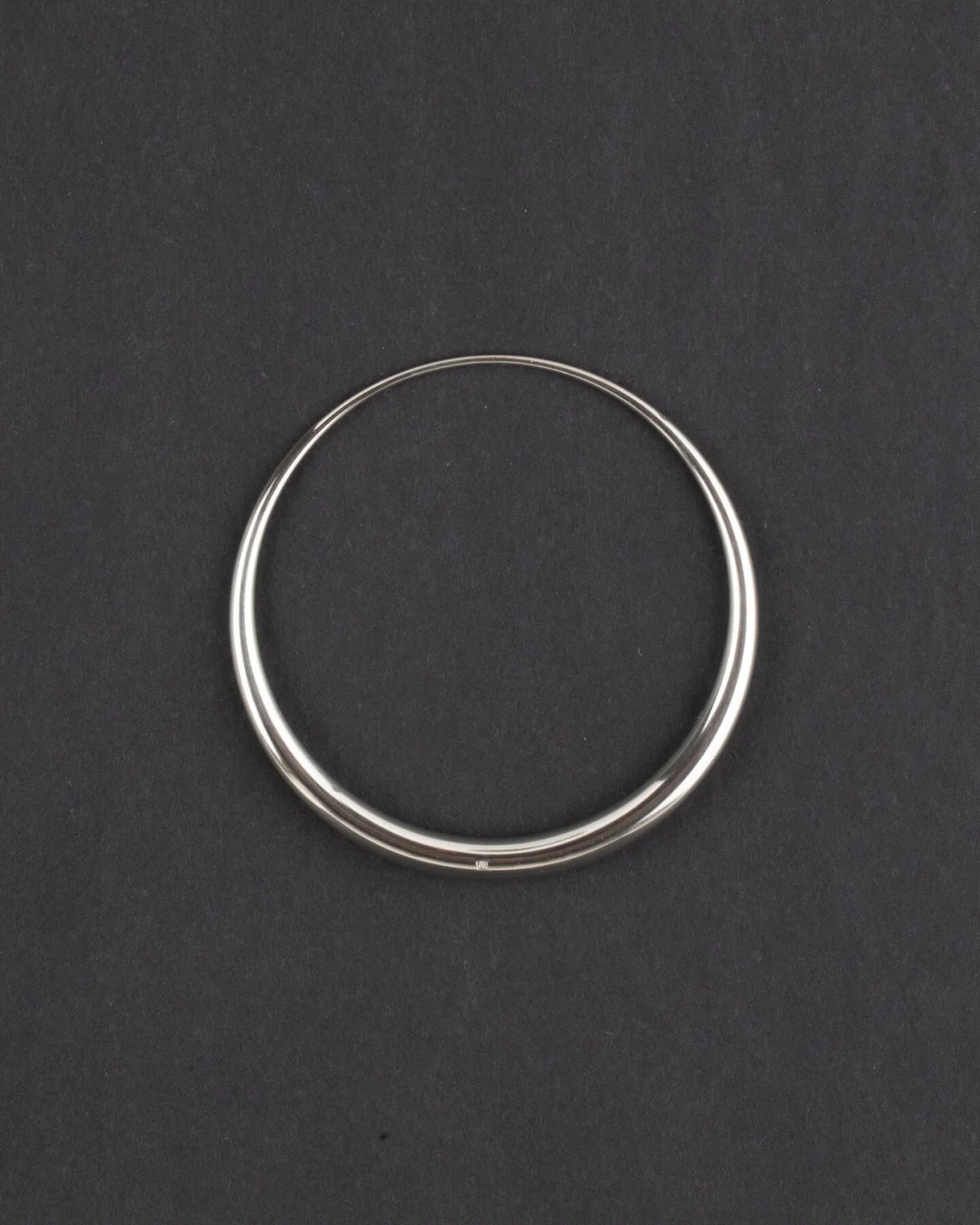
The ORFÈVRE presentation brings together the slim and medium Anhild Bangles, Clara Earrings, a Memoire Ring set with twelve diamonds, the Compressed Ring and the sharply cut Schlitzring. It also includes the Ouroboros Ring, described as awarded, and the Tension Ring, designed in 1979. Together, the pieces show how Wittek can move between different degrees of ornament while retaining a direct, controlled use of form.
The collection’s range makes the Tension Ring easier to understand. It isn’t an isolated technical trick; it belongs to a practice that gives shape and material a precise role. The bangle, earrings and rings each ask how much a form needs in order to work and communicate. That question can be useful well beyond jewelry: in any designed object, the most memorable detail may be the one that solves a practical problem and gives the whole piece its identity.
ORFÈVRE presents Wittek’s pieces as objects with continuing relevance, rather than as period curiosities. Their clean outlines can look immediate, while the work behind them reveals an unusually exact set of decisions. For designers, the takeaway is tangible: simplicity takes sustained attention, especially when every structural choice remains visible.
Images: Malte van der Meyden. Video: Anna Fechtig. Music and sound: Adam Asnan. Production: Lisa Scherebnenko and Malte van der Meyden. Text: Anna Dorothea Ker.
| Rev | Description | Date |
|---|---|---|
| A | Issued for reading | |
| B | Viewed 992 times | Current |


