Robot and Roboni Pencil Sharpeners Make a Small Desk Ritual Feel Considered
- Project
- UX & UI Design
- Drawn by
- TheFuture
- Issued
- Sheet
- A-167
Carpenter Brother and Sister give two everyday sharpeners rounded character forms and rotating heads, adding a tactile pause without complicating the task.
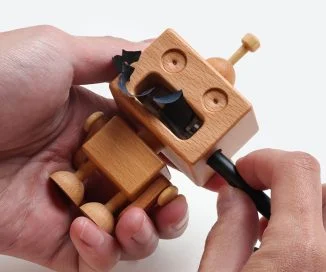
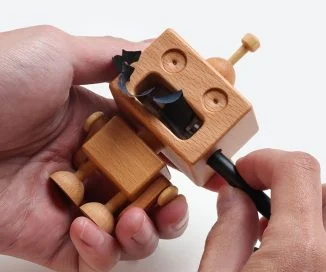
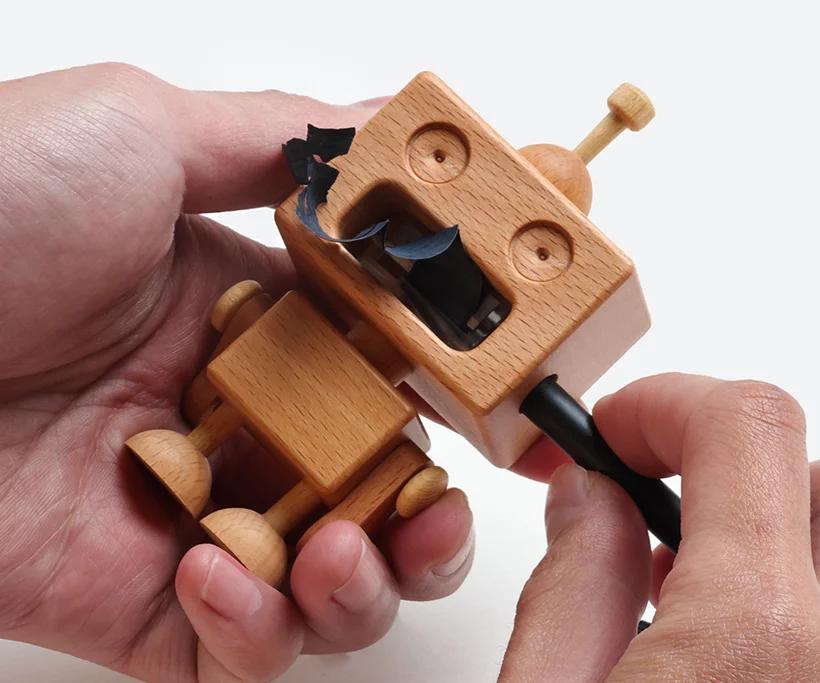
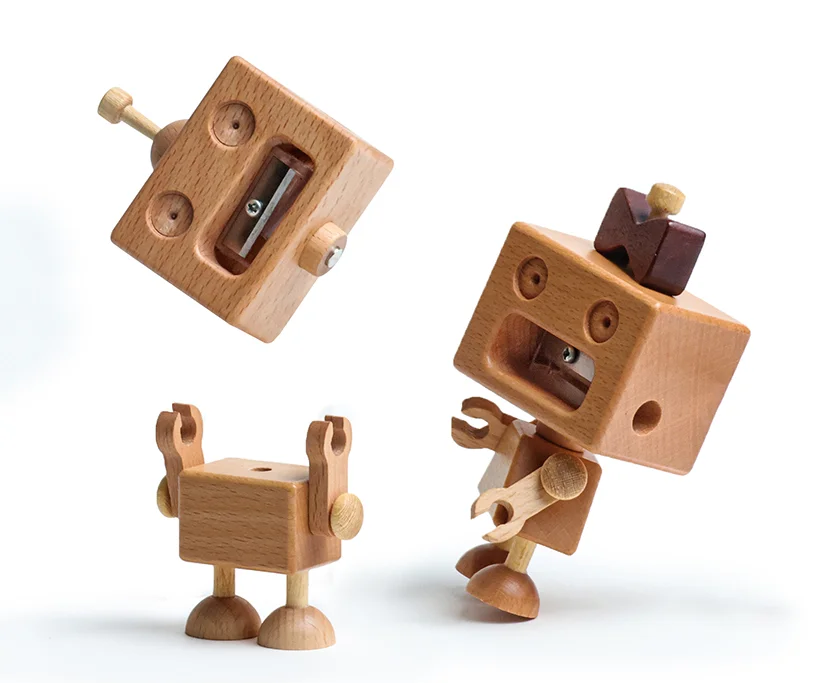
Robot and Roboni make a case for designing around the few seconds an everyday tool spends in someone’s hands. The pencil sharpeners, designed by Carpenter Brother and Sister, keep the familiar sharpening task intact, then give it a small physical flourish: each has a rotating head that turns as the pencil is sharpened. Their rounded bodies and distinct expressions make them read as desk companions, but the appeal rests less on novelty than on a modest change in how the interaction feels.
Two personalities, one simple interaction
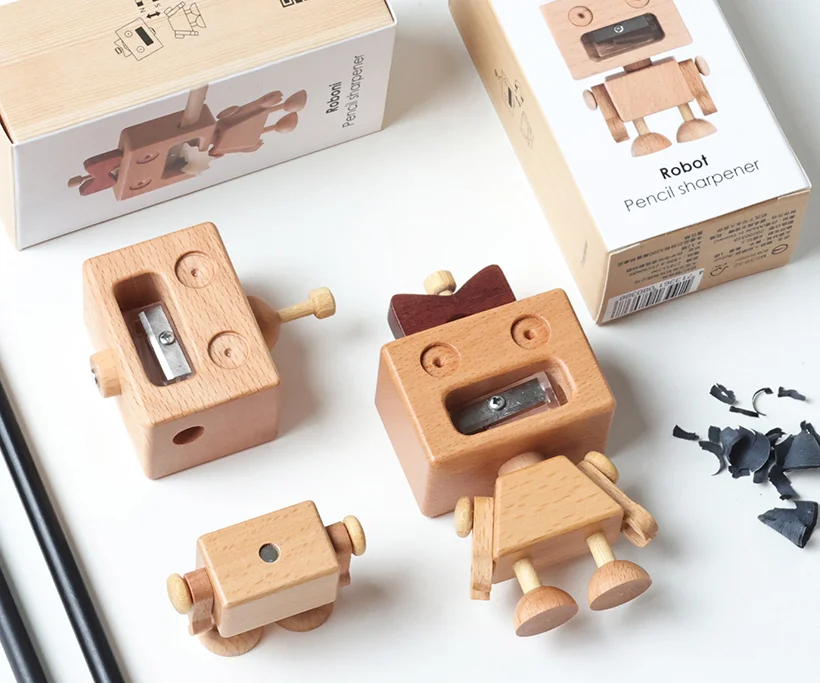
Robot is the plumper of the pair, with a shape that gives it a compact, toy-like presence. Roboni’s design is softer: a skirt, bow and gentler expression distinguish her without changing the basic task. Both sharpeners use the same central gesture. Insert the pencil, turn the head while sharpening, then check the point. The user doesn’t need to learn a new process or manage extra controls.
That shared interaction gives the pair a useful design focus. Their character comes through in silhouette and surface details, while the mechanism remains legible. The turning head is the main point of difference from an anonymous desktop sharpener: it adds visible movement to an action that often happens almost absent-mindedly. The motion doesn’t change what sharpening does, but it gives the hand something more engaging to do while the pencil turns.
There’s a line between a friendly object and one that asks to be admired more than used. Robot and Roboni appear to stay on the practical side of it. Their expressions and proportions set a welcoming tone, yet the operation is direct. The forms don’t depend on a complex sequence, a screen or a powered feature to communicate their purpose. The pencil still goes in; the sharpening still happens; the shavings still collect at the bottom.
Movement as a tactile detail
The rotating heads are a small decision with a noticeable effect on the interaction. A conventional sharpener can make the user’s hand motion feel like a means to an end. Here, the turning part becomes visible and gives the action a little rhythm. That’s not a claim that the object can change someone’s mood or make a work session more productive. It’s a more grounded design proposition: even a routine task can feel less anonymous when the object responds in a way the user can see and feel.
For designers, this is a useful distinction. A product doesn’t need a large feature set to feel considered. An interaction can gain character through the timing, movement or physical feedback already present in its main task. In this case, the head’s rotation is tied directly to sharpening rather than added as a separate trick. The detail earns its place because it participates in the use of the tool.
That restraint also limits the risk of the characters becoming distracting. Robot and Roboni don’t appear to add unnecessary steps or controls. Their personalities sit alongside the function instead of competing with it. The result is playful, but not dependent on a stream of overt jokes or animated responses. For people who prefer quieter objects, that distinction may matter as much as the cute styling.
Practical details stay in view
The sharpeners are described as stable and easy to clean, with a removable or accessible lower section for emptying shavings. They require no batteries and make no powered noise. Those choices keep attention on the manual interaction and avoid adding routine maintenance beyond clearing the collected pencil debris. The source doesn’t specify materials, dimensions, colour options or a launch date, so the design is best read through what’s shown and described: rounded character forms, a rotating head and a straightforward sharpening workflow.
It’s also worth separating the emotional-design language from the experience the object can actually promise. A charming face won’t suit every desk or every user, and a rotating head can’t guarantee that sharpening will feel enjoyable to everyone. The more credible point is narrower: Carpenter Brother and Sister have shaped a familiar tool to make its handling a little more deliberate, while preserving the practical steps users already understand.
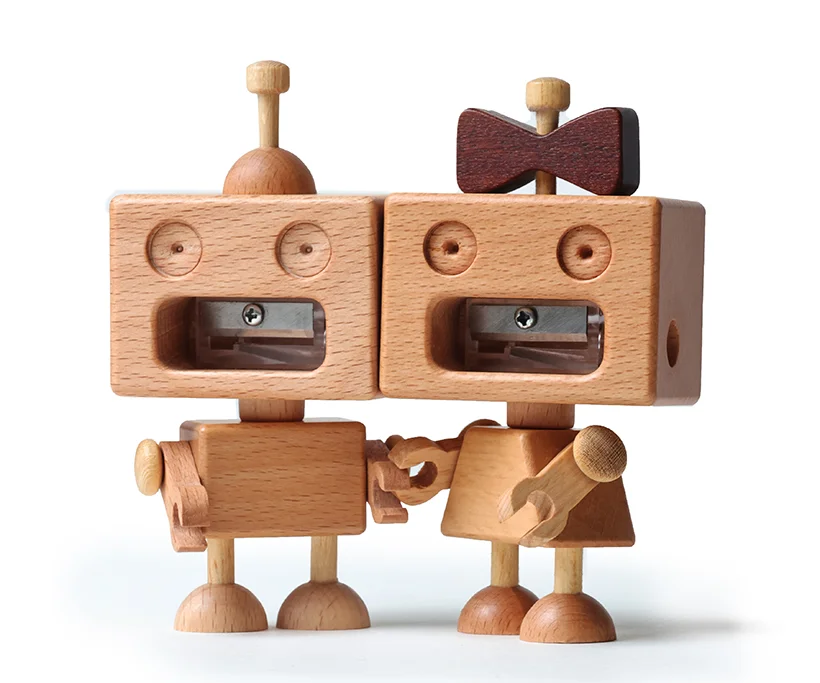
Robot and Roboni are a reminder that small product interactions can carry personality without asking users to trade away clarity. Their value is in the balance: recognizable characters, a tactile movement connected to the task, and simple upkeep. For anyone designing desk tools, the takeaway is concrete—start with the action people already perform, then look for one physical detail that can make that action more satisfying without making it harder.
The post Robot and Roboni Turn Pencil Sharpening Into a Surprisingly Pleasant Ritual appeared first on Tuvie Design.
| Rev | Description | Date |
|---|---|---|
| A | Issued for reading | |
| B | Viewed 713 times | Current |