Lunabud Turns Slow Exhalation Into a Small, Sounding Pause
- Project
- UX & UI Design
- Drawn by
- TheFuture
- Issued
- Sheet
- A-168
Lunabud pairs a smooth handheld form with a soft 528 Hz tone, giving slow exhalations a simple place to begin.


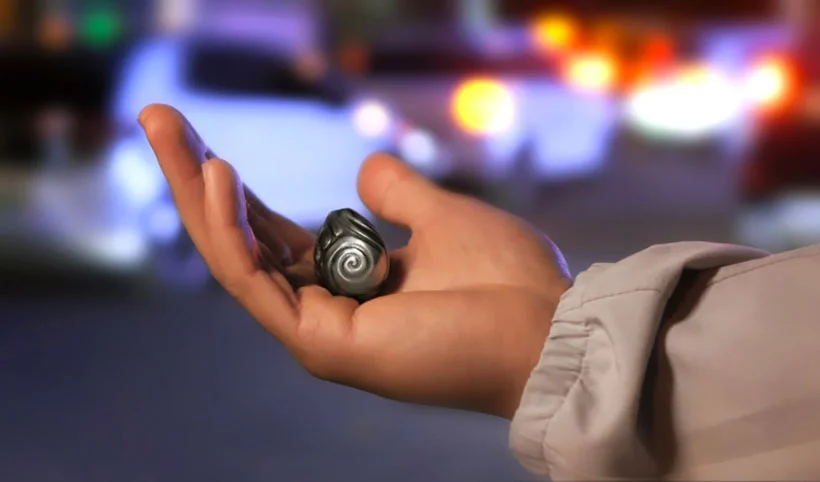
Lunabud’s design centers on a modest interaction: hold a small, smooth object, breathe in, then exhale through it to produce a soft tone. That sequence gives a pause a physical cue and an audible endpoint. There’s no screen to check, timer to start or technique to master. My read is that the whistle’s strongest design choice is this restraint: it gives breathing a focal point without asking the user to build a larger routine around it.
The whistle is tuned to 528 Hz, a frequency that draws debate online. The source doesn’t establish that the tuning has a special effect. The more grounded part of the experience is the slower exhalation the object invites. Lunabud gives the breath something to do and makes that action audible; it doesn’t need a claim about the number to explain how the interaction works.

A hand-held prompt, not a full routine
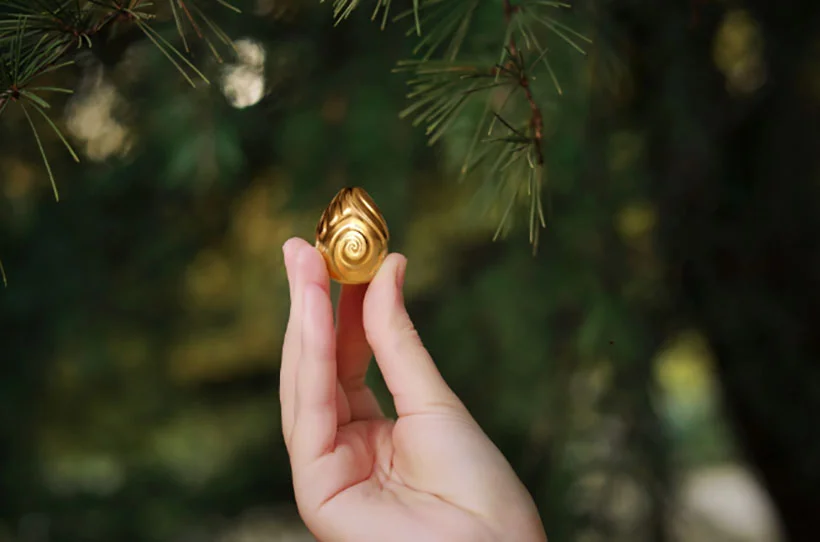
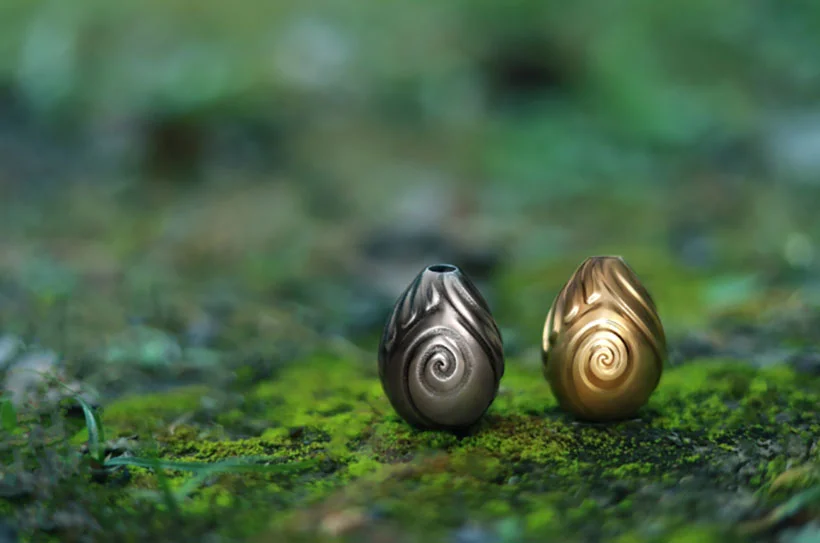
Its form matters before the first note. The smooth shape feels comfortable in the hand, with the familiar quality of a worry stone, but it also produces a sound. Picking it up can shift attention toward the object and the next breath. That tactile step is part of the design: the user doesn’t have to begin by remembering an instruction or finding a setting. The object itself supplies the prompt.
The interaction stays open-ended. Take a few breaths, then return to whatever was underway. There’s no demand to sit still, meditate in a prescribed way or count a set number of minutes. That low threshold may make the whistle easier to fit between tasks, when a longer pause isn’t practical. It also keeps the experience legible: hold, inhale, exhale through the whistle, hear the tone.
For designers, there’s a useful lesson in that sequence. A small object can help someone begin an action by making the action tangible and giving it feedback. Here, the feedback is sound rather than a display or progress indicator. The tone marks the exhale as it happens, so the user can attend to the breath without needing to look at anything.
What the tone does—and doesn’t promise
The 528 Hz tuning is a specific product detail, but the source leaves its significance unresolved. That distinction matters when describing a wellness object: the named frequency is part of the experience, while a special outcome attributed to it isn’t established here. Lunabud’s practical mechanism is simpler. Breathing out through a whistle extends the exhale and turns it into a quiet tone. The object can therefore act as a cue to slow down, without being presented as a cure for stress or anxiety.
That modest role leaves room for different experiences. One use might feel calming; another might amount to a brief break between pieces of work. Neither response needs to be treated as a measure of success. The whistle doesn’t promise to resolve the source of stress. It offers a short interruption that may redirect attention for a moment.
There’s a trade-off in keeping the design so spare. Because Lunabud doesn’t prescribe a sequence or duration, people can use it on their own terms. The same openness means it doesn’t provide coaching or tell someone what to do next. Its value rests on whether the physical form, breath and tone make a pause feel accessible to that person.
Small enough to return to
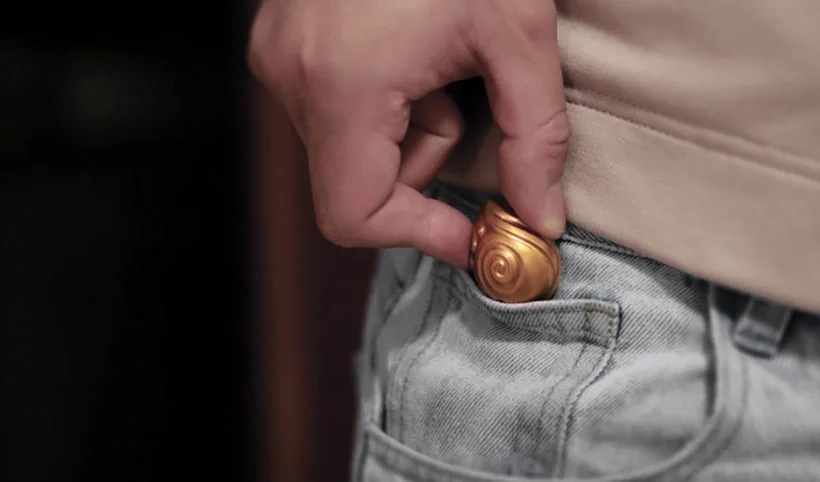
Lunabud appears designed to be picked up when needed and put down again without ceremony. That makes it closer to a simple tactile reminder than a structured breathing program. Its smooth feel may invite the hand to stay with it, while the whistle gives each exhale a sound that can hold attention. Together, those choices make a compact interaction rather than a complicated system.
The broader design idea is practical: a quiet object can prompt a deliberate action by combining touch and immediate feedback. Lunabud doesn’t need to turn a pause into a routine to make the pause possible. If you’re assessing it for your own practice, focus on the experience it actually offers—an easy-to-hold form, a breath through the whistle and a soft tone—and treat the frequency as a tuning detail, not a guaranteed result.

The post Lunabud Whistle and Breath Tool for Inner Harmony appeared first on Tuvie Design.
| Rev | Description | Date |
|---|---|---|
| A | Issued for reading | |
| B | Viewed 499 times | Current |


