Greg Newbold’s Illustration Practice Moves Between Digital Painting and Oil
- Project
- Graphic Design
- Drawn by
- Andie O'Donnell
- Issued
- Sheet
- A-147
With more than 20 years as a freelance artist, Greg Newbold brings digital painting and gallery oil painting to books and commissioned illustration.
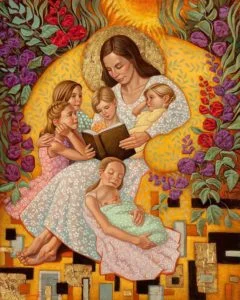
Greg Newbold’s career connects two working modes that illustrators often keep separate: digital image-making and gallery oil painting. After beginning as a graphic illustrator in the software industry, he shifted to full-time art, earned an MFA in Illustration in 2009, and built a freelance practice spanning more than 20 years. That path gives his work a useful reference point for illustrators weighing how technical experience, formal study and hands-on painting can sit within one career.
Newbold’s client list includes Simon & Schuster, Heinz Foods, Harper Collins, Sony Pictures and Smuckers. Those commissions place his illustration practice across publishing, food and entertainment. The source doesn’t specify the assignments, formats or visual approaches for each client, so the list is best read as a measure of the range of settings in which his work has been commissioned, rather than as a single signature style.
A career built across media
Newbold started in the software industry as a graphic illustrator. That early work gave him experience in a field where images are made within technical systems and production requirements. He later chose to pursue art full time and added an MFA in Illustration, completed in 2009, to his professional experience. His training expanded his practice to include both digital painting and gallery oil painting.
The pairing matters because each medium calls for different decisions. Digital painting supports direct changes to colour, edges and composition as an image develops. Oil painting involves working with physical materials and building an image through painted layers. Newbold’s biography establishes that he works in both; it doesn’t describe his tools, process or how he selects a medium for a particular commission. For designers and illustrators, the broader lesson is practical: experience in one production context can inform work in another, while a new medium brings its own decisions about surface, revision and finish.
That range can also shape how an artist approaches a brief. A client may need an image made for a specific publication or product, while a gallery painting is developed for a different setting. Working across digital and physical methods gives an illustrator more than one way to make an image, though the right choice depends on the assignment and the artist’s goals. Newbold’s career offers a concrete example of a practice that grew from industry work into a broader illustration career without leaving digital painting behind.
Illustration for children’s books
Newbold has illustrated several children’s books: The Touch of the Master’s Hand, Winter Lullaby, Spring Song, The Little Match Girl and The Barnyard Night Before Christmas. He also illustrated If Picasso Painted a Snowman and If da Vinci Painted a Dinosaur, both written by his wife, Amy Newbold.
The two books by Amy and Greg Newbold begin with a clear creative premise: imagine familiar subjects painted through the lens of well-known artists. That setup puts image-making itself at the center of the reader’s experience. It also gives the illustrator a distinct interpretive task: the pictures need to support the book’s idea while remaining part of a story made for children. The source identifies the authorship and titles, but doesn’t describe the specific visual references or production methods used in the illustrations.
Across picture books, illustration must work in sequence as well as on the individual page. The images contribute to pacing, mood and the relationship between text and picture. For working illustrators, that means considering how a visual idea develops across a whole book: a strong isolated image may serve the project differently from one that helps carry a reader from one page to the next. Newbold’s children’s book credits show that this kind of narrative work is part of a freelance practice also commissioned by larger publishing and commercial clients.
What his path offers working illustrators
Newbold’s biography traces a series of concrete career steps: graphic illustration in software, a decision to work as a full-time artist, graduate study completed in 2009, and more than two decades of freelance work. It doesn’t present one required route into illustration. Instead, it shows how an existing professional skill set can become a starting point for further study and a wider range of image-making.
For illustrators developing their own practice, the useful question is how each experience can add to the next. Industry work can build familiarity with briefs and production needs; formal study can expand technique; personal or gallery work can make room for other forms of exploration. The balance varies by person, and the source doesn’t claim that Newbold follows one fixed workflow. What it does show is a career with room for both commissioned assignments and book projects, alongside digital painting and oil painting.
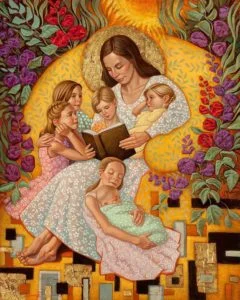
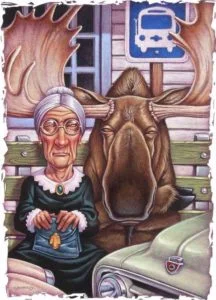
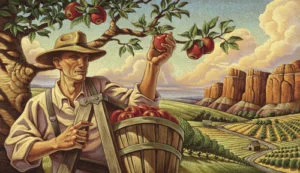
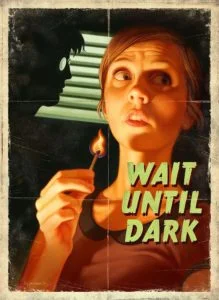
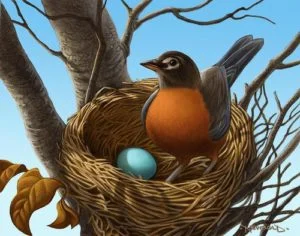
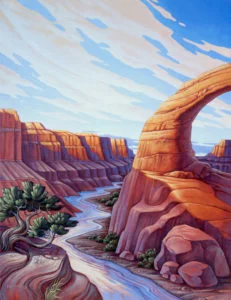
A selection of Newbold’s work appears below. His portfolio offers a wider view of the illustrations and is the place to look when comparing projects across his practice.

| Rev | Description | Date |
|---|---|---|
| A | Issued for reading | |
| B | Viewed 762 times | Current |