Miracle Studios Builds Brand Stories Through Comics, Illustration and Animation
- Project
- Graphic Design
- Drawn by
- Jessica Rydman
- Issued
- Sheet
- A-145
Led by Terry Tidwell, Miracle Studios brings comic art to strips, books, web games and animation, using narrative to hold attention across formats.
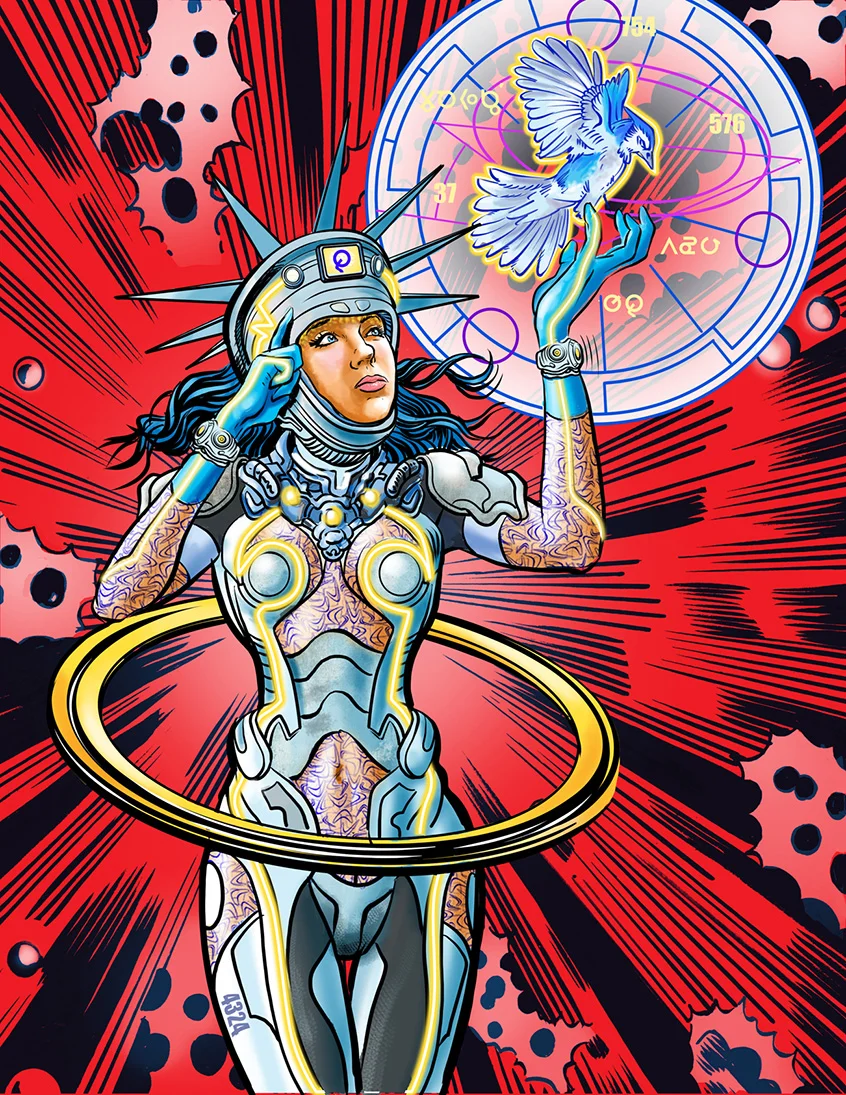
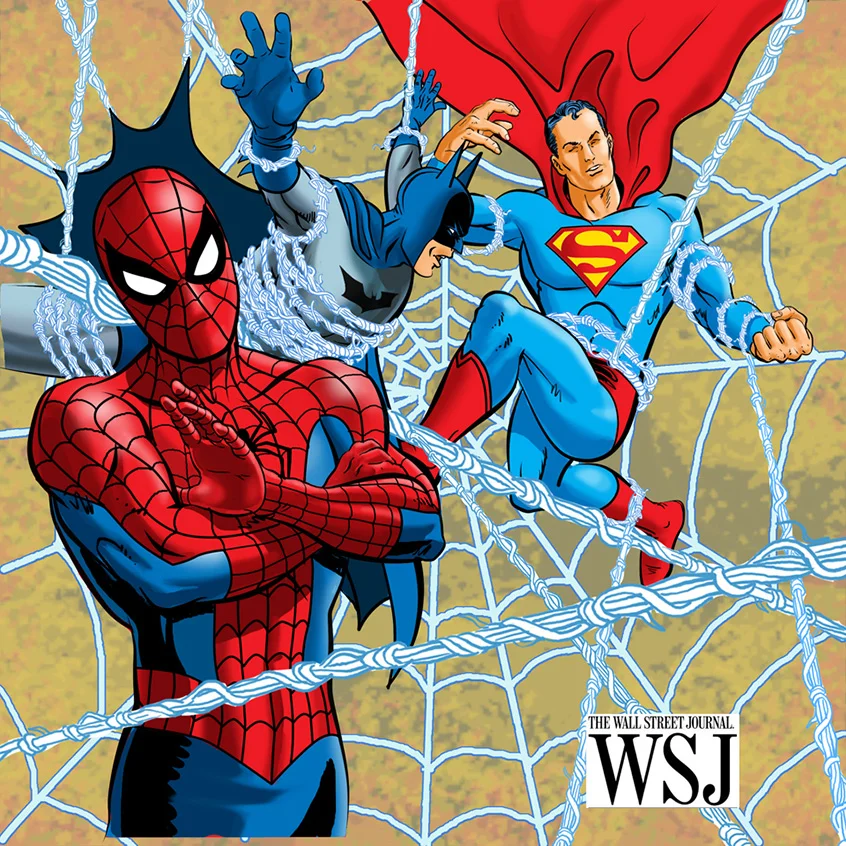
Miracle Studios puts storytelling at the center of its comic art practice. Led by Terry Tidwell and a group of experienced illustrators, the studio works across comic strips, comic books, comic pop art, web games and animation. That range gives clients several ways to bring a narrative into view, from a sequence of panels to a single full-page illustration.
The studio’s stated aim is to use comics to keep an audience engaged through the interplay of words and images. That idea is practical for design teams: a comic can give information a sense of movement, while the images help establish tone and context. A single illustration can also carry a narrative when the composition, characters and details work together to suggest a larger story.
Storytelling across formats
Miracle Studios describes its work as a way to tell stories about products, services, and a company’s nature and history. The format can adapt to the subject. A comic strip can unfold an idea over several moments; a comic book can make room for a longer narrative; and animation or a web game can add movement or participation to the experience. The source doesn’t describe particular projects or production methods, so the useful point is the breadth of formats the studio lists, rather than a prescribed workflow.
For designers shaping a brief, that breadth raises a useful question: what should the audience understand, and what should they feel as they encounter the story? Once those goals are clear, the team can consider whether the subject benefits from a sequence, a focused image or a format with motion. The narrative itself becomes a way to organize the message. Characters, setting and visual details can make an abstract idea easier to follow, while the relationship between text and art can control pace and emphasis.
That doesn’t mean every subject needs a comic. The studio’s approach is most relevant when a client has a story to tell and wants to make it engaging through both language and image. A short strip may be suited to a compact idea; a full-page image may be enough when one carefully composed scene can carry the message. The choice depends on the story and the amount of information the audience needs to take in.
A client list spanning consumer brands and publications
Miracle Studios lists Coca-Cola, Walmart, Hasbro, Tyson, McDonalds, Wallstreet Journal, Wired magazine and Mens Health among its notable clients. The names point to experience with a mix of consumer brands and editorial publications. The source doesn’t connect individual clients to specific projects, so it doesn’t establish which formats or visual approaches the studio used for each one.
For creative teams assessing a studio, the client list offers a starting point for review, while the work itself can show how the illustrators handle storytelling. It’s worth looking at how the images guide the eye, how text and artwork share space, and whether the story reads clearly at the scale and pace intended for its format. Those questions apply whether the brief calls for a strip, a book, pop art, a web game or animation.
What to look for in the work
Comic art relies on choices that are familiar to designers: composition, sequence, hierarchy and the balance between copy and image. In a strip, the order of panels shapes how an idea unfolds. In a single illustration, the arrangement of figures and details can suggest a before and after, or direct attention toward the central point. When a story includes explanatory text, the visual structure needs to give readers a clear route through it.
These are general considerations for the formats Miracle Studios names, rather than production details supplied by the studio. The source doesn’t identify specific typefaces, colour palettes, grid systems, software or accessibility practices. Those details would need to be assessed from individual projects or discussed as part of a brief. For a design team, asking about them early can clarify how the artwork will work in its intended setting and how the story will remain legible across formats.
Miracle Studios’ central proposition is straightforward: use comic art to give a message a narrative shape. Its listed services span still images and more active formats, and its client roster includes well-known names across different fields. The next step for anyone considering the studio is to review its portfolio and see how each piece uses words, images and sequence to make a story hold together.
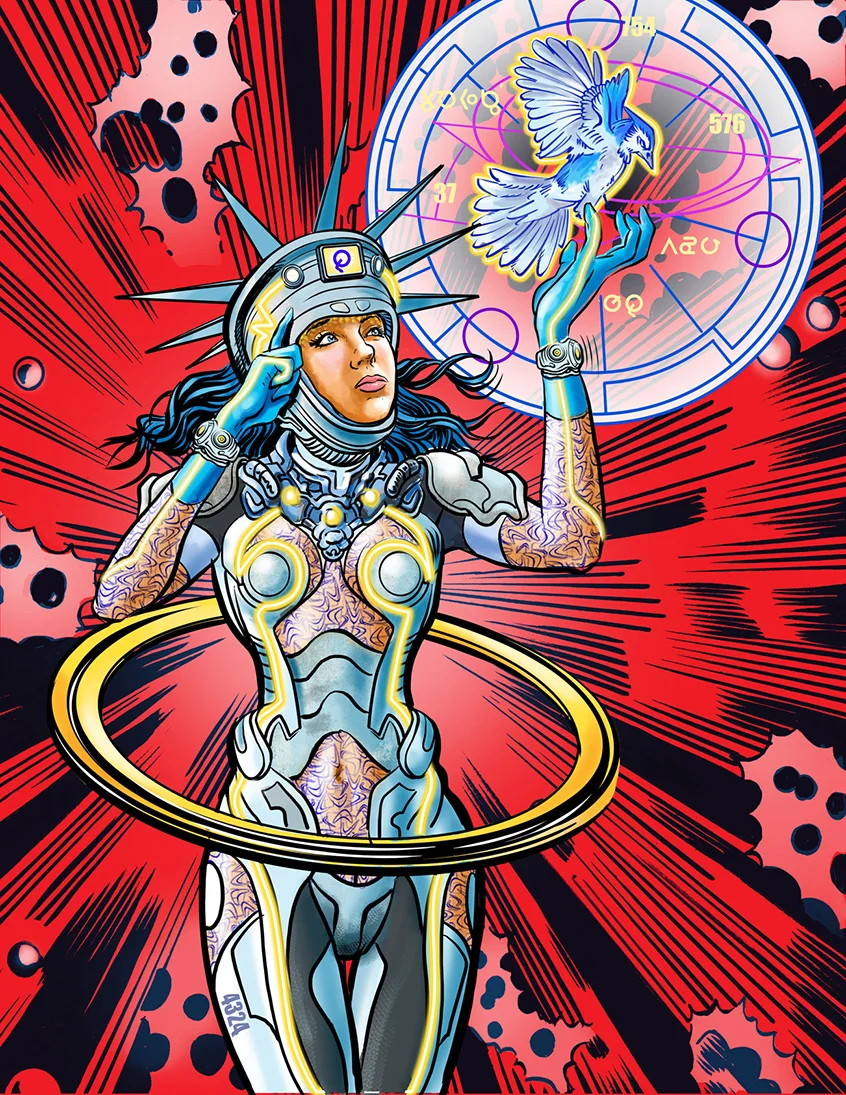
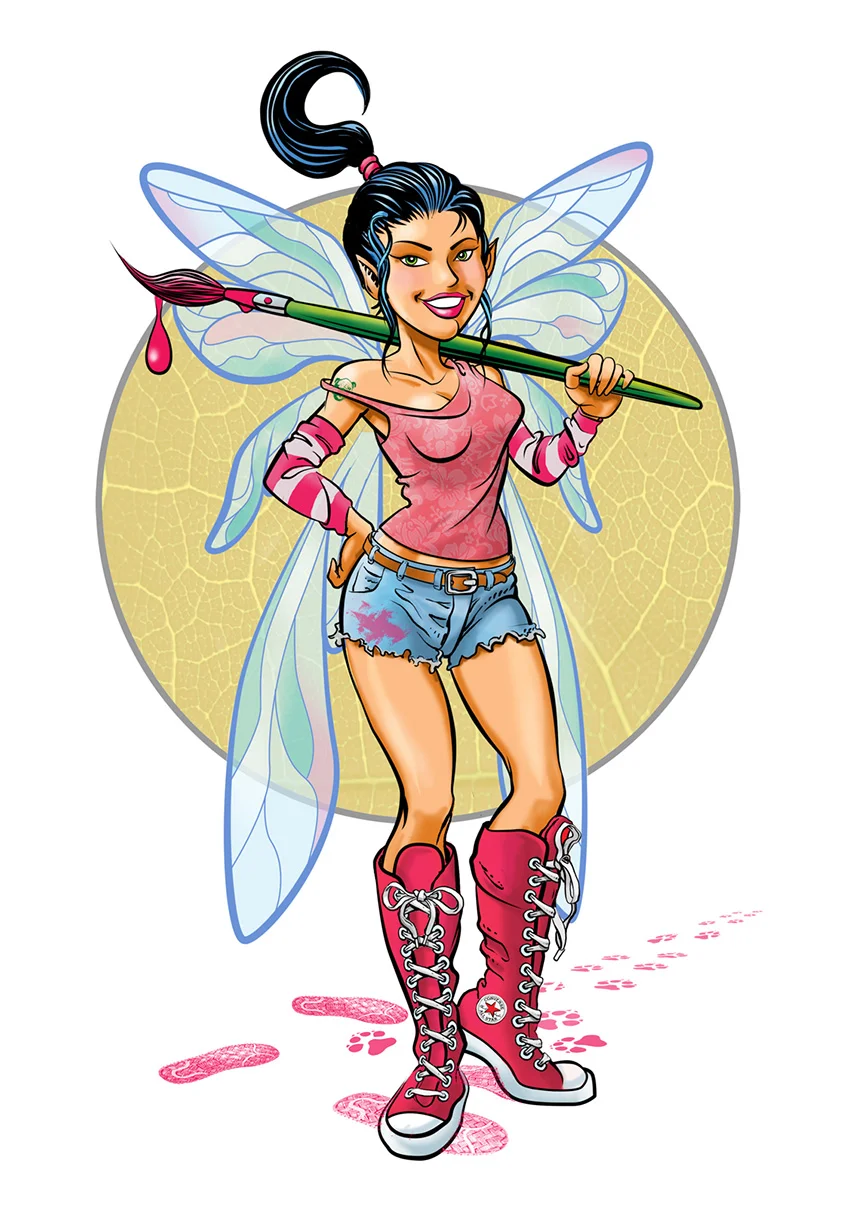
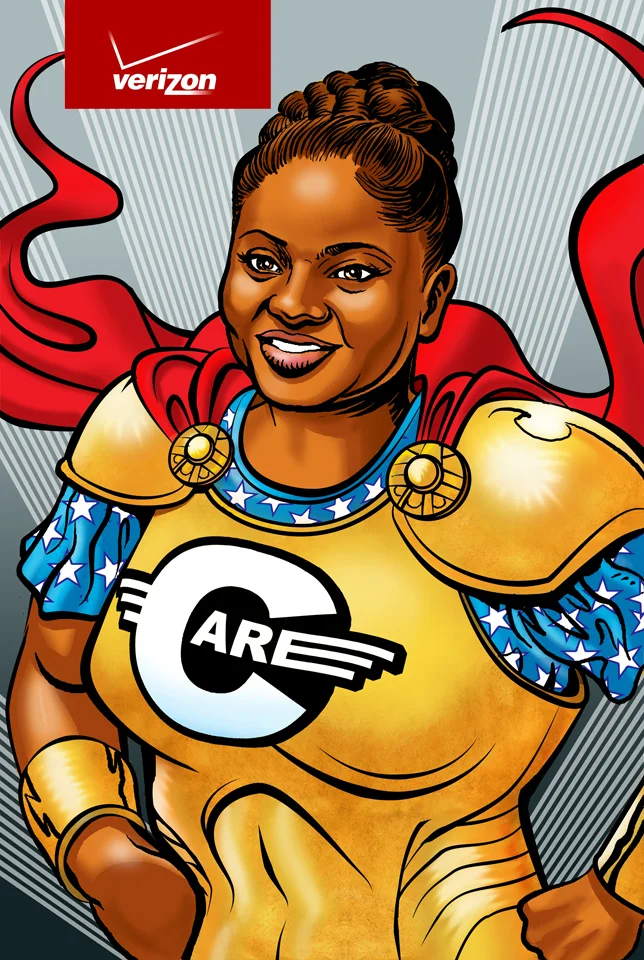
Explore more work by Miracle Studios.
| Rev | Description | Date |
|---|---|---|
| A | Issued for reading | |
| B | Viewed 700 times | Current |


