Gary LaCoste’s Vector Cartoons Bridge Toy Design and Children’s Publishing
- Project
- Web Design
- Drawn by
- Ian Carradine
- Issued
- Sheet
- A-139
Gary LaCoste brings two decades of cartoon work into children’s publishing, with more than 25 illustrated books and magazine contributions.
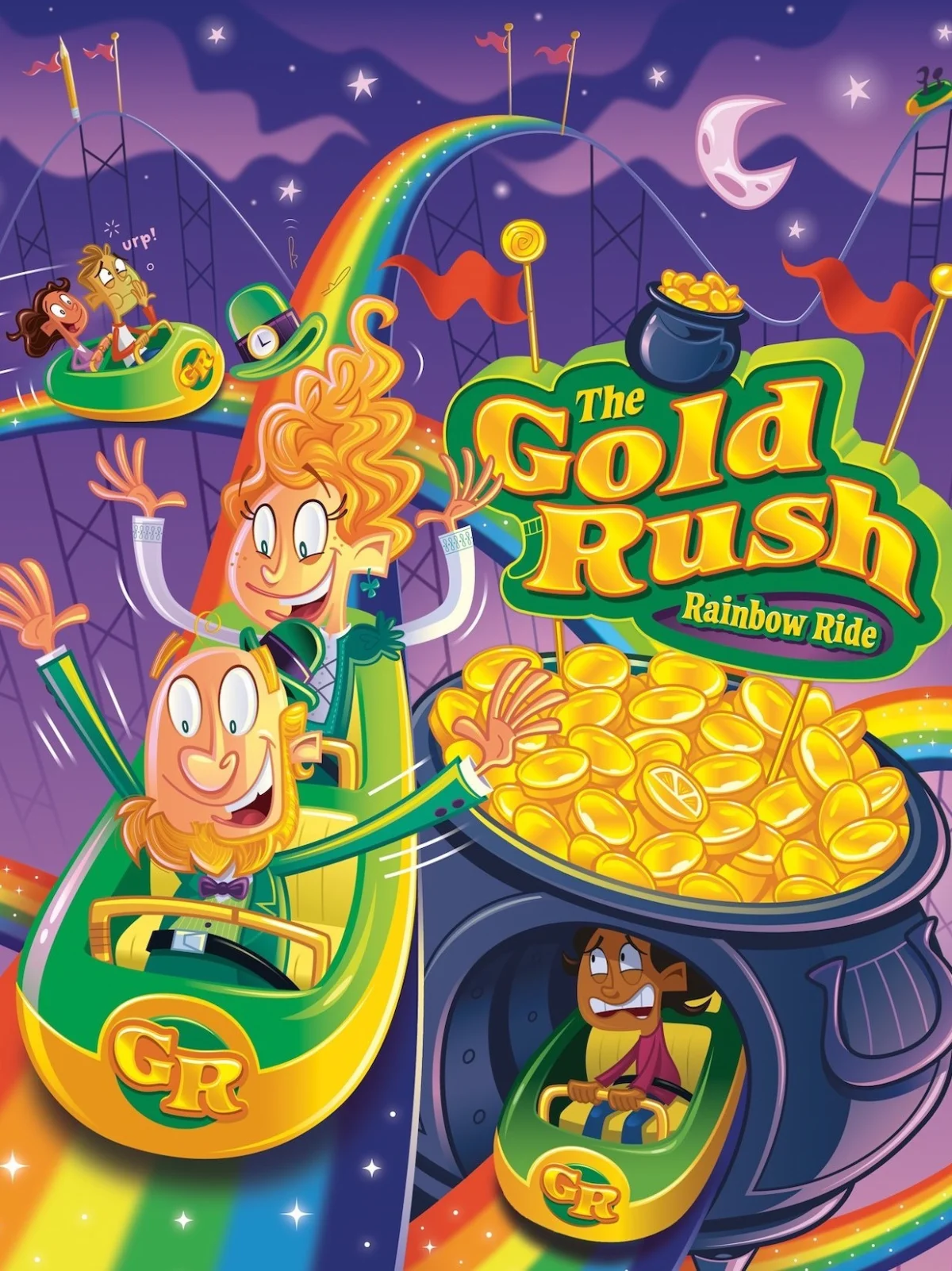
Gary LaCoste’s career connects two design settings that share a demand for clear, memorable characters: toys and games, and children’s publishing. His digitally rendered vector cartoons and caricatures have served clients including Hasbro, Nickelodeon, and Lego. After working in game board and toy design, he expanded into children’s books and magazines. The shift puts character art at the center of work made for different formats and young audiences.
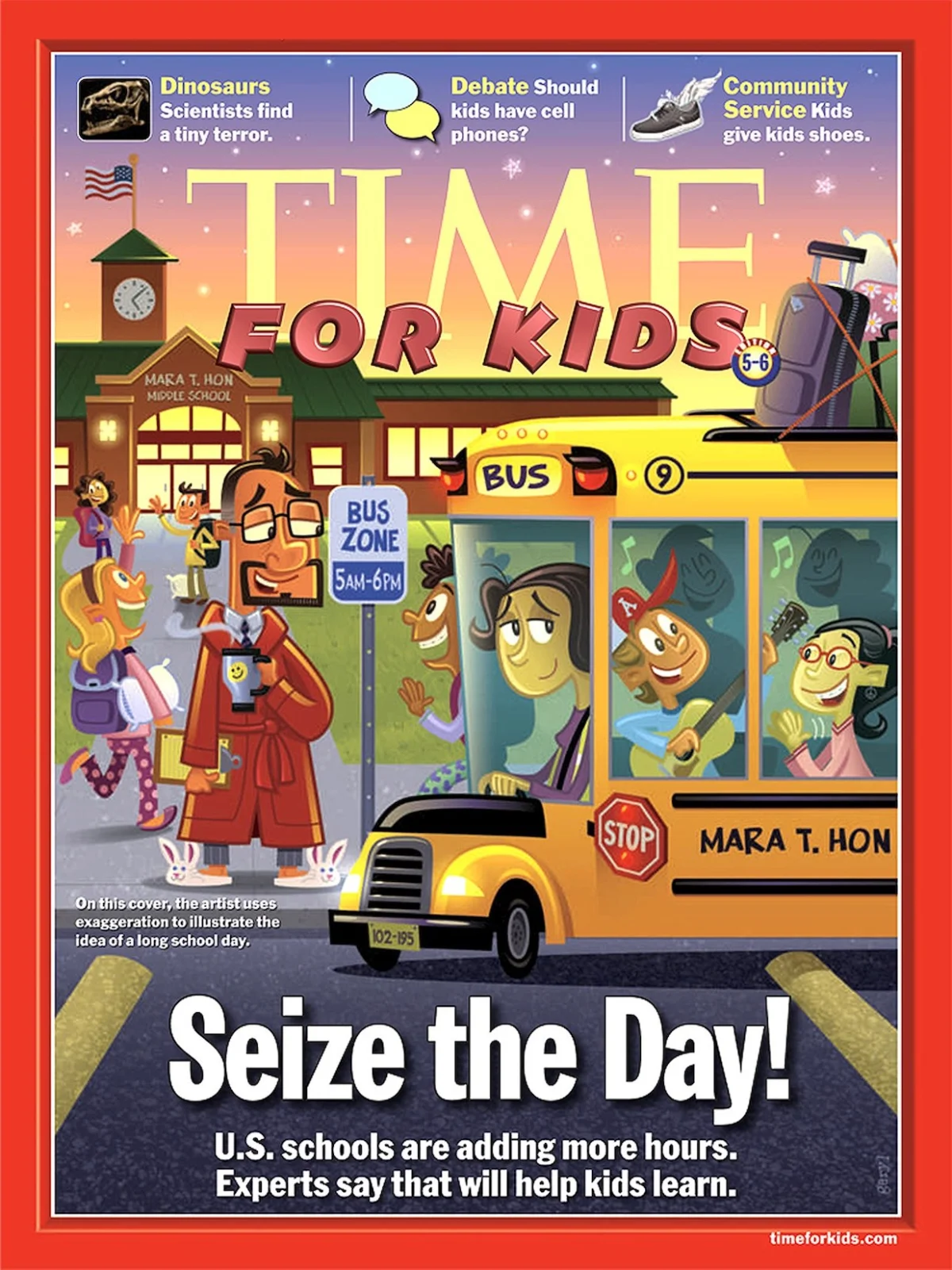
The Directory of Illustration describes LaCoste as specializing in child-friendly cartoons and caricatures stylized digitally as vectors. He began his career 20 years ago, according to the feature, designing for games and toys. About 10 years ago, he broadened his focus to children’s publishing. Since then, he has illustrated more than 25 books and contributed regularly to Highlights, Time for Kids, Jack and Jill, and Clubhouse Jr.
One character practice, several formats
That path gives the work a useful professional context. Toy and game design asks an illustrator to make characters legible and appealing within a product experience; publishing places those characters alongside a story, a page, or a cover. The source doesn’t describe LaCoste’s specific design process, but his career spans both kinds of assignment. For art directors, that range is a reminder to assess character work in relation to where it will appear: a small image, a cover, a printed page, or a product surface each gives the art a different job.
Vector styling is a concrete detail in the feature’s description. For illustration teams, vector artwork can support clean, scalable shapes across different output sizes. That quality can be useful when a character needs to read clearly in more than one placement. It doesn’t, on its own, tell us how LaCoste builds a drawing, which software he uses, or how files are prepared for production. Those details aren’t supplied in the feature, so the work is best approached through the visible portfolio and the credited categories rather than assumptions about tools or workflow.
Cover art and character art
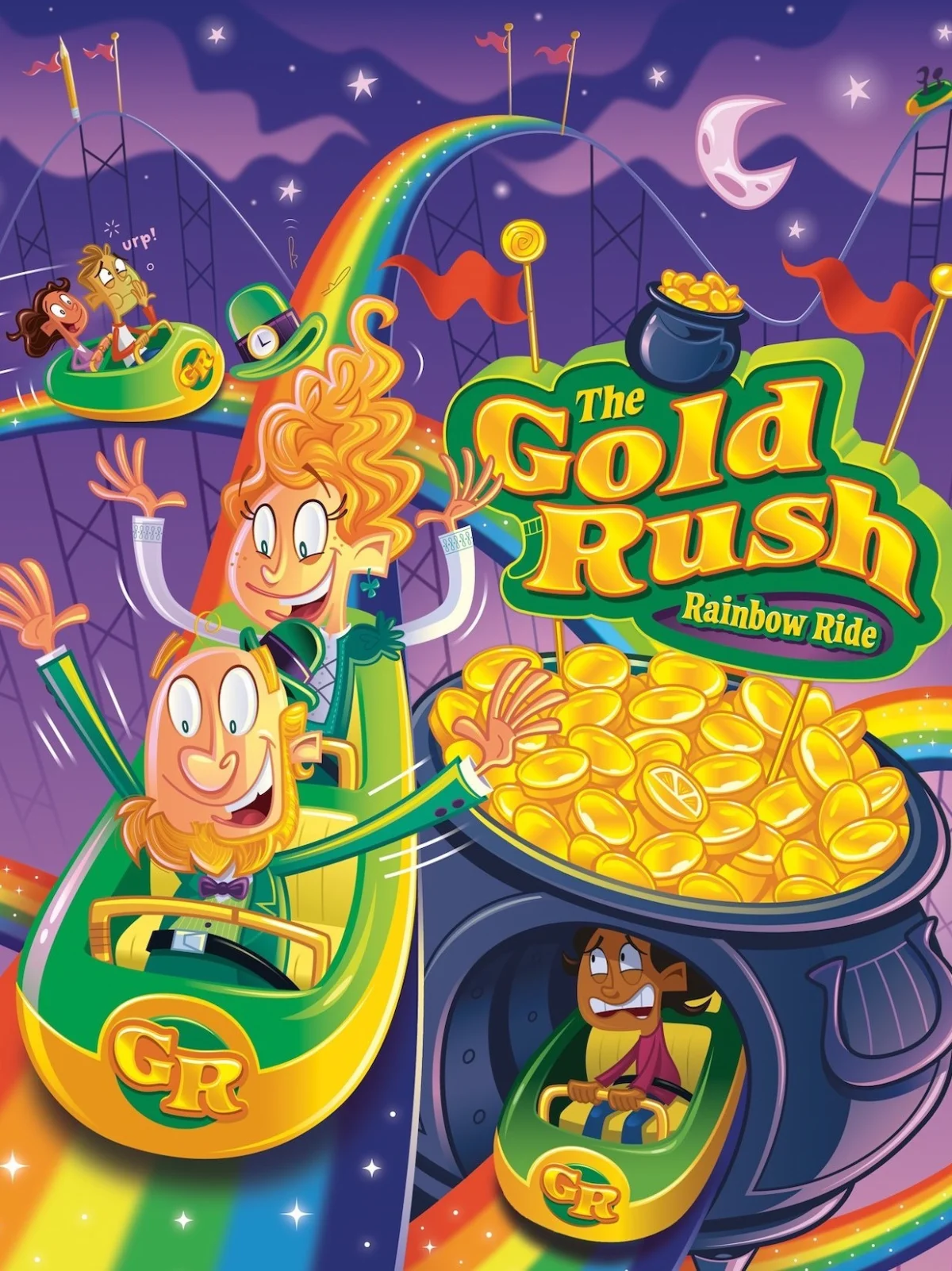
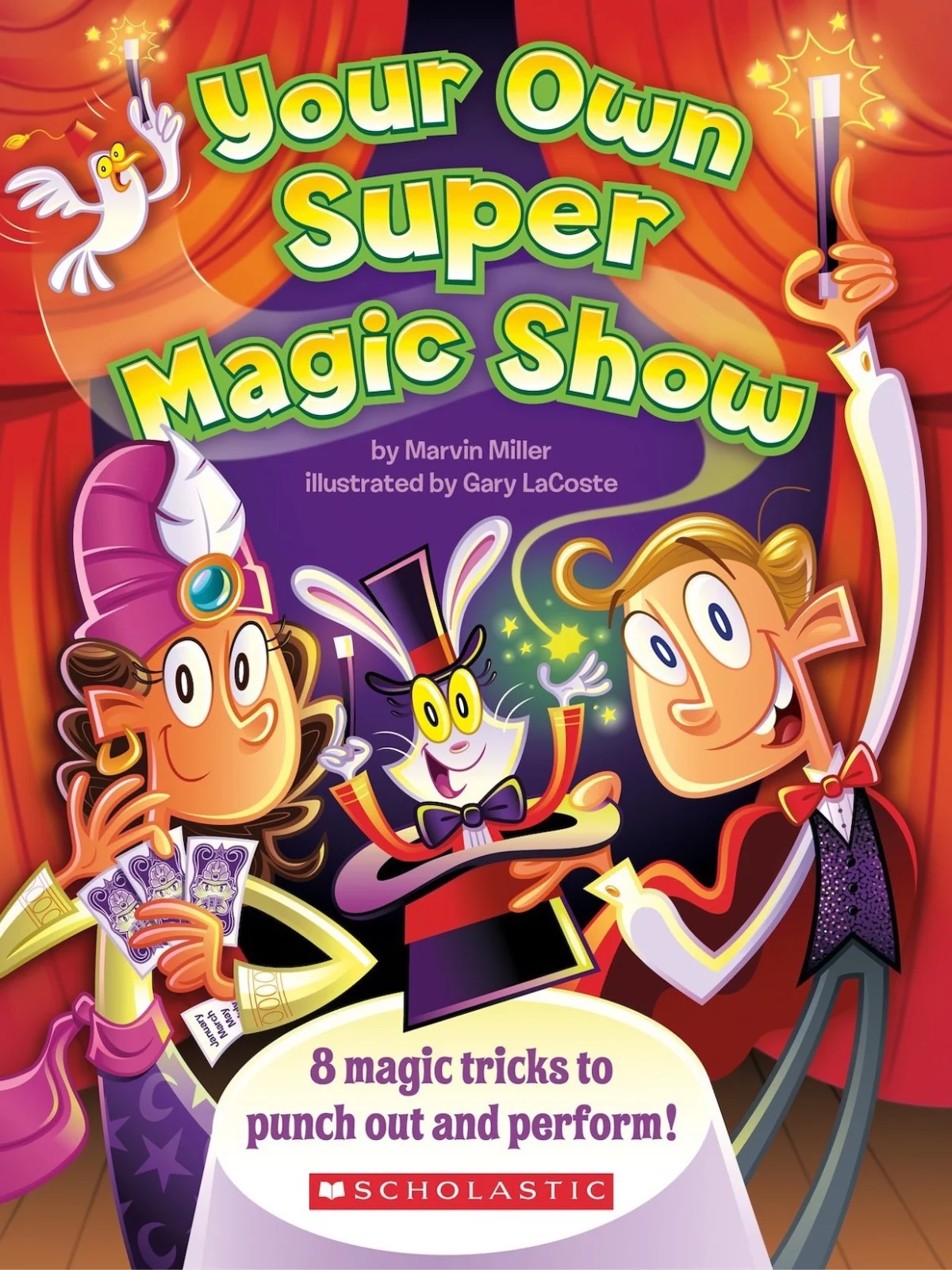
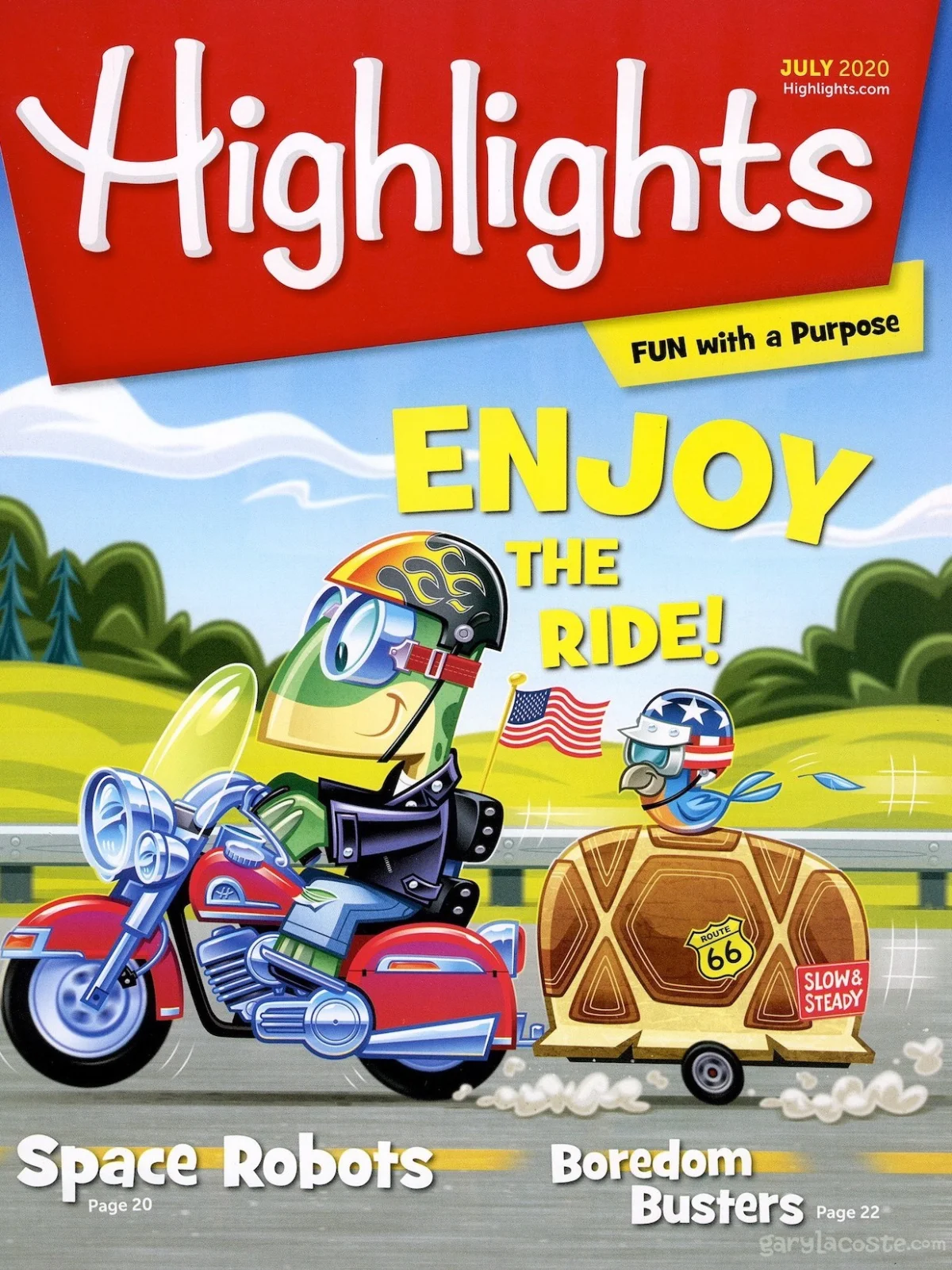
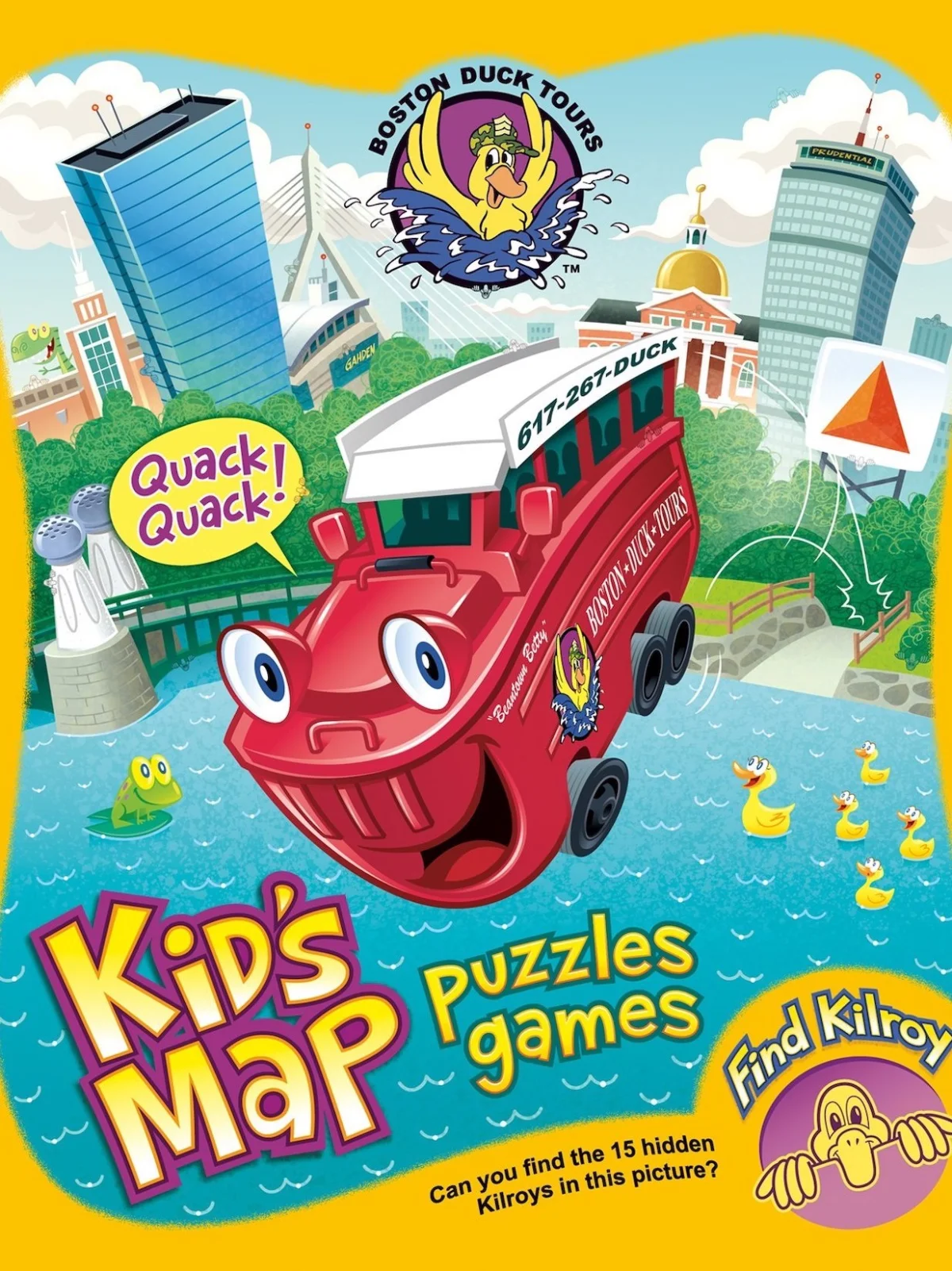
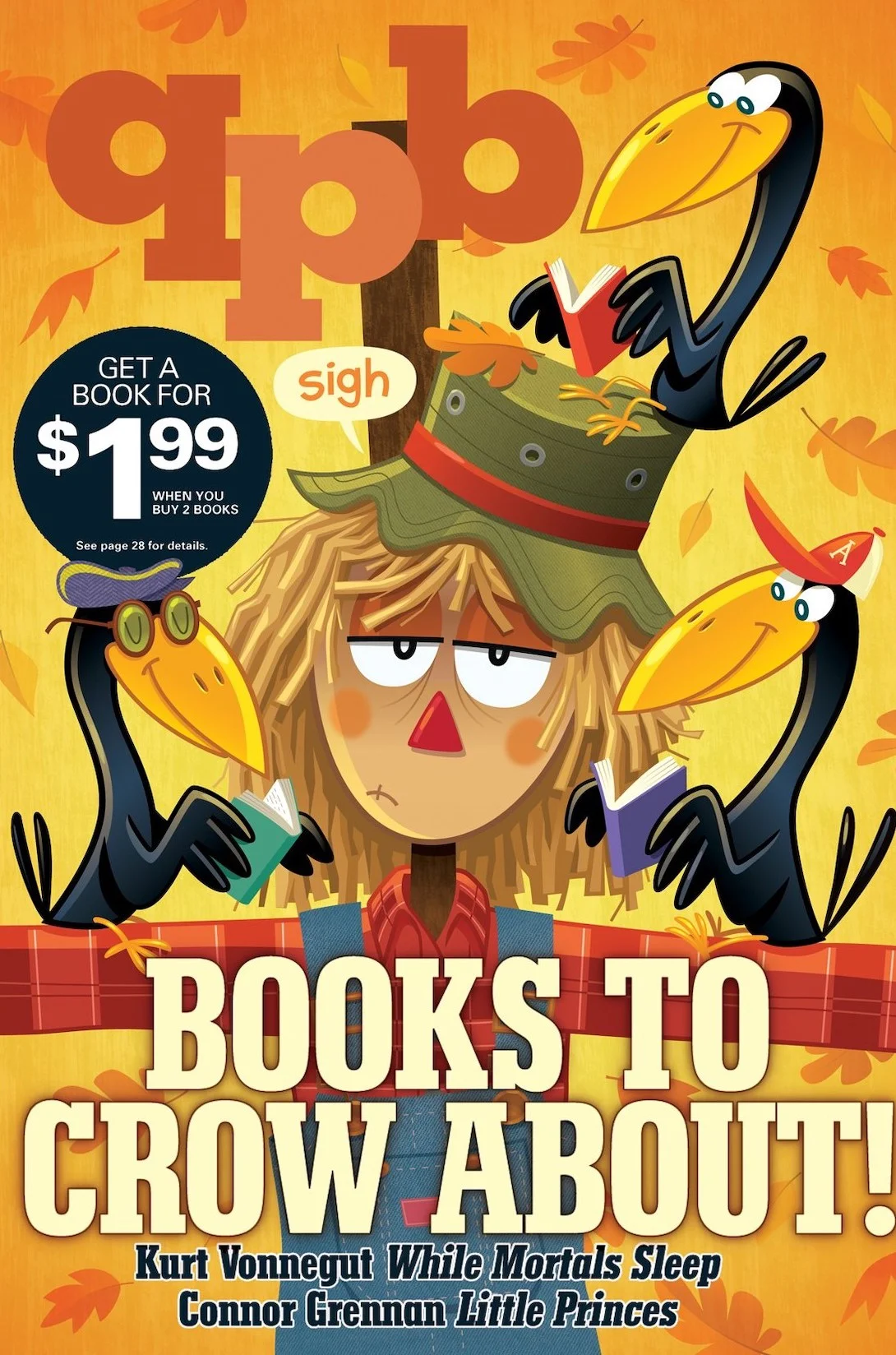
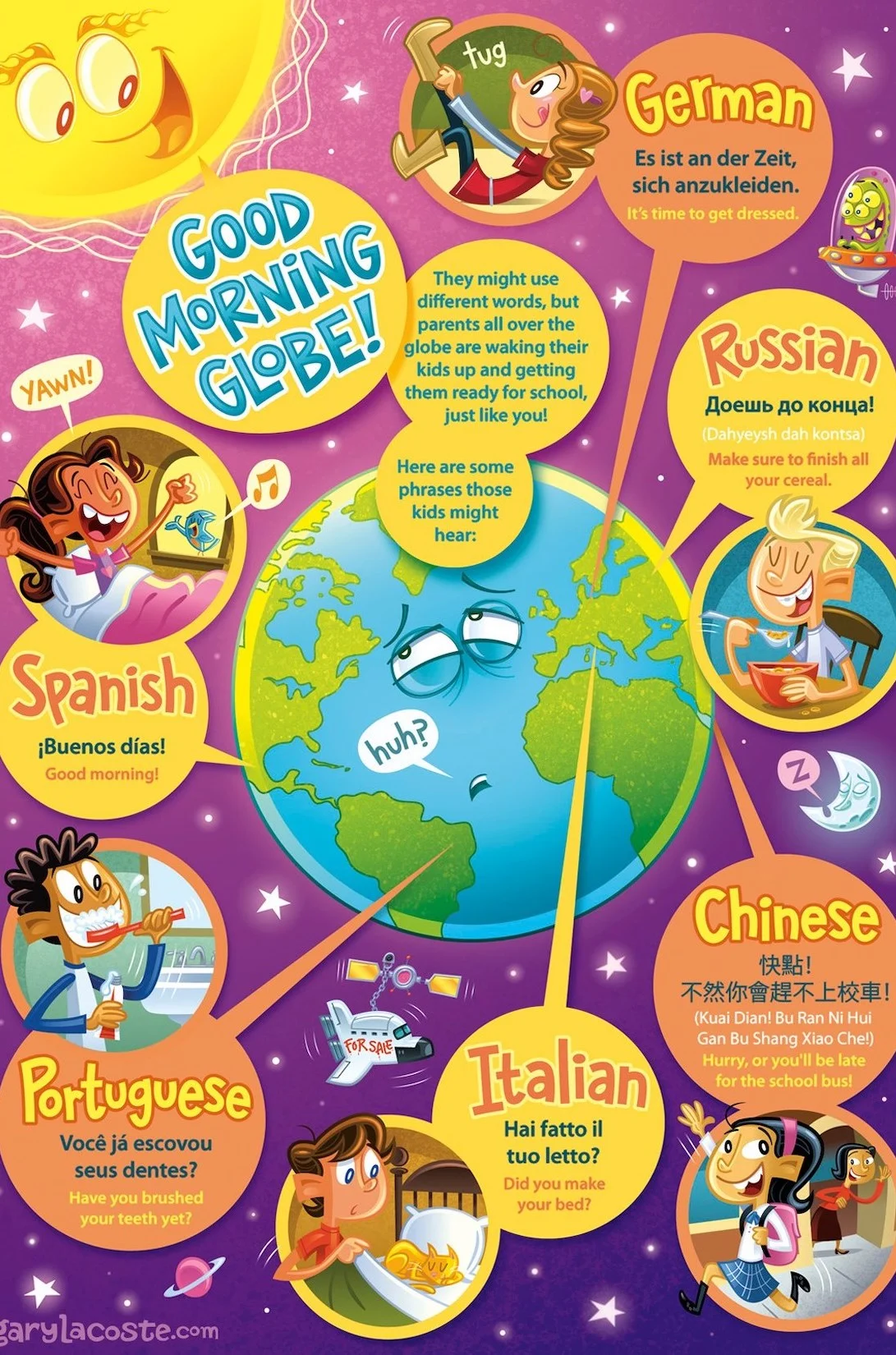
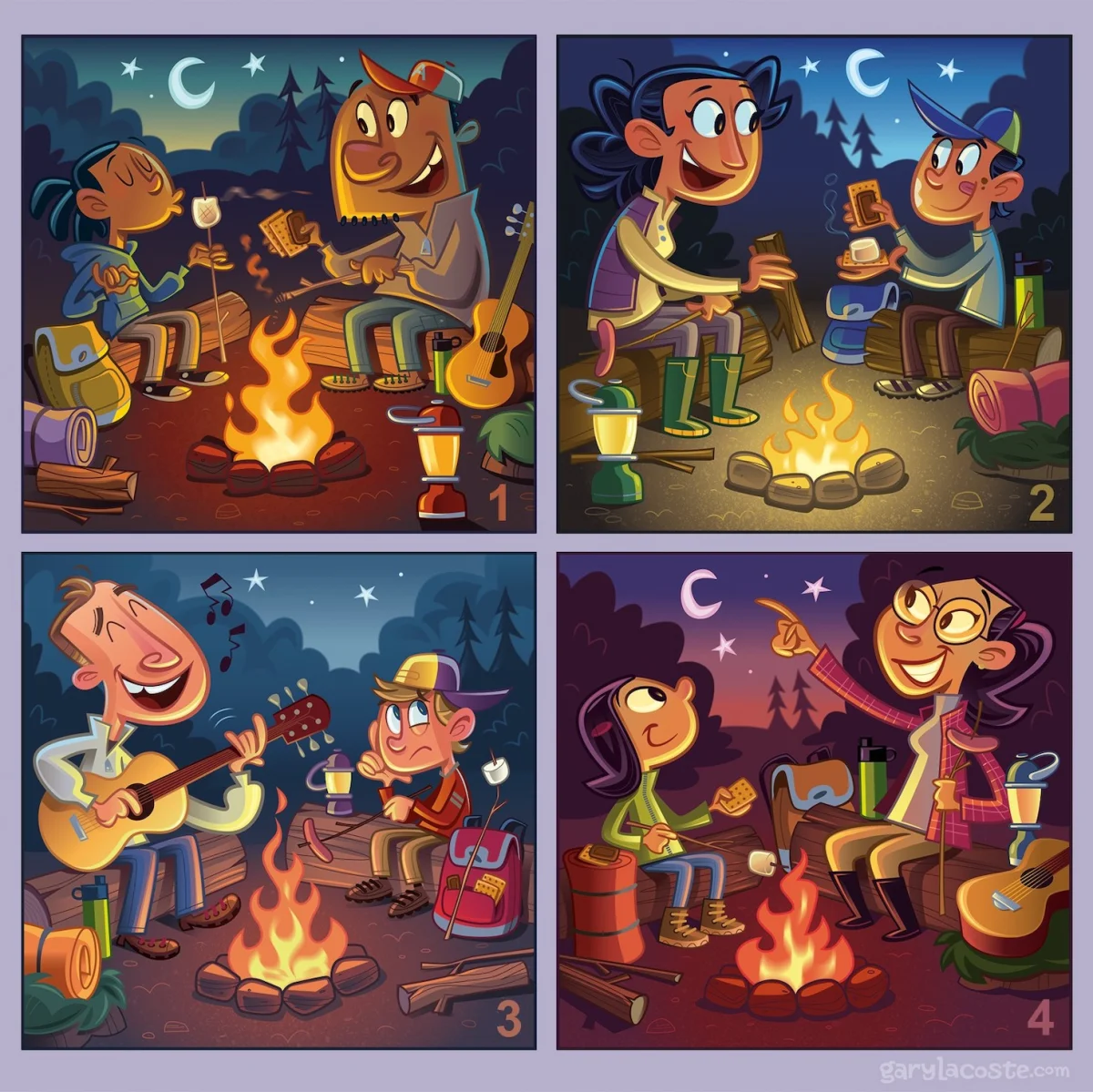
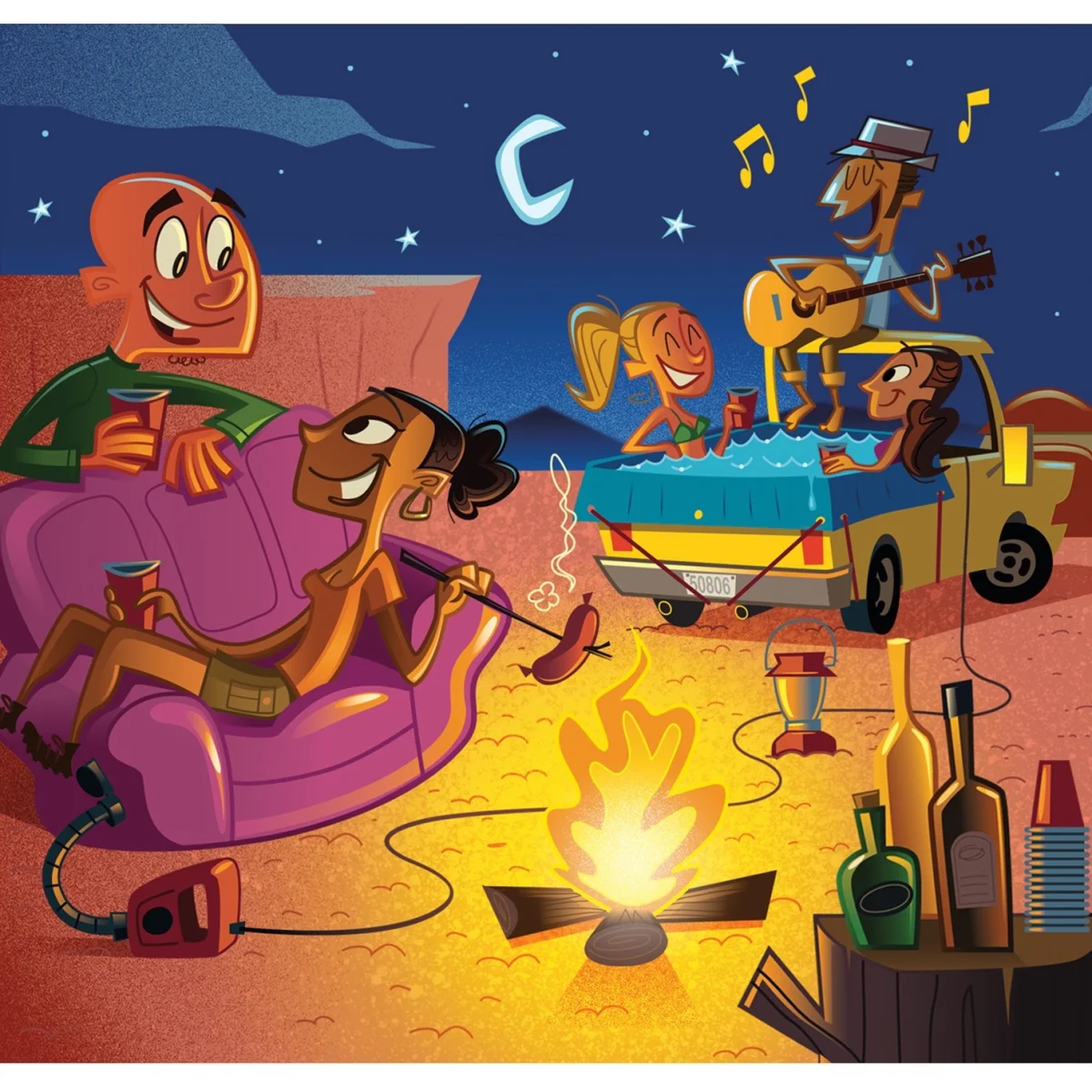
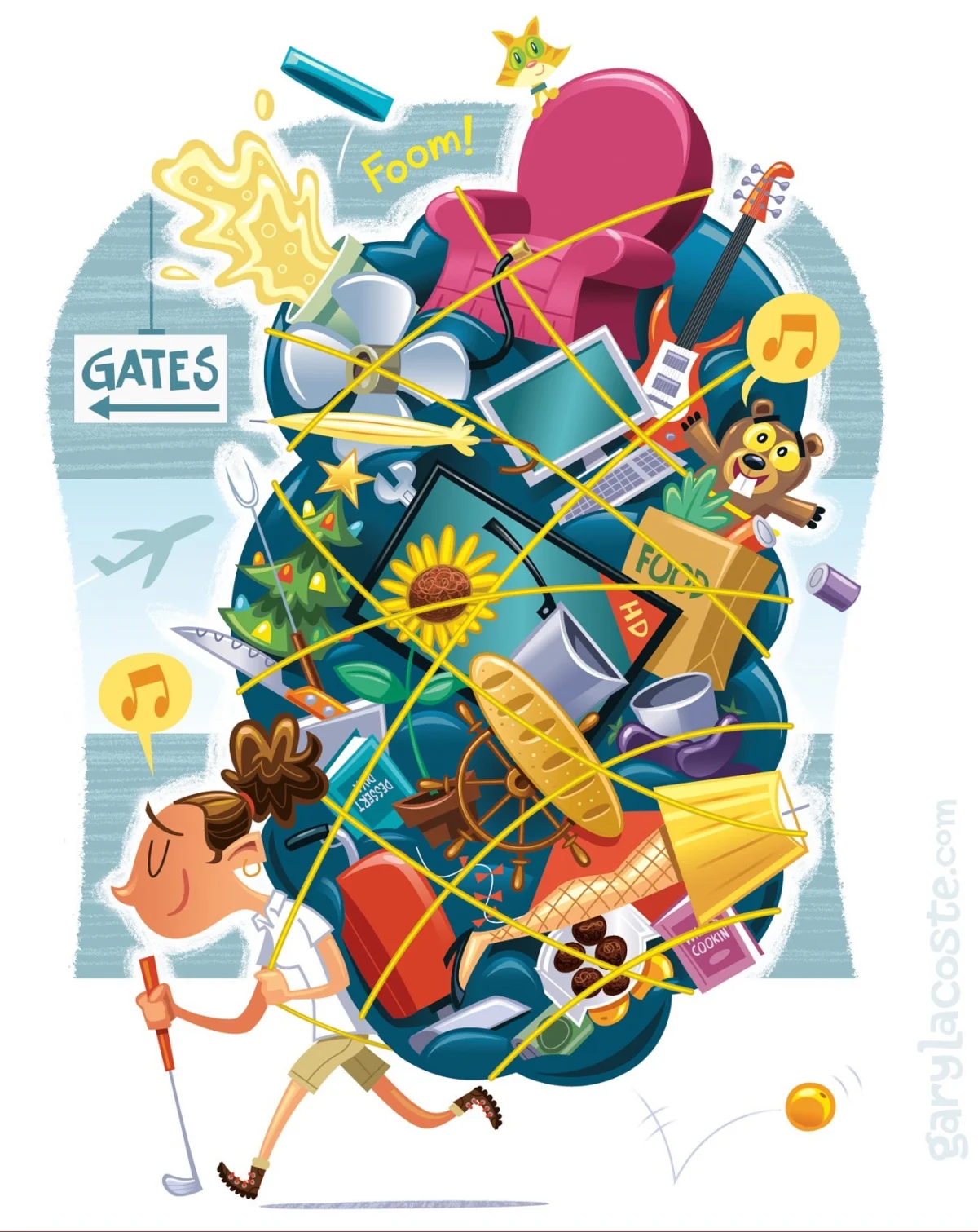
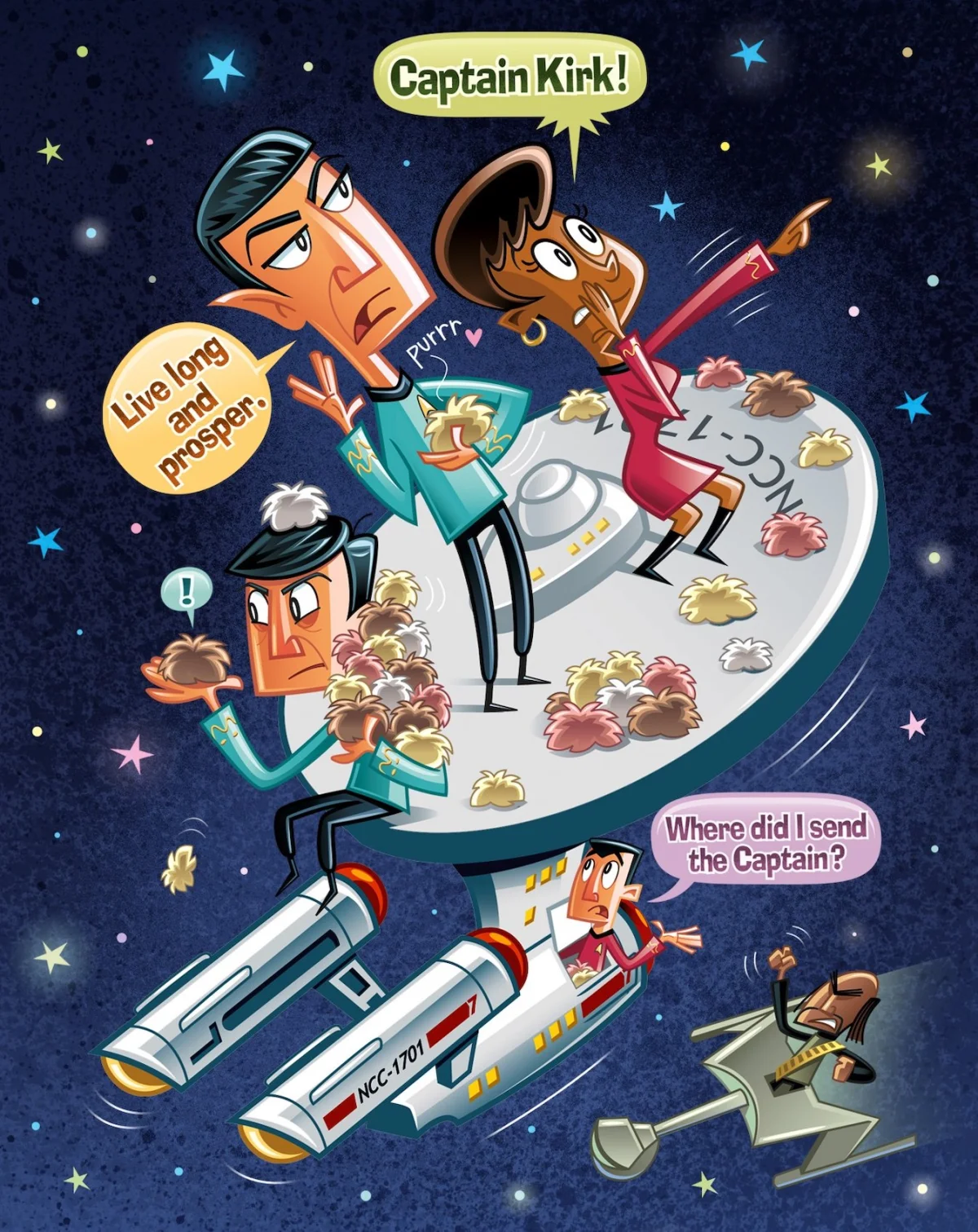
The featured selection is arranged around cover illustrations and character illustrations. That division points to two related but distinct design tasks. Cover art has to establish an immediate point of entry, while character art can focus more directly on a figure’s appearance and personality. The images below let readers compare those forms of work. The source doesn’t identify individual titles, publication dates, or the clients for each image, so no project-specific credits can be attached here.
For a designer reviewing the selection, a practical first pass is to look at how each image communicates at a glance. Notice the character’s silhouette, expression, and pose; then consider how the surrounding composition directs attention. On a cover, ask whether the figure has enough visual presence to anchor the page. In a character illustration, look for the cues that make one figure distinct from another. These are useful review questions for illustration projects generally, rather than claims about LaCoste’s stated intent.
His publishing experience also makes the portfolio relevant to teams considering recurring contributors. More than 25 illustrated books and regular work for four named children’s magazines suggest sustained activity across the category, though the feature doesn’t give dates or identify the publications for each assignment. When commissioning, teams can use a portfolio review to discuss audience, format, visual consistency, and the range of expressions or poses a project requires. Those conversations help connect a broad style description to the practical needs of a particular brief.
A portfolio built around approachable character work
The feature’s main takeaway is the continuity between LaCoste’s earlier toy and game assignments and his later publishing work: both rely on character-led illustration, while each format asks the art to function in a different setting. The curated images offer a starting point for seeing that range, and his portfolio provides the next place to examine the work in context.
Explore Gary LaCoste’s Directory of Illustration portfolio or visit his website.


| Rev | Description | Date |
|---|---|---|
| A | Issued for reading | |
| B | Viewed 656 times | Current |


