Robin Davies’ Illustration Career, From Masters of the Universe to Thomas the Tank Engine
- Project
- Graphic Design
- Drawn by
- Ian Carradine
- Issued
- Sheet
- A-138
A chance commission led Robin Davies from freelance graphic design to children’s book illustration, with work spanning fantasy, nature and Thomas the Tank Engine.
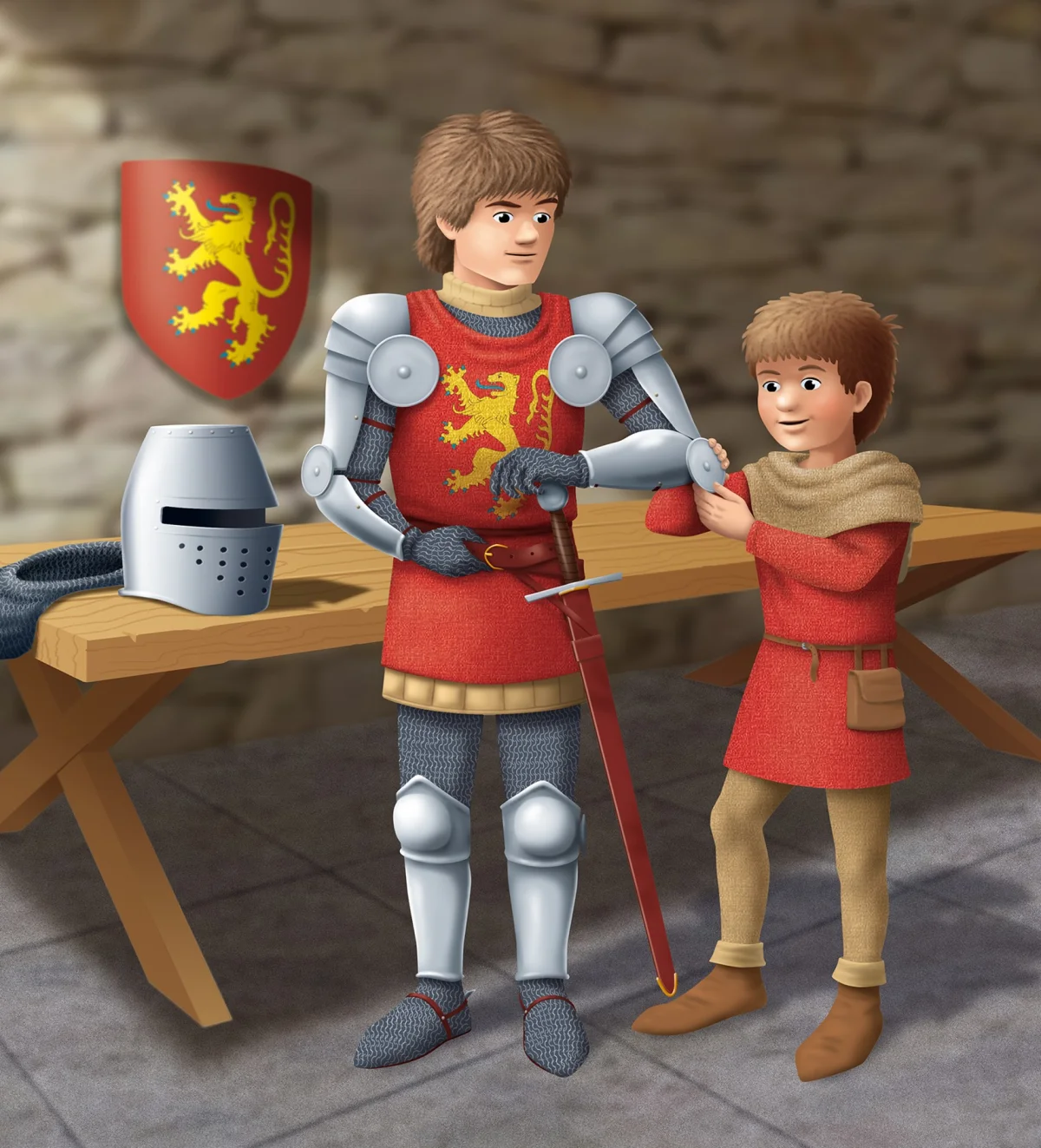
Robin Davies’ career shows how an illustrator can build a long body of work from an early commission that fits a publisher’s needs. He began illustrating books after an art director at Ladybird Books saw one of his illustrations and connected his style with Mattel’s forthcoming “Masters of the Universe” series. The project gave Davies a route from freelance graphic design into book illustration, a field in which he later worked with several leading publishers.
A first commission built around visual fit
Davies started his illustration career in the mid-1980s while working as a freelance graphic designer. One illustration drew the attention of a Ladybird art director, who thought Davies might suit a planned series based on Mattel’s “Masters of the Universe” toys. The account is brief, but its sequence is telling: a designer’s existing work caught an art director’s eye, then a focused sample assignment tested whether the visual approach could serve a particular book project.
Davies made a couple of sample illustrations using Mattel toys as reference. Ladybird and Mattel approved the work and hired him to illustrate the books. That first commission depended on translating existing characters and objects into images for a publication. For illustrators working with established properties, the basic challenge is often to make the material legible and compelling on the page while staying recognizably connected to its source. The source does not describe Davies’s specific drawing process or the visual rules he followed, so the clearest takeaway is the practical path into the work: a portfolio image led to samples, and the samples led to a book commission.
From fantasy books to familiar characters
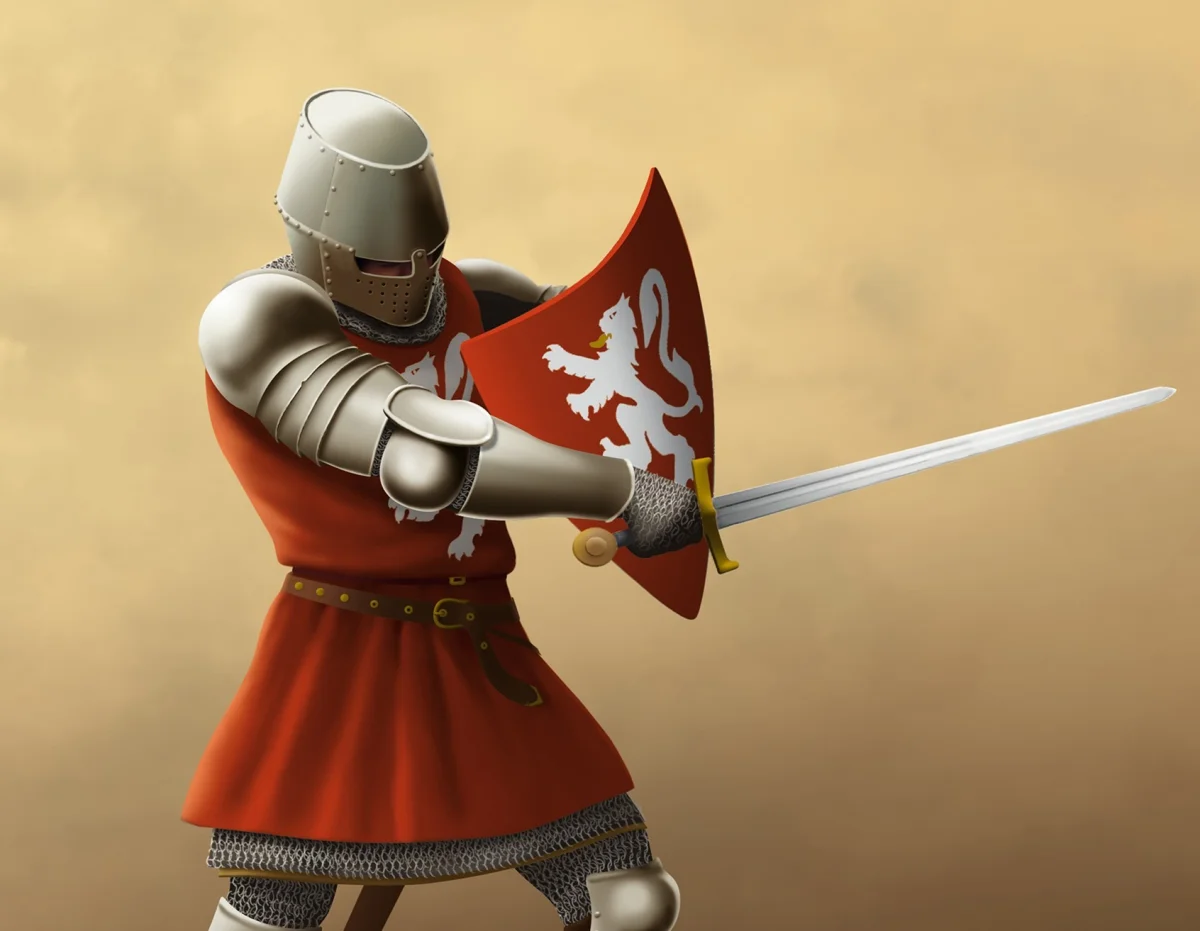
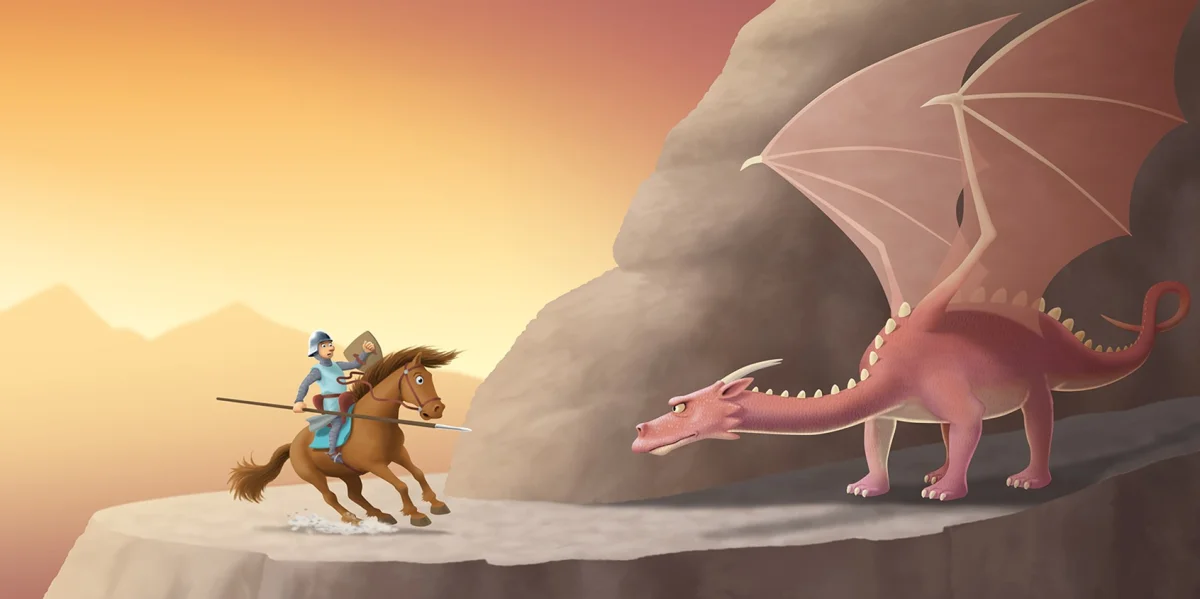
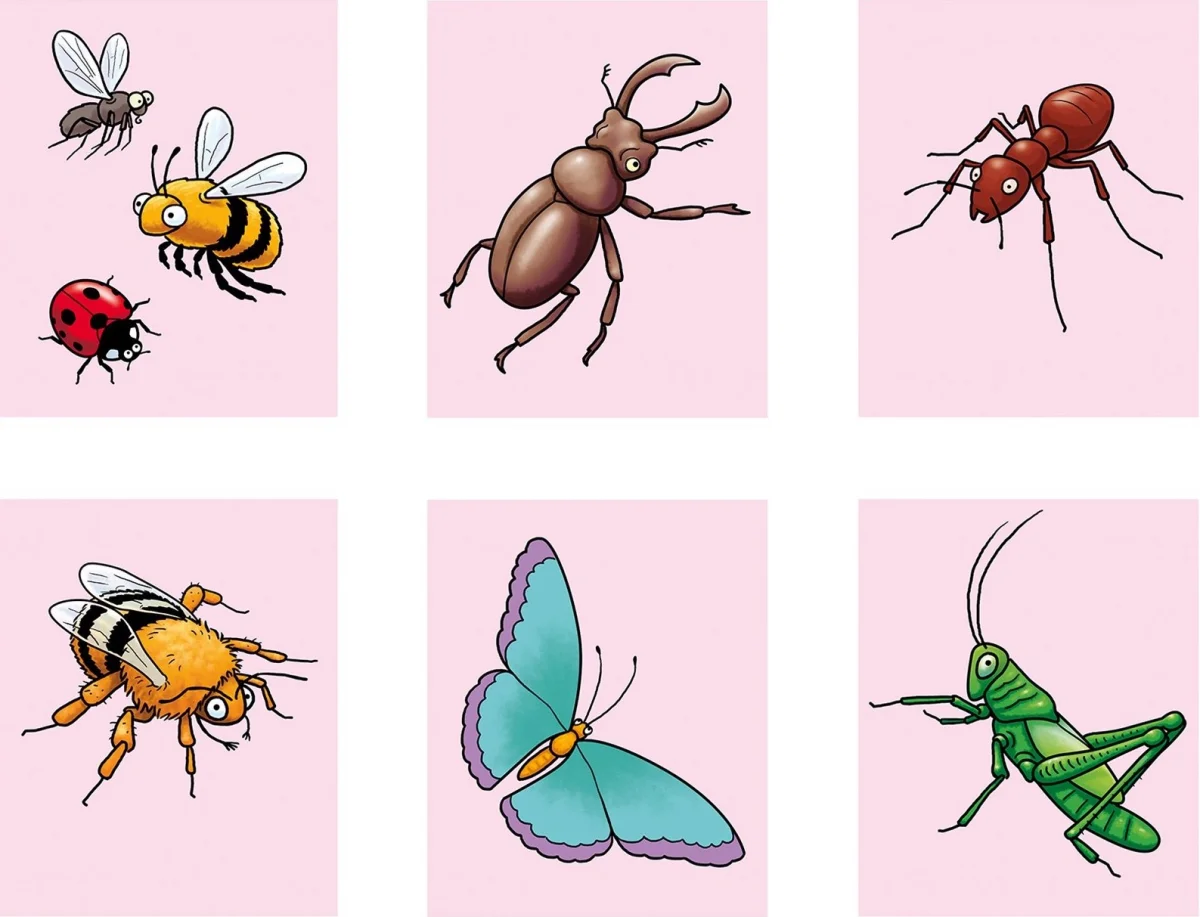
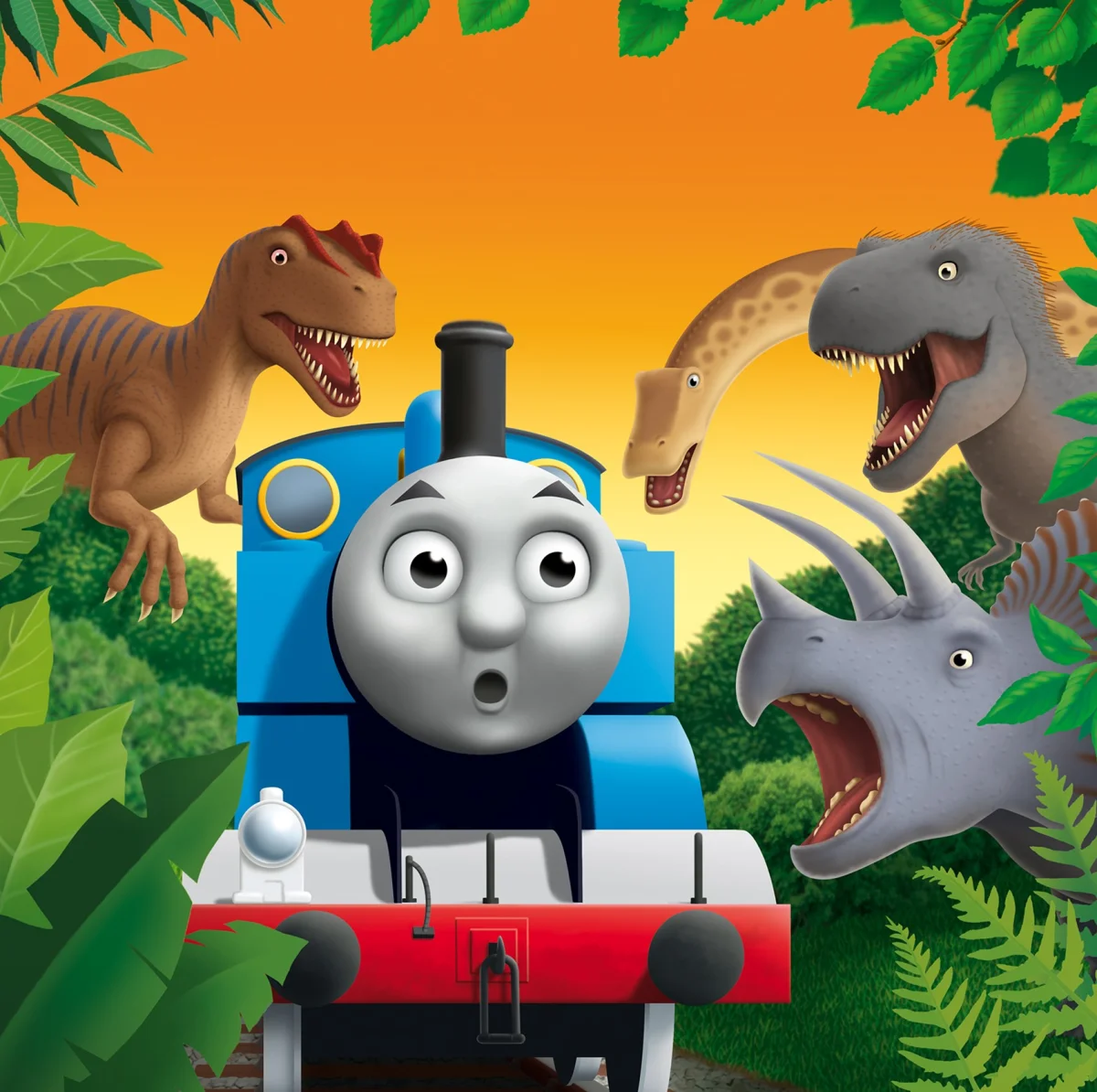
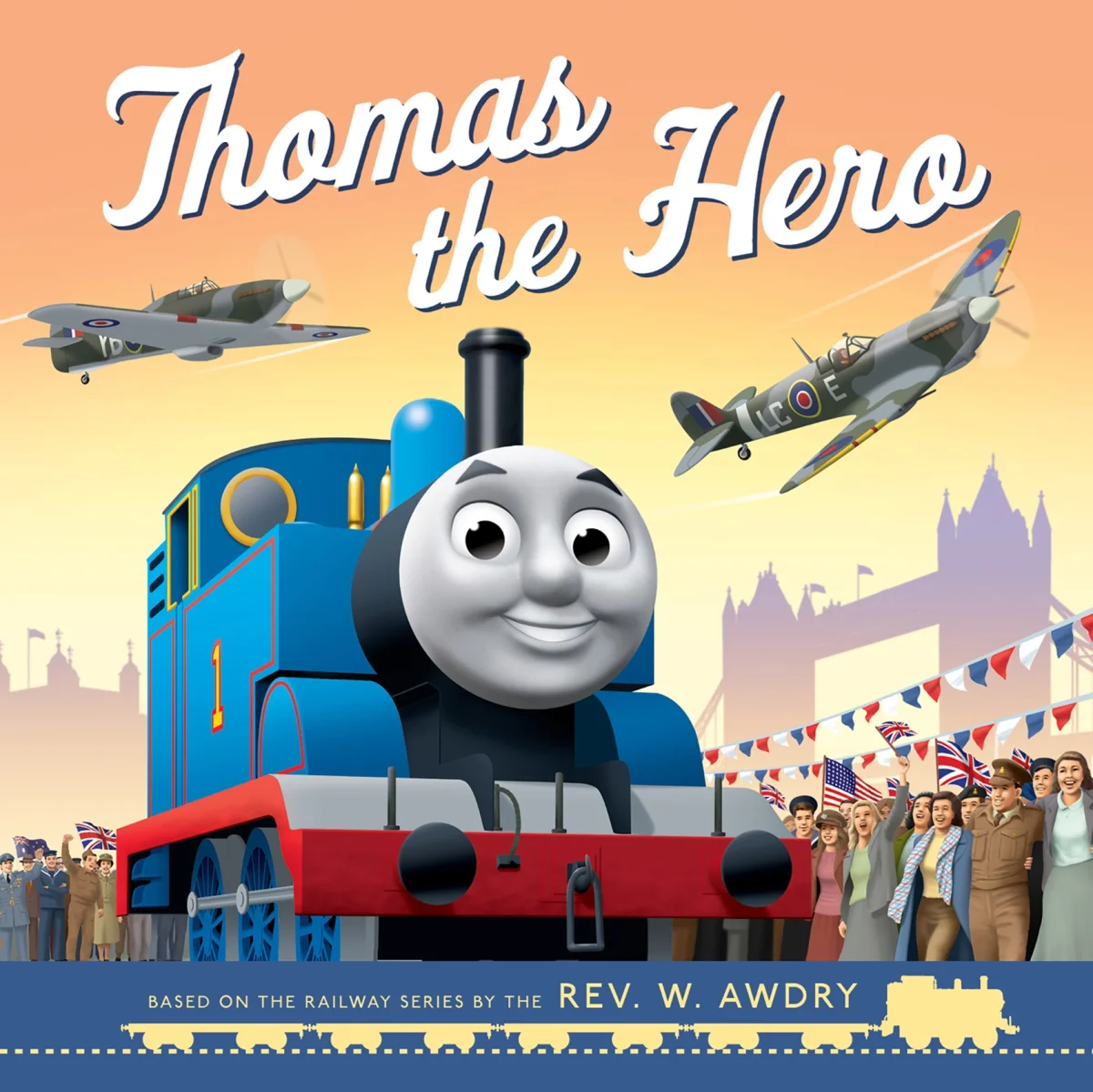
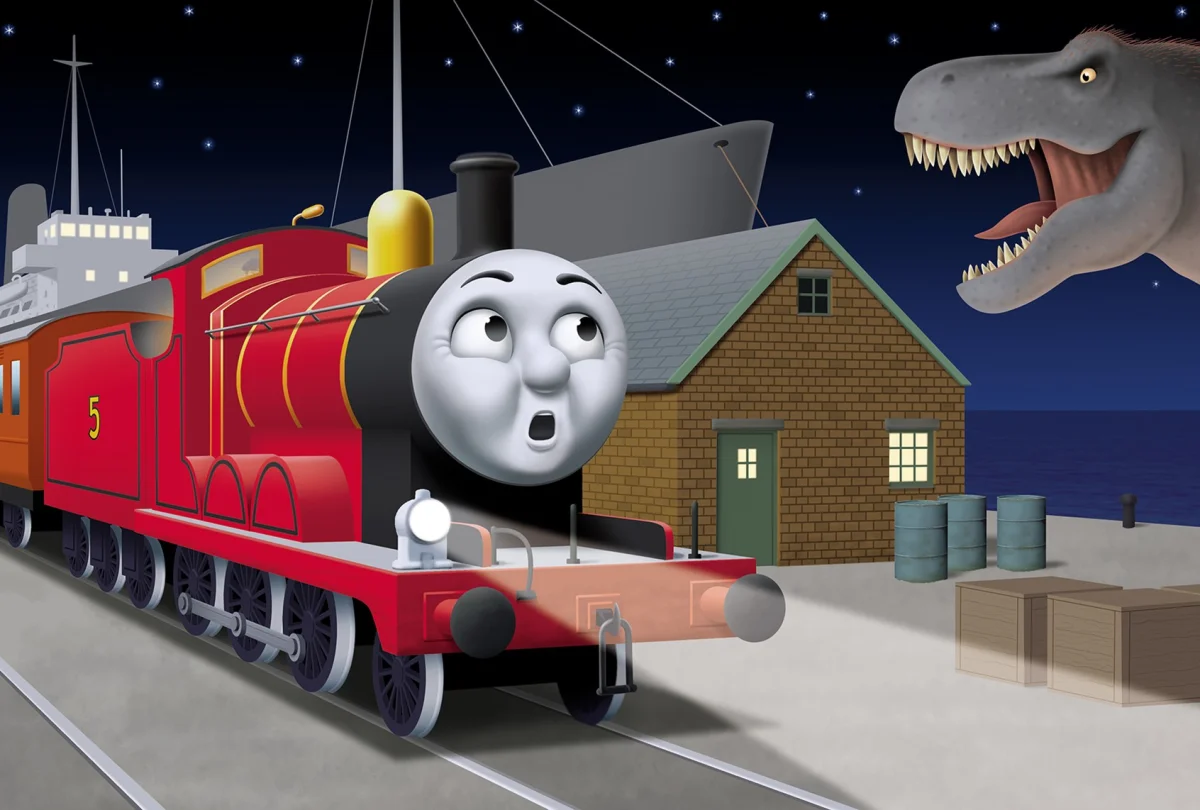
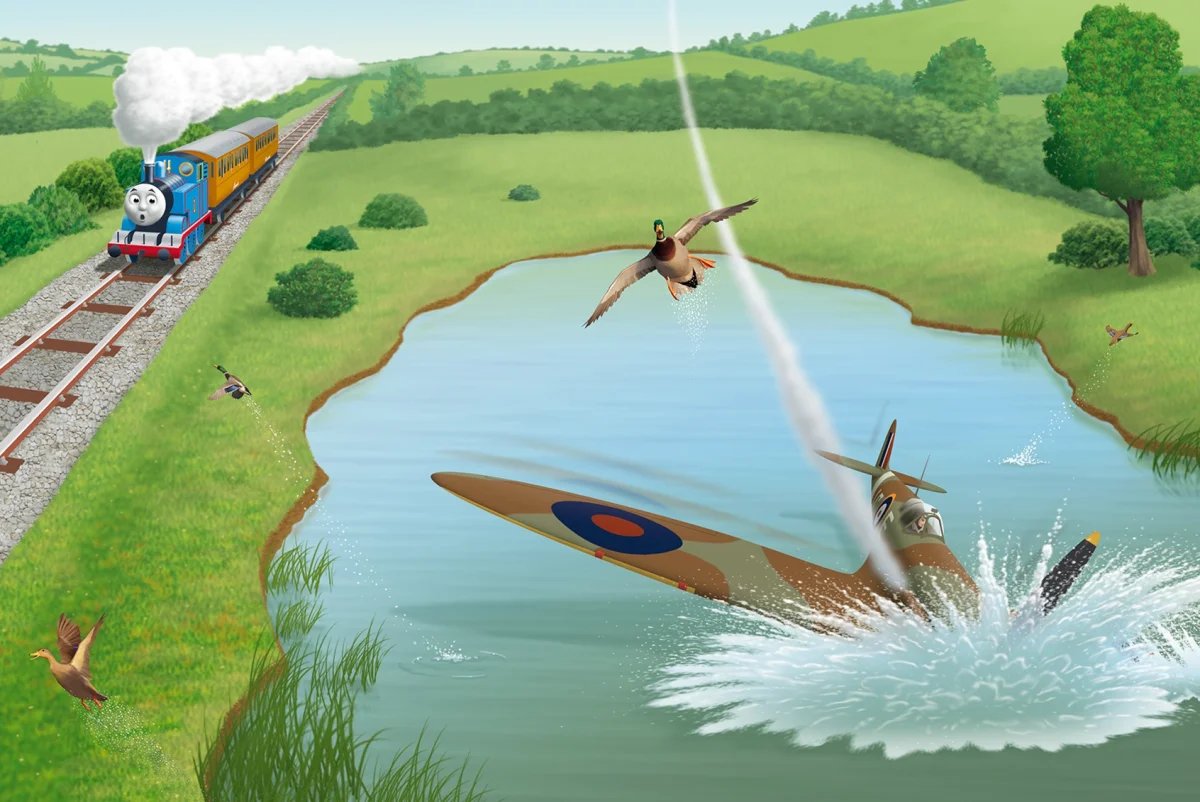
After the “Masters of the Universe” work, Davies went on to illustrate books for several leading publishers. The source singles out his many Thomas the Tank Engine storybooks for Egmont Publishing, showing a career that moved across more than one kind of children’s book subject. The accompanying portfolio images also point to fantasy and nature themes: their captions identify knights, squires, dragons, insects, springtime scenes and an elephant among bees and daisies.
Those subjects call for different kinds of visual storytelling. A fantasy scene can invite readers into an unfamiliar setting, while a book featuring a familiar character draws on recognition and continuity. Nature subjects, by comparison, can make details such as insects or flowers part of the image’s appeal. The available material does not specify particular colour palettes, drawing tools, page grids or techniques, so it would be a mistake to assign those choices to Davies without evidence. What the range does establish is the breadth of subjects represented in his work, from toy-linked fantasy to character-based stories and scenes from the natural world.
For art directors and illustrators, the career path described here is a useful reminder that assignments can grow from a single image when it reaches the right person. A portfolio does not need to explain every possible project in advance; it needs to make a convincing case for the kind of work a client is considering. Davies’s sample illustrations then gave the publisher and Mattel a direct way to assess the fit before commissioning the books.
A career shaped by continued practice
Davies describes his approach to the work in his own words: “I feel very fortunate to have my career as an illustrator. I love doing what I do, and continually strive to make the next project better than the previous one.” The quote puts improvement at the center of his practice. It also connects a long-running career to a concrete working habit: treat each new assignment as an opportunity to refine what came before.
That outlook applies across formats and subjects. Illustrators may return to a recurring character, take on an entirely different setting, or work within a publisher’s established series. In each case, careful attention to the brief and the needs of the reader can guide decisions about what to emphasize. The source does not name specific methods Davies uses to develop an image, but his career spans enough different subjects to make the value of adaptation clear.
Explore the work
The images below provide a sampling of Davies’s illustrations, with captions identifying fantasy, nature and Thomas the Tank Engine subjects. They offer a starting point for looking at how his work moves between imaginary worlds, recognizable characters and scenes drawn from nature. More work is available through his Directory of Illustration portfolio and personal website.
For designers and illustrators, the most practical lesson is in the route from freelance design to a sustained illustration career: make work that can speak for itself, use samples to show how it answers a specific brief, and keep developing from one project to the next.
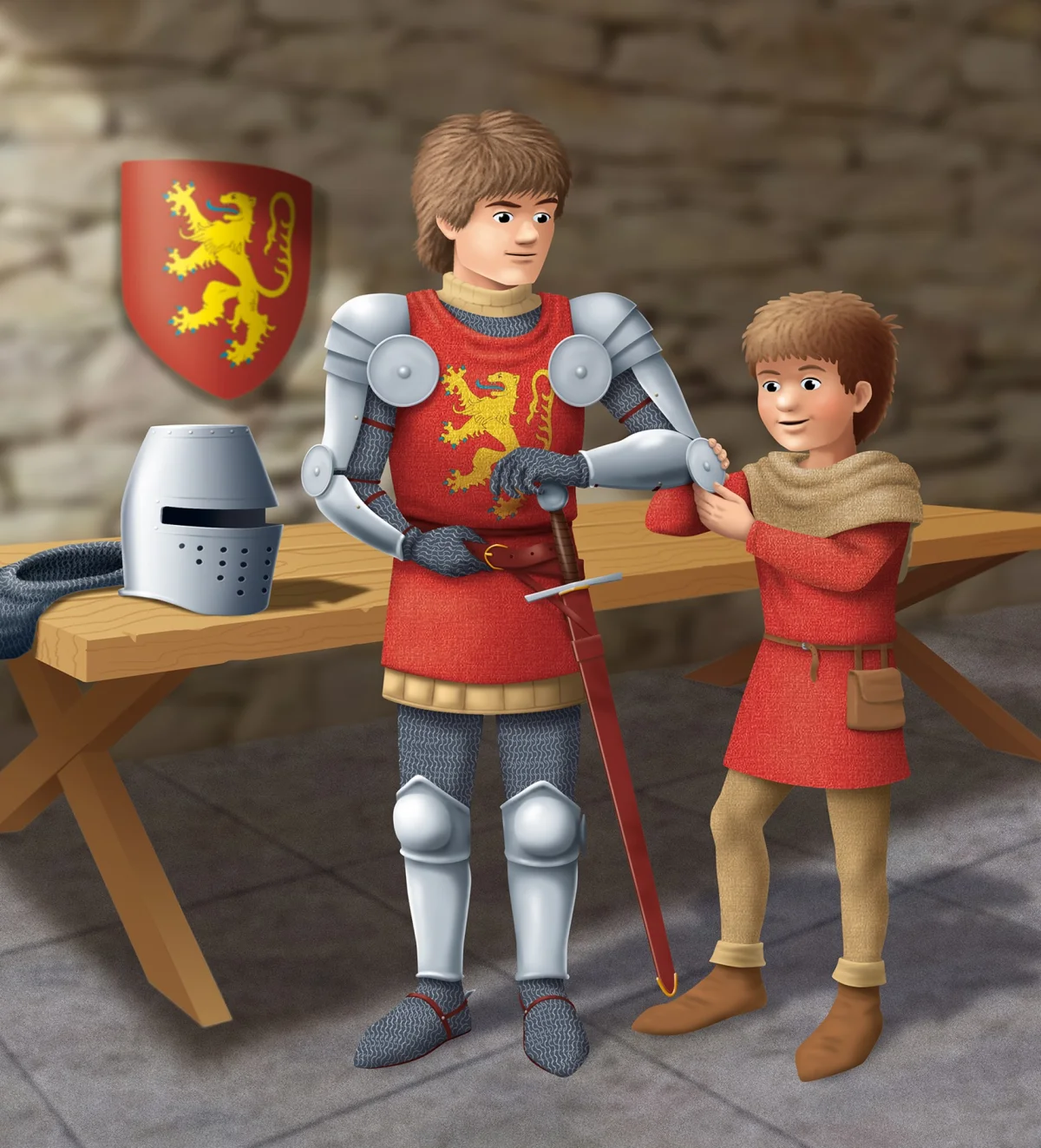
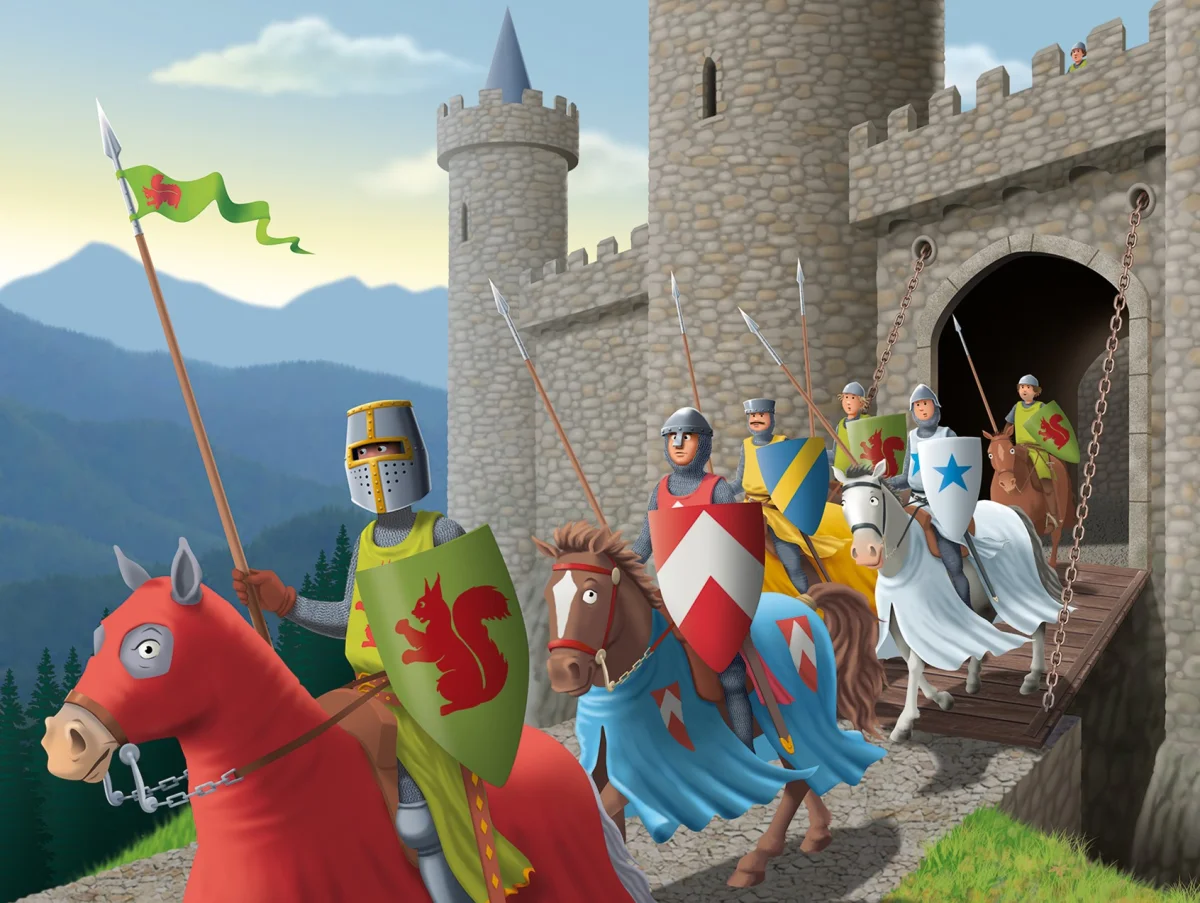
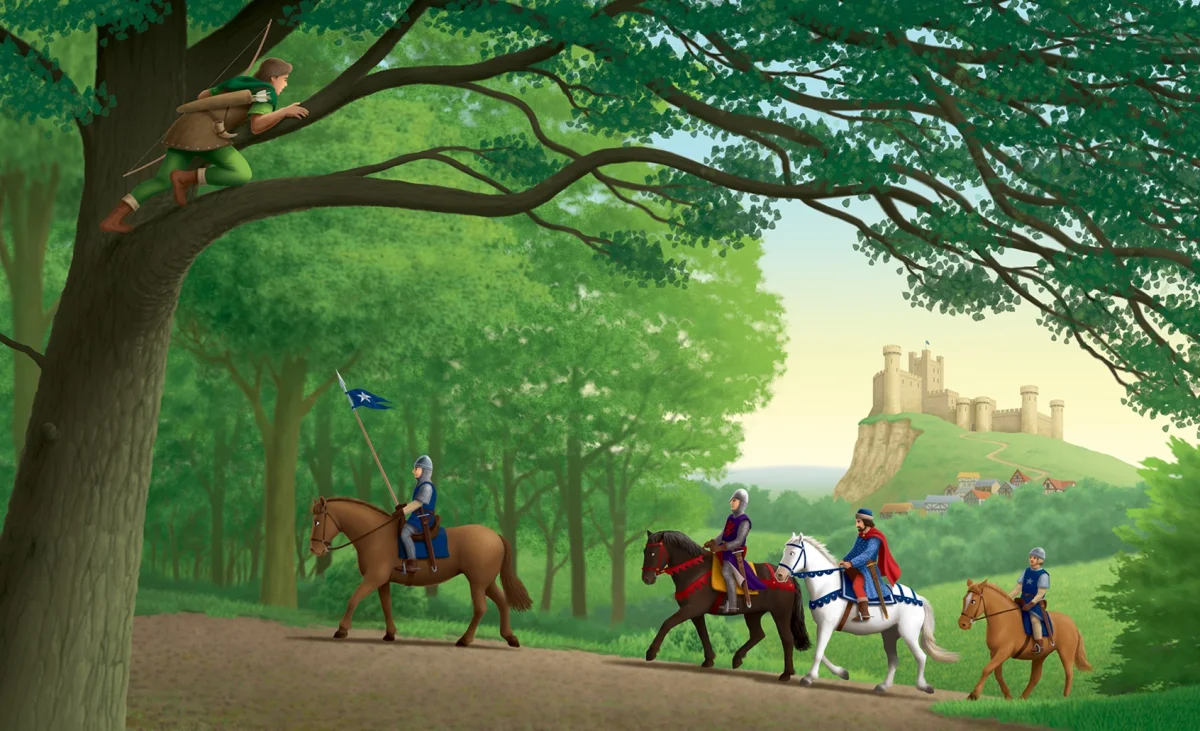


Explore Robin Davies’s portfolio at the Directory of Illustration.
| Rev | Description | Date |
|---|---|---|
| A | Issued for reading | |
| B | Viewed 629 times | Current |


