Red Nose Studio Turns Found Materials into Expressive Stop-Motion Characters
- Project
- UX & UI Design
- Drawn by
- Ian Carradine
- Issued
- Sheet
- A-137
Chris Sickels builds tactile puppets and miniature sets from materials at hand, letting scale, texture and expressive faces shape each scene.
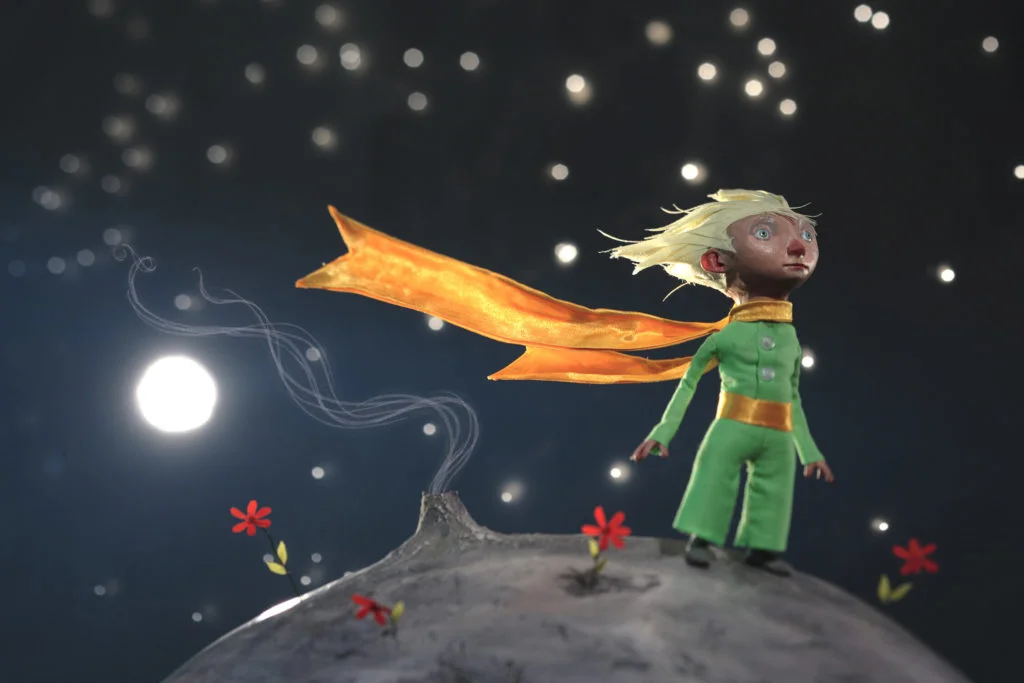
At Red Nose Studio, a garlic press can become part of a vacuum cleaner, and an uneven stitch can help a puppet feel more human. Chris Sickels builds 3-D illustrations and stop-motion worlds from whatever materials are close by. The handmade surfaces and slightly off-kilter characters give the work its particular emotional charge: these figures look as if they might stumble, improvise and carry on.
Sickels works in Greenfield, Indiana. His materials include wire, fabric, cardboard, wood, miniatures and found objects. The process is practical as much as imaginative: rather than treating every object as raw material for a fixed plan, he allows what he finds to influence the scene. That openness gives each piece a distinct physical logic, and makes texture, proportion and construction part of the storytelling.
Build from what’s at hand
Sickels has described growing up on a small family farm, where repairs had to be made with the things available. That habit carries into his studio practice. He has assembled an old-fashioned canister vacuum from a garlic press, a tire gauge and the cord of an old electric skillet. The choices are specific, but the underlying method is easy to recognize: inspect the materials, notice what their shapes suggest, then make the object serve the image.
That approach can change the direction of a project. Sickels says found objects sometimes lead the work somewhere he didn’t plan, so he works with their qualities instead of forcing them into a predetermined idea. For designers and illustrators, there’s a useful lesson here: a material’s shape, finish or scale can be a starting point for composition and character, not just a detail to add at the end.
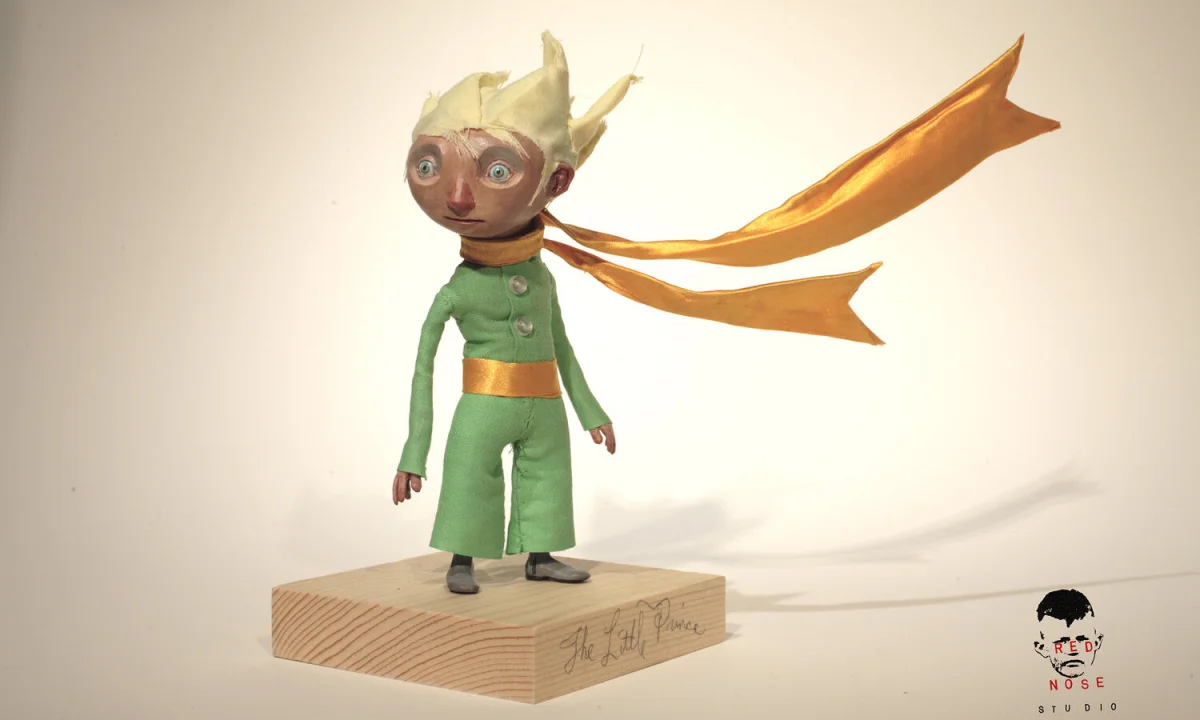
Most of his puppets stand between six and eight inches tall, though the objects in a scene can call for a different scale. That decision affects how figures relate to their surroundings and what reads as important. In some works, the environment takes the lead; in others, the puppet itself carries the scene. Either way, scale helps establish the viewer’s sense of the miniature world.
Let the face carry the feeling
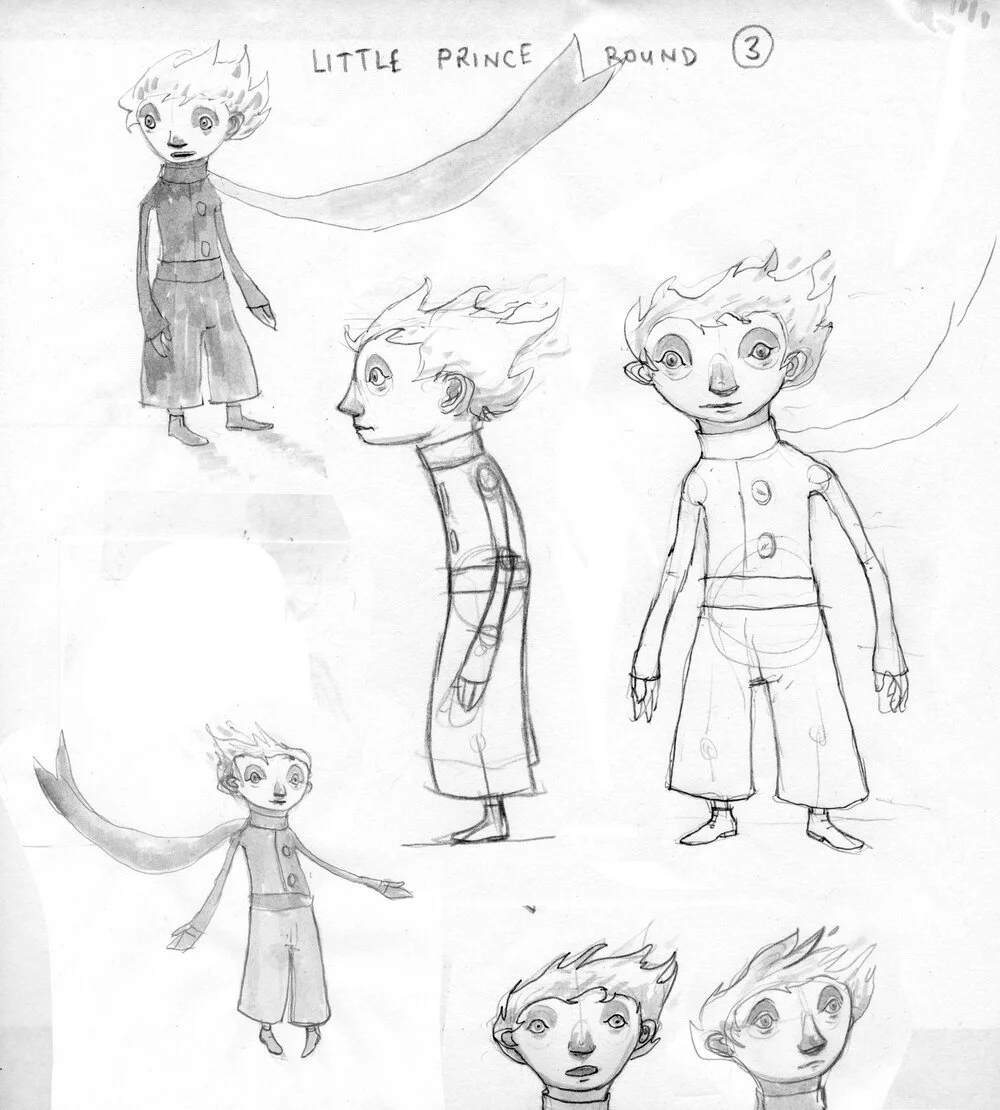
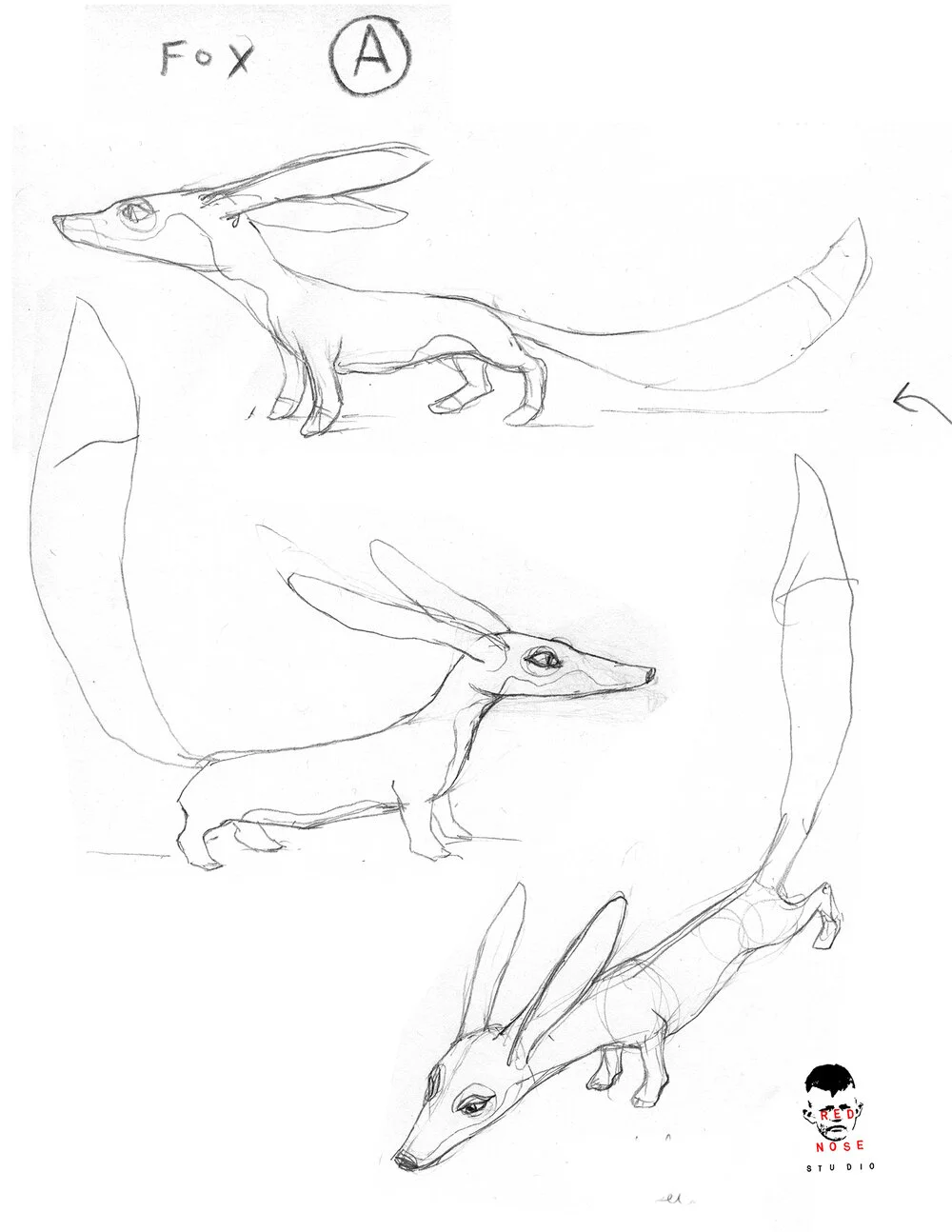
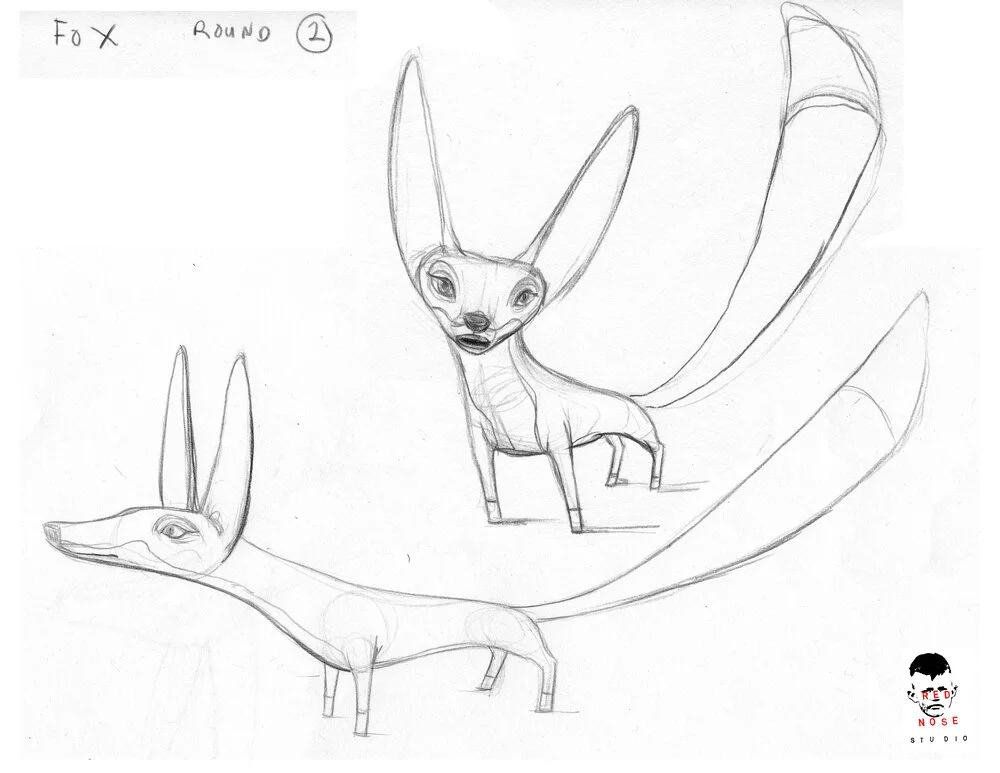
When a character is central, Sickels often begins with the head. He describes the face as the soul of many of his pieces: its features establish the emotion before the rest of the puppet is complete. That makes the first sculpting decisions do narrative work. A small change in expression or proportion can make a figure feel tender, odd or uneasy.
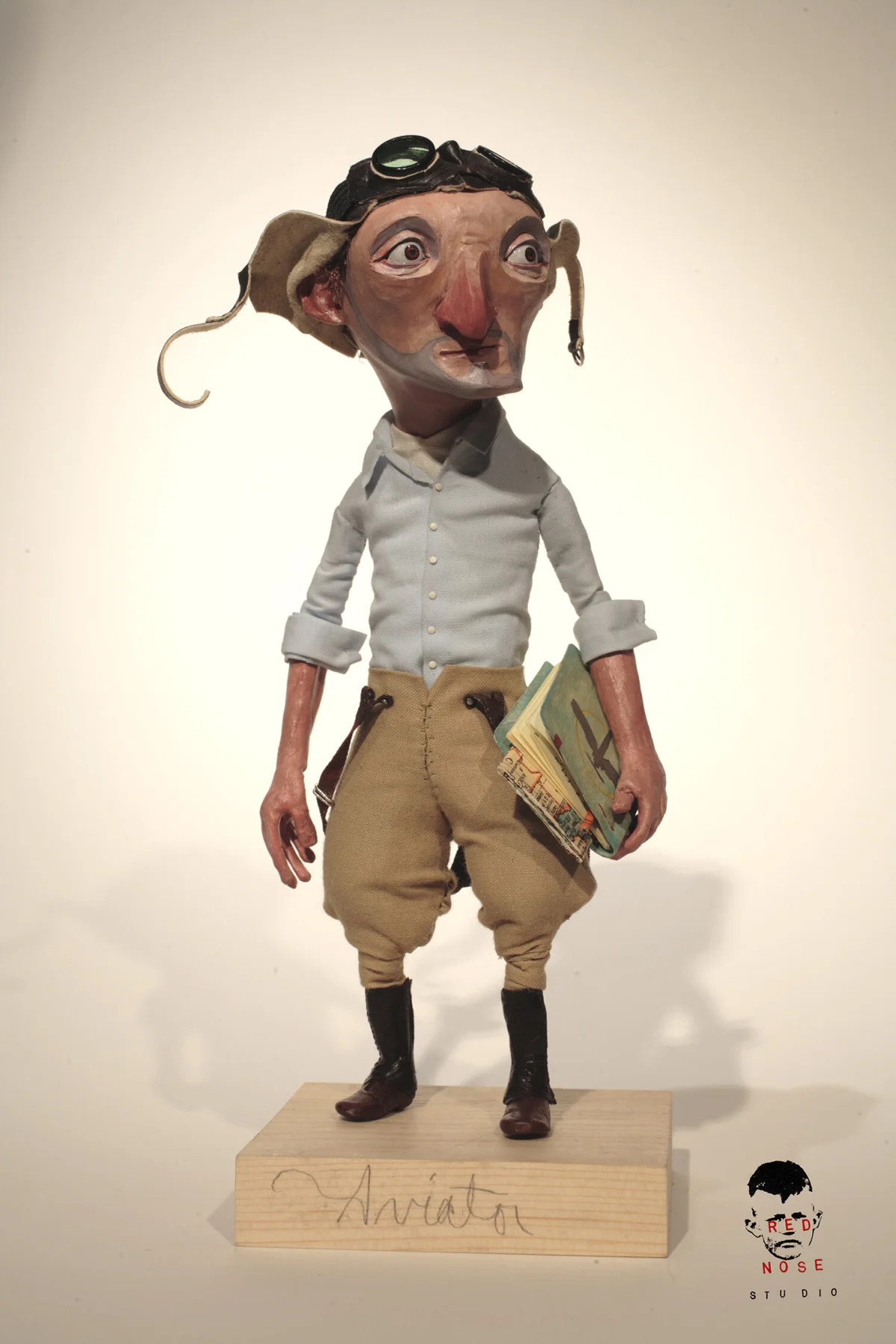
The finished forms keep evidence of the making process. Sickels has spoken about rough stitching, crude sculptures and sloppy paint as part of his work’s character. He’s interested in a combination of awkwardness and beauty, rather than a polished figure that appears perfectly balanced. The result feels vulnerable and individual. A puppet’s imagined movement might include a trip or a collision; that imperfect physicality makes the character feel more present.
“I grew up on a small family farm where working hard was the only option, things had to be fixed with what was on hand. Now I create 3D illustration and stop-motion animation with what is at arms reach here in the studio. Making my images come to life with textures, light and elbow grease.”
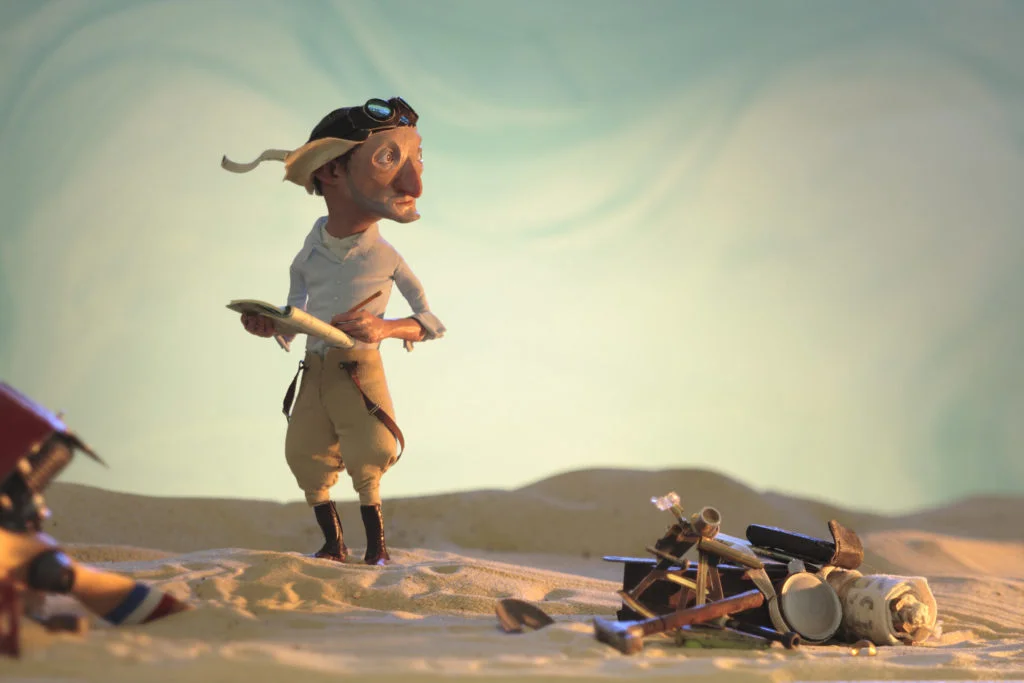
The miniature sets extend that approach beyond the characters. Wire, fabric, wood, cardboard and small objects combine into places that feel assembled by hand, not generated from a uniform kit. Light and surface detail help make these compact environments legible. For stop-motion, those tangible choices also give the camera something physical to describe: a painted edge, a piece of fabric or a roughly made prop can carry as much atmosphere as the puppet.
From character studies to animation
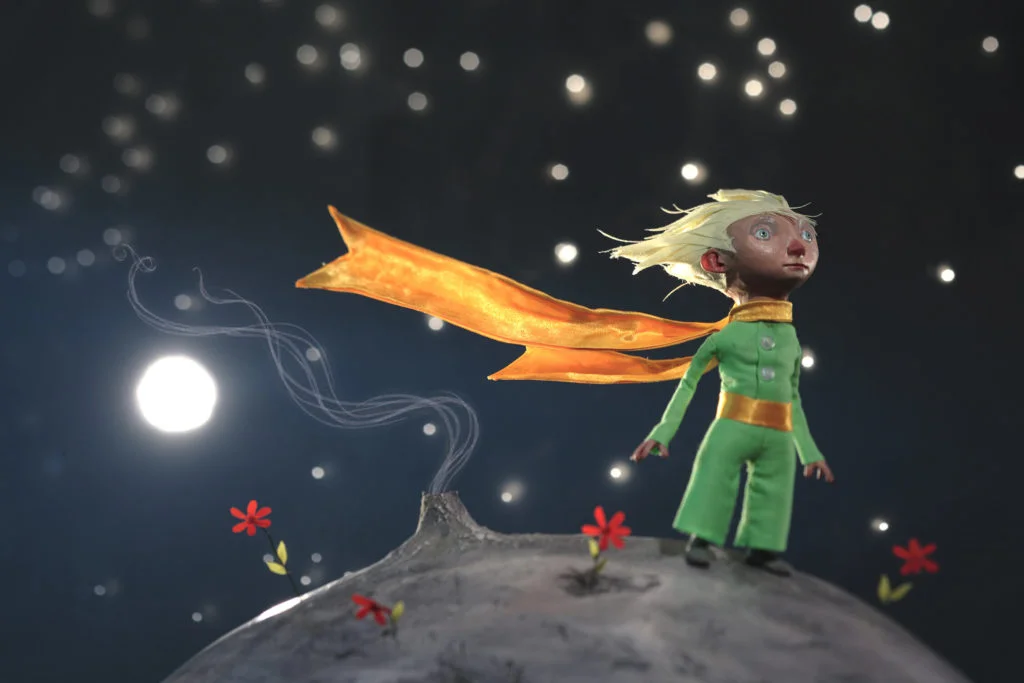
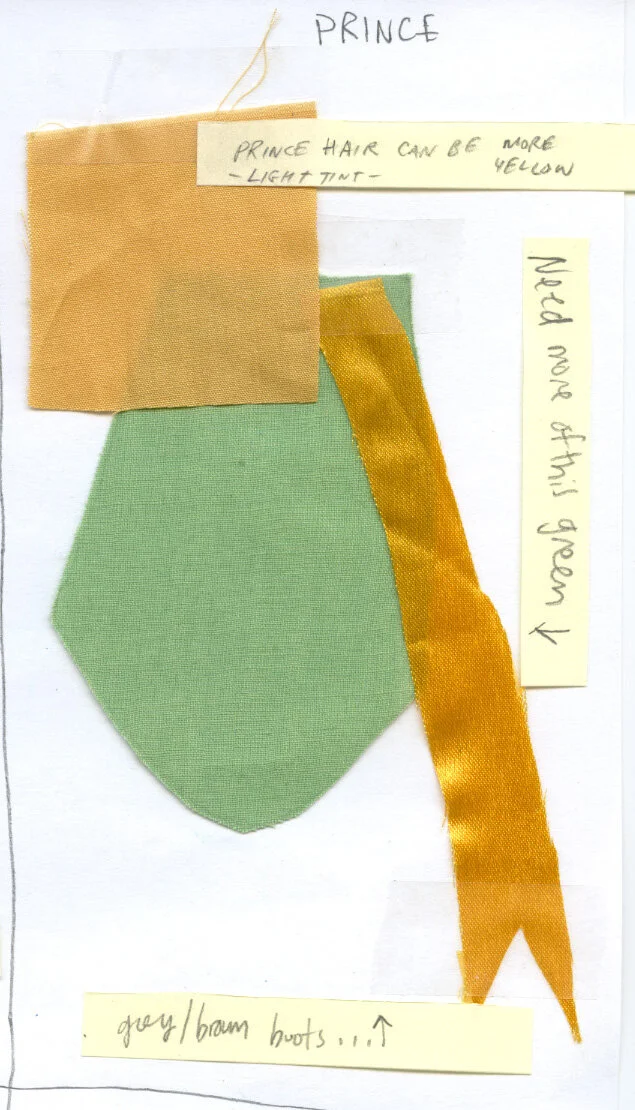
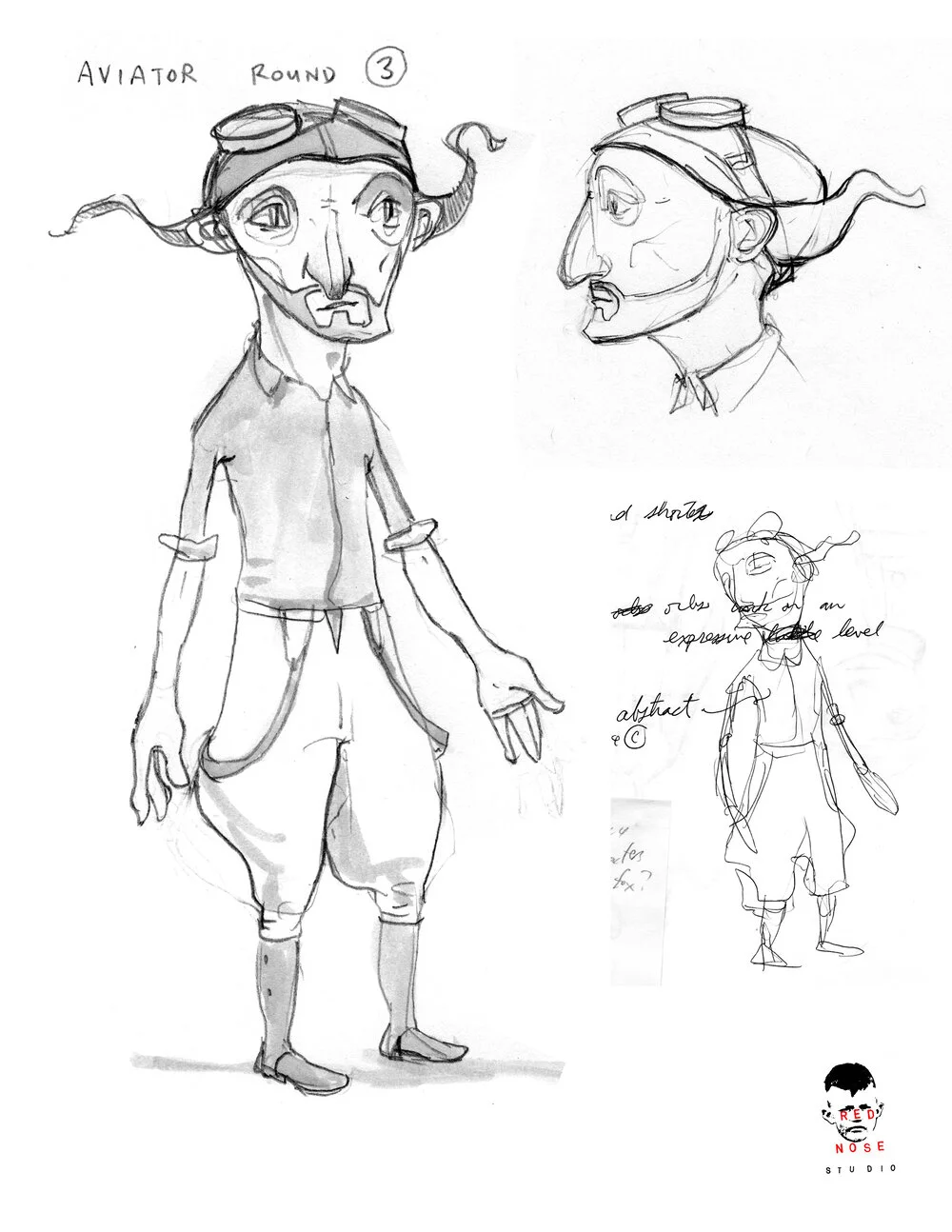
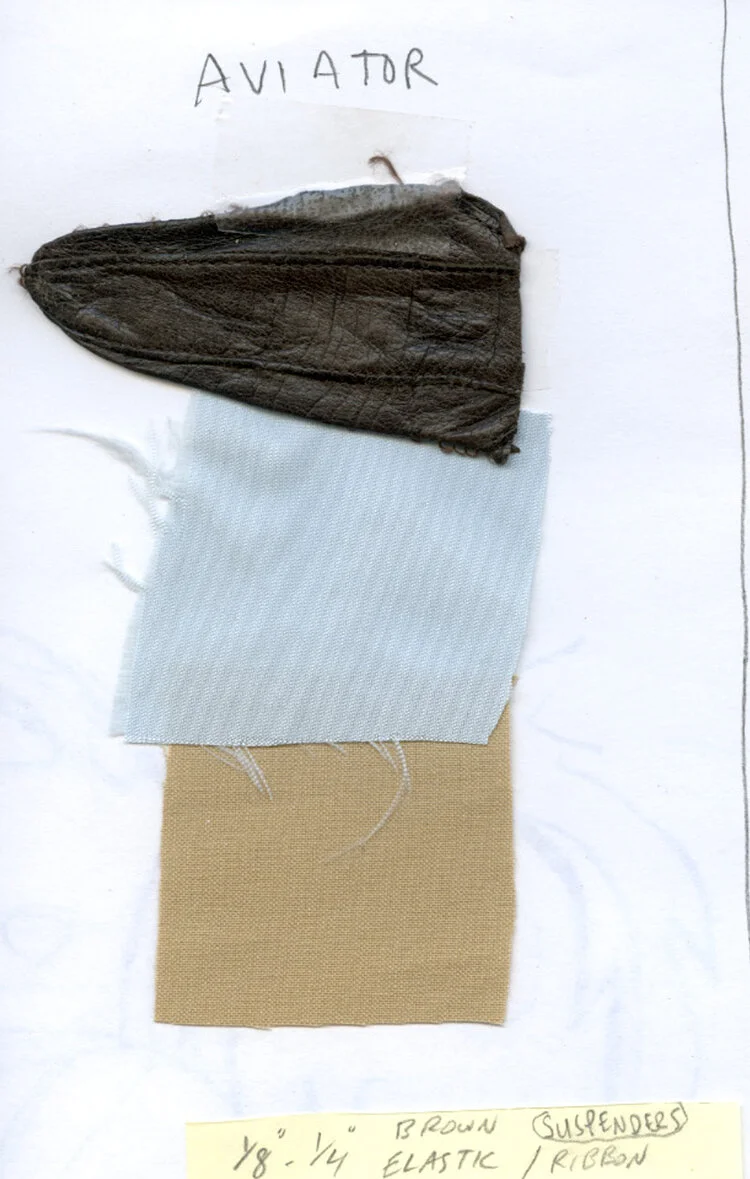
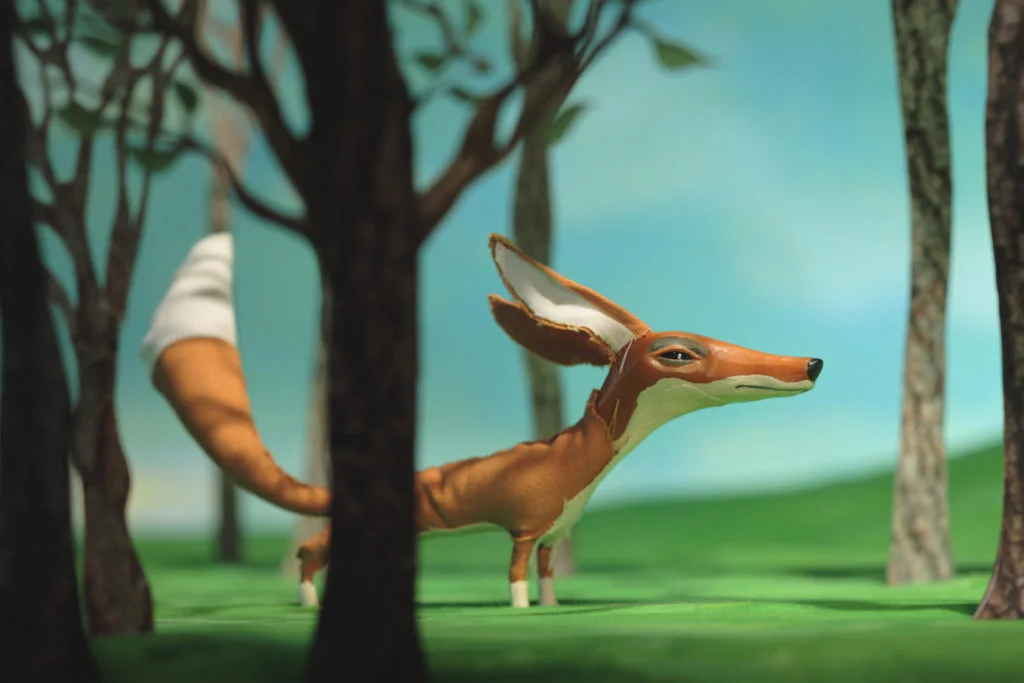
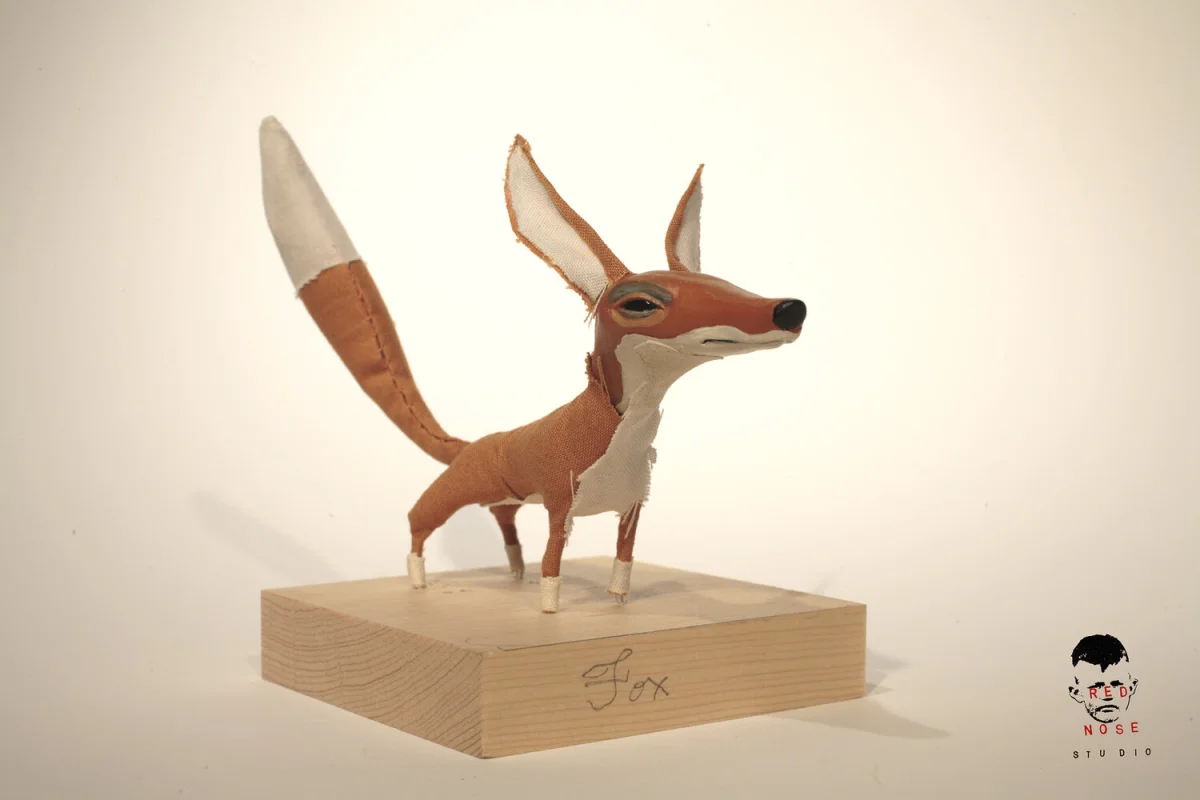
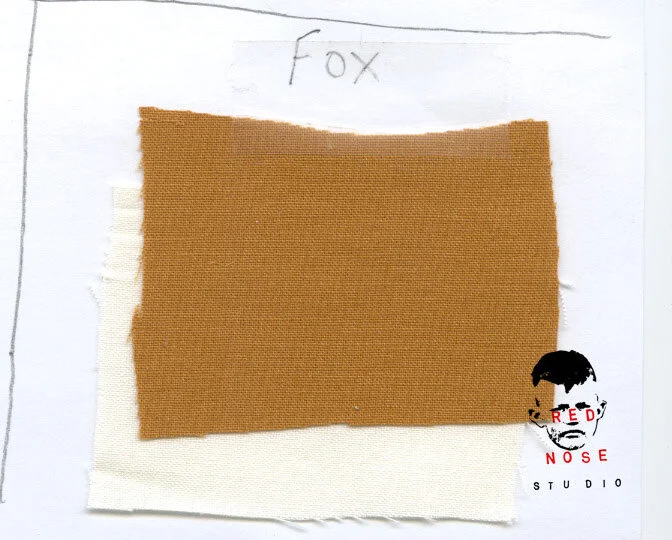
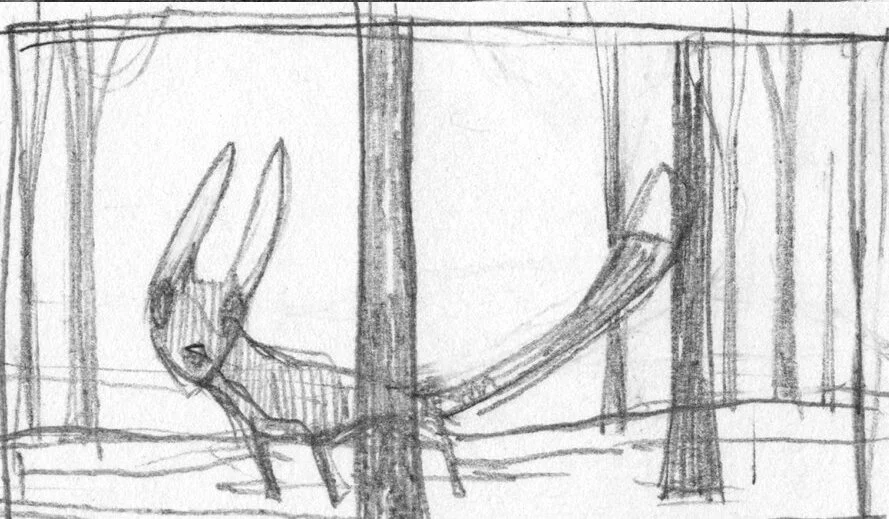
A series of process images documents Sickels developing 3-D versions of characters from Antoine de Saint-Exupéry’s The Little Prince for an adaptation by Onyx Films. The work shows how the characters move from an idea toward sculpted figures, with each choice in form and material contributing to their identity. Another set of images follows projects titled “The Aviator” and “Fox,” offering views of the same handcrafted approach across different characters.
Red Nose Studio’s work spans illustration and stop-motion animation. Sickels’ short films have screened at the Los Angeles International Short Film Festival and the Montreal Stop-Motion Film Festival. His illustration and animation work has received recognition from American Illustration, Communication Arts and HOW. The Society of Illustrators has awarded his illustration and motion work three golds and a silver medal. In recent years, he has also worked on book covers and children’s picture books, including books he has authored.
For anyone building a visual world, Sickels’ process suggests a concrete place to begin: gather materials, pay attention to what they can do, and let scale and character develop together. A rough edge can contribute to the mood; an improvised object can redirect a scene. The work’s charm comes partly from leaving those decisions visible.
Explore the work
See more of Chris Sickels’ illustrations and animations through the Red Nose Studio website, the Magnet Reps page and his Directory of Illustration portfolio. Red Nose Studio is also represented by Magnet Reps. The studio’s character gallery and animation page offer more examples, and Sickels shares studio work on Instagram.
“The sculptures sometimes look pretty crude, or the stitching is really rough, or the buildings are painted really sloppily. They’re not poetic, there’s no rhythm to them, there’s no math to them like a good poem. But that’s how my work is. My work isn’t really graceful. It’s usually pretty awkward – like if the puppet moved, he’d fall off or he’d trip or he’d run into a wall. It’s a bit of beauty and a bit of awkwardness. And I think that’s kind of how I am.”
“I grew up on a small family farm where working hard was the only option, things had to be fixed with what was on hand. Now I create 3D illustration and stop-motion animation with what is at arms reach here in the studio. Making my images come to life with textures, light and elbow grease.”


===“The objects take the pieces in different directions. It’s not always in your complete control. So you have to work with the objects instead of trying to bend the objects to fit your idea. If it’s more about the puppet itself, then usually the head will kind of start it, because that head is the emotion. In a lot of my pieces, the characteristics in the face are the soul of it. So the face is usually one of the first things to get done.”
| Rev | Description | Date |
|---|---|---|
| A | Issued for reading | |
| B | Viewed 869 times | Current |