Juan Bernabeu’s Editorial Illustrations for The Marshall Project
- Project
- Web Design
- Drawn by
- Ian Carradine
- Issued
- Sheet
- A-120
Juan Bernabeu’s ongoing work for The Marshall Project shows how illustration can give individual stories a distinct visual presence.
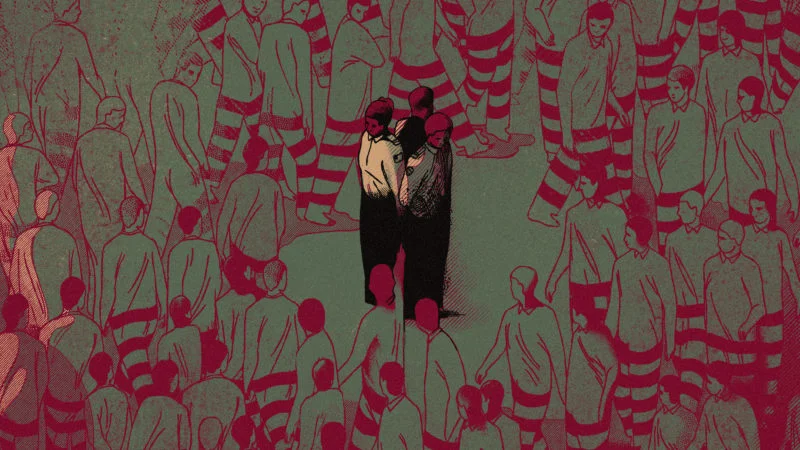
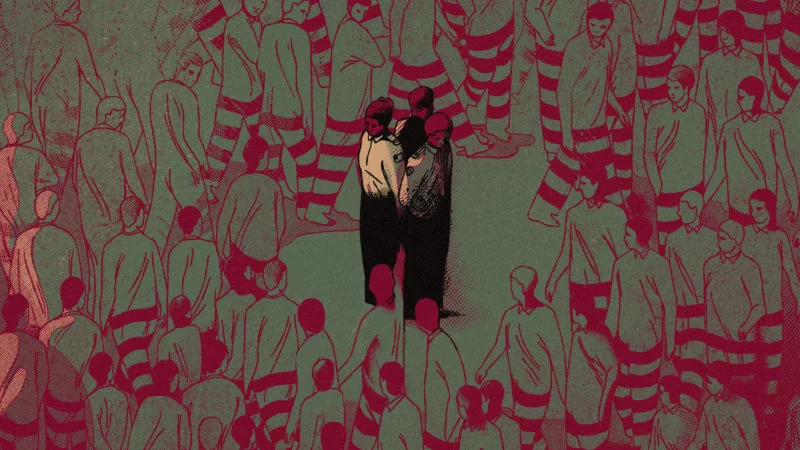
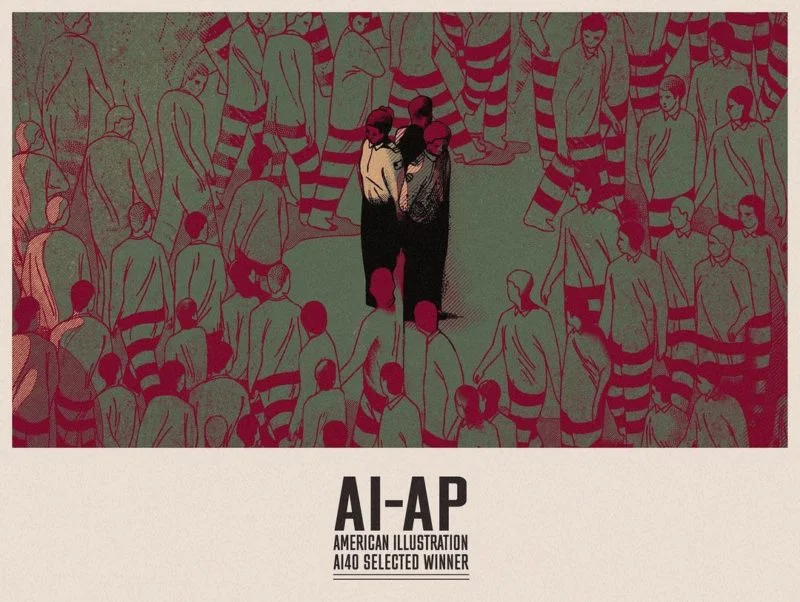
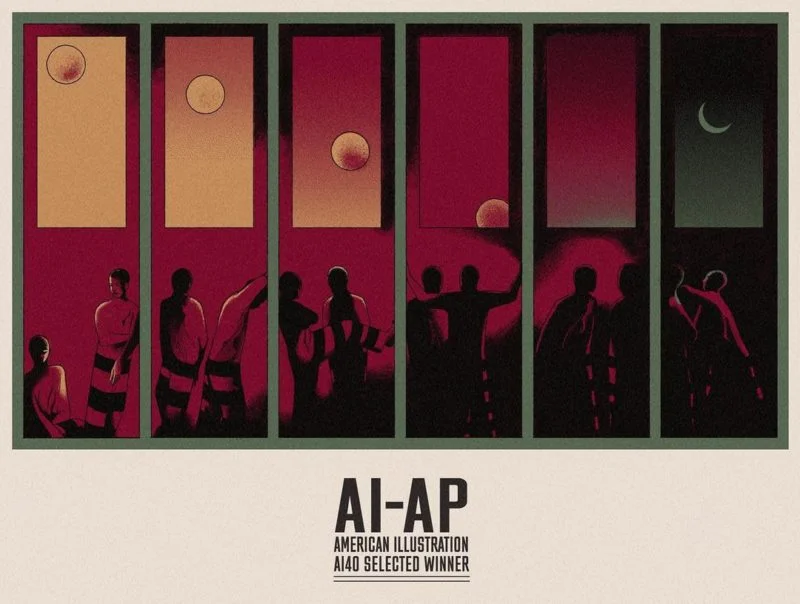
Editorial illustration has to make room for a story before it can explain it. Juan Bernabeu’s ongoing work for The Marshall Project offers a useful look at that role: his illustrations accompany articles for a news organization, giving each story a visual entry point while leaving the reporting at the center. Two illustrations from the work were selected for the AI-AP American Illustration AI 40 Selected Winners book, according to the Directory of Illustration feature.
The feature credits Bernabeu as illustrator, The Marshall Project as client, Salzman International as agency, and Celina Fang as art director. It doesn’t give a launch date, identify the articles pictured, or describe the briefs behind the images. Those limits matter: the selection establishes recognition for two pieces, while the broader project is described as an ongoing relationship that has produced illustrations for several articles.
A continuing editorial relationship
Working across several articles gives an illustrator the chance to build familiarity with a publication’s visual voice. That doesn’t mean every image should look alike. The more useful balance is consistency in the quality and clarity of the work, with room for each assignment to respond to its own subject. The source doesn’t specify how Bernabeu or Fang approached that balance, but the repeated commissions point to an established working relationship rather than a single, isolated illustration.
For designers and art directors, that kind of continuity can shape the commissioning process. A returning illustrator may already understand how images sit alongside headlines, body copy, and a publication’s broader presentation. The team can then focus its conversations on the particular article: what the image needs to communicate, what it should leave open, and how it can draw attention without competing with the reporting. Those are practical questions for any editorial assignment, though the feature doesn’t attribute specific answers to Bernabeu or Fang.
The credit to Fang is a useful reminder that editorial images emerge through collaboration. The illustrator makes the image; the art director helps connect it to the assignment and its place in the publication. Clear credits let readers see those roles and give working creatives a more accurate picture of how an editorial commission is assembled.
Images that create a point of entry
An illustration can introduce a story through mood, metaphor, or a focused visual detail. Its job depends on the article and the space available. On a page with a headline and a short deck, the image may carry much of the first impression. In a longer feature, it may help establish a tone before the reader reaches the main text. The source doesn’t identify the specific visual choices in Bernabeu’s pictured work, so it would be misleading to assign particular symbols, colours, or techniques to these illustrations.
That restraint also points to a useful editorial habit: discuss what the image does only when the image and its context support the claim. When a brief or caption is available, a designer can describe the relationship between the illustration and the article more precisely. Without that information, the confirmed facts still tell a worthwhile story: Bernabeu has made multiple illustrations for The Marshall Project, and two were selected for the AI-AP book.
Context and recognition
The Marshall Project describes itself as a “nonpartisan, nonprofit news organization that seeks to create and sustain a sense of national urgency about the U.S. criminal justice system.” That stated focus gives the illustrations an editorial setting: they appear alongside reporting on a complex subject, where a commissioned image can help a reader approach an article. The feature offers no further account of the individual stories or the briefs, so the relationship between any one image and its article remains unspecified.
Selection for the AI-AP American Illustration AI 40 Selected Winners book is the clearest marker of recognition named in the feature. The source doesn’t give a publication year or additional award details. It frames the selections as two illustrations from Bernabeu’s ongoing work for the client, rather than as a separate project with its own stated launch.
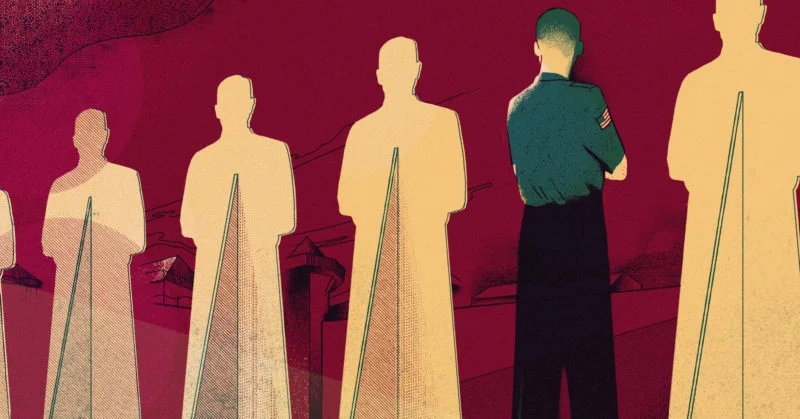

The feature describes Bernabeu as a longtime contributor who has illustrated several articles for The Marshall Project. That record makes the work relevant to creative teams commissioning illustration: a sustained relationship can bring an illustrator’s perspective to different stories while keeping the editorial purpose in view. The next useful detail for readers would be more information about the images themselves—the articles they accompany, the briefs, and the decisions behind their composition. For now, the credits and the two selected illustrations offer a concise view of an ongoing collaboration.

Explore Juan Bernabeu’s portfolio and his Salzman International profile for more work. The source also links to Bernabeu on Instagram and LinkedIn.
| Rev | Description | Date |
|---|---|---|
| A | Issued for reading | |
| B | Viewed 684 times | Current |


