Adam Hook’s Detailed Historical and Natural History Illustration
- Project
- Graphic Design
- Drawn by
- Ian Carradine
- Issued
- Sheet
- A-119
Adam Hook combines traditional media, research and precise draughtsmanship across historical scenes, technical subjects and natural history.
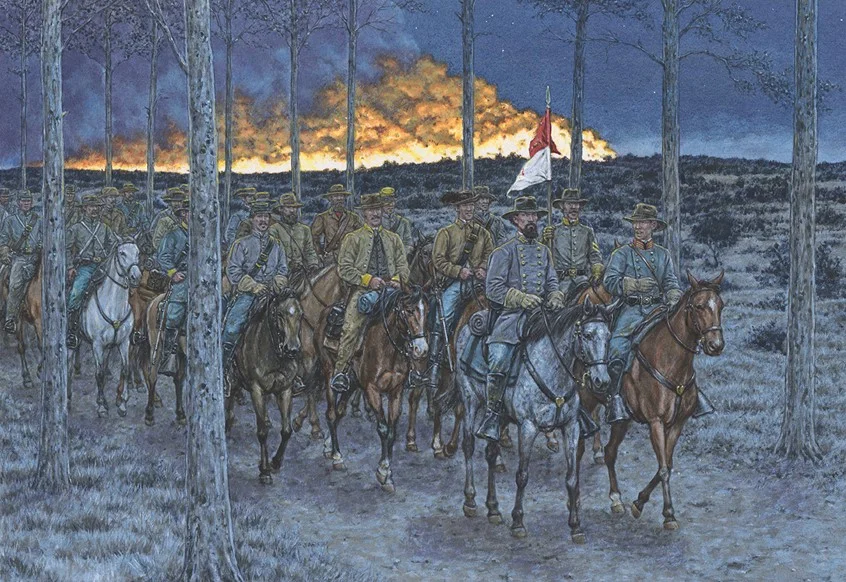
Adam Hook’s illustration practice spans subjects that ask for two kinds of looking: the close inspection of details and the reading of a scene as a whole. Historical costume, architecture, equipment and everyday life sit alongside birds, reptiles, mammals, plants and landscapes. The Directory of Illustration’s feature presents a body of work shaped by traditional media, extensive research and realistic, finely worked drawing.
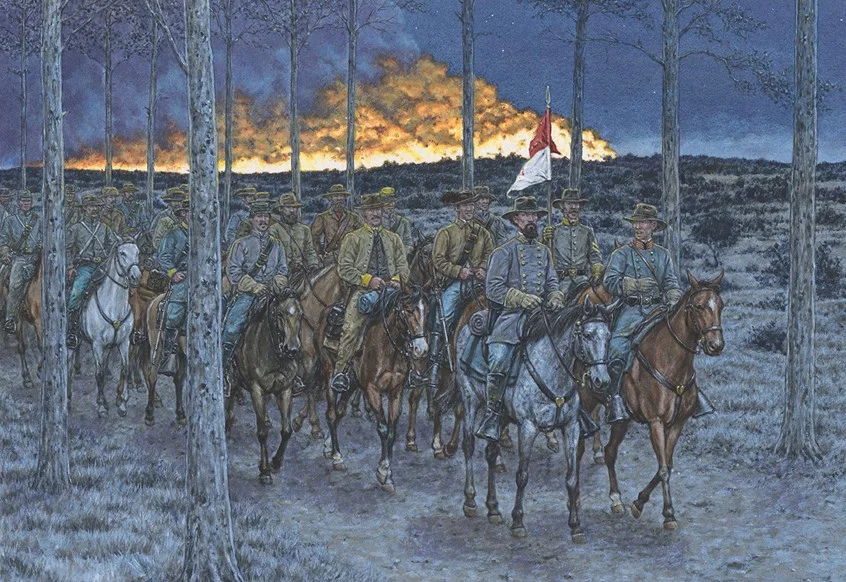
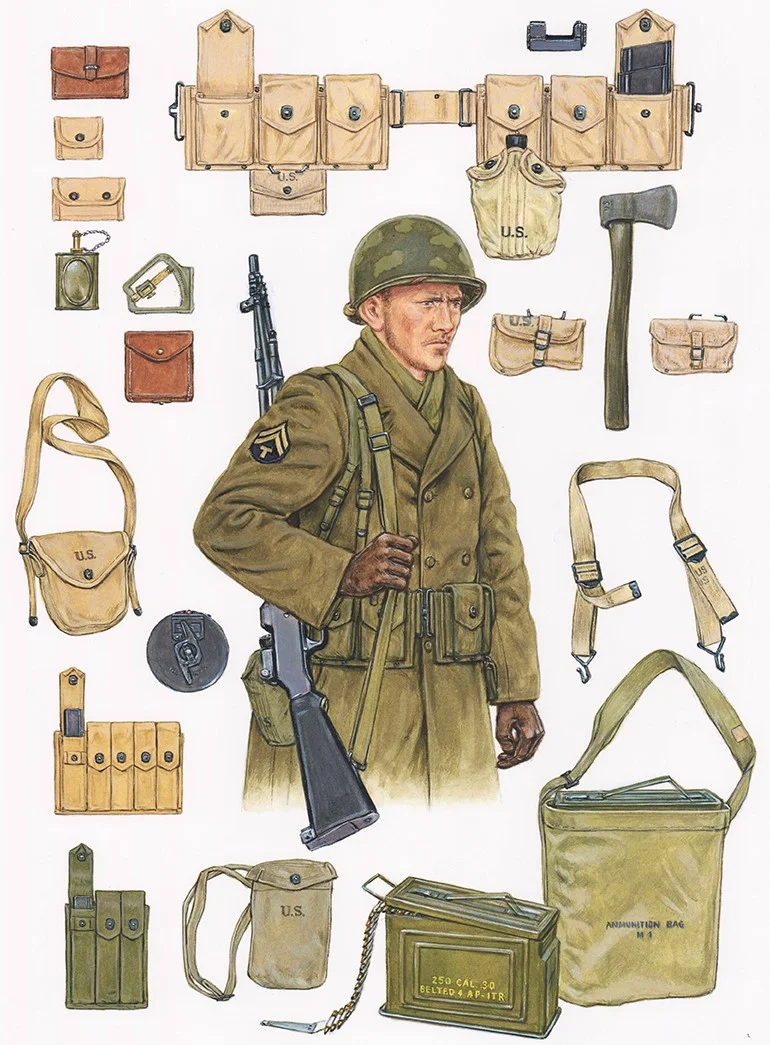
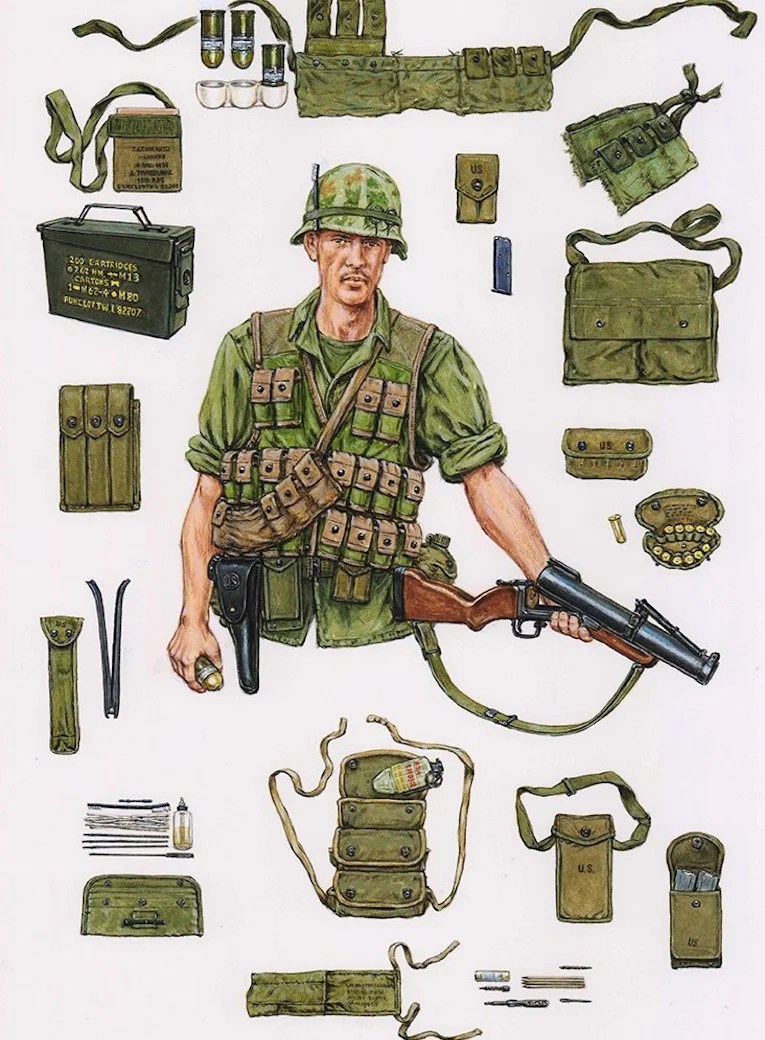
That range is the defining point. Hook works in both technical and figure drawing, moving between the accurate depiction of objects and the people who use or inhabit them. A uniform, for example, is part of a person’s appearance, but it also carries construction and material details that need to read clearly. Architecture and landscape can establish where a scene takes place, while smaller elements give the viewer information to examine. The feature describes this combination as a particular strength of his practice.
Research carried into the image
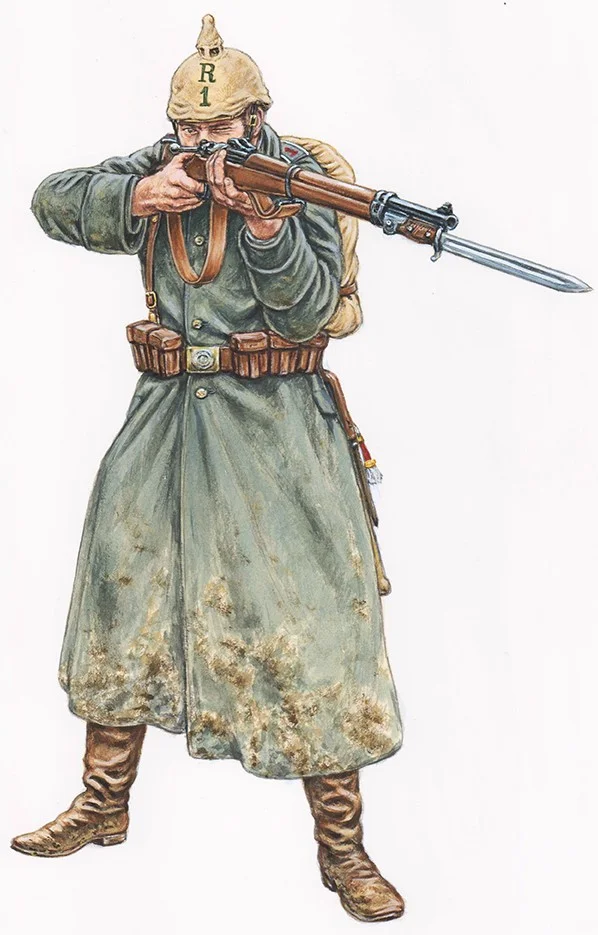
Hook’s historical subjects cover a long chronology, from Biblical times to the modern day. The breadth of that span makes research central to the work: each assignment can involve a different period, visual vocabulary and set of objects. The source credits him with historical expertise and says he uses research to bring the past vividly to life. It doesn’t name particular projects or describe a specific research process, so the useful takeaway is the role of preparation itself. A convincing historical illustration depends on making the details serve the scene, rather than treating them as decoration.
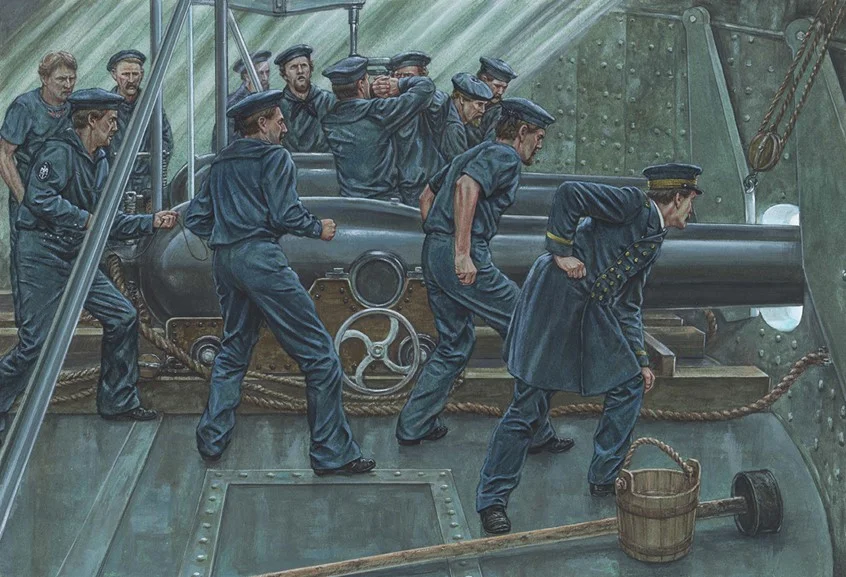
His work for military publishers is one concrete measure of that sustained subject knowledge. Hook has produced more than one hundred images for those publishers, covering military history, costume, uniforms, arms and equipment. This kind of image-making calls for clear visual explanation as well as convincing rendering. A viewer may need to understand how an item looks, how it relates to a figure, or how several elements sit together. Hook’s comfort with both technical and figure drawing lets those demands meet within the same image.
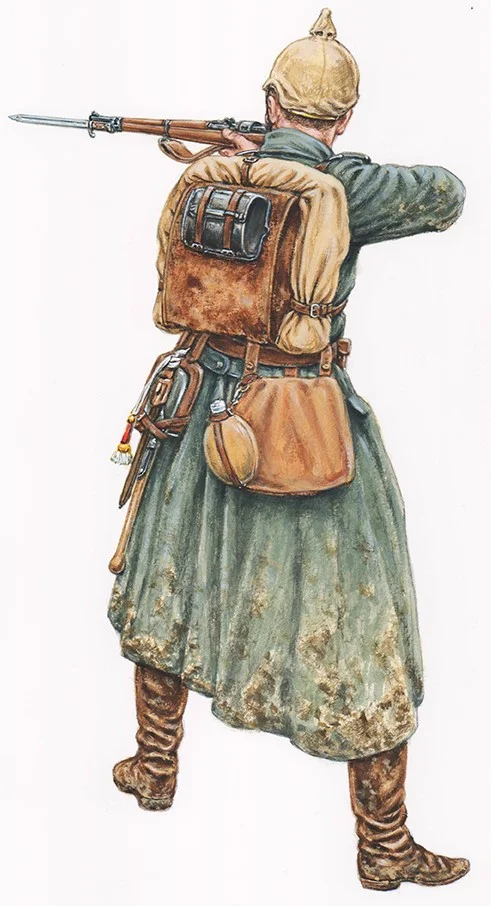
Natural history, with the same attention to detail
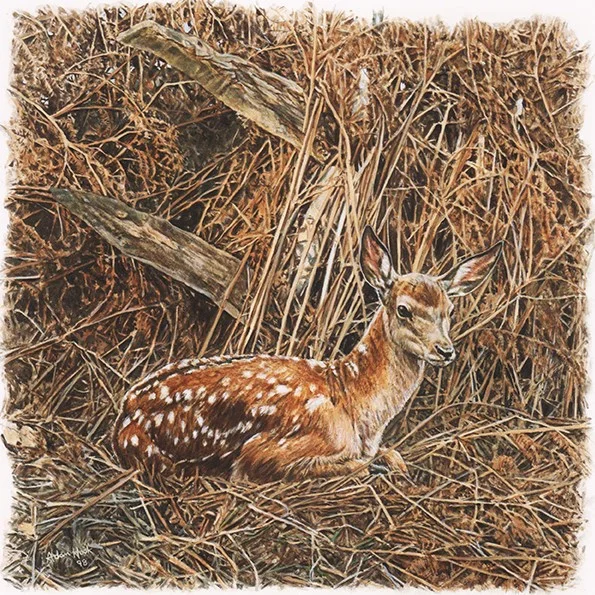
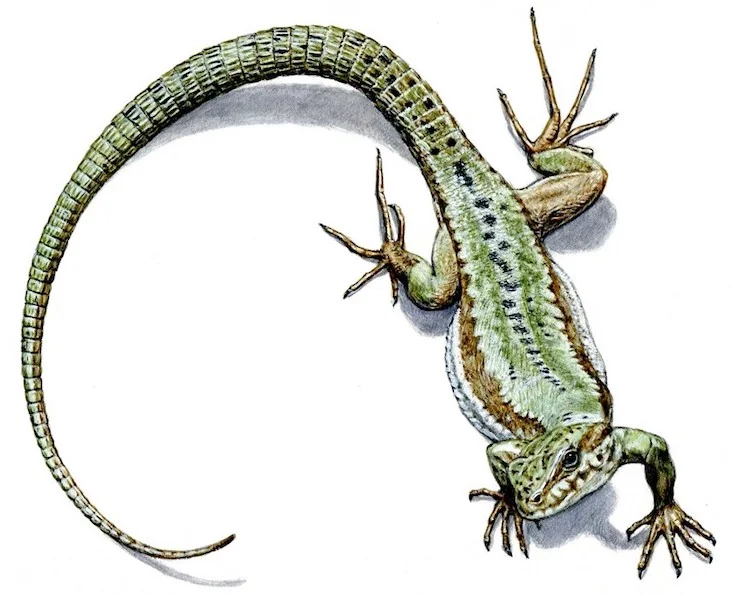
The other major strand is natural science and natural history, a lifelong interest for Hook. He paints subjects ranging from wild birds and reptiles to mammals, trees and flowers, as well as landscapes. The feature describes his work as realistic and finely detailed, and lists commissions for field guides, encyclopedias, fine art, greeting cards and educational publishing. These formats place different demands on an image, but all benefit from careful observation and legible forms.
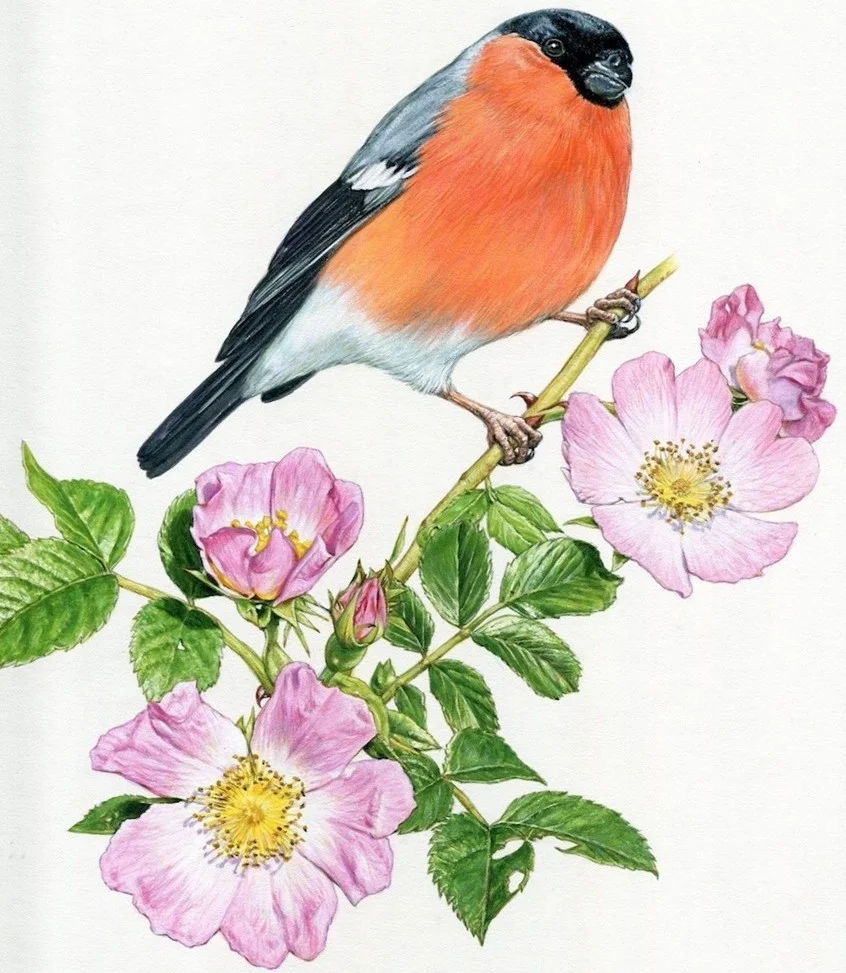
For illustrators working across reference-led subjects, Hook’s practice suggests a useful principle: detail needs a job. In a field guide or encyclopedia, a clear depiction can help a reader distinguish and study a subject. In a landscape or fine art commission, the arrangement of forms can also shape the atmosphere and guide attention. In each case, the artist must decide which details carry information and how they fit into the larger composition. The source doesn’t specify Hook’s materials or step-by-step working methods, but it does identify traditional media and draughtsmanship as foundations of the work.
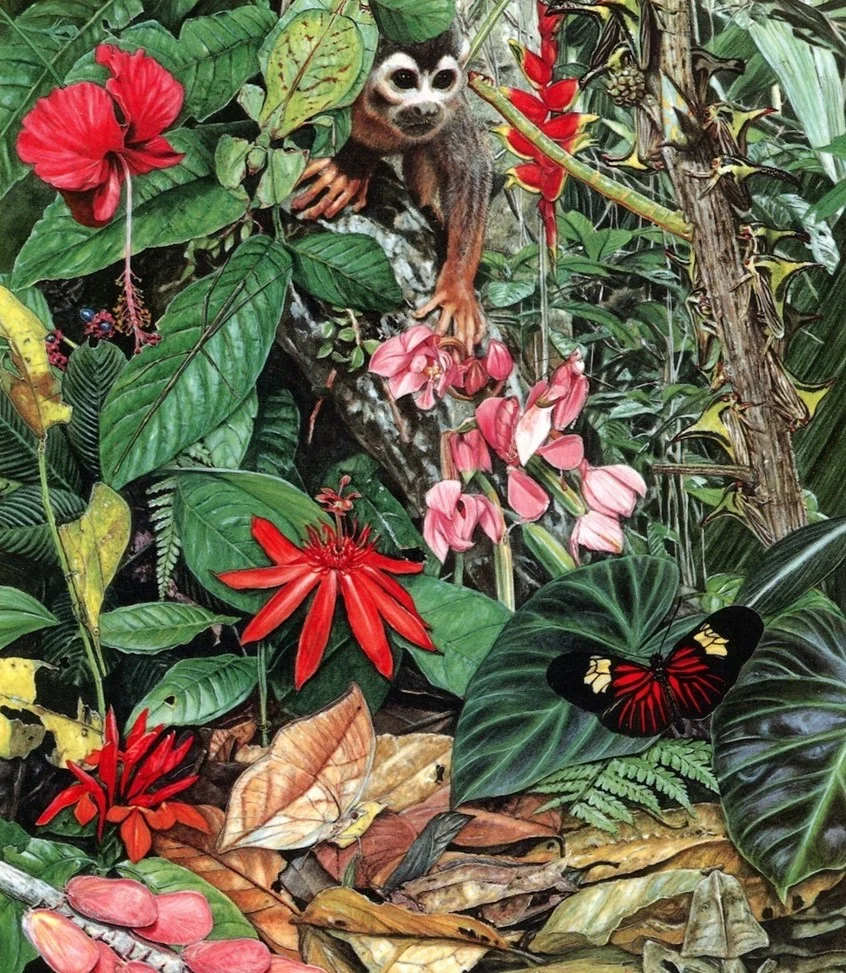
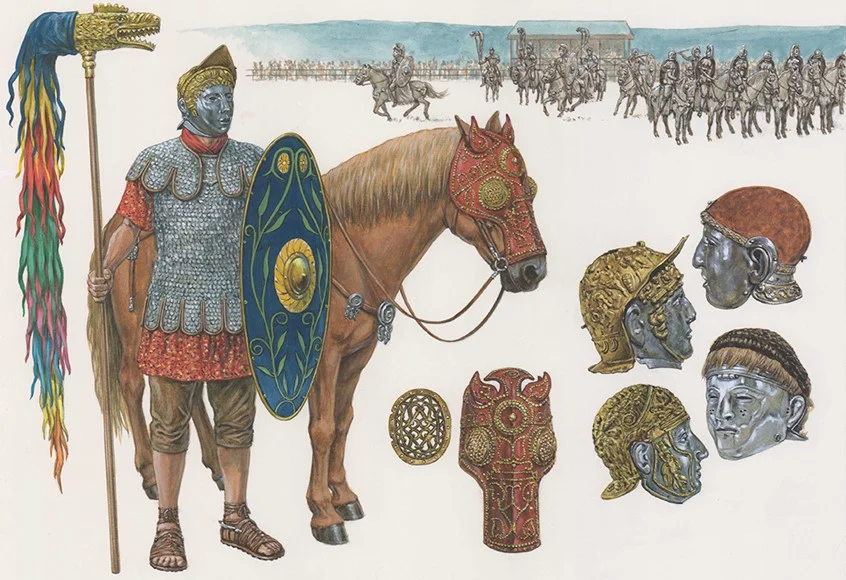
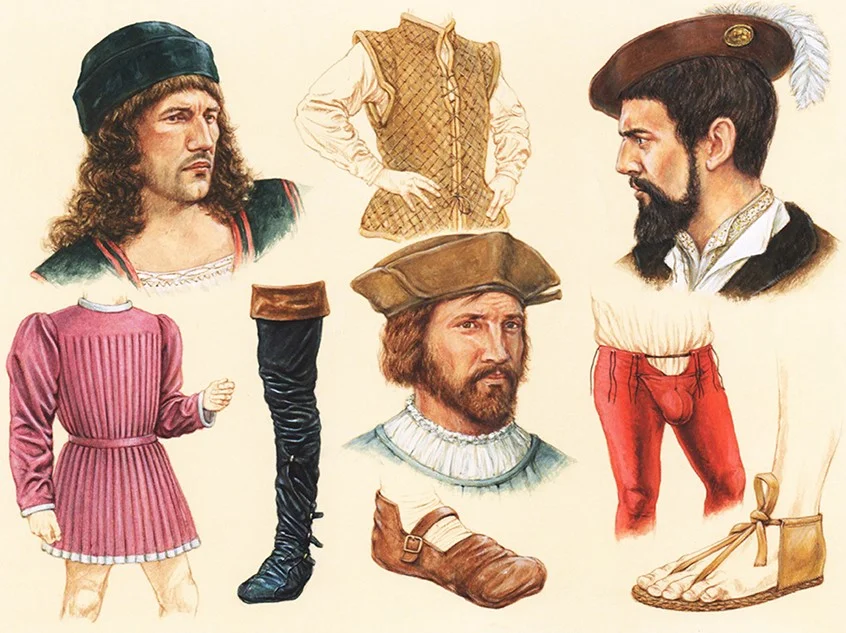
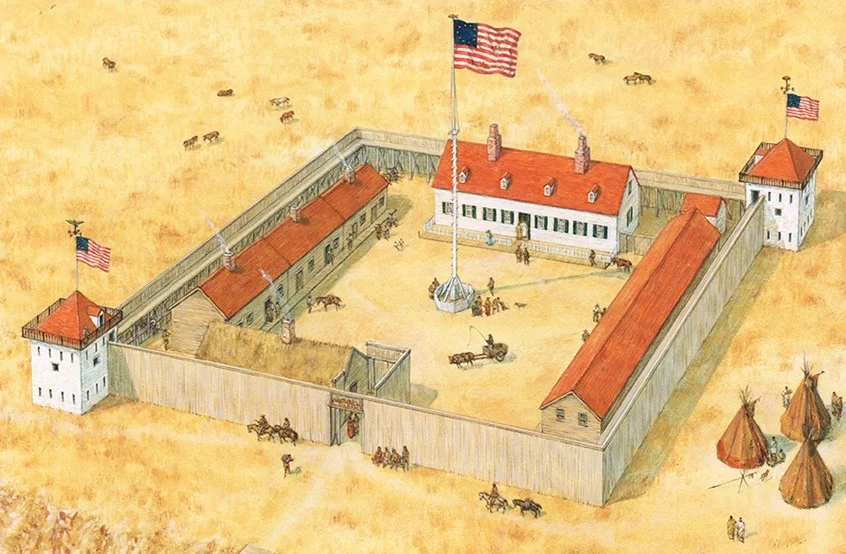
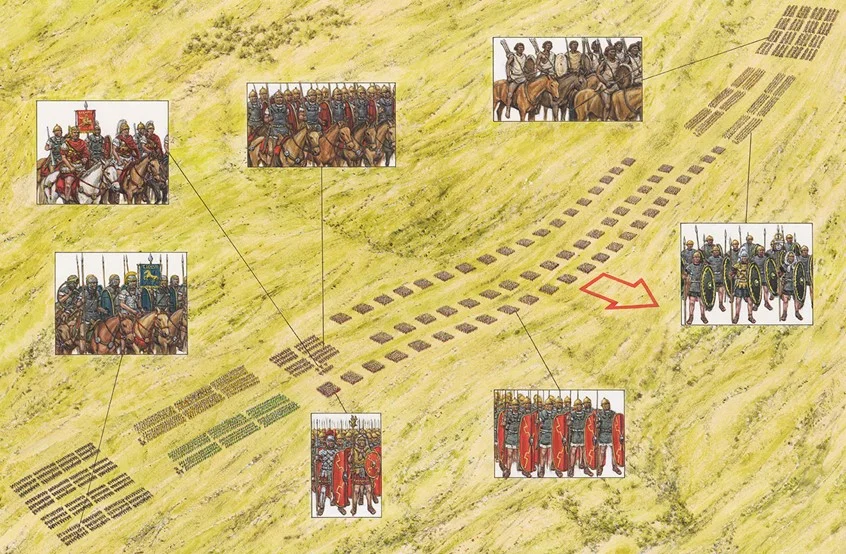
The two subject areas may appear far apart, yet they share a visual problem: how to make a complex subject understandable without flattening its character. Historical illustration needs convincing people, objects and settings; natural history needs close observation of living forms and their details. Hook’s experience across both gives his portfolio a clear through-line in research, precise drawing and realism.
A practice built over decades
Hook has more than thirty-five years of experience as an illustrator. He first studied graphic design, then began his illustration career with guidance from his father, Richard Hook, whom the feature describes as one of the finest historical illustrators. That background gives context to the balance between structured visual communication and detailed image-making in Adam Hook’s work, while the source identifies his own practice as an established career across multiple subjects.
For a designer or art director considering reference-heavy illustration, the portfolio’s breadth offers a practical reminder: subject expertise and drawing skill work together. A strong image can hold close detail while still making its main subject easy to read. Hook’s work moves between historical commissions and natural history without losing that emphasis on careful observation. The Directory of Illustration feature invites readers to explore his portfolio and website for more examples.
View Adam Hook’s portfolio or visit his website.
| Rev | Description | Date |
|---|---|---|
| A | Issued for reading | |
| B | Viewed 874 times | Current |


