Christine Anderson’s Pencil-First Illustration Workflow Brings Nature to the Page
- Project
- Graphic Design
- Drawn by
- Marika Lind
- Issued
- Sheet
- A-110
Scottsdale illustrator Christine Anderson combines hand-drawn pencil detail with digital flexibility, drawing inspiration from nature and working on books and city landmarks.

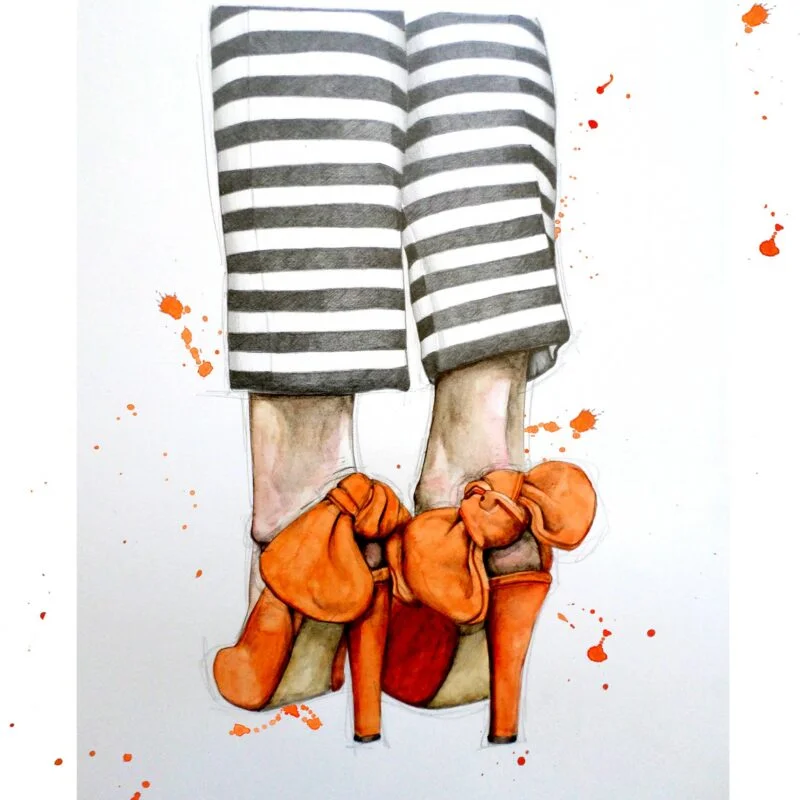
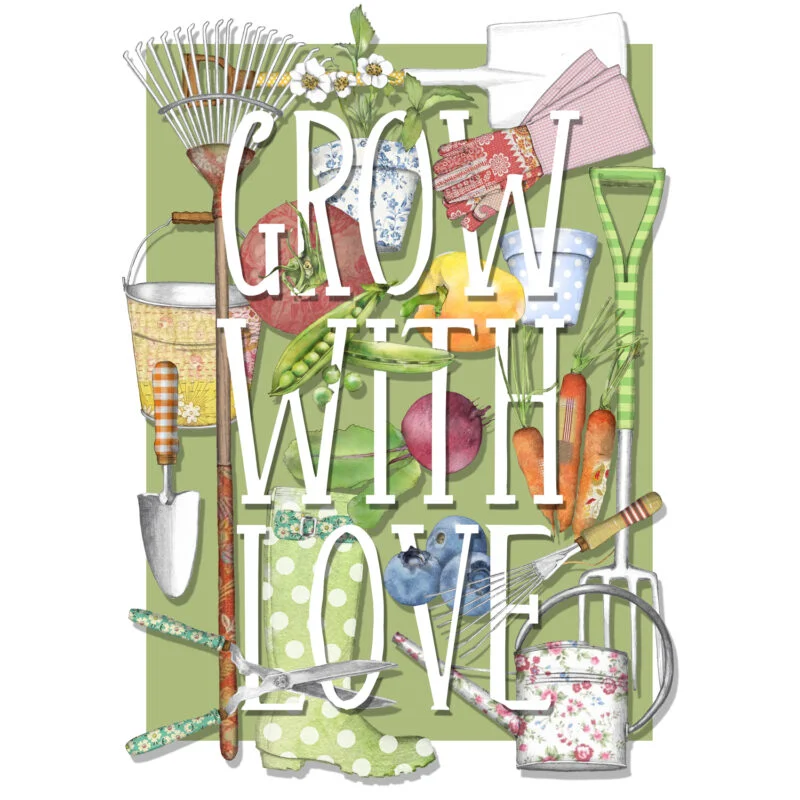
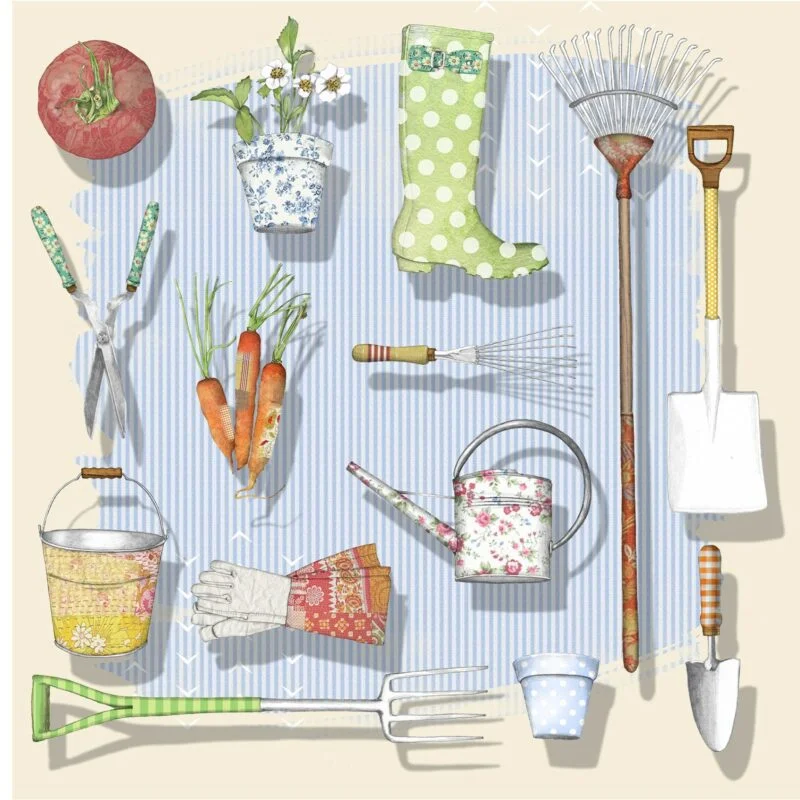
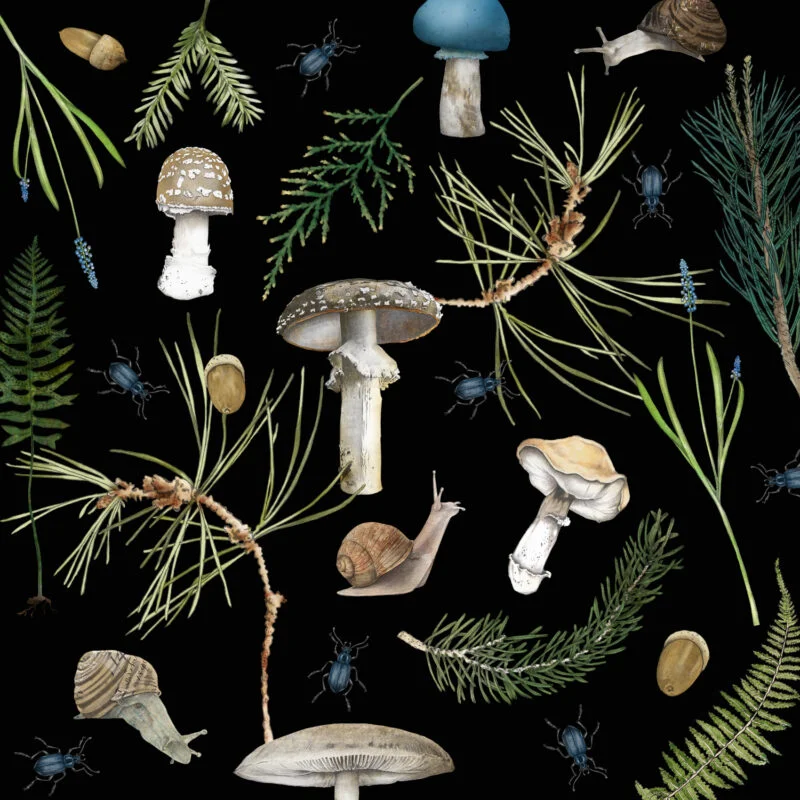
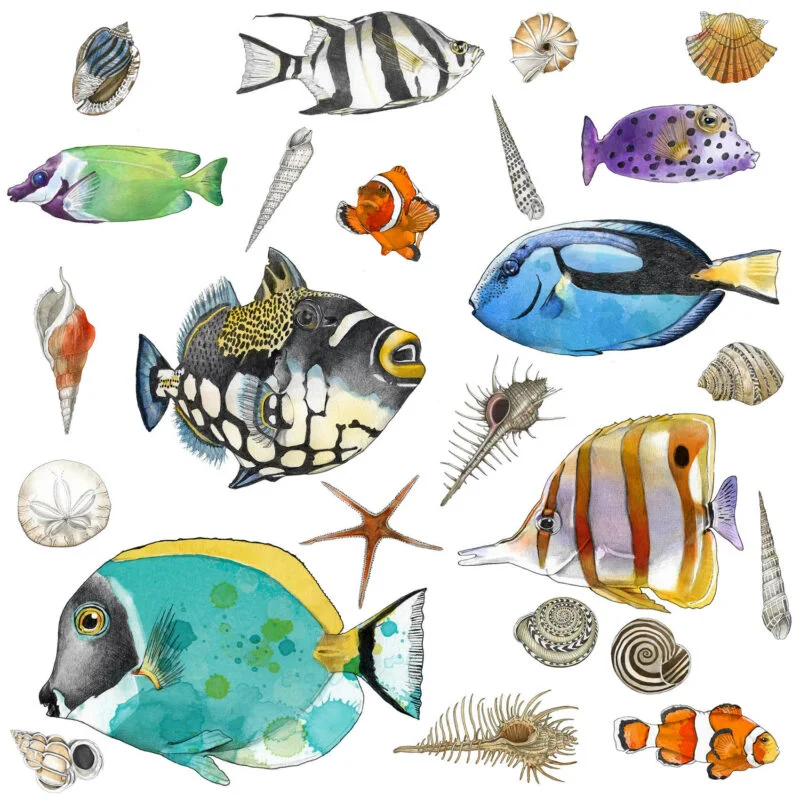
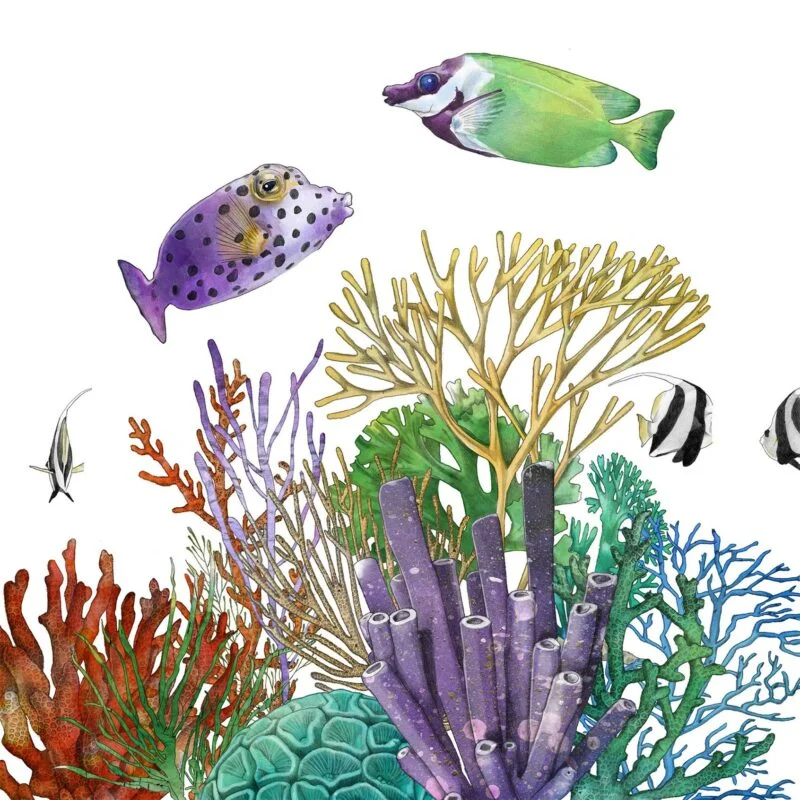
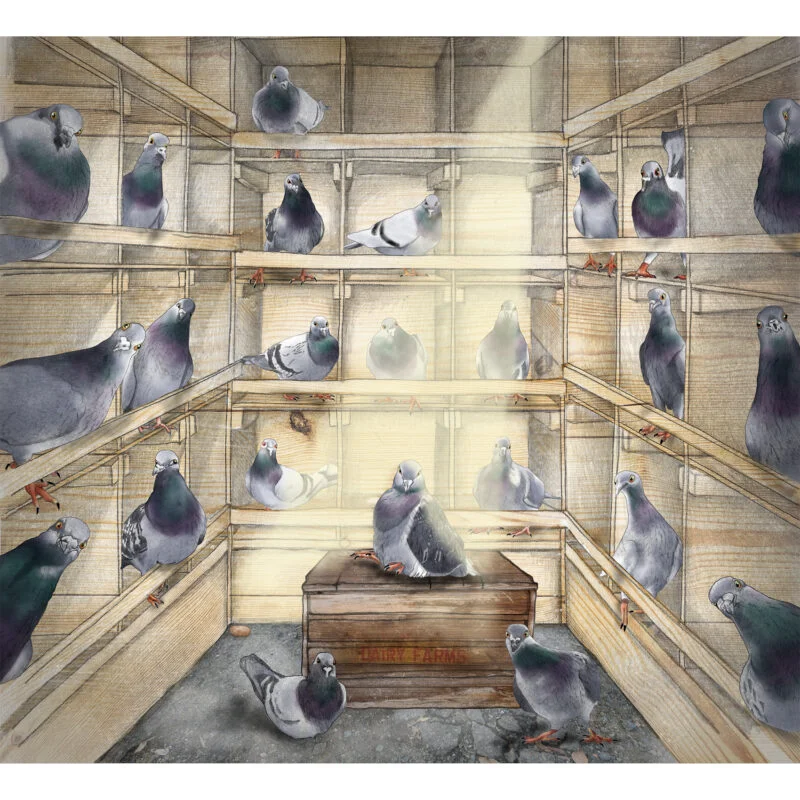
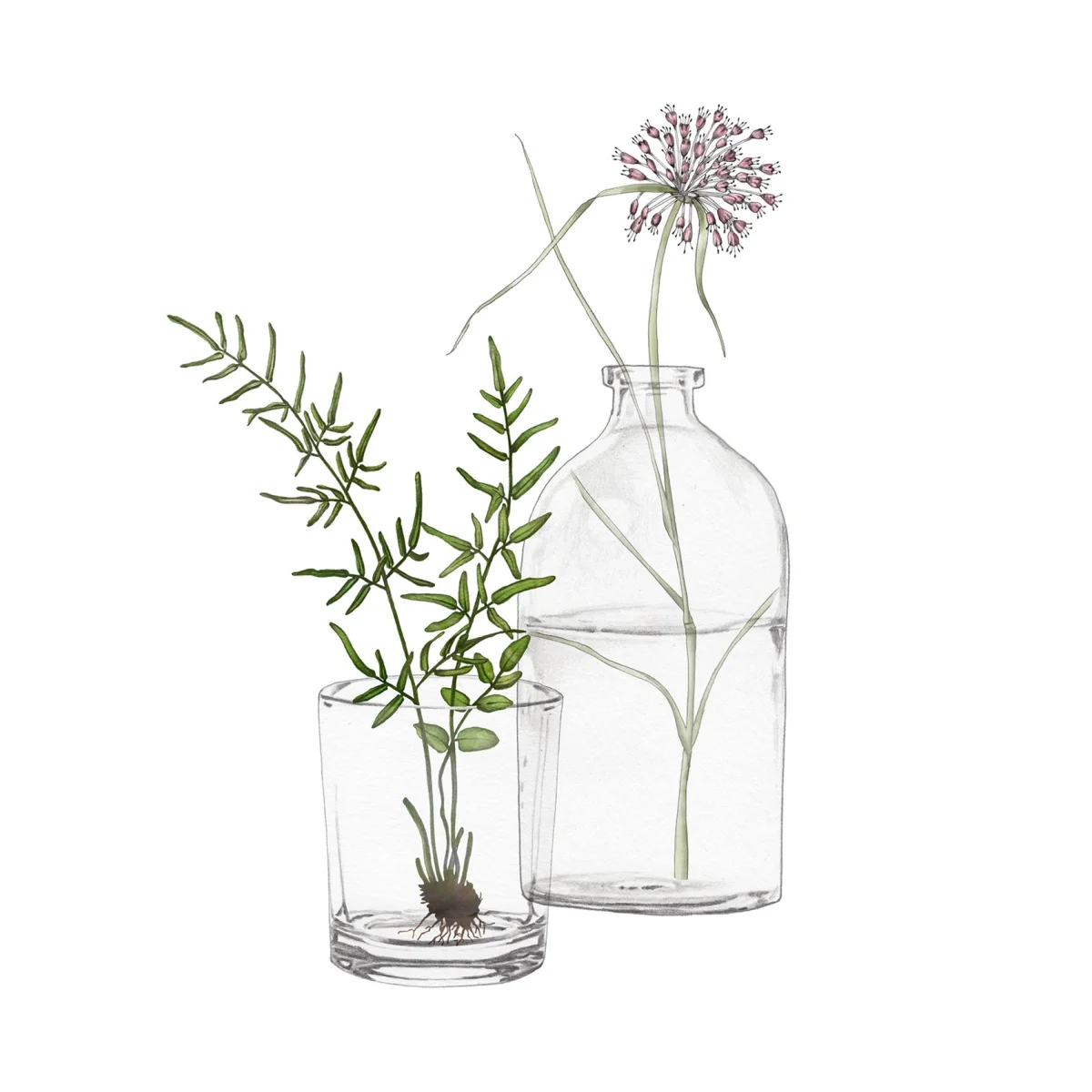
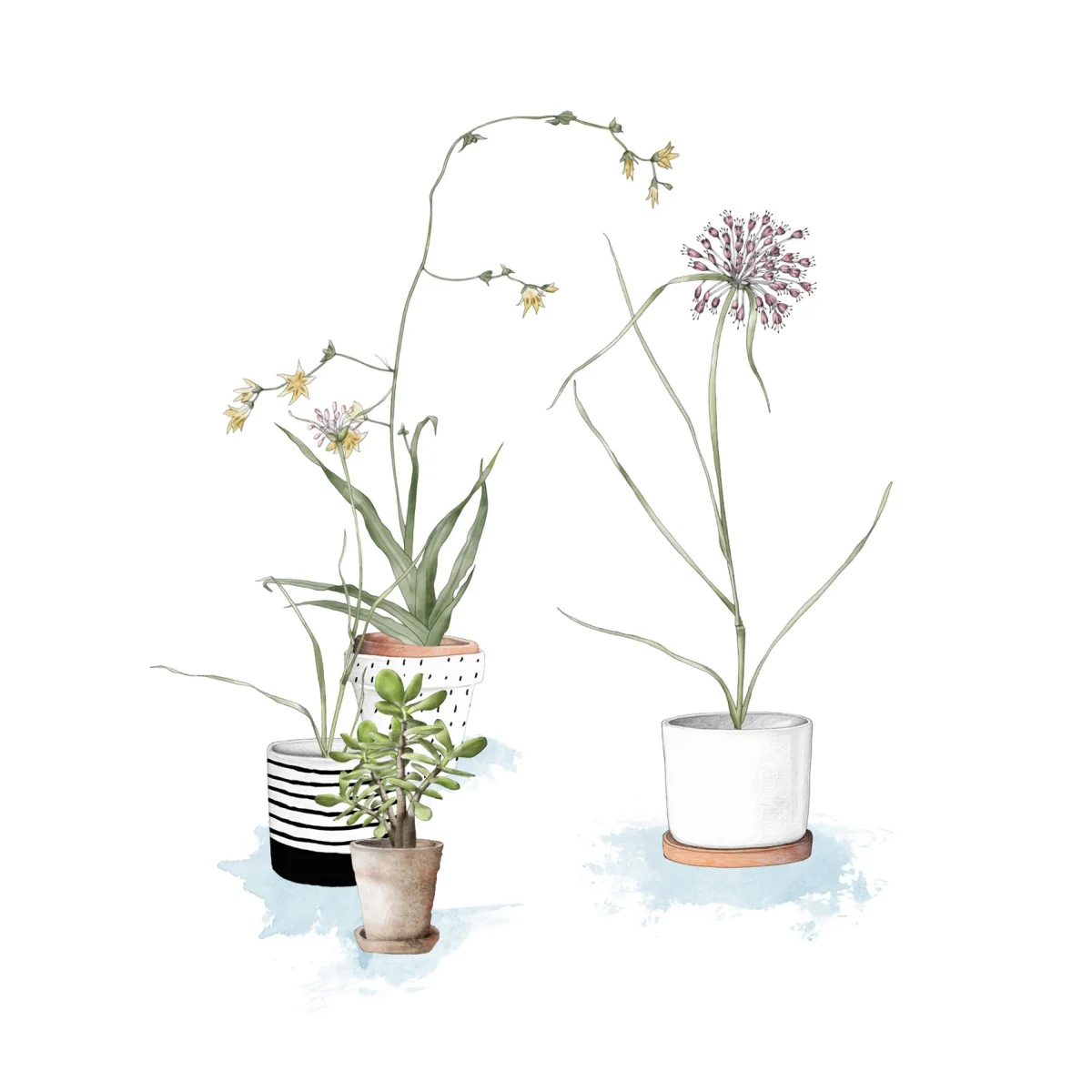
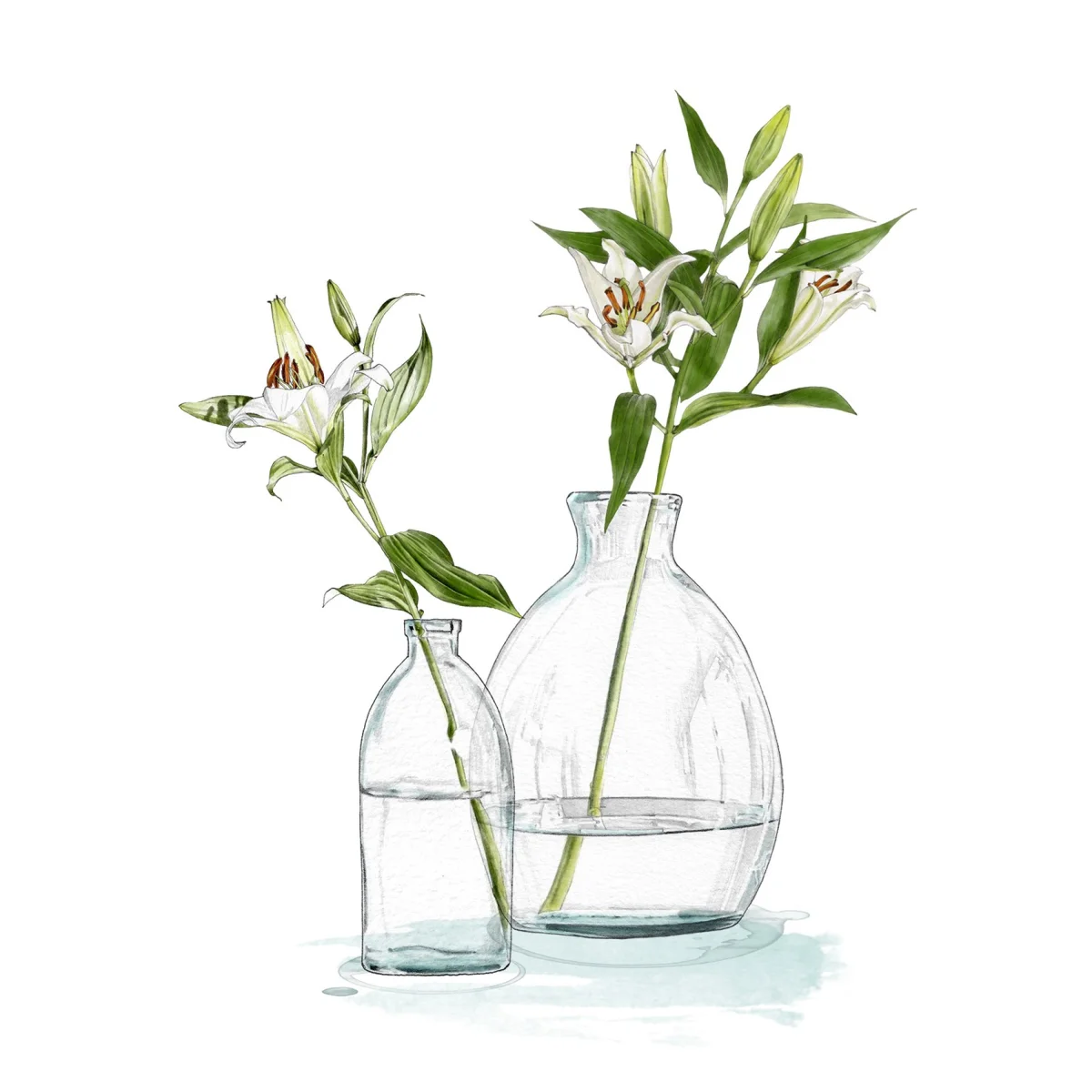
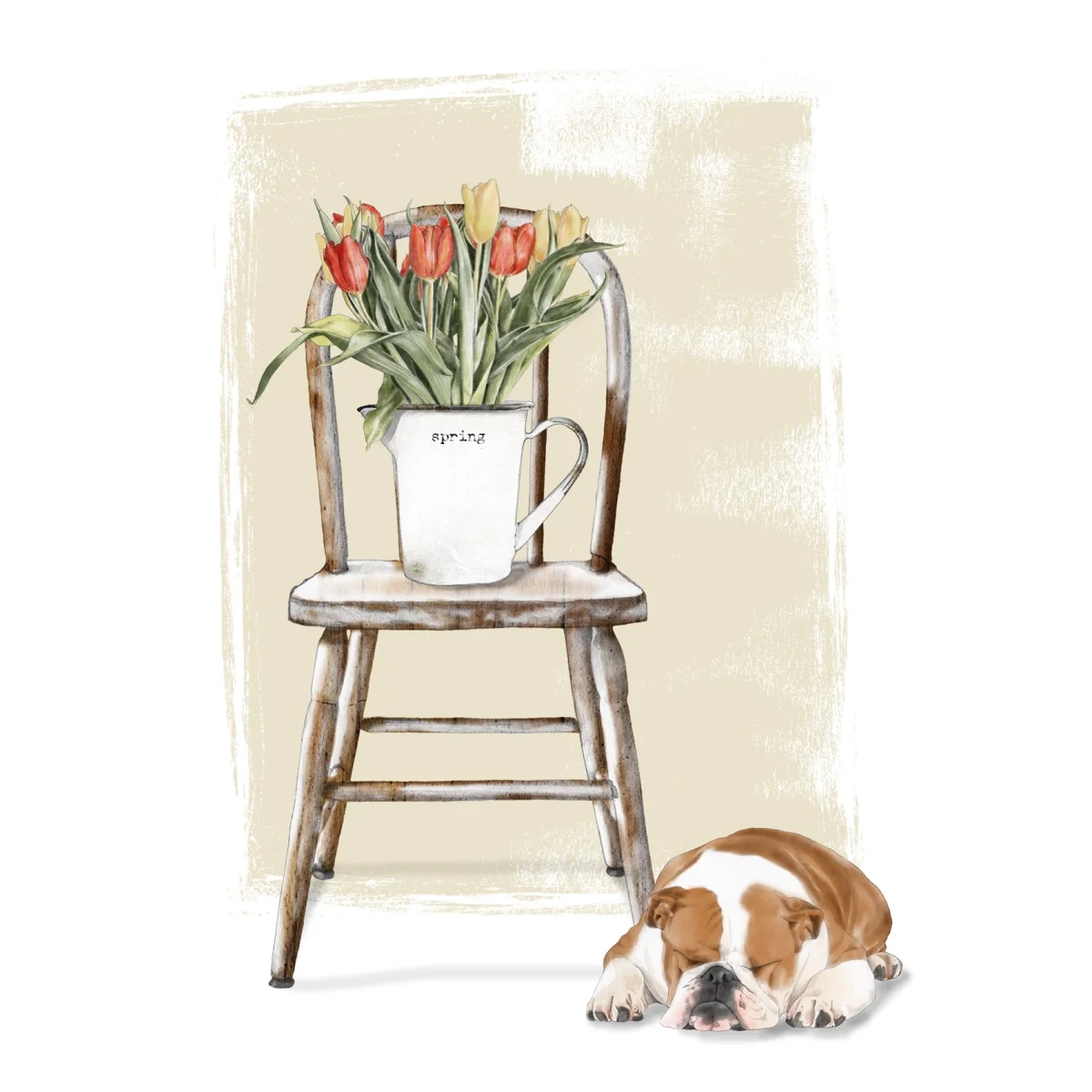
Christine Anderson’s illustration process starts with a physical mark: pencil on paper. She builds detailed drawings by hand, then scans individual elements into Photoshop so she can adjust their colour, size and position for a design. The result keeps the texture she wants while giving clients room to shape an image for different needs.
Anderson is a senior illustrator and surface pattern designer in Scottsdale, Arizona. She studied graphic design and illustration at Drake University, earning a BFA, and continues to build her skills through classes. In a conversation with the Directory of Illustration, she describes a practice shaped by close observation, a willingness to learn and a preference for work that feels personal.
Keeping the pencil in a digital workflow
Anderson began with traditional materials and found that product design called for a more flexible way to work. Clients needed elements that could be moved, resized and recoloured. Photoshop gave her those options, but she didn’t want the finished images to take on a computer-made appearance.
Her solution is a two-part workflow. She draws each illustration in pencil, establishing its details and structure, then scans the separate elements. In Photoshop, she can reposition and recolour those pieces without giving up the hand-drawn foundation. That division lets the original drawing hold onto its character while the digital file adapts to a project’s requirements.
It’s a practical approach for illustration used in product design, where the same artwork may need to fit different layouts or formats. Working with separate components makes those adjustments possible at the design stage. Anderson’s process also shows that a digital workflow doesn’t have to dictate a digital look: the tools can handle flexibility while the artist controls the marks and texture.
Learning through new tools and ideas
Anderson is still exploring a new addition to her setup: an XP-Pen tablet that connects to her computer and lets her draw directly on the screen with a pen tool. She describes herself as new to it and is looking forward to learning what it can do. The tablet represents an expansion of her process, rather than a finished change in direction.
She also takes short classes, with Domestika among the learning platforms she enjoys. Some of the classes she has saved focus on creative thinking instead of building a specific art technique. That distinction matters to her practice: growth can come from changing how she approaches an idea as well as from learning a new skill.
Anderson’s account makes experimentation feel incremental. A new tool earns its place through time spent using it; a class can open up a different way to think about a brief. For illustrators balancing established methods with changing project needs, that kind of ongoing learning can keep a workflow adaptable without requiring a complete reset.
Drawing from nature’s relationships
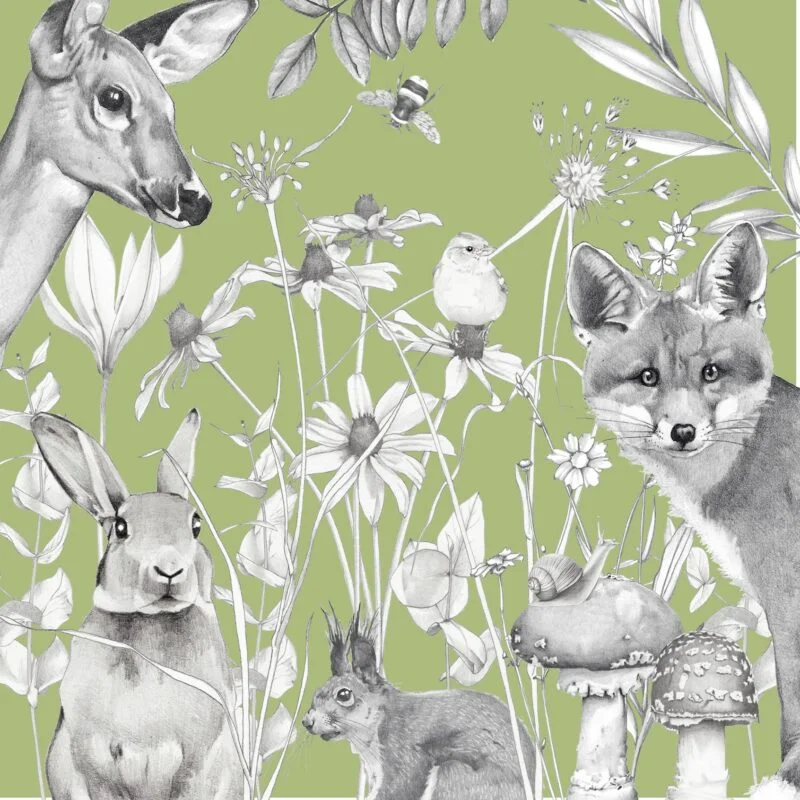
Hiking around Scottsdale gives Anderson a direct source of reference and renewal. She looks to nature’s imperfections and interdependence, then applies those observations to how she organizes a composition. In her view, each element needs to contribute to the whole, much as living things depend on their surroundings.
That idea offers a useful way to think about a drawing beyond its individual subjects. Details should relate to the larger image, and the parts need to feel as if they belong together. For Anderson, the natural world provides both the forms she draws and a model for making the composition feel connected.
She is especially drawn to living subjects, from small leaves and mushrooms to elephants. The scale of those references varies widely, but her attention often settles on minute features. She credits Sir David Attenborough’s documentary The Private Life of Plants with changing how she sees that small-scale world. Its focus on plant life reinforced her sense that a close look at detail can reveal how much is happening within a subject.
“Life is in the details,” Anderson says in describing that influence. Her approach connects observation to craft: careful looking supplies the material, while pencil drawing gives her a way to translate it into an image.
Choosing work that leaves room for her style
Anderson says her ideal projects give her freedom to make work that feels like her own. She has developed a style that clients seek out, and she finds that recognition rewarding. Although her design degree gives her the ability to work across different approaches, she says her strongest connection is to the work that comes most naturally to her.
Her wish list spans editorial illustration and packaging: she would like to create a cover for The New Yorker and design packaging, especially for chocolate. She also imagines a less conventional working life, drawing wildlife and plant life every day from within a national park. Across those ambitions, the common thread is room to draw subjects she cares about and develop an image in her own way.
Recent books and a city illustration project
Anderson recently completed A Penguin’s Quest, a 40-page children’s book by Scott McDermott, including its covers. She describes it as a substantial job and says she is proud of the finished work. The project’s length points to the sustained effort involved in carrying an illustrated book across its pages as well as designing its covers.
She is also working on a large project that involves illustrating eight landmarks, among other subjects, in many major cities across the United States. The source doesn’t provide further details about the client or schedule. The brief does, however, bring together the interests that run through Anderson’s work: drawing real places and living subjects, noticing specific details, and fitting those observations into a considered whole.
Her process offers a clear takeaway for designers and illustrators: start with the qualities the work needs to retain, then choose tools that make the artwork useful in context. For Anderson, that means letting pencil drawings carry the character of an image and using digital editing to give each element room to move.







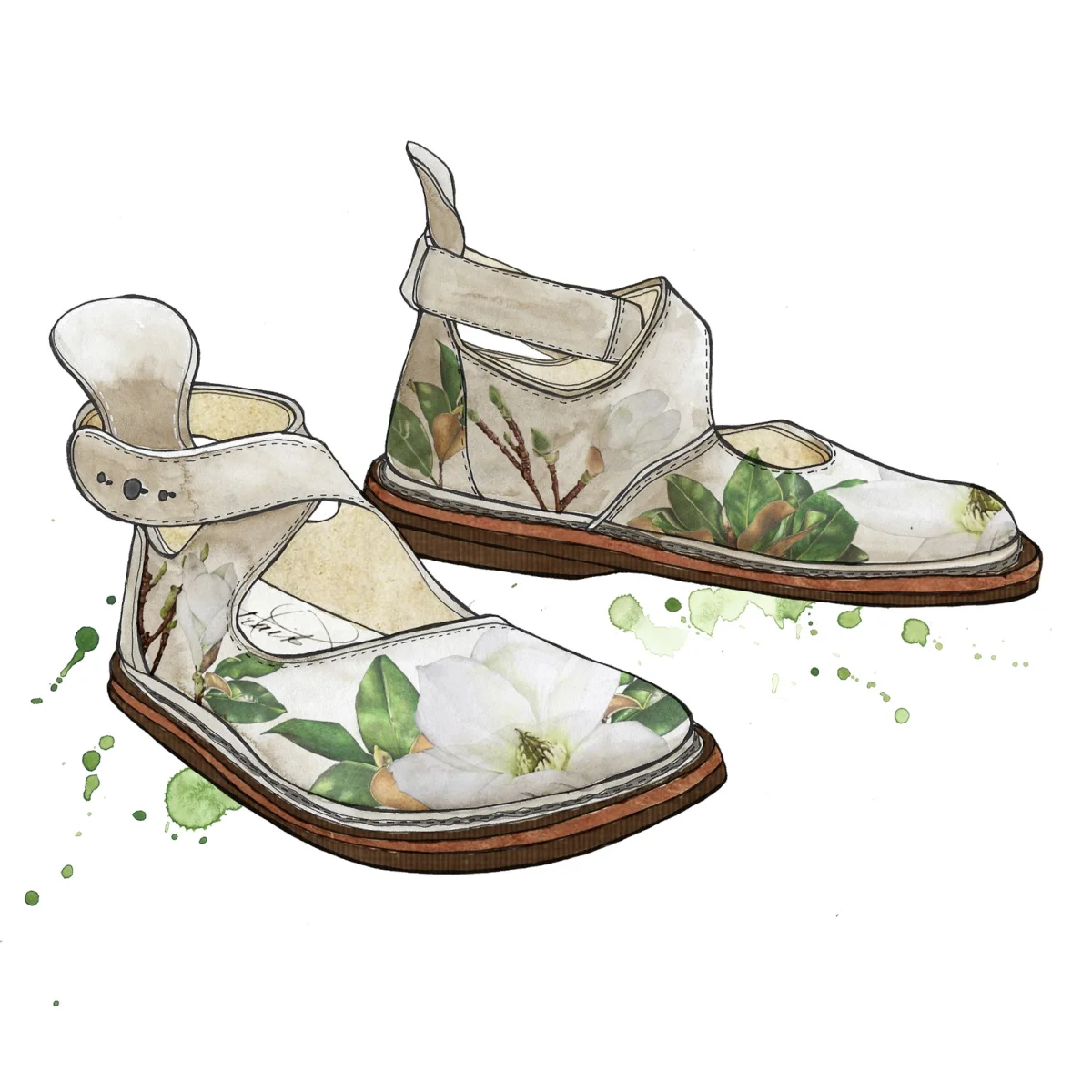


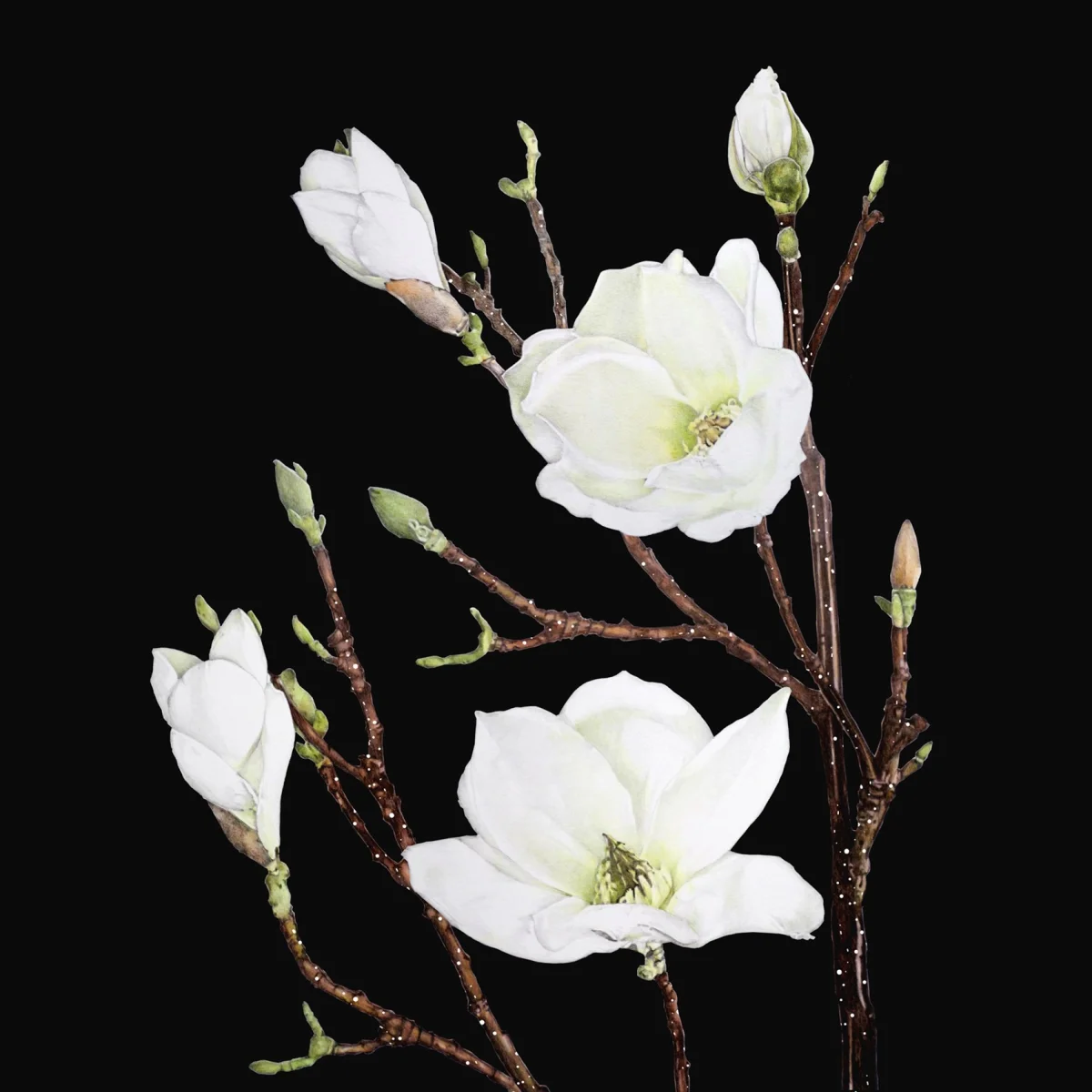
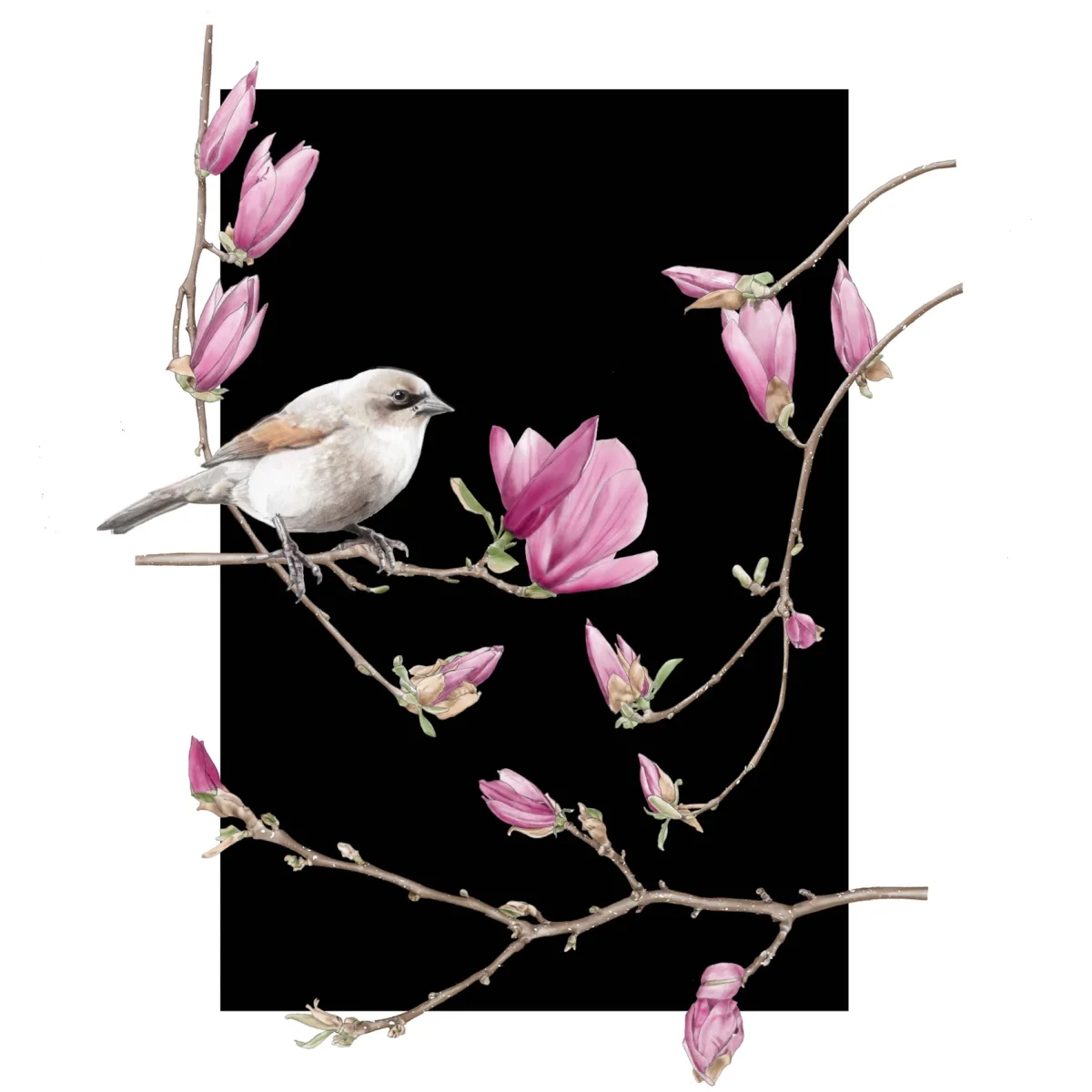
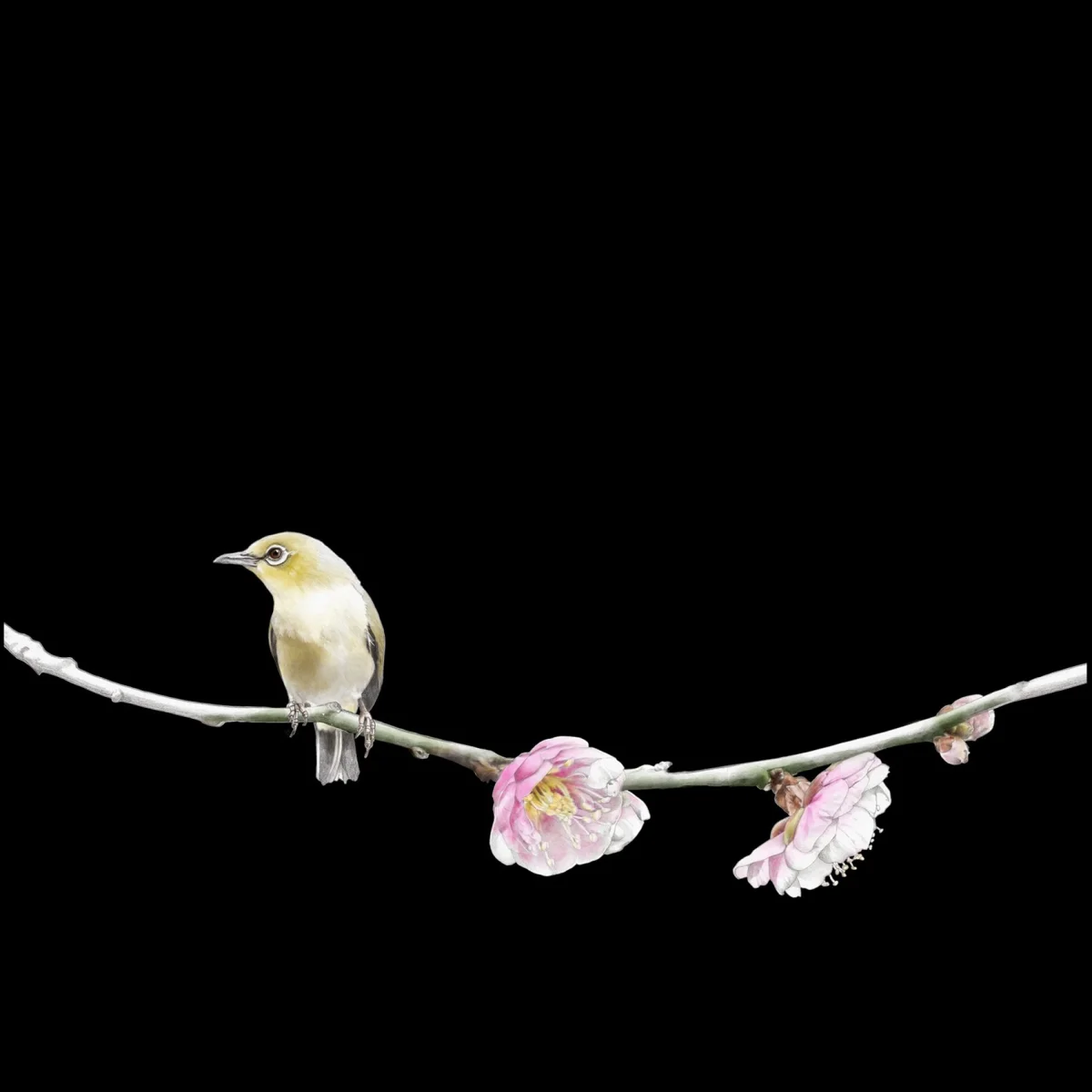


Explore Christine Anderson’s portfolio, visit her website and follow her on Instagram.
| Rev | Description | Date |
|---|---|---|
| A | Issued for reading | |
| B | Viewed 618 times | Current |


