Steve Hayes on Hand-Drawn Illustration, Character Design and Building a Freelance Career
- Project
- Graphic Design
- Drawn by
- Marika Lind
- Issued
- Sheet
- A-103
Illustrator Steve Hayes shares how loose drawing, traditional materials and the courage to try shaped his work—and why character-led projects are his focus.
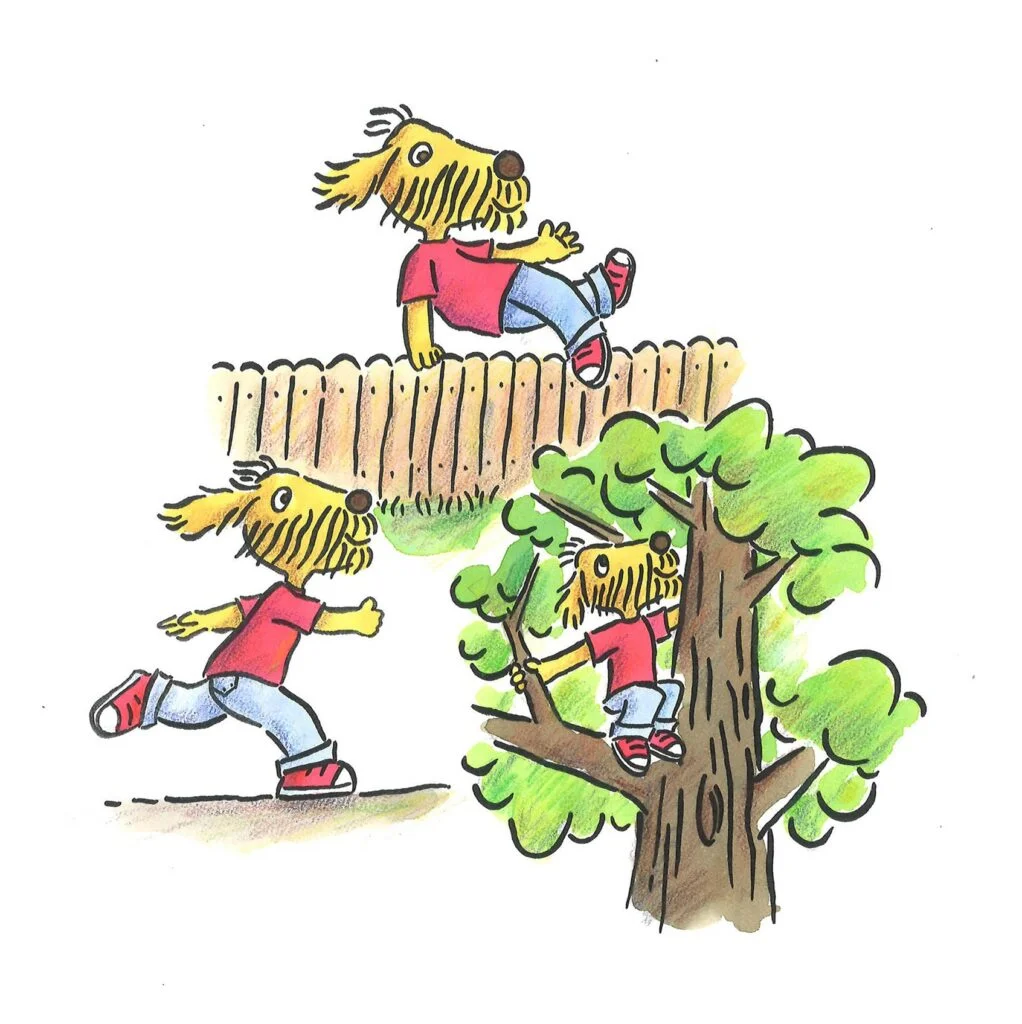
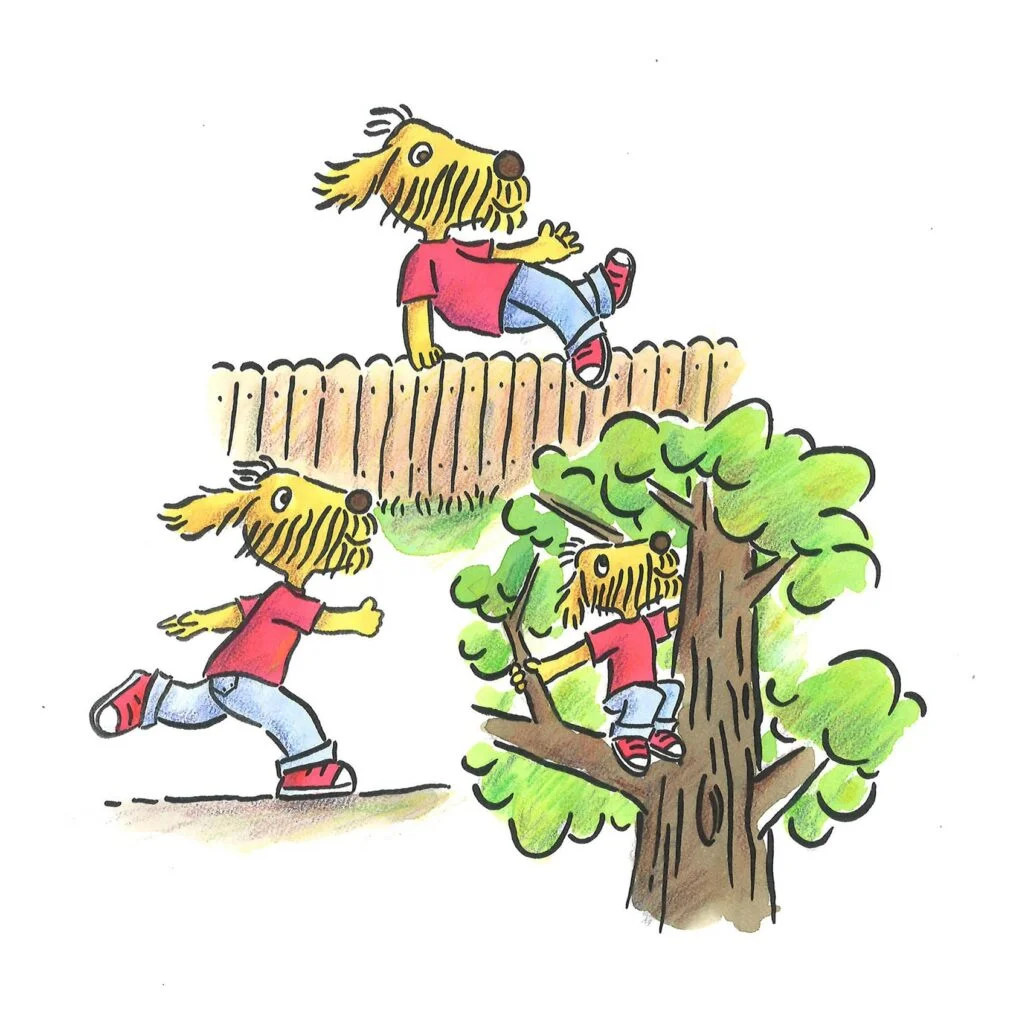
Steve Hayes builds illustrations around expressive characters, loose forms and the physical qualities of traditional materials. His work ranges from black-and-white drawing to watercolor, dyes, colored pencil and mixed media, with projects spanning children’s books, packaging, branding and humor-driven assignments. The through line, as he describes it, is a willingness to trust his instincts and make the image serve the people who have asked him to create it.
In this interview with the Directory of Illustration, Hayes looks back on the experiences that shaped his practice, from growing up in Middletown, Ohio, to learning production constraints at Gibson Greetings and finding confidence as a freelancer. He also discusses working by hand in a digital era, the effect he expects AI to have on illustration, and his current interest in creating characters that can carry stories and advertising over time.
A small town that encouraged experimentation
Hayes grew up in Middletown, about 40 miles north of Cincinnati. He remembers a town of roughly 50,000 people where industry provided a comfortable living for many residents. His father worked at Armco Steel for 40 years, and Hayes also took a job there during college, mostly in the summer.
The town’s friendly, close-knit character gave him room to try things without feeling he had to fit a particular mold. He describes having a supportive family and friends, and a childhood with the freedom to express himself. That encouragement helped him form a practical kind of confidence: he came to believe that a possibility was worth pursuing even when success wasn’t assured.
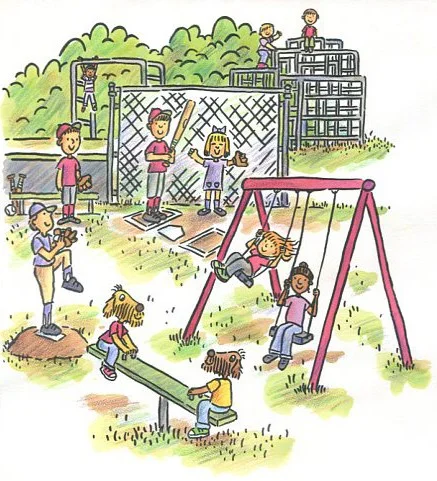
Limited options for entertainment also pushed Hayes and his friends to make their own. They created activities together rather than waiting for something to be provided. In retrospect, he sees that habit as an early lesson in creative work: begin with what’s available, then make something engaging from it.
One school project captures the support he received. In sixth grade, he prepared a presentation about how eyes work. His mother went to a meat-packing plant and brought home a jar of hog eyeballs for him to dissect. Hayes used the specimens as reference, then made a paper mâché model showing the parts of an eye. The project was successful enough that he travelled between classrooms to demonstrate it. For him, the memory stands for more than a science assignment; it shows how encouragement can give a young person permission to investigate an idea in depth.
From a painting prize to an illustration career
Hayes didn’t initially see painting as a route to a career. After his sophomore year in college, he took time away from school to earn tuition money at Armco Steel. A back injury kept him away from work for a while, and he spent that period painting. He entered one painting in a local art show and won best of show. The recognition connected him with people who encouraged him to look at the art department at Miami University in Oxford, Ohio.
Hayes transferred to Miami for his final two years. The instructors and faculty there helped him develop, and during his senior year Gibson Greetings in Cincinnati hired him. The sequence gave him a clearer sense that a living could grow from work he enjoyed. He credits the paintings and the steps he took to show them with building the confidence to treat illustration as a real career path.
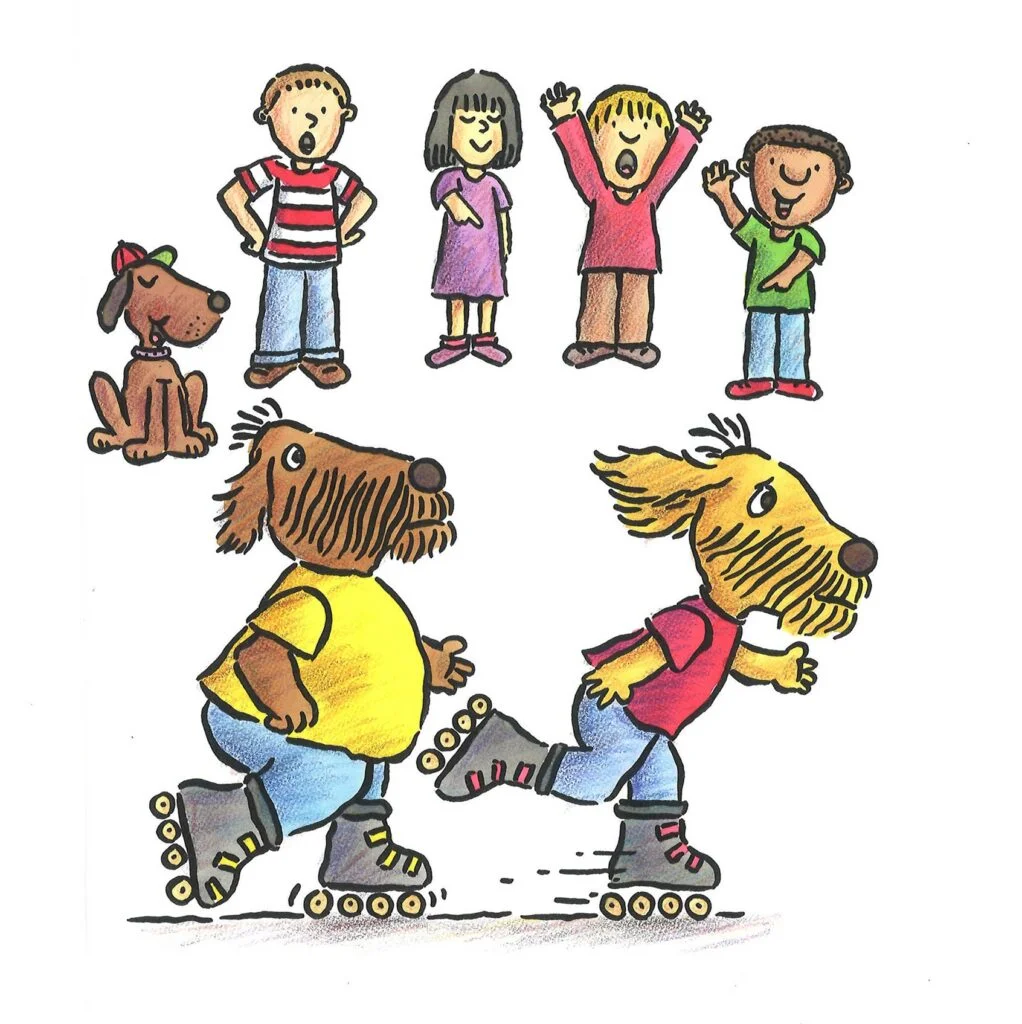
At Gibson, Hayes was trained to freelance for the company. The work came with specifications, but he found space to develop his own approach within them. He studied artists on staff and paid attention to how they drew people, animals and characters. His own solution was to work spontaneously and keep forms simple, drawing on the loose quality he already valued in painting.
He initially tried to make his work look different from what came naturally. Over time, he found that the images improved when he stopped forcing that distinction. His description of the shift is a useful reminder for illustrators working within a brief: constraints can establish the task, while a personal voice often emerges through close attention and repeated practice rather than through deliberate novelty.
A process built around planning and loose drawing
Hayes starts a project by thinking through the work and planning the steps required to complete it. He looks at the desired result first, then works backwards to set milestones. His guiding question is straightforward: what needs to happen to solve the problem and finish the assignment?
Reference comes next. Hayes gathers images and studies them to understand the subject he wants to draw. Then he moves to tracing paper, using a black Sharpie to sketch ideas loosely. He makes tissue overlays as the drawing develops, refining the options until he has a foundation for the final image.
The sequence combines structure with room to explore. Planning helps him keep the project moving; loose sketches let him test visual possibilities before committing to a finished drawing. The method also reflects his larger approach to style: understand the problem, make several attempts, and give the image space to become itself.
His inspiration comes partly from the responsibility of being trusted with someone else’s important idea, whether the client is an individual or a large company. Hayes values that relationship as much as the subject matter.
Among the artists who influenced him are colleagues from Gibson Greetings. Jared Lee made a particular impression through his style, technique and simplicity. Hayes also admired Lee’s marketing ability and remembers his generosity: when Hayes began freelancing, Lee shared names of clients he had worked with.
Hayes met lettering and logo designer Tom Carnase while he was still a student. From Carnase, he took away an appreciation for simplicity and inventive thinking. At Miami University, professors Joe Cox, Bill Hooper and Crossan Curry helped shape both his artistic development and his confidence in presenting himself professionally. His fine-art touchstones include Paul Cézanne, Edgar Degas and Willem de Kooning.
Traditional materials and the choices they demand
Hayes has worked extensively with color and feels confident making corrections by hand, adjusting a piece midway through or matching a color with physical materials. That confidence came through practice. When a problem arose, he had to learn how to solve it with the tools in front of him.
He recognizes that digital illustration offers options he hasn’t explored, and says he might appreciate those possibilities if he were starting out now. Still, he’s comfortable with his established process. Mixing color, handling a brush and creating a distinctive line are not merely steps toward a finished image; they’re part of what makes the work enjoyable.
Hayes describes the appeal in tactile terms: laying down a wash with a favorite brush, matching color by hand, and testing different papers and illustration boards. Each brings a small challenge. He finds that challenge satisfying, and takes pleasure in the confidence that he can deliver work clients respond to.
His experience also points to the practical knowledge a traditional workflow demands. A correction can mean returning to the physical surface and working through the change with the materials themselves. Hayes has learned to do that over time, and he sees the ability as part of his craft. Digital tools may offer different ways to revise, but his practice is grounded in the specific decisions and adjustments that handwork requires.
Projects that give characters a life beyond one image
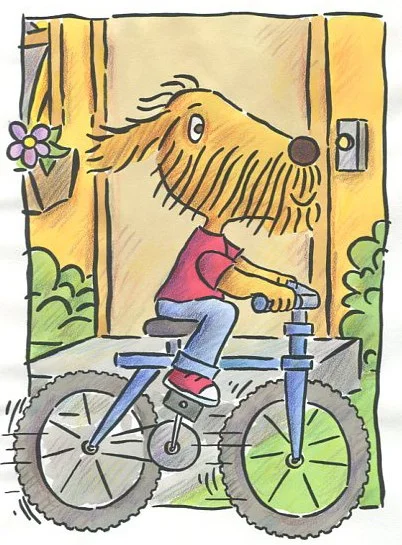
Several favorite assignments show Hayes’s interest in character as a way to make a message memorable. For a recycling effort in the Cincinnati metro area, he created a basset hound mascot to serve as a spokesperson. The character was well received and helped spread information in the community; Hayes says it’s still used in schools to educate children.
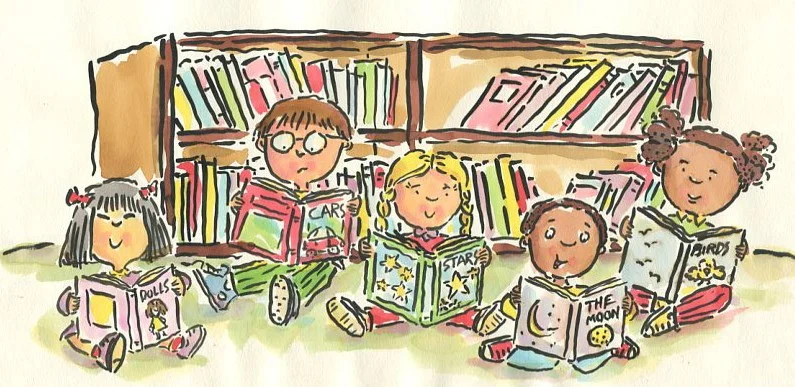
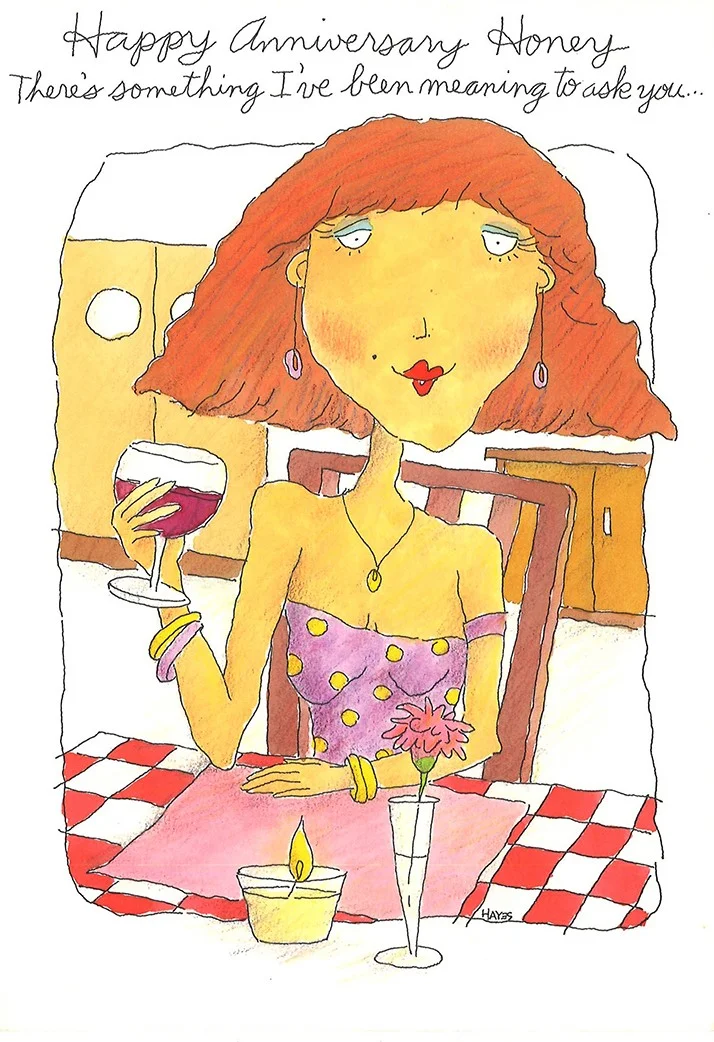
He also created two greeting-card lines built around a female character, and a children’s book for a Pampers effort from Procter & Gamble. That book had enough impact that P&G Pampers in Europe committed to a series in several languages. The examples span different formats, but each depends on a character who can give the material a recognizable point of view.
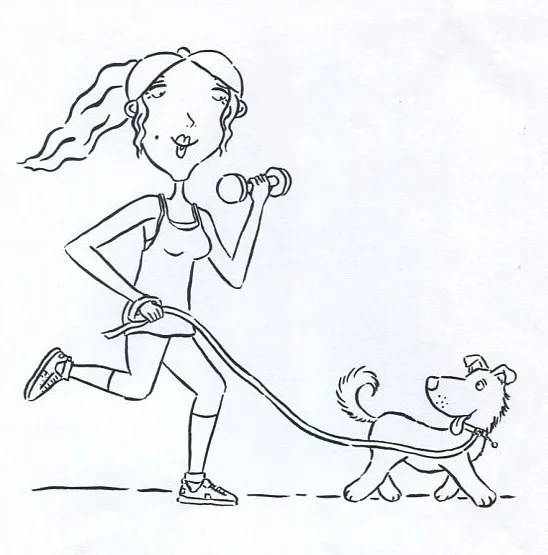
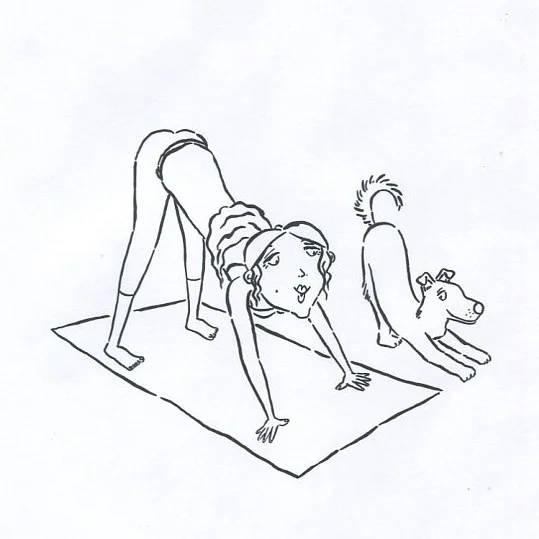
That same interest now guides Hayes’s personal work. He created Milo, a character based on his family’s dog, who died a year before the interview, and paired him with Veronica, his owner and friend. Hayes has been placing the two in situations together and hopes to build an online presence for them. He’s interested in developing short continuing stories and, potentially, merchandise.
Hayes is also exploring a dog character in a video and has been talking with The Farmer’s Dog about the possibility of using the character as a spokesperson. His daughter works for the dog food company and loves it. Hayes says he’d like to make work that supports the welfare of dogs or other animals, while developing characters that can become familiar to an audience.
The creative opportunity he’s pursuing is larger than making a single spot illustration. He wants to build characters, put them into situations, and give them enough continuity that people can follow their stories. For client work, he’s drawn to advertising where a character can become the focal point of a campaign and develop over time. The same thinking sits behind Veronica and Milo: a visual identity can create recognition, while recurring situations give the audience a reason to return.

Change, AI and the value of a distinct hand
The shift from hand-drawn illustration to computer-generated work is the biggest change Hayes has seen in the field. When he began, digital illustration wasn’t part of the process. He respects what artists can do with digital tools, though he hasn’t developed the skills to work that way and doesn’t feel he’s losing ground by staying with traditional methods.
His view of AI is more unsettled. Hayes expects it to affect illustration along with many other industries. He frames the immediate business question around cost: if a client believes a generated image can provide the same result for substantially less money, that client may choose the cheaper option. He’s concerned about illustrators being undercut and hopes the creative community can find ways to protect artists’ ability to earn a living.
For now, Hayes’s own case for handwork is personal and concrete. He knows his materials, enjoys mixing color and values the character of a line made with a brush. The work gives him a sense of challenge and satisfaction that he might not have anticipated if he hadn’t spent years building the skill. His position doesn’t depend on claiming one method is right for everyone; it comes from understanding what his own process lets him make.


Taking risks, then making the work visible
Hayes’s route into freelancing depended on more than art instruction. He credits his college teachers with giving him a solid foundation, exposure to different approaches and preparation for the business side of illustration. His years at Gibson Greetings added experience working within production requirements, which he learned to accept as part of doing client work.
He also points to a personal-development course he took through the Landmark Forum in 1992. Hayes says the experience helped him see where he was holding back and waiting for conditions to be perfect before working independently. Instead of waiting for guarantees, he chose to take the risk and begin freelancing. He remained involved in the Self-Expression and Leadership Program as a part-time leader for ten years, and continues in that role while illustrating.
He once considered training to lead the Landmark Forum full time, but the commitment would have made it impossible to continue his illustration career. After weighing the decision, he stayed with illustration and continued leading the other program alongside his creative work.
For emerging illustrators, Hayes’s advice is to trust their talent, stay true to their point of view and be patient. Freelancing brings uncertainty, and he believes artists need to develop a thick skin. He doesn’t prescribe one marketing formula. His emphasis is on taking a stand for the work and being willing to act without knowing exactly how everything will turn out.
That advice connects back to the way Hayes describes his own practice. He found a career by painting when circumstances unexpectedly gave him time to do it, built a style by drawing naturally within real production requirements, and developed a process that pairs planning with exploratory sketches. His current character work extends that same pattern: make a clear visual idea, then give it room to grow into a larger relationship with its audience.
| Rev | Description | Date |
|---|---|---|
| A | Issued for reading | |
| B | Viewed 999 times | Current |