Dave Cutler’s Digital Illustration Process, Clients and Career
- Project
- Graphic Design
- Drawn by
- Marika Lind
- Issued
- Sheet
- A-102
Illustrator Dave Cutler builds concepts in Painter, presenting clients with two to five or more sketches before completing each image digitally.
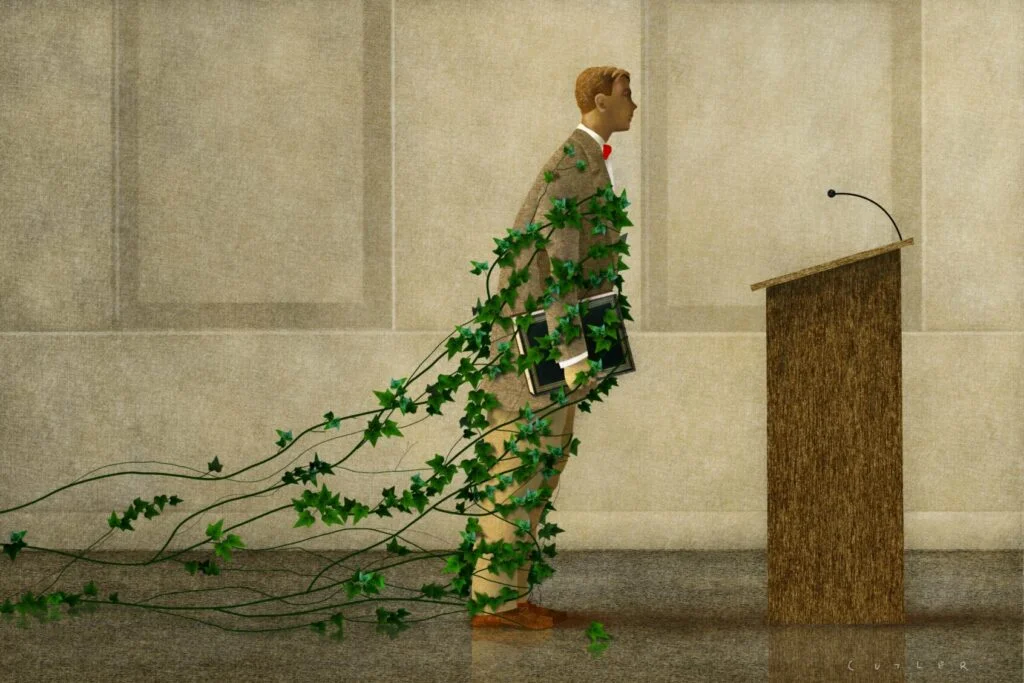
Dave Cutler’s process starts with interpretation: he reads a synopsis, develops several visual directions, then completes the chosen illustration in Painter. That approach connects a broad commercial practice to a clear working method. His assignments range from small editorial images to larger commissioned projects, and he says each piece matters to him.
Cutler graduated with honors from the School of Visual Arts in New York City. He is a member of the Society of Illustrators, and his illustrations have appeared in publications, corporate work and institutional settings around the world. His originals and prints are held in private collections connected with organizations including Boston Consulting Group, First Republic Bank, IBM, SAS, ADP, MD Anderson Cancer Center and the University of Chicago Hospitals.
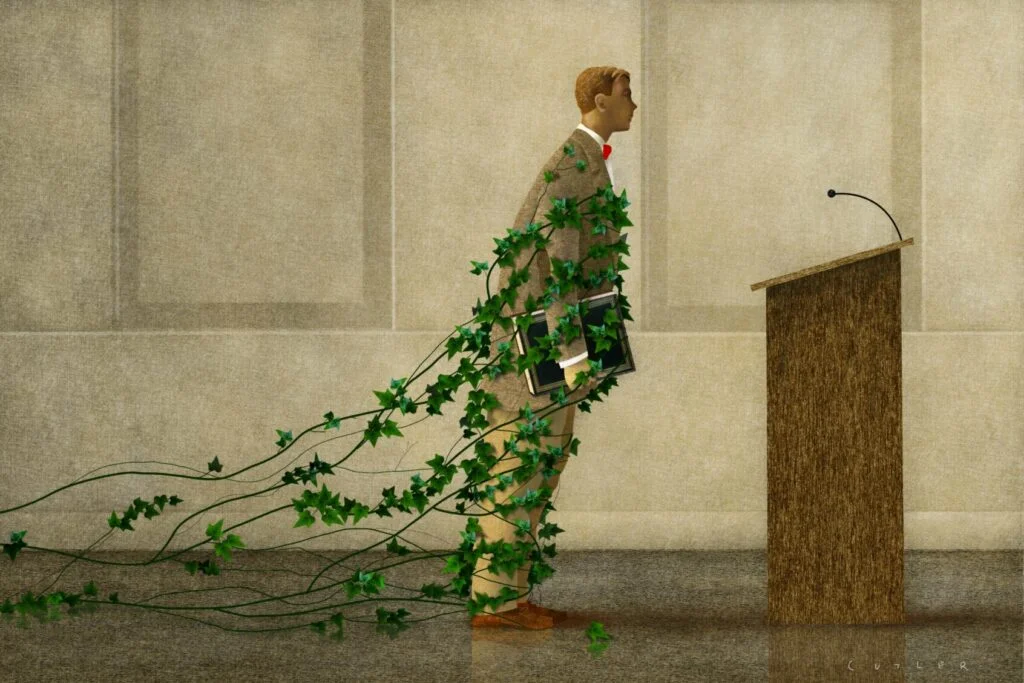
Several concepts before the finished image
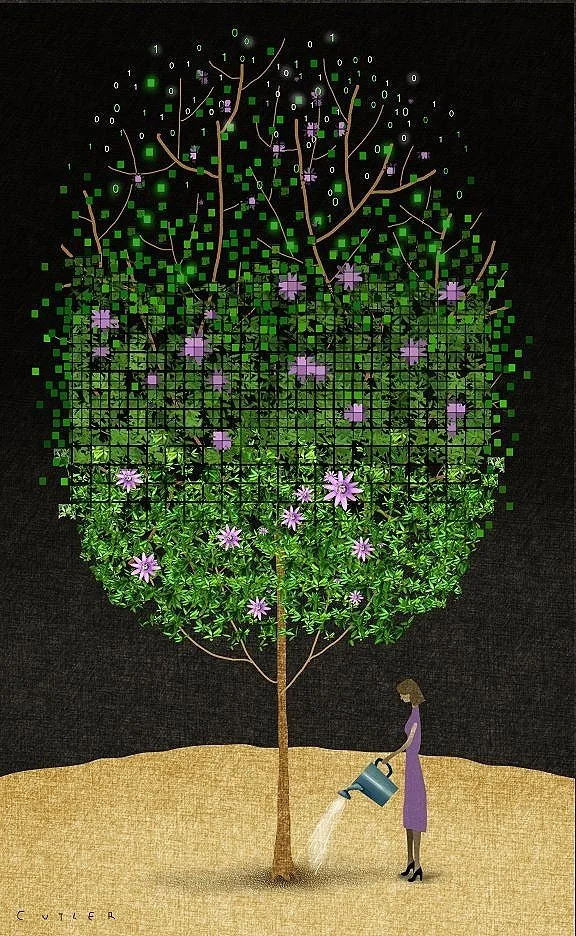
Cutler describes his work as entirely digital, made in Painter. For each assignment, he reads a synopsis of the material to be illustrated and prepares between two and five initial concepts, sometimes more. The client then selects a direction for the finished image. He frames those options as part of the creative experience: his aim is to make choosing a concept enjoyable.
That sequence gives clients a chance to respond to the idea before the illustration is fully resolved. For an illustrator, it also makes the early stage do practical work: sketches can test different interpretations of a brief while keeping the decision focused on the image’s central concept. The source doesn’t specify how Cutler handles revisions, colour or final file delivery, so those details may vary by commission.

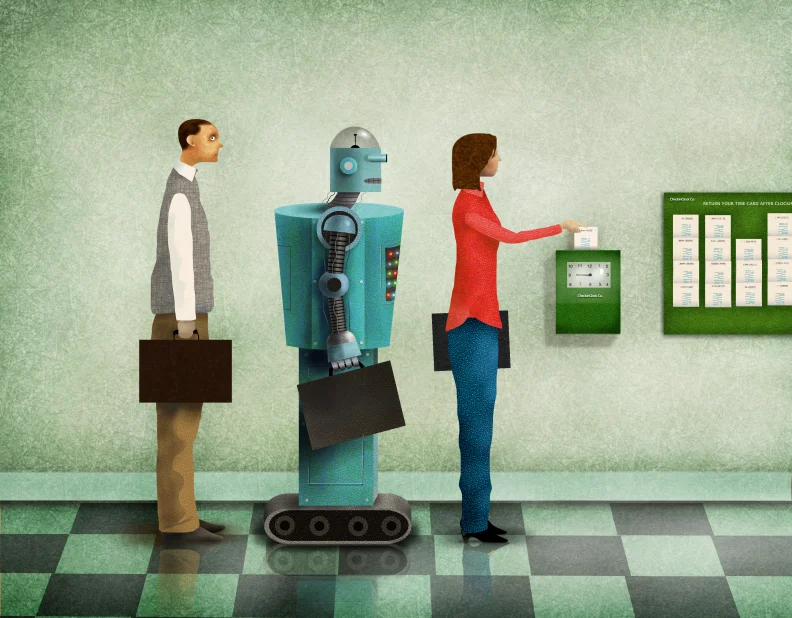
His range spans editorial spots and larger commissioned work. Cutler’s editorial clients include TIME, Businessweek, Forbes, The New York Times, The Wall Street Journal, the Los Angeles Times, The Boston Globe, Glamour, Newsweek and The Washington Post, among many other national publications. His corporate and institutional client list includes AT&T, Fidelity Investments, Microsoft, UPS, Ford, General Motors, GE, Visa International, Harvard University, Columbia University, Disney, NPR, HBO and organizations in business, technology and healthcare.
That breadth points to a practice built to work across different kinds of briefs. A small image accompanying an article has a different job from an illustration commissioned for a company or institution. Cutler’s stated method—begin with the content, propose several concepts, and develop a selected direction—offers a consistent framework for those varied contexts without suggesting that every assignment calls for the same visual treatment.
Illustration across publications and institutions
Cutler’s work has been recognized by organizations including the Society of Illustrators in New York, Los Angeles and Dallas; PRINT magazine’s Regional Design Annuals; the Society of Publication Designers; the Society of Newspaper Designers; and the Art Directors Club in New York and Houston. His other listed honors include three Gold OMNI awards from the Advertising Club of Kansas City, a Gold Quill Award for annual report illustration, four American Graphic Design Awards for Illustration, a bronze medal from the Medical Marketing Association IN-AWE Awards, recognition from the Association of Educational Publishers and a CREATIVITY Award for Illustration.
His work has also been featured in SBS Digital Design and American Artist, and he has been interviewed by NPR and NBC, among others. Cutler illustrated one children’s book, When I Wished I Was Alone, which was named a Best of Read to Me Picture Book by Borders in the year it was published.







A practical view of the work
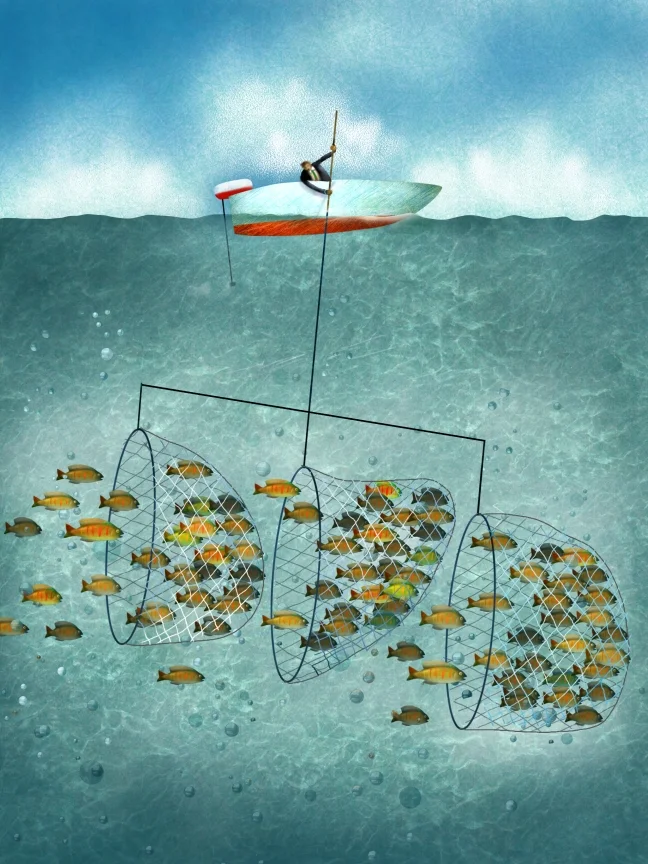
Cutler’s own description keeps the emphasis on the individual assignment: “Every piece is special to me.” His account of the process is useful for creative teams because it makes the handoff points visible: the illustrator studies the written content, offers multiple directions, and develops the concept selected by the client. The details of each brief will shape the result, but the method gives both sides a concrete place to begin.
To see more of Cutler’s work, browse his portfolio and website.
| Rev | Description | Date |
|---|---|---|
| A | Issued for reading | |
| B | Viewed 681 times | Current |