Nadia Radic’s Digital Collages Move from Photography to Illustration
- Project
- Graphic Design
- Drawn by
- Marika Lind
- Issued
- Sheet
- A-99
Buenos Aires artist Nadia Radic brings a photography background to digital collage, with work spanning exhibitions, album art and book covers.
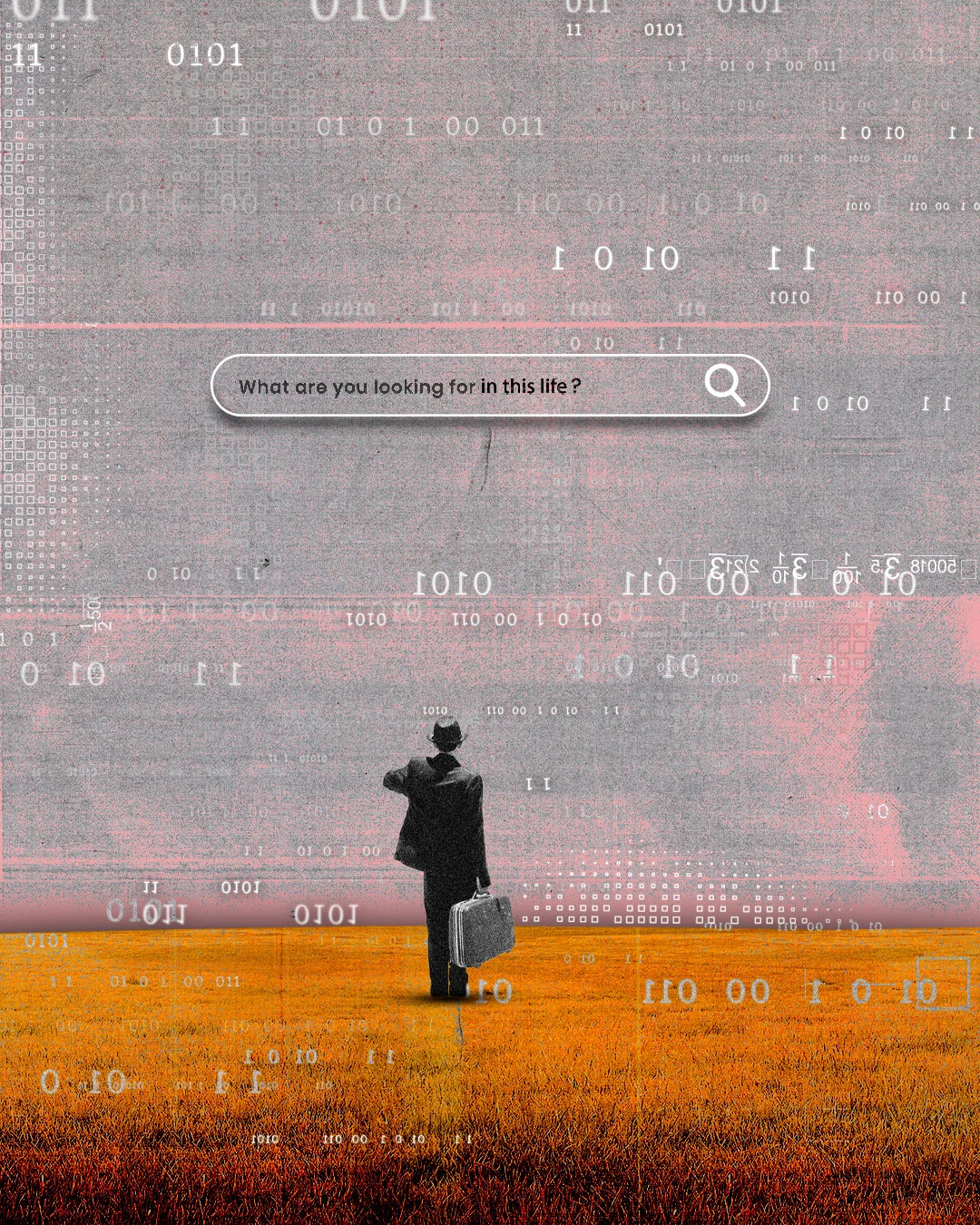
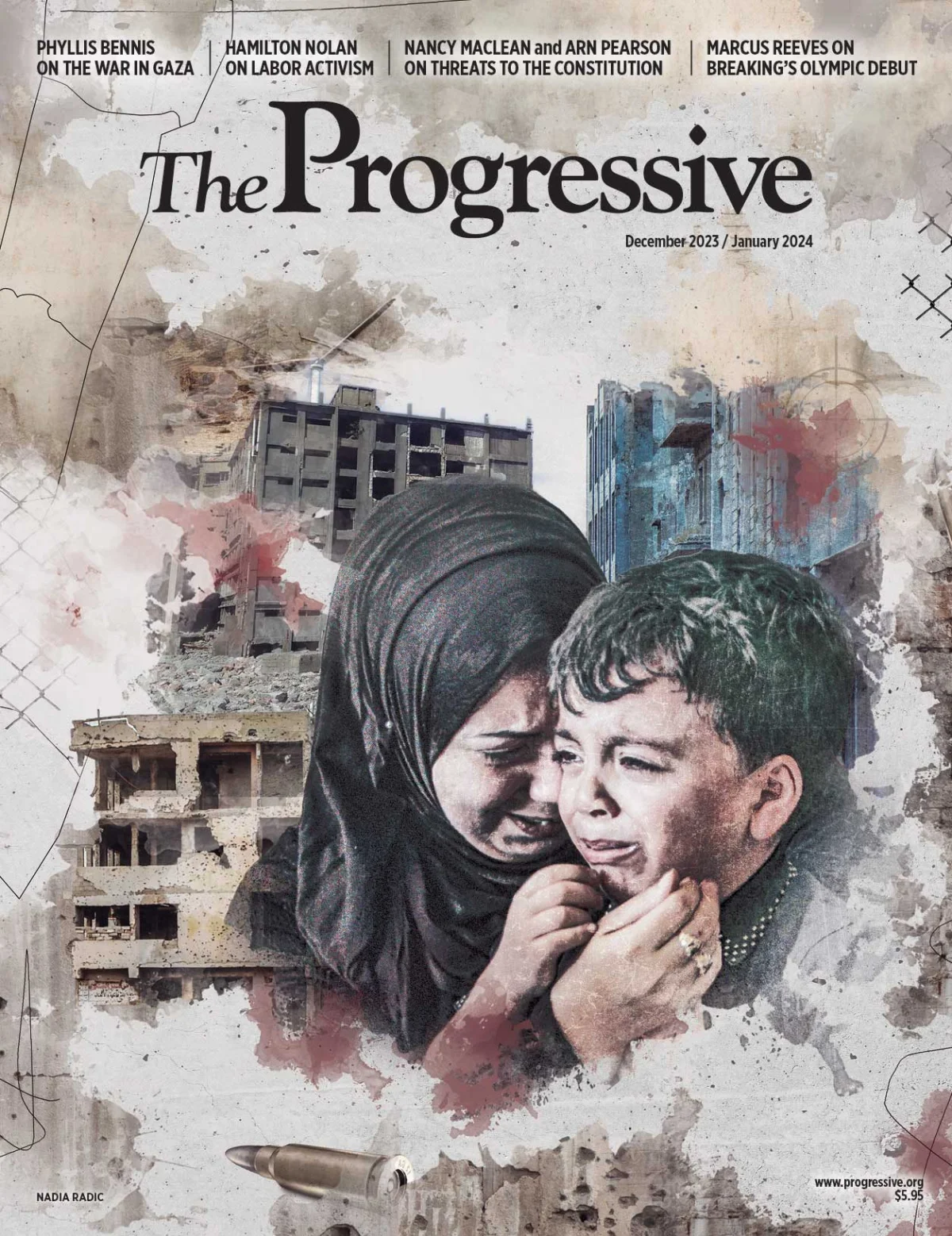
Nadia Radic’s work sits at the meeting point of photography and digital collage. Based in Buenos Aires, the artist began with photography and later shifted her focus to collage, developing a practice that now appears in exhibitions as well as album artwork and book covers. That change in medium is the clearest thread in her profile: photographic experience provides a starting point, while collage lets her build images through selection and combination.
The Directory of Illustration’s feature presents Radic as a rising artist represented by Rapp Art. It names exhibitions at Te Papa Museum in New Zealand and through Collage Collective in Paris, alongside group shows at Casa Pueblo in Uruguay, London Int. Paste Up Fest in the UK, and in Palermo, Sicily. The feature does not give dates for these appearances or identify specific commissions, so the useful picture is one of a practice moving across places and formats rather than a dated project history.
From photographic source to constructed image
A photography background can shape how an artist notices framing, light, detail and the relationships between subjects. Digital collage adds a different kind of control: source material can be brought together, rearranged and treated as parts of a new composition. The Directory’s account doesn’t describe Radic’s tools, materials or step-by-step process, so those choices remain hers to explain. Still, the transition points to a practical distinction for designers: a photograph records a scene, while collage can make the image’s construction part of its visual language.
For a working process, that distinction is a useful place to begin. First, decide what a source image contributes: a silhouette, a texture, a pose, a fragment of colour or a recognizable setting. Then consider how those elements relate once separated from their original context. Scale, overlap and placement can create a new hierarchy, while differences between source images can either add energy or make the composition harder to read. These are general questions for collage makers, not documented details of Radic’s own workflow.
Digital collage also makes iteration visible in the way a designer works. Elements can be moved and resized as a composition develops, allowing the artist to test how a change in proportion or spacing affects the whole. That flexibility doesn’t decide the image for you; it makes visual decisions easier to compare. A strong composition still needs a clear point of attention and enough order for its parts to feel intentional.
Work across exhibition and applied illustration
Radic’s exhibition history places her work in varied settings, from a museum in New Zealand to a collage initiative in Paris and group events in Uruguay, the UK and Italy. The feature gives no exhibition titles beyond those names, and it doesn’t say which individual works appeared at each venue. What it does establish is that her practice has been shown in several countries, giving the collage work a life beyond commissioned illustration.
Her work on album artwork and book covers adds another dimension. These formats ask an image to function in relation to other content: a cover has to attract attention while also supporting a title, artist or author. That relationship creates practical design questions about visual hierarchy, scale and available space. Radic’s profile doesn’t name clients or describe particular covers, so it can’t tell us how she resolved those briefs. It does show that her practice includes both gallery contexts and applied work.
For illustrators building across formats, this range offers a useful prompt: consider how an image’s role changes with its setting. A collage shown on a wall can hold attention on its own; a cover must coexist with typography and a product’s identity. Testing a composition at the size and context where it will appear can reveal whether its focal point still reads. The same image may need a different crop or balance when it moves from a portfolio page to a printed object.
Looking closely at the portfolio
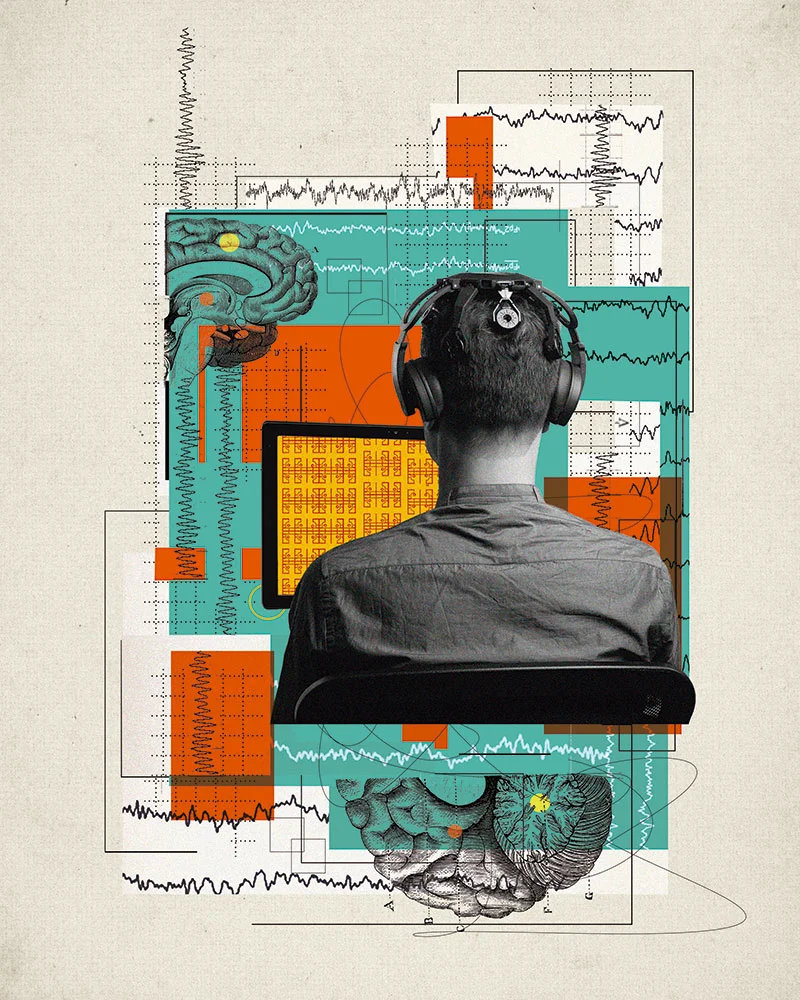
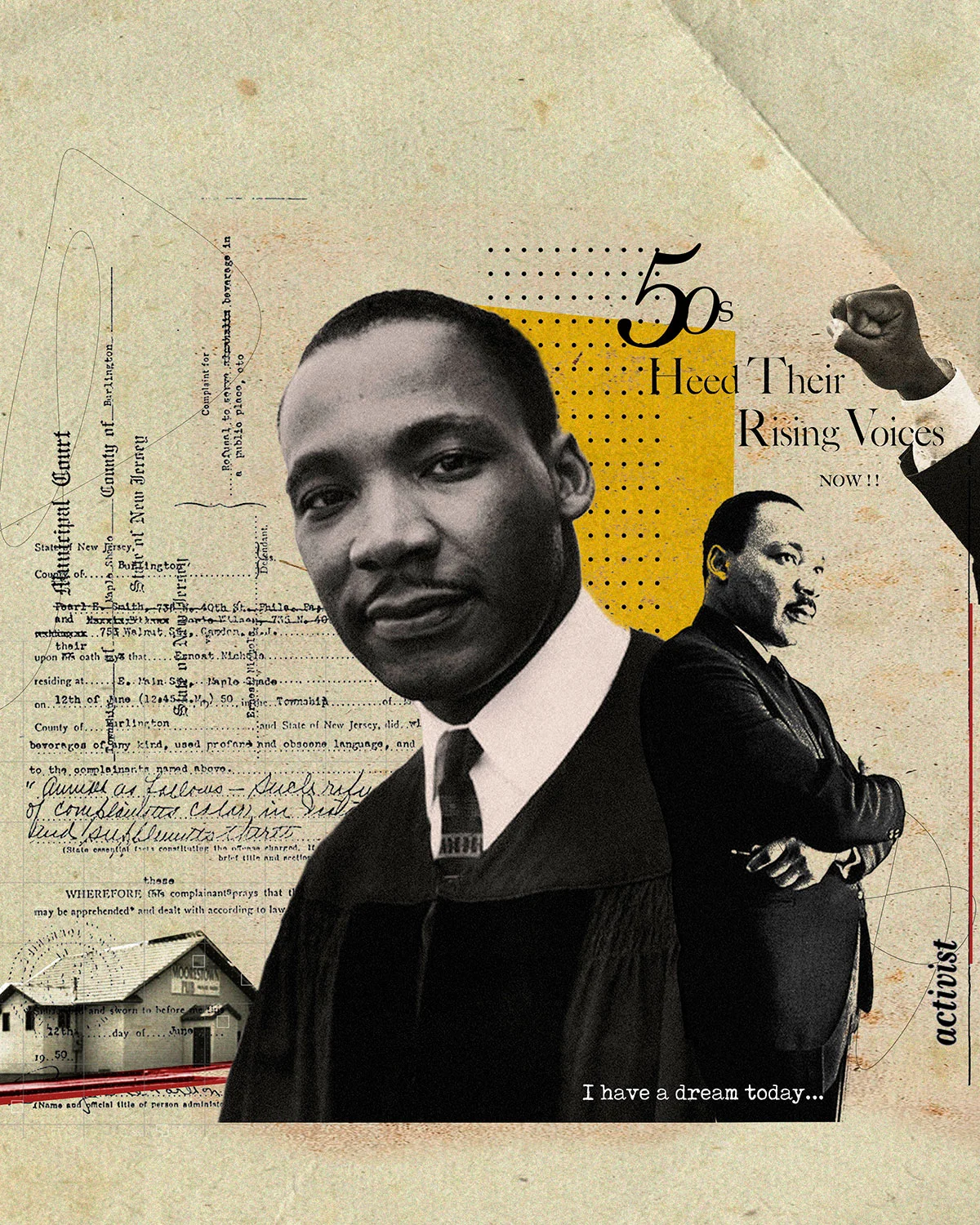
The images accompanying the feature include examples of Radic’s work, but the supplied text does not caption them or connect individual pieces to particular clients, exhibitions or publication dates. The portfolio links are therefore the best route for readers who want to assess the work directly. In looking through it, pay attention to how each composition handles the relationship between its source elements, and whether the work’s visual logic changes across different applications.
That kind of close reading is more useful than assuming one recipe explains every collage. A designer can compare how an artist handles contrast, overlap, scale and negative space from piece to piece, then identify which decisions might transfer to a different brief. The aim isn’t to reproduce another artist’s images; it’s to understand the choices that make a composition hold together and adapt those principles to original work.
Radic’s move from photography into digital collage, together with her exhibition presence and applied illustration, gives the profile its central point: one visual practice can travel between personal work and designed formats. For designers, the next step is to explore the portfolio and look for the specific compositional decisions that make each image work in its intended setting.







| Rev | Description | Date |
|---|---|---|
| A | Issued for reading | |
| B | Viewed 606 times | Current |


