Christian Dellavedova on Conceptual Illustration, Editorial Work and Making by Hand
- Project
- Graphic Design
- Drawn by
- Marika Lind
- Issued
- Sheet
- A-98
Milan-based illustrator Christian Dellavedova pairs close reading with visual wit, while returning to sculpture and hands-on materials.

Christian Dellavedova’s illustrations begin with an argument: the image should do more than decorate a story. The Milan-based illustrator reads an article beyond its headline, looking for a visual idea that can answer the text, complicate it or make the reader pause. That way of working has shaped a career across magazines, newspapers, books and advertising—and now sits alongside a renewed interest in sculpture and physical materials.
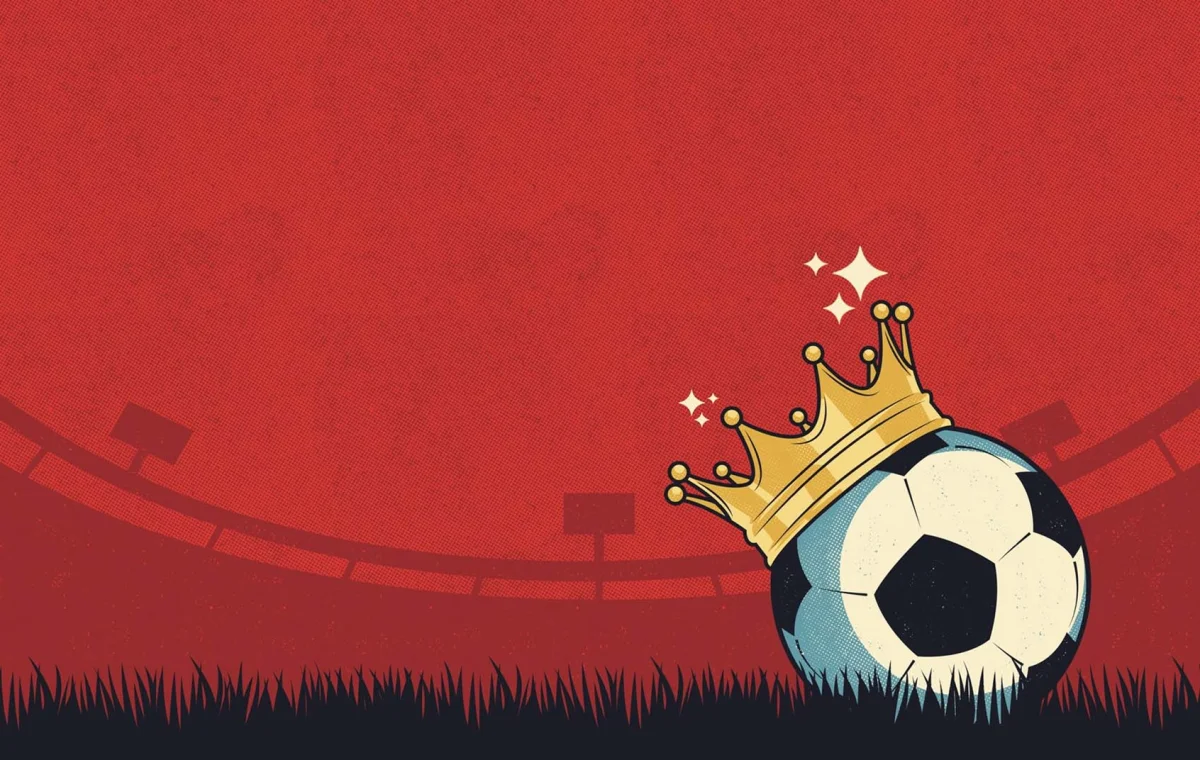
“Translating a story into a single image has always been the most exciting challenge for me,” Dellavedova says. He lives and works in Milan, where he teaches illustration at IED (Istituto Europeo di Design) and at Scuola Internazionale di Comics. His practice centers on editorial and conceptual illustration, with a portfolio spanning publications and brands including Internazionale, The Boston Globe, Scientific American, Wired UK, Variety, Reader’s Digest, Auchan and Viacom.

A process shaped by quiet and motion
Dellavedova was born in Milan and spent much of his childhood in Andora, a small seaside town in Liguria. Its seasons offered sharply different rhythms: the quieter autumn and winter, followed by the activity of spring and summer tourism. He sees that contrast reflected in his process. First comes a contemplative period, spent working out what an illustration might mean; then a more energetic, technical stage in which he makes it.
His route into illustration also crossed journalism and editorial graphic design. Early work on economic publications brought him into contact with infographics, strengthening his interest in combining image and information. He doesn’t describe his style as fixed. Instead, he wants room to experiment and sometimes let his visual voice shift in response to the publication or client. The graphic quality of the work, in his view, comes from continued practice and attention to other illustrators, rather than a single defining formula.

Two early influences on his conceptual work are Beppe Giacobbe and Guido Scarabottolo. Dellavedova admires their ability to use simplicity and irony to prompt both a smile and a second thought. For bolder outlines, he points to Charles Burns and the poster art he encountered growing up in the 1990s. Marco Ventura, who first taught him and later became a friend, offers another model: Dellavedova admires Ventura’s controlled, precise approach, while joking that precision comes more naturally to him in vector art.
Reading for the image inside the story
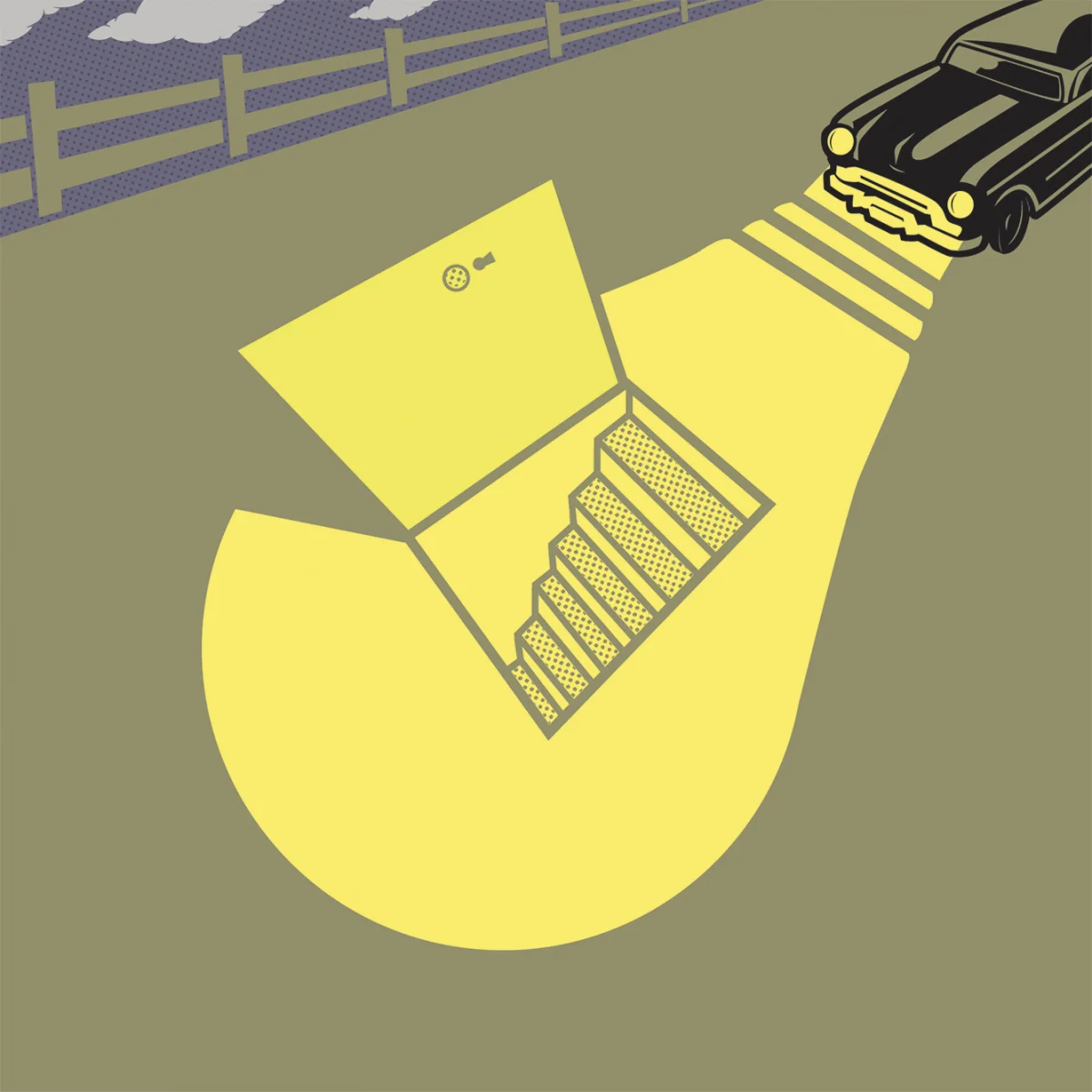
For an editorial assignment, Dellavedova starts by reading the full article. The headline alone rarely gives him enough to work with. He looks for a concept that can connect his own point of view to the writer’s ideas, treating the illustration as a kind of duet with the text. The image, he says, should leave the viewer with something to think about.

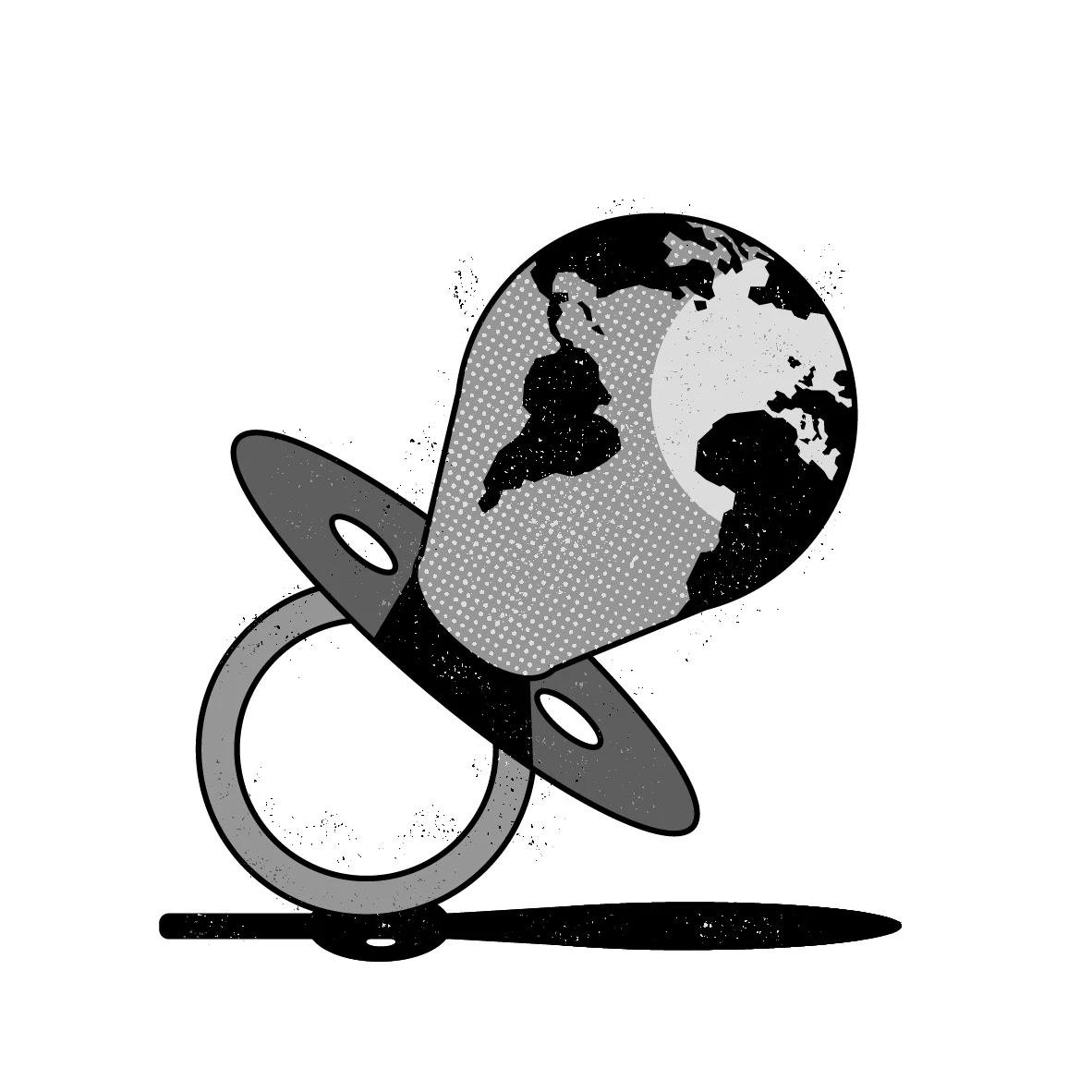
That approach has developed through roughly a decade of work with the Italian magazine Internazionale. Dellavedova says the publication has given him considerable creative freedom, allowing his illustrations to become part of its visual voice. Assignments have included work connected to writers and journalists he values, among them Noam Chomsky, David Sedaris and Zadie Smith. Ideas may arrive as a sudden flash or emerge slowly; because they grow from reading and reflection, he says, a blank page has never been a source of fear.

His first advertising assignment, around two decades ago, gave him another lasting subject. He created characters based on products for a supermarket chain, intended for posters, flyers and panels at the store. The job sparked an ongoing interest in food-themed illustration: he enjoys bringing a concept and a touch of irony to different products.

Series, print and changing conditions
Among the projects he’s proud of are his work for Internazionale and book covers for Luiss, an Italian university. For the latter, he works with art director Maurizio Ceccato on a series of covers designed to share a concise, recognizable graphic approach. Dellavedova finds particular satisfaction in seeing a sequence develop: each illustration has its own purpose, yet the series gains coherence through a consistent visual hand.


The way illustrations reach audiences has changed, Dellavedova says. Social platforms make it easier for artists to show work and connect directly with clients, but the larger supply of images has also put pressure on fees. And an image made for a screen serves a different context from one printed on a page. He remains especially attached to print: seeing an illustration on a book cover or inside a magazine gives him a feeling he doesn’t get from web publication.
Questions around image-making tools
Dellavedova is uncertain about where image-making systems will lead, but he’s clear about his concern over control and the value of the experience behind an illustration. He has spent years studying, observing and making images; whether a text prompt can stand in for that accumulated practice remains an open question for him.

He also wonders how these tools may affect authorship, fees and the shape of creative jobs. Could one person be expected to combine writing, design, illustration, art direction and content creation? Might new roles emerge as others shrink? Dellavedova doesn’t claim to know. His sharper worry is about the flood of generated images: after seeing so many, will audiences still be able to recognize quality, and will the tools help illustrators find new ideas or make their work harder to sustain?
Those questions have prompted a turn toward materials he can handle. As he approaches his 50th birthday, he’s returning to sculpture and working with wood, metal and surfaces. He suggests that the rise of generated imagery may have sharpened his desire for direct physical contact with his work.

Staying curious without chasing fashion
After more than twenty years working with publishing clients in Italy and elsewhere, Dellavedova still has one dream publication: The New Yorker. Alongside Internazionale, it helped introduce him to illustration, and he has long admired its work. His career advice is less about finding a particular style than keeping a personal one alive. He credits his own progress to persistence and approaching each assignment with the energy of a first project.
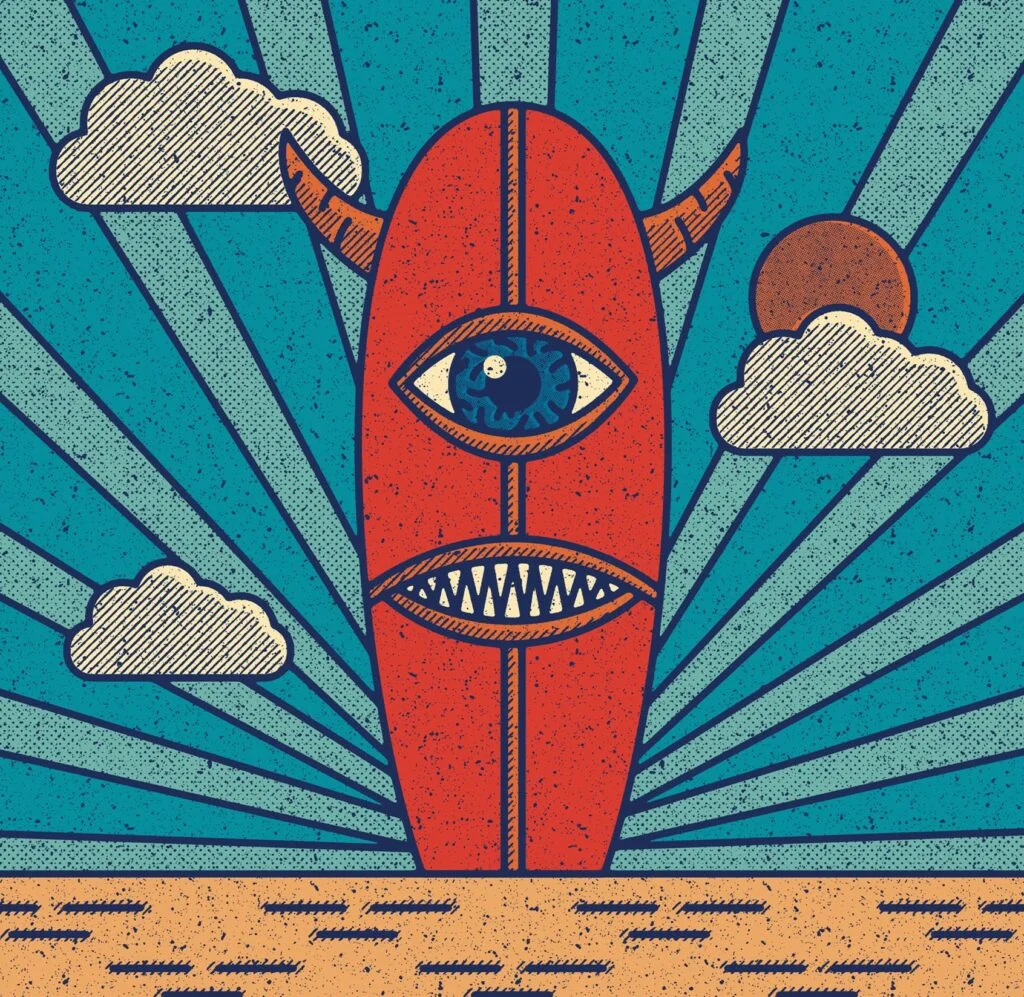
For emerging illustrators, his advice is to make work they care about and resist following trends too closely. A project that reflects a distinct point of view may fail, he says, but copying someone else’s approach carries its own long-term cost. His own next step points in the same direction: keep drawing from close observation, stay open to change, and make space for work that brings the hand back into the process.

| Rev | Description | Date |
|---|---|---|
| A | Issued for reading | |
| B | Viewed 939 times | Current |


