Michael Meister’s Illustrated History of Work Wins the EMYS Non-Fiction Award
- Project
- Web Design
- Drawn by
- Marika Lind
- Issued
- Sheet
- A-89
Michael Meister’s illustrations for Markus Rottmann’s Extinct Professions turn the history of vanished jobs into an engaging subject for young readers.
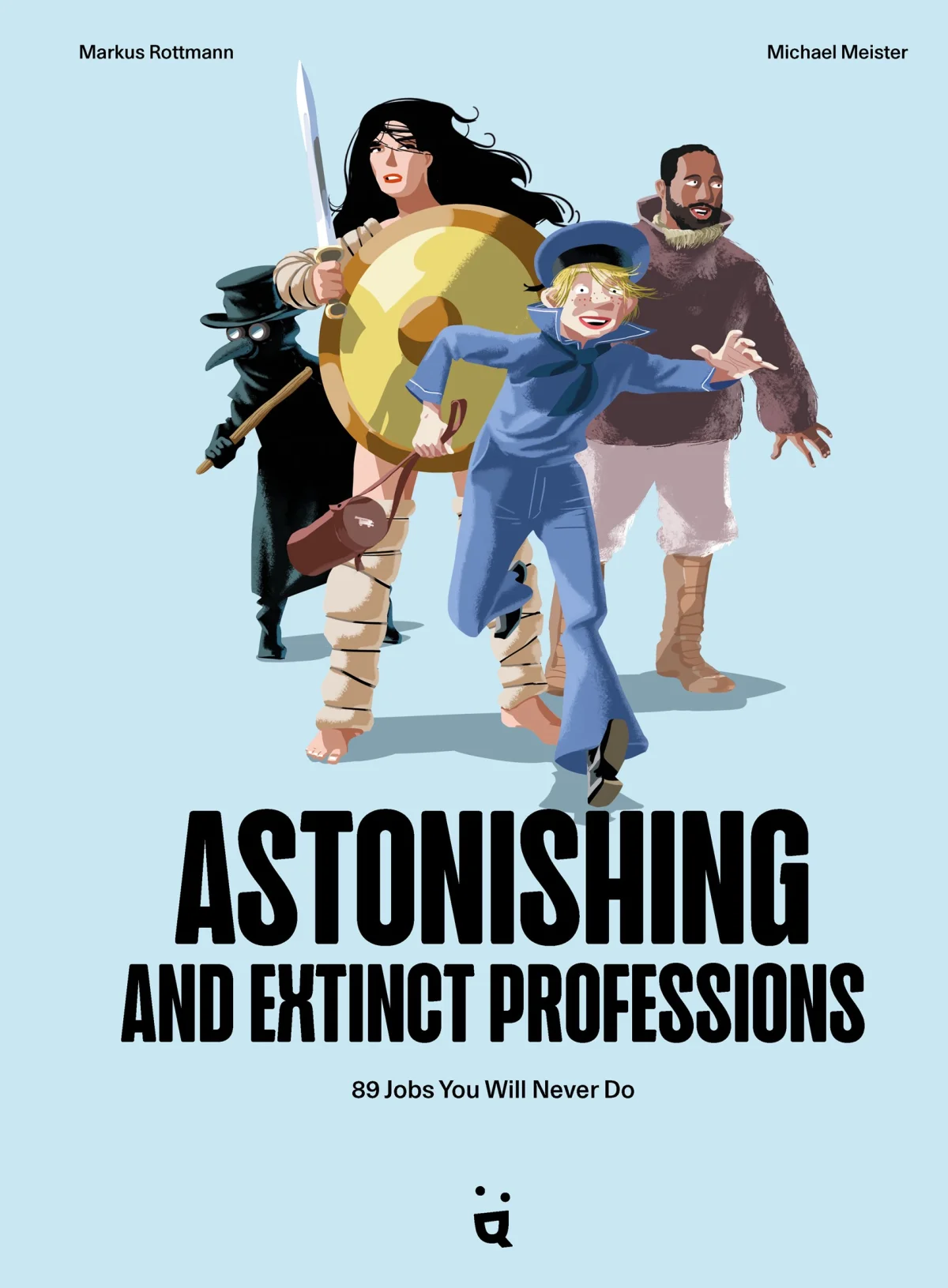
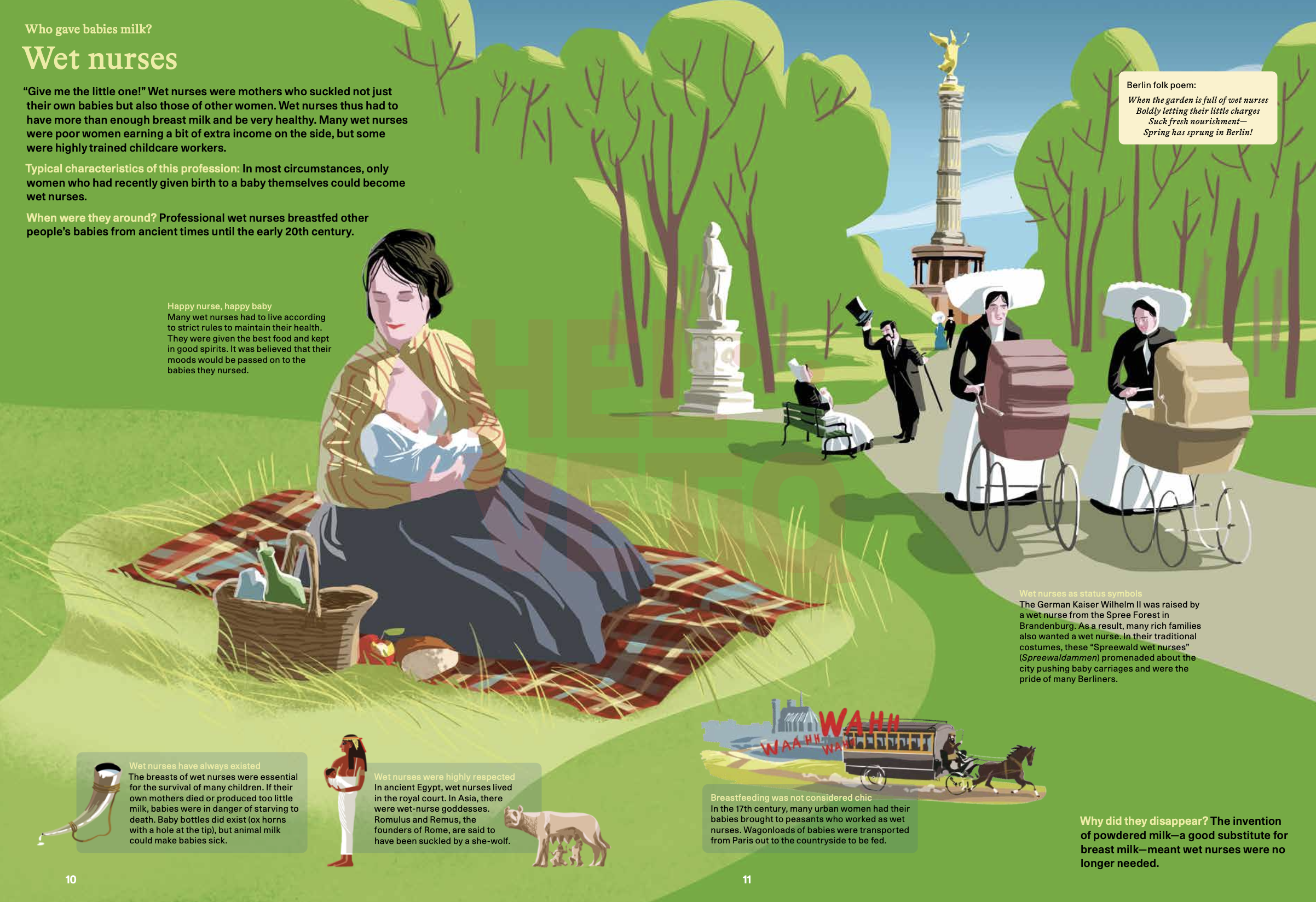
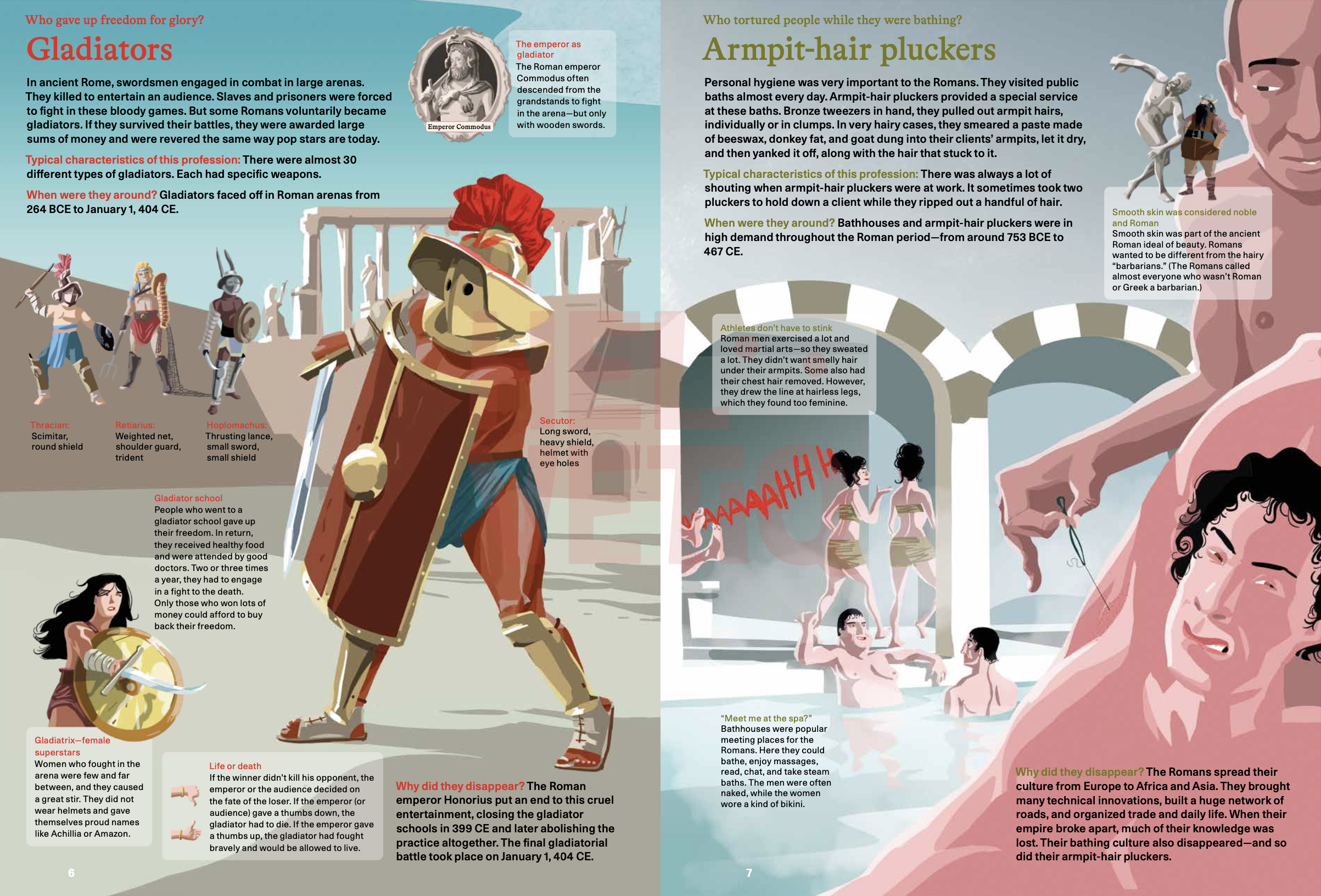
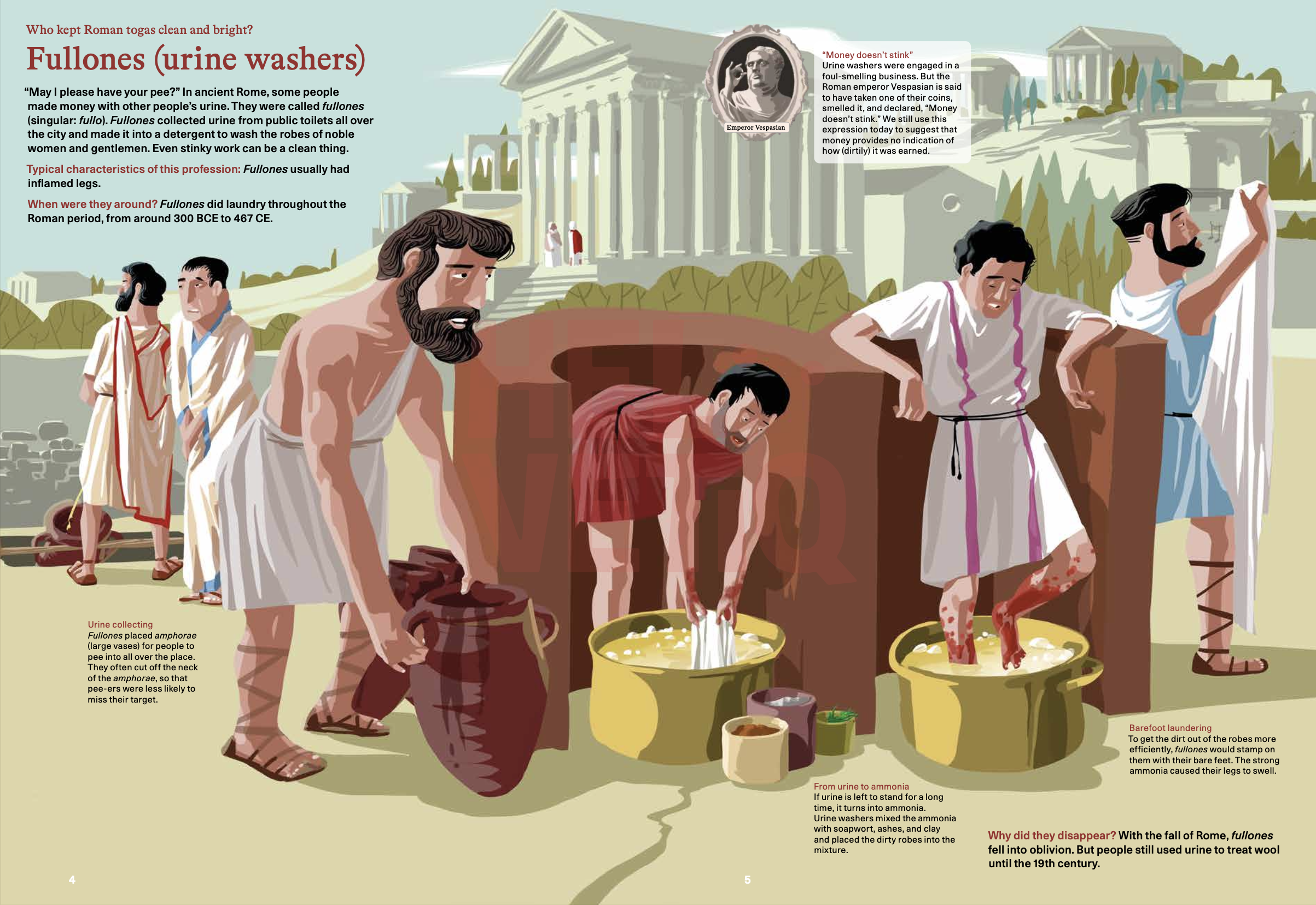
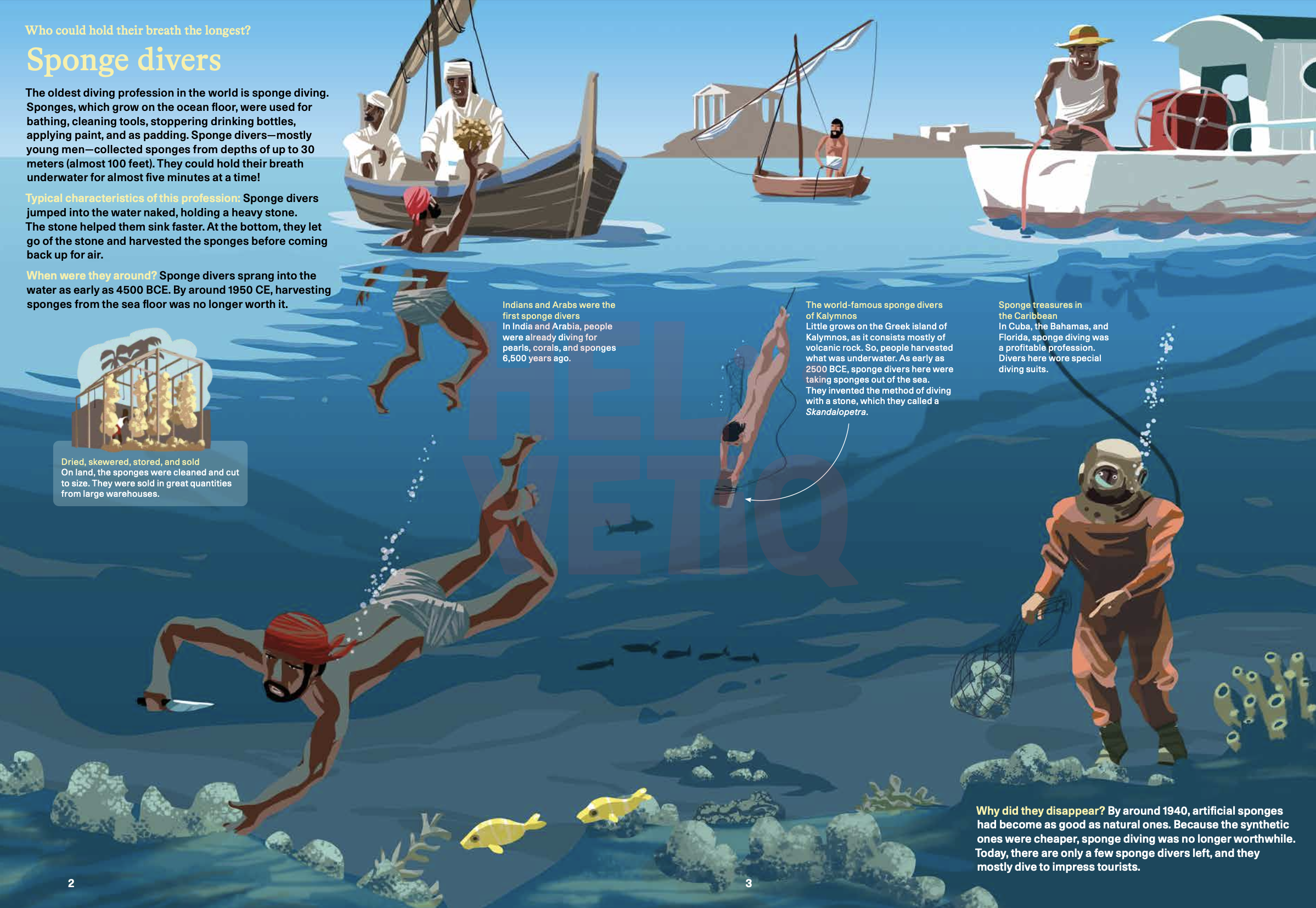
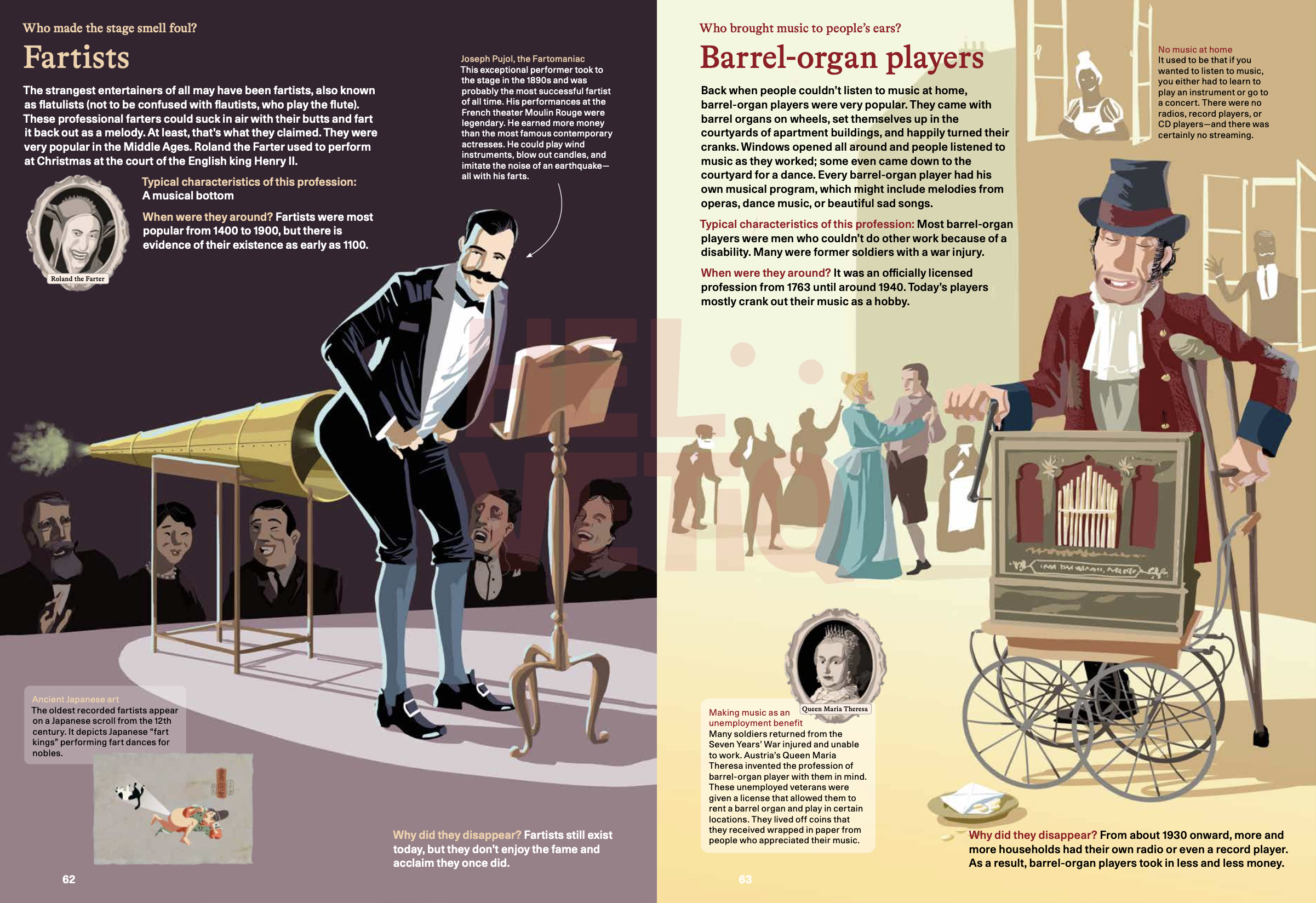
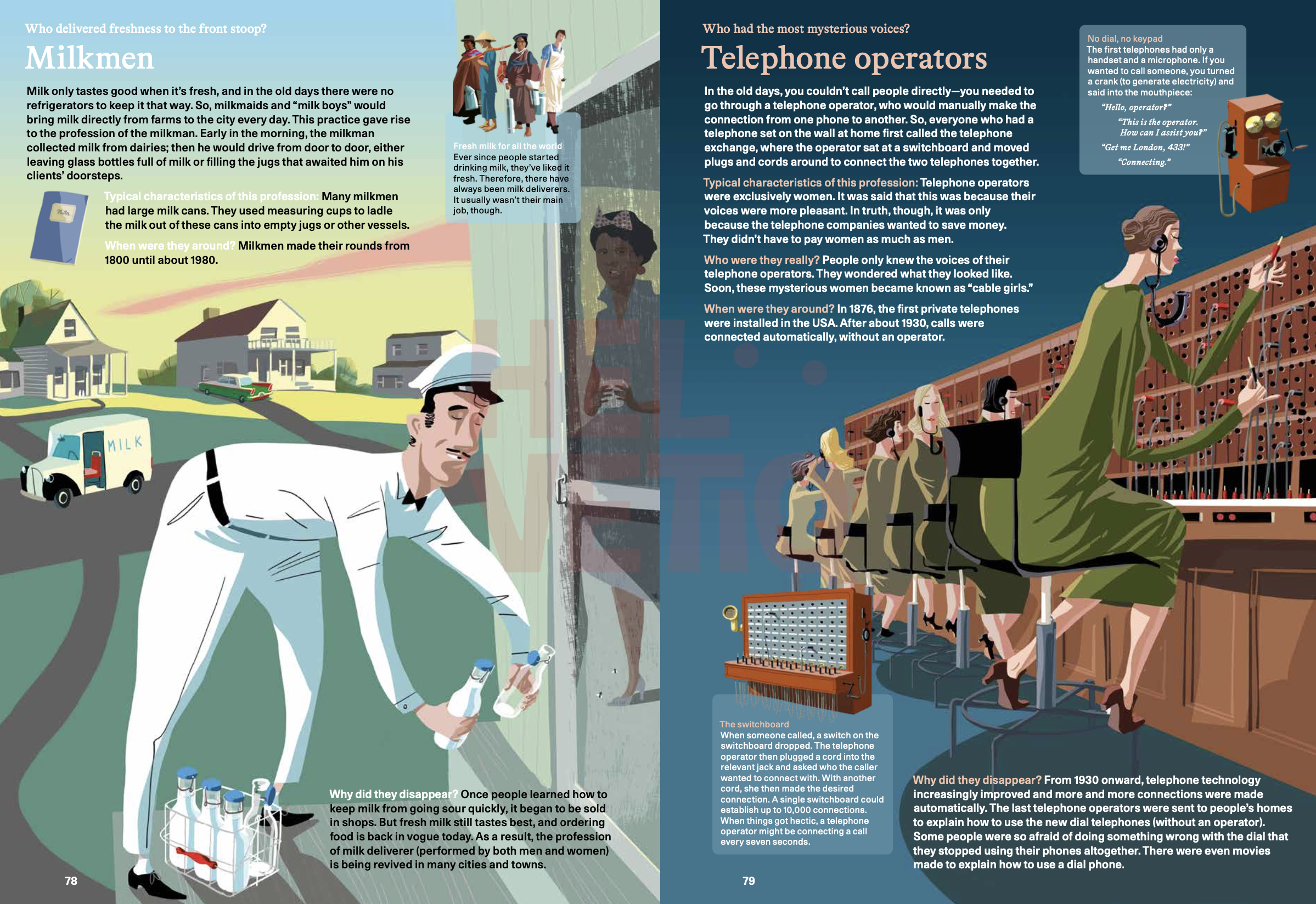
Jobs disappear when the tools, knowledge and routines around them change. That idea gives Extinct Professions its central thread, and illustrator Michael Meister’s contribution to the children’s book has received the EMYS Non-Fiction Award in Germany. Written by Markus Rottmann and fully illustrated by Meister, the book follows professions that have evolved or vanished as technology and science advanced.
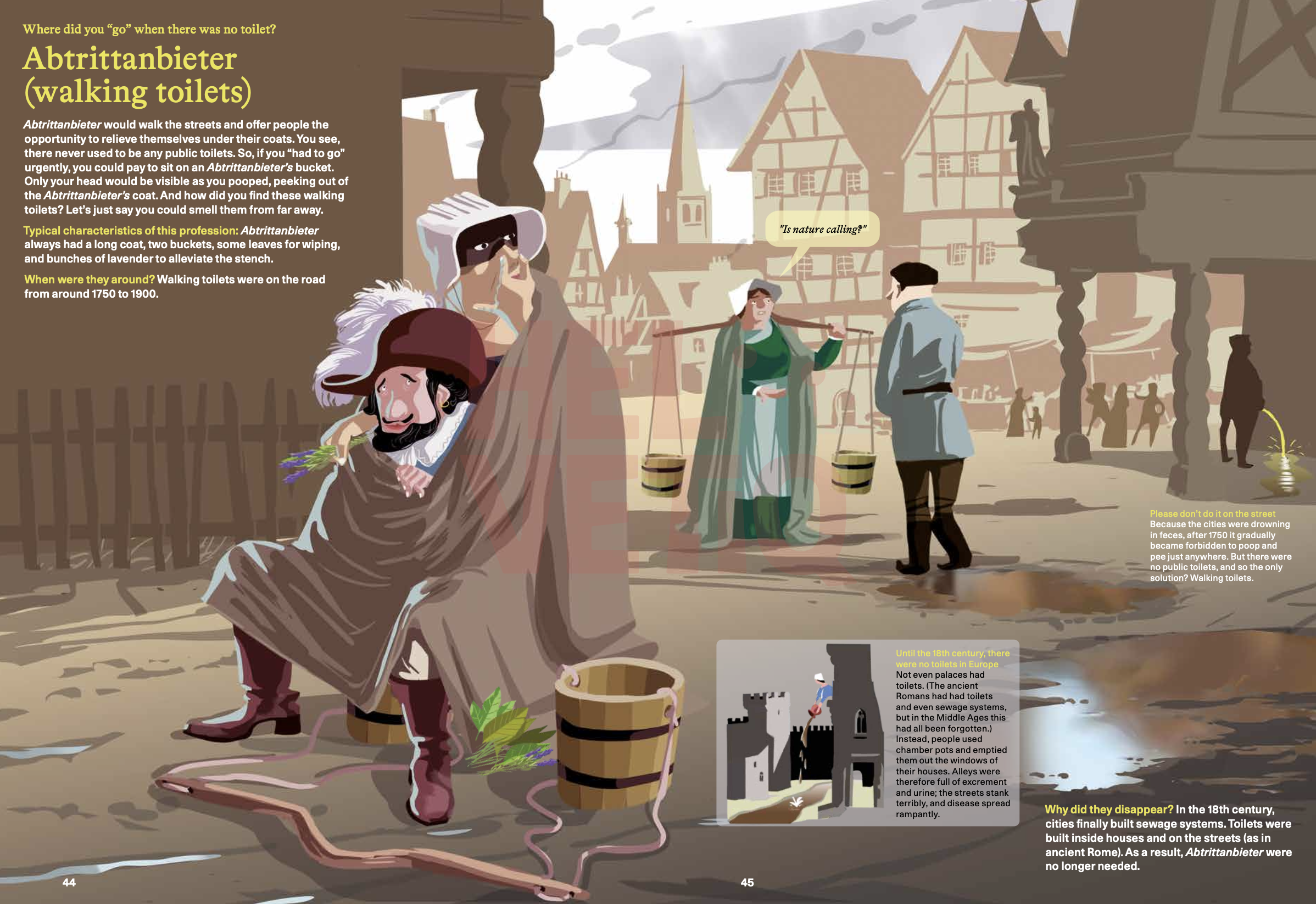
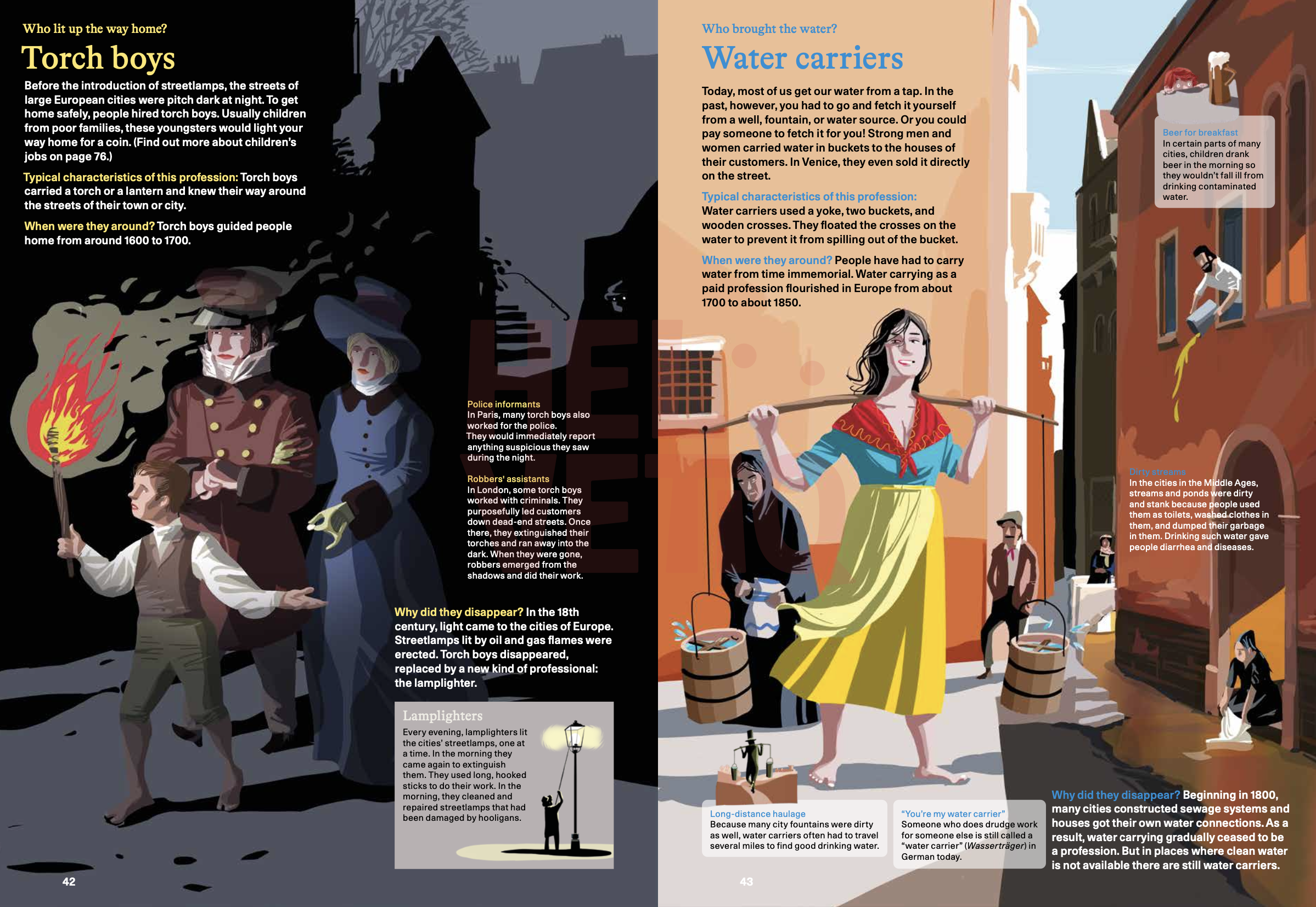
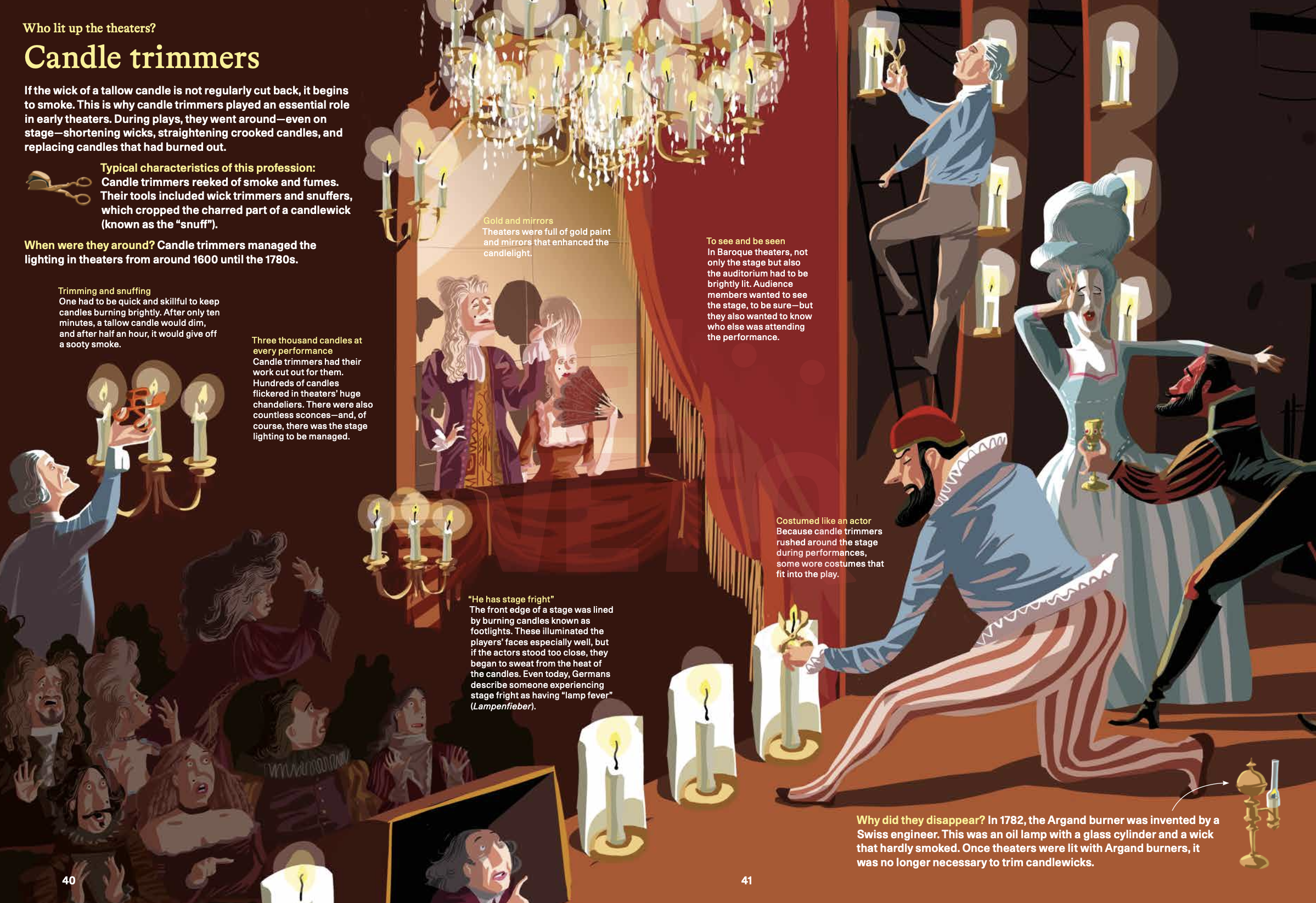
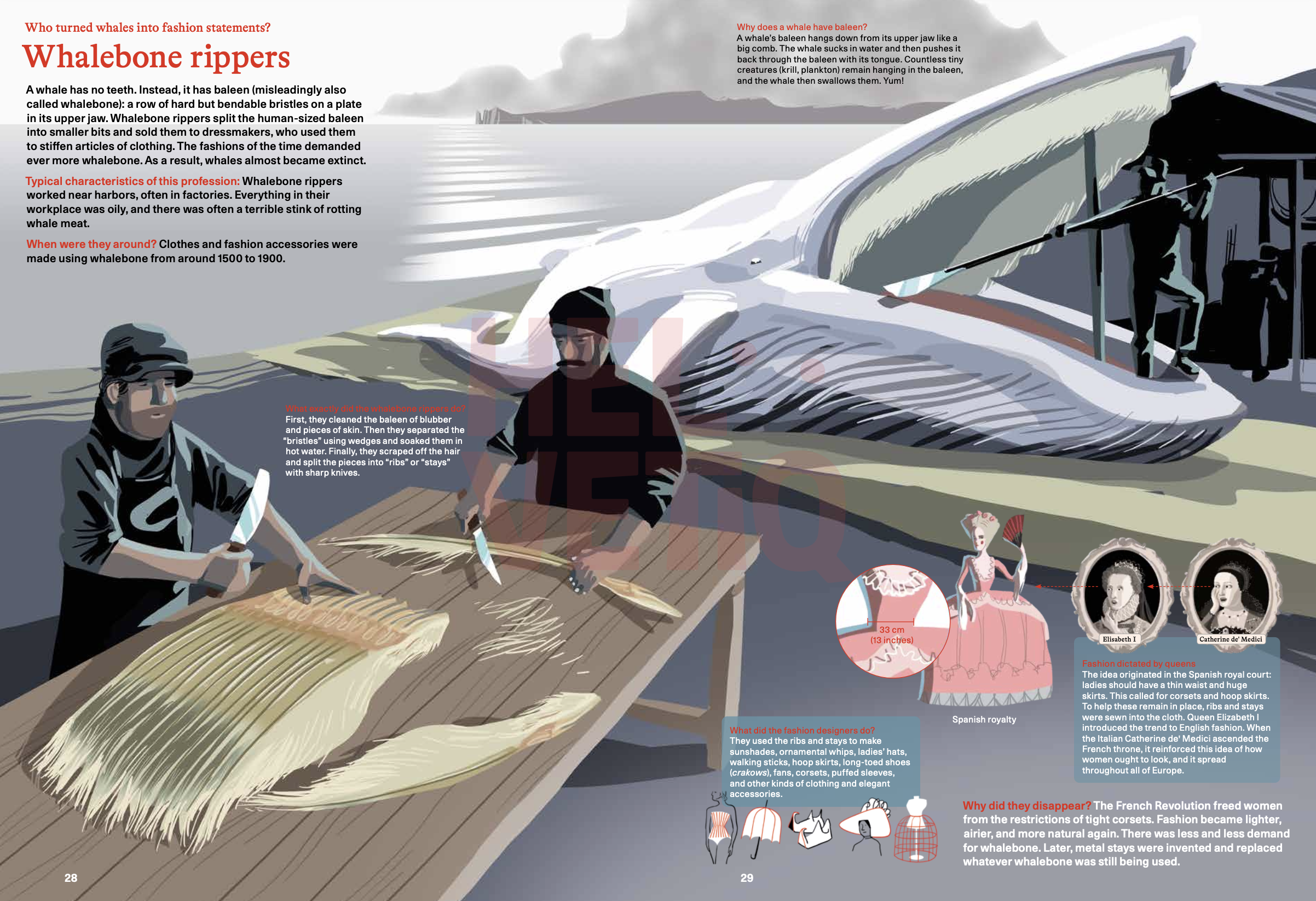
The award recognizes a subject with a useful design challenge: making work from other eras understandable and inviting to children. A list of old job titles might establish what has disappeared, but it would leave readers to imagine the people and tasks behind them. Illustration can give those unfamiliar roles a visible presence, helping young readers connect historical information to concrete scenes and details. The source credits Meister with illustrating the entire book; it doesn’t specify his methods, materials or the visual approach used on individual pages.
A history told through jobs
Rottmann’s book treats professions as a way into broader changes across centuries. Its stories ask why particular kinds of work disappeared, linking each job’s fate to shifts in technology and science. That framing makes the subject more than a catalogue of unusual occupations: it invites readers to consider how tools and knowledge shape what people do for a living.
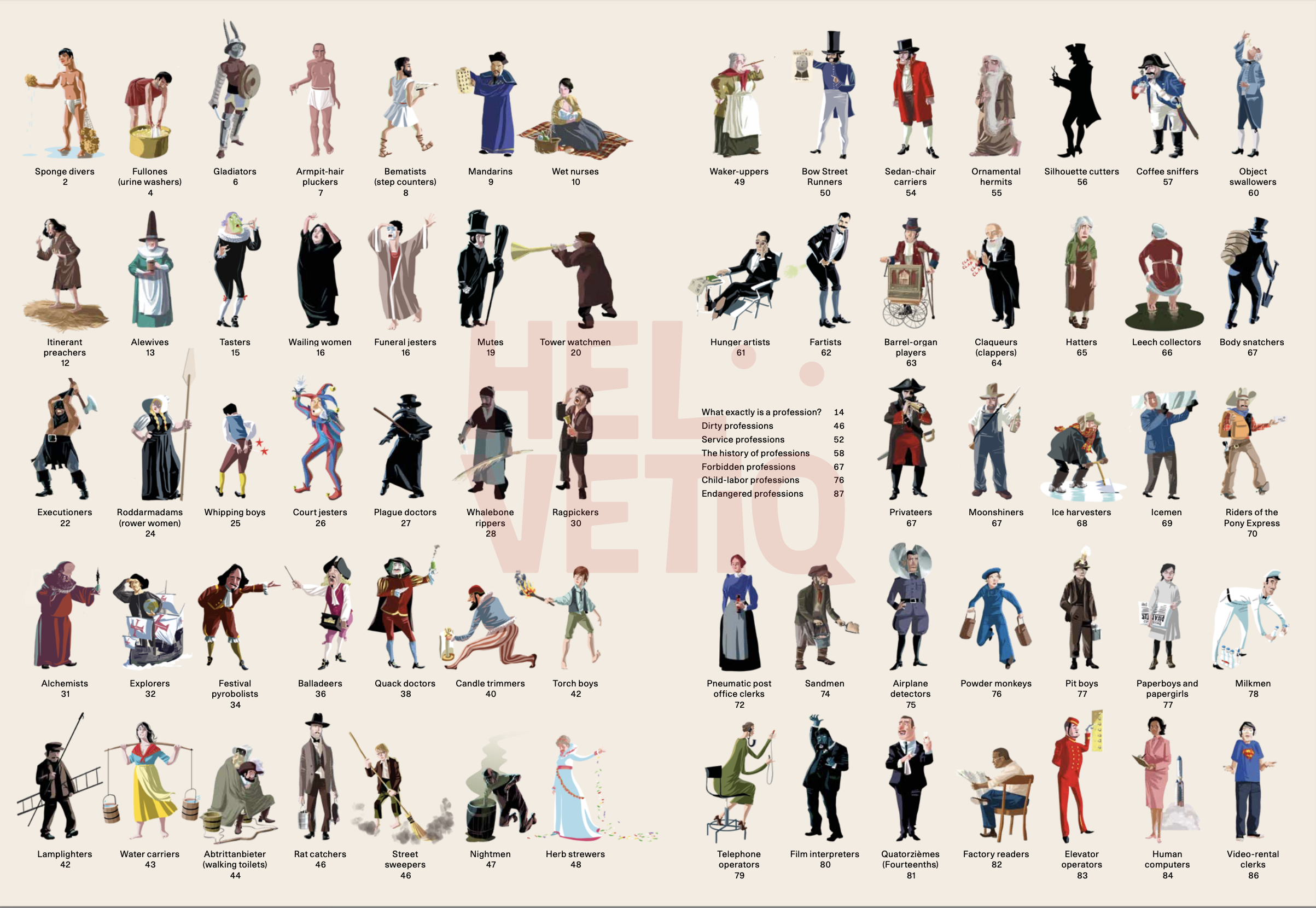
For a children’s nonfiction project, that structure also offers a clear route through a wide historical subject. Each profession can serve as an entry point, with a specific task or role leading toward a larger explanation of change. The source describes the book as covering both professions that evolved and those that vanished. It doesn’t name the occupations, describe the book’s sequence, or give details about its page design, so those elements can’t be assessed from the available account.
The distinction between a job changing and a job disappearing matters. Some work adapts when new tools arrive; other work becomes unnecessary as the systems around it are replaced. A book that asks why roles vanished can help readers see history as a series of practical adjustments rather than a procession of dates. The professions become a lens for questions about what people knew, what they made, and what changed.
Illustration as an entry point
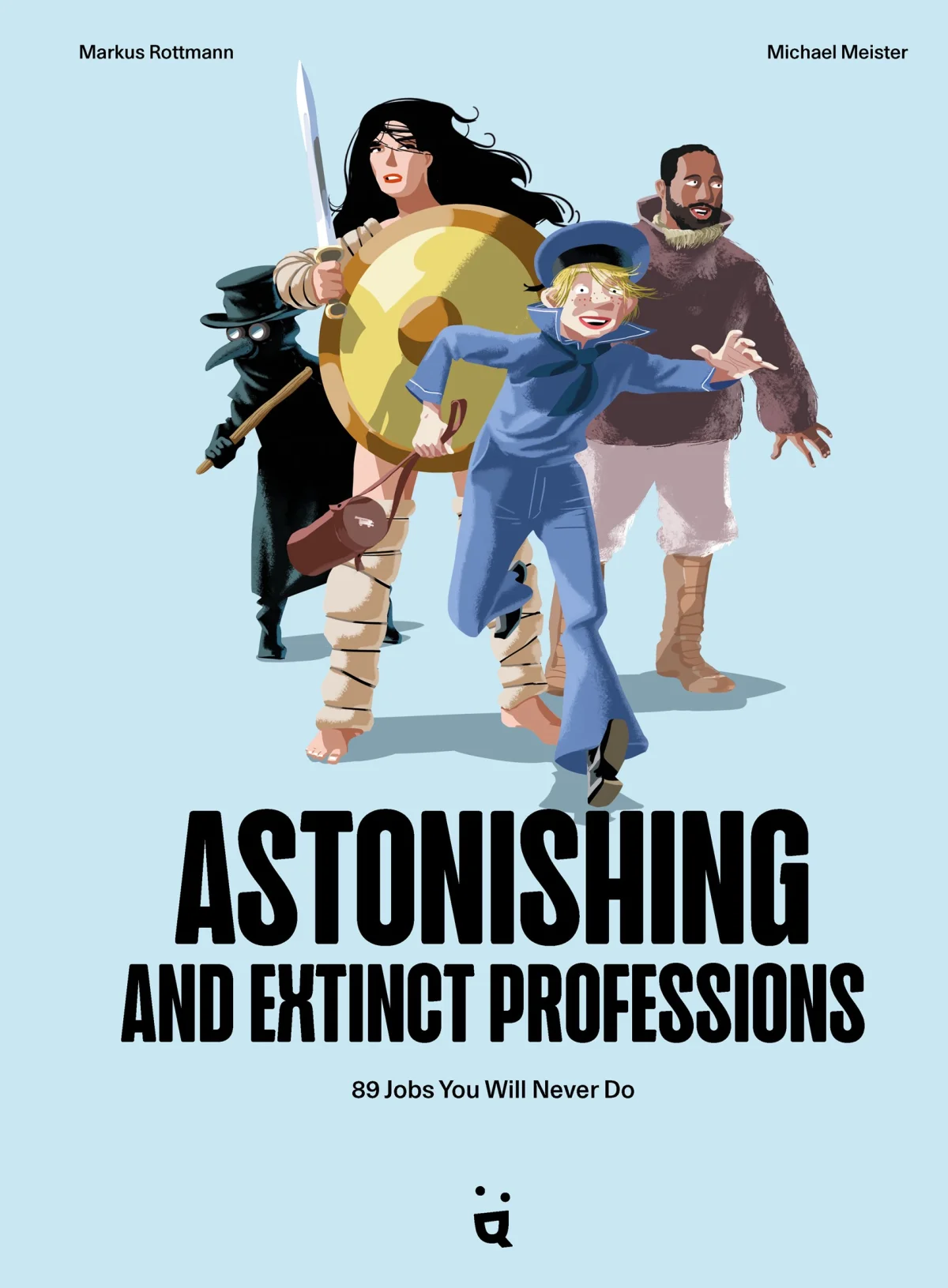
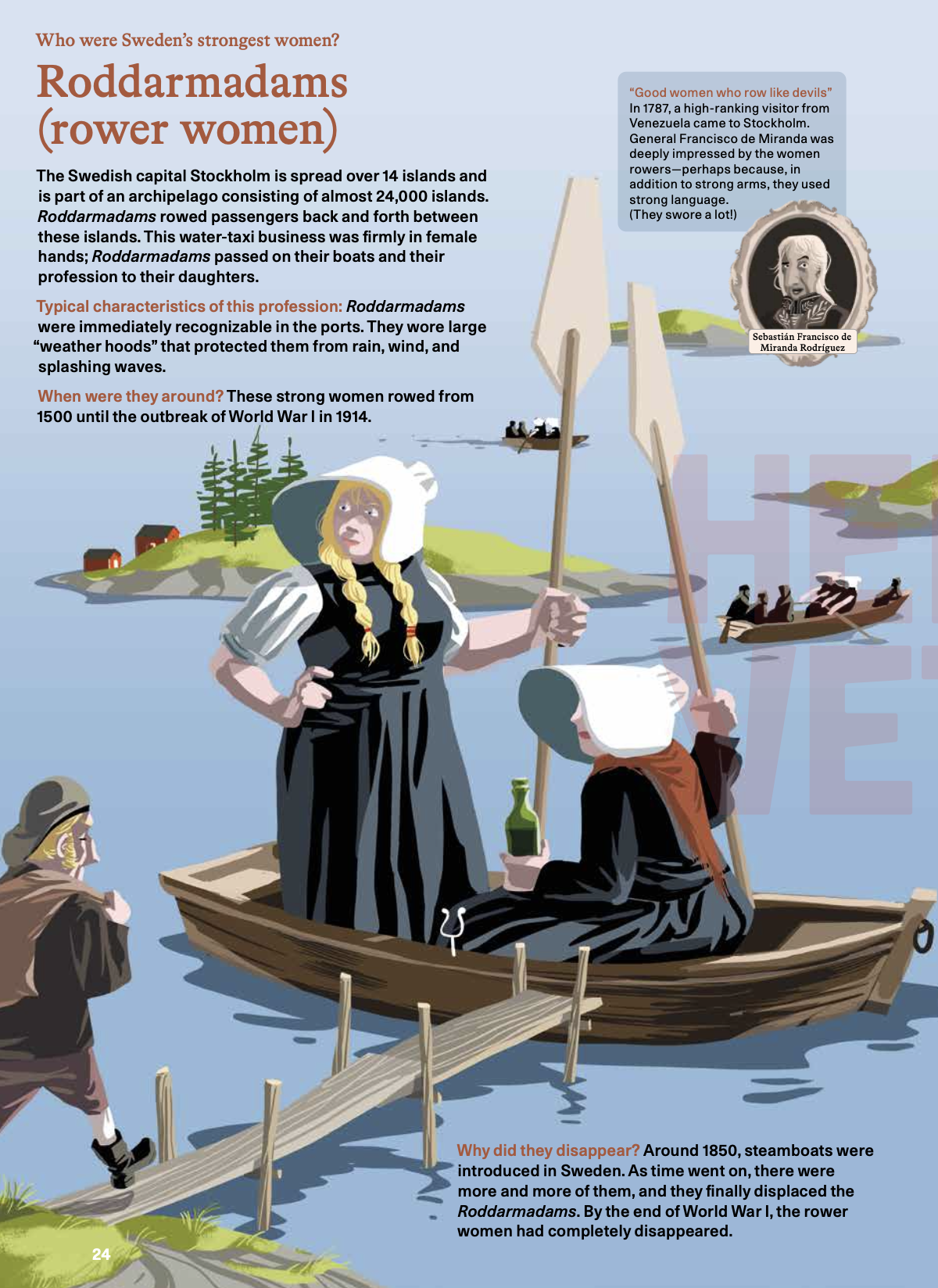
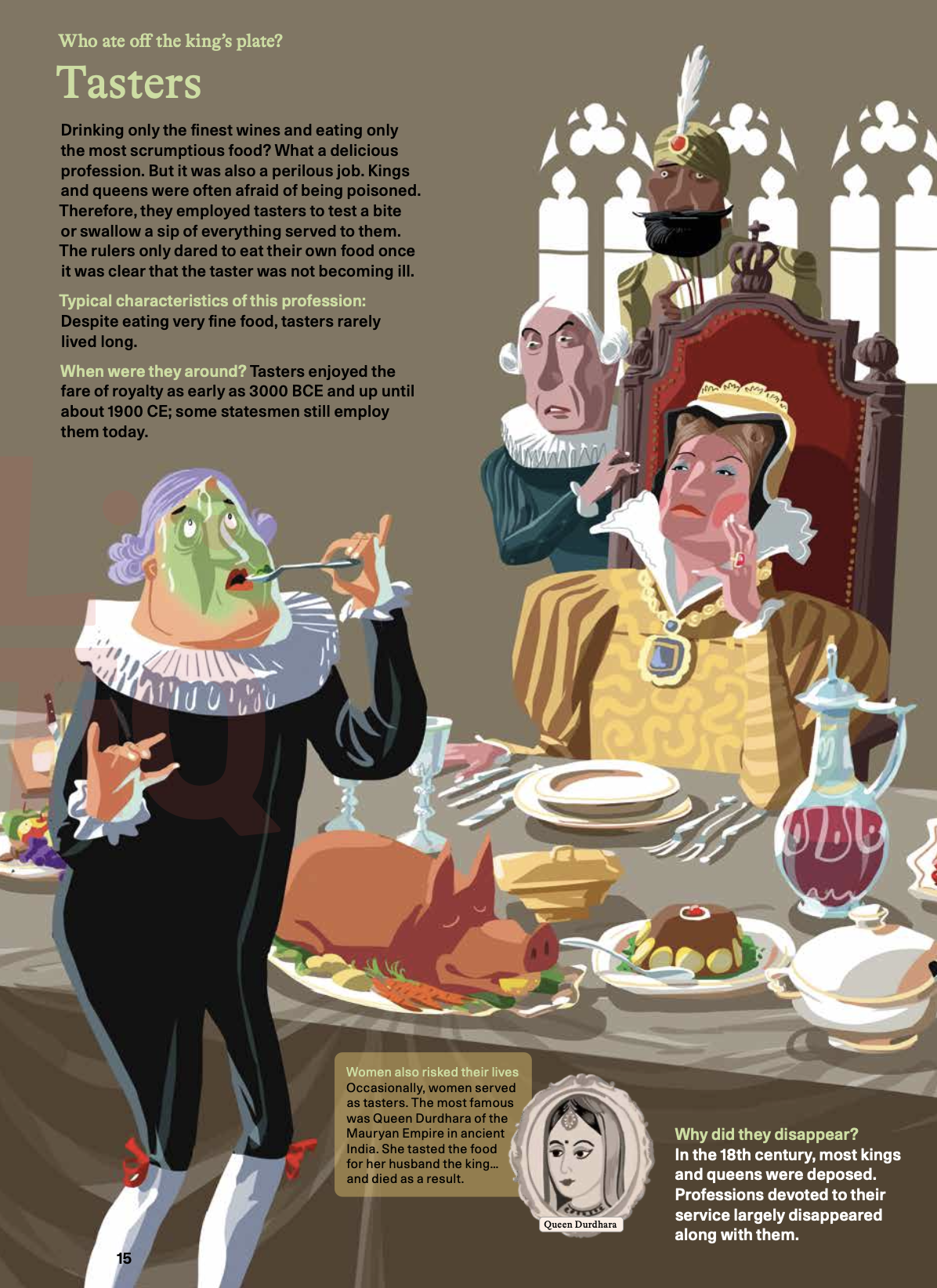
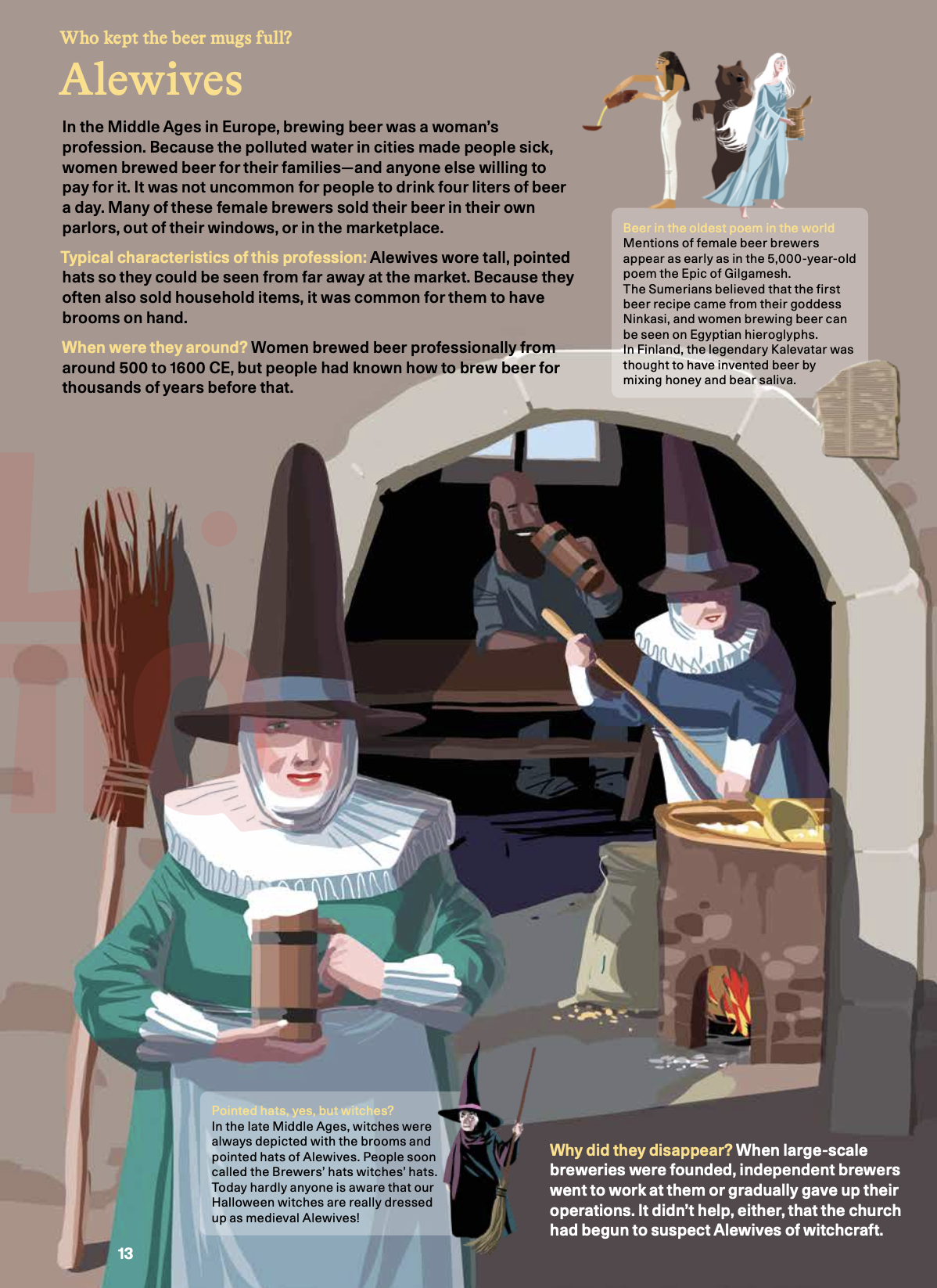
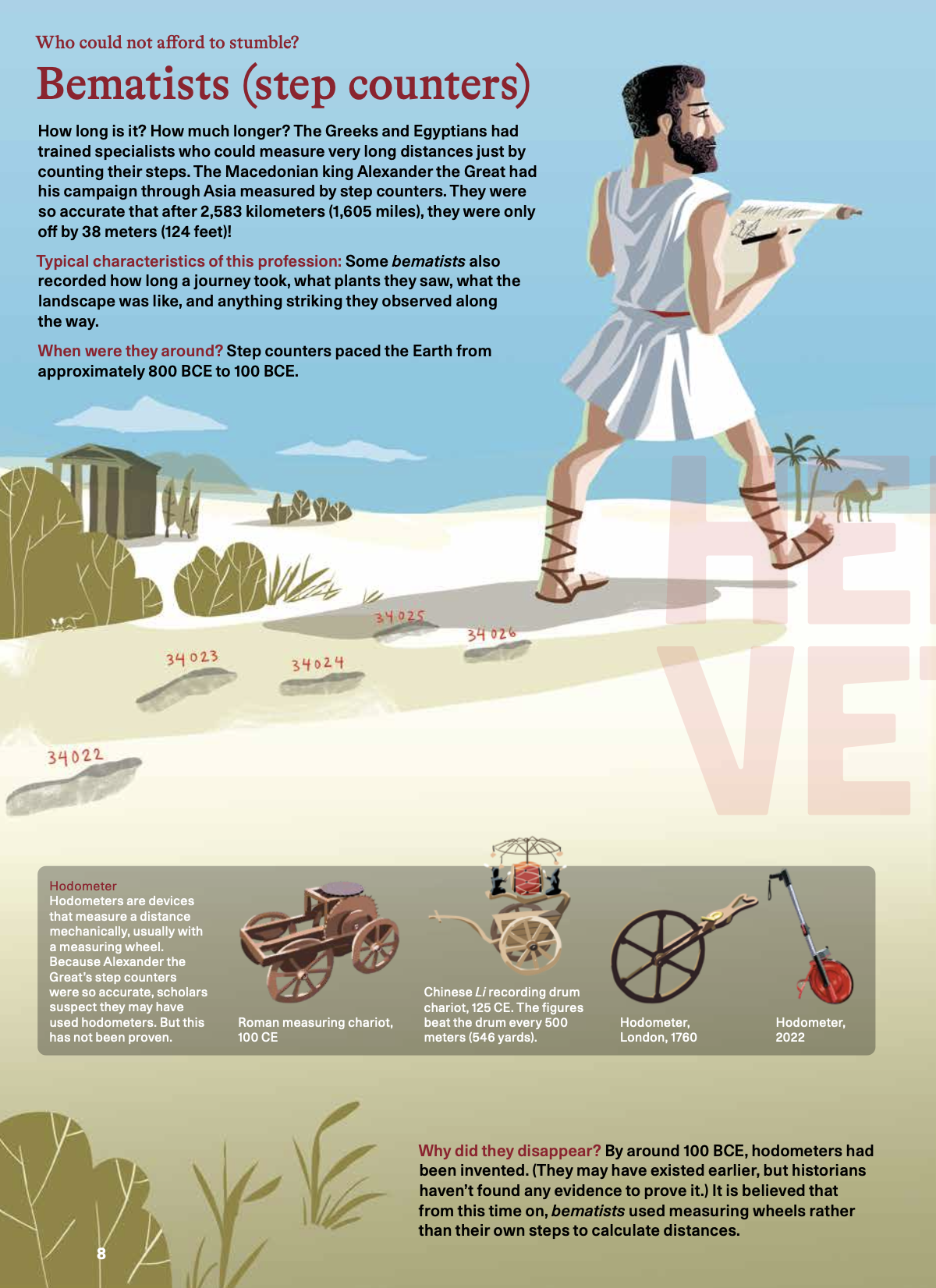
Meister’s illustrations give the book a visual counterpart to that historical inquiry. In a project about unfamiliar work, images can help readers build a first impression before they encounter the full explanation. They can make a role easier to picture and give each story a memorable visual anchor. The source identifies Meister as the illustrator but doesn’t describe specific choices in colour, composition, line, typography or layout. It also doesn’t provide captions or commentary from the artist about how he approached the subject.
That leaves a practical point for designers working on illustrated nonfiction: the image and the explanatory text need to make room for one another. A scene can spark curiosity, while concise writing supplies the historical context. When the subject is a profession that no longer exists, readers may need both a depiction of the work and enough information to understand why it mattered. The available description doesn’t confirm how Extinct Professions balances those elements, but the subject gives the format a natural opportunity to connect visual storytelling with factual explanation.
The EMYS jury praised the book’s engaging, informative treatment of the history of professions. It also highlighted the range of jobs included, describing some as unusual, and said the subject is presented in a fun and exciting way for children. That response points to the value of making nonfiction accessible without reducing it to a simple list: curiosity about a striking occupation can lead readers toward the reasons work changes.
Credits and further work
The source credits Markus Rottmann as the writer and Michael Meister as the illustrator of Extinct Professions. The award named is the EMYS Non-Fiction Award in Germany. The source says Meister “recently won” the award but gives no date for the book’s publication or the award announcement, so neither can be pinned down from the information provided.
Meister is represented by IllustrationZone. Readers can explore his work through his Directory of Illustration portfolio, his Instagram and his agency page.
For illustrators and art directors, the project’s subject offers a durable brief: use specific human activities to make large historical shifts legible. The professions may be unfamiliar, but the questions behind them remain direct—what did the work involve, what changed, and why did the role disappear? Meister’s award-winning contribution sits within that effort to make those questions inviting for young readers.
| Rev | Description | Date |
|---|---|---|
| A | Issued for reading | |
| B | Viewed 535 times | Current |