Bahij Jaroudi Turns Absurdity and Everyday Life into Illustration
- Project
- Graphic Design
- Drawn by
- Marika Lind
- Issued
- Sheet
- A-88
Beirut-born illustrator Bahij Jaroudi pairs concise ideas with careful aesthetics, from intimate drawings to layered children’s books.
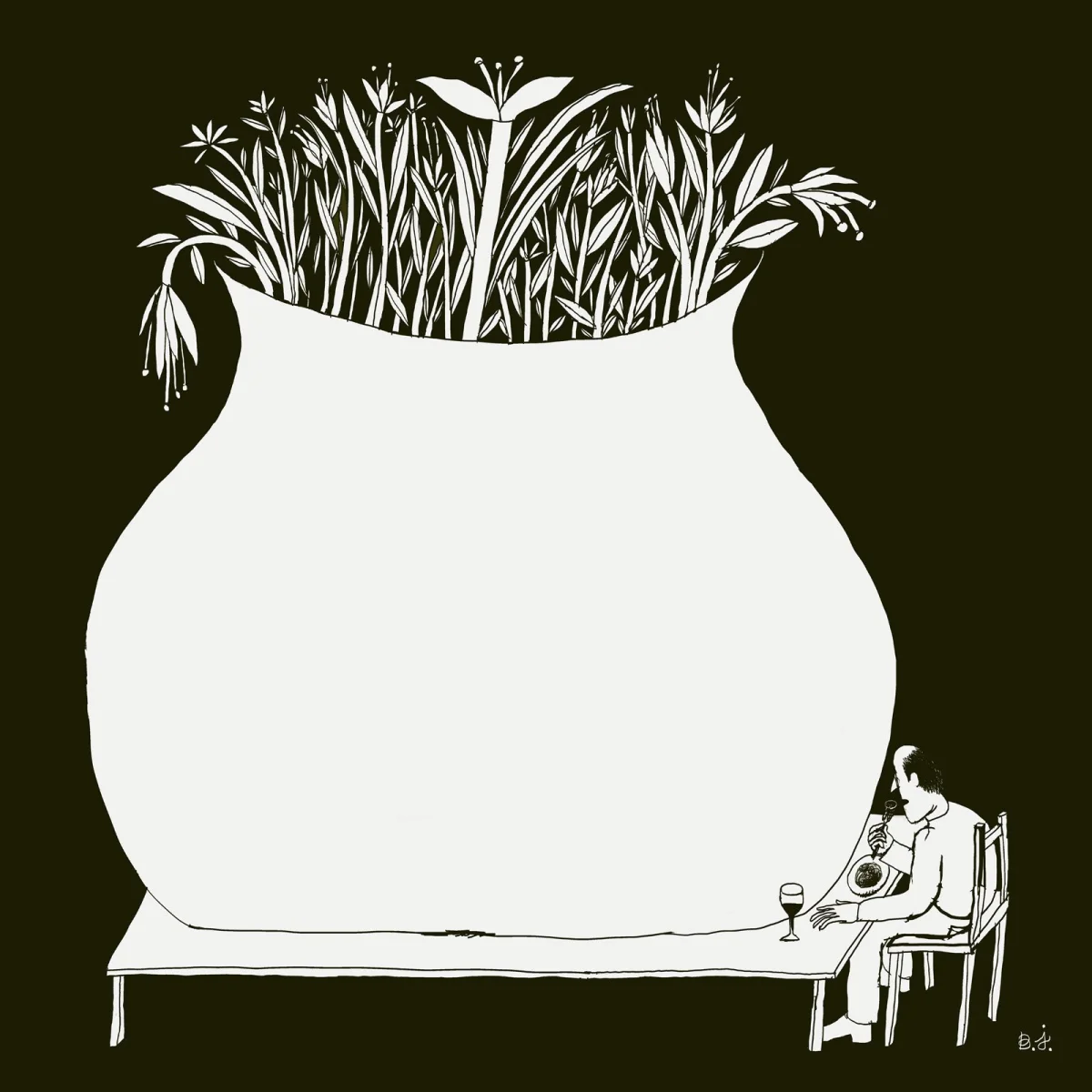
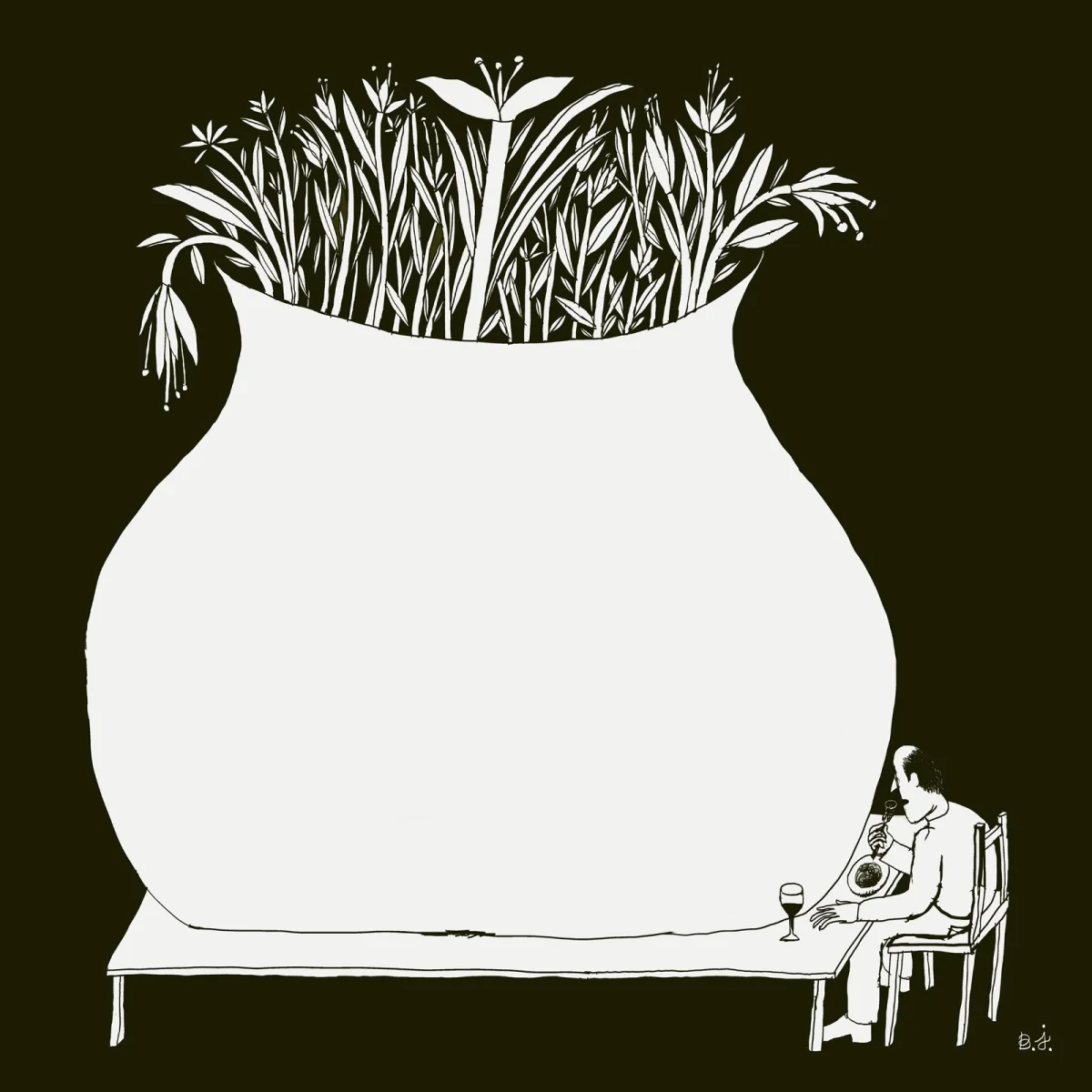
Bahij Jaroudi’s illustrations make room for two things at once: a clear visual idea and the uneasy humor of ordinary life. Cats, tears, wealthy people, older bodies and conflict recur in his work, which moves between personal observation and difficult events. His images often stay concise; their impact comes from the friction between what they show and what the viewer brings to them.
Jaroudi grew up in Beirut, Lebanon, where a steady supply of paper and pencils at home helped turn drawing into a daily habit. He remembers making a realistic horse at six or seven, then watching his teacher share it with other students and teachers. That early recognition stayed with him. Drawing, he says, became first a pastime and then an obsession.
He knew he wanted work that involved drawing, though studying painting after school wasn’t an option his parents supported as a practical career. Graphic design became the compromise. Jaroudi later earned a master’s degree in animation at Kingston University in London, following a bachelor’s degree in graphic design at Lebanese American University in Beirut. Those fields sit alongside illustration in his practice, which also includes animation and children’s books.
Ideas that leave room for beauty
Jaroudi describes his motivation simply: he wants to make work that is interesting and looks beautiful. For him, appearance and concept carry equal weight. That balance helps explain why the drawings can feel direct without becoming flat. A strong visual premise gives the image its structure, while details and tone keep it open to interpretation.
His process starts with the blank page or screen. He jokes that he likes sitting, but the stillness points to a familiar part of illustration: looking before drawing, allowing an idea to take shape rather than rushing to decorate it. When he draws people, he starts with the nose. He also draws for four to five hours each day, according to the interview. The routine suggests a practice built on returning to the page, whether a commission or personal idea is already in view or not.
Jaroudi says he tries to be honest with himself and his audience. The subjects he returns to—the absurdity of life, class, older people, cats and conflict—can carry uncomfortable implications. His stated aim isn’t to separate a serious idea from visual pleasure. The work asks both to hold together.


Drawing through a life in transition
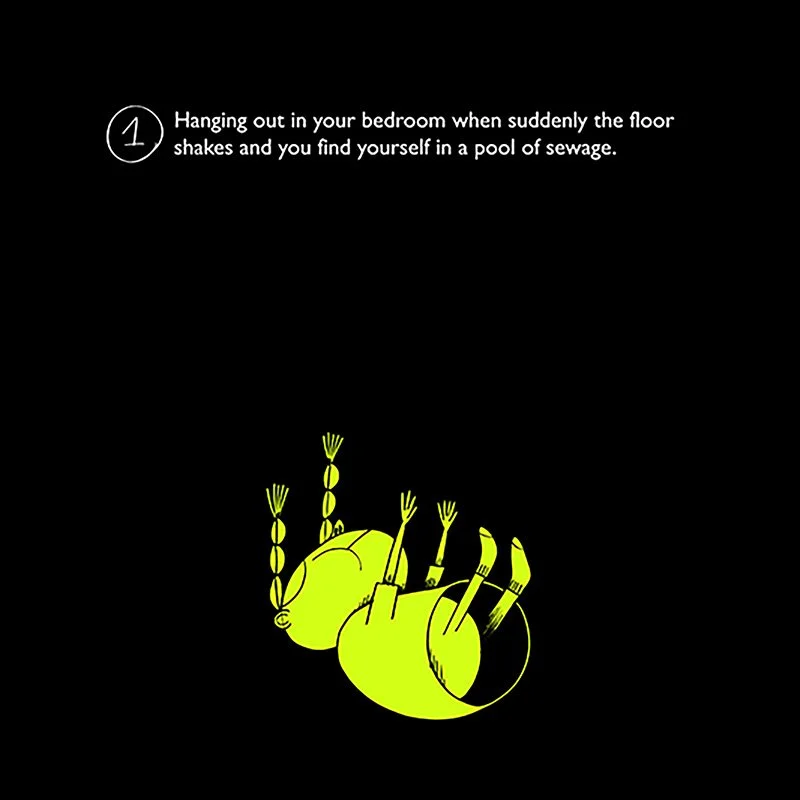
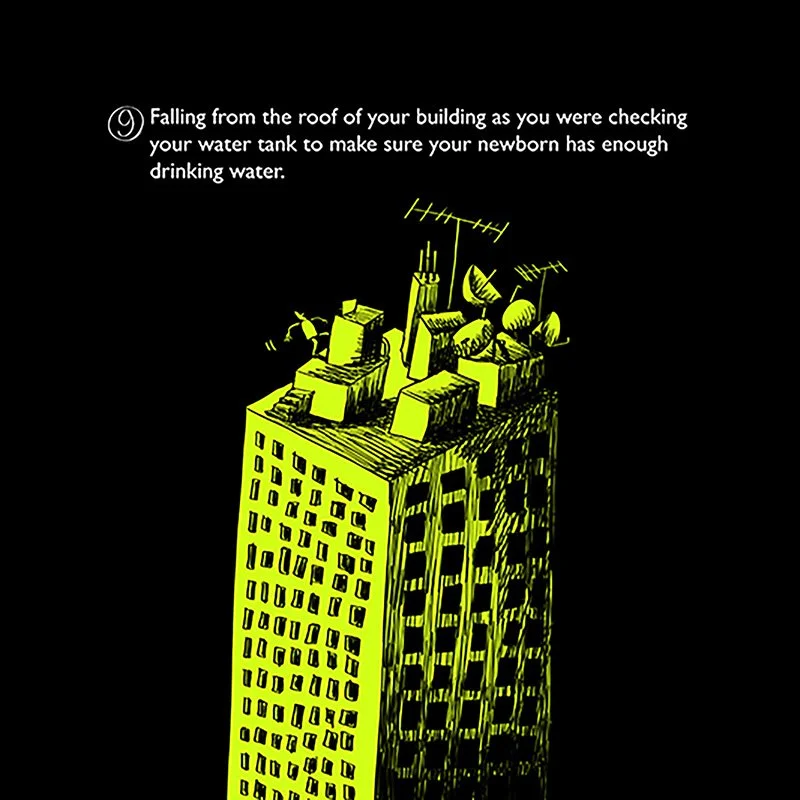
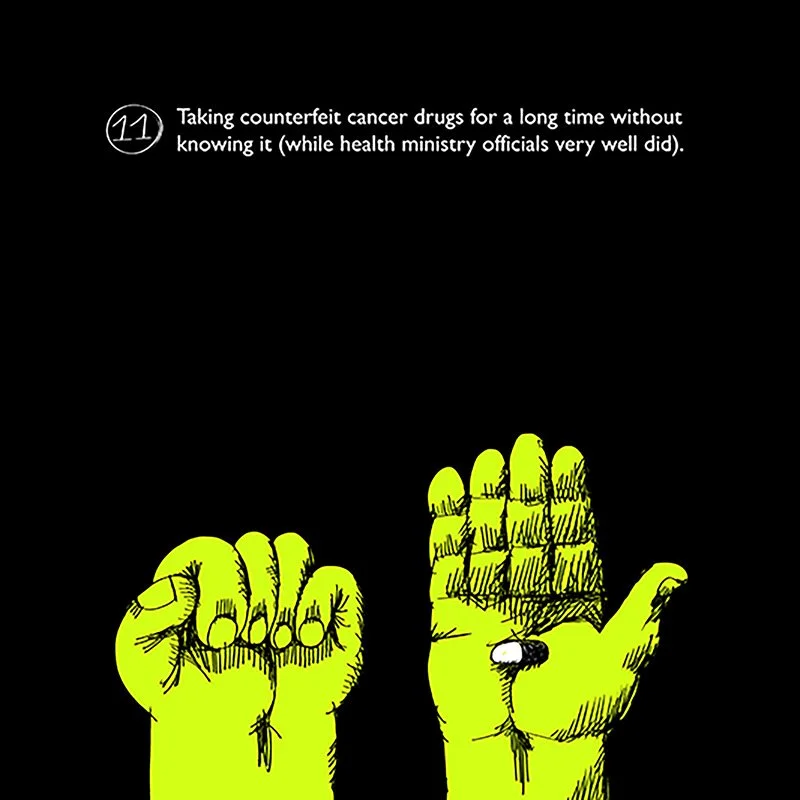
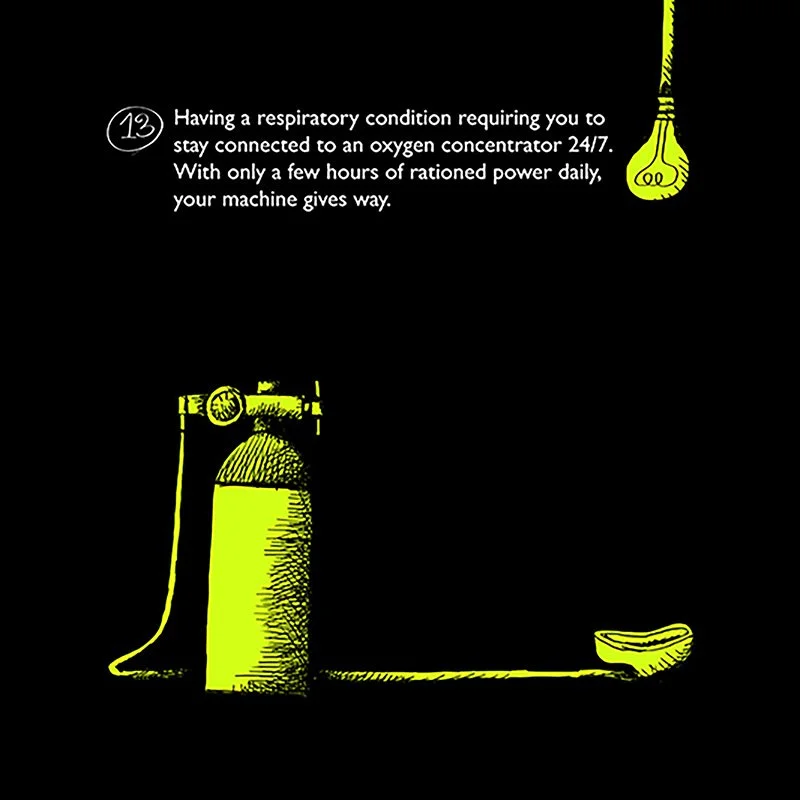
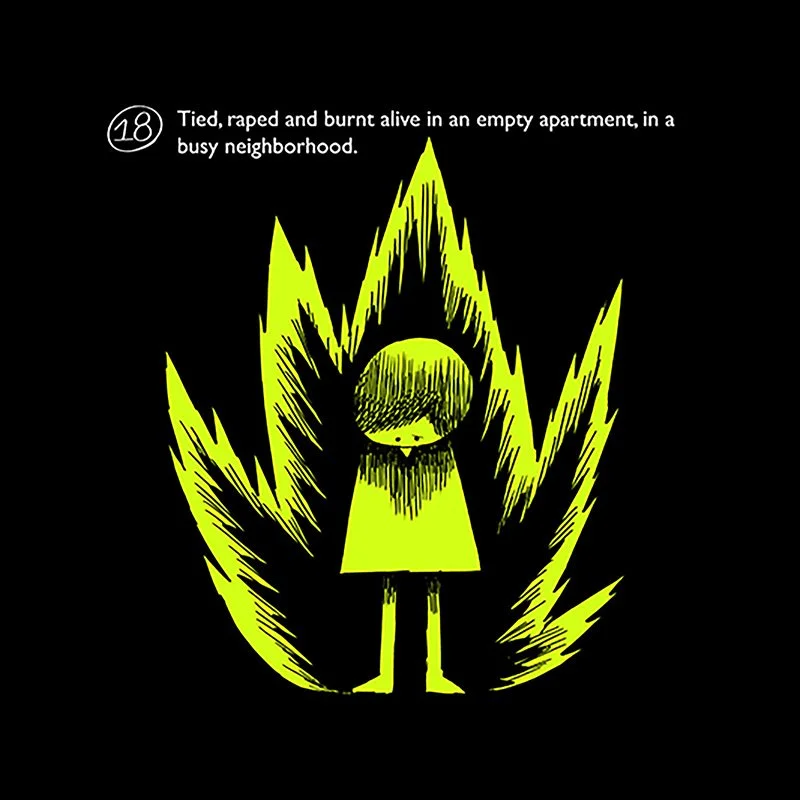
Jaroudi and his wife developed “20 Ways to Die in Lebanon” from their experience of living amid a country’s collapse. His wife, a researcher, documented events; Jaroudi felt compelled to draw them. The project became a way for the two of them to process what was happening around them. Its final work refers to the Beirut port explosion, after which the couple decided to move to Canada.
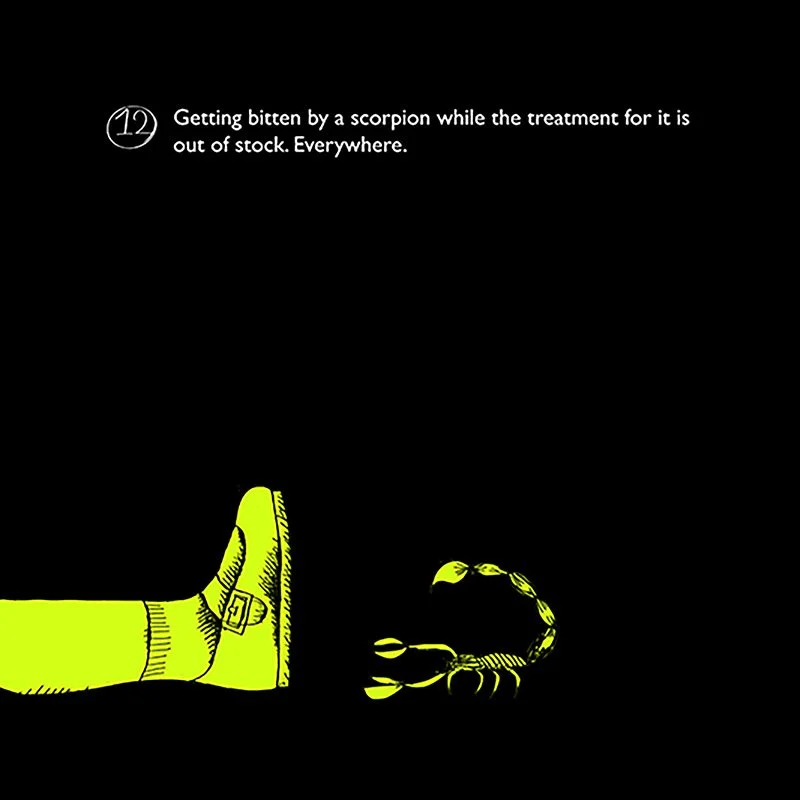
The series grows from a personal response rather than a detached visual report. Jaroudi describes how people can become accustomed to terrible events as a way to adapt and keep going. That tension—between the need to continue and the pressure of what’s being witnessed—gives the project its emotional center. He has since relocated from Beirut and is based in Toronto.


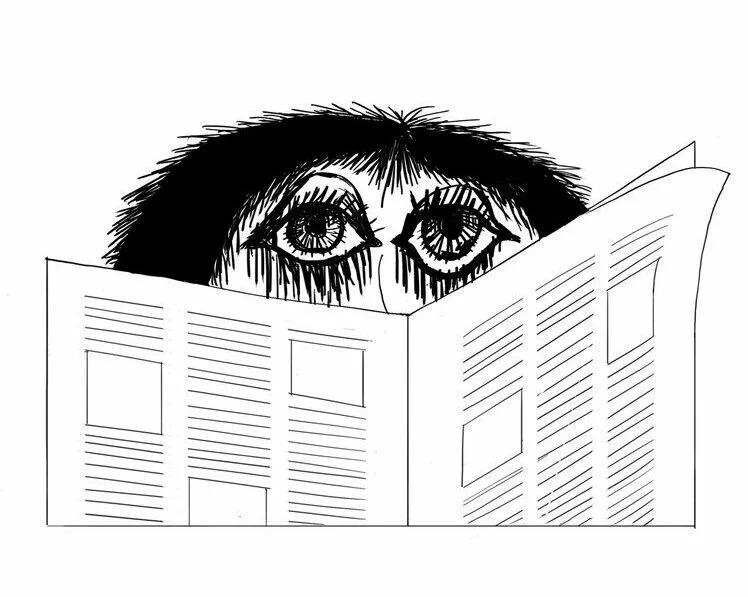
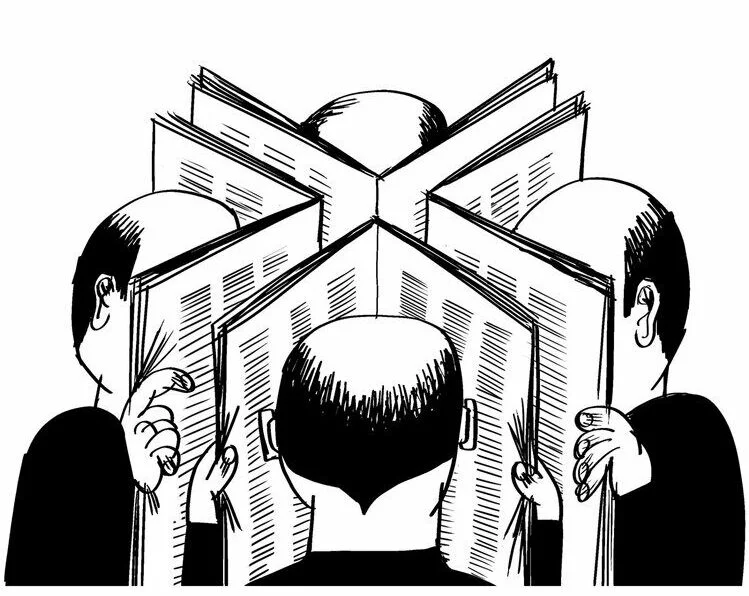
For a series made for The New York Times, the brief asked Jaroudi to include a newspaper in each illustration. He began with a woman’s eyes, drawing her close to tears as she tries to hide behind the paper. That simple repeated object gave him room to build varied images around a shared visual cue. The newspaper could operate as a prop, a barrier or a way to frame the figure, while the expression carried the emotional weight.
Jaroudi says he likes briefs that leave space for interpretation. A narrow requirement can give a series cohesion without prescribing every scene. For illustrators, that’s a useful distinction: a recurring element can link images while still allowing each one to respond differently to the subject. In this case, the newspaper becomes the connective thread, and the human face keeps the sequence grounded.


Pictures with more than one audience
Children’s books matter to Jaroudi because he remembers the pleasure of receiving one as a child and spending hours inside its story and pictures. As an adult, he’s interested in making books that work on more than one level: children can follow one reading, while adults notice another. That approach gives the image and text a longer life across repeated readings, without requiring the book to explain every joke or idea outright.
He is currently writing and illustrating a children’s picture book. The interview doesn’t name the project or give a release date, but his interest in layered storytelling connects naturally to his broader practice. Across editorial images, personal work and books, Jaroudi looks for a visual idea that can stay legible while leaving space for a second thought.


Jaroudi’s range also includes animation, with work shown at festivals worldwide, and music. He studied classical guitar at the National Conservatory of Music and has explored flamenco. He plays guitar with Parrots with Secrets, whose concert proceeds have supported music programs for children with limited access. These details sit alongside a more disciplined daily routine: drawing remains the center of his working life.
He is represented by Magnet Reps. His stated ambition is plain: to keep drawing and earn a living from it for as long as he can. That commitment, paired with an appetite for both visual beauty and uncomfortable ideas, gives the work its distinctive range.




| Rev | Description | Date |
|---|---|---|
| A | Issued for reading | |
| B | Viewed 711 times | Current |


