Ellen Marello’s Spring Portraits Turn Bold Color Into Editorial Style
- Project
- Graphic Design
- Drawn by
- Marika Lind
- Issued
- Sheet
- A-80
New York illustrator Ellen Marello pairs saturated color, expressive characters and fashion-led portraits across editorial and commissioned work.

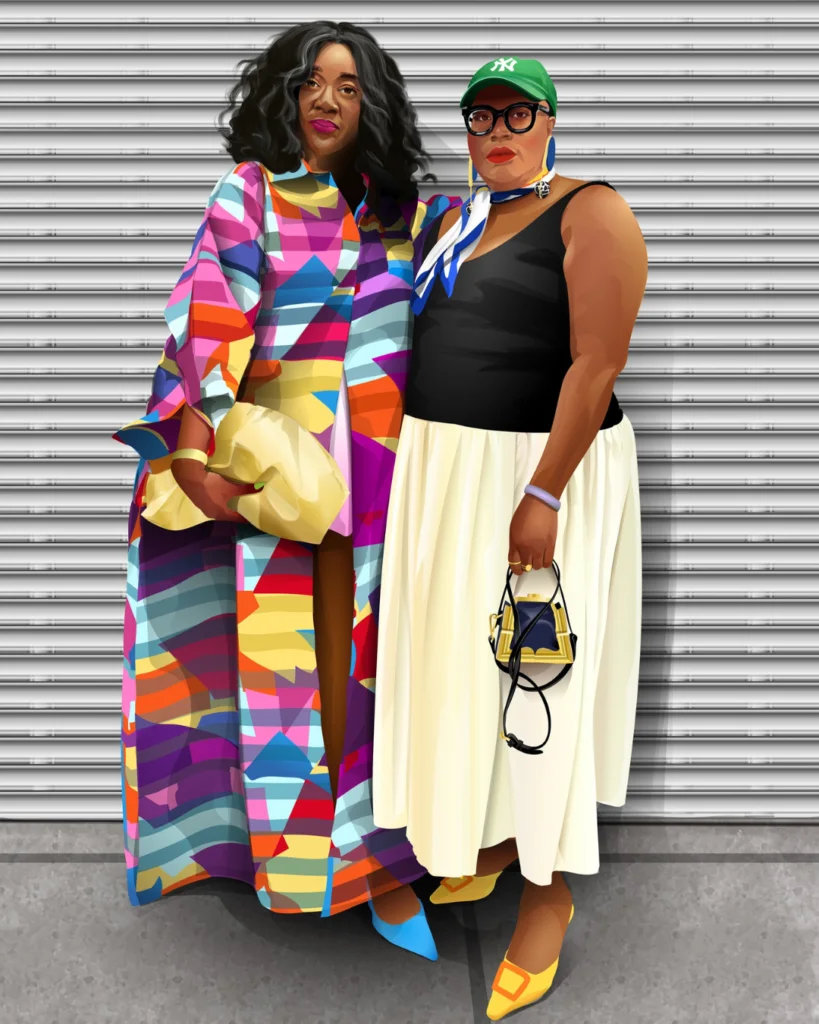
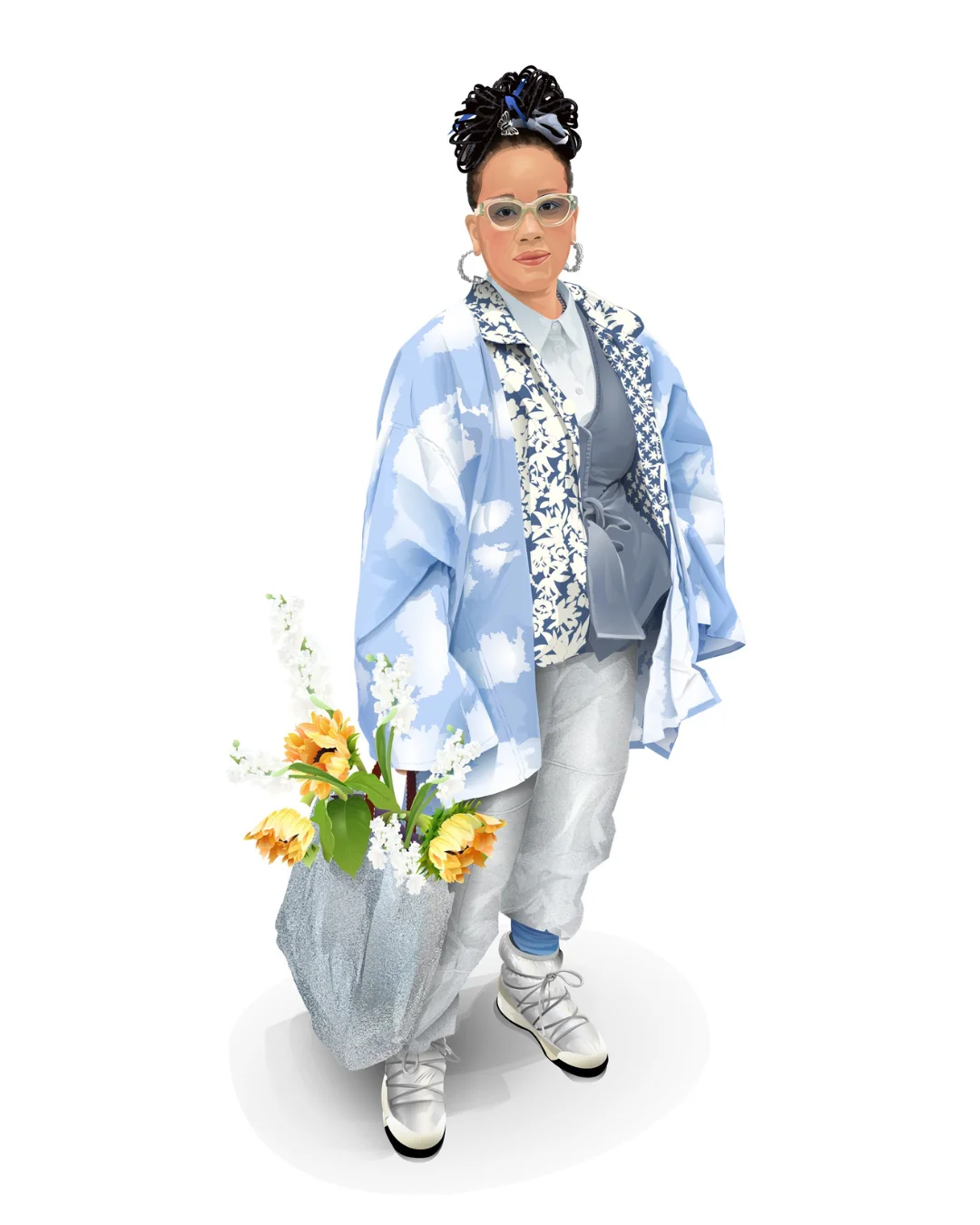
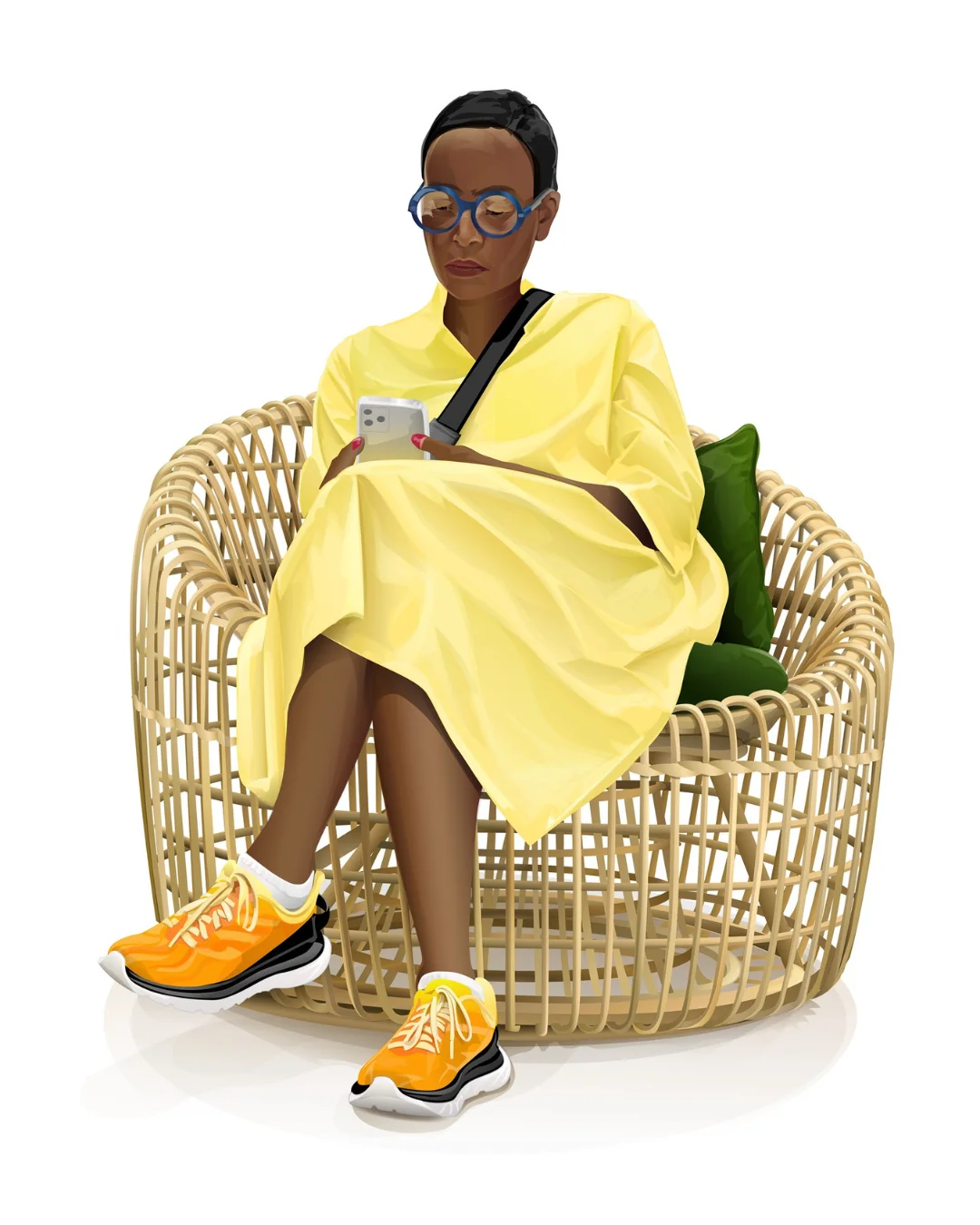
Ellen Marello’s spring portraits make color do more than signal a change in season. Saturated palettes, playful contrasts and flowing silhouettes give each figure a distinct presence, while the fashion references make the images feel connected to the way people express themselves through clothes. The result is illustration with both visual lift and editorial character.
Ellen Marello is a New York City-based illustrator whose work draws on contemporary fashion and portraiture. Her images bring together bold color and confident figures, using clothing and posture to suggest personality. That combination gives the portraits a clear point of view: the clothes catch the eye, but the character is what makes the image stay with you.
Color and character carry the story
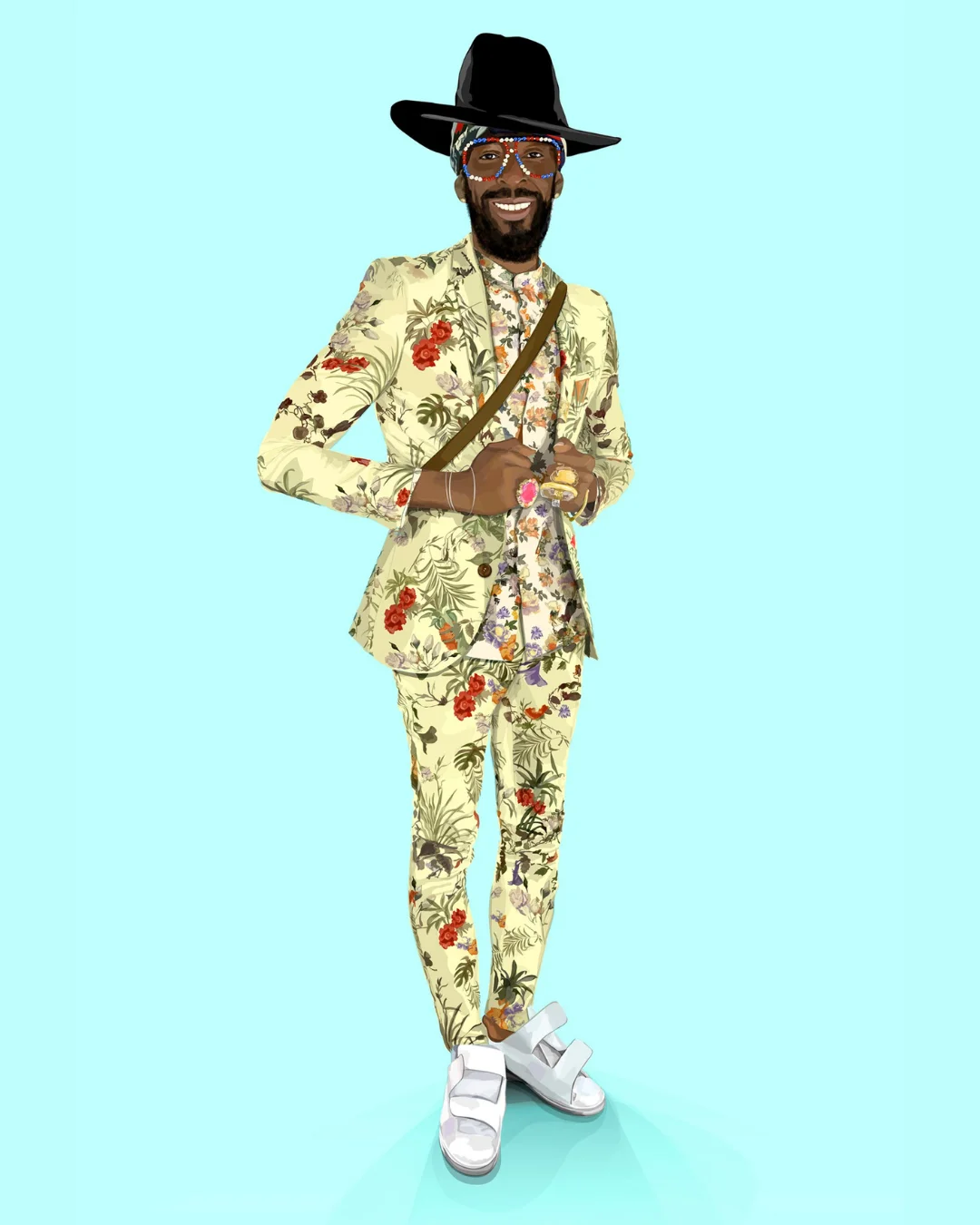
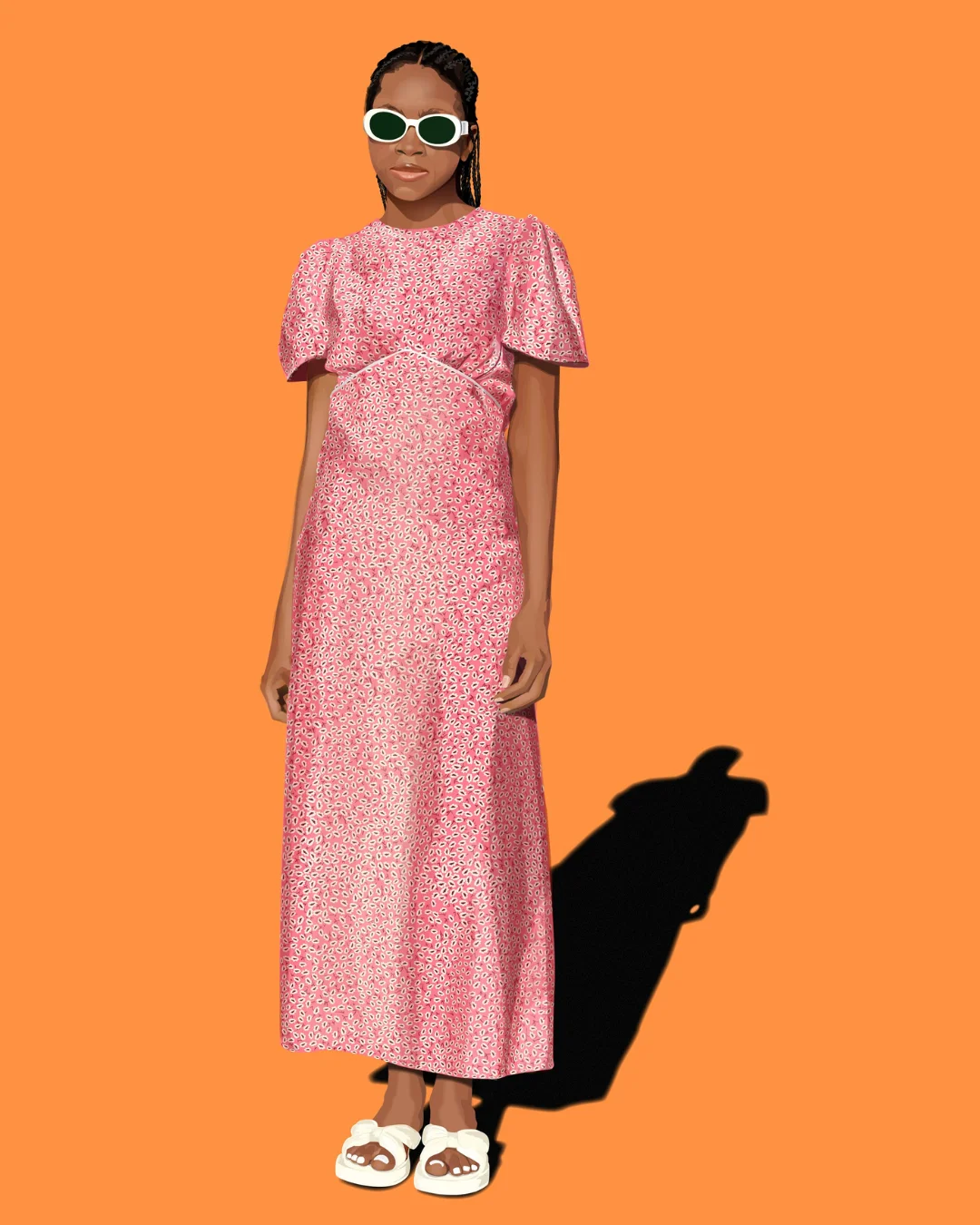
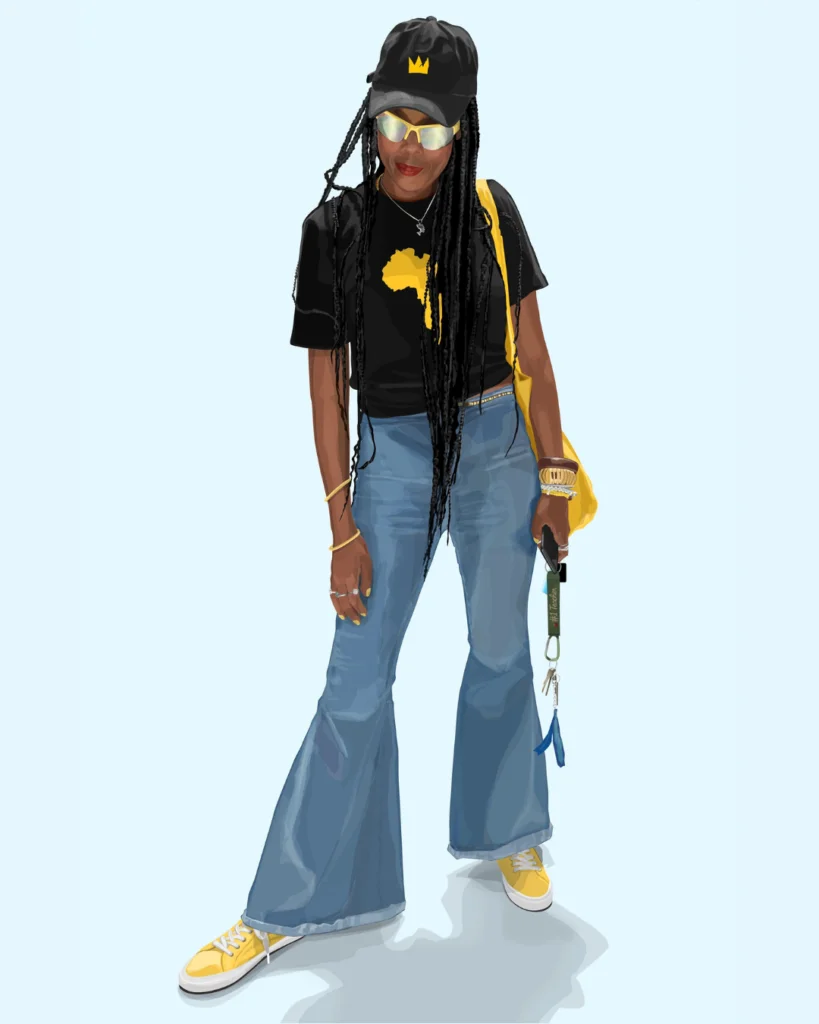
Marello’s visual language depends on the relationship between hue, silhouette and expression. Strong color contrasts bring energy to a composition; elongated or flowing forms keep the figures in motion. A statement look can draw attention first, then lead the viewer toward the pose, face and smaller details that give the portrait its individuality.
That balance is useful for editorial work. An image has to attract attention quickly, but it also needs enough specificity to support a story. Marello’s fashion-minded approach offers both: garments provide an immediate visual hook, while the characters make the scene feel inhabited rather than staged. The portraits suggest a moment someone might notice on the street, shaped into a concise illustration.
The spring framing suits this work because it brings the palette and clothing into focus. Lightness, movement and vivid color can suggest a seasonal shift without relying on literal symbols. Here, the sense of renewal comes through in the image’s energy: the figures look self-possessed, and their clothes feel like part of how they occupy the scene.
Editorial roots, with room to travel
Marello’s illustrations have appeared in Vulture, California Magazine and The Wall Street Journal Europe. The list points to a practice that can move between different editorial contexts while keeping a recognizable emphasis on color, style and character. Her work also spans corporate projects, packaging and commissions, where a strong figure or visual personality can help an image hold together across formats.
For designers working with illustration, that adaptability is a practical lesson. A distinctive style doesn’t have to depend on one fixed subject or layout. A consistent approach to color and character can give a piece its identity while leaving room for the brief, format and accompanying story to shape the composition. In Marello’s work, fashion provides a rich source of visual detail, but the portrait remains the organizing idea.
Her illustrations have received recognition from the Society of Illustrators, American Illustration, the 3×3 Illustration Annual and the Communication Arts Illustration Annual. These credits sit alongside the publication work as markers of a practice grounded in editorial illustration and visual storytelling.

A flexible approach to portraiture
Portrait illustration often has to work at a glance and reward a closer look. Marello’s use of vivid palettes gives the image immediate impact; expressive styling and posture add the more personal layer. The two parts reinforce each other. Color sets a mood, clothing signals taste, and the figure’s stance makes the portrait feel like a particular person rather than a generic fashion image.
That approach can guide art direction when a project needs warmth and individuality. Start by deciding what the character should communicate, then use clothing, color and pose to support that idea. A striking palette can establish tone, but it works best when the figure’s expression and silhouette carry the same intent. In an editorial layout, this gives the image a clear role alongside the text: it can set a mood, introduce a subject or add a point of view without needing to explain itself.
There’s a celebratory quality to Marello’s work, but it doesn’t rest on color alone. The portraits combine visual polish with a sense of lived-in style. That keeps them engaging beyond a seasonal feature and gives the images room to work across editorial, corporate, packaging and commissioned assignments.


To see more of Marello’s work, visit her Directory of Illustration portfolio, her website or her Instagram. For designers, the lasting takeaway is clear: a strong portrait can make color, styling and character work as one compact piece of visual storytelling.
| Rev | Description | Date |
|---|---|---|
| A | Issued for reading | |
| B | Viewed 944 times | Current |


