Spitzer Magazine Gives German Illustration a Wider Print Platform
- Project
- Graphic Design
- Drawn by
- Steven Heller
- Issued
- Sheet
- A-69
Founded by Patrick Wirbeleit and Dirk Uhlenbrock, Spitzer covers illustration across styles and fields, with plans for two to three issues a year.
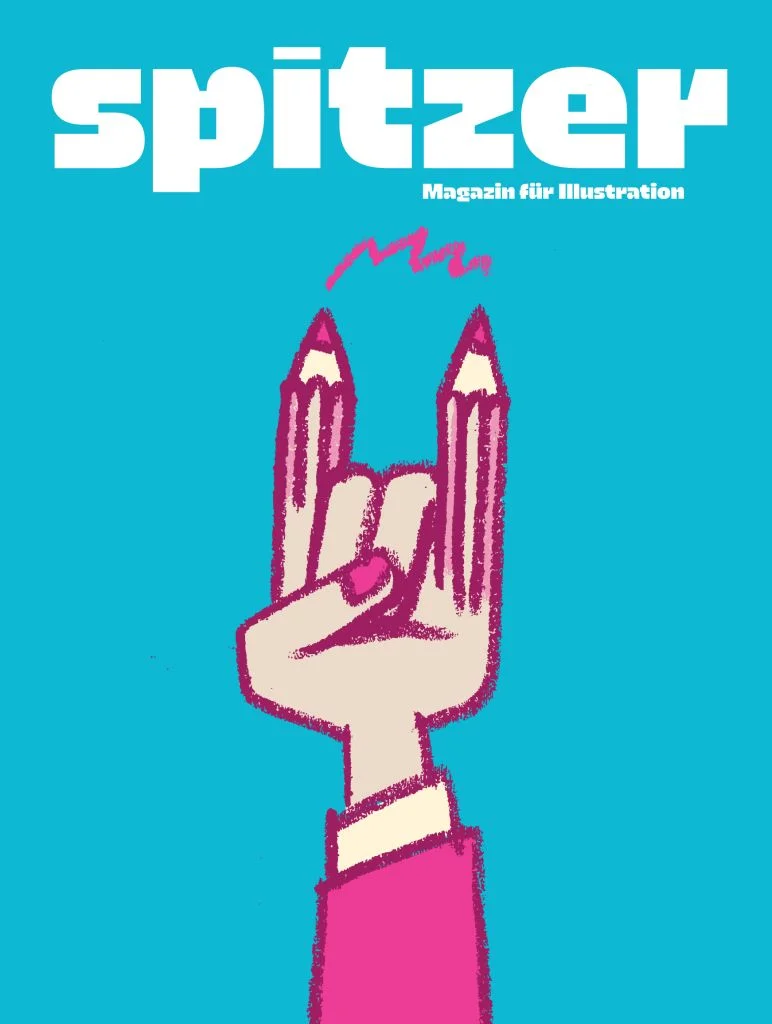
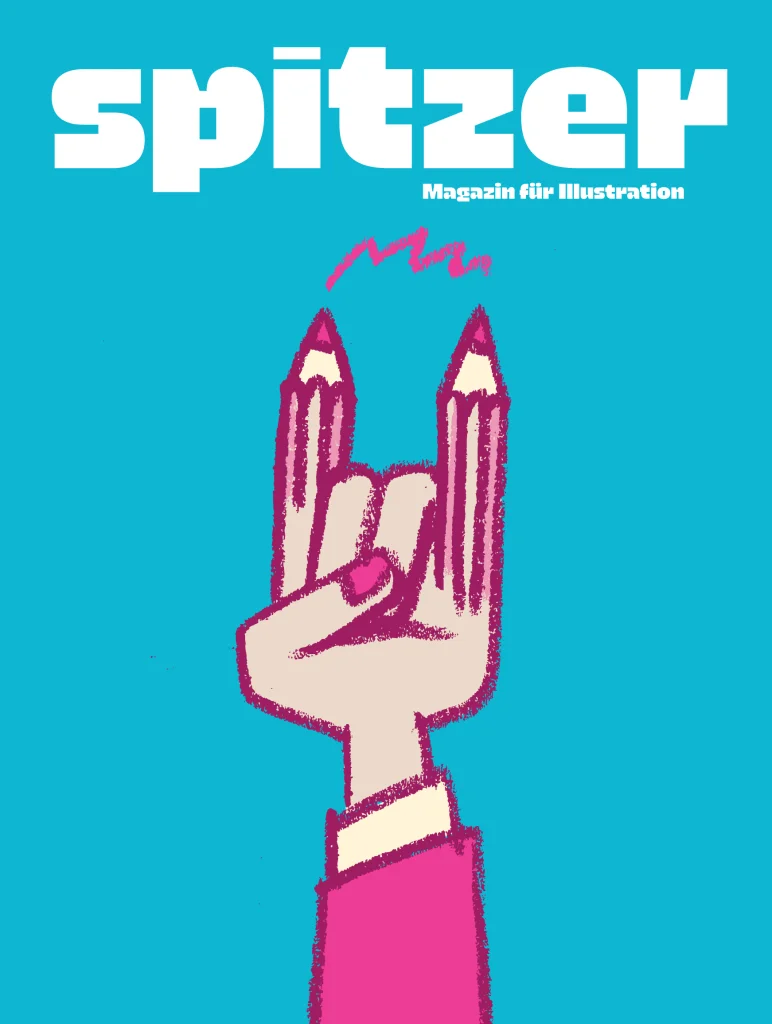
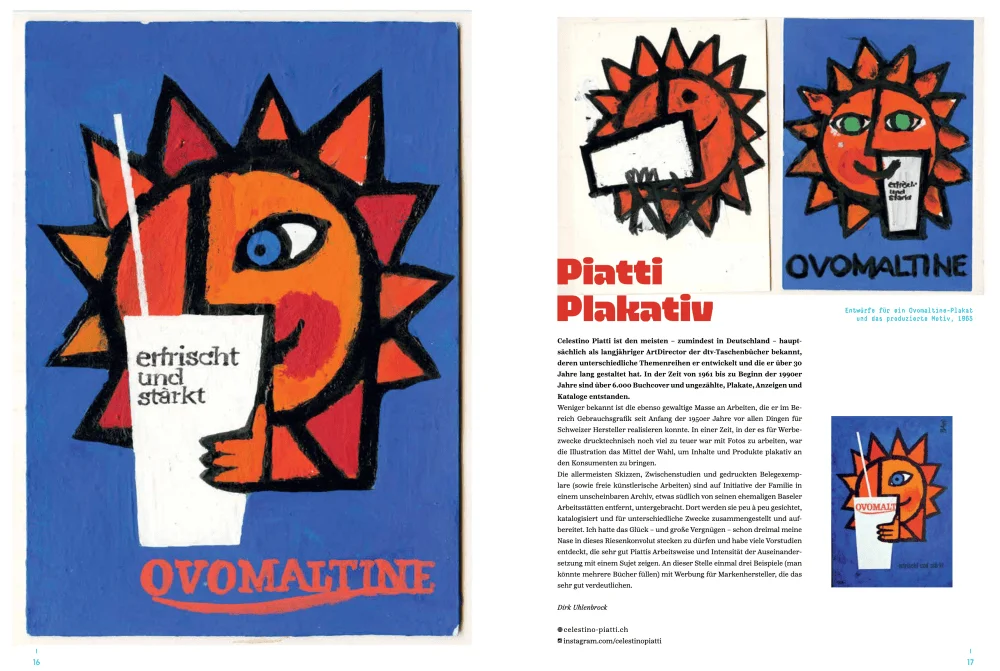
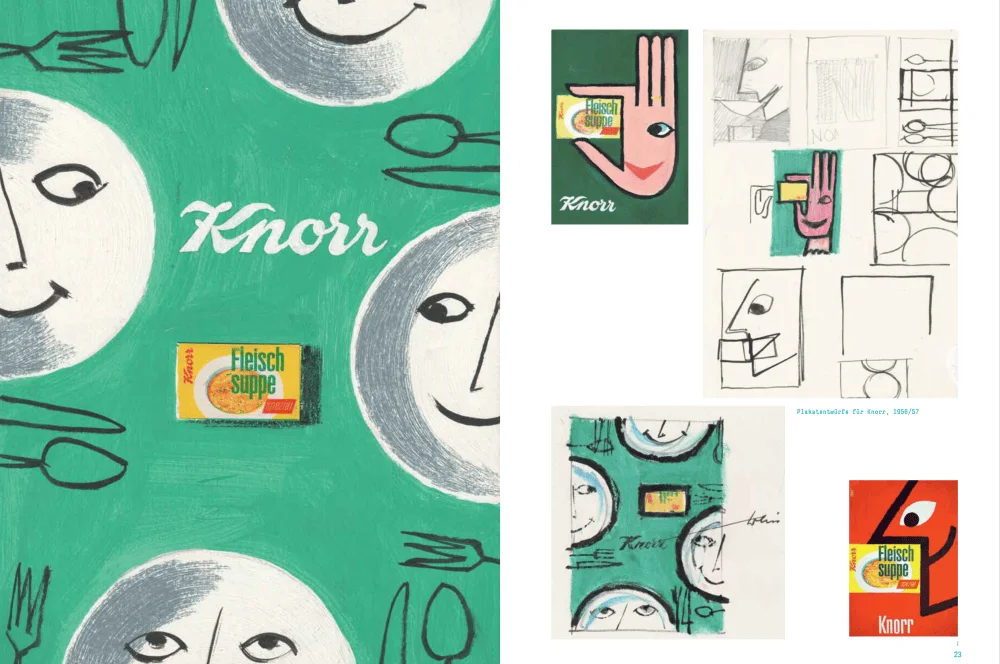
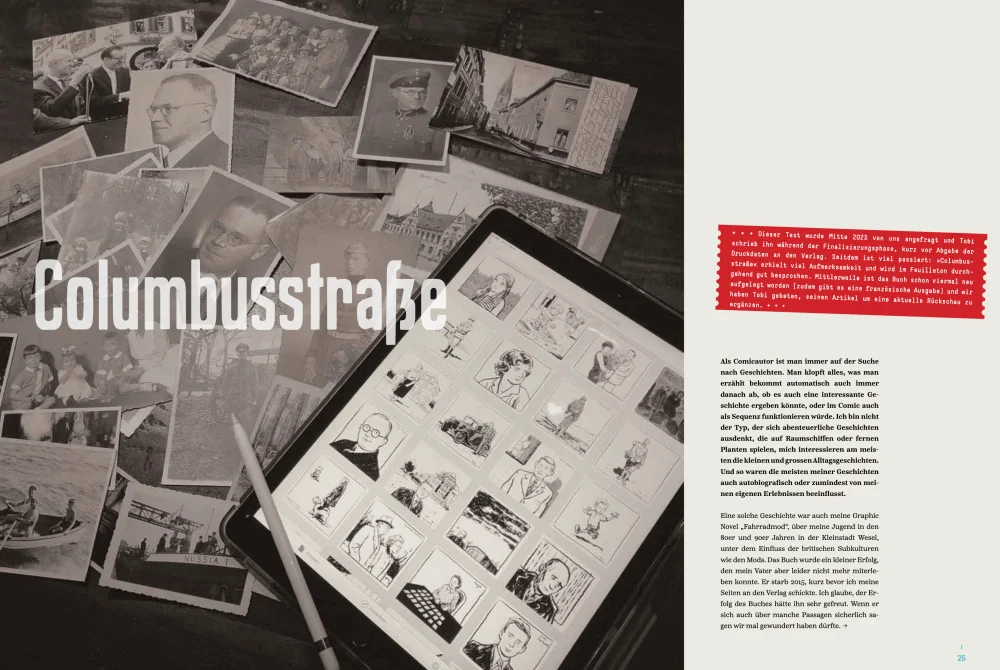
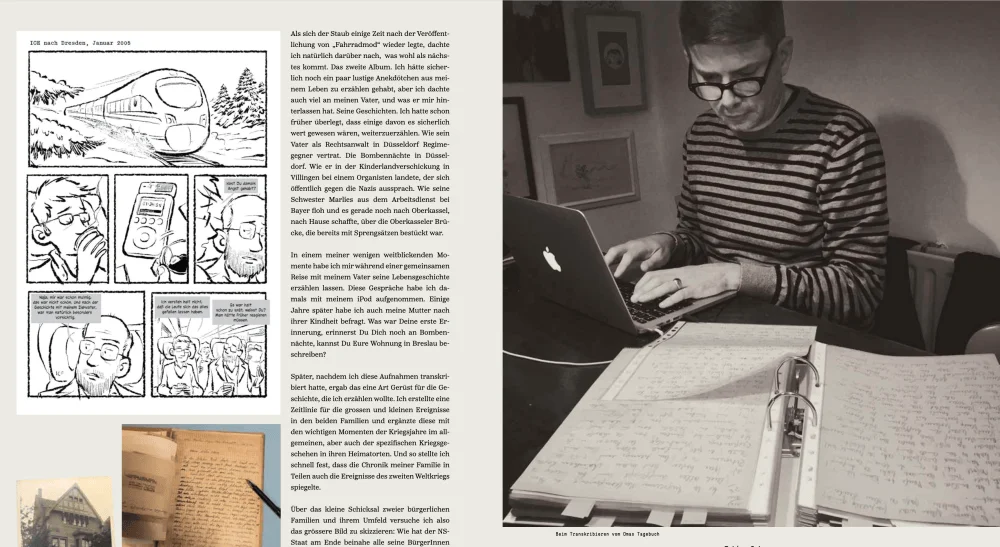
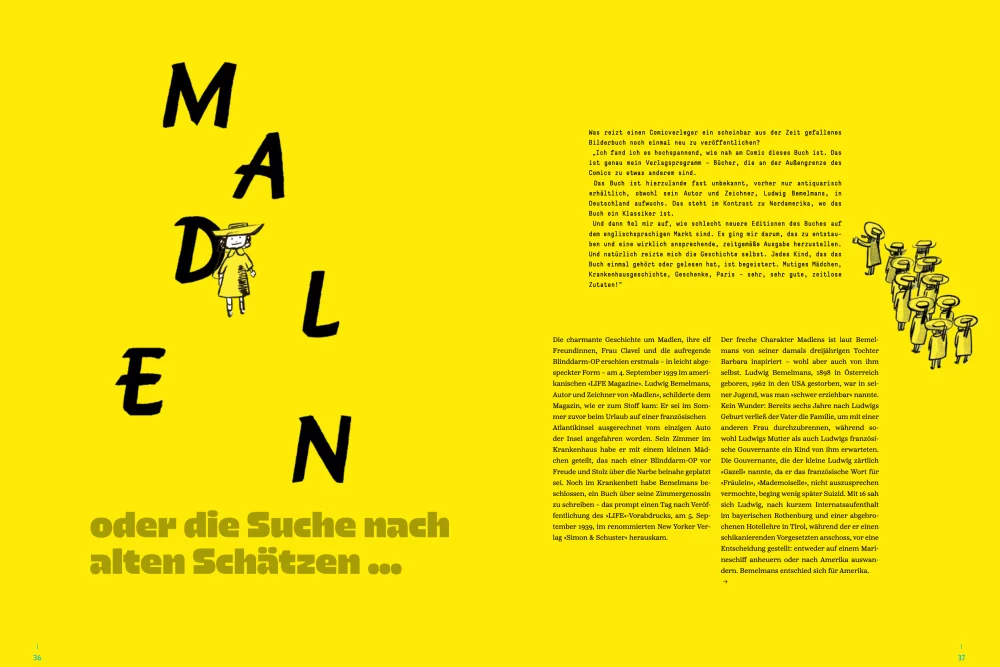
Spitzer magazine makes a practical case for illustration’s place in visual communication: give the work room on the page, and let the subject determine the style. Founded in Germany by children’s book illustrator and author Patrick Wirbeleit and graphic designer Dirk Uhlenbrock, the publication sets out to cover illustration broadly, from icon design to medical imagery. Its first issue appeared at the beginning of August; the founders’ stated aim is to build a print publication that can return several times a year.
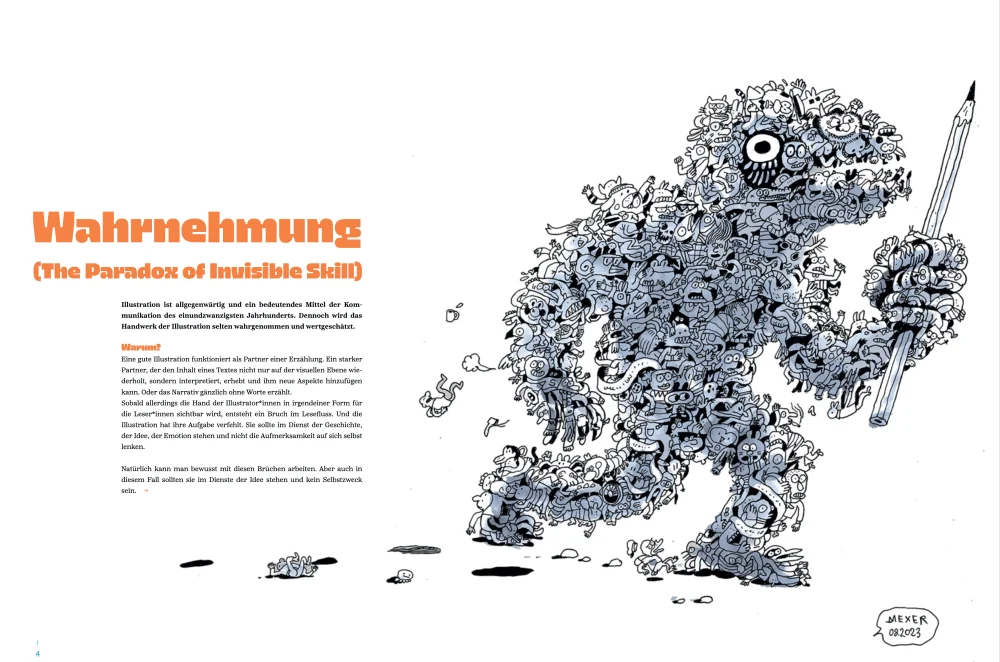
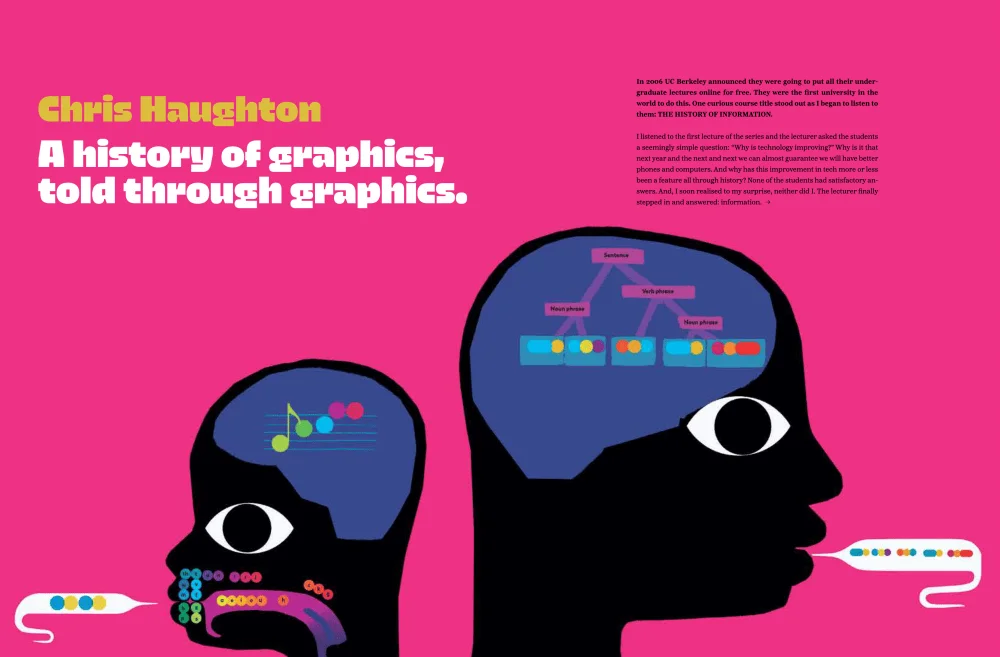
That breadth is central to the magazine’s editorial approach. Asked what it wants to cover, Uhlenbrock pointed to the range planned for the second issue: an icon designer, an initiative in Brussels that combines elements of a shop and a workshop, and work in information design and medical illustration. These subjects call on different visual skills. Together, they show how illustration can clarify information, give an idea a recognizable form, or shape the experience of a printed page.
For working designers, that mix suggests a useful editorial principle: treat illustration as a method that crosses disciplines, rather than as one fixed look or a category reserved for a particular kind of commission. The magazine’s coverage can place pictures made for different purposes alongside one another, giving readers a chance to notice how intent, subject and visual choices relate. The founders haven’t set out a stylistic checklist for contributors; the topic is meant to lead.
A publication built around a gap
Spitzer is independent of a group or organization. The founders say they started it because they saw no comparable magazine in Germany. That decision reflects a particular kind of publishing ambition: create a place for a field that the founders feel deserves sustained attention, then build its readership through direct contact and specialist distribution.
Wirbeleit and Uhlenbrock have also organized a conference for children’s book illustration. It has been held for three consecutive years, according to the interview. The magazine and conference address related interests through different formats: one offers a recurring printed selection of work and ideas, while the other brings attention to illustration for children’s books. The source doesn’t give the conference’s name or details about its program, so the clearest point is the continuity of the effort.
History without a style boundary
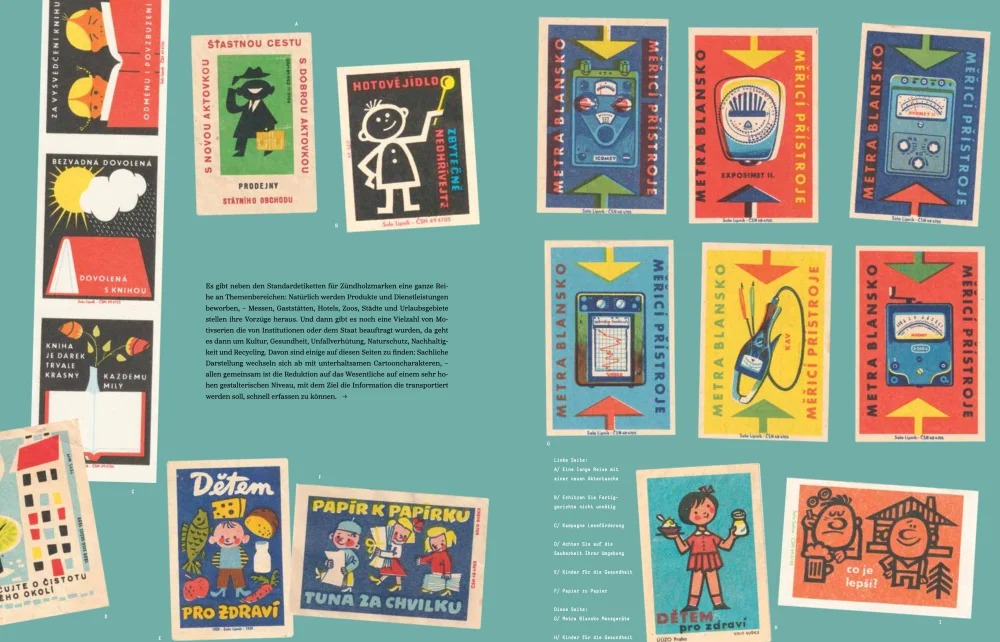
The founders have a particular affection for illustration from the 1950s and 1960s, and they hope to feature artists who are less widely known in future issues. That historical interest gives the magazine one possible thread to follow: readers may encounter work whose influence or makers are less familiar to them. But Uhlenbrock says the editors aren’t committed to a period or a specific style. They don’t intend to present the publication as a showcase for a new European movement or as a platform devoted to the avant garde.
That distinction leaves room for both archival discovery and contemporary practice. A magazine can value older work without turning it into a template, and can publish fresh approaches without claiming that novelty is the point. Here, the stated priority is to reflect illustration’s broader role in communication. When an unfamiliar visual language or approach appears, the editors are open to featuring it, but it doesn’t have to satisfy a declared aesthetic agenda.
Print, sales and the next issues
The first issue was financed after a short time through the founders’ social media contacts and word of mouth. At the time of the interview, they had sold more than half of the issue. Most sales were individual copies ordered directly by mail, while the team was working to place the magazine in specialist shops. It was available in Hamburg, Berlin, Munich and Karlsruhe. The source provides no price, print run or publication date beyond the first issue’s launch at the beginning of August.
The medium-term plan is to publish two to three issues per year and grow circulation. The founders hope that the magazine can become profitable, which would help pay for outside contributors, proofreaders and translators. Those goals point to the practical work behind a recurring print title: sales must support both the physical publication and the people needed to commission, edit and prepare its content. For now, direct orders and the existing city availability offer the clearest picture of how readers can find it.
Design practice behind the editorial vision
Uhlenbrock says he has always drawn and studied communication design. During his studies, he decided to earn his living through graphic design rather than illustration. He describes that choice as giving him room to illustrate when a project suits him, without having to make it his sole source of income.
That experience informs the magazine’s inclusive view of the field. Illustration can sit alongside graphic design in a practitioner’s work, just as it can serve very different editorial and informational purposes in the magazine. Spitzer’s next step will be to turn its broad remit and early readership into a sustainable publishing rhythm. Its most useful signal to designers is already clear: illustration’s value can be discussed across styles, subjects and kinds of practice.
The post The Daily Heller: German Illustration is Alive and Well, Says a New Magazin appeared first on PRINT Magazine.
| Rev | Description | Date |
|---|---|---|
| A | Issued for reading | |
| B | Viewed 357 times | Current |


