Pablo Delcan’s Prompt-Brush Turns Public Ideas Into 234 Hand-Drawn Illustrations
- Project
- Graphic Design
- Drawn by
- PRINT Editorial Team
- Issued
- Sheet
- A-67
Pablo Delcan explains how three simple drawing rules shaped Prompt-Brush 1.0, a book built around quick, personal responses to ideas from the public.
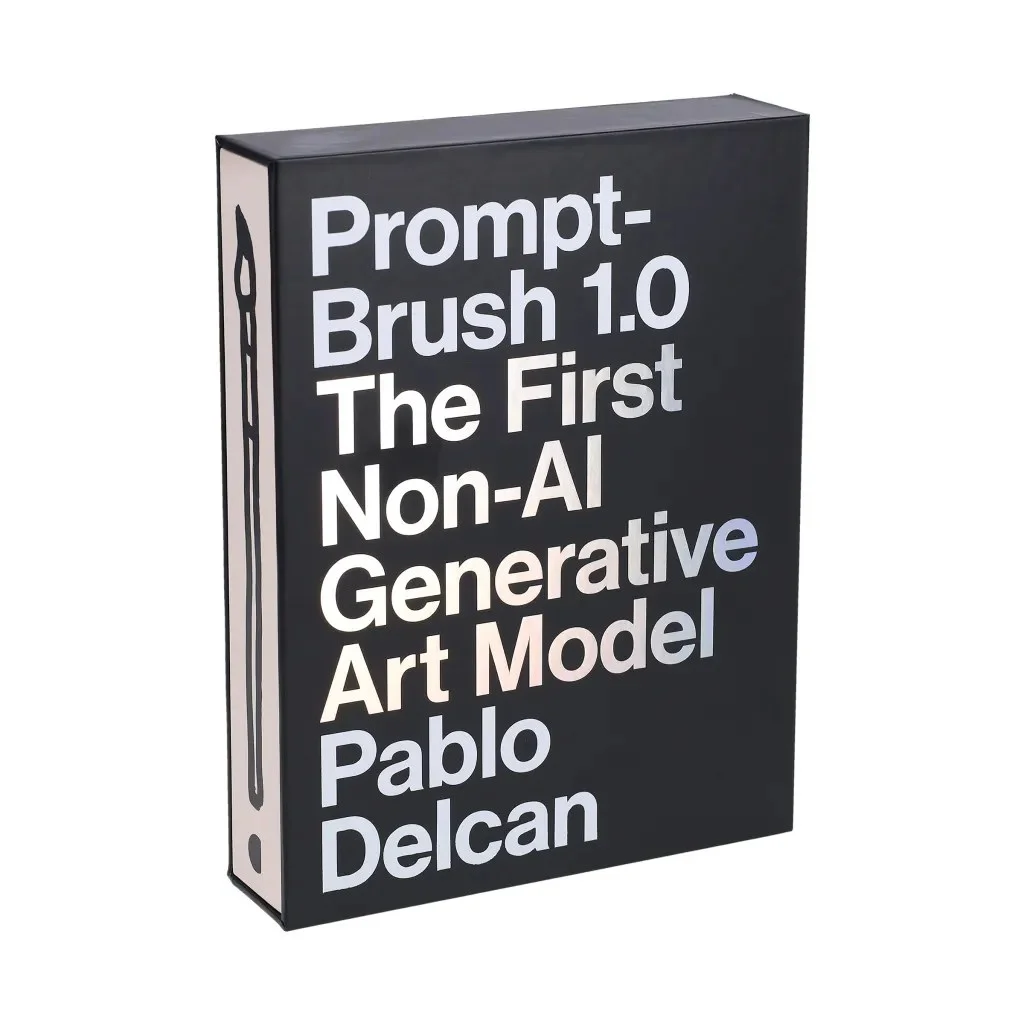
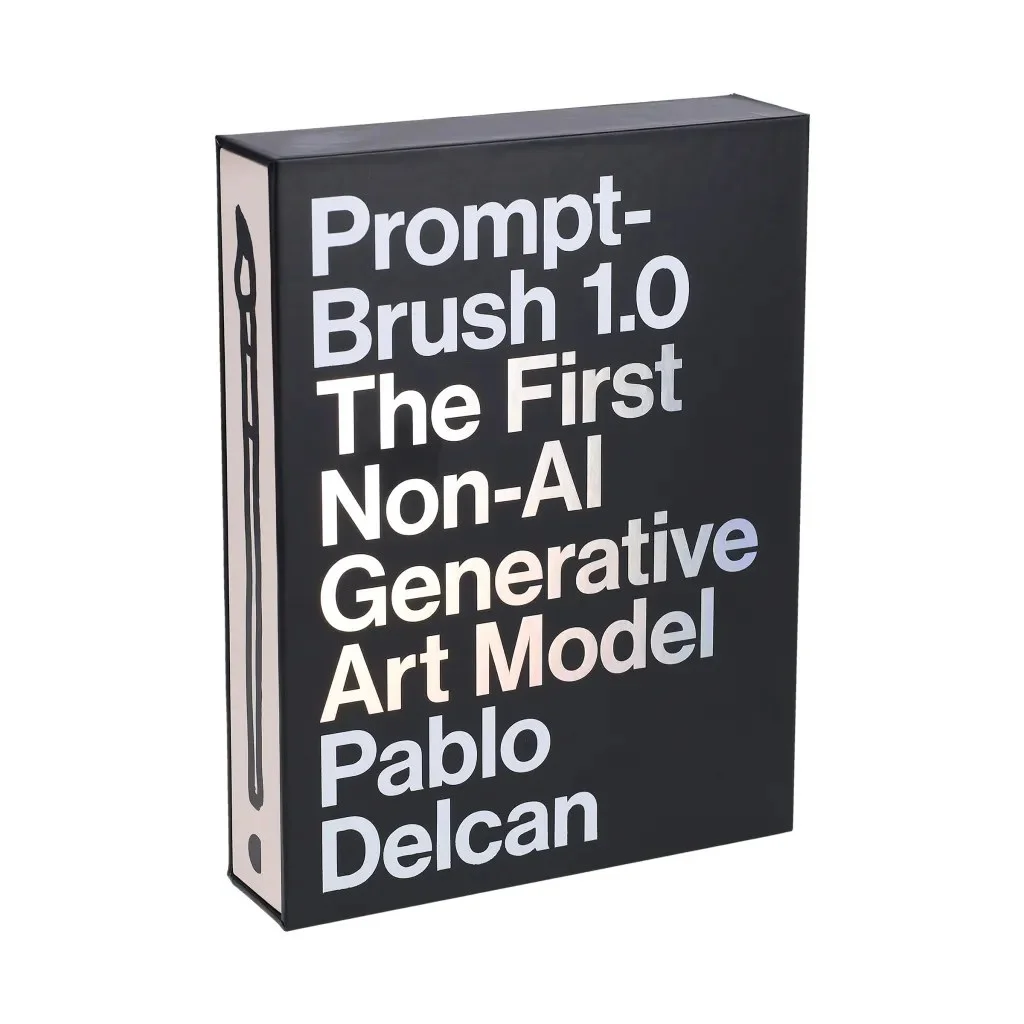
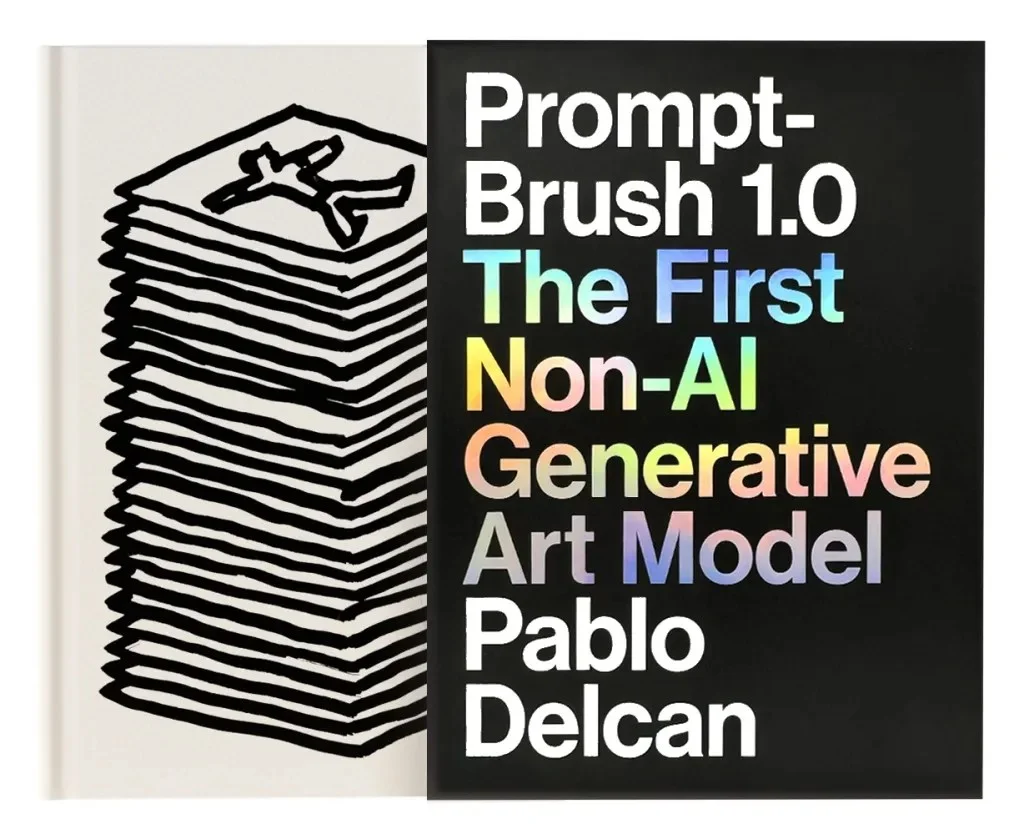
One prompt, one person, one drawing: Pablo Delcan’s Prompt-Brush 1.0: The First Non-AI Generative Art Model makes a case for illustration as a direct exchange between people. Its 234 drawings began with ideas submitted by the public and took shape under constraints that kept each response quick and consistent. The result is funny, tender and occasionally unsettling—a project whose method matters as much as its images.
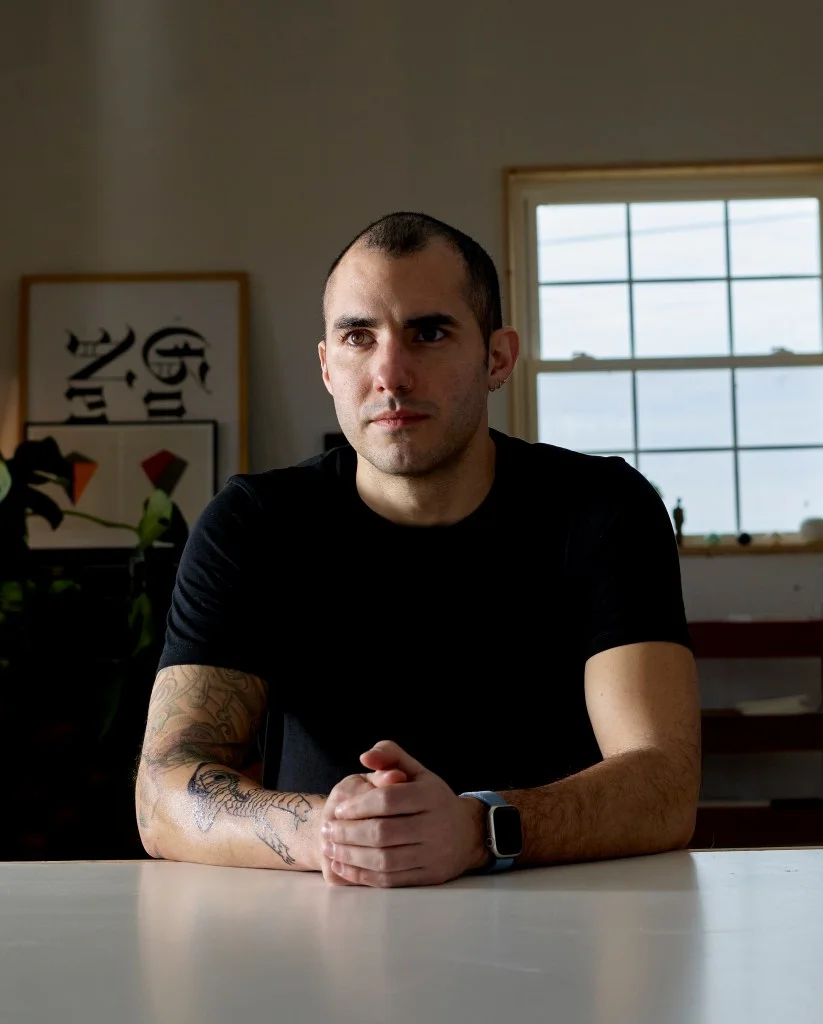
Delcan, a graphic designer and art director, started the project in January 2024 as a pointed response to computer-generated imagery. He invited people in his network and on social media to send ideas for drawings. At first, he expected the exercise to run for only a few weeks. Instead, he found himself enjoying the work, and the suggestions kept arriving. The series grew into a book, Prompt-Brush 1.0.
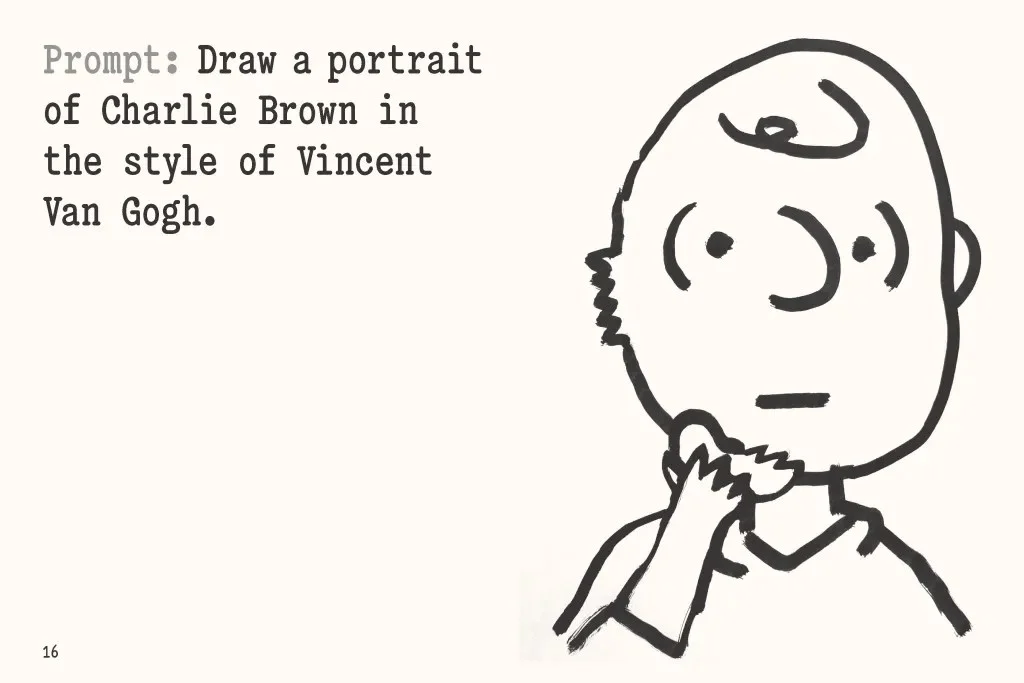
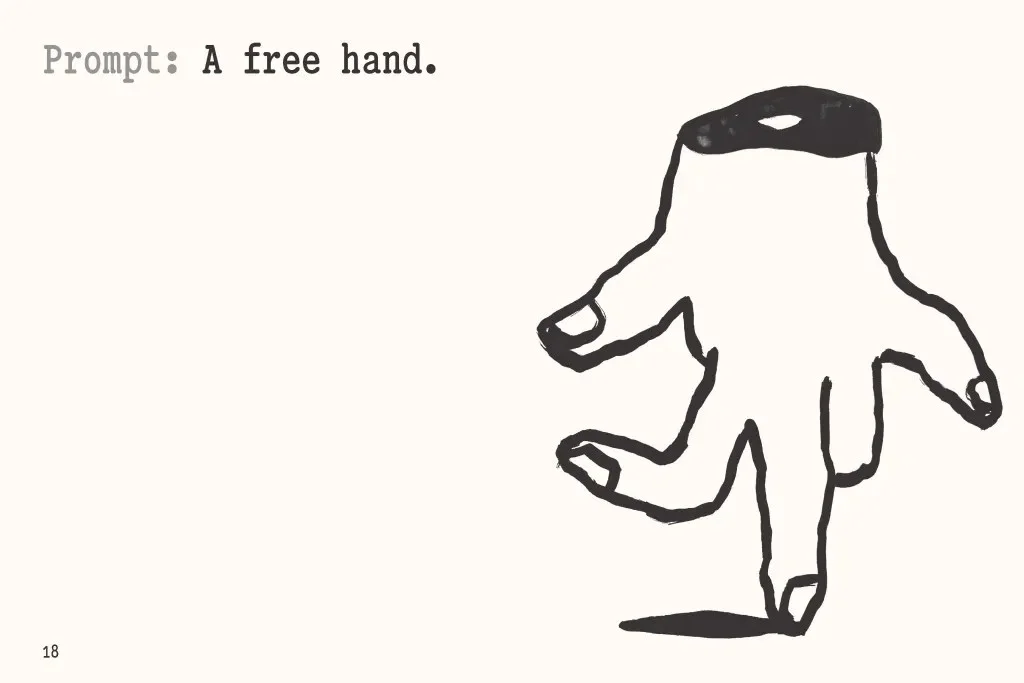
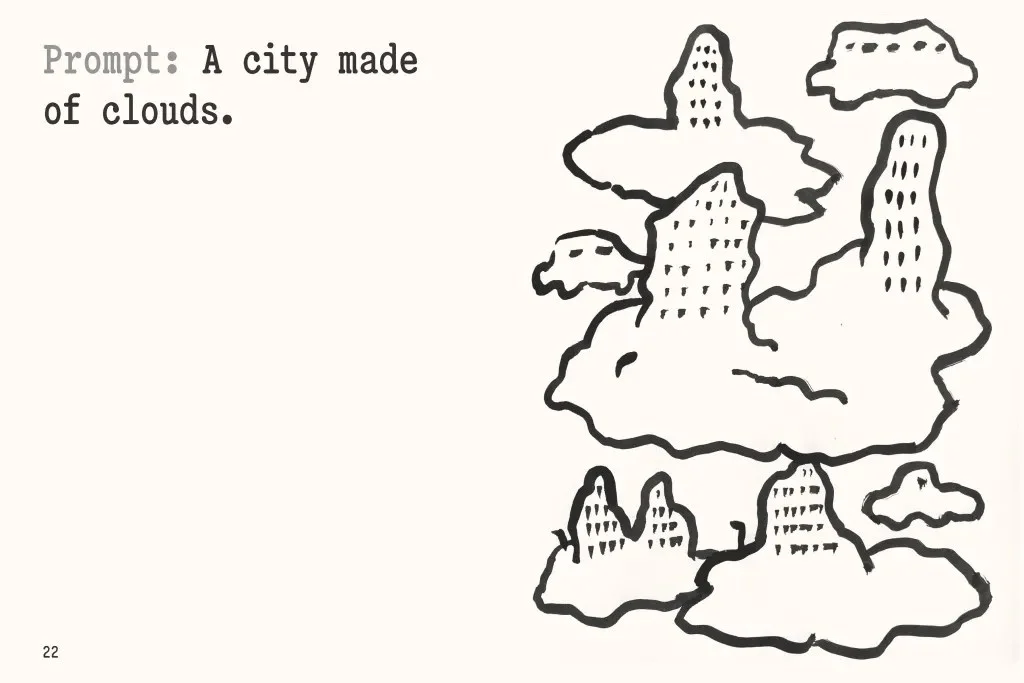
Prompt-Brush 1.0 follows three rules: draw the first thing that comes to mind, without revisions; use the same brush, ink and paper; and finish in under two minutes. Together, these limits set a clear pace. The materials stay constant, while the prompt changes, leaving Delcan to find a visual answer in the moment.
- Make one attempt at the first idea that comes to mind; don’t revise it.
- Use the same brush, ink and paper for each drawing.
- Work quickly: each drawing takes less than two minutes.
Fast drawings, specific memories
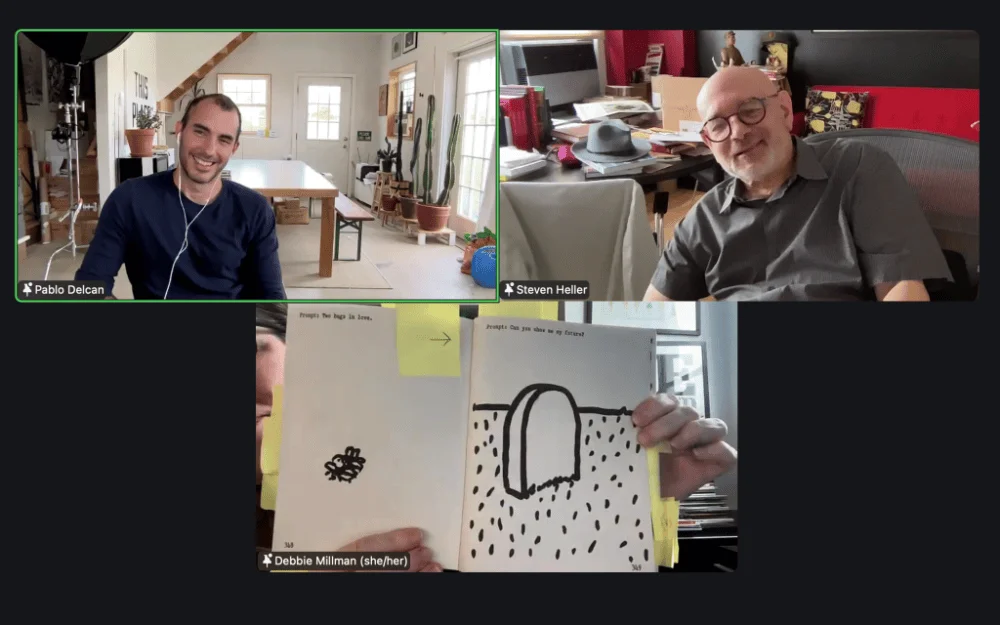
The constraints echo Delcan’s editorial work, where a complex subject has to become a simple image. But the setup shifts the scale of the relationship. Rather than designing for a broad audience, he responds to one person’s words. During a PRINT Book Club conversation with Debbie Millman and Steve Heller, Delcan described the difference: “With one person, there is a shared history, shared memory.”
That connection is clearest in a drawing made for a woman whose father had Alzheimer’s. Delcan pictured one person embracing the pointillist outline of a figure as it disappears. The image translates loss into a simple physical gesture; the fading dots make absence visible without spelling out the story. It became one of Delcan’s favorites, as well as one of Millman’s.
Personal memory also helped him answer a more abstract prompt: “Forgiveness.” Delcan recalled stepping on his daughter’s toes and used that small, recent incident to find his way into the drawing. He said that memory made the result special to him. The process turns a broad idea into something concrete, then lets that particular experience give the image its feeling. A prompt about a suicidal snowman, another example discussed around the project, likewise suggests how an ordinary subject can carry an unexpected emotional charge.
Humour and recognition in the prompt pile
Animals appeared more than any other subject in the incoming suggestions, with cats especially common. That repetition gives the collection a glimpse of what people reach for when asked to describe an idea visually: familiar creatures, everyday situations and shared references. The range also makes room for images that veer from affectionate to absurd.
Heller singled out “Chicken and Egg,” which later appeared on the 2025 SVA Subway poster. Another of his favorites, “For Fucks Sake,” shows a cockroach skewered on a fork. The joke depends on a blunt, legible image; its revulsion is part of the gag. Across the project, that kind of compression links the drawings to editorial illustration, where a single visual choice needs to carry an idea quickly.
The book’s larger claim comes with a complication. In its closing interview, Delcan speaks with an AI called Echo. Echo observes that repeating the same task may have made Delcan machine-like, even though the project began as a response to computer-generated art. It’s a pointed tension: a fixed workflow can create space for direct human exchanges, yet repetition can also turn creative work into a system.
A process built around the person on the other side
Delcan’s account suggests that the hand-drawn mark alone isn’t what makes the project feel personal. The short time limit, consistent tools and no-revision rule set the conditions, but the decisive material is what he brings to each response: a remembered incident, a visual shorthand or an instinctive joke. The viewer sees the drawing; the prompt’s sender may also recognize something from their own life in it.
That approach offers a useful distinction for designers thinking about generative work. A process can produce many images and still turn on close attention to an individual contribution. Here, speed keeps the response immediate, while the fixed brush and paper give the series a visual thread. The result is not a claim that tools settle questions about authorship. It’s a record of what happens when a person answers another person directly, one drawing at a time.
Delcan joined Debbie Millman and Steve Heller for the PRINT Book Club discussion of the project, the book and what might come next. Watch the recording to hear more about his use of computer-generated tools, the projects he gives students exploring their ethics, and how Prompt-Brush has affected his craft. Find Prompt-Brush 1.0: The First Non-AI Generative Art Model.
| Rev | Description | Date |
|---|---|---|
| A | Issued for reading | |
| B | Viewed 743 times | Current |