TOZZ Joyce ’90 Brings Pop-Up Headlights and a Built-In Boombox to E-Bike Design
- Project
- UX & UI Design
- Drawn by
- TheFuture
- Issued
- Sheet
- A-5
Designed by Emre Kuvvetli and Burak Kazar, Joyce ’90 pairs 1990s dirt-bike cues with e-bike equipment and an integrated 150W boombox.
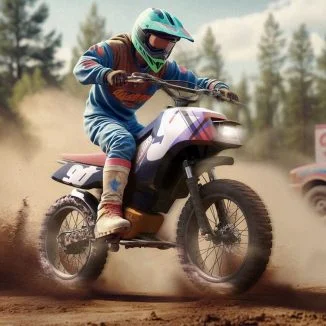
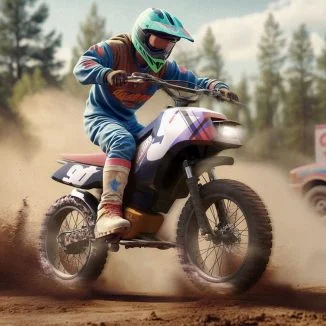
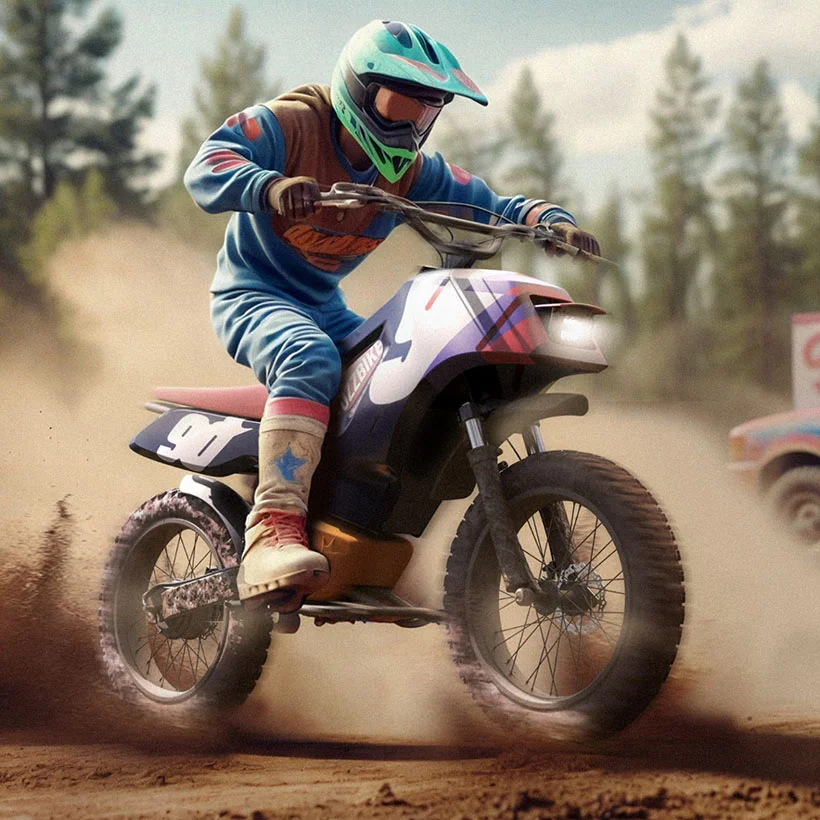
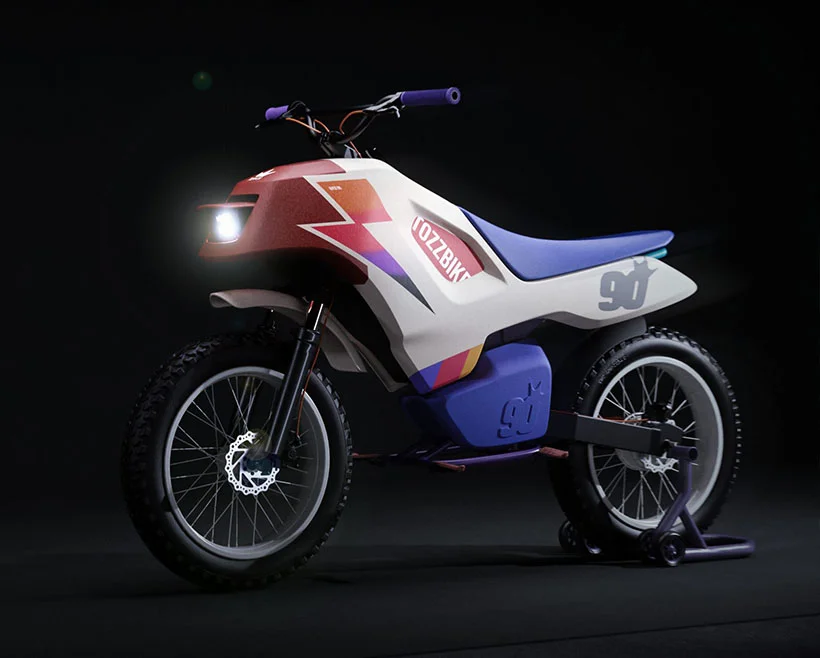
TOZZ Joyce ’90 makes its clearest design move before you look at its technical details: it gives an electric two-wheeler the attitude of a compact dirt bike, then folds in equipment associated with an e-bike. Designed by Emre Kuvvetli and Burak Kazar, the concept draws on 1990s styling, with a pop-up headlight and vivid colour combinations setting the visual direction. Its integrated 150W 2.1 boombox makes sound part of the vehicle’s identity, too.
That mix gives Joyce ’90 a distinct position in micro-mobility design. It’s presented as a vehicle for urban use, but it doesn’t take the restrained, utility-first route often associated with city cycling. Instead, TOZZ frames it around urban sports, subculture and alternative lifestyle. The result is a concept that treats the ride as both practical transportation and a visible expression of taste.
A 1990s reference with a functional silhouette
The pop-up headlight is the most legible reference to the decade in the source description. It gives the front end a characterful focal point and helps distinguish Joyce ’90 from more conventional e-bike forms. The dirt-bike inspiration reinforces that impression: the vehicle looks more like a compact electric motorcycle, even though TOZZ describes it as fitted with high-quality e-bike equipment.
That difference between appearance and equipment is central to the concept. A motorcycle-like silhouette can suggest speed, power and a more assertive riding posture, while e-bike components place the product in a different everyday use category. TOZZ’s aim, as described, is to create a new niche for riders who want a functional electric vehicle with a stronger visual identity. The concept’s design challenge is to make those two signals feel coherent rather than simply combining familiar parts.
The colour choices carry some of that work. The source describes a vibrant combination but doesn’t name specific hues, so the palette is best understood as part of the decade-inspired character rather than as a precise colour system. In a product with a bold body shape and a prominent front light, colour can help clarify its surfaces and make the overall profile more immediately recognizable.
Sound built into the body
Joyce ’90’s boombox is more than a novelty detail in the concept’s pitch. The body houses a 150W 2.1 audio system, turning a familiar portable sound device into part of the vehicle’s design language. TOZZ describes the bike as a “party machine,” but the practical design question is how that audio feature fits into the everyday experience: where the speakers sit, how a rider controls playback, and how the hardware affects the body’s proportions.
The source doesn’t provide those interface or placement details. Still, integrating audio into the body suggests a product designed around social use and self-expression as much as transport. For designers, that raises a useful question: when a product gains a second role, how can its added feature feel native to the object? Joyce ’90’s answer is to make sound part of the core concept and connect it to the same playful, retro character as the headlight and colour treatment.
That approach can make a product memorable, though it also puts pressure on the interaction design. Controls need to be easy to understand while riding, and the audio experience needs to suit the vehicle’s intended setting. The available description doesn’t specify how TOZZ handles either point. Those details would help show whether the boombox is chiefly a visual and brand statement or a carefully resolved part of the riding experience.
Where the concept sits
TOZZ says Joyce ’90 is intended to be licensed as a pedelec, which the source links to riding on bike lanes across Europe. That stated category matters to the design proposition: the vehicle’s motorcycle-like appearance is paired with an intended use closer to cycling. The source doesn’t give technical specifications such as range, speed, battery capacity, weight or charging time, so there’s no basis here to assess performance or compare those details with other electric two-wheelers.
That leaves the strongest case for Joyce ’90 in its form and positioning. It brings together a recognizable 1990s cue, a dirt-bike-inspired profile, e-bike equipment and built-in audio, aiming at riders who want their transport to carry a strong personality. The concept also points to a broader design opportunity: urban electric vehicles can express more than efficiency, provided their distinctive features still support clear, comfortable use.
For now, the source presents Joyce ’90 as a concept and supplies no launch date, price or availability information. The next details to watch are practical ones: how the controls work, how the audio system is integrated, and how the finished vehicle balances its compact motorcycle look with its stated pedelec intent.
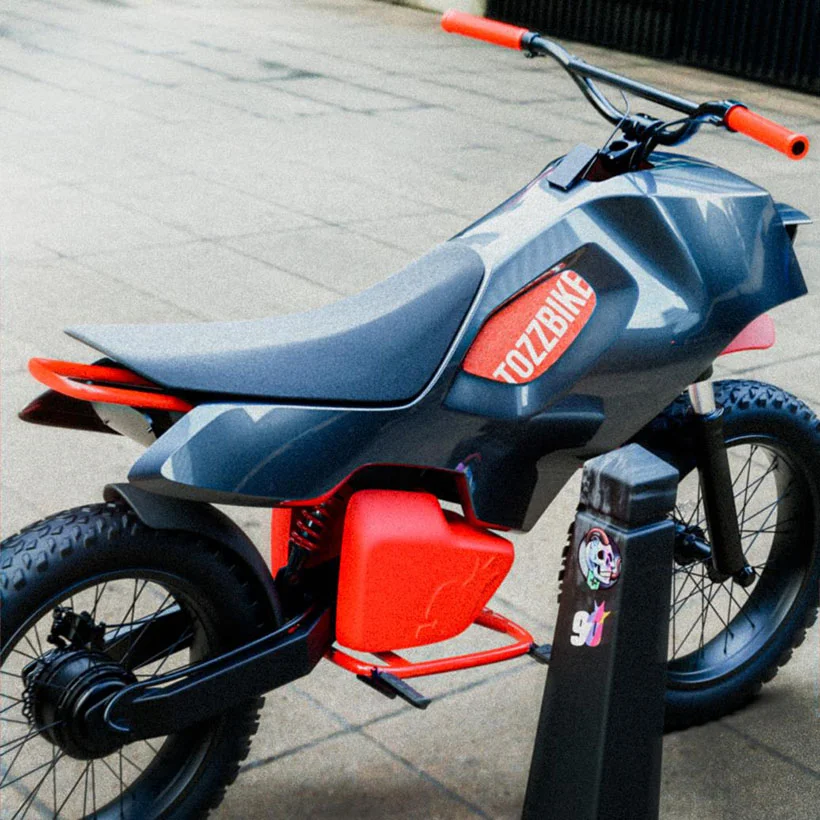
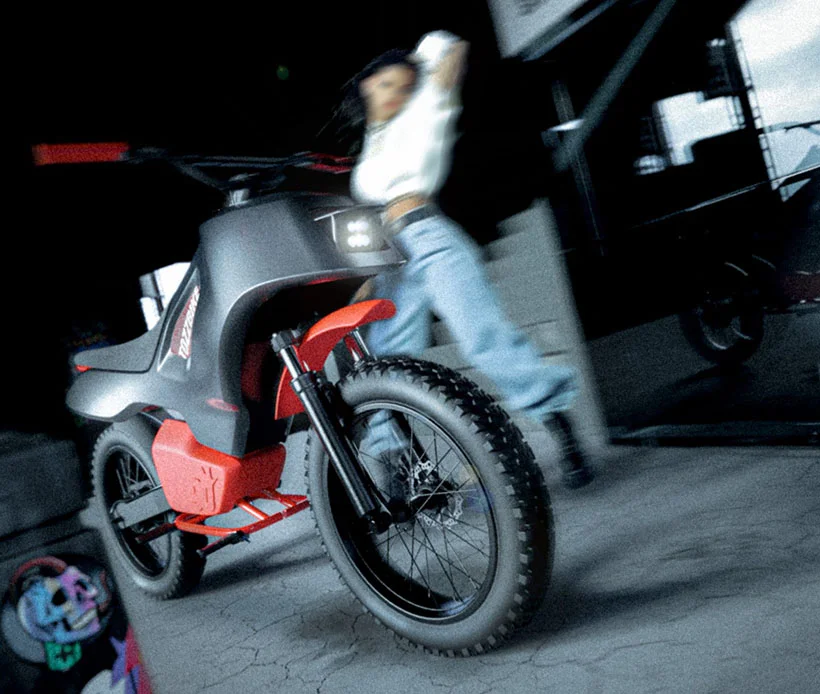
Designed by Emre Kuvvetli and Burak Kazar for TOZZ, Joyce ’90 makes retro styling and integrated sound central to an electric two-wheeler concept. Its next test is whether those expressive choices translate into an equally clear everyday ride.
The post TOZZ Joyce ’90 Electric Bike Concept For The Future appeared first on Tuvie Design.
| Rev | Description | Date |
|---|---|---|
| A | Issued for reading | |
| B | Viewed 801 times | Current |