Packaging Design After COVID: Fibre Formats Meet Budget and Health Shifts
- Project
- Graphic Design
- Drawn by
- Packaging Europe staff writers
- Issued
- Sheet
- A-218
Online food delivery remains strong, while tighter budgets and changing diets are reshaping demand and pushing retailers toward fibre based packs.
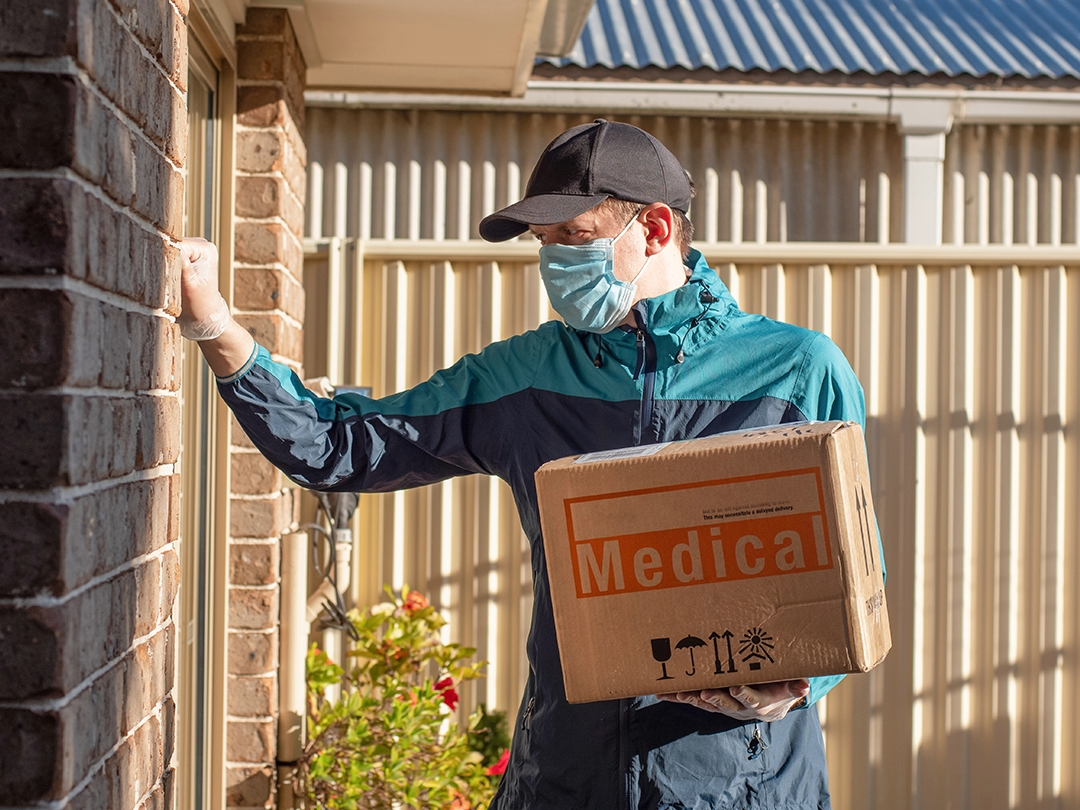
Packaging demand is being pulled in several directions at once: online food orders have become part of everyday shopping, household budgets remain tight, and retailers are giving fibre based formats a larger role on shelf. The pandemic era brought a surge in deliveries and packed goods, but the next phase looks less like a return to that boom and more like a redesign shaped by changing habits.
Neil Osment, Managing Director of packaging market research company NOA, looks at the shifts carrying through from COVID and the pressures emerging as 2027 approaches. His account tracks the period from the pandemic’s peak through the post-pandemic correction and into a market where demand has been tempered by inflation and reduced consumer spending power across Europe.
Delivery habits have stayed; stockpiling has not
During lockdowns, home deliveries expanded across categories. Consumers bought groceries online, ordered DIY supplies, took up hobbies and tried meal preparation services. For packaging, more products travelling to homes meant a sharp increase in use. The adjustment came after restrictions eased: demand softened, retailers and suppliers worked through excess stock, and households shifted spending toward activities such as holidays.
Some pandemic habits have proved more durable than others. Meal kits from Gousto and Hello Fresh, takeaway orders through Uber Eats and Just Eat, and weekly supermarket deliveries remain familiar parts of the shopping mix. By contrast, bulk buying cleaning products and ordering refill pouches have lost momentum. Consumers who choose refills increasingly pick them up at a local store.
That split matters for packaging design. Delivery services still need packs that protect food and work through a chain of handling, while in-store refills depend on a different experience: a shopper has to find and use the refill option during a regular visit. A format that flourished during home delivery may not remain useful when the buying occasion changes.
Fibre formats move from niche signal to shelf choice
European retailers have gained private label share during the cost-of-living squeeze. Private label now accounts for more than 35% of retail sales in Europe, compared with a share closer to 15% in the United States, according to the source. These ranges have traditionally relied heavily on plastic packaging. Osment sees that pattern changing as retailers use fibre based packs to give sub-brands a distinct look and support a higher price point.
The design opportunity is visible in hybrid packs: a fibre carton for fruit and vegetables with a plastic lid, or a fibre meat tray fitted with a removable plastic liner. These formats retain some plastic while shifting more of the pack’s visible area to fibre. Their appeal depends on practical details as much as material choice: the pack must suit the product, communicate its contents clearly and make any removable component easy to understand.
Osment describes younger consumers who prefer natural, fibre based packaging as “Papertarians.” Whatever the label, the shelf effect is clear in his assessment: brands are responding to shoppers who associate paper with a more natural product. For designers, that creates a visual language challenge. Material can help signal a product’s positioning, but the pack still has to distinguish one private label range from another and make the product easy to recognize.
Supply uncertainty around fossil based materials could accelerate the shift. The source points to energy and geopolitical disruption as reasons companies may want alternatives to supply chains they cannot rely on consistently. Fibre formats and mixed material constructions are likely to feature in that response, though the article gives no timetable or forecast for how quickly the transition will occur.
Food and drink packaging follows health and price
Shoppers are buying less red meat, both as interest in healthier food grows and as prices constrain choices. Osment expects packaging to reflect that shift through design that appears healthier, with less plastic and more paper based materials. The visual cue is part of a larger proposition: the pack can help a brand present a food as a fit with changing preferences, while its material and construction still need to meet the product’s requirements.
Alcohol is another category under pressure, particularly among younger consumers. Zero alcohol versions have helped brands such as Guinness attract buyers, but Osment says they have not offset the drop in sales of original drinks. Some brands are exploring paper bottles, described in the source as a bag in a box construction, to reduce plastic use and give the product a different shelf appearance. The format attempts to address material expectations and category perception at the same time.
Weight loss medication is also starting to affect food purchases. The source reports that UK households using Mounjaro, Ozempic and other GLP-1 medicines reduced grocery shopping by around 5% over six months. It anticipates that this pattern may spread across Europe, with shoppers buying more fruit and vegetables and fewer confectionery and snack products. Spending on dining out has also declined among the households described.
Designing for a less predictable basket
Packaging teams now face a market where the expected rebound in fast moving consumer goods has been held back by inflation, reduced spending power and shifts in eating and drinking. Online and physical retail both remain important, but the mix of products moving through each channel is changing. That makes broad assumptions about volume or pack format harder to rely on.
For designers and brand owners, the practical takeaway is to connect material choices to the product and the shopping moment. Fibre based packs may help communicate naturalness or differentiate a private label range; hybrid formats can preserve a plastic component where the pack needs one. At the same time, delivery packaging has to suit products ordered for the home, while in-store formats need to make sense at shelf and during use.
The strongest packaging work will respond to these pressures without treating material alone as the message. Budgets, diets, delivery habits and supply stability are all changing what consumers buy and how brands present it. Watching those shifts together can help teams make packaging choices that feel relevant to shoppers and useful for the product.
Related reading:
The ultimate guide to packaging innovation in 2026
Packaging and Packaging Waste Regulation: what to know in 2026
Everything you need to know about global packaging sustainability regulation
===| Rev | Description | Date |
|---|---|---|
| A | Issued for reading | |
| B | Viewed 683 times | Current |