BucketBoss Parachute Canvas Bag Organizes Tools Inside a 5-Gallon Bucket
- Project
- Graphic Design
- Drawn by
- TheFuture
- Issued
- Sheet
- A-170
Six interior sections, 19 pockets and a cinch closure turn a standard 5-gallon bucket into a more organized way to carry tools and small parts.
A five-gallon bucket offers plenty of room for tools, but loose hardware can make that space awkward to use. The BucketBoss Parachute Canvas Bag adds a divided interior and accessible pockets to the familiar container, turning it into a portable organizer. Its design focuses on a practical problem: keeping small parts and hand tools together while making them easier to find.
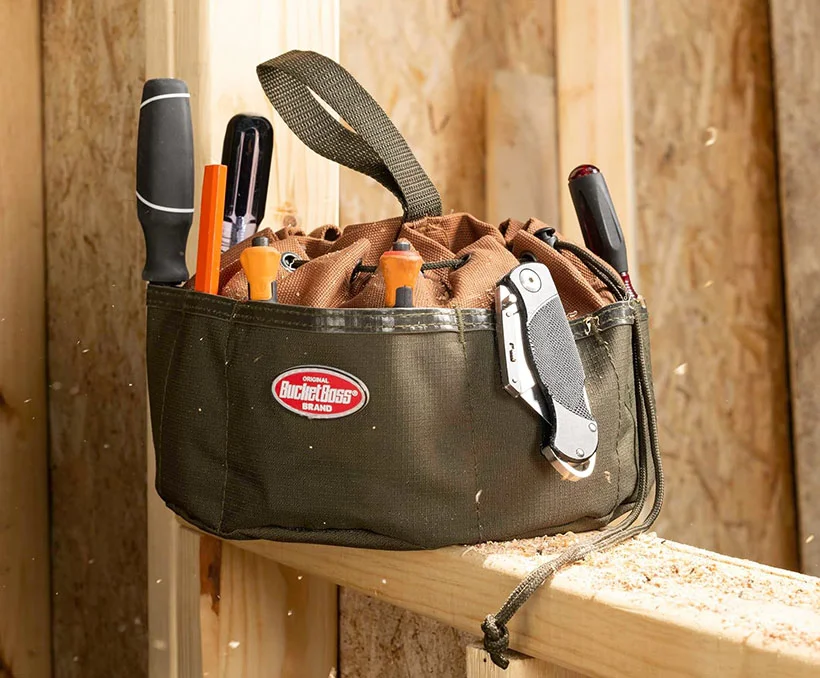
Separate small parts from larger tools
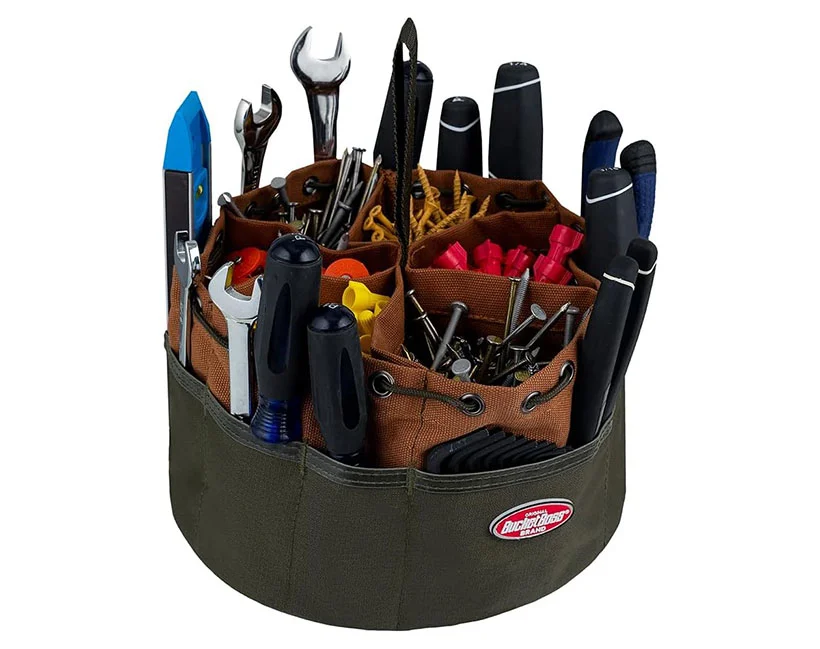
The insert has six divided interior sections and 19 pockets in total, distributed inside and outside the bag. That layout gives users options for sorting screws, fittings, hand tools and other small items rather than piling everything into the bucket’s open center. The source doesn’t specify the dimensions of the sections or pockets, so the most useful arrangement will depend on the size and mix of the gear being carried.
Still, the combination of compartments and pockets addresses two different kinds of clutter. Divided sections can keep loose parts from mixing together at the bottom of the bucket, while individual pockets give frequently used tools a more visible place. The aim is easy to understand: open the bucket and see where things belong, instead of searching through a heap of supplies.
That organization can matter when a bucket serves as a general carryall. A single container may hold several kinds of hardware alongside tools, and each trip into it can disturb the rest. Assigning items to separate spaces creates a repeatable setup. Once a user settles on where a particular tool or fitting goes, returning it to the same place makes the next search simpler.
Materials for rough handling
The bag’s body uses 12-ounce Duckwear canvas. The description presents it as a work material meant to be handled without much fuss, suitable for being moved among trucks, job sites, garages and basements. The bottom and exterior pockets use reinforced poly ripstop, and the base is waterproof poly. Those details focus reinforcement and water protection on areas likely to meet rough surfaces or damp ground.
That construction shapes how the organizer can be used. A bag that sits inside a bucket will often be lifted, set down and moved with its contents still in place. Reinforcing the bottom and outside pockets helps address wear in those contact areas; a waterproof base gives the bottom of the bag a barrier when it is placed on wet concrete or muddy ground. The source provides no test conditions or durability figures, so these material choices describe the design rather than a measured performance claim.
Canvas also gives the product a straightforward, utilitarian character. It’s a flexible insert that can be loaded with everyday gear, then carried as one unit. The materials and pocket layout work together: the structure holds the contents, while the bucket provides a familiar outer container.
A closure that keeps the load together
The “parachute” name refers to the drawstring closure. Pulling its shock cord cinches the top closed, helping keep the contents in place when the bag is moved. A web loop handle provides a direct way to lift the organizer out of the bucket. Together, these details make the transition between carrying, accessing and putting away the contents part of the product’s design.
The handle is especially useful when the bucket is serving as a larger holder rather than as the thing being carried. Instead of reaching down and lifting individual items, a user can pull the bag out in one motion. Closing the top first also gives the contents a more contained shape for transport. The product description doesn’t specify a load limit, so it’s sensible to treat the handle as a lifting feature for the packed organizer rather than infer a rated capacity.
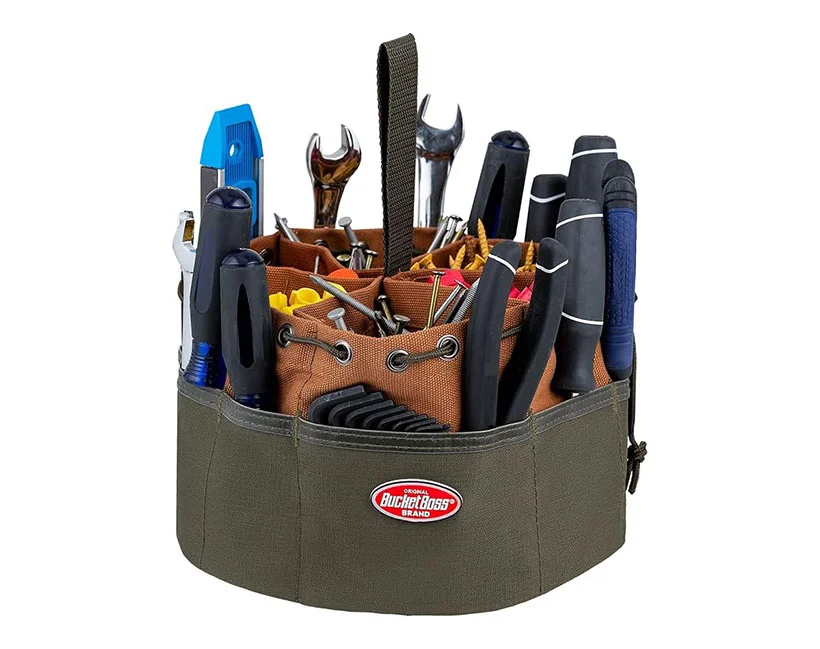
Making a bucket work as a system
The design’s value comes from combining familiar pieces: a bucket, a removable organizer, pockets and a cinch cord. The bucket supplies a rigid outer container; the bag adds internal sorting and a handle for lifting the organized contents together. This setup can suit people who already rely on buckets to move supplies between work areas and want smaller items to stay grouped along the way.
How well the layout works will depend on what goes into it. A useful starting point is to reserve the interior sections for categories of small parts and use the pockets for tools or items that need quicker access. Keeping the same categories in the same places makes the organizer easier to scan. The source doesn’t name particular trades or prescribe a packing method, so users can adapt the spaces to their own equipment.
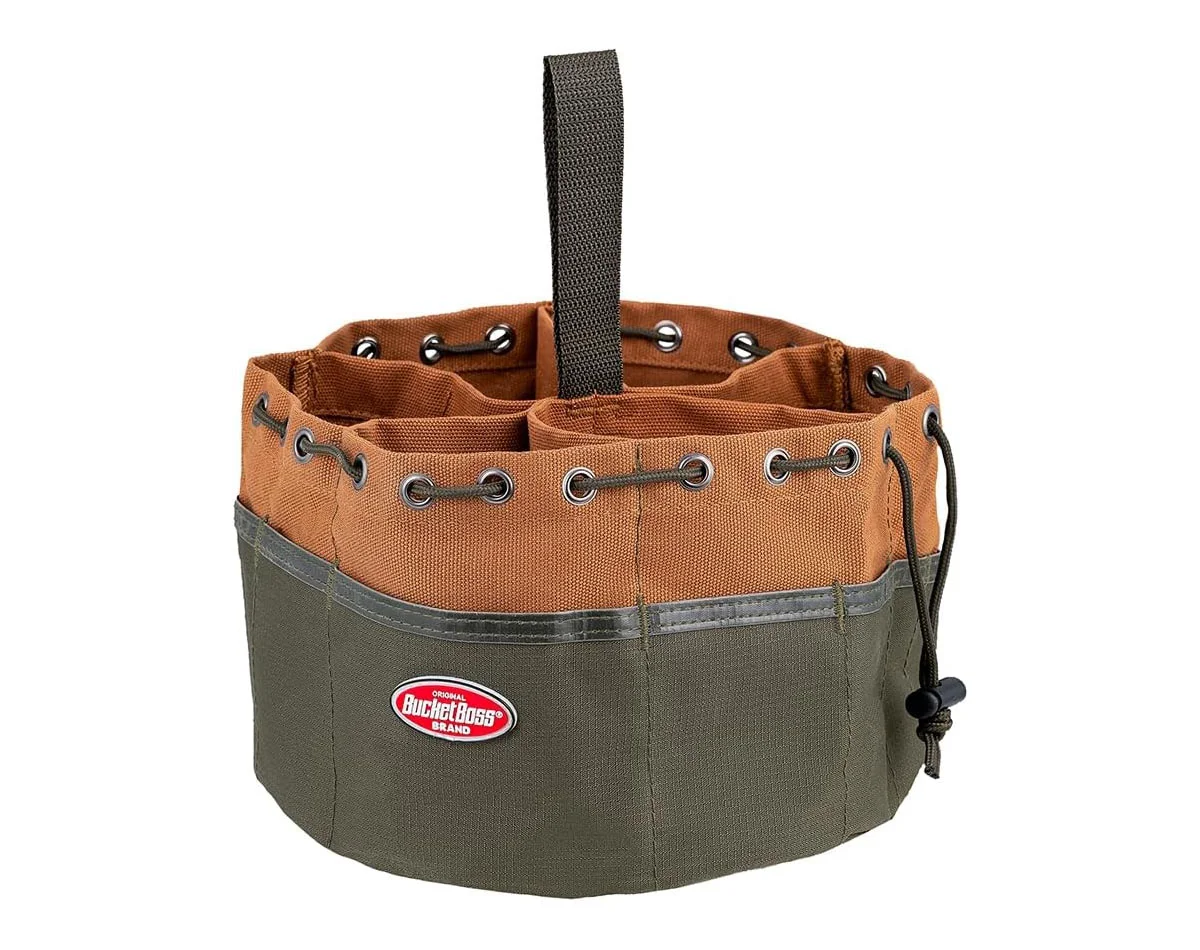
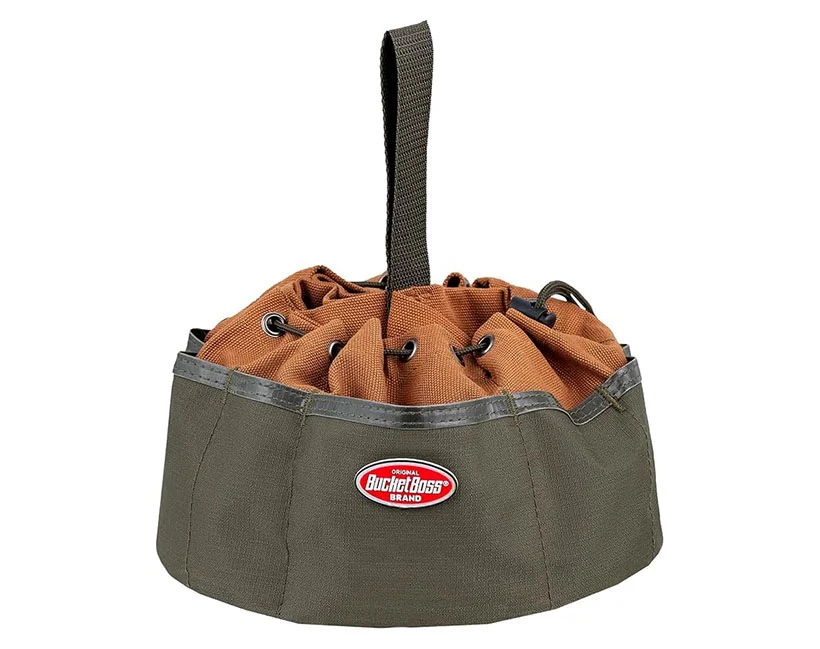
For a tool organizer, the payoff is less about adding another container and more about making an existing one easier to manage. The BucketBoss Parachute Canvas Bag pairs 19 pockets and six interior sections with a reinforced, water-resistant base, a drawstring closure and a pull handle. Its clearest use case is a bucket that carries mixed gear: sort the contents once, close the bag for the move, and lift the organizer out when it’s time to work.
The post BucketBoss Parachute Bag Is the Unsung Hero of the 5-Gallon Bucket World appeared first on Tuvie Design.
| Rev | Description | Date |
|---|---|---|
| A | Issued for reading | |
| B | Viewed 937 times | Current |