Roberto Gonzalez Brings Vivid Creature Illustration to Books and Graphic Design
- Project
- Graphic Design
- Drawn by
- Andie O'Donnell
- Issued
- Sheet
- A-156
Calgary-based illustrator Roberto Gonzalez pairs more than 20 years of experience with a digital practice spanning children’s books, apparel and large-format design.
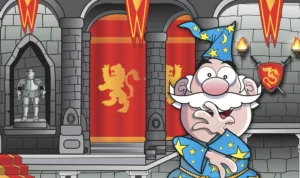
Roberto Gonzalez’s practice moves between imagined creatures and everyday graphic formats. The freelance illustrator and graphic designer, originally from Mexico and now based in Calgary, Alberta, works across children’s book illustration, greeting cards, T-shirts and billboards. A consistent thread is his use of vibrant colour and a distinct personal style, applied at scales that range from a page to a large display.
That range makes Gonzalez’s work relevant to creative teams looking for an illustrator whose practice extends beyond a single format. A character-led image may need to hold a reader’s attention in a book, while a design for apparel or a billboard has a different viewing context. The source feature doesn’t detail a particular project’s layout, palette or production process, so the useful takeaway is the breadth of formats he works in, rather than a claim about one fixed visual recipe.
A practice built around drawing
Gonzalez says he loved drawing as a child. He describes it as a way to show other people the creatures he could see in his mind. That starting point offers a simple lens on his illustration work: the image begins with invention, then turns an internal idea into something an audience can encounter on a page or surface.
He has more than 20 years of experience and has worked with most traditional media. Today, most of his work is digital. The shift changes the tools he uses, but the profile doesn’t suggest that digital production has replaced his broader experience. For illustrators moving between physical and screen-based methods, that kind of background can support different ways of building an image: traditional media can bring its own material qualities, while digital work can make it easier to adjust colour, composition and scale for a particular use. Those are general possibilities, not a description of Gonzalez’s specific workflow.
For designers reviewing an illustrator’s portfolio, the medium is only one part of the fit. It also helps to consider how an image will function in its final setting: whether a character needs to read clearly at a small size, whether a repeat pattern must work across a garment, or whether a large graphic needs a strong silhouette. Gonzalez’s mix of book and graphic design work points to experience with varied applications, though the available feature doesn’t identify the production details of individual commissions.
Choosing children’s illustration
Gonzalez says the complexity and competitiveness of the children’s illustration market attracted him to the field. He put the challenge this way: “if you were to succeed there, you will do it in anywhere.” The remark frames children’s illustration as a demanding creative pursuit, and it gives context to his focus on work for young readers.
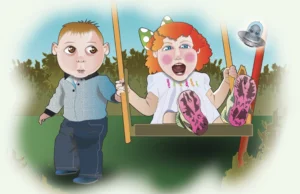
Children’s book illustration asks an artist to make images that serve a story while also giving readers visual material to explore. Characters need to feel expressive; scenes need to support the text; and choices such as colour, detail and composition help establish the mood. The source doesn’t describe how Gonzalez handles those decisions in a particular book, but his long experience across illustration and design provides a wider context for his work in the category.
He is an awarded children’s book illustrator and an active member of SCBWI, the Society of Children’s Book Writers and Illustrators. Those details place his practice within a community devoted to books for young readers. They also give readers two useful points of reference when exploring his work: his focus on children’s illustration and his participation in a professional organization for writers and illustrators.
From book pages to graphic formats
Alongside illustration, Gonzalez designs greeting cards, T-shirts and billboards. The range suggests a practice that has to account for different viewing conditions. A greeting card may invite close attention; a shirt turns an image into something worn; and a billboard needs to communicate from a distance. Each format brings its own design questions, even when the artist’s recognizable style carries through.
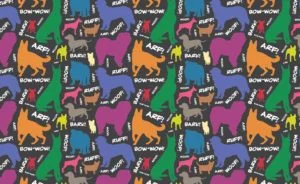
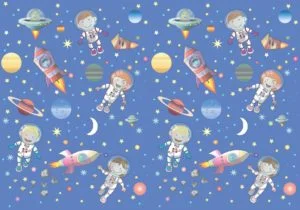
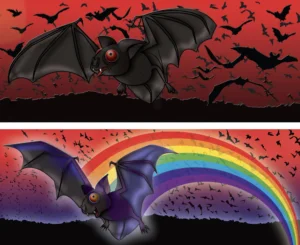
Gonzalez also works on textile designs. The feature describes his work as bringing “cute critters and creatures to life” and highlights vibrant colour as a recurring part of his output. It doesn’t name specific typefaces, colour values, clients or software, so those details can’t be used to map his methods. What can be said is that the same broad strengths—character, colour and adaptable illustration—connect the different kinds of work named in the profile.
He is currently working on a children’s book, according to the feature. No title, publisher or release timing is provided. For now, that project offers a clear next point of interest for readers following his work: a new book may show how his creature-making and colour choices develop across a sustained narrative.
Explore the work
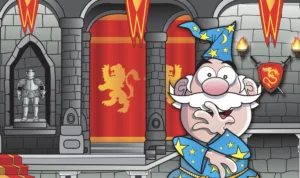
Gonzalez’s portfolio and website offer places to see more of his illustration and design work. For art directors and designers, looking across the portfolio can help clarify how his style behaves across formats and which kinds of assignments align with it. The six images below are linked to his portfolio.
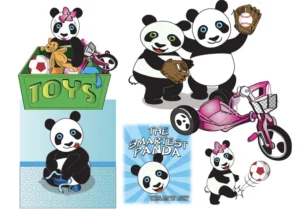
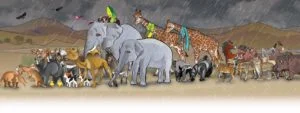
With a children’s book in progress and a practice spanning print, apparel and large-format graphics, Gonzalez’s next work will be a chance to see how his imagined creatures adapt to another format and story.
| Rev | Description | Date |
|---|---|---|
| A | Issued for reading | |
| B | Viewed 939 times | Current |


