Anthony Lloyd Jones Illustrates Myth and Monsters for Avetinja
- Project
- Web Design
- Drawn by
- Ian Carradine
- Issued
- Sheet
- A-124
Anthony Lloyd Jones brings hand-drawn illustration and animation to Avetinja, a puzzle roguelike RPG shaped by Serbian and Slavic myth.

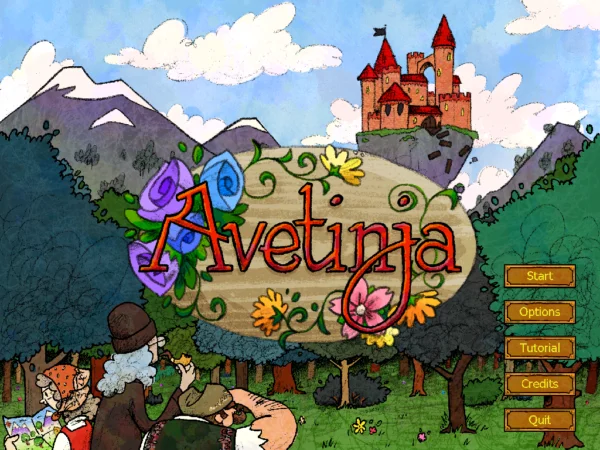
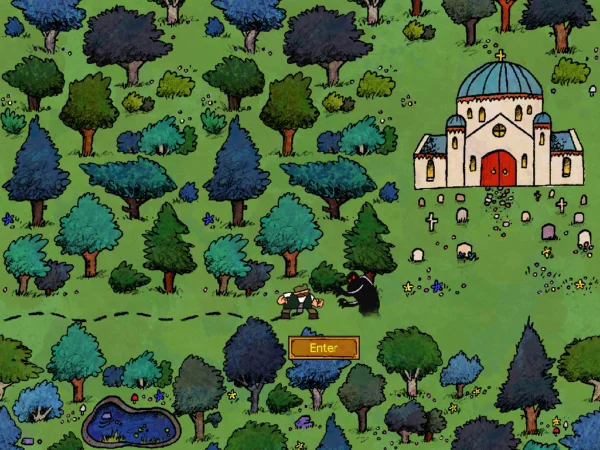
Avetinja builds its identity around a meeting of game systems and folklore. The puzzle roguelike RPG draws on Serbian and Slavic myth, with hand-drawn illustrations and animations by illustrator Anthony Lloyd Jones. Created for client Team-Avetinja, it sends players through encounters with monsters toward a castle described as “neither in the sky nor on the earth.” That premise gives the artwork a clear job: help make a strange, mythic journey legible while giving its creatures and setting a distinct visual presence.
The project credits Jones for both illustration and animation, placing his work inside the player’s experience rather than treating it as a separate layer of promotional art. In a game built around repeated encounters and progression, those two forms can work together: illustrations establish the world and its characters, while animation adds movement and makes actions feel active. The source doesn’t detail the production process or name particular tools, so the useful point for designers is the relationship between the media and the game’s premise.
A mythic destination gives the journey its shape
The castle’s description suggests a place outside ordinary geography. That kind of image can anchor a game’s visual direction without requiring a long explanation: it gives the team a central idea to return to when designing environments, characters, and transitions. Here, the route toward the castle also supplies a simple narrative structure. Players face monsters on the way, and the journey points toward a named threat, Avetinja.
For illustrators working with folklore, a specific cultural source offers more direction than a generic fantasy brief. Serbian and Slavic myth identify the territory the game draws from, while the puzzle roguelike format sets expectations about how players move through it. The combination gives the art team two connected questions to answer: how should this world feel, and what visual information will help players read the encounters taking place within it?
The available description doesn’t identify particular motifs, palette choices, typefaces, or layout decisions. It would be easy to invent those details from the genre alone, but the project is more useful as a reminder to ground visual claims in credited information. What is clear is the emphasis on hand-drawn work. That choice connects the game’s imagery to the work of an individual illustrator and gives the project a defined visual contributor.
Illustration and animation meet the game’s systems
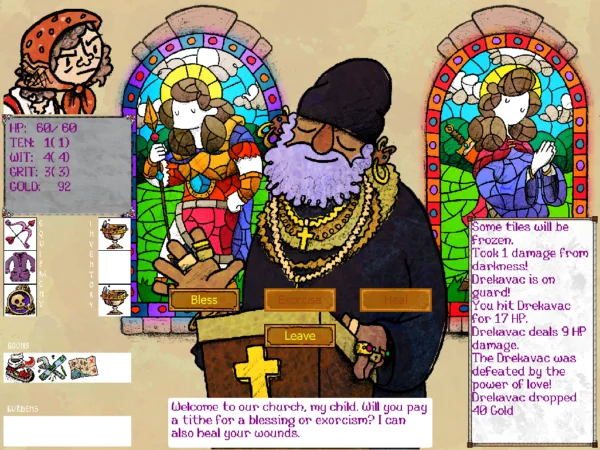
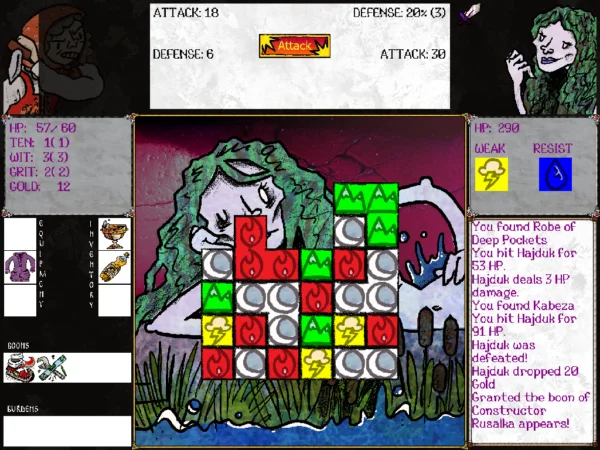
Avetinja asks players to choose one of three classes and fight through monsters. Those details create different kinds of visual needs. Characters must read as distinct enough to support class choice; opponents need to register as encounters; and the journey needs to sustain interest as players advance. Illustration can carry character and setting, while animation can clarify movement or lend energy to the moments between still images. The source confirms Jones’s involvement in both, though it doesn’t specify how the assets are divided across play.
For teams planning a similar project, the practical takeaway is to connect art direction to the actions players repeat. Begin by listing the places where imagery needs to communicate a decision, a character, or a change in the encounter. Then consider which moments need a still image and which benefit from movement. This keeps illustration and animation tied to the structure of play, and gives a small team a clearer basis for deciding what to make first.
Class selection is one such point: each option needs to be recognizable, especially when players are comparing choices. Monster encounters are another, because players should be able to distinguish what they meet as they progress. A distant destination can do a different kind of work, giving the journey a visual and narrative goal. These are design considerations suggested by the game’s described structure, not claims about specific screens or assets in Avetinja.
What the showcase makes clear
The project’s credited facts are concise: Team-Avetinja is the client, Anthony Lloyd Jones is the illustrator, and Avetinja is a puzzle roguelike RPG inspired by Serbian and Slavic myth. The game features hand-drawn illustrations and animations, offers three player classes, and sends players toward the castle and the dreaded Avetinja. The source doesn’t provide a launch date, software details, or information about the team’s production workflow. A demo is available through the game’s itch.io page.
That makes Avetinja a focused example of how a game’s premise can guide its visual brief. Folklore supplies a cultural reference point; the castle provides a destination; and the playable classes and monsters define recurring visual tasks. For designers, the next step is to look at how those elements appear in the demo and how the artwork supports play from one encounter to the next. Explore the Avetinja demo and Anthony Lloyd Jones’s portfolio.
Visit Jones’s website for more of his work.
| Rev | Description | Date |
|---|---|---|
| A | Issued for reading | |
| B | Viewed 651 times | Current |


