Morgan Gaynin’s New Illustration Website Brings Portfolios and Picture Books Into Focus
- Project
- Web Design
- Drawn by
- Marika Lind
- Issued
- Sheet
- A-107
Morgan Gaynin’s new site organizes illustration across editorial, advertising, packaging and publishing, with artist portfolios and a dedicated picture-book section.
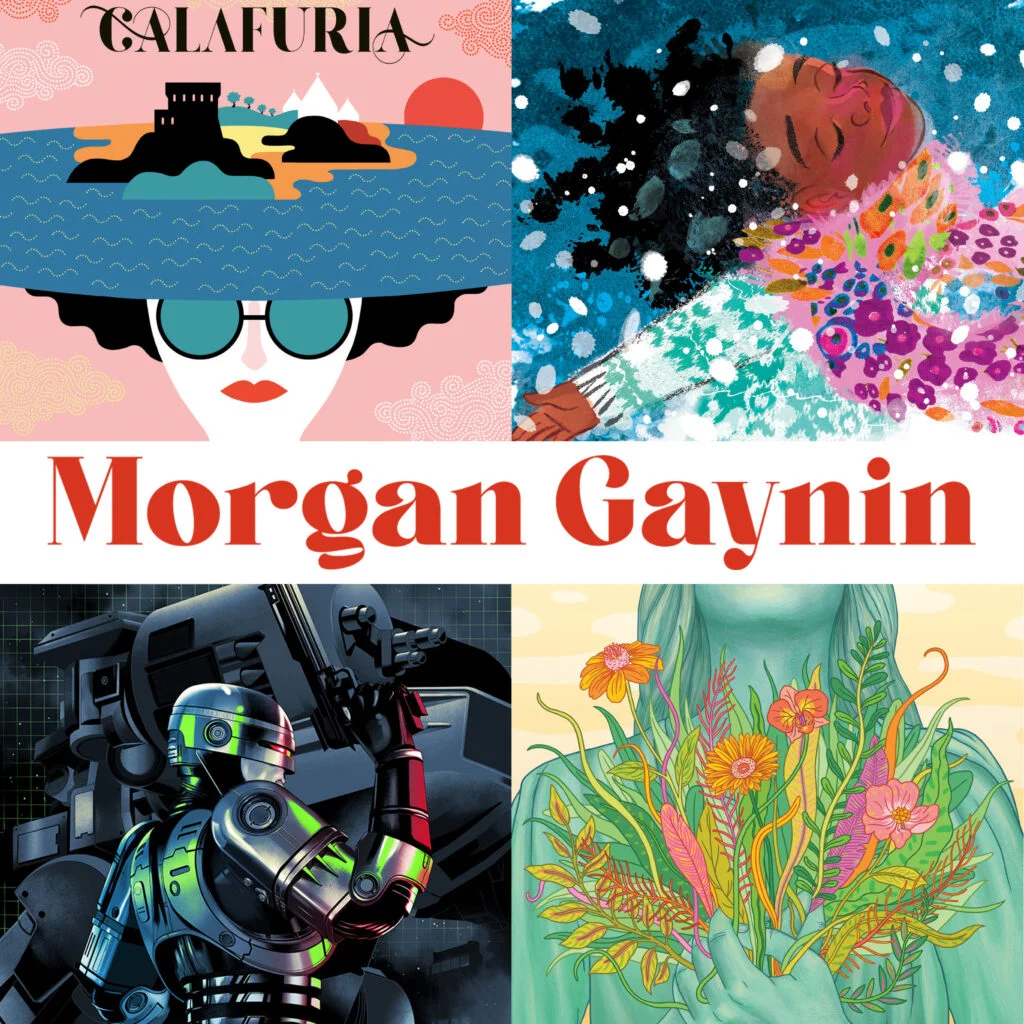
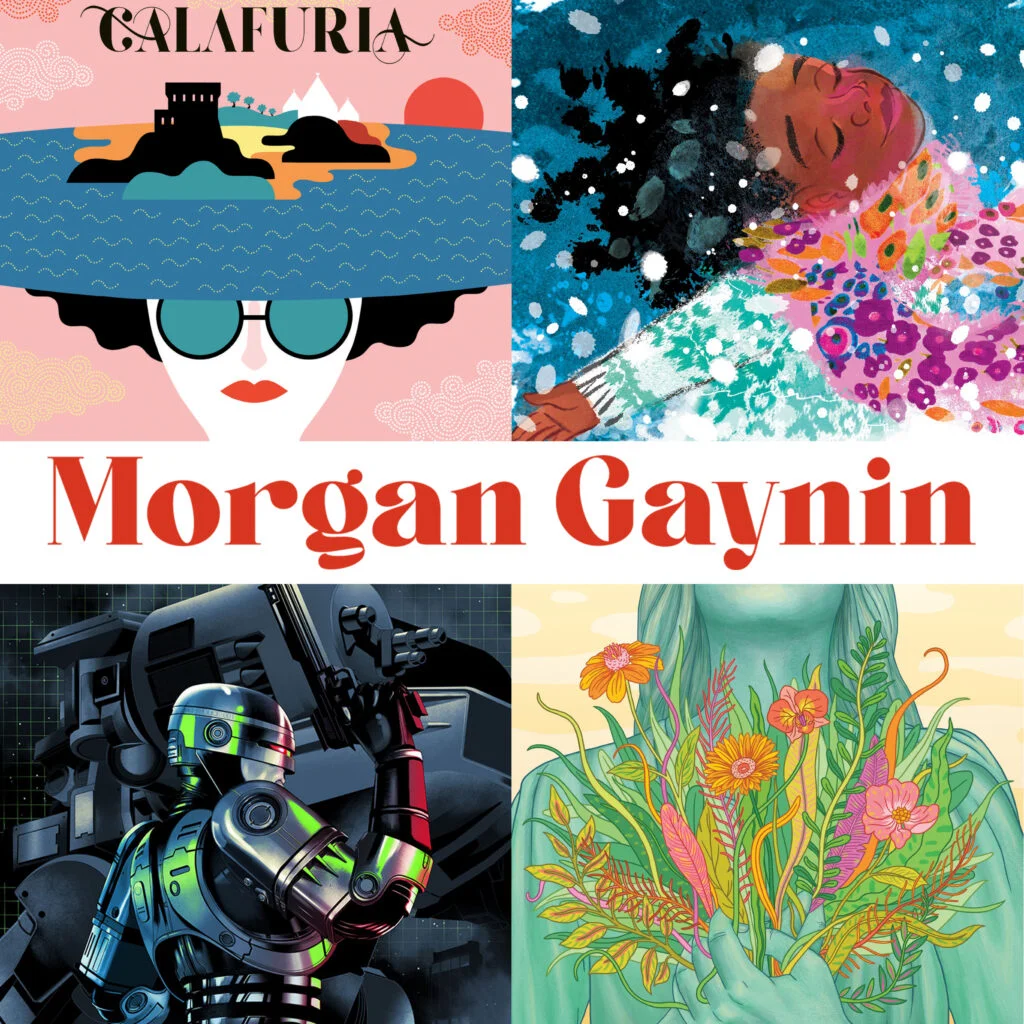
Morgan Gaynin’s new website puts a practical question at the center of its design: how can an art director quickly find an illustrator suited to an assignment? The agency says its easy navigation helps visitors locate artists, while regularly updated project pages offer a view of their work across advertising, editorial and publishing. A dedicated picture-book section gives that category its own route through the site.
That structure matters because an illustration portfolio needs to serve two different kinds of browsing. A client may arrive with a brief and a specific format in mind; another visitor may be looking for a visual direction they haven’t yet defined. Artist pages and project examples can support both paths, letting visitors move from a discipline or assignment type toward individual portfolios. The announcement doesn’t describe the site’s visual system or technical build, but it makes navigation and discovery the main reasons to visit.
Picture books alongside editorial work
The featured artists show how broad that offer is. Tonya Engel’s portfolio includes picture books inspired by her African American heritage. The source describes her work as figurative, colorful and rich in symbolism, and notes that her books foreground Black voices in meaningful moments throughout history. That gives prospective clients a sense of both her subject matter and the visual qualities they might explore in a brief.
The site presents Engel’s work through both an artist portfolio and a dedicated feature on her picture books. Keeping those entry points connected can help readers who first encounter an individual image understand the larger body of work behind it.
A range of formats and visual approaches
Susan Gal’s picture-book work offers another publishing example. Her book The Tower of Life, published by Scholastic, tells the true story of Yaffa, who set out to recover thousands of photographs of her Polish town after Nazi soldiers invaded it. The source says Gal received two American Library Association awards for the book. For a portfolio visitor, the project page provides a specific title to explore alongside her broader artist profile.
Jonathan Bartlett’s work demonstrates how illustration can extend across a large promotional project. FanDuel and Wieden+Kennedy commissioned him to create key art featuring Rob Gronkowski for a Super Bowl activation. The image supported billboards, on-site experience tents, video assets and promotional materials. The event centered on Gronkowski attempting a field goal during the third quarter; he missed, and the source says people who had placed a bet could have shared a $10 million prize if he had succeeded. The example makes the role of a central illustration clear: one piece of art can anchor materials used across several formats.
Valeria Petrone’s portfolio spans editorial, packaging and children’s content. For Calafuria Wine, she illustrated several rosé labels. They began as a special artist edition; one later became the brand’s label in the US and Japan. Petrone also collaborated on an animation for the brand. The project gives visitors a concrete example of her work moving between packaging and motion, while her separate children’s portfolio points to another area of practice.
Rene Milot’s assignments for The Wall Street Journal range from celebrity portraits to humorous conceptual illustrations. That range makes the portfolio useful as a reference for clients weighing different approaches to editorial commissions, from likeness-based work to ideas conveyed through visual metaphor.
Browse by artist, then follow the work
Together, these examples make the new site’s organizing idea tangible: artist portfolios provide a direct view of each illustrator, while project pages show how that work has been applied for a publication, publisher or brand. The announcement says new projects will be shared regularly, giving returning visitors a reason to check for recent work as well as browse the established portfolios.
For a creative team, the useful next step is to move between those views. Start with the format or subject a brief calls for, then look at the artist’s other projects to see how their work shifts across contexts. Morgan Gaynin says nearly all of its illustrators have editorial experience, with practices that extend beyond it. The new site presents that breadth as an invitation to consider each artist across more than one kind of assignment.
Visit Morgan Gaynin’s website or browse the recent projects and picture books.

© Tonya Engel
Tonya Engel’s portfolio · Her picture-book work

© Susan Gal
Susan Gal’s portfolio · The Tower of Life

© Jonathan Bartlett
Jonathan Bartlett’s portfolio · FanDuel project
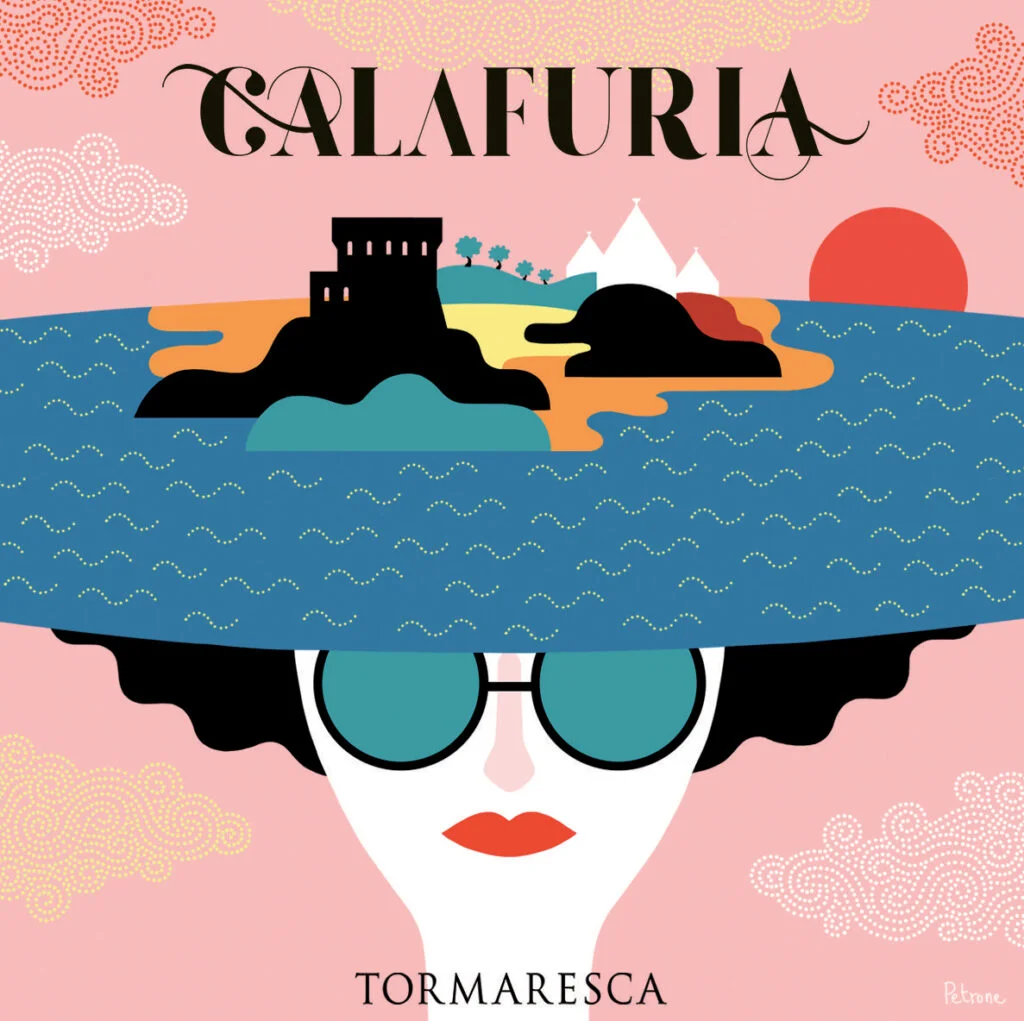
© Valeria Petrone
Valeria Petrone’s portfolio · Calafuria labels · Children’s work
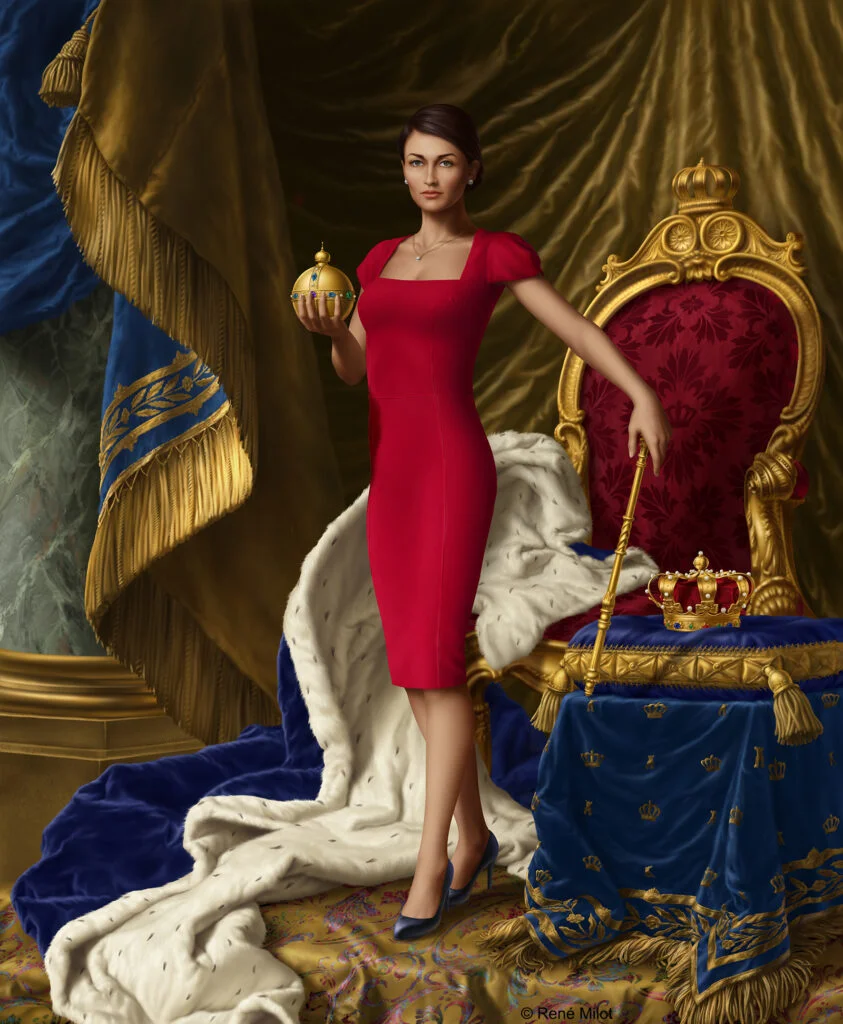
© Rene Milot
Rene Milot’s portfolio · The Wall Street Journal assignments
| Rev | Description | Date |
|---|---|---|
| A | Issued for reading | |
| B | Viewed 572 times | Current |