Début Art Illustrators Build Distinctive Artwork for Brands, Broadcast and Culture
- Project
- Graphic Design
- Drawn by
- Marika Lind
- Issued
- Sheet
- A-85
From Sam Chivers’ research imagery to Chris Labrooy’s social designs, Début Art’s projects show illustration adapting to many formats.
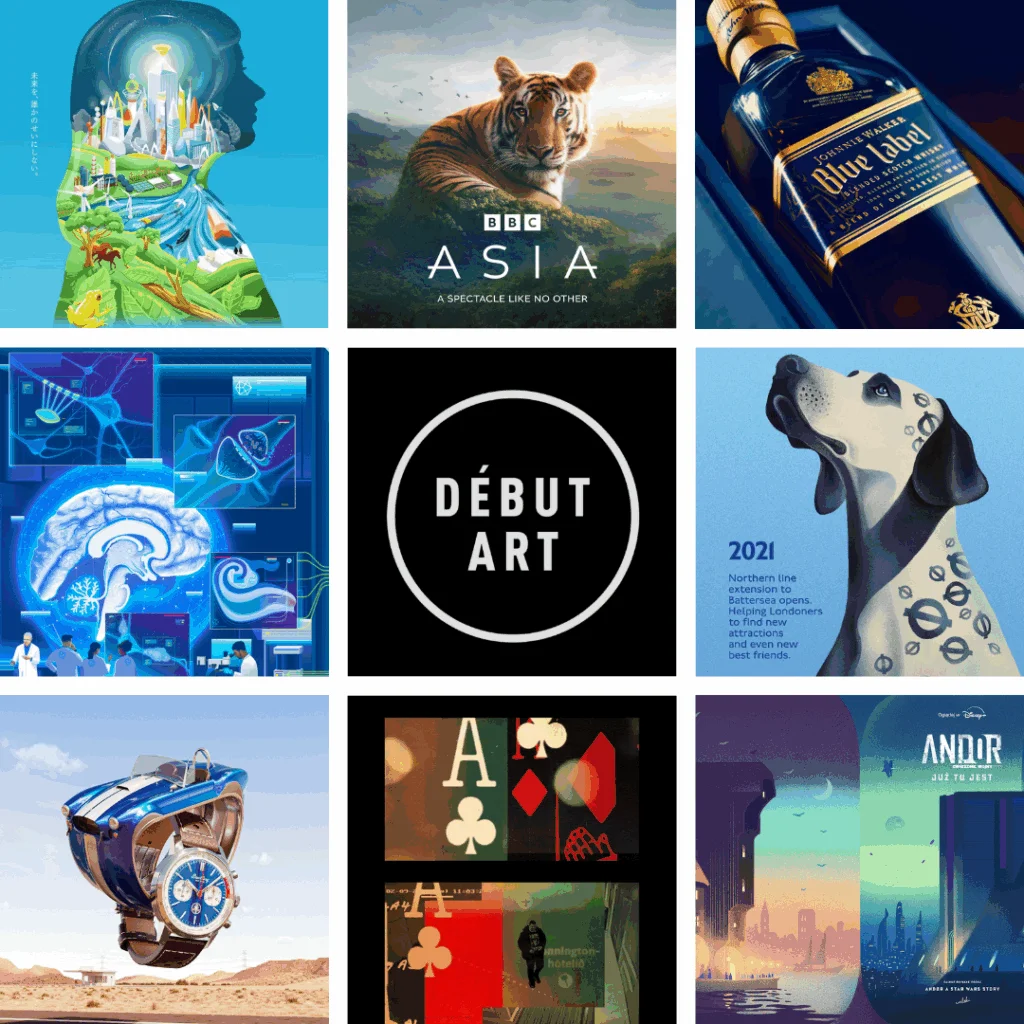
Illustration can give a brand or story a recognisable visual voice across very different formats. Début Art’s featured commissions range from a research institute’s key art to a whisky label, podcast covers and images for social posts. The projects show how illustrators are asked to move between audience, subject and medium while keeping a strong visual idea at the centre.
The artists’ representative agency was established in London in 1985 and has offices in New York and Tokyo. Its roster spans illustration, motion, animation and illustrative design. The work gathered here includes projects for consumer brands, television, music, theatre and research, with artists credited individually for each commission.
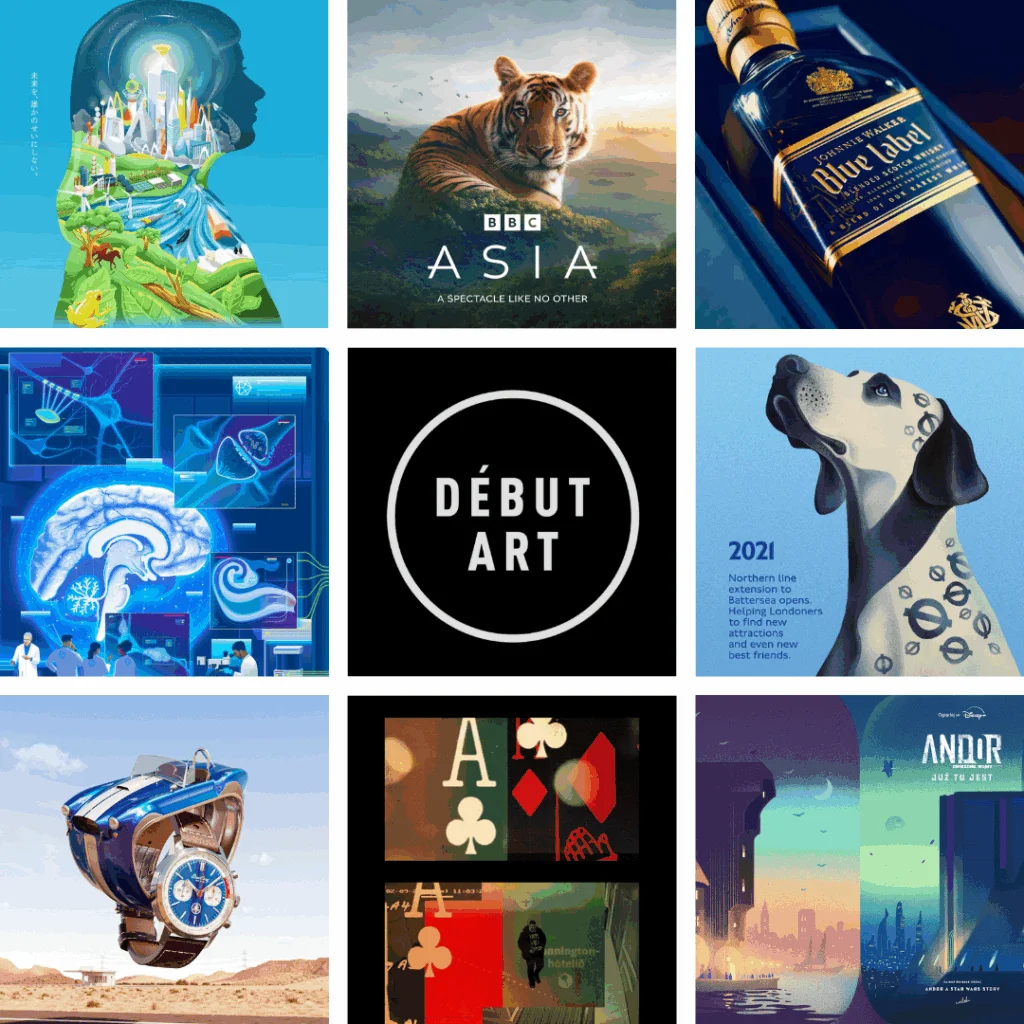
Clockwise from top left: Sam Falconer, Justin Metz, Greg Coulton, Eoin Ryan, Marcin Wolski, Alex Williamson, Chris Labrooy and Sam Chivers.
One visual idea, carried across formats
Sam Chivers created key art for the Dementia Research Institute, intended for use across its platforms. The brief connects the laboratory with the home, making the journey from research to everyday life the organising idea. That gives the artwork a practical role: it needs to represent scientific work while remaining usable in public-facing settings. Chivers’ commission shows how an illustration can help bridge specialist subject matter and a broader audience.

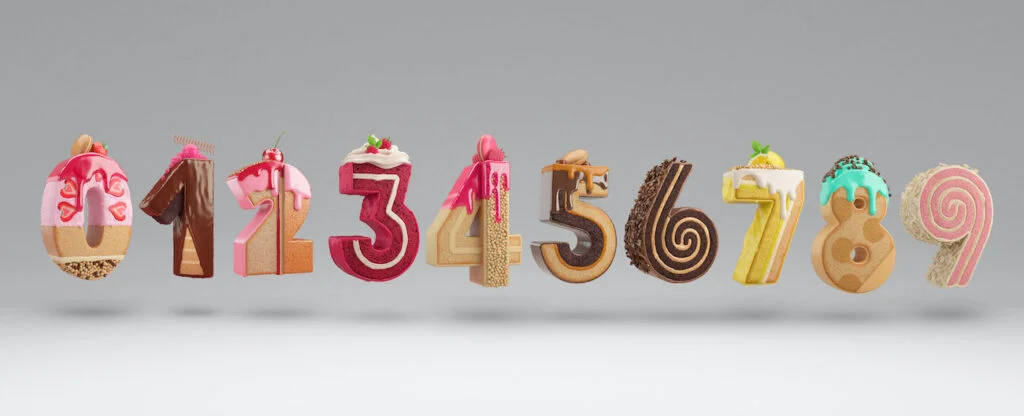
Chris Labrooy’s work for Toyota takes a different route, using cake-based numbers in artwork designed for use across a series of media. The concept gives the numbers a material quality and a playful association with food. For Breitling, Labrooy made a separate series of designs for social posts promoting the watches. The two briefs point to the range within one artist’s practice: a visual device can be developed for different subjects and placements, while the commission still calls for work tailored to its client.
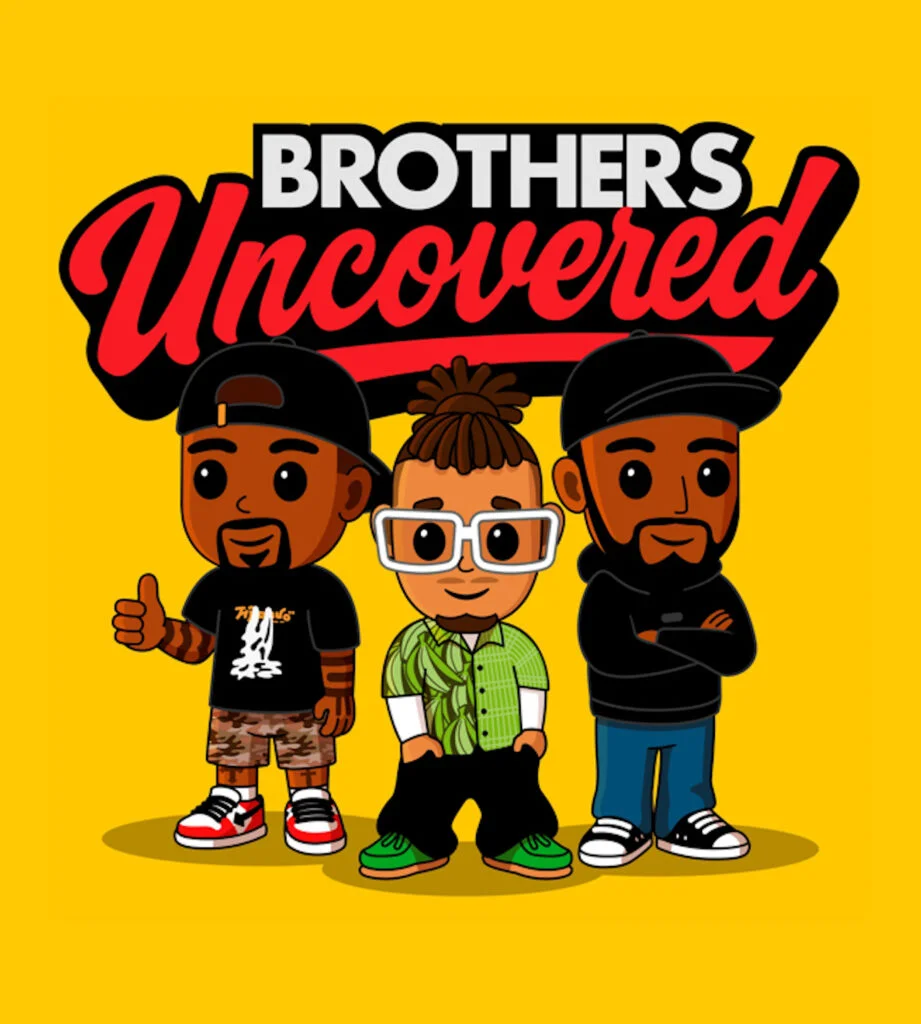
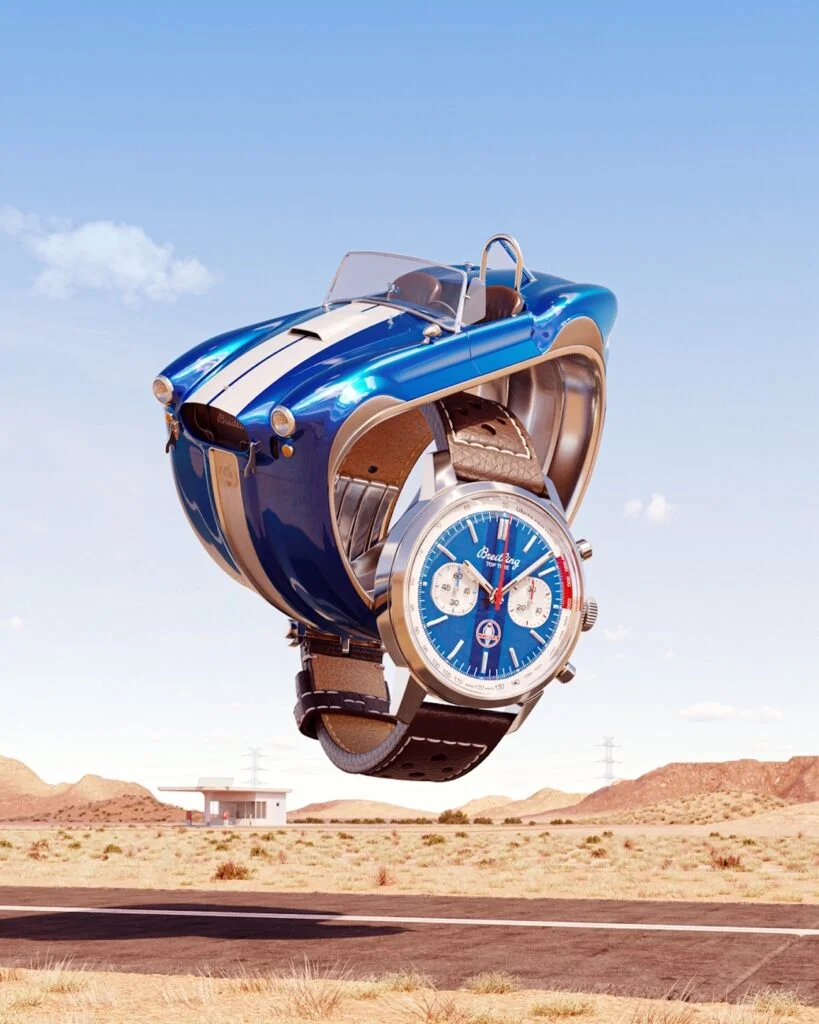
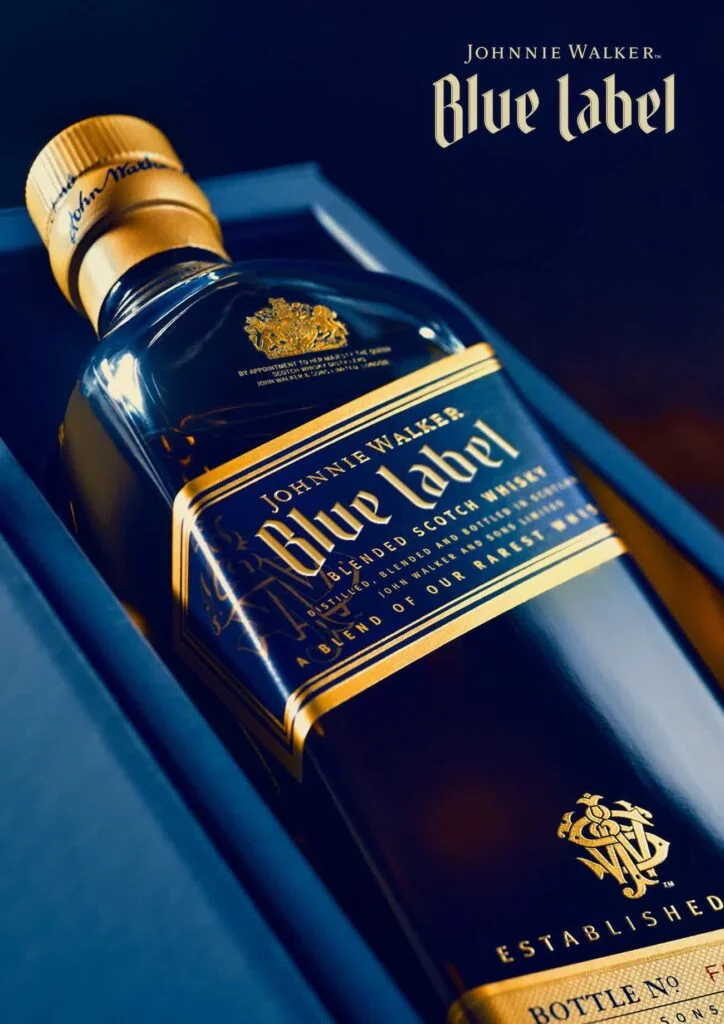
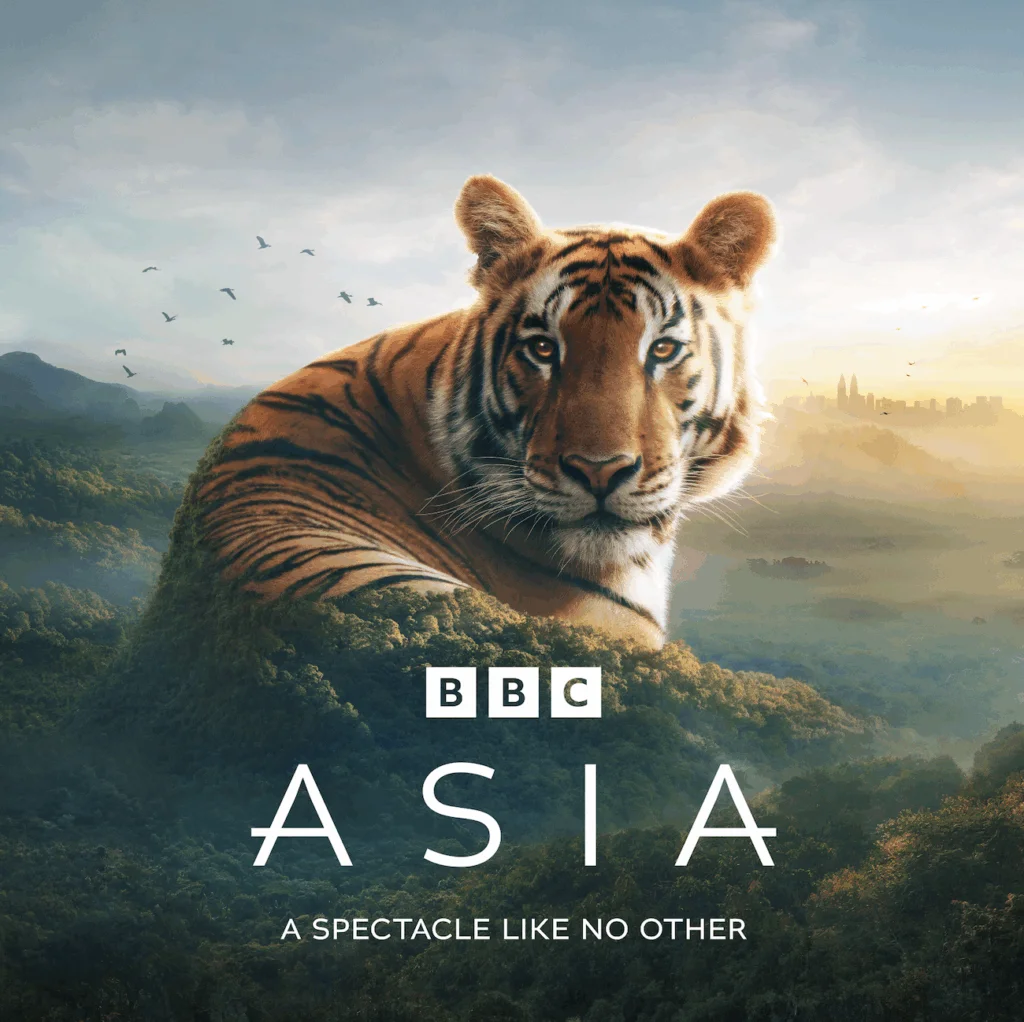
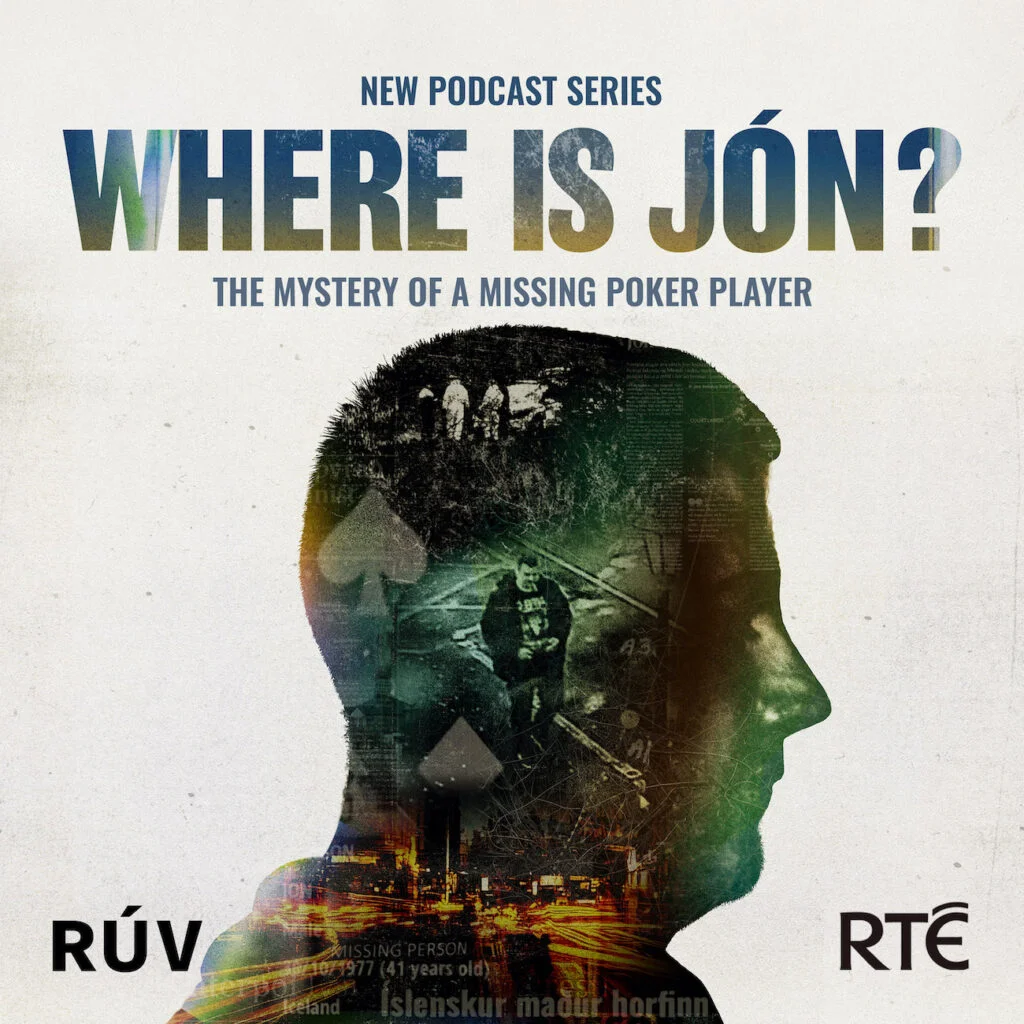
Other commissions make the format itself part of the brief. Greg Coulton designed a typography label for Johnnie Walker Blue Label, placing type on a product surface. Tado created both cover art and character design for the “Brothers Uncovered” podcast, combining the identity of a show with a recurring figure. Alex Williamson developed key art for RTÉ’s “Where is Jón” podcast series, while Justin Metz made promotional art for the BBC’s “ASIA” series. These assignments underline a useful distinction for art directors: a single image, a character and a typographic treatment each serve a different recognition task.
Posters, performance and place
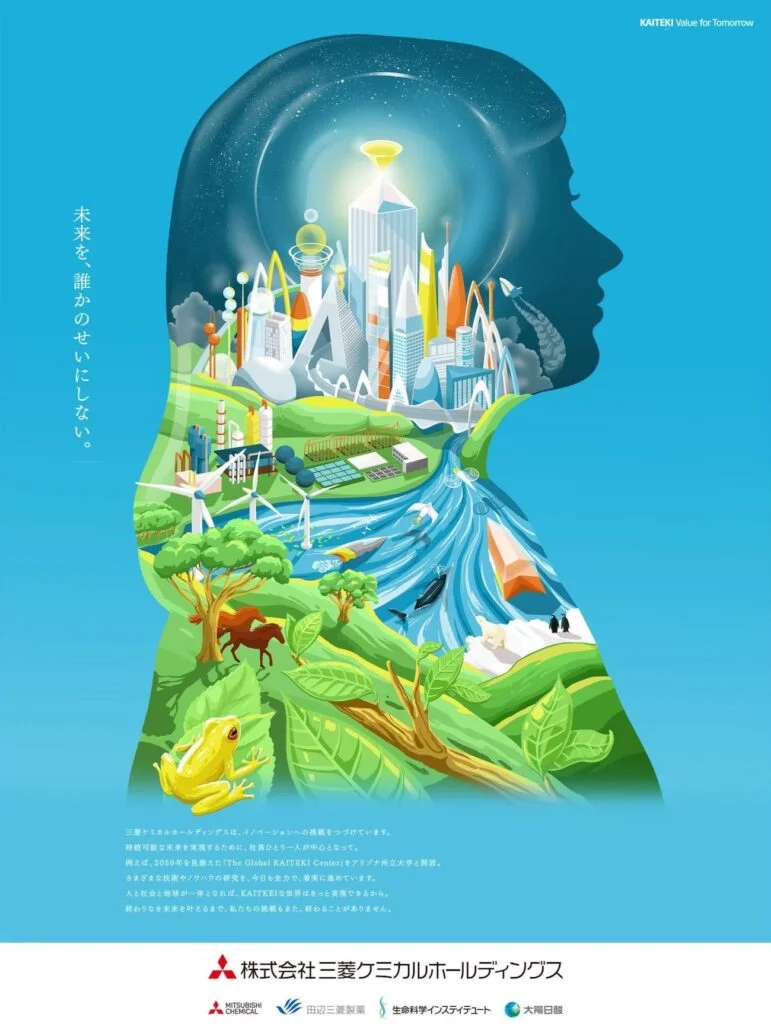
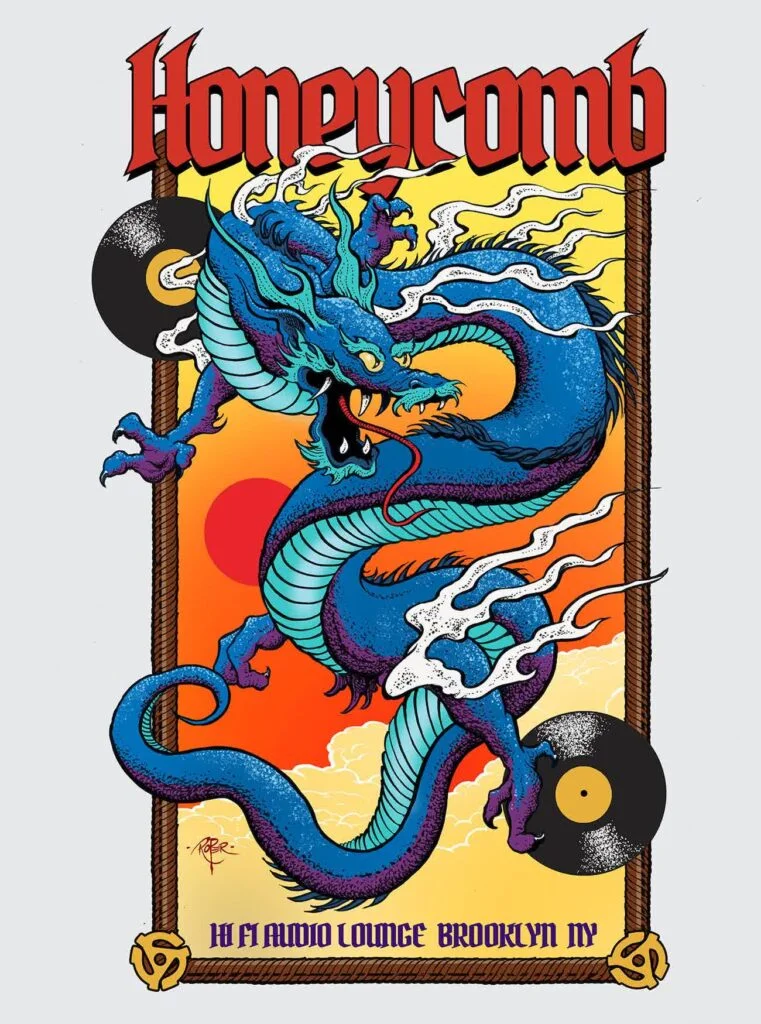
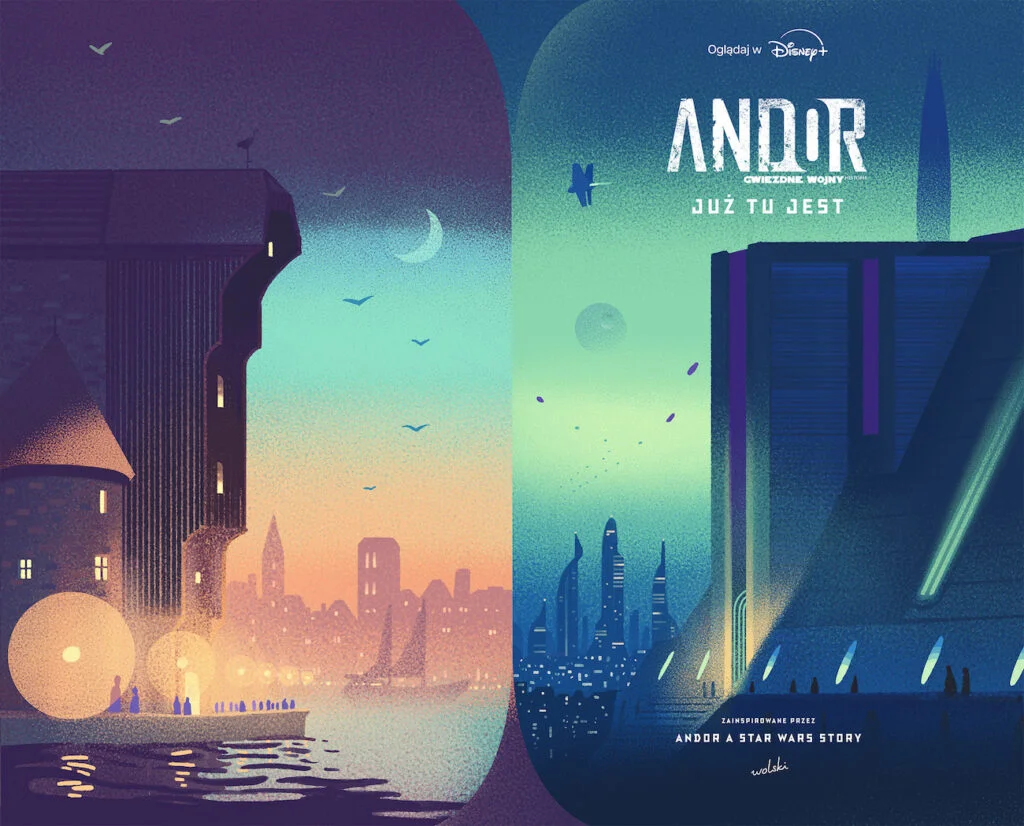
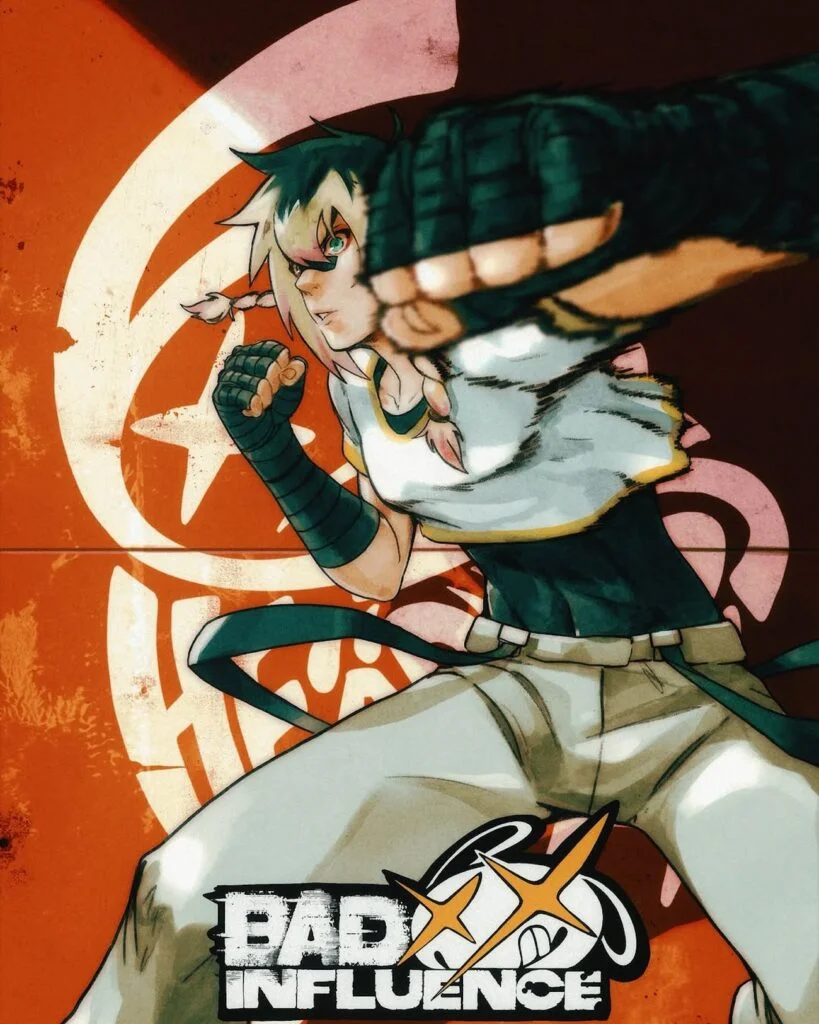
Several projects use the poster as their main point of contact with an audience. Sam Falconer created a Mitsubishi poster to communicate the brand’s “tomorrow” philosophy. Marcin Wolski designed a poster for the Disney Plus release of “Andor” in Poland. For a Hi-Fi Audio lounge in New York, Arik Roper made a poster, while Jordi Ros designed one to promote the first issue of the “Bad Influence” web comic.
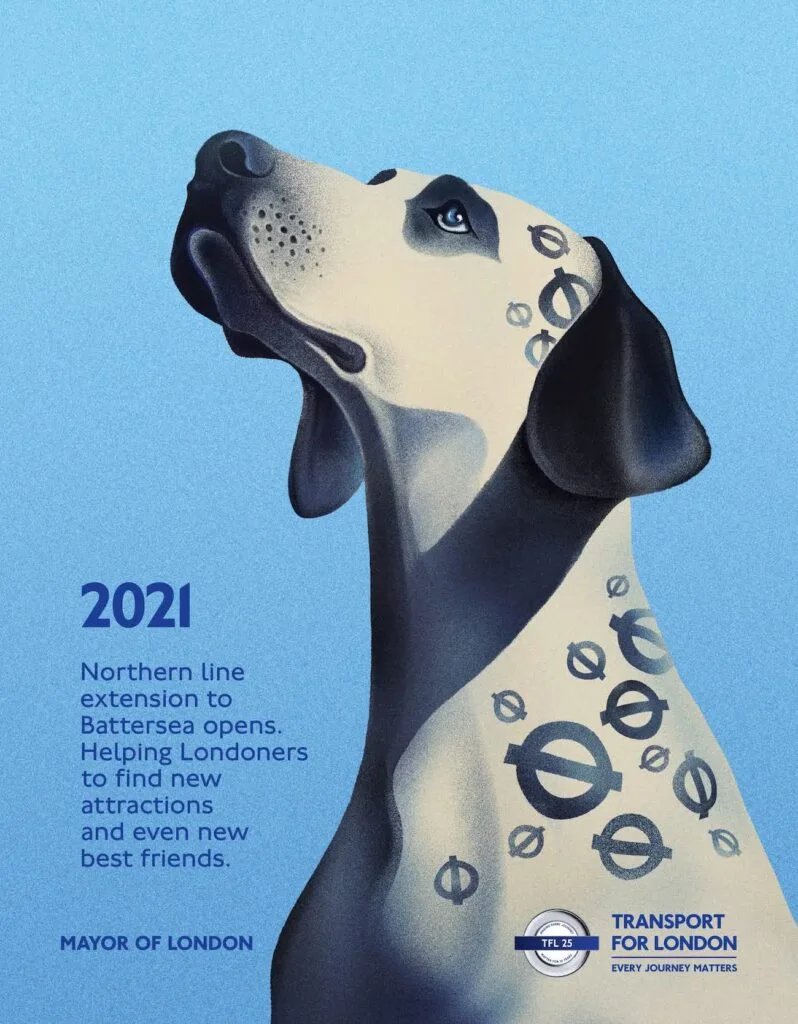
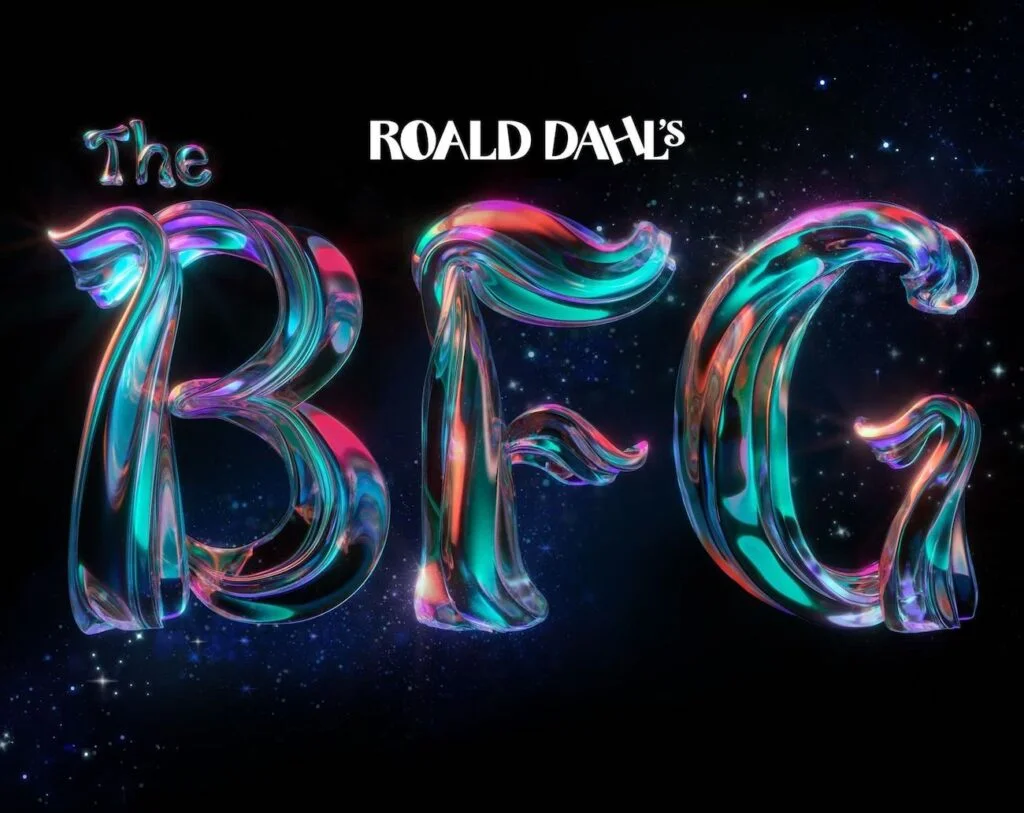
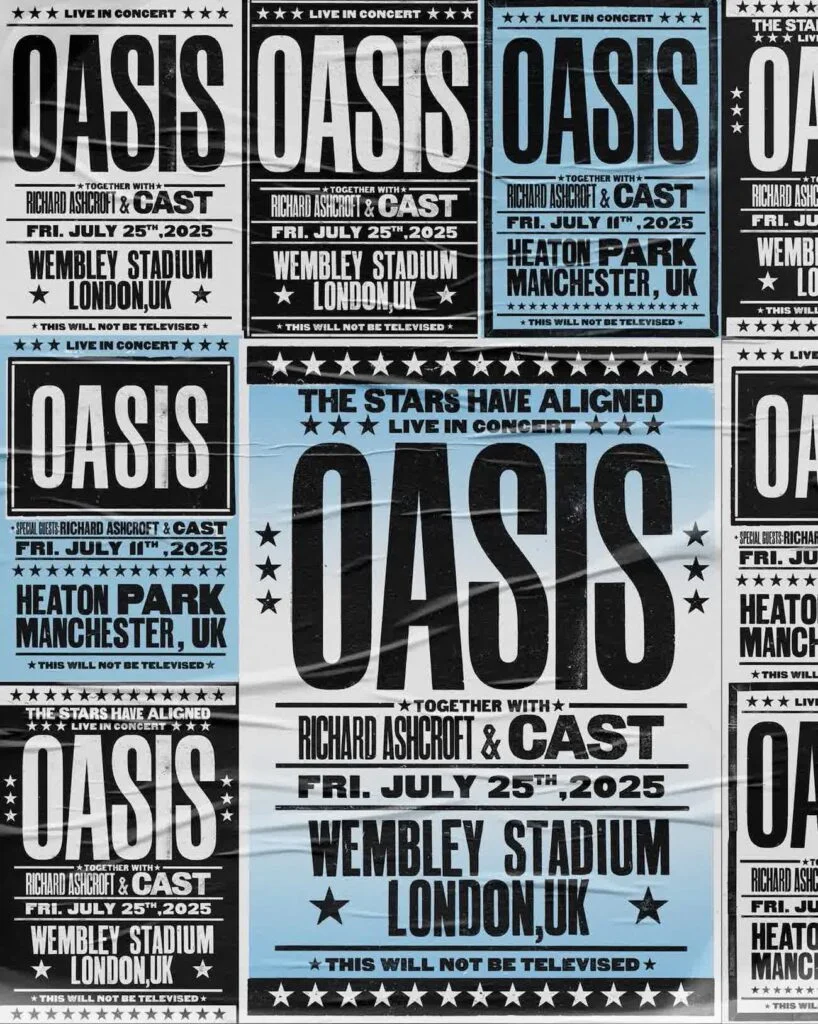
Eoin Ryan’s poster marks Transport for London’s 25th anniversary, giving the commission a specific connection to the organisation’s history. Lisa Sheehan created key art to promote the stage play of Roald Dahl’s BFG. Ben Beach designed fly posters for the promotion of Oasis’s UK tour. Each project calls for a different relationship between image and context: an anniversary, a theatrical production and a tour all need their own visual cues, even when the core deliverable is a poster.
Artwork built for a campaign of touchpoints
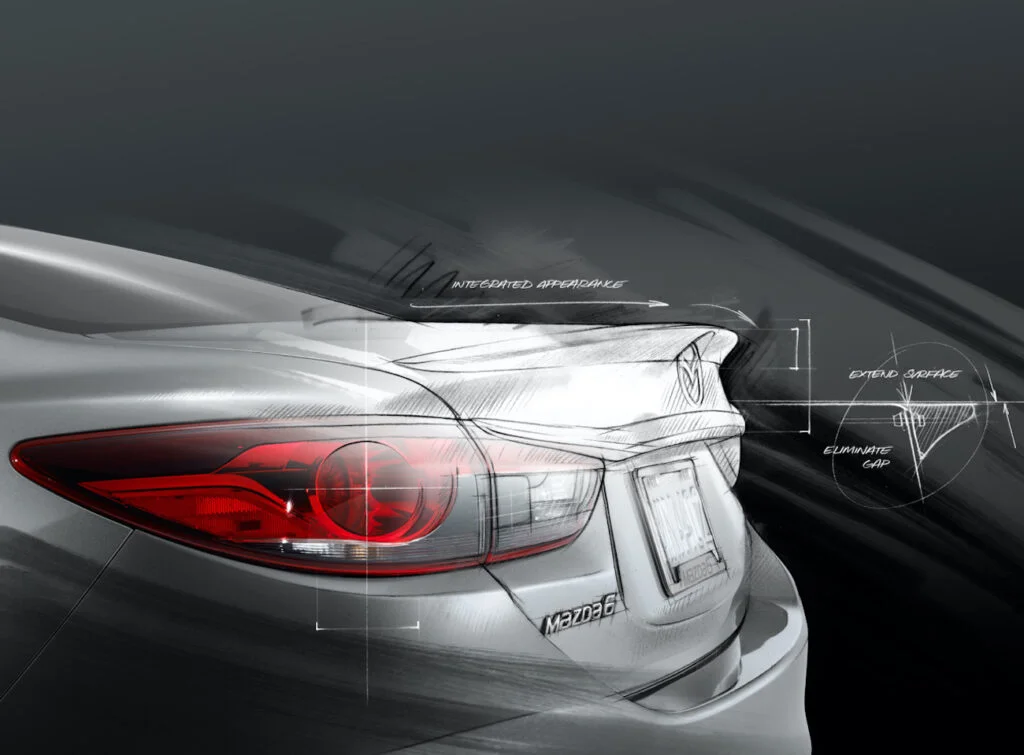
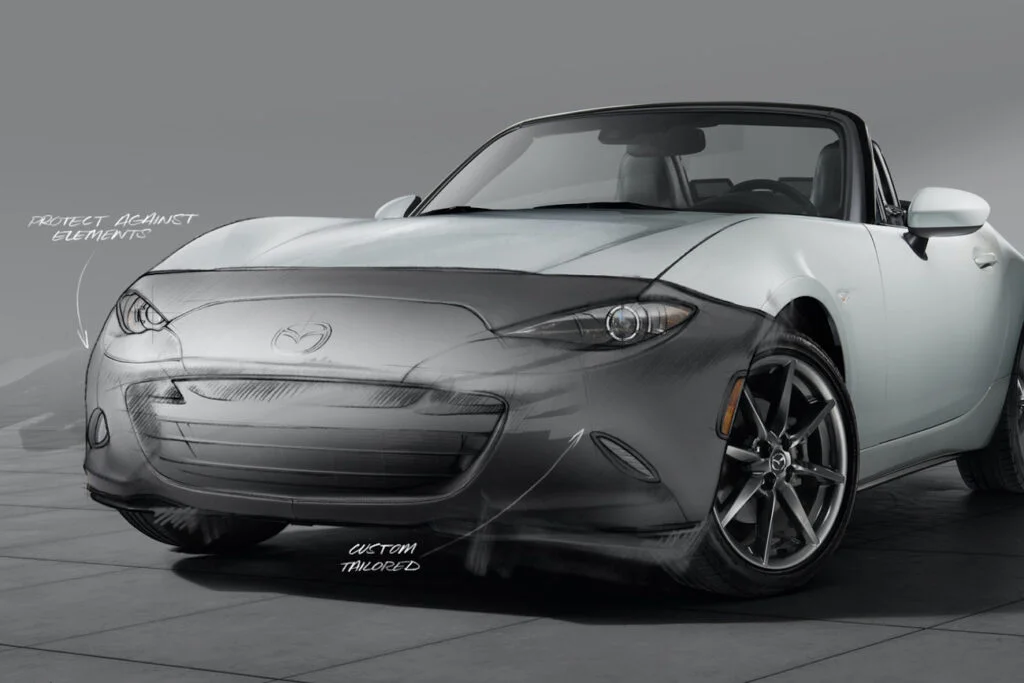
For Sky’s “Rich Flavours,” featuring Big Zuu and AJ Tracey, The Red Dress created key art. James Carey made promotional artwork for Mazda to use across client communications. Sam Chivers’ institute artwork was also intended for multiple platforms. These briefs share a production consideration: when artwork travels between placements, a clear central idea can help it remain recognisable as its crop, size or setting changes. The source credits don’t specify the exact adaptations, so the projects leave open how each image was adjusted for its different uses.

The range here is the useful takeaway for creative teams: illustration commissions aren’t confined to one category of client or one finished format. A typographic label, a character-led cover, a poster and a social image each ask the artist to solve a different communication problem. The strongest brief gives the visual concept room to work while making clear where the artwork needs to appear and what it needs to convey.
Début Art also operates The Coningsby Gallery, established in London in 1994 to present contemporary illustration as fine art. Enquiries: [email protected] and [email protected].
| Rev | Description | Date |
|---|---|---|
| A | Issued for reading | |
| B | Viewed 995 times | Current |