ACG’s RecycloPod PP Ultra Pairs Polypropylene Blister Design With High Barrier Protection
- Project
- Graphic Design
- Drawn by
- Packaging Europe staff writers
- Issued
- Sheet
- A-220
ACG’s PP/EVOH/PP blister targets recyclability and pharmaceutical protection, with stated moisture and oxygen transmission rates below defined thresholds.
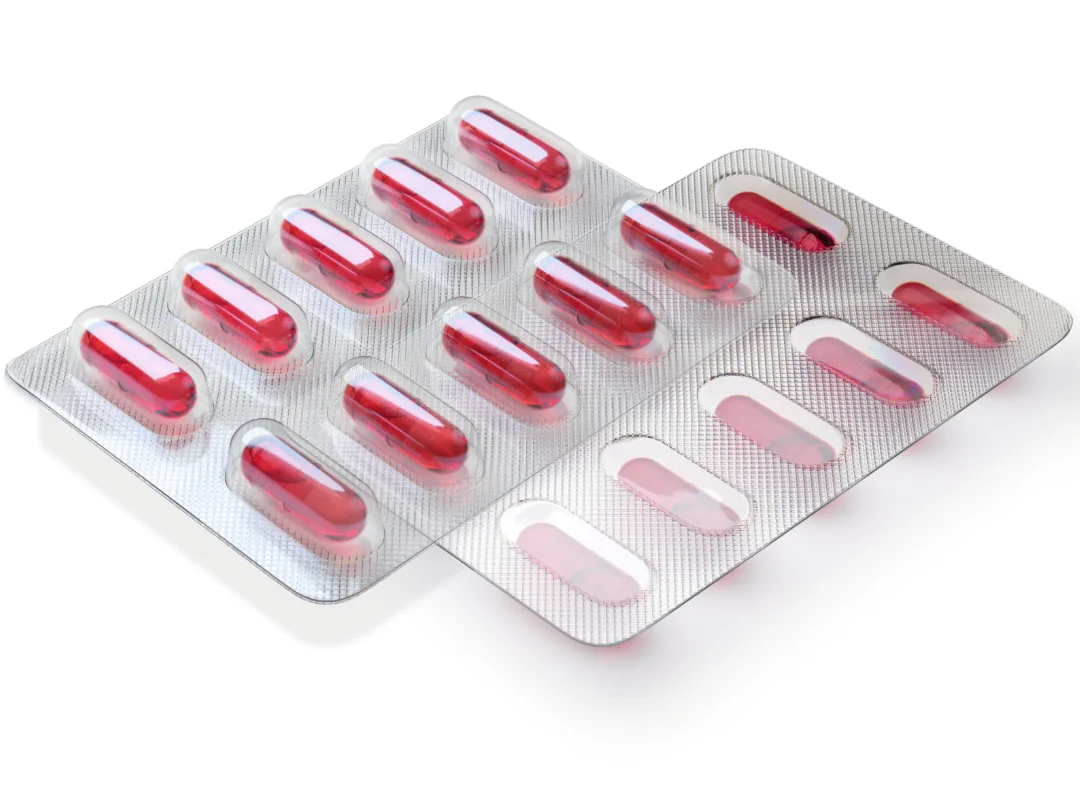
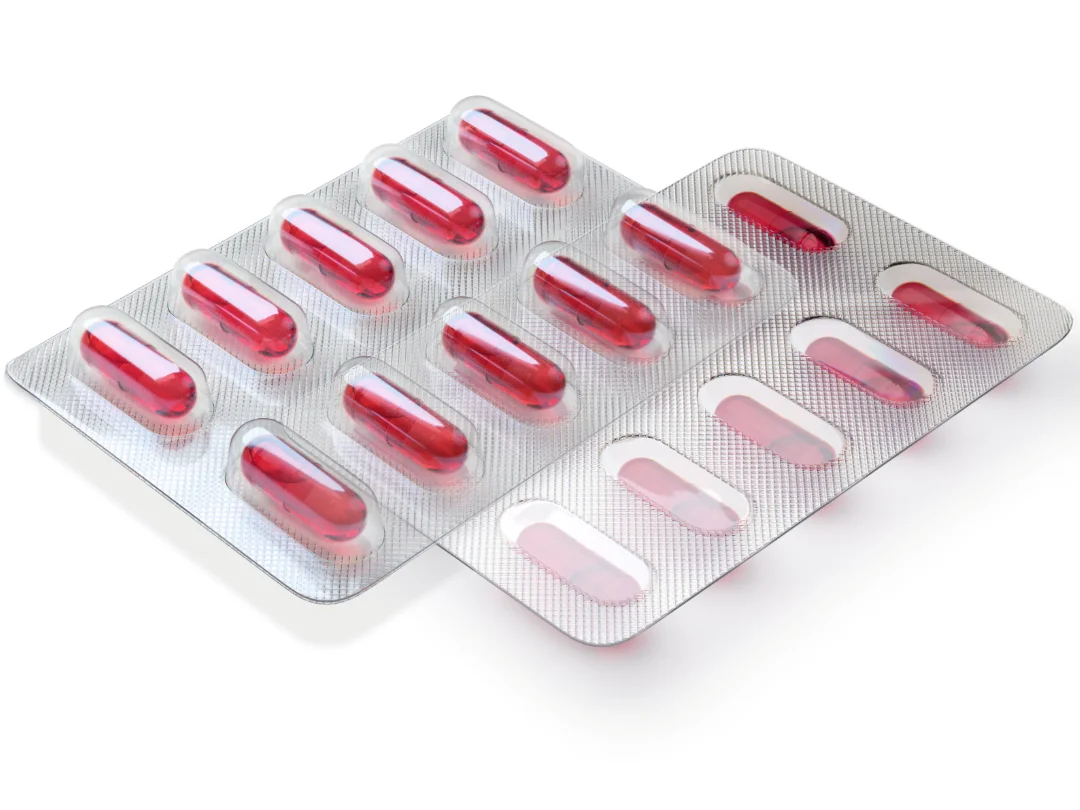
Recyclable blister design has to solve a packaging problem with two demands: keep sensitive medicines protected, while making the pack easier to recover as material. ACG Packaging Materials presents RecycloPod PP Ultra as an attempt to meet both through a predominantly polypropylene structure, with barrier performance and production requirements built into the design.
The company says it developed the system alongside customers. Its forming structure combines polypropylene, EVOH and polypropylene, while the lidding film is also polypropylene. ACG reports a water vapour transmission rate below 0.60 g/m² per day and an oxygen transmission rate below 0.20 cm³/m² per day. Those figures describe the barriers the pack is designed to provide; the source does not specify the test conditions behind them.
A material structure built around protection
RecycloPod PP Ultra’s PP/EVOH/PP arrangement makes the layer choices central to the concept. Polypropylene forms the majority of the blister structure, and EVOH is included within the forming material. ACG frames this combination as a way to retain moisture and oxygen protection while supporting a design intended for recyclability. The company does not provide a detailed account of how the layers are separated or processed at end of life, so the practical recycling route will matter as teams assess the pack.
That distinction is useful for packaging designers: a material description can signal design intent, but it does not by itself show how a pack performs in a particular collection and recycling system. Here, the product’s stated proposition is more specific than a general move to mono-material packaging. It is a predominantly PP blister with EVOH in the forming structure and PP lidding, designed to balance barrier needs with recyclability goals.
ACG also says the blister is engineered for reliable thermoforming and sealing on pharmaceutical packaging lines. These manufacturing requirements shape the design as much as the material choice. A blister needs to form cavities and seal consistently as part of a production process; a new structure has to fit those operations while still protecting what is inside. The source does not give line speeds, equipment requirements or trial results, so those details remain questions for teams evaluating the system.
What the stated barrier figures tell designers
The reported transmission rates offer two concrete measures for considering the pack. Water vapour transmission is stated at less than 0.60 g/m² per day, and oxygen transmission at less than 0.20 cm³/m² per day. These values make moisture and oxygen protection part of the product’s stated design case, rather than leaving performance as a broad claim.
For a packaging team, the next step would be to compare those figures with the product’s protection requirements and the test data relevant to its intended use. The article supplies no specific medicine, shelf-life target, testing method or comparison with an existing pack. That means the reported rates are useful starting points, while product-specific validation and production evaluation would be needed to understand fit.
ACG’s aim is to address a challenge it identifies in recycling existing polypropylene blister solutions without compromising barrier requirements. Its account puts the trade-off at the centre: packaging materials need to protect sensitive products, and designers are also being asked to consider how material choices affect the pack’s end of life. The company positions RecycloPod PP Ultra as a response to both pressures.
Part of a wider packaging range
ACG places RecycloPod PP Ultra within its “Pod” lineup, a range whose protective idea is drawn from the function of a pea pod. The company describes the lineup as balancing sustainability measures, future packaging needs and changing requirements for packaging. It also connects the new blister with a wider effort to develop lower-impact and more circular manufacturing, both in its own operations and for pharmaceutical customers.
Dr Akbar Ali, head of Development & Technology at ACG Packaging Materials, said the goal was to avoid asking pharmaceutical companies to choose between protecting a product and pursuing packaging sustainability objectives. He described RecycloPod PP Ultra as intended to combine high moisture and oxygen protection with the practical needs of pharmaceutical manufacturing and design for recyclability.
SR Shivshankar, CEO at ACG Packaging Materials, situated the product within the company’s wider sustainability strategy. He said ACG is participating in the Science Based Targets initiative as part of its net-zero ambitions and using digitalization to support more efficient and sustainable manufacturing. He also said the company has facilities recognized by the World Economic Forum’s Global Lighthouse Network.
The product’s stated goals align with the EU Packaging and Packaging Waste Regulation, which ACG cites among the requirements shaping recyclable packaging. The source does not provide a launch date, price or availability details for RecycloPod PP Ultra. For designers, the immediate point is the structure and its stated performance; the next useful evidence would be application-specific data and details on how the pack performs in manufacturing and recycling.
Related blister approaches
ACG has also presented SuperPod, a cold-form blister technology designed to reduce material per pack and shrink blister cavities by up to 39%. The company says its multilayer laminate supports deep-draw cavity formation and can form up to three times more blisters per shot. Those figures describe a separate product and approach; they are not performance claims for RecycloPod PP Ultra. More details are available in the report on ACG’s cold-form blister technology.
SÜDPACK Medica has also unveiled a mono-polypropylene blister concept for dietary supplement packaging. The company’s approach is described as maintaining contact safety and product performance while aiming to meet recyclability requirements under the Packaging and Packaging Waste Regulation. Read more about the mono-PP blister concept.
For teams weighing blister options, RecycloPod PP Ultra’s defining details are its PP/EVOH/PP forming structure, PP lidding, stated barrier rates and intended fit with thermoforming and sealing. The meaningful next comparison is how those properties match a product’s protection needs and how the pack performs on the intended line.
More on packaging design and materials:
- The guide to packaging innovation in 2026
- Packaging and Packaging Waste Regulation: what to know in 2026
- A guide to global packaging sustainability requirements
- Learnings from the Sustainable Packaging Summit
ACG’s claims give designers a clear set of points to investigate: the barrier figures, the predominantly polypropylene construction and the manufacturing fit. Seeing those details alongside product-specific validation and end-of-life information will help teams judge where this blister can work in practice.
| Rev | Description | Date |
|---|---|---|
| A | Issued for reading | |
| B | Viewed 384 times | Current |