Gene Mollica Studio Builds Publishing Worlds Through Photoillustration and Cover Design
- Project
- Graphic Design
- Drawn by
- Ian Carradine
- Issued
- Sheet
- A-135
Gene Mollica Studio combines photoillustration, 3D rendering and motion graphics to create cover art and connected visual identities for authors.

Cover art as the start of a visual world
A book cover has a small space to establish a story’s mood, genre and point of view. Gene Mollica Studio treats that space as the beginning of a larger visual system, pairing cover design with marketing pieces and motion graphics. The aim, as the studio describes it, is to create “integrated branded worlds” for publishing.
That approach gives designers a useful lens on the studio’s work: its practice brings photography, digital art, illustration and animation into one publishing-focused service. The featured portfolio includes photoillustrations, 3D renderings, digital sculptures and cover art. Those forms can give a project different kinds of visual depth, from the camera-based qualities of a photoillustration to the constructed surfaces of a digital sculpture.
The feature doesn’t identify the software, production steps or individual titles behind the showcased images. It’s therefore best read as a view of the studio’s range and positioning, rather than a breakdown of a particular cover’s typography, grid or image-making process. For working designers, that distinction matters: the range points to possible approaches, while a close study of any one execution would require its own project credits and process details.
A publishing practice built around authors
Gene Mollica is credited as a photographer, digital artist and cover designer, as well as founder and owner of GM Studio. The source says he has run the studio for more than 10 years and that the team has served the publishing industry for over 15 years. It describes the team as artists, designers and animators specializing in print and motion graphics.
The studio’s stated line, “We turn indie authors into National Bestsellers,” expresses an ambitious positioning. The feature also says Mollica has helped authors reach New York Times and USA Today bestseller status. These are claims made in the source; it doesn’t name specific books or connect individual cover designs to particular sales outcomes. The creative work can be considered on its own terms: the studio presents cover art and related marketing materials as connected parts of an author’s visual identity.
That connection is particularly relevant for independent authors, whose books may need a recognizable visual presence across several formats. A cover establishes the key image and hierarchy at book scale. Related print materials and motion graphics can carry parts of that look into other placements. When these pieces are designed as a family, decisions about image treatment, colour and typography can help readers recognize the work across different encounters. The feature doesn’t specify how Mollica’s team handles those decisions, so these are the design questions the studio’s integrated approach invites, rather than documented details of its workflow.
Clients and creative range
The source names bestselling authors Lindsay Buroker, Shayne Silvers, Michael Anderle, Ella Summers, Hailey Edwards, Lucinda Brant and Bec McMasters among the studio’s clients. It also lists international bestselling authors Kevin Hearne, Joe Abercrombie, Brian McClellan, C.E. Murphy, Lara Adrian, Richelle Mead, Kristen Callahan and Jim C. Hines. The feature presents these names as examples of the studio’s publishing work, without assigning a particular project or cover to each author.
For art directors and design teams, the breadth of the client list gives context for the studio’s focus: its work is made for authors and publishing, where a cover has to communicate a book’s character quickly and remain legible as a compact image. The featured mix of photographic and digitally built imagery suggests several ways to create that visual hook. Photoillustration can combine photographic elements into a composed scene; 3D rendering and digital sculpture can build forms that would be difficult to photograph directly. The source doesn’t attribute specific techniques to individual images, but the range shows the studio working across these image-making modes.
There’s also a practical distinction between a striking image and a useful cover system. A publishing identity must allow the title and author’s name to be read alongside the artwork, then adapt to other formats and supporting pieces. The feature doesn’t describe the studio’s type choices, colour palettes or layout rules. Designers looking at the gallery can use those as prompts for their own close reading: where does the eye land first, how does the type sit against the image, and which visual elements might carry into other materials?
Explore the portfolio
The curated gallery below presents selected work by Gene Mollica Studio. The source credits the feature to the Directory of Illustration and directs readers to the studio’s portfolio and website for more examples. No launch date is supplied for the featured work, so the images are presented here without assigning dates or project credits that the source doesn’t provide.

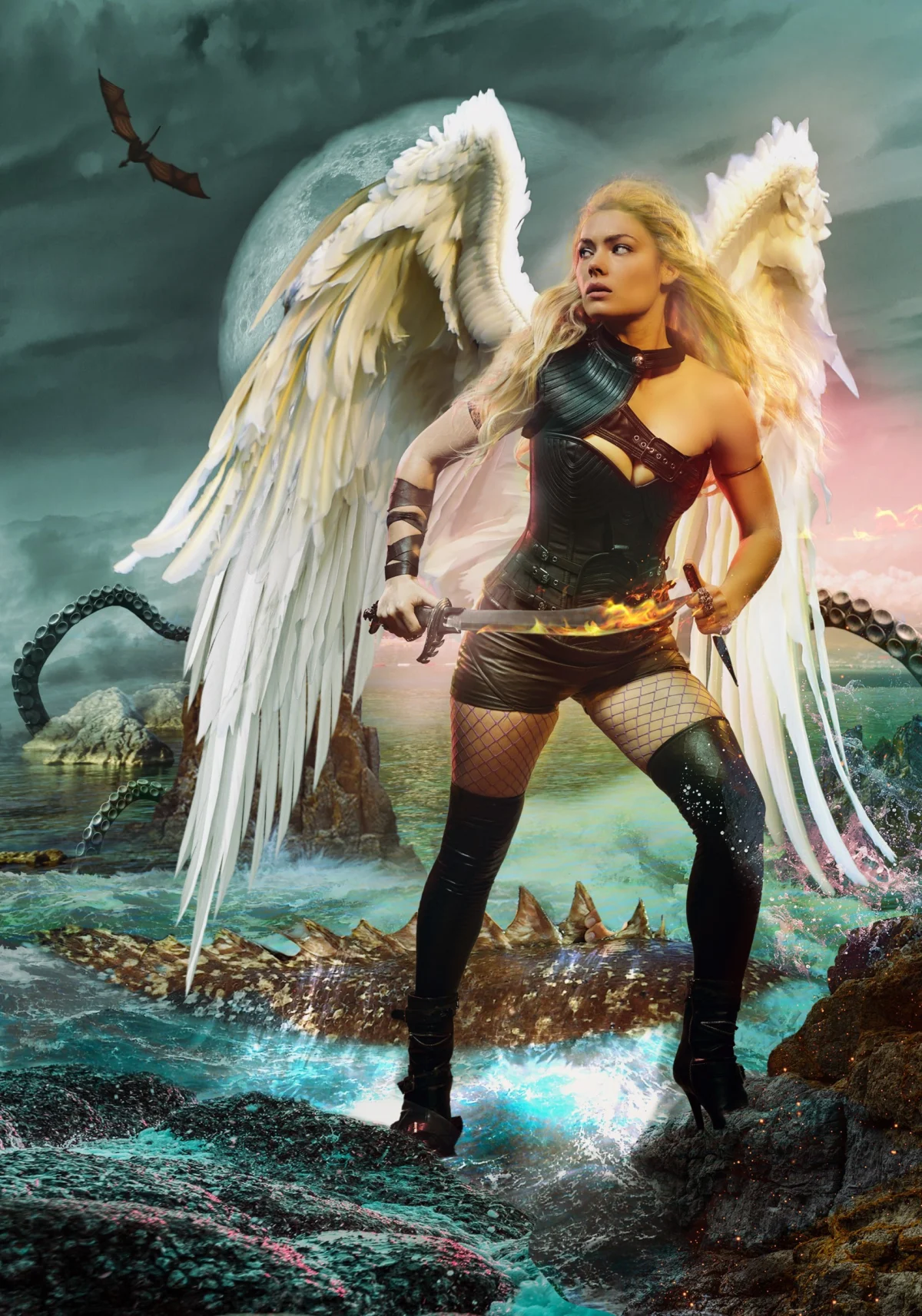
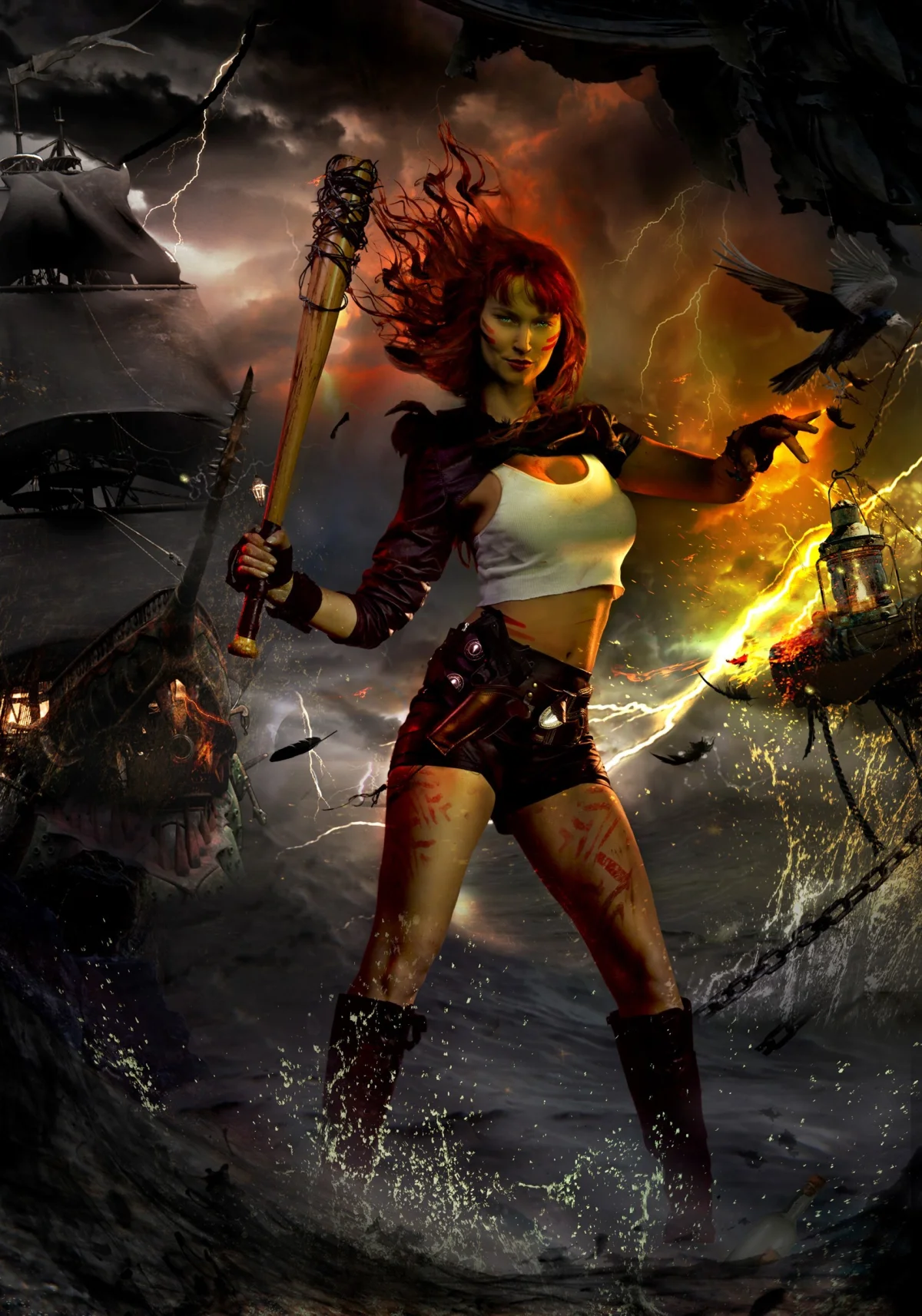


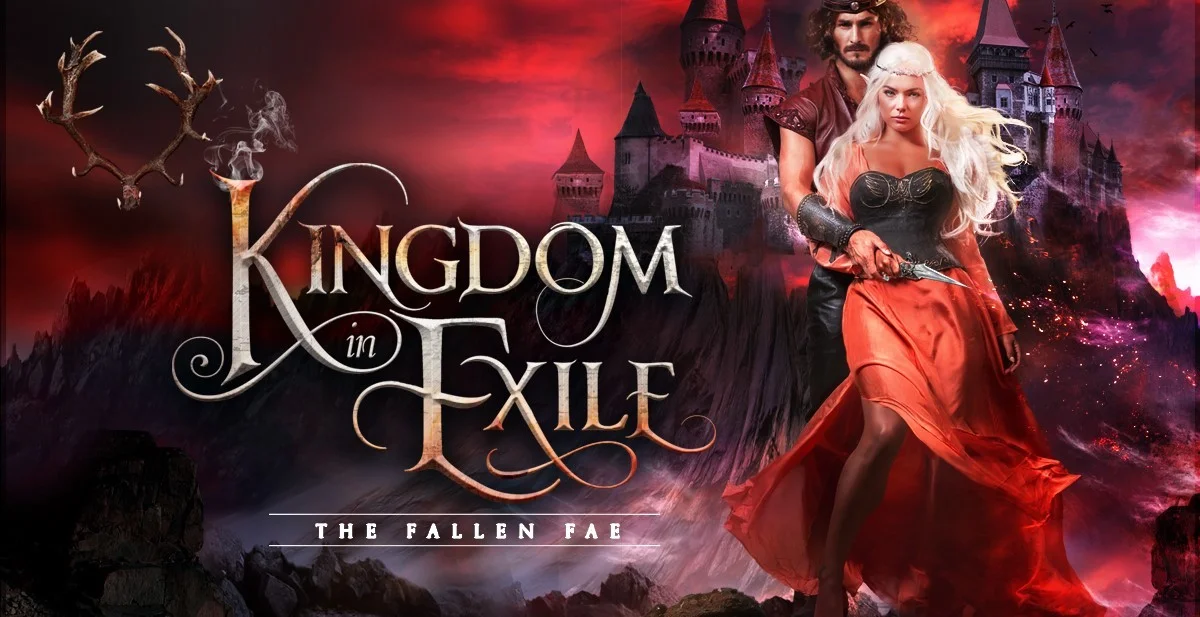
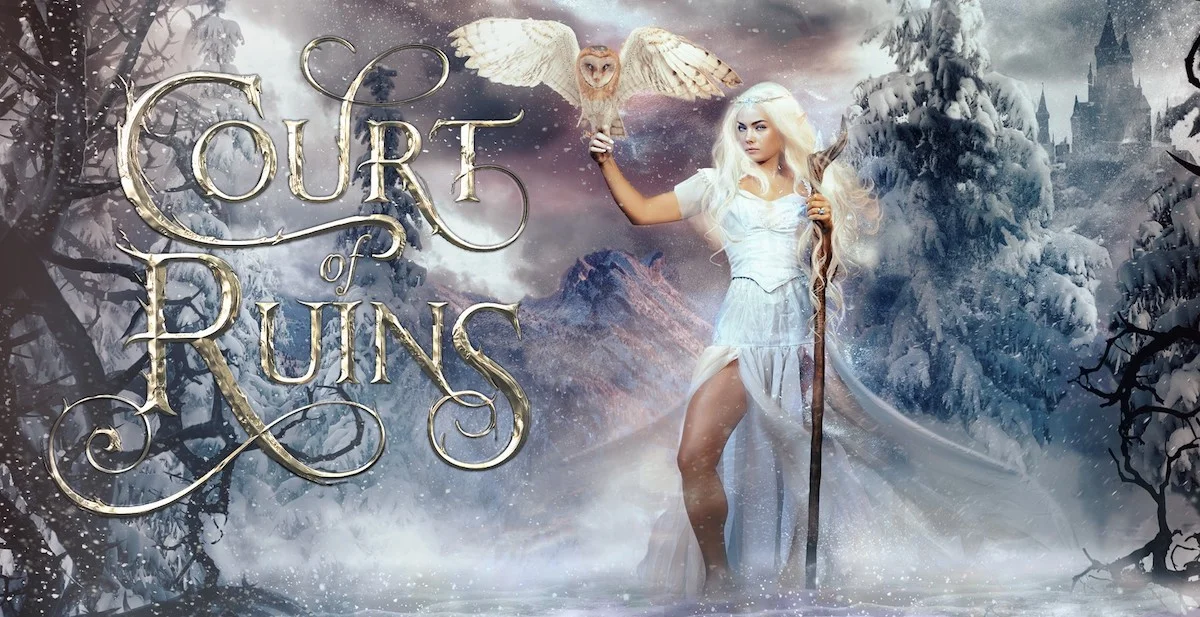






Visit the Gene Mollica Studio portfolio and studio website to see more. The feature’s clearest takeaway is the value of treating a cover as part of a wider set of visual touchpoints: the image has to attract attention, while a consistent design language can give the author’s work room to extend.
For social links, the source lists Facebook, X, Instagram, LinkedIn and Pinterest.
| Rev | Description | Date |
|---|---|---|
| A | Issued for reading | |
| B | Viewed 468 times | Current |


