Mike Tofanelli’s Humorous Caricatures Bring Editorial Stories to Life
- Project
- Graphic Design
- Drawn by
- Ian Carradine
- Issued
- Sheet
- A-133
Sacramento illustrator Mike Tofanelli pairs caricature with humor in editorial work for major publications, brands and educational clients.
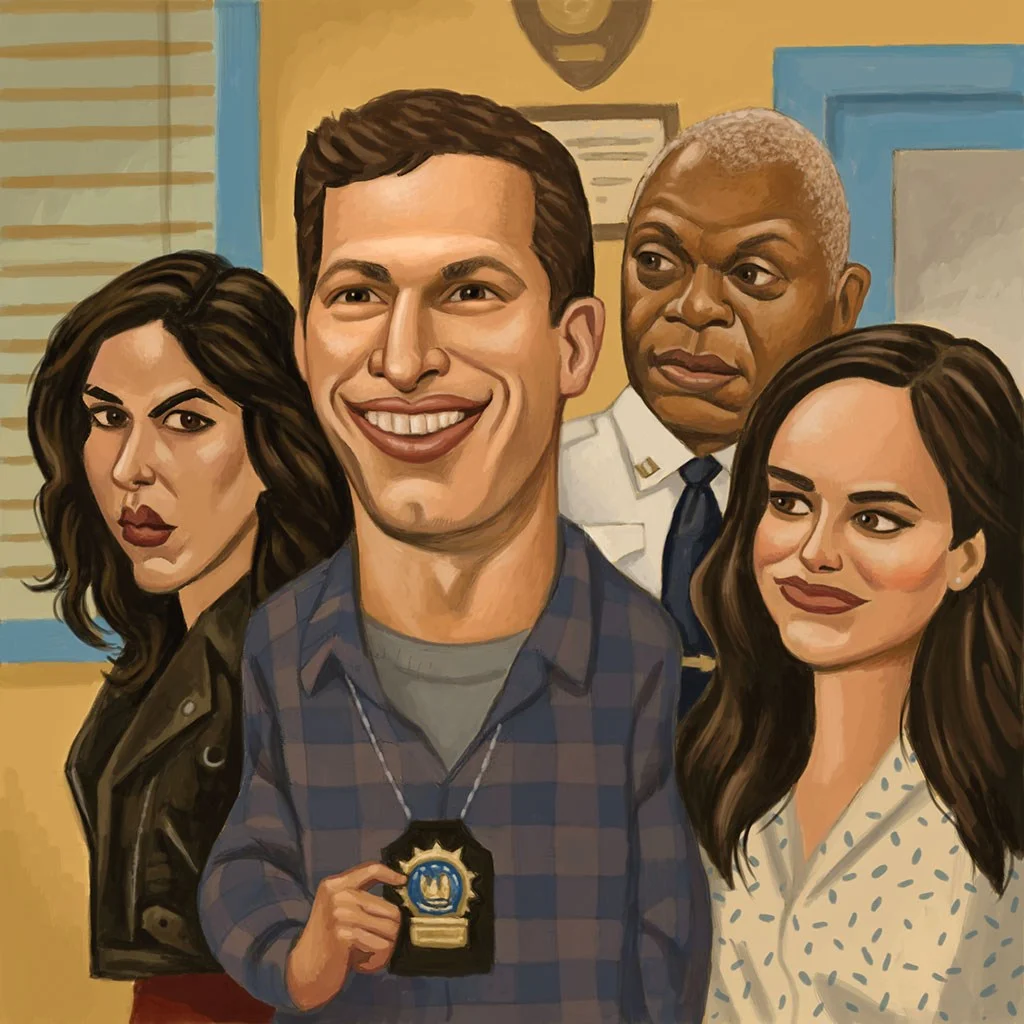
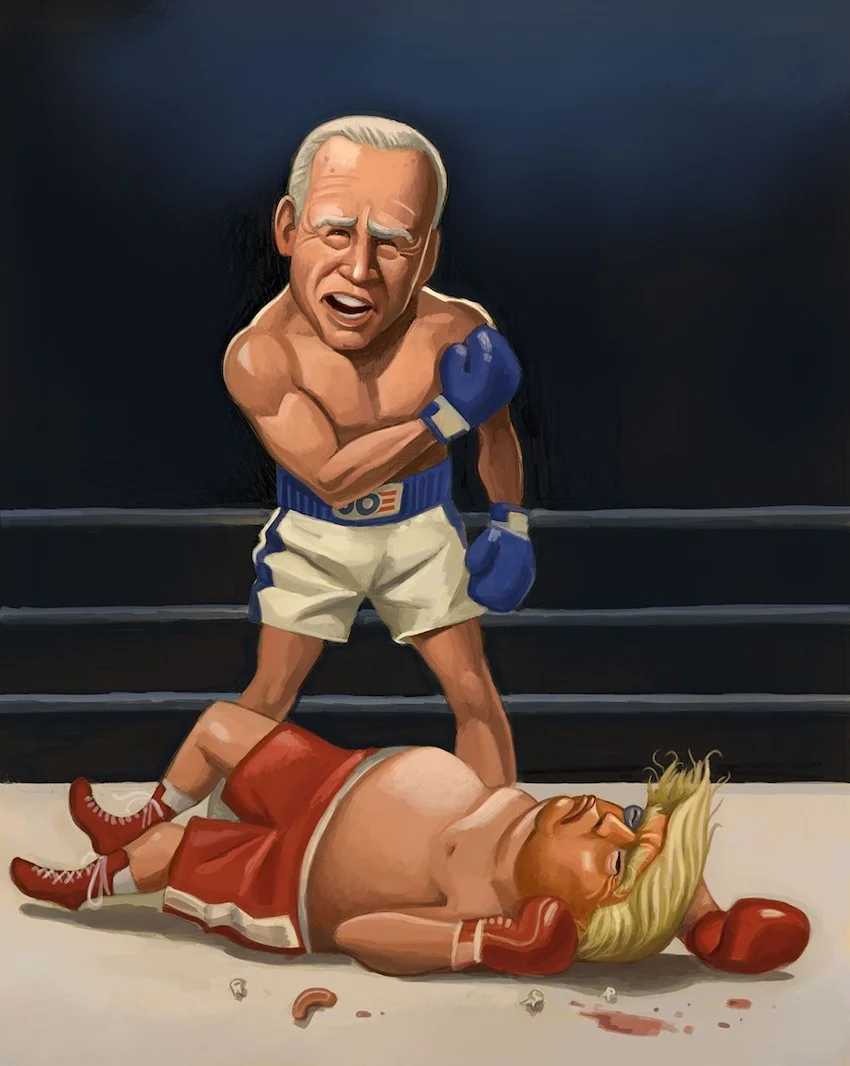
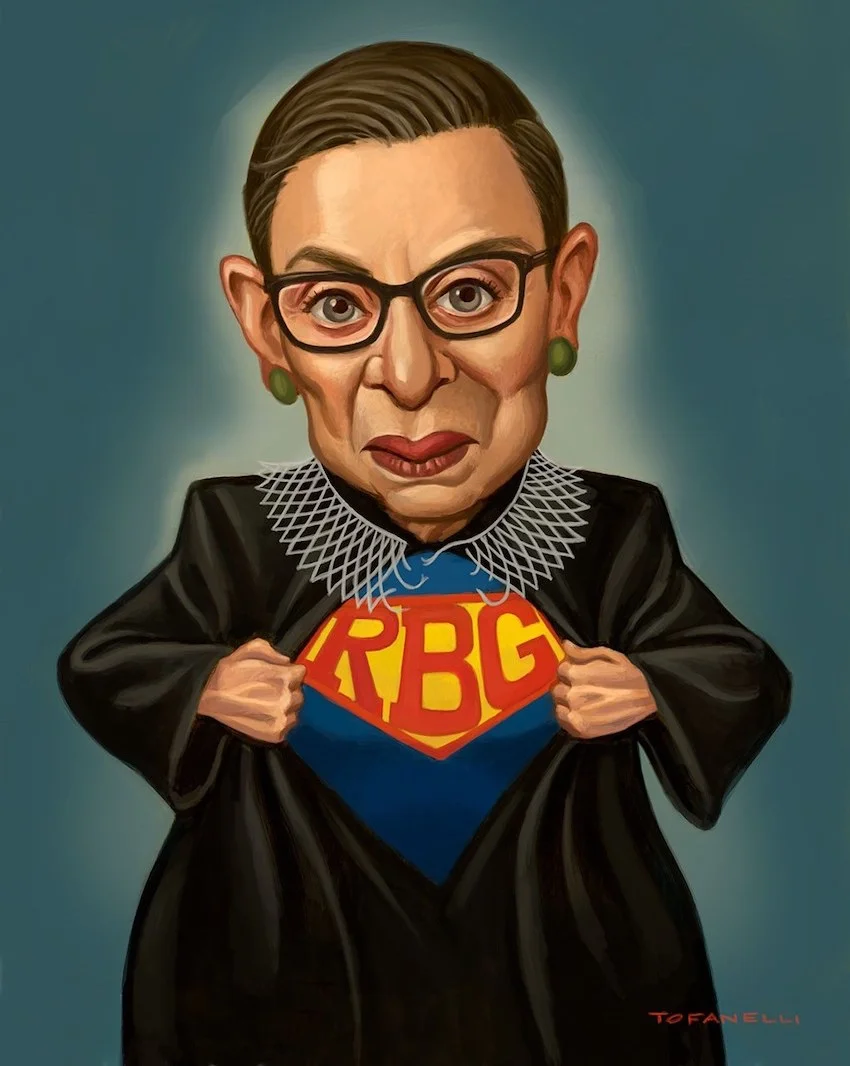
Mike Tofanelli’s caricatures are built to do more than resemble their subjects. The Sacramento illustrator brings humor and storytelling into editorial images, using caricature to give a scene a clear point of view. His practice has developed across roughly 25 years of freelance work, with clients ranging from magazines and sports organizations to publishers and consumer brands. That span suggests a career built around a portable skill: making a person recognizable while shaping the viewer’s first read of a story.
A career shaped by editorial storytelling
Tofanelli graduated with distinction from San Francisco’s Academy of Art College, now the Academy of Art University, before beginning his freelance career. The source profile describes his work as editorial and narrative, with a humorous twist and a strong emphasis on caricature. That combination gives the images two jobs: identify a recognizable personality and make the idea around that personality readable at a glance. For an art director, that clarity matters because an illustration often has to work before a reader has spent time with the accompanying text.
Caricature depends on selection. An illustrator exaggerates or emphasizes particular features so a viewer can recognize the subject, while expression, pose and setting help establish the scene’s tone. In editorial work, those choices can make an image feel like a compact visual story rather than a straightforward portrait. Tofanelli’s stated focus on humor suggests an approach in which likeness and comedy work together; the joke has to sharpen the characterization, or it risks distracting from it.
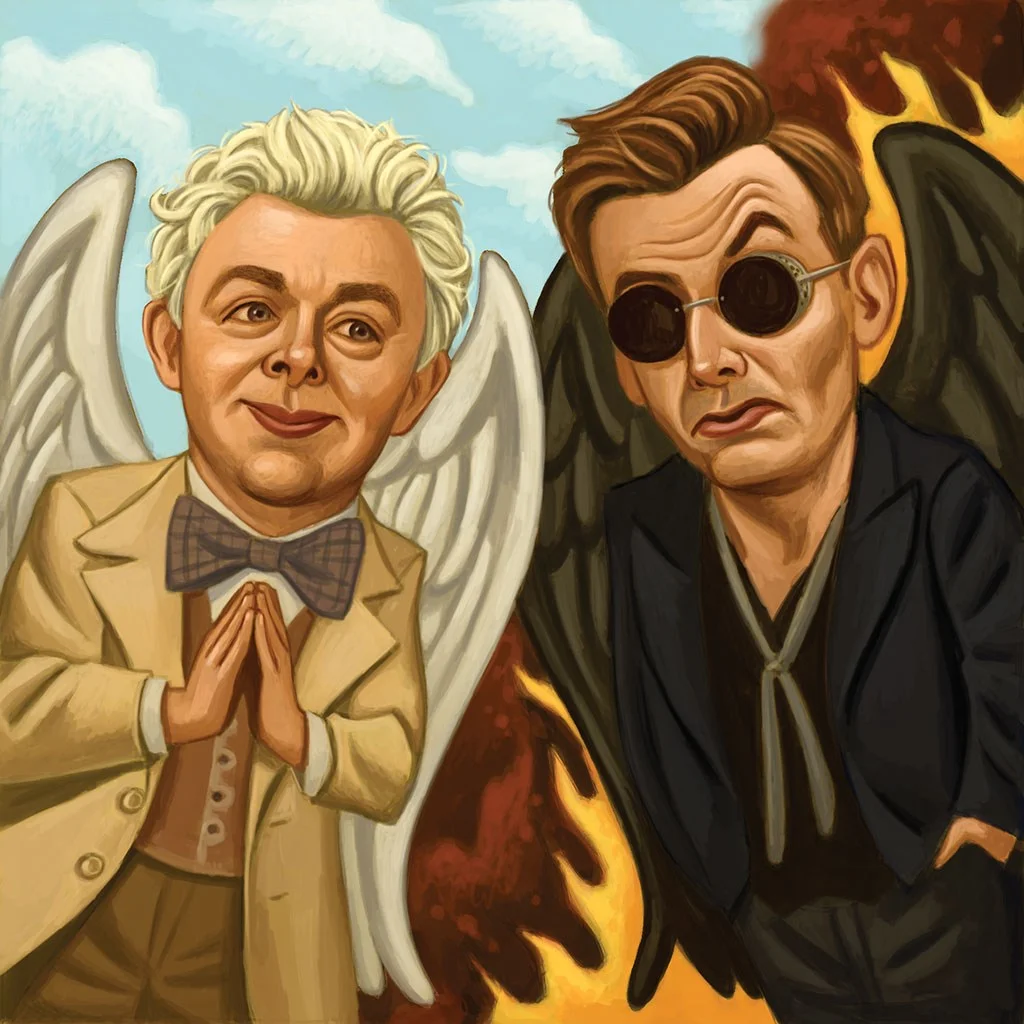
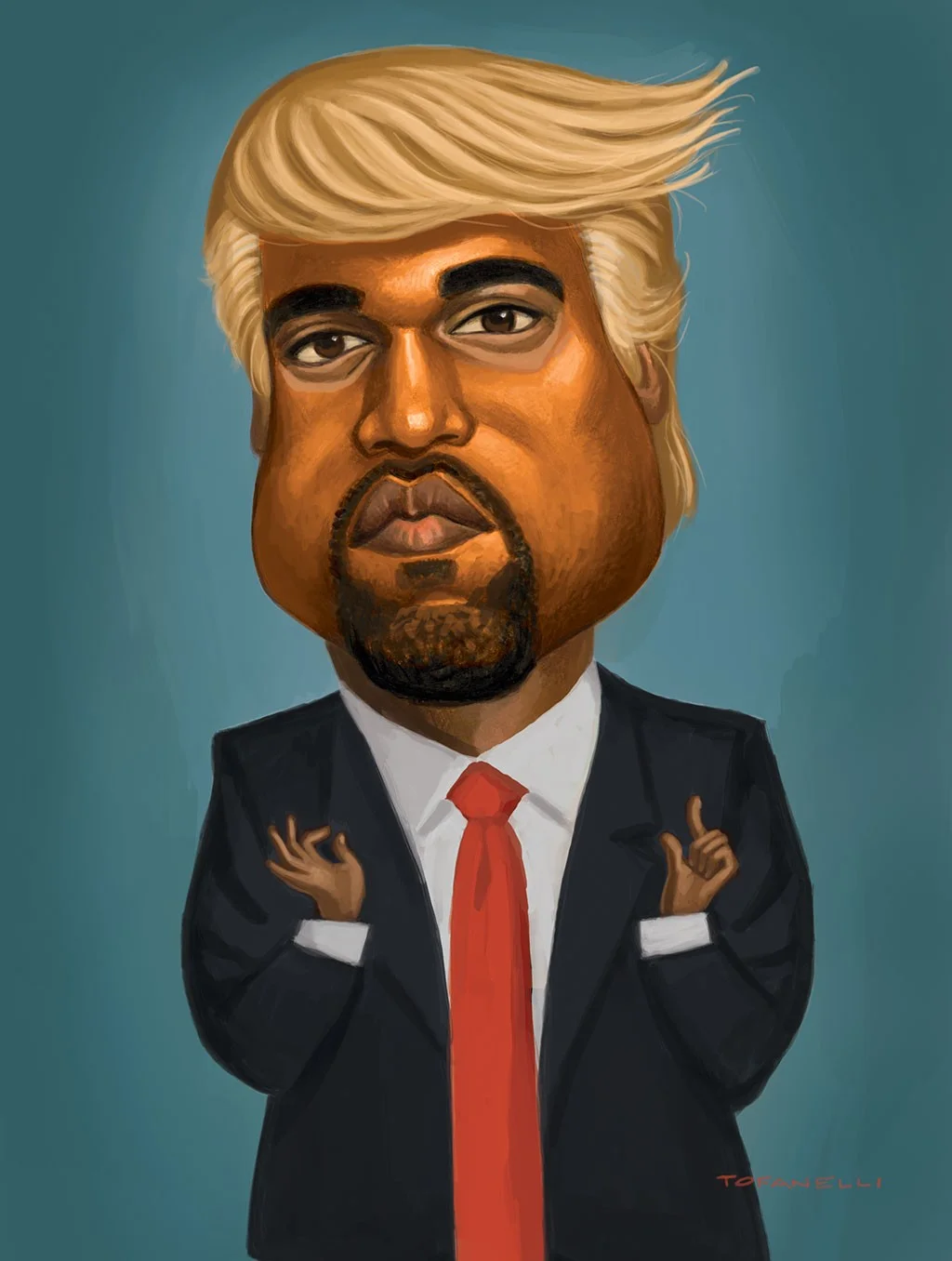
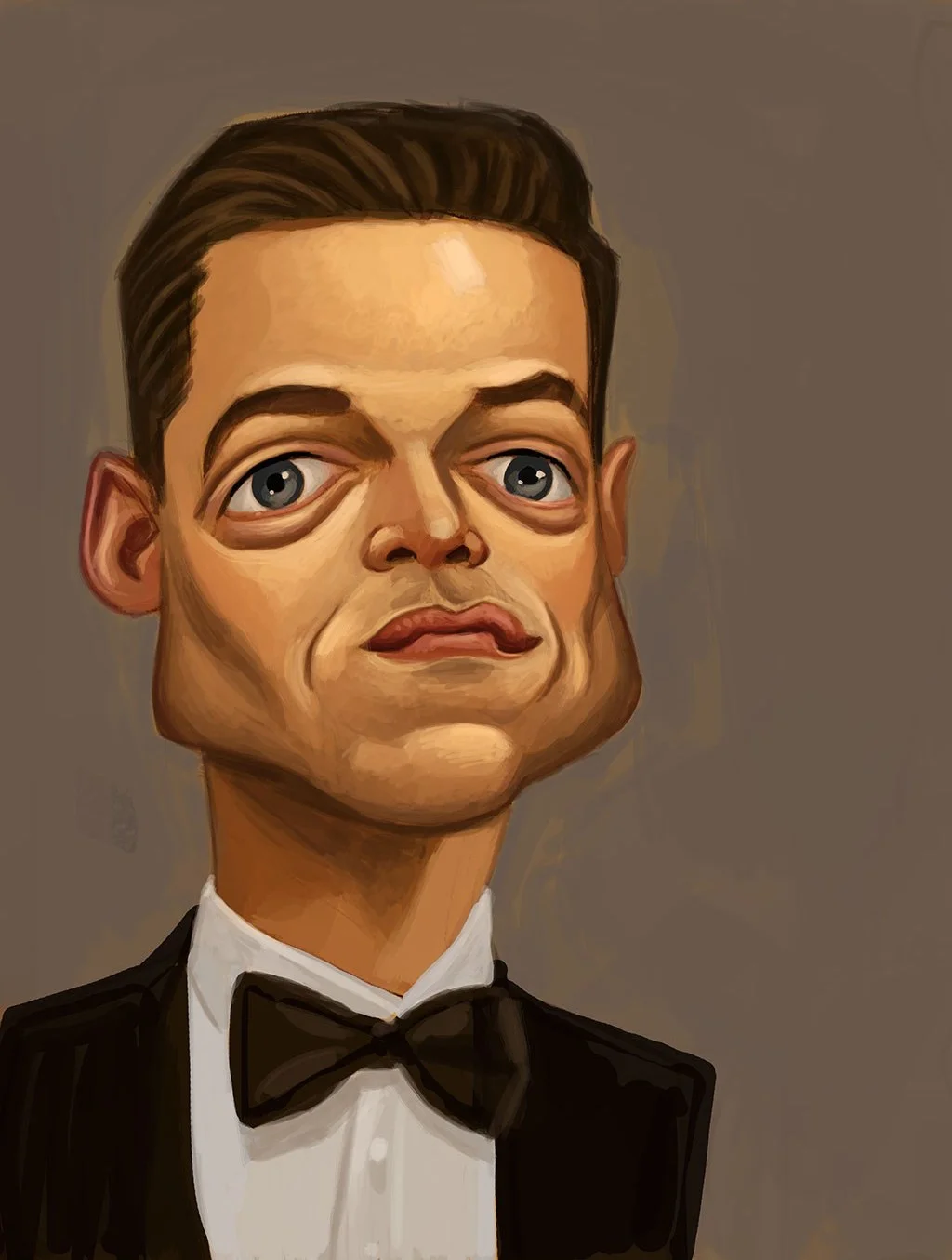
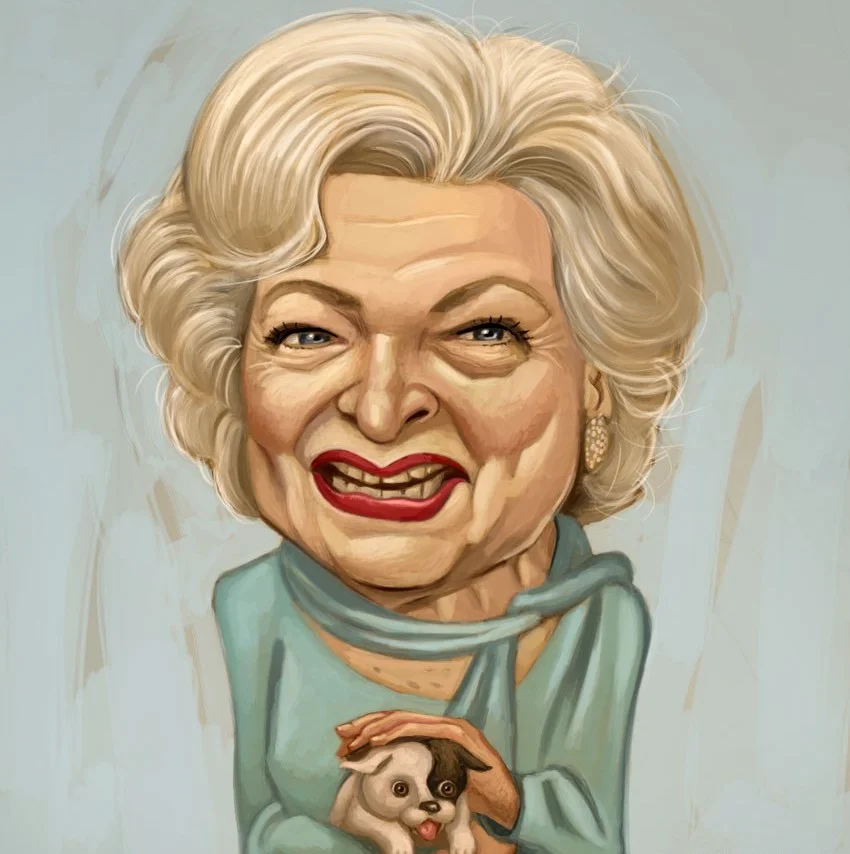
The profile doesn’t name specific drawing tools, techniques or design decisions behind individual pieces, so it’s difficult to describe his process beyond that broad emphasis. The portfolio images offer a direct way to study how he handles character and color across different assignments. Looking across a body of work can reveal recurring choices in facial exaggeration, gesture and visual pacing—details that are useful to illustrators developing their own approach to character-led images. The images also invite a practical question: how much information can be removed before a likeness or a joke stops reading?
Work for publications, sports and brands
Tofanelli’s client list includes Rolling Stone, Major League Baseball, Entertainment Weekly, Sports Illustrated, Scholastic, AT&T, Boys’ Life, TV Guide and McGraw-Hill. The range points to a practice that has served editorial, sports, educational and commercial contexts. Each setting asks an illustration to meet a different reading situation: a magazine image may need to carry a story’s tone, while work for a publisher or brand has to fit the subject and audience of that assignment. A recognizable style can help create continuity across commissions, but it still needs room to respond to each brief.
The profile doesn’t attach dates or individual briefs to these clients, and it gives no details about the formats in which the illustrations appeared. What it does establish is the breadth of contexts in which Tofanelli’s caricature work has been commissioned. For working illustrators, that range is a reminder that a consistent visual specialty can travel across different kinds of clients when it can adapt to the subject and purpose of each commission. Here’s the thing: versatility doesn’t require a completely different style for every sector. It can mean knowing which parts of a visual voice should stay steady and which should shift to suit the assignment.
Recognition and a continuing body of work
Tofanelli’s work has received recognition from American Illustration, 3×3 International Illustration and the Society of Illustrators, Los Angeles. The source doesn’t specify award categories or years, so the recognition is best understood as a record of visibility across illustration organizations rather than as a list of particular wins. That distinction matters: the names indicate professional recognition, while the available information doesn’t support a closer comparison of the honors.
He lives in Sacramento with his wife, Shirley, a graphic designer and fine artist, and their cat, Mocha. That detail places his work within a household with another creative practitioner, though the profile doesn’t describe any collaboration between them. A shared creative environment may be part of the context of a working life, but the images and the documented client history remain the clearest evidence of Tofanelli’s practice.
The accompanying selection is presented as a small glimpse of a much larger caricature portfolio. Designers and art directors can use the images to consider how character, exaggeration and humor might serve a brief that needs an immediate visual hook. This is more significant than it looks: a strong caricature can do more than decorate a layout; it can establish mood and point of view before the reader reaches the headline. If you’re working in this space, pay attention to whether the image’s personality supports the subject or competes with it. The profile links to Tofanelli’s portfolio, website and Instagram for more examples.
Why caricature still has editorial value
Caricature asks a viewer to recognize a person through a deliberate distortion, then read the meaning carried by that distortion. That makes it a useful editorial form when a project needs both identification and attitude in a limited visual space. It can also fail quickly: exaggeration without a clear point of view may register as a generic gag, while an overly literal portrait can lose the energy that makes caricature distinctive. The balance is the work.
For creative teams, Tofanelli’s career offers a modest but useful case study in building a practice around a clear visual strength and applying it across varied commissions. The available profile doesn’t disclose how briefs are developed or how clients shape the final images, so the working method remains largely out of view. Still, the portfolio provides material for closer looking: where likeness gives way to expression, how humor changes the tone, and whether the scene reads at a glance. And that’s the part most people overlook: the best test isn’t whether a drawing exaggerates, but whether the exaggeration helps the image say something.





| Rev | Description | Date |
|---|---|---|
| A | Issued for reading | |
| B | Viewed 907 times | Current |